




Scientific name: family: trichechidae, genus: trichechus

Scientific name: citrus reticulata
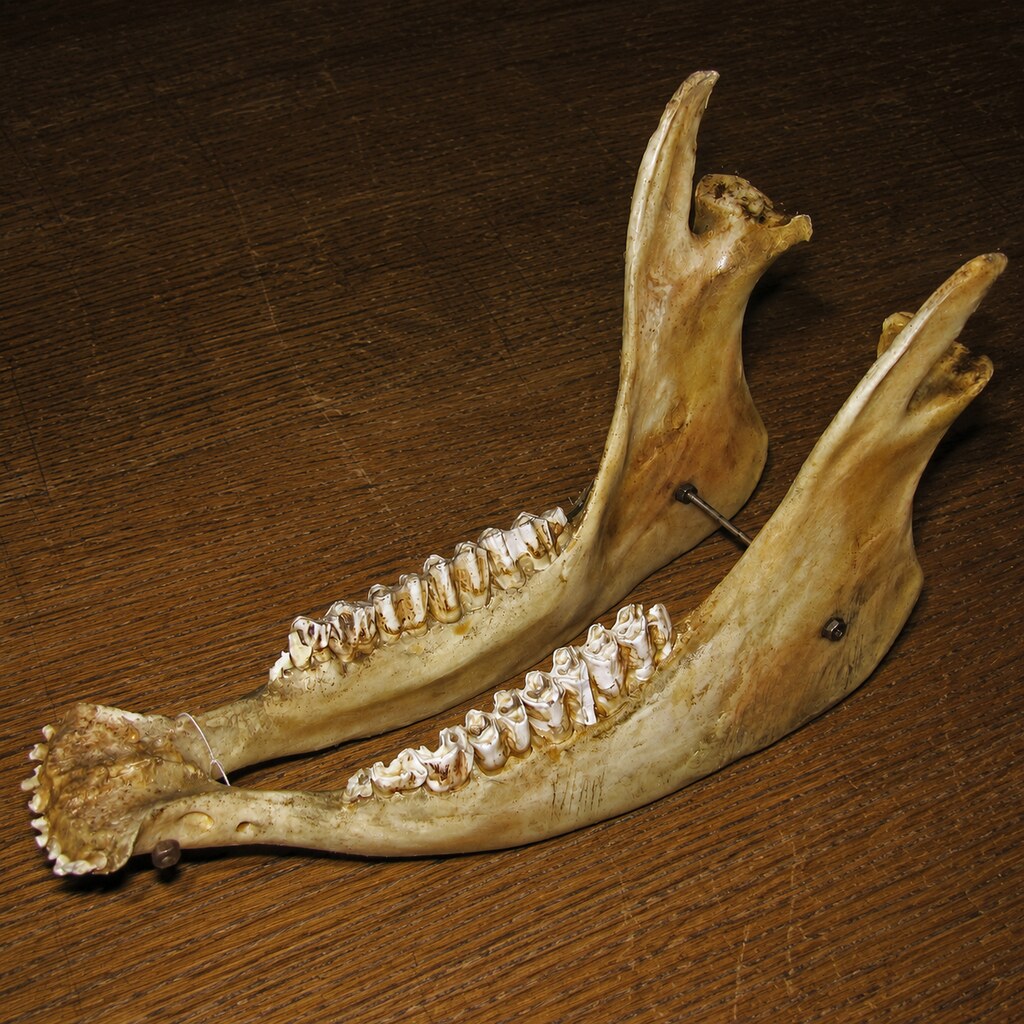
The mandible is the name for the lower law bone. It is the part of the jaw that moves up and down so you can eat and talk.

A mandolin is a musical instrument with four or five pairs of strings that are usually strummed. The mandolin is popular with the Italians and the Spanish.

Scientific name: mandragora officinarum
Mandrake is a poisonous plant. It has a thick root that is often shaped like a human, hence the name mandrake. There are many legends around the mandrake plant, including the myth that when you pull it up, the plant screams and kills everyone who hears the scream. Mandrake has a hallucinogenic effect and has been used in rituals and magic ceremonies for centuries.
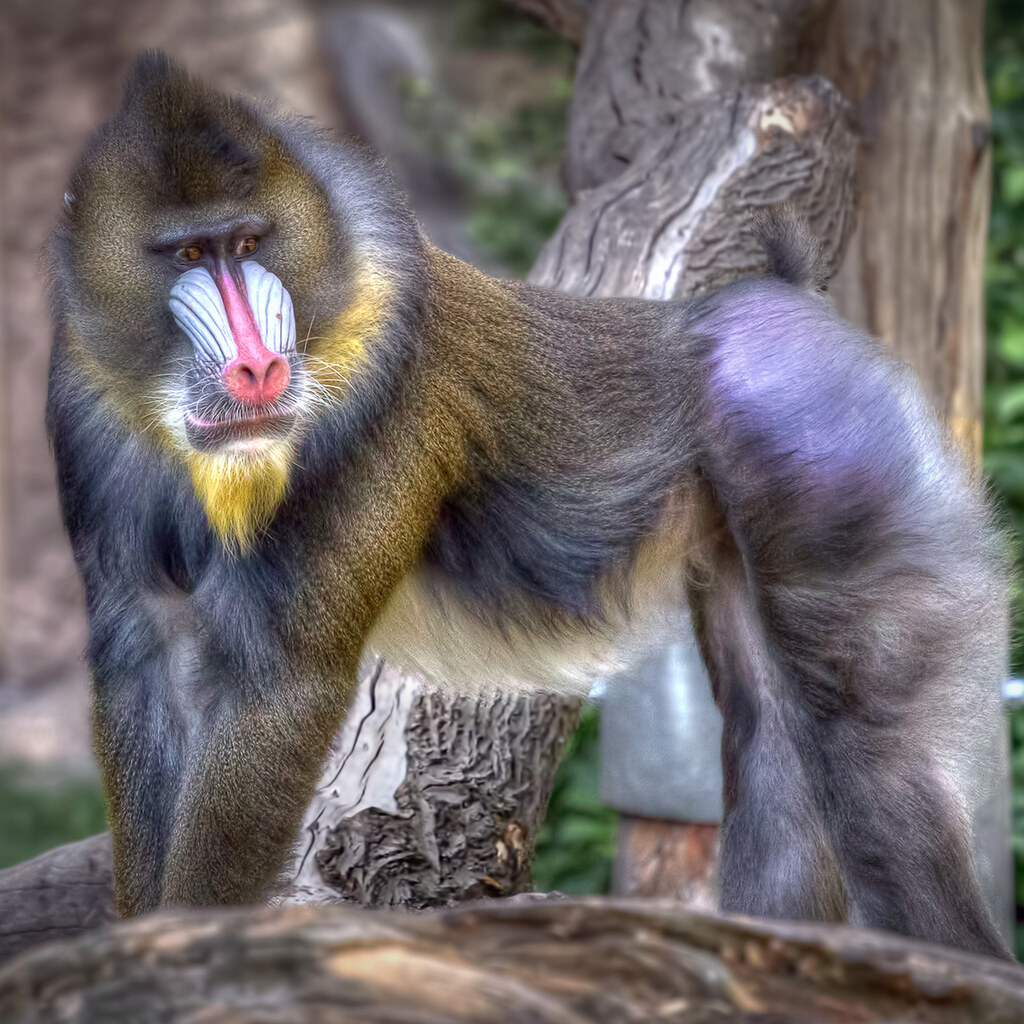
A mandrill is a large African monkey with bright, colorful skin on its face and a long snout. Males especially can have blue and red markings, plus a pale beard and strong-looking cheek features. Mandrills live in forests in central and western Africa, where they move around on the ground and in trees to find food. They eat fruit, seeds, insects, and small animals, and they often travel in groups.


A mangle, also known as a wringer, is designed to squeeze water out of wet clothes, so they are not dripping wet when they are hung out to dry. Mangles are made from two rollers close together that squeeze the clothes between them. They were used before modern washing machines that have built-in spin driers.

Scientific name: mangifera indica
Mangoes are a medium sized, sweet fruit native to India. Mangoes grow on a tree in tropical areas. Mango trees can live to be 300 years old.
Mangoes are soft, and have bright orange flesh. Mangoes can be eaten fresh, dried, in salads and pulped for juice. Mangoes can also be picked underripe and used to make chutney or other dishes.