

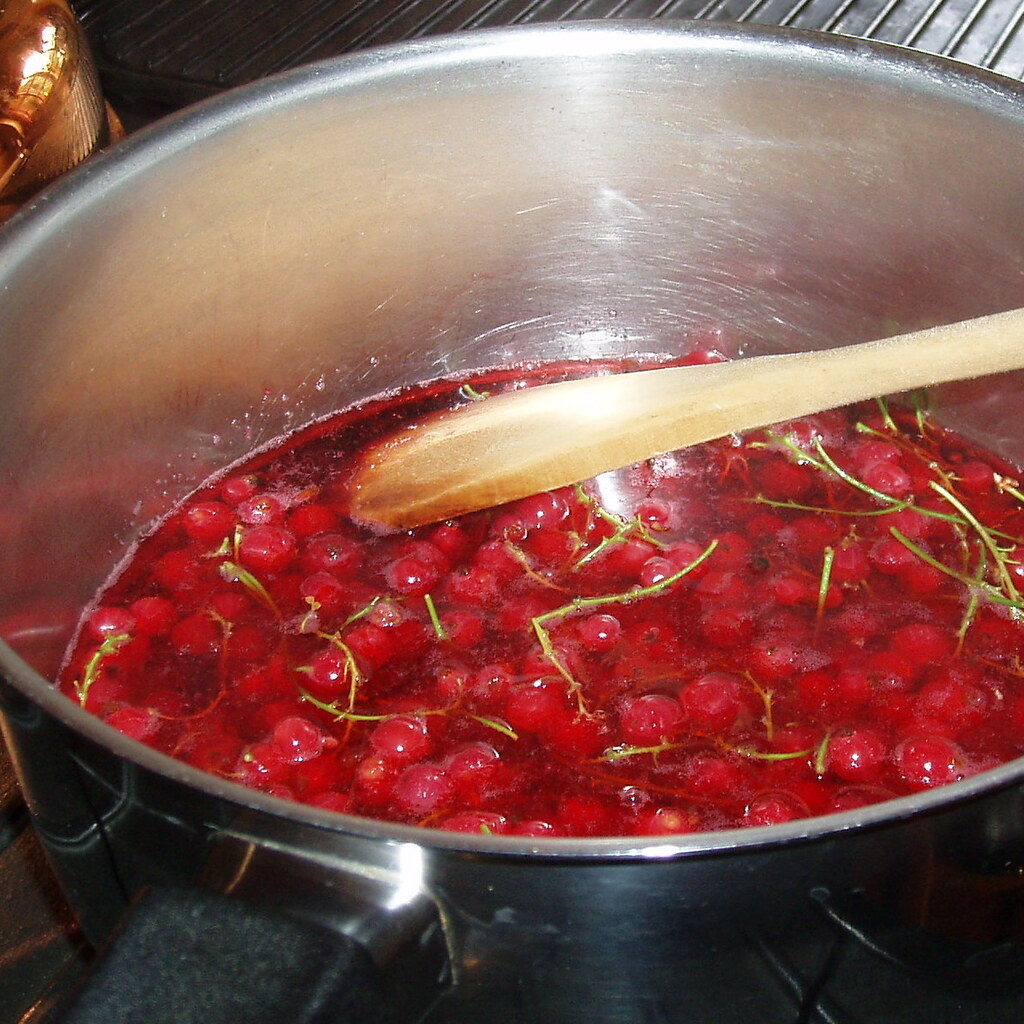
A pan is a metal container that usually has a flat bottom and reasonably straight sides. Pans may or may not have handles. Shallow pans are called frying pans, and deeper pans are called saucepans.

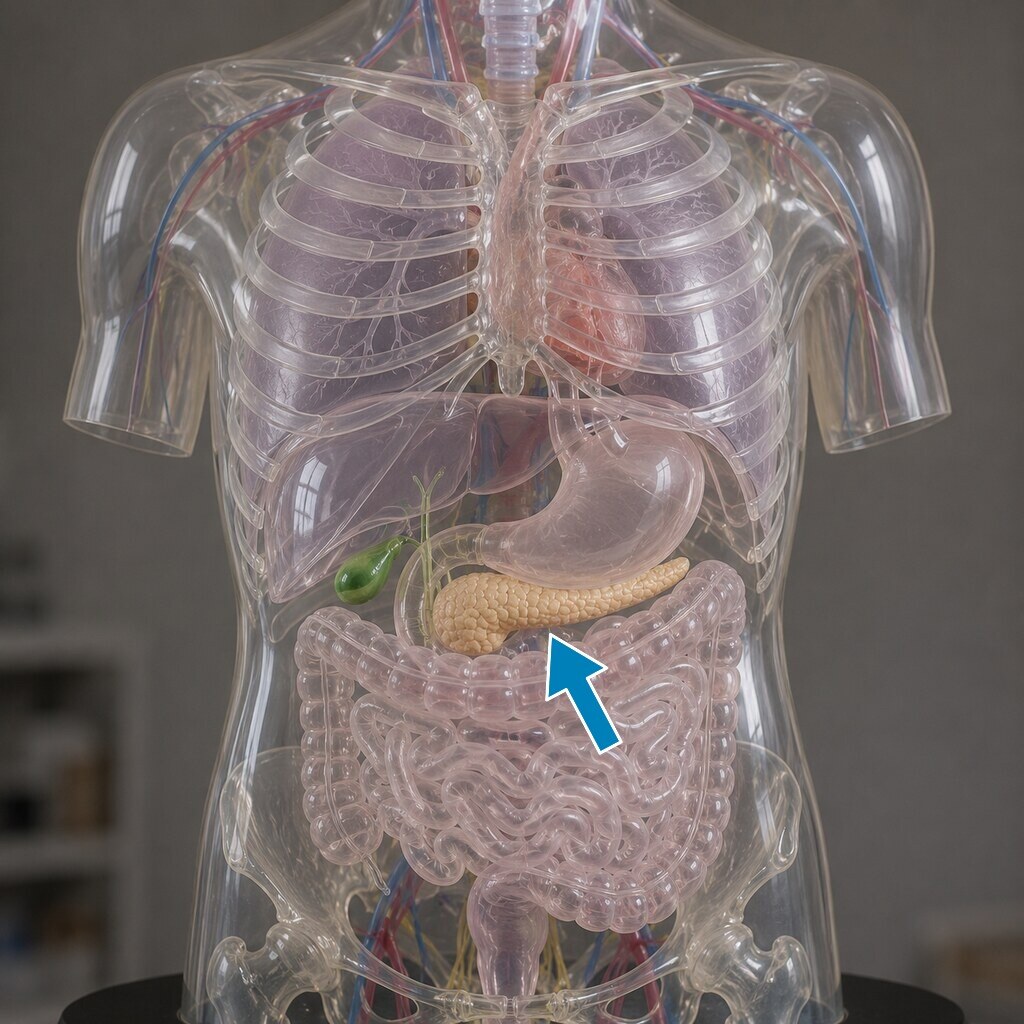
The pancreas is an organ that makes digestive juices that help break down food. It also makes hormones like insulin, which helps control blood sugar. You can find it behind the lower part of the stomach.

Scientific name: ailuropoda melanoleuca
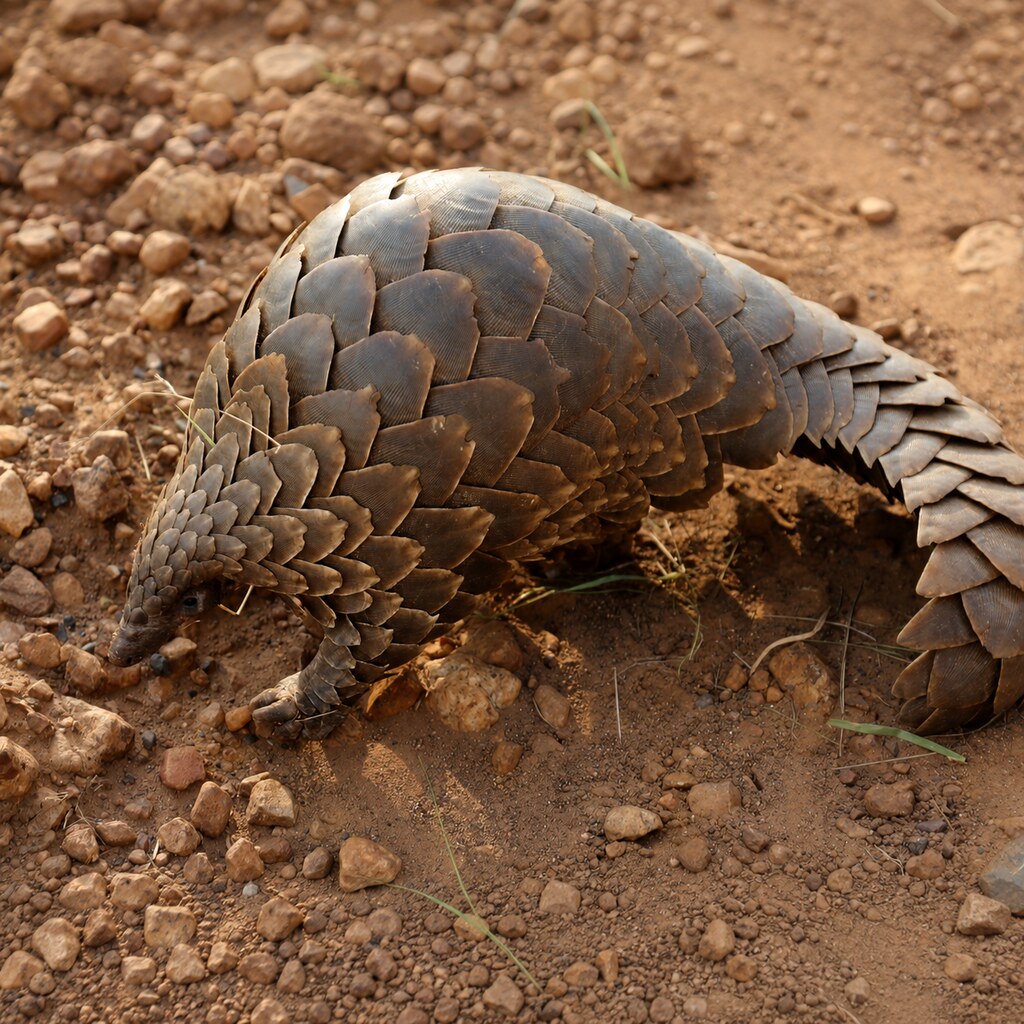
The pangolin is a mammal covered in overlapping scales made of keratin, which is the same material as hair and nails. It lives in parts of Africa and Asia. When it feels threatened, it can curl up into a tight ball to protect itself. Pangolins feed mainly on ants and termites using a long, sticky tongue.
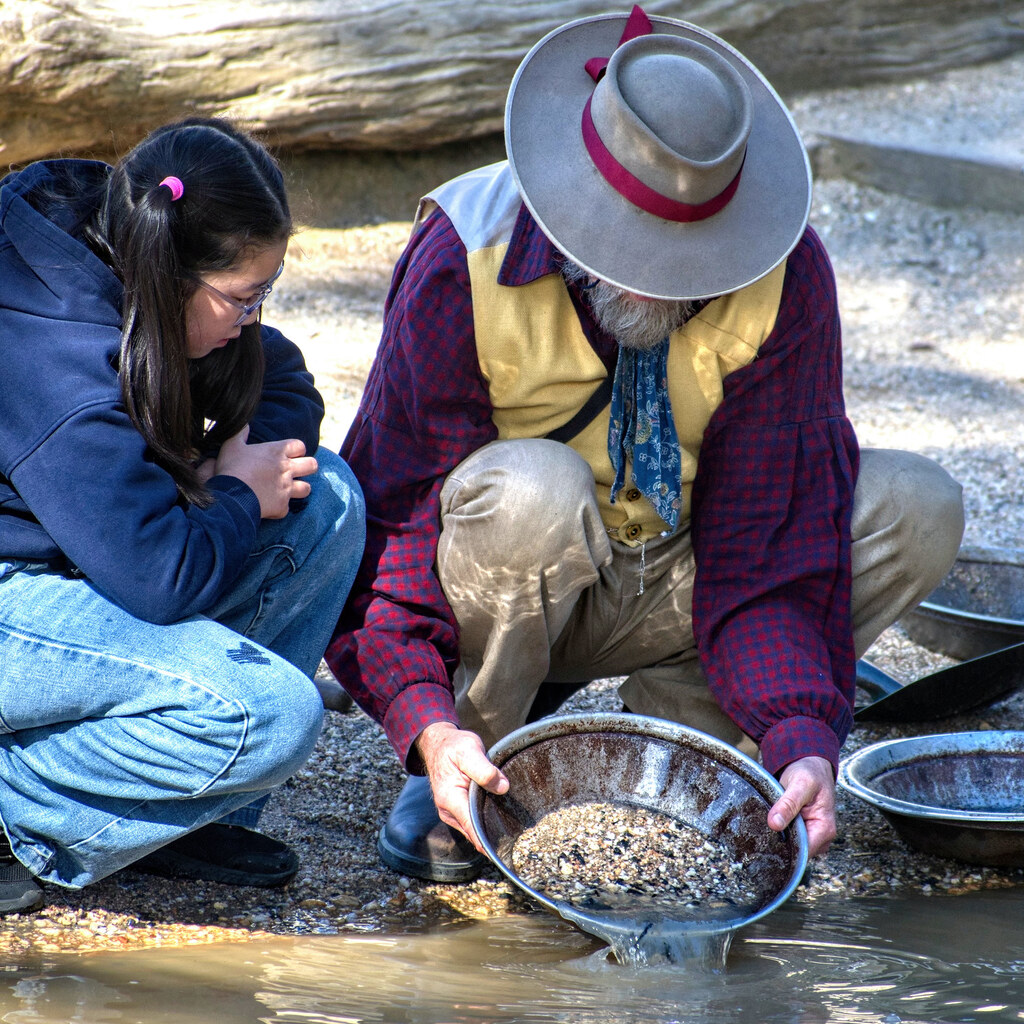
Panning for gold means looking for gold by using a shallow metal pan filled with water and sand. You gently swirl the mixture so heavier gold pieces settle at the bottom.
People often do this in rivers and streams where gold dust or small nuggets may be found.

A pantry is a large cupboard in your kitchen where you store food. You only keep food in your pantry that does not need to be kept cold in a refrigerator.
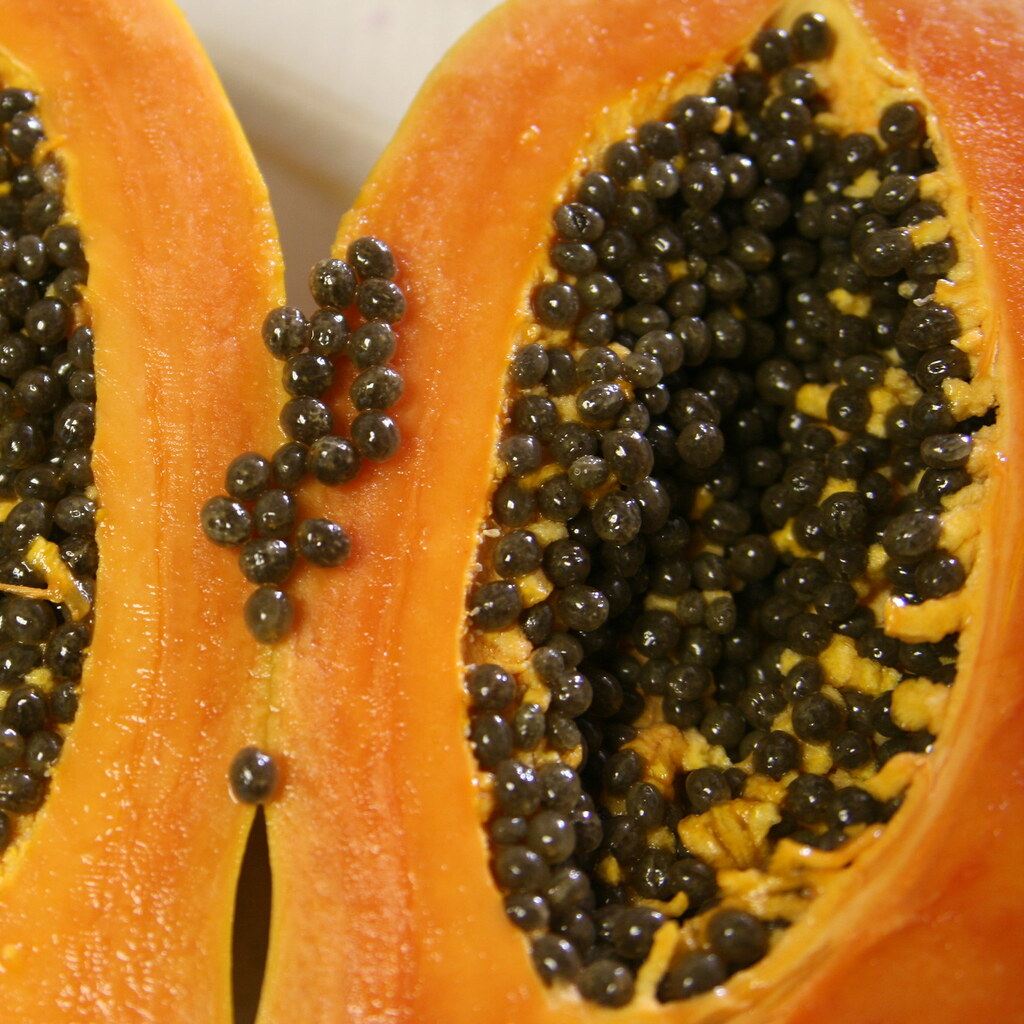
Scientific name: carica papaya

Paper is usually made from very finely ground up wood, bleached white. Paper is thin, usually smooth, and is used to make books, newspapers, magazines and of course you can buy blank or lined paper to draw or write on.
Pieces of paper come in lots of different sizes, textures and colours. Rougher paper is better for drawing on in pencil or charcoal. Paper can be cut or folded into different shapes, for crafts like origami.