
Showing 1-20 of 26
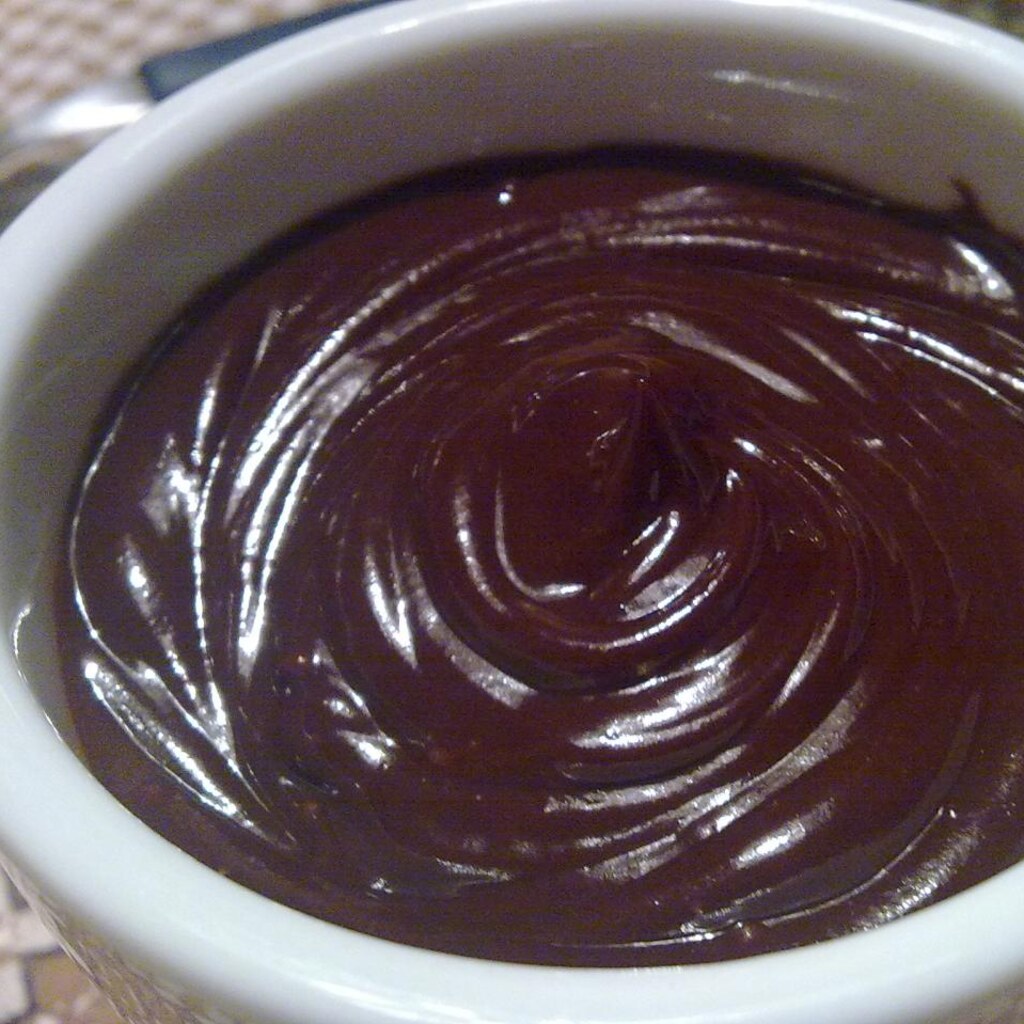
Ganache is a mix of chocolate and cream. It can be used as frosting or filling for pastries and confectionary. It is made by pouring warm cream over diced chocolate and then stirring them together. Ganache is usually made with two parts chocolate to one part cream for filling, and equal parts for frosting or a glaze.
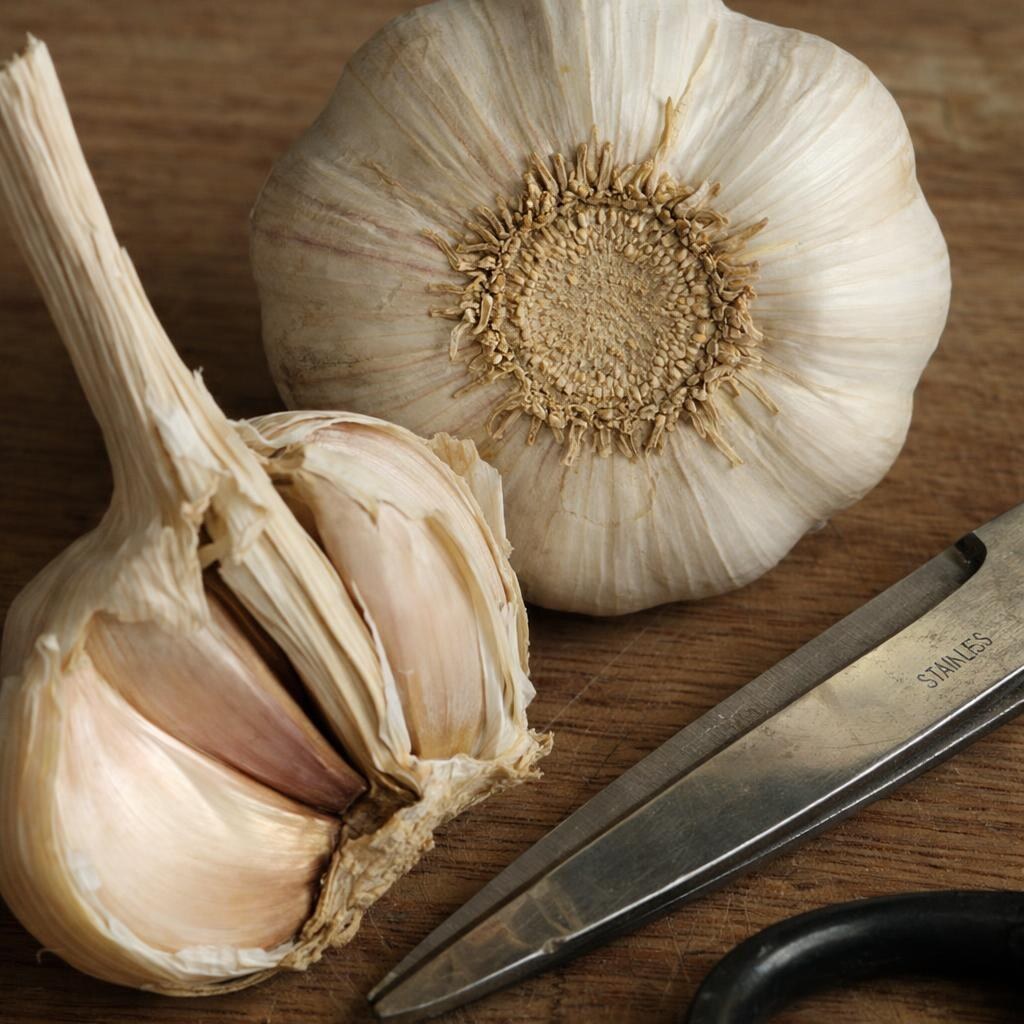
Garlic is a member of the onion family. Garlic is used as a seasoning in many different varieties of food. Garlic is very strong and can make your breath smell bad the day after you eat it. The bulb of the garlic is usually made of several different sections called cloves that can be pulled apart and peeled individually.
It was once thought that garlic warded off vampires.
It was once thought that garlic warded off vampires.

Gelatin, also spelt gelatine, is used to give a thick, gel texture to many foods. It is colourless, odourless and almost tasteless. Gelatin is found in jello, many gummy sweets like in the picture, and marshmallows to name but a few.
Gelatin is made by boiling down the bones and skin of animals. It is composed entirely of a form of collagen. Gelatin is sold as a powder or in hard sheets, and needs to be soaked in warm water to soften it, or dissolved in hot water before it can be added to food.
Gelatin is made by boiling down the bones and skin of animals. It is composed entirely of a form of collagen. Gelatin is sold as a powder or in hard sheets, and needs to be soaked in warm water to soften it, or dissolved in hot water before it can be added to food.


Gherkins are very similar to cucumbers. They are usually pickled when they are small, the same way that cucumbers are. Many people call any pickled cucumber a gherkin.

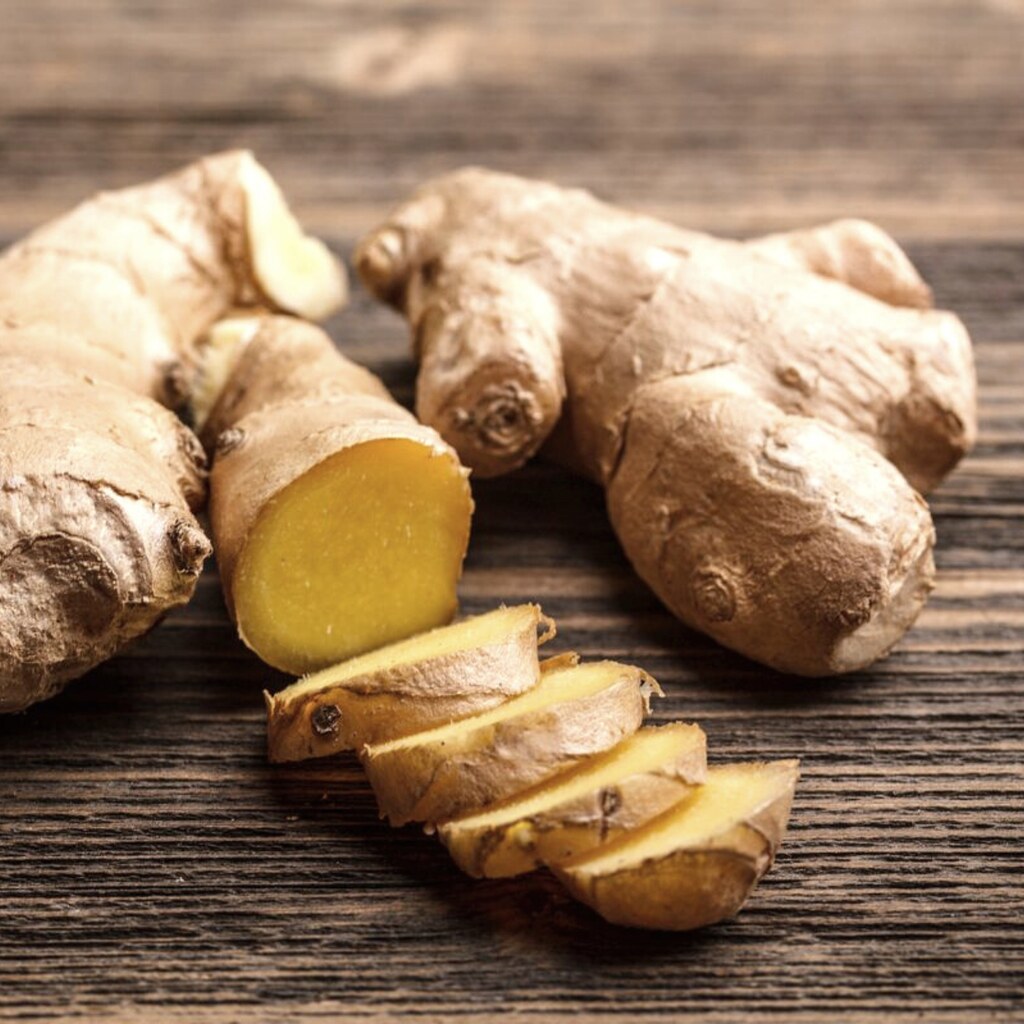
Ginger is a root which is used in cooking. It is used to make gingerbread men, in gravies, stir-fries, curries and cakes. It has a strong, sharp taste.
It can be used as a medicine too, particularly for easing morning sickness, or to aid digestion.
It can be used as a medicine too, particularly for easing morning sickness, or to aid digestion.

G is for Gingerbread man
The features and things like buttons are either drawn on the gingerbread men with icing, gumdrops or raisins or pressed into the surface of the cookie.


G is for Golden syrup

G is for Gorgonzola
It originated near the town of Gorgonzola in northern Italy. Today, it is traditionally made in Lombardy and Piedmont. People eat it with bread or use it in sauces, in risotto, and with pasta.

Gouda is a yellow cheese made from cow's milk. It is usually shaped into round wheels and has a smooth, firm texture. Young Gouda is soft and mild, while older Gouda is harder and has a stronger flavor.
Gouda originated in the Netherlands and is named after the town of Gouda. It is often sold with a red wax coating to help preserve it.
Gouda originated in the Netherlands and is named after the town of Gouda. It is often sold with a red wax coating to help preserve it.

Gourmet describes exceptionally good food that is either very good quality, or requires a lot of skill and preparation to make.
Fancy restaurants serve gourmet food.
Fancy restaurants serve gourmet food.


G is for Grate (Shred)
The most commonly grated foods are cheese and carrots.

Gravy is a thick sauce, usually brown that is typically served with meat. Gravy is usually served with roast meat, and contains juices from the meat itself. Today you can buy many pre-made gravies and gravy powders so you can have gravy with anything, without needing meat juices to make it.
Sometimes food is cooked in gravy or makes a gravy as it is cooking, like a stew.
Sometimes food is cooked in gravy or makes a gravy as it is cooking, like a stew.

In cooking, grease is thick animal fat. The picture is of some bacon grease left to cool in a frying pan.
Grease can also be used to describe non-edible thick oils that are used on machines for lubrication.
Grease can also be used to describe non-edible thick oils that are used on machines for lubrication.

Green tea is a drink made from the leaves of the tea plant. The fresh leaves are quickly heated and dried, then soaked in hot water. It is usually a clear, pale green or yellow liquid with a light taste.
Green tea originated in China. In China, the leaves are often pan-fired, while in Japan they are commonly steamed before drying.
Green tea originated in China. In China, the leaves are often pan-fired, while in Japan they are commonly steamed before drying.
