Showing 61-80 of 89
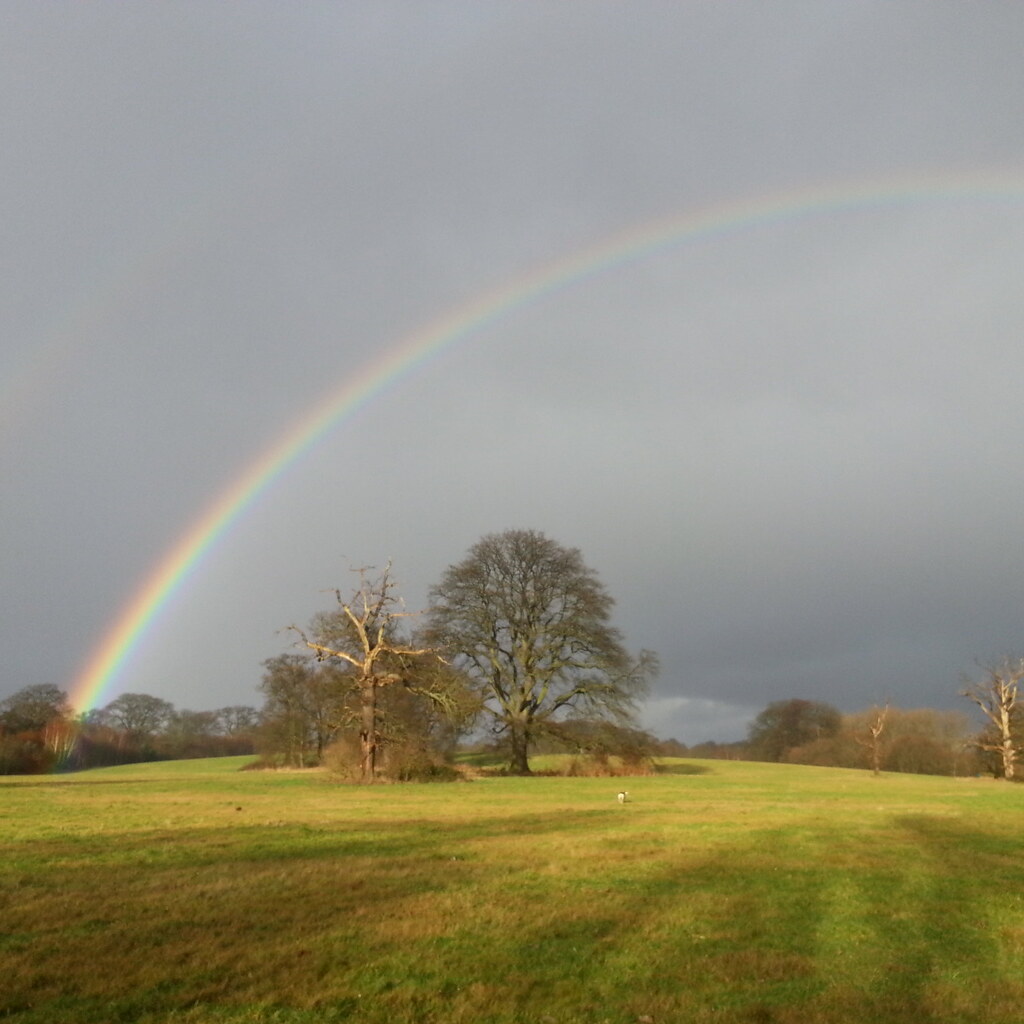
Rainbows happen when the sun shines through a very fine spray of water, like rain in the air or the spray from a garden hose or even from a waterfall.
The rainbow is colourful because as sunlight travels through the water spray, it splits into a spectrum of colours. All the colours you see in a rainbow are there all the time in normal light, but they are mixed up together so you only see white light.
You can also see the colours of the rainbow by shining light through a prism.
The rainbow is colourful because as sunlight travels through the water spray, it splits into a spectrum of colours. All the colours you see in a rainbow are there all the time in normal light, but they are mixed up together so you only see white light.
You can also see the colours of the rainbow by shining light through a prism.
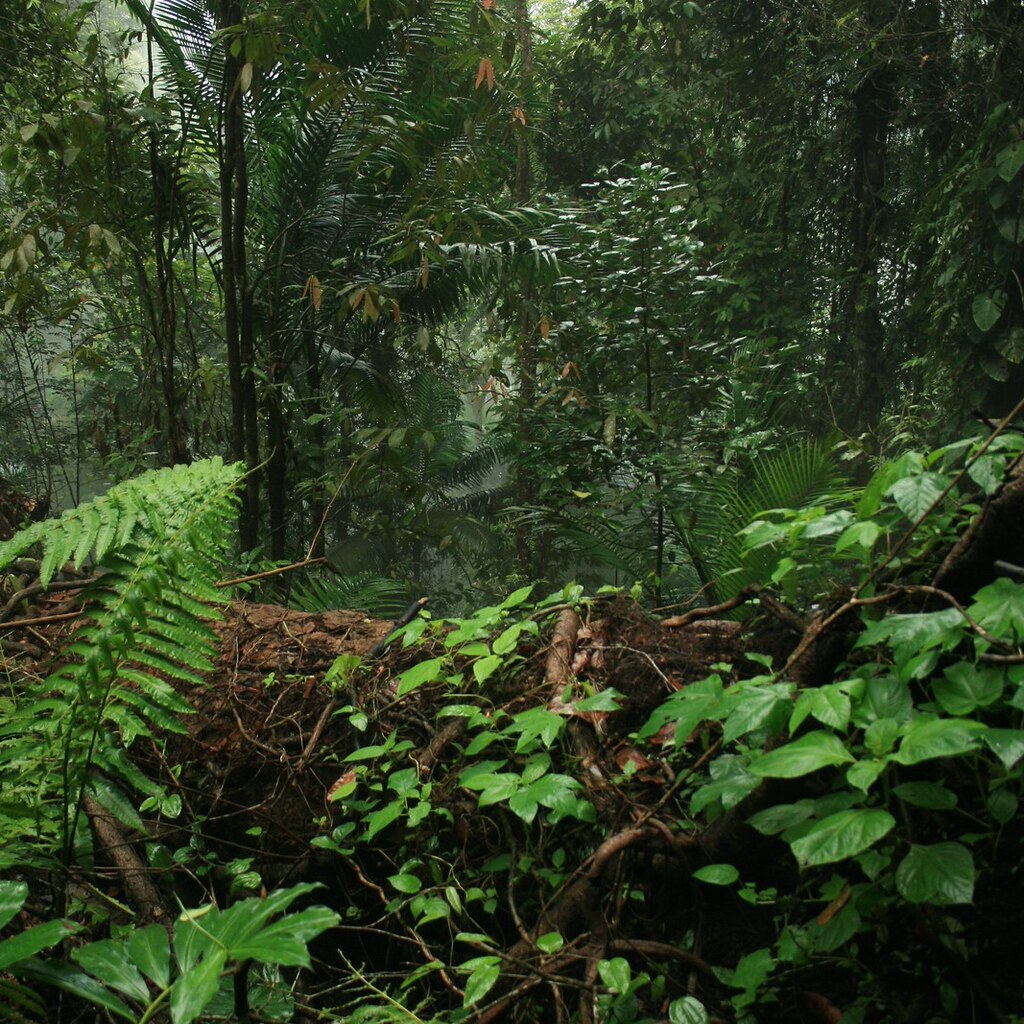
R is for Rainforest
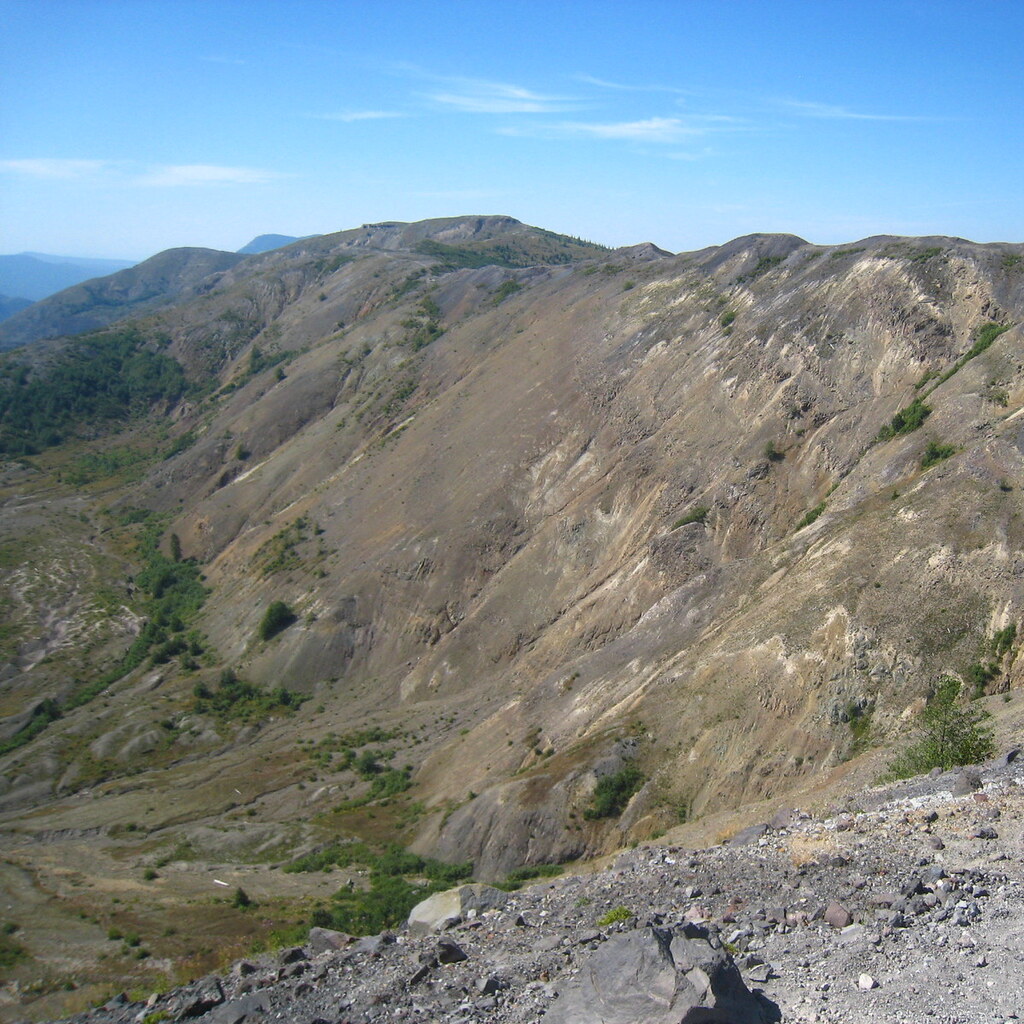
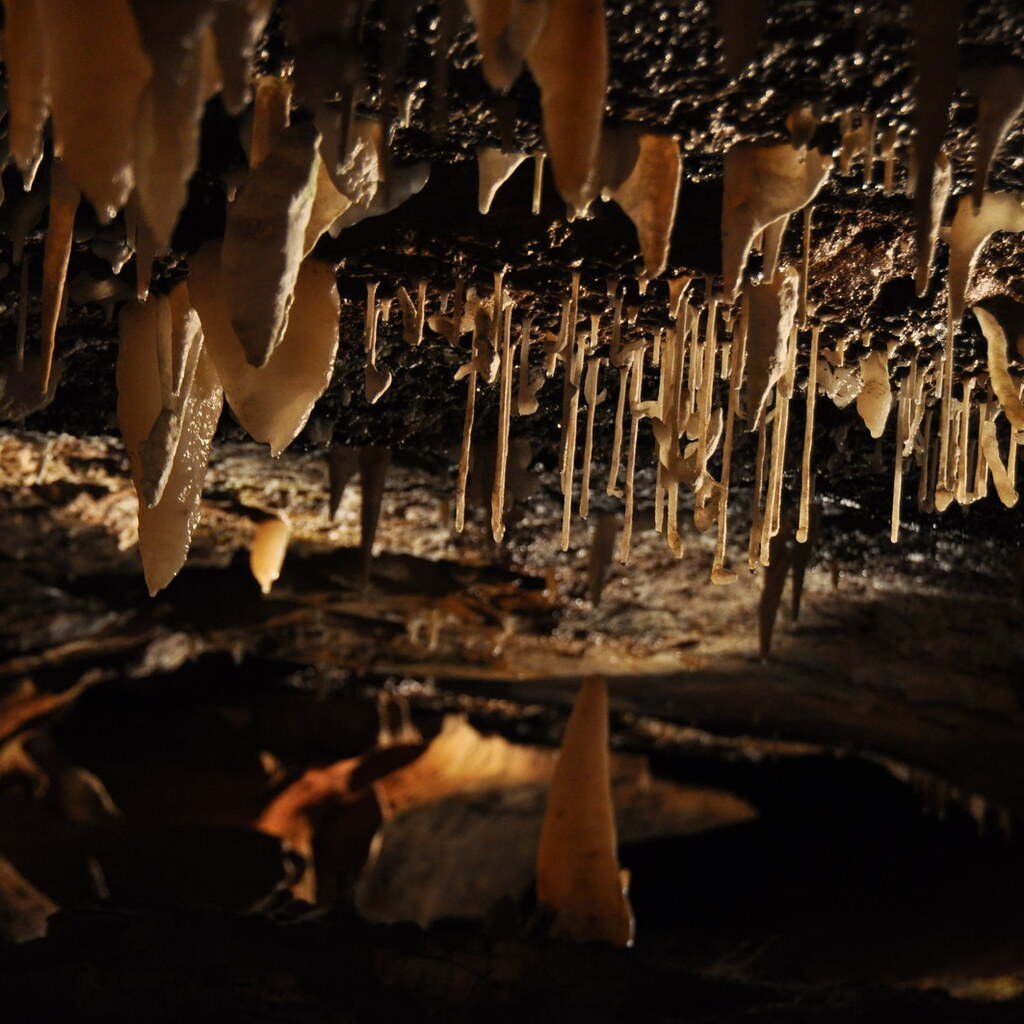
S is for Stalactite
Where water drips from a stalactite, stalagmites form.
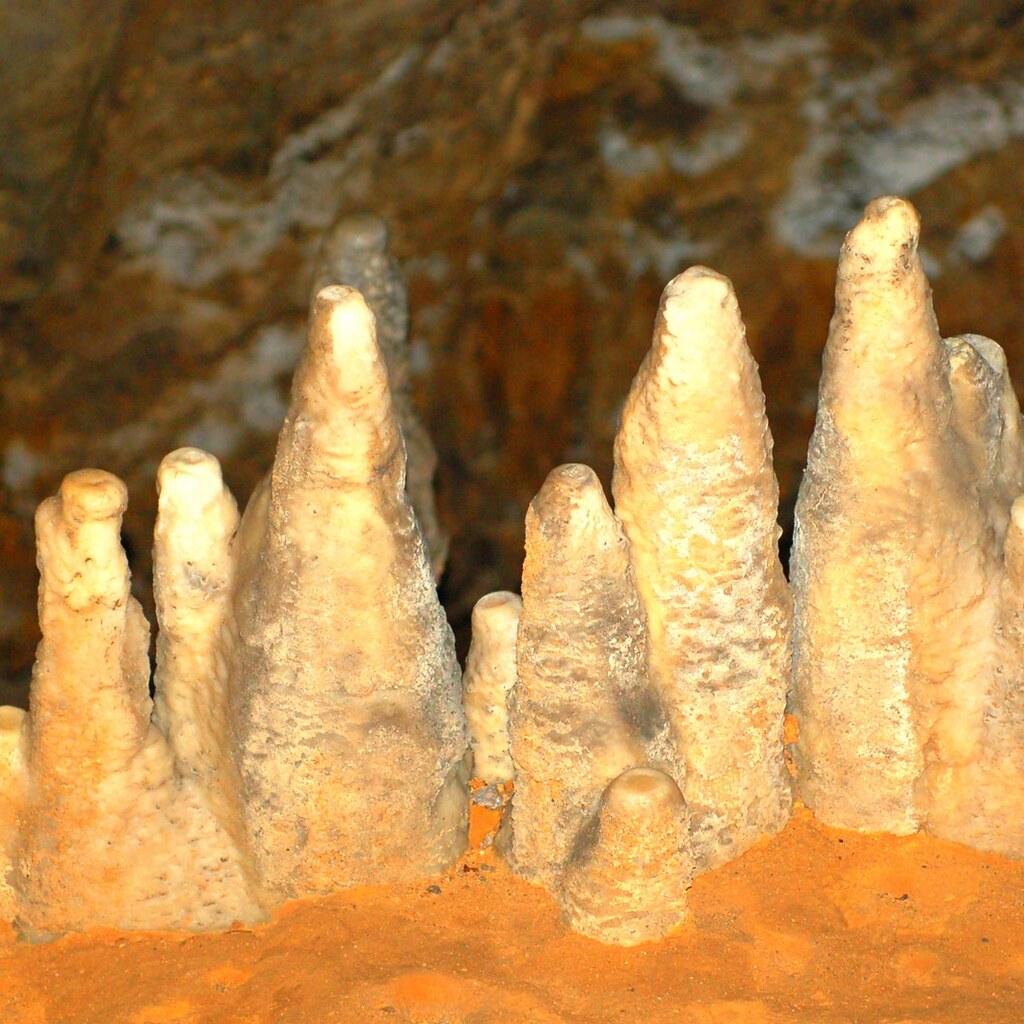
S is for Stalagmite
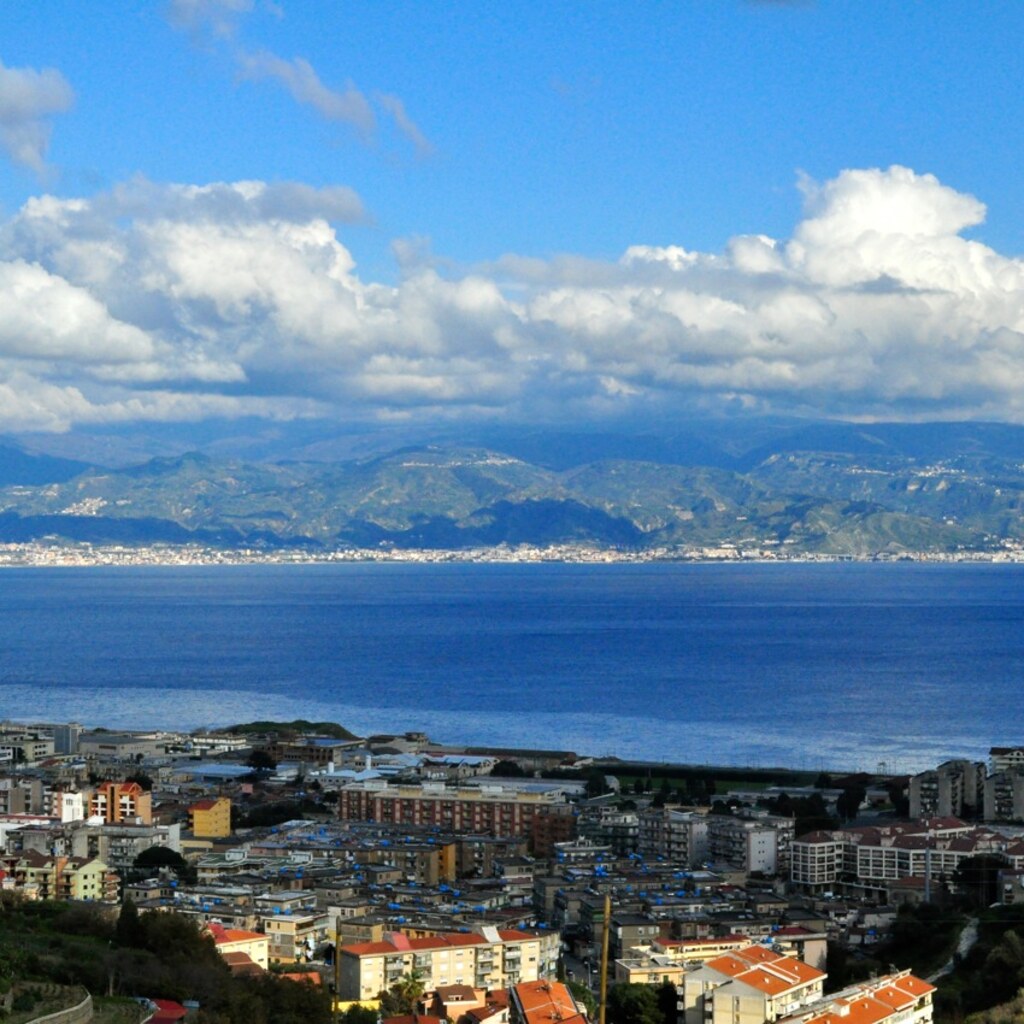
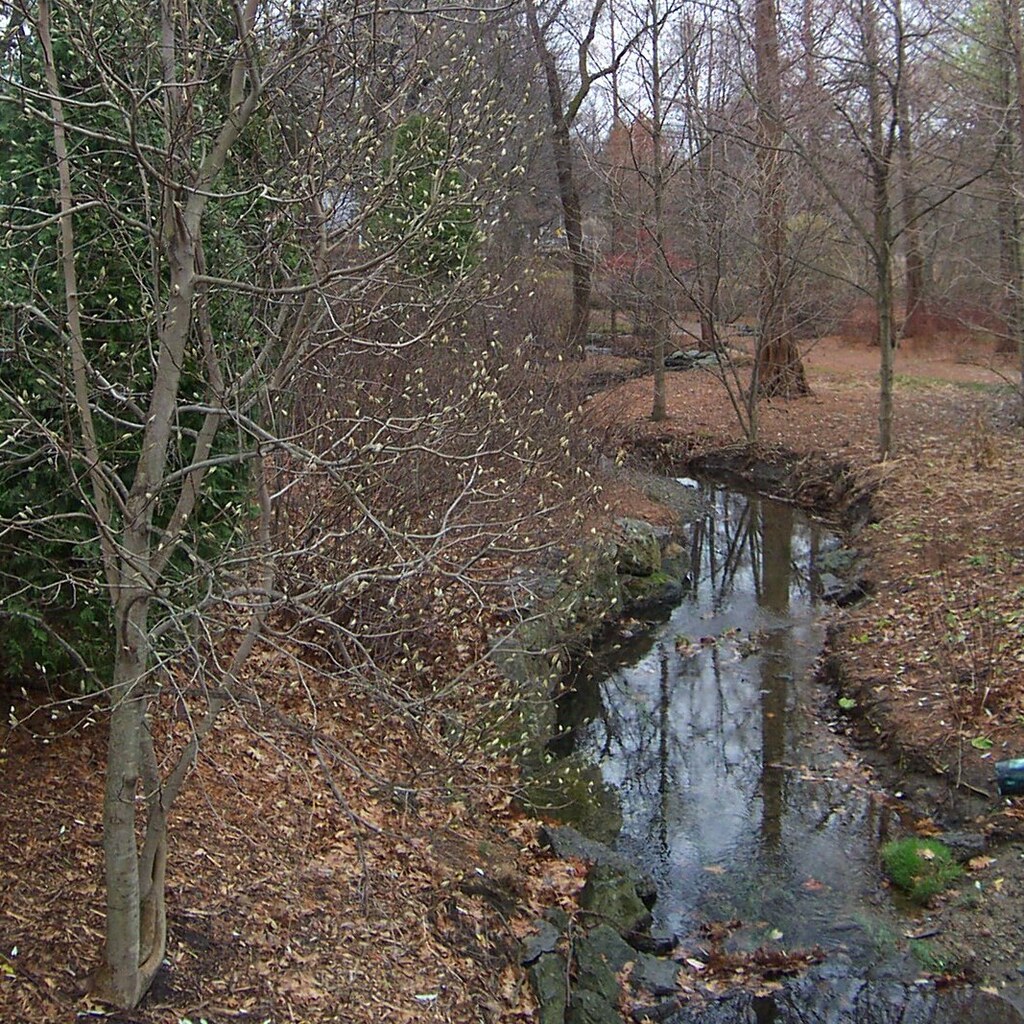
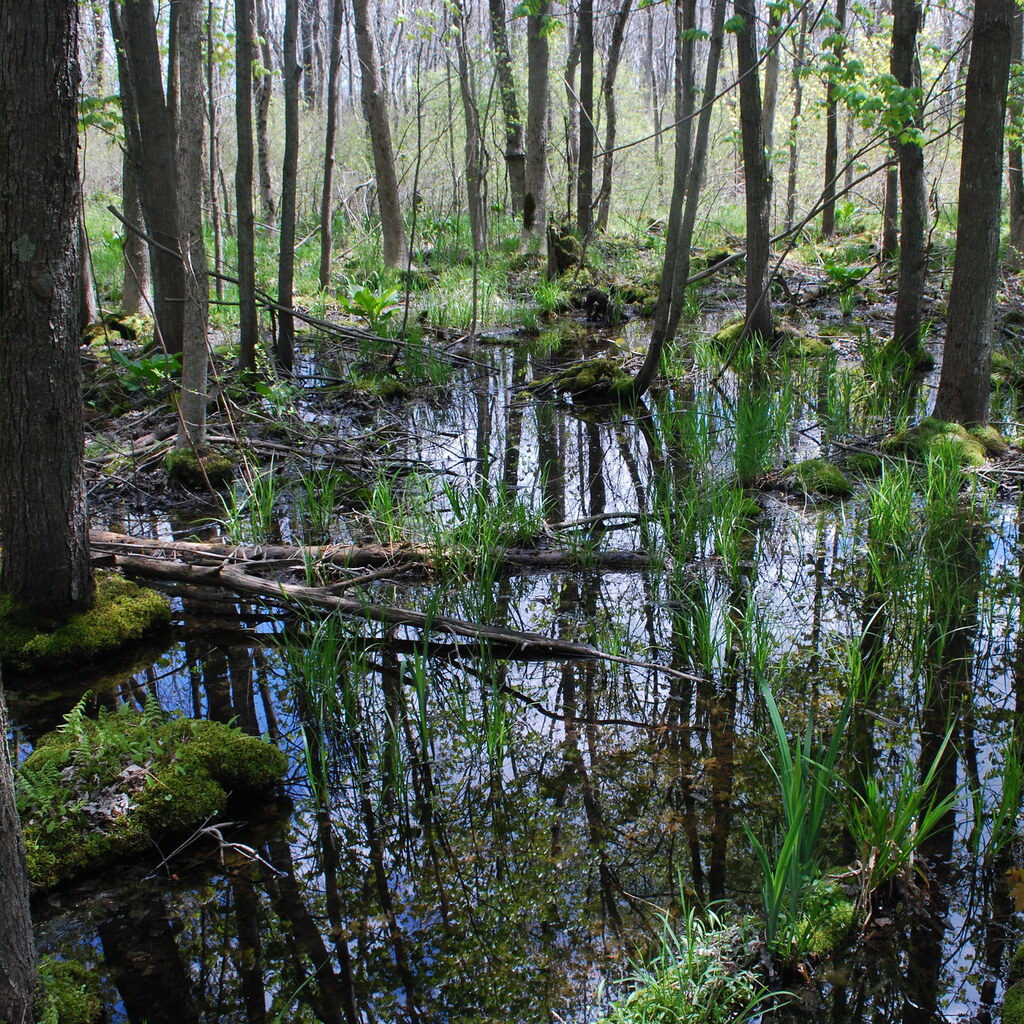
A swamp is a large area that is usually under still, shallow water, although it is likely to have lots of small bits of dry ground sticking out of the water. The water of a swamp may be fresh or salty.
Swamps are full of creatures like frogs and crocodiles.
Swamps are full of creatures like frogs and crocodiles.
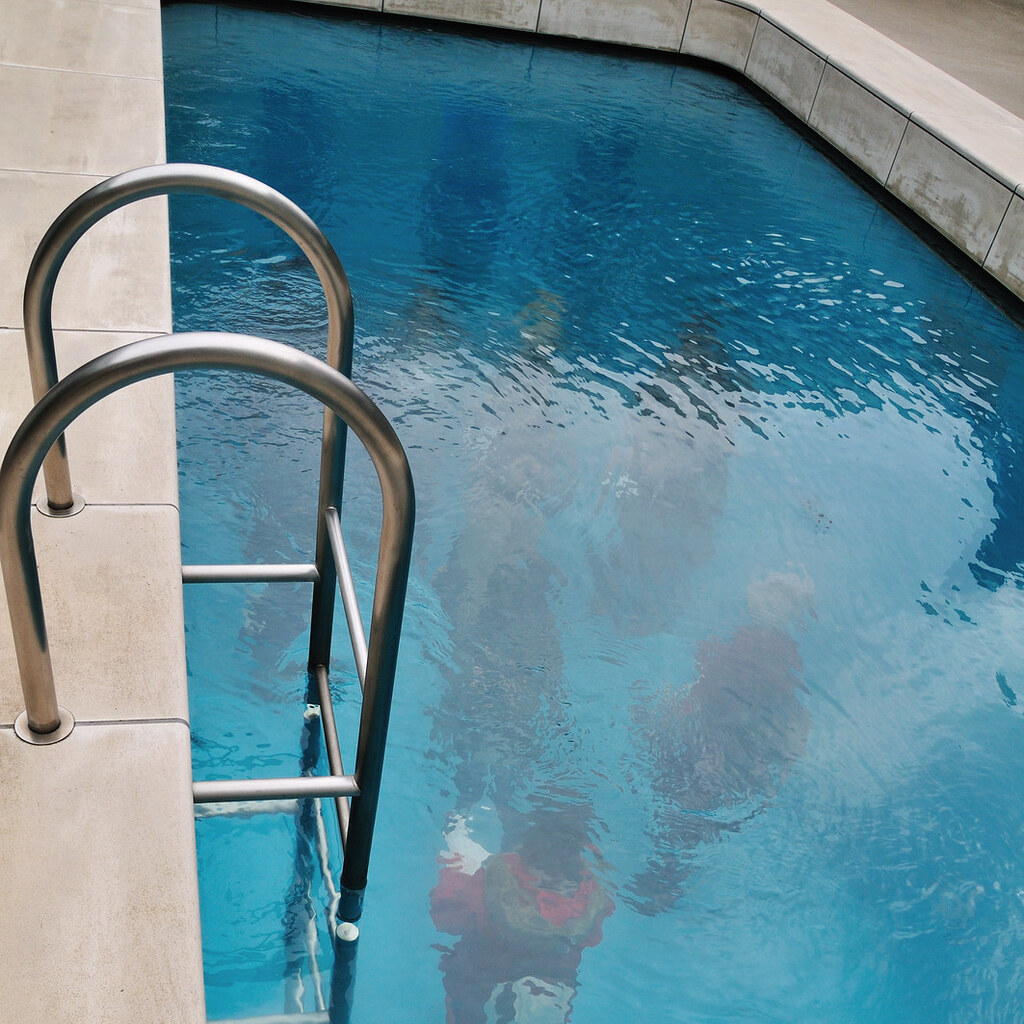
S is for Swimming pool
Swimming pools usually have very clear, pale blue water.


The tides are the rising and falling of the sea because of the pull of the moon and sun on the oceans.
The depth of the water near the coast can change by several metres between high tide and low tide. At low tide a beach may have much, much more sand exposed than at high tide.
The beach in the picture is at low tide. You can clearly see the dark mark on the jetty posts where the high tide comes to.
The depth of the water near the coast can change by several metres between high tide and low tide. At low tide a beach may have much, much more sand exposed than at high tide.
The beach in the picture is at low tide. You can clearly see the dark mark on the jetty posts where the high tide comes to.