Showing 1-20 of 21
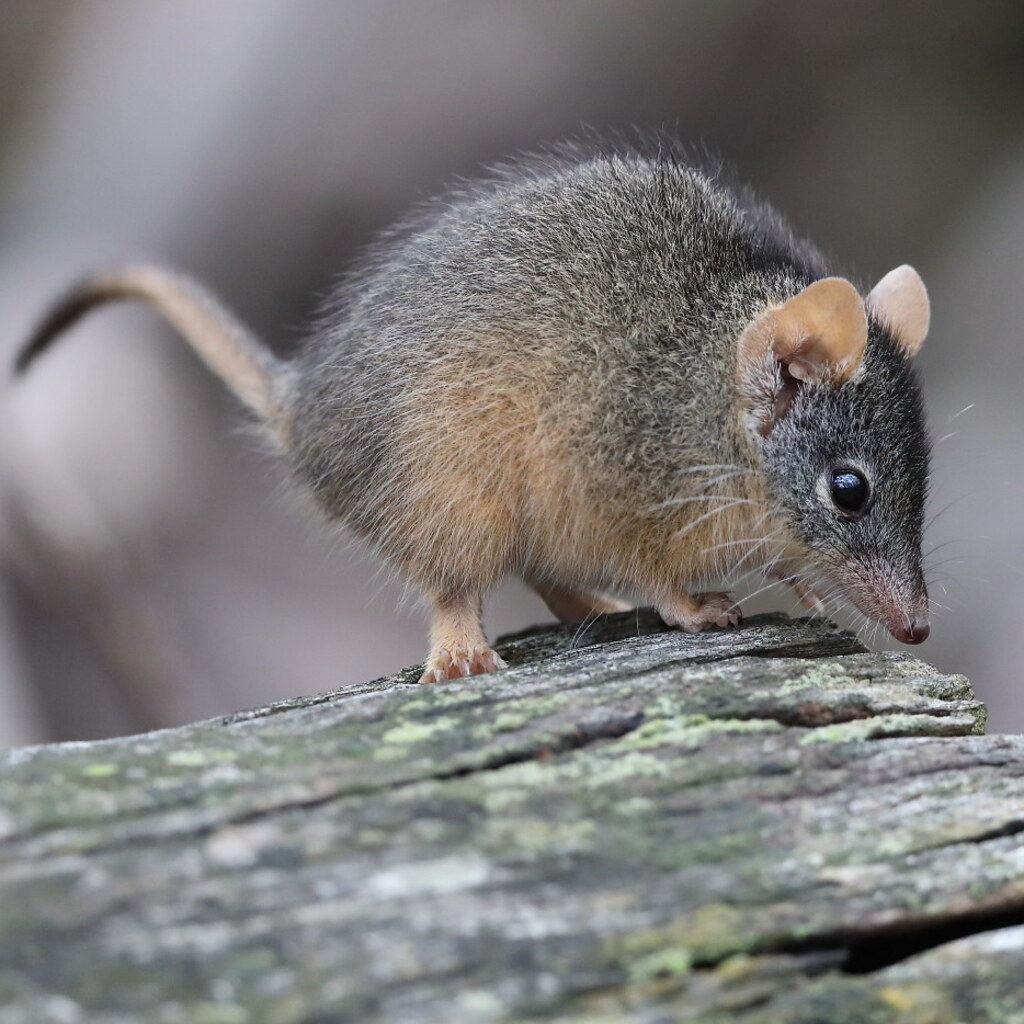
A is for Antechinus
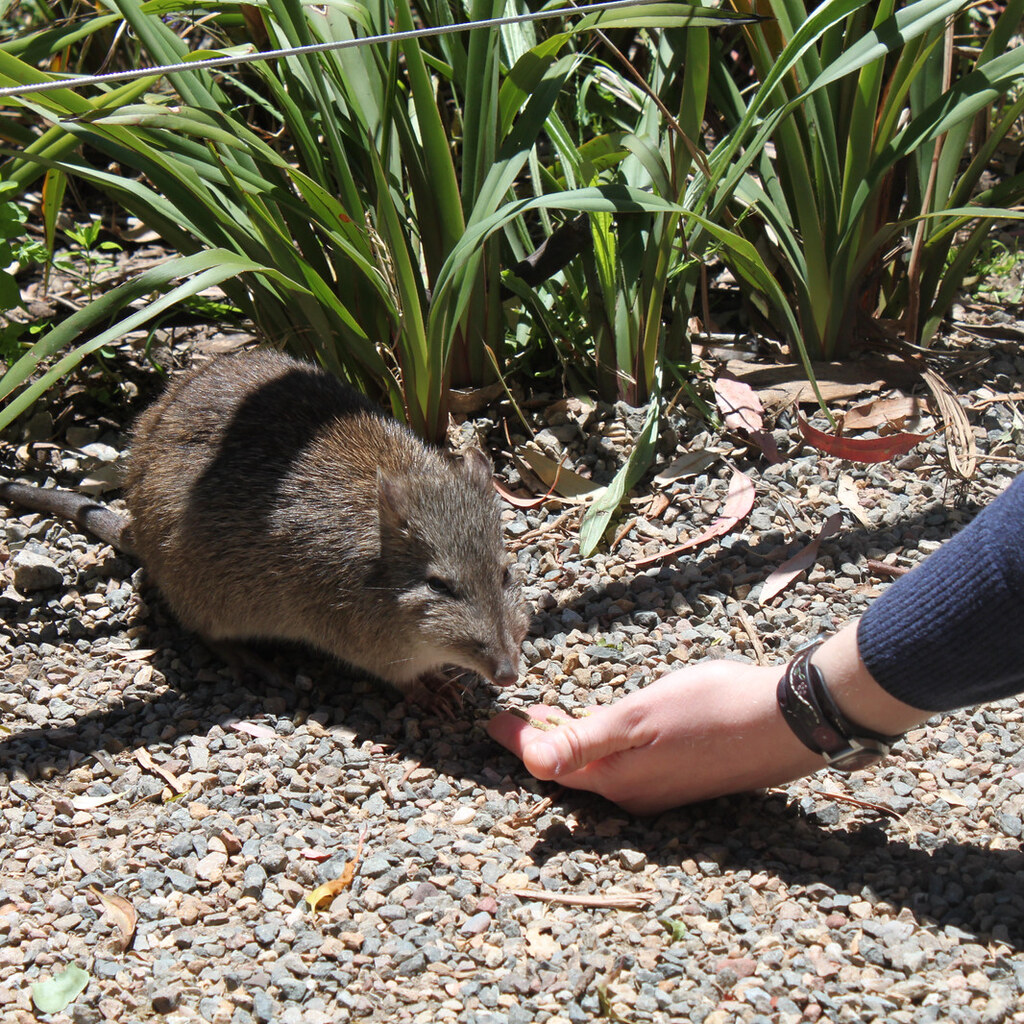
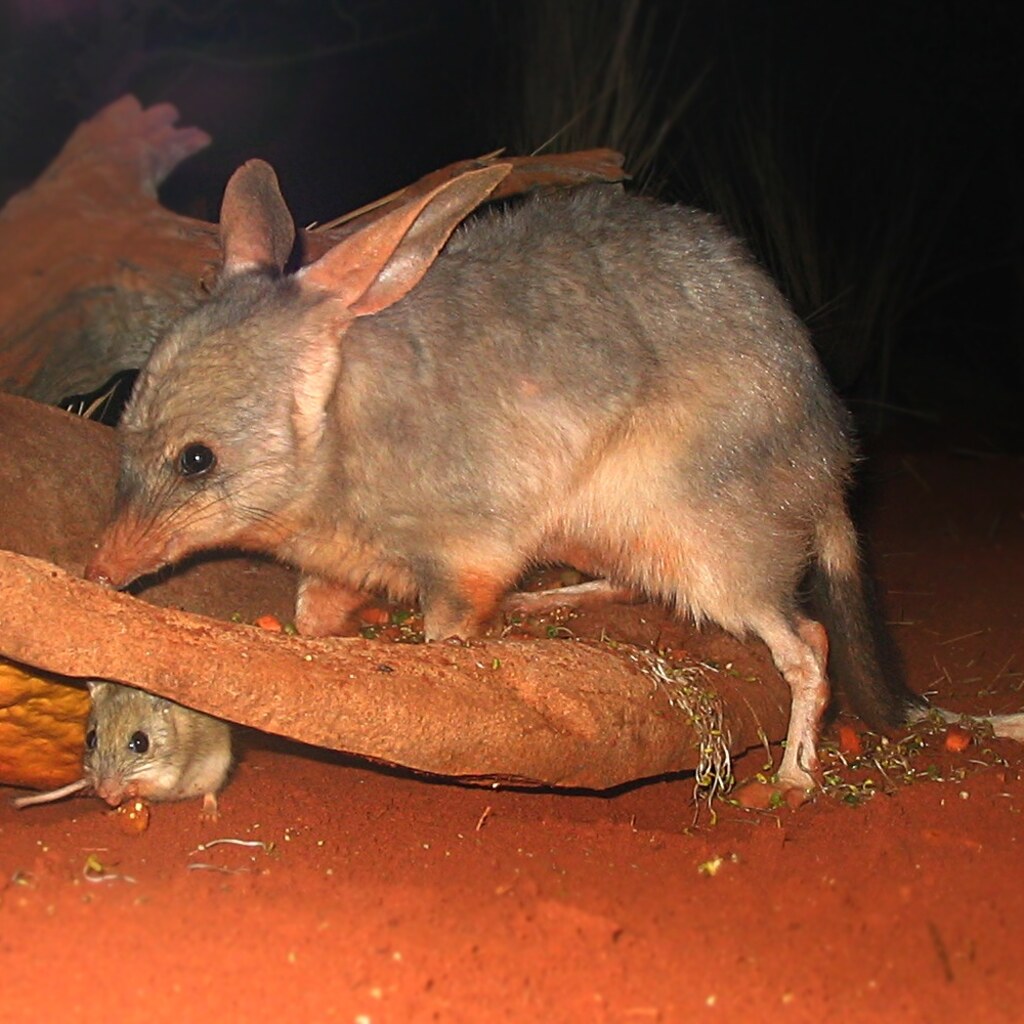
Bandicoots are small marsupials from Australia. Most bandicoots are about the same size as a rabbit. They eat plants as well as insects and small animals. There are around 20 different species of bandicoot.
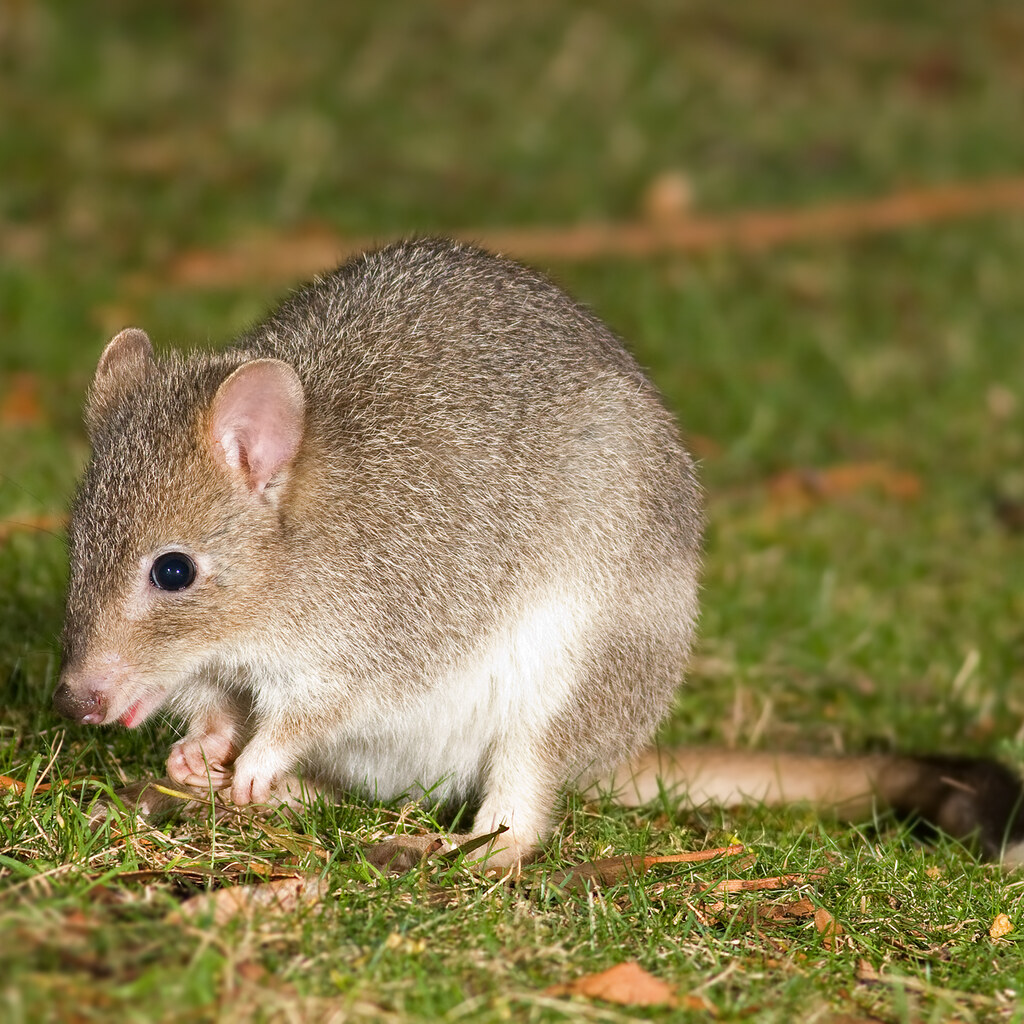
A bettong is a small marsupial from Australia. Many people also call it a kangaroo rat because it looks a bit like a small rodent.
Bettongs hop on long back legs and have a pouch like other marsupials. They dig in the ground to find food, such as roots and insects. You can find them in dry areas and grasslands.
Bettongs hop on long back legs and have a pouch like other marsupials. They dig in the ground to find food, such as roots and insects. You can find them in dry areas and grasslands.
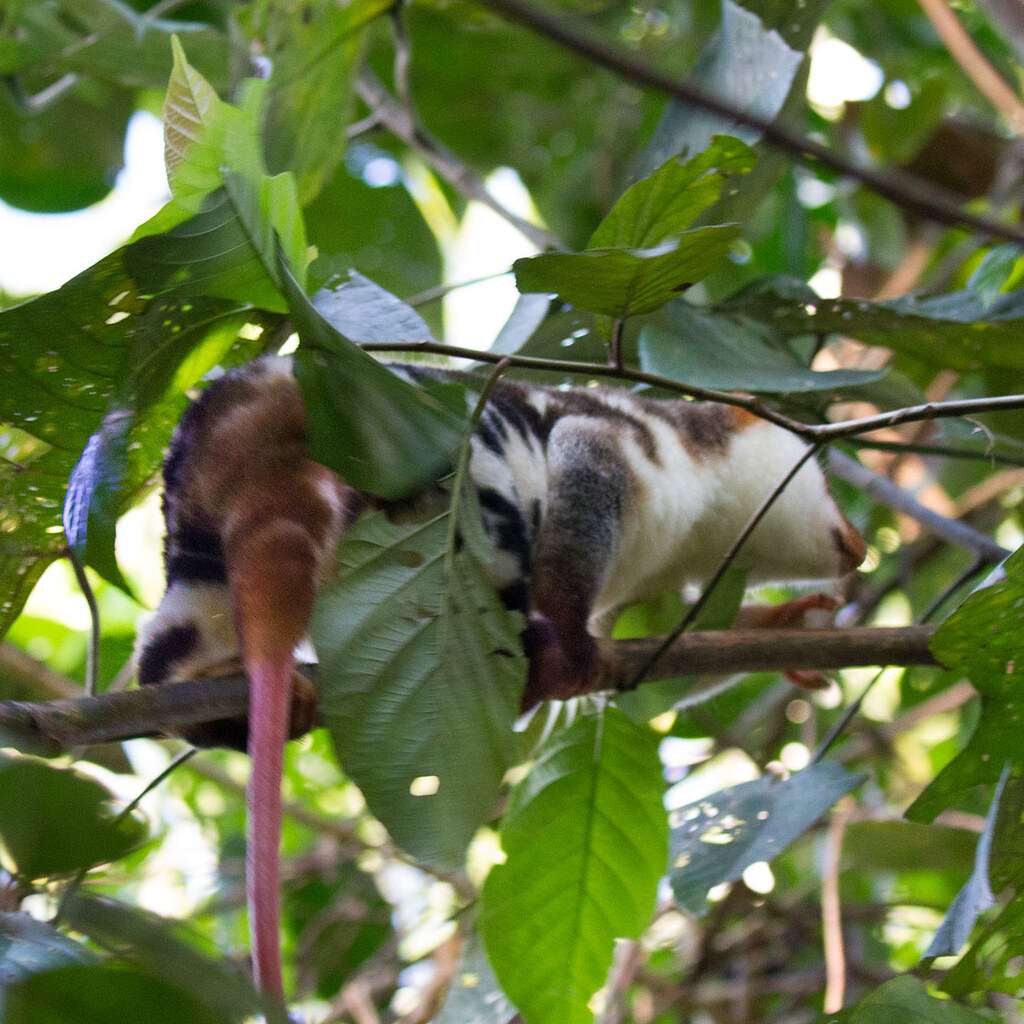
Cuscus are very shy, solitary marsupials in the possum family. They are slow moving, and behave more like sloths or slow loris.
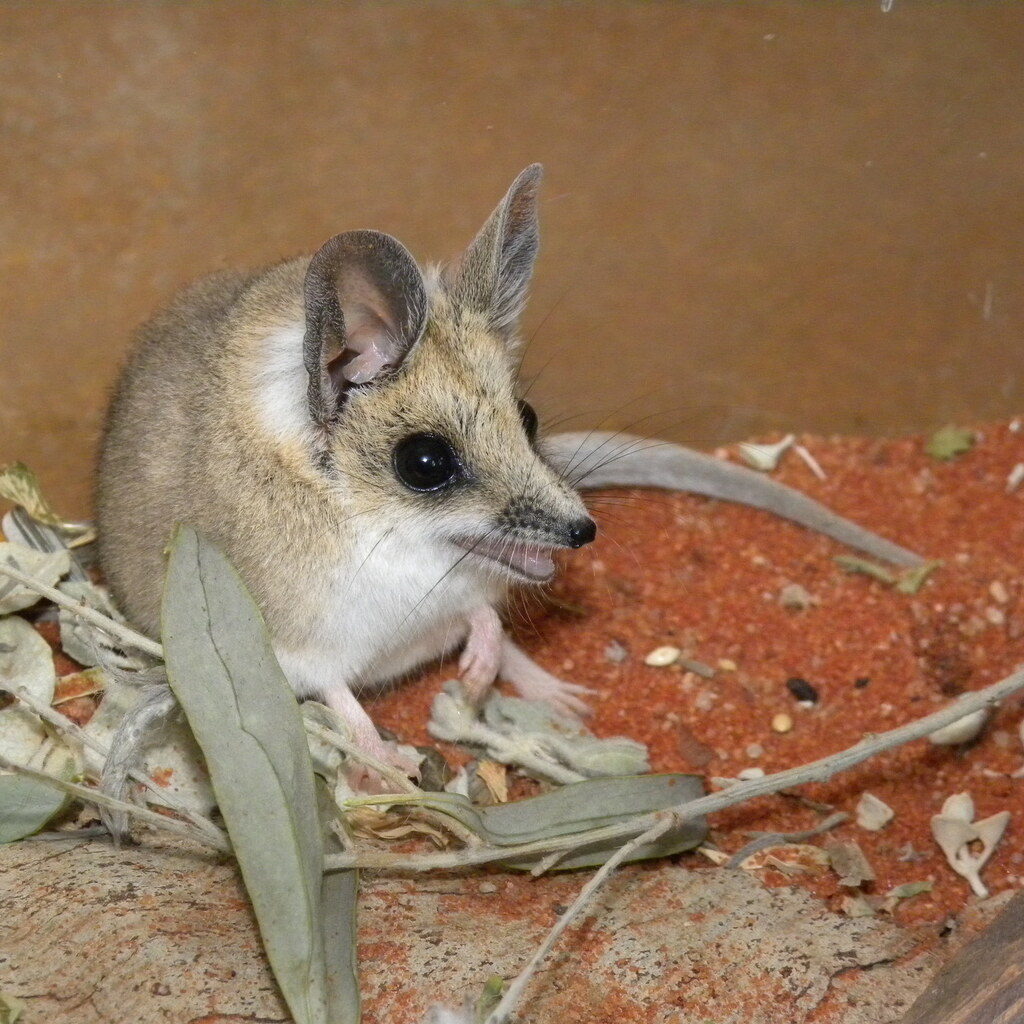
A dunnart is a mouse sized marsupial that eats mostly insects.
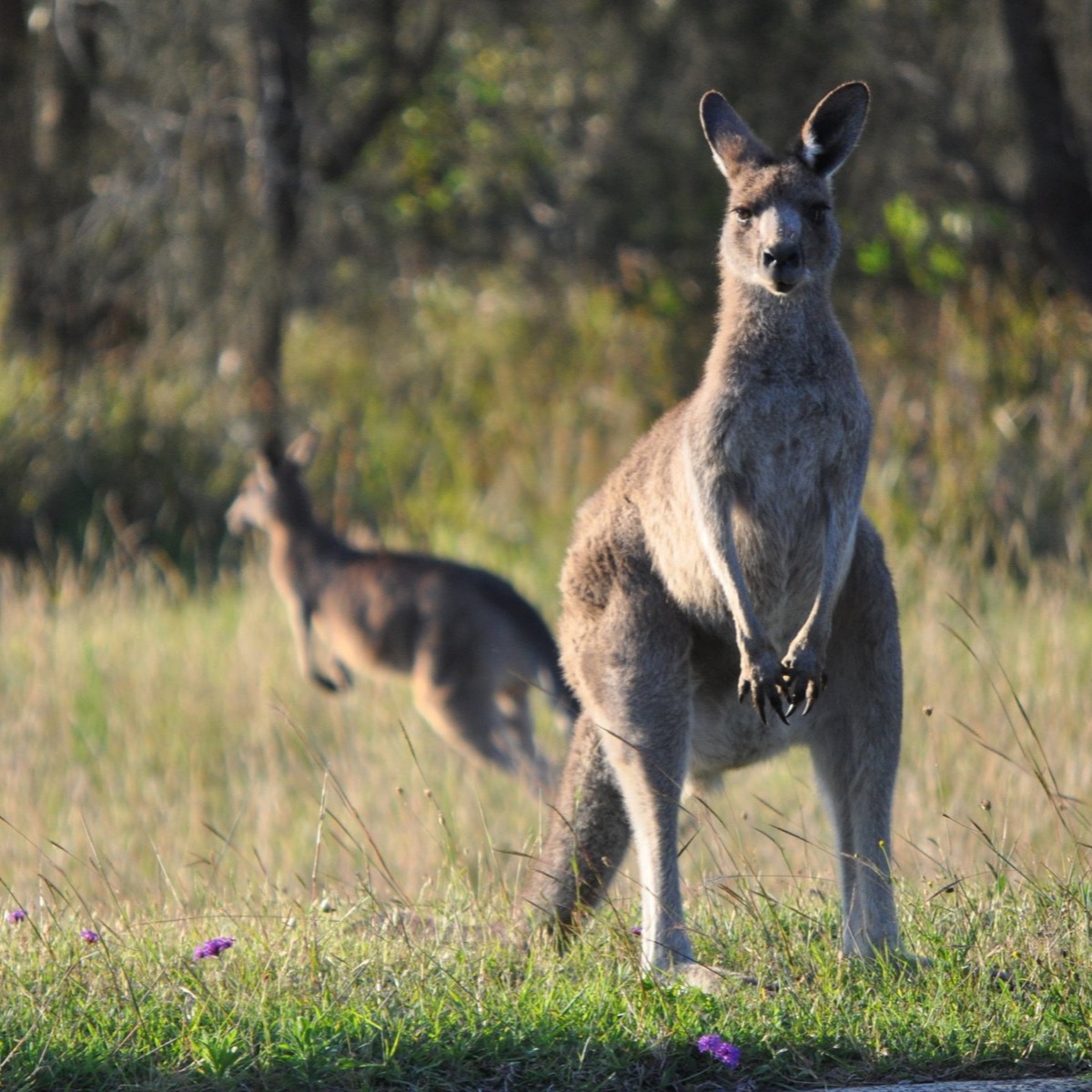
Kangaroos (Macropus rufus) are a marsupial that lives in Australia. Marsupials are animals that keep their babies their pouches. Kangaroos eat mostly grasses and small shrubs.
Kangaroos travel by hopping along on their hind legs, using their tail to balance themselves. They can travel very fast, and can grow to be taller and heavier than an adult man. A baby kangaroo is called a joey.
Kangaroos travel by hopping along on their hind legs, using their tail to balance themselves. They can travel very fast, and can grow to be taller and heavier than an adult man. A baby kangaroo is called a joey.
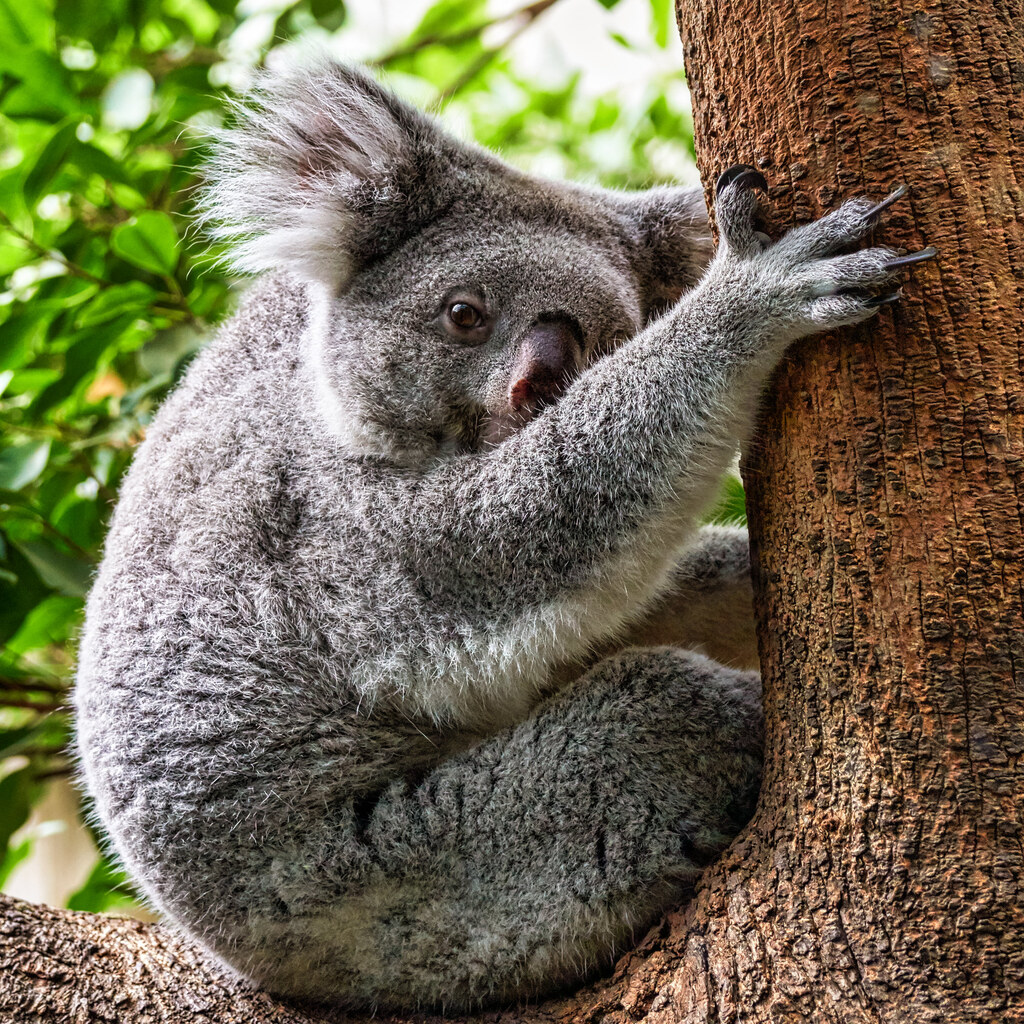
Koalas are a marsupial that lives in Australia. Marsupials are animals that keep their babies in pouches. Koalas live in eucalypt trees, and eat only eucalypt leaves. Koalas move very slowly and spend most of their time asleep. Koalas have two thumbs on each hand and foot. A baby koala is called a joey, the same as a baby kangaroo. When the joey has left its mother's pouch, it will ride on her back for another six months. The closest relative of the koala is the wombat.
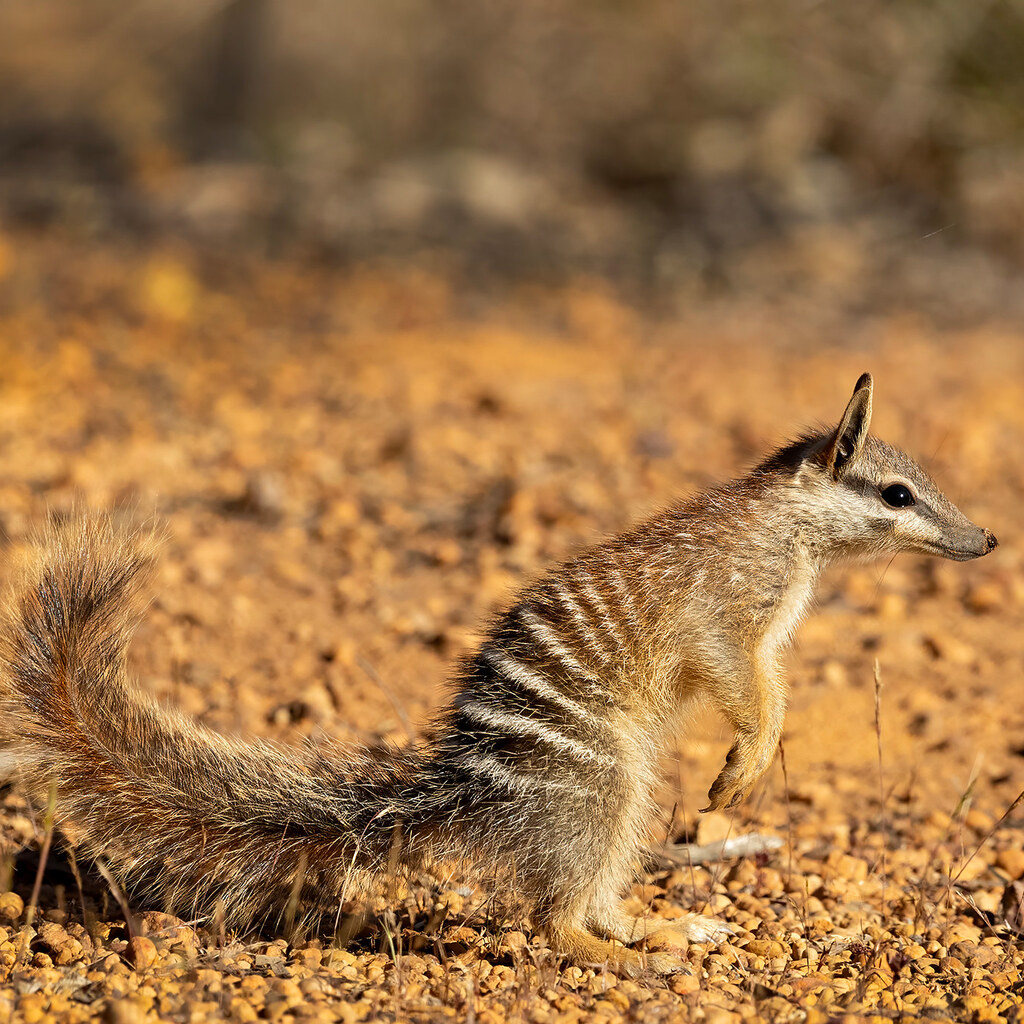
A numbat is a small, striped marsupial that is active at dawn and dusk. It eats mostly termites.

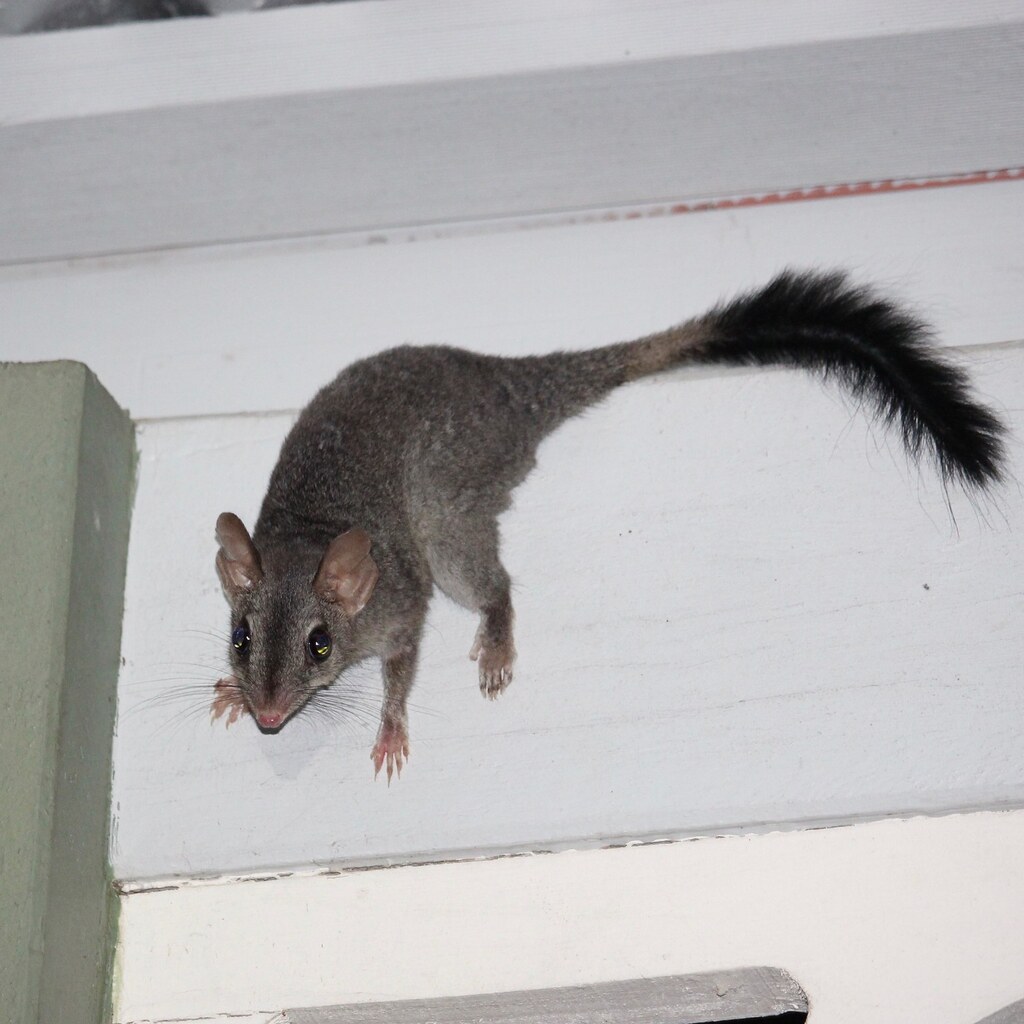
P is for Phascogale
It hunts at night, using its sharp teeth and claws to catch insects and small animals. It sleeps during the day.

Possums are fairly small creatures that live in trees in Australia, New Guinea, and Sulawesi. Possums usually sleep during the day and come out at night. Possums eat leaves, flowers and sometimes insects, eggs and meat.
The possums in the photo are trichosurus vulpecula, the common brush-tailed possum.
The possums in the photo are trichosurus vulpecula, the common brush-tailed possum.
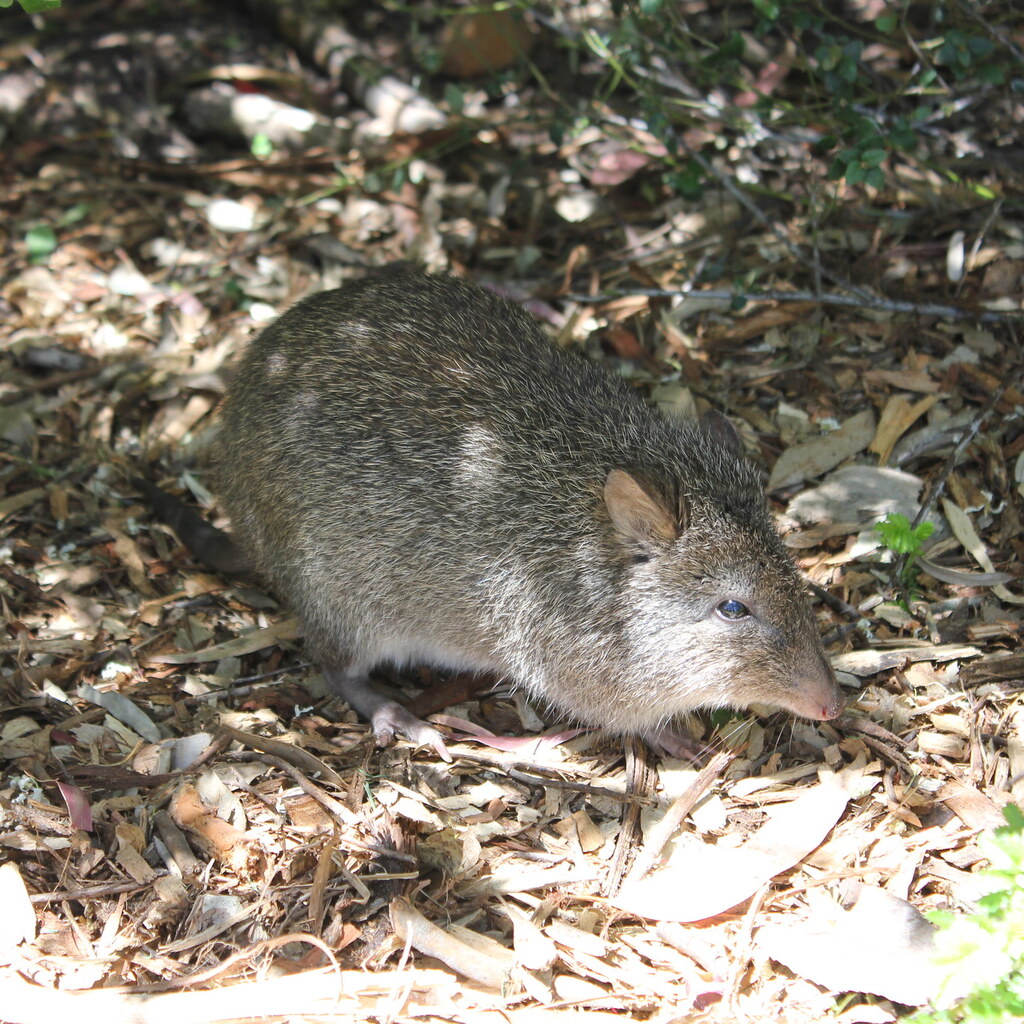
A potoroo is a small, plant-eating marsupial found in Australia. It looks like a rodent with a long nose and has strong back legs for jumping.
Potoroos use their nose to dig for roots, bulbs, and other plants.
Potoroos use their nose to dig for roots, bulbs, and other plants.
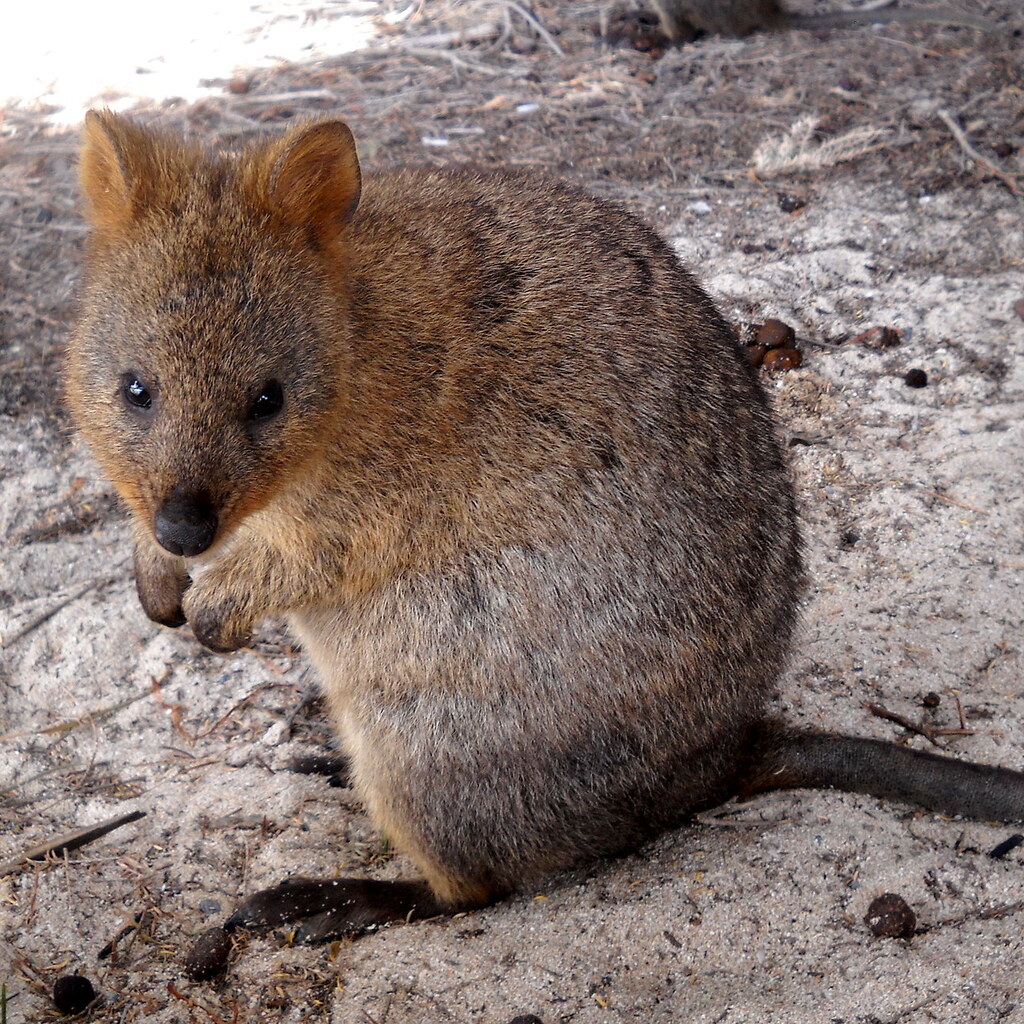
Imagine a tiny kangaroo, about the size of a cat, that always looks like it's smiling for a selfie! That's a quokka.
They live on a few islands in Australia, mostly one called Rottnest Island. Because they don't have many natural predators there, they aren't very scared of people and are famous for being super friendly.
They live on a few islands in Australia, mostly one called Rottnest Island. Because they don't have many natural predators there, they aren't very scared of people and are famous for being super friendly.
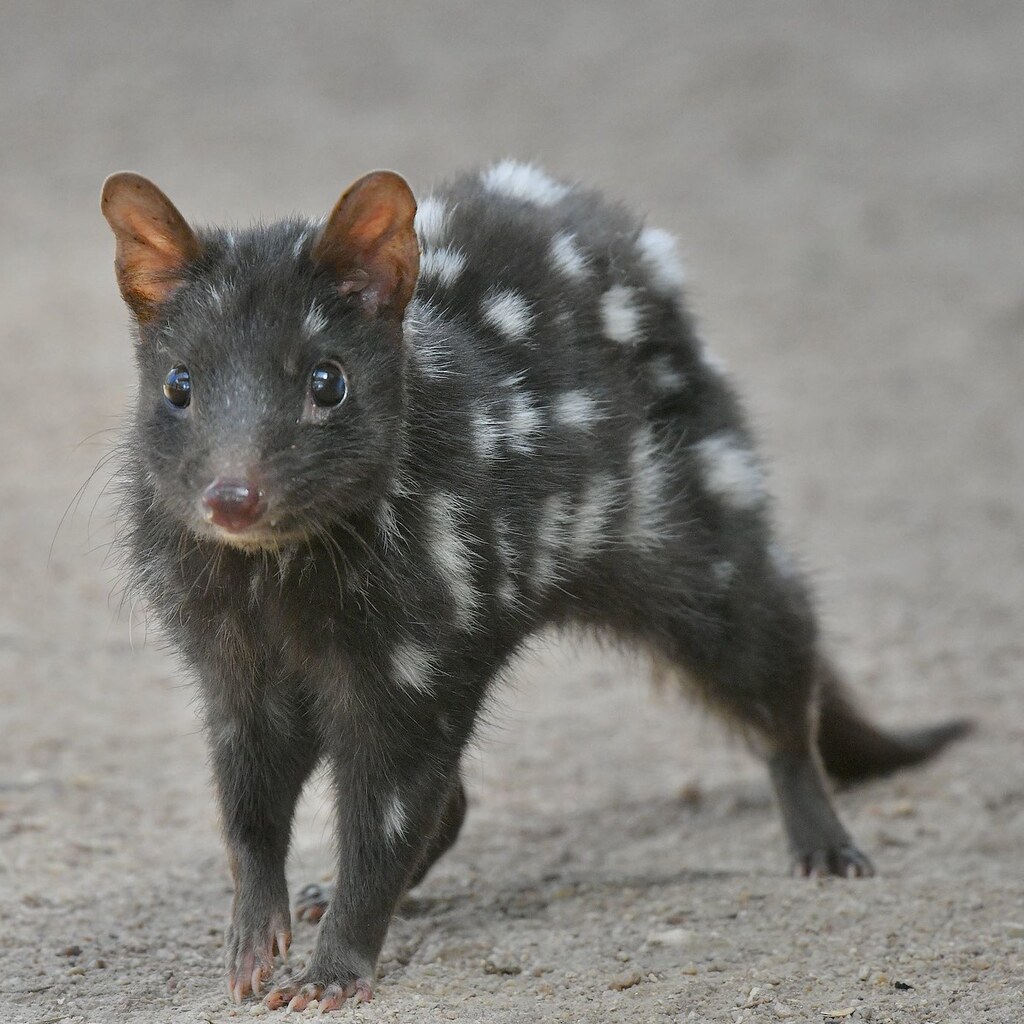
Quolls are carniverous marsupials found in Australia and Papua New Guinea. Like all marsupials, they have a pouch where their young stay. A quoll's pouch faces backwards.
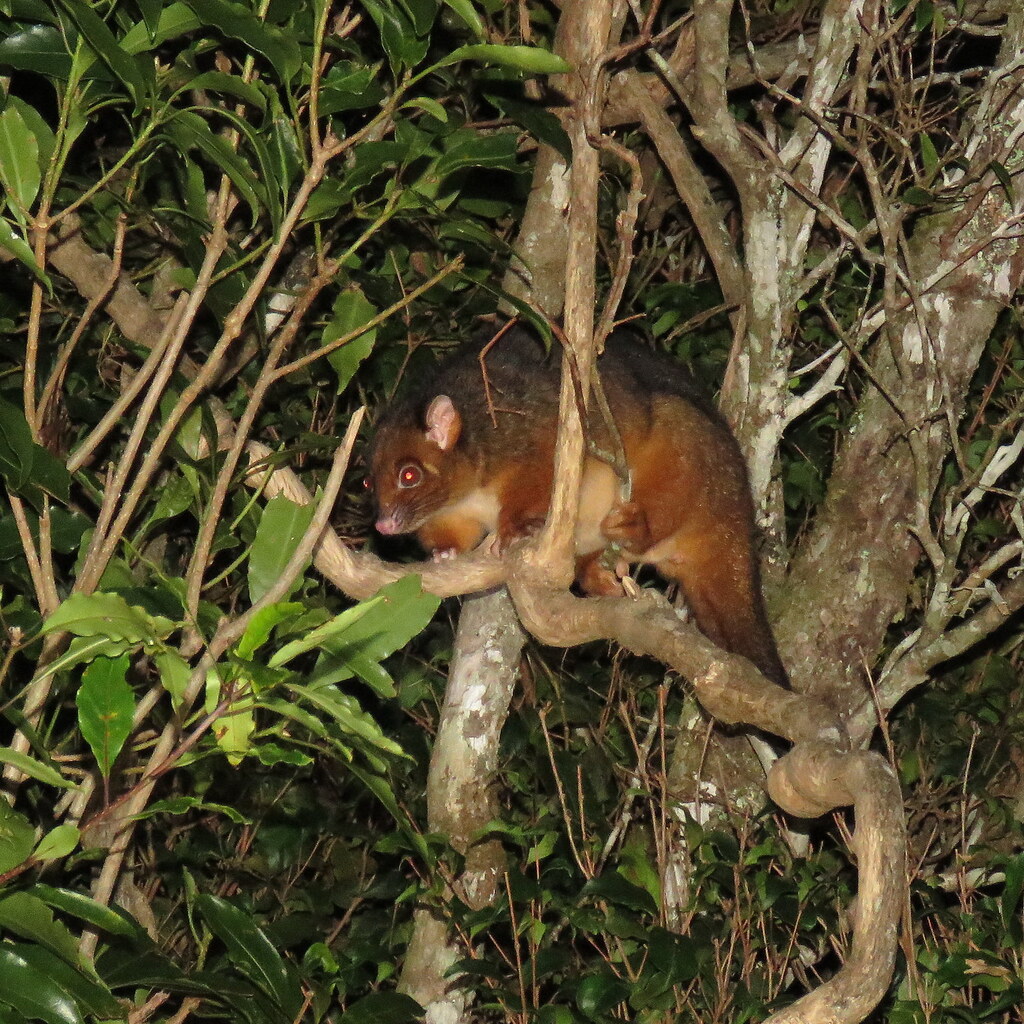
R is for Ringtail possum
It lives in forests and woodlands and often looks for leaves, fruit, and insects. At night, it can move along branches and may use its tail to grip.
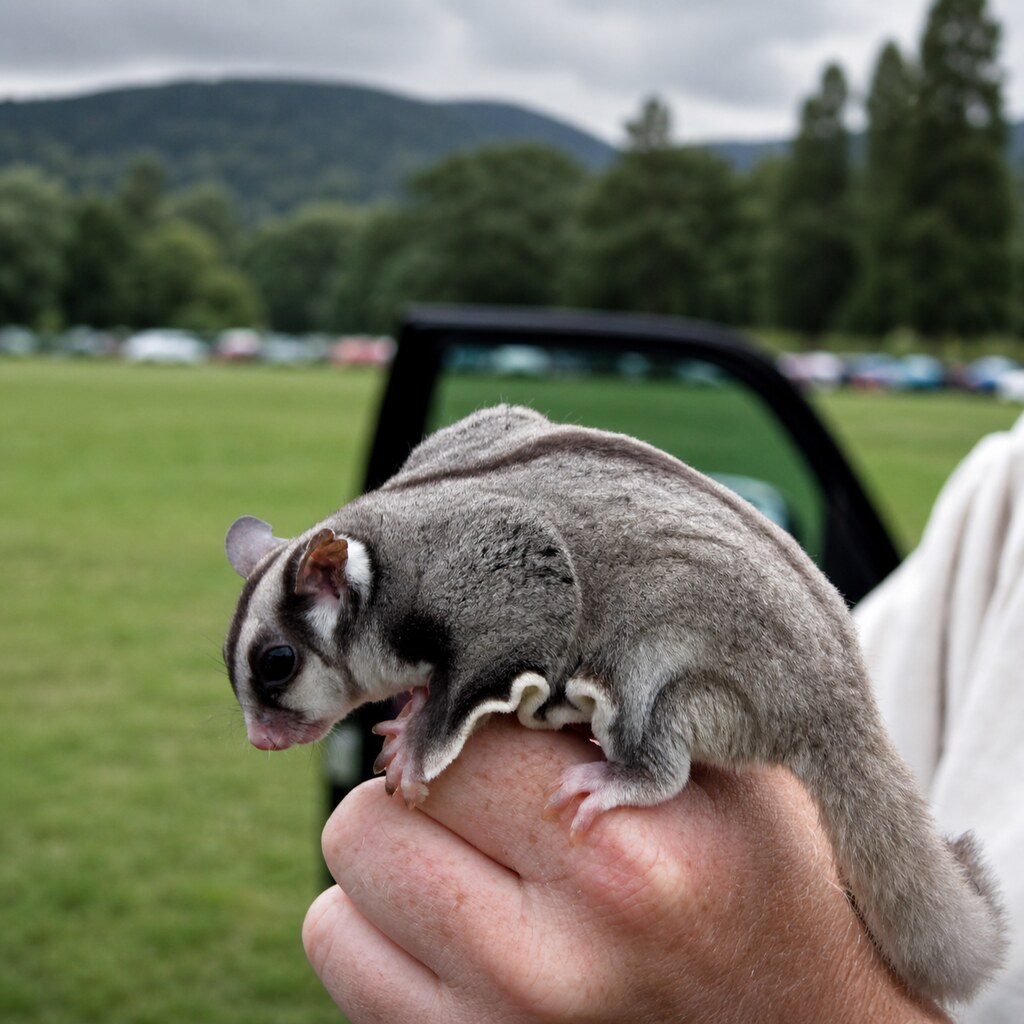
S is for Sugar glider
Sugar gliders eat the sweet sap of some trees, and some types of nectar.

T is for Tasmanian Devil