Showing 1-20 of 42
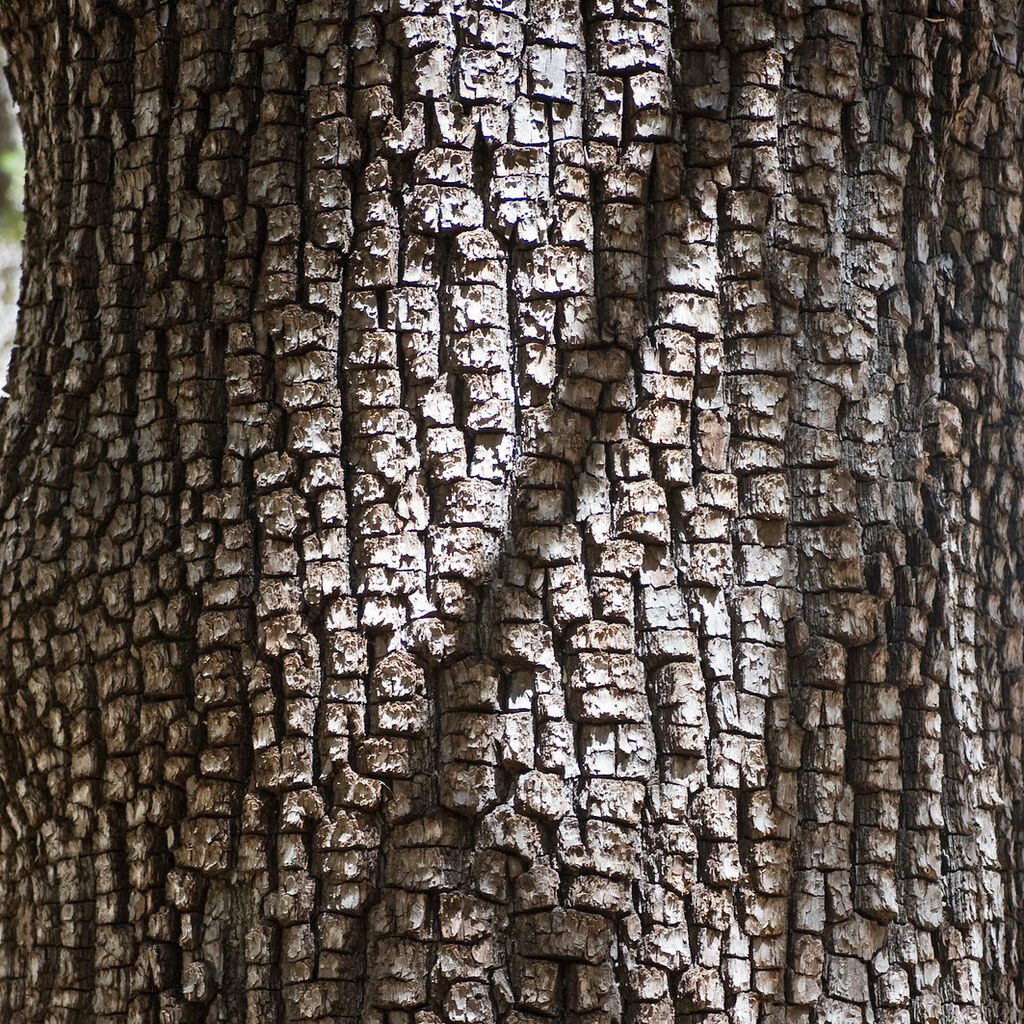
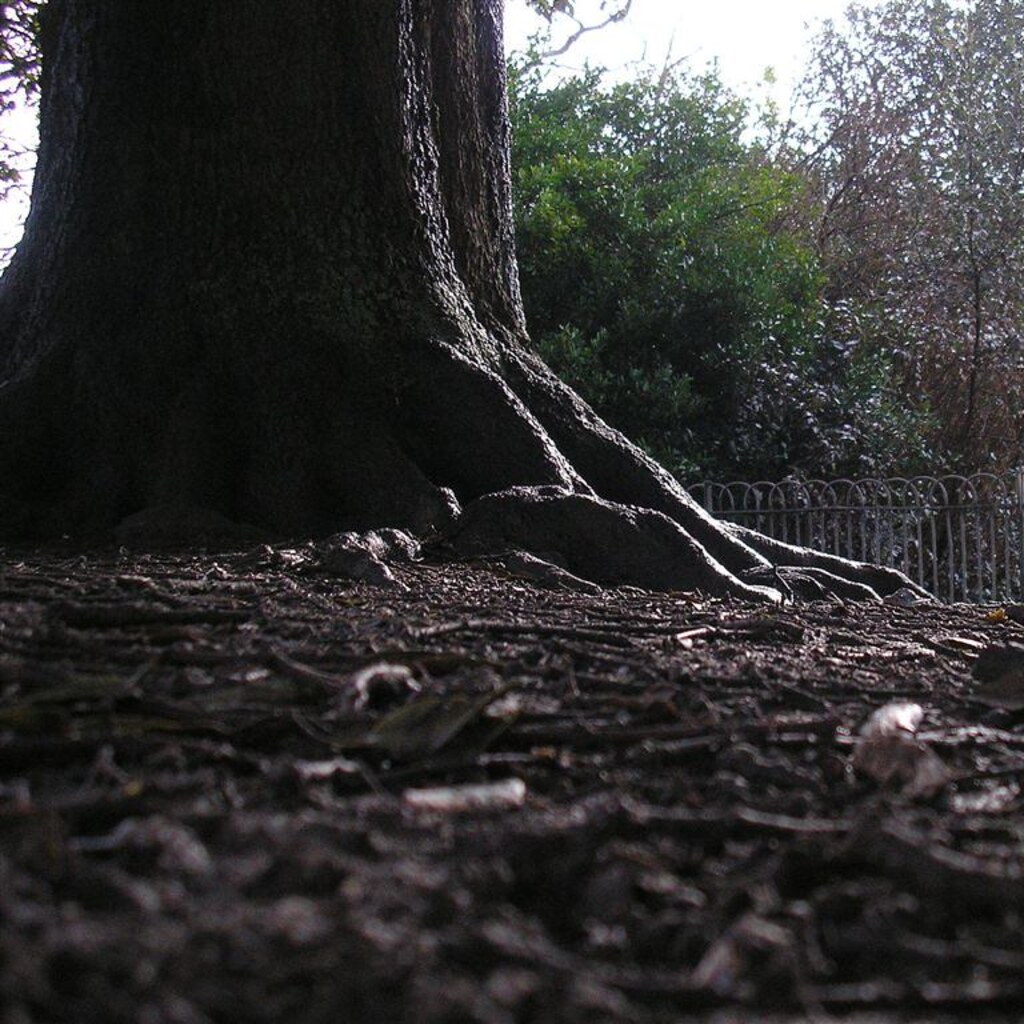
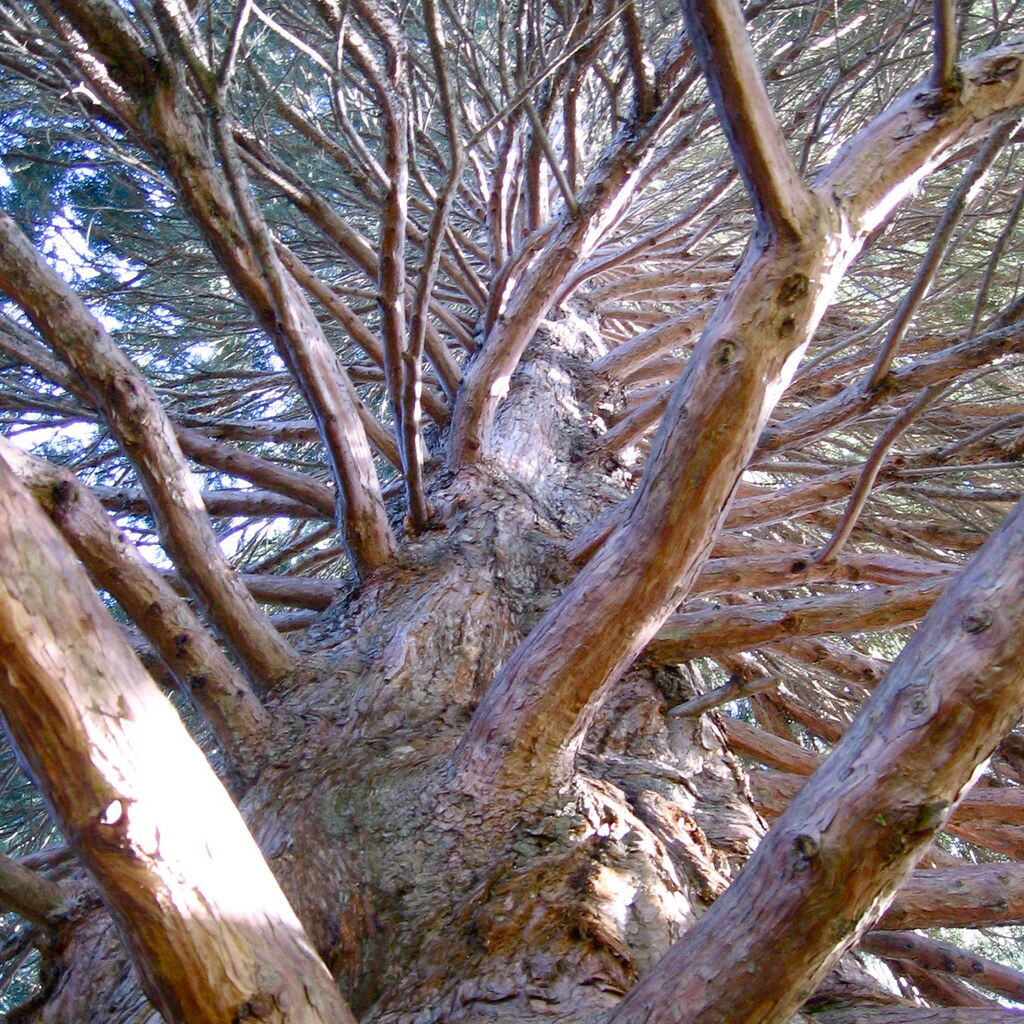
B is for Bark (Tree)
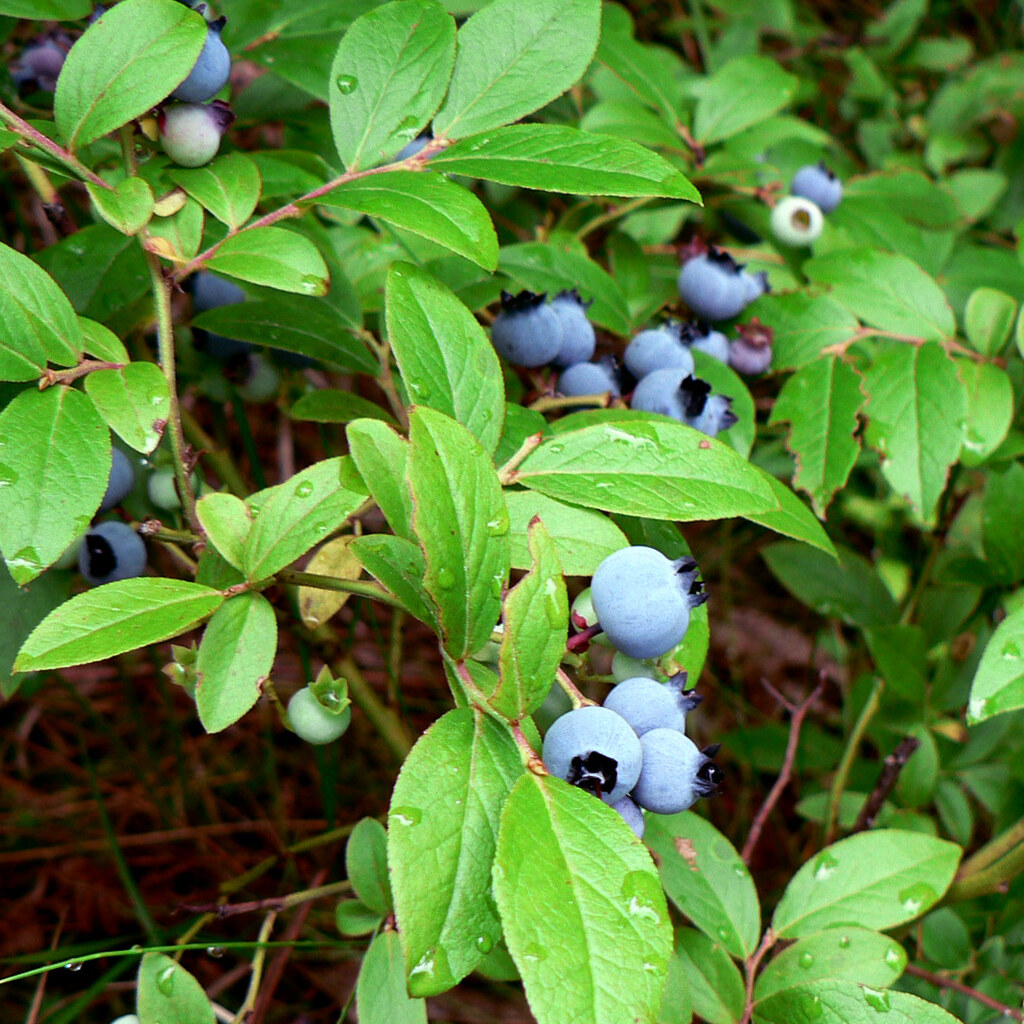
A culinary berry is any small, edible fruit, such as strawberries or raspberries. True botanical berries are defined by how the fruit was formed, and neither strawberries or raspberries are true berries.
True berries include blueberries, tomatoes, capsicums, cranberries and grapes. There are many other botanical berries that are not edible. All of these true berries have the fruit made from a single ovary with the seeds inside.
True berries include blueberries, tomatoes, capsicums, cranberries and grapes. There are many other botanical berries that are not edible. All of these true berries have the fruit made from a single ovary with the seeds inside.
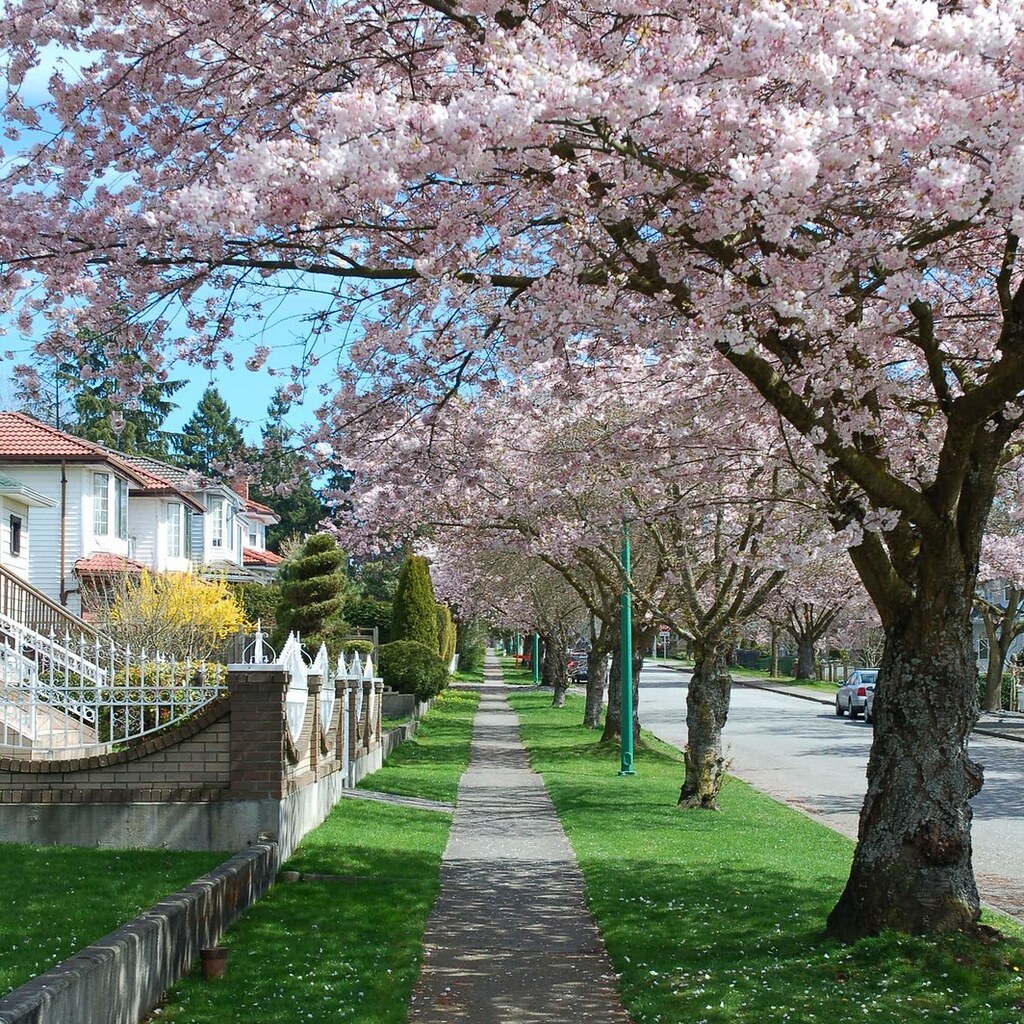
A bloom might be a single flower, all the flowers on a plant, or the fact that the plant is flowering. The trees in the picture are in full bloom.
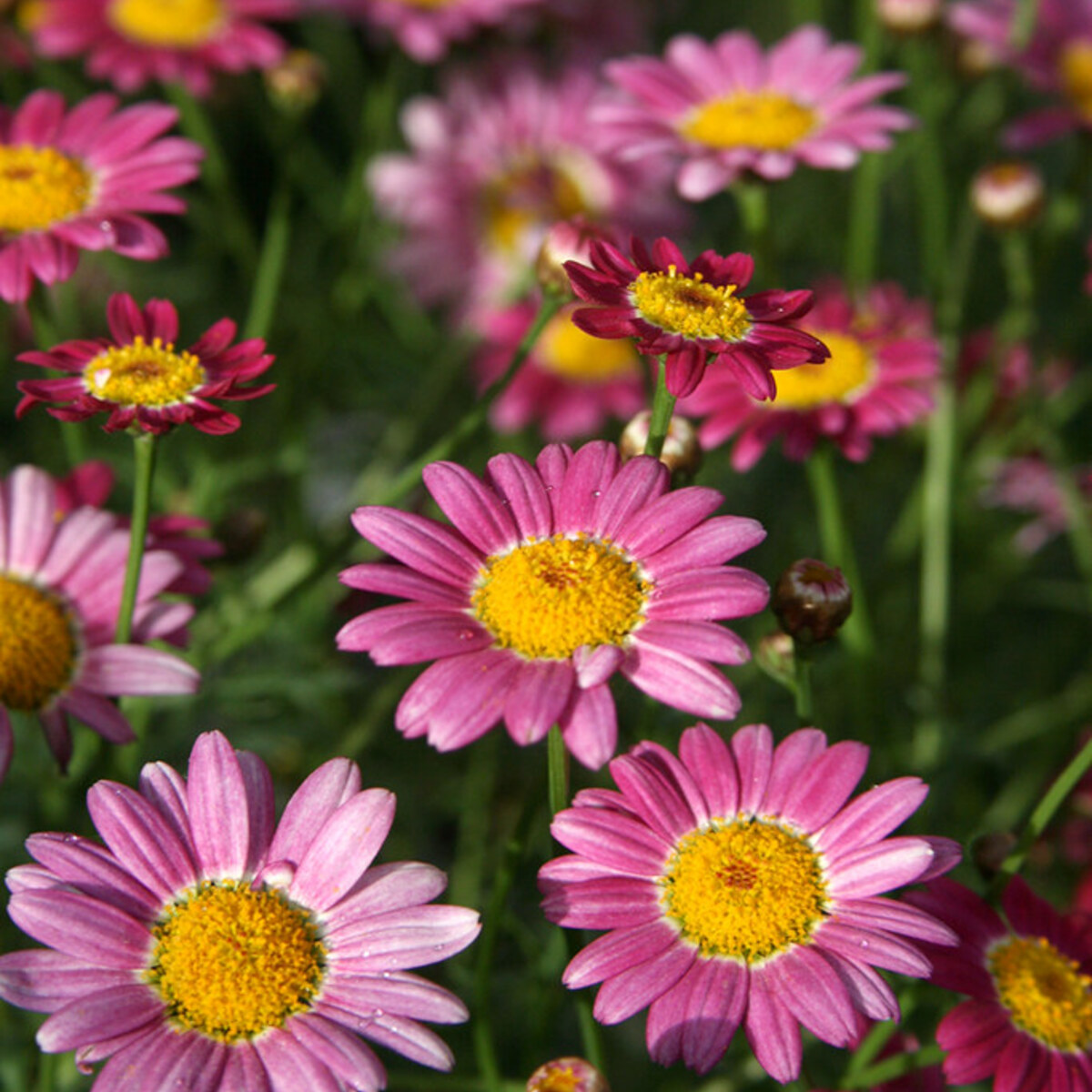
Blossum is another word for a flower. It is often used as a pet name for a woman or girl.

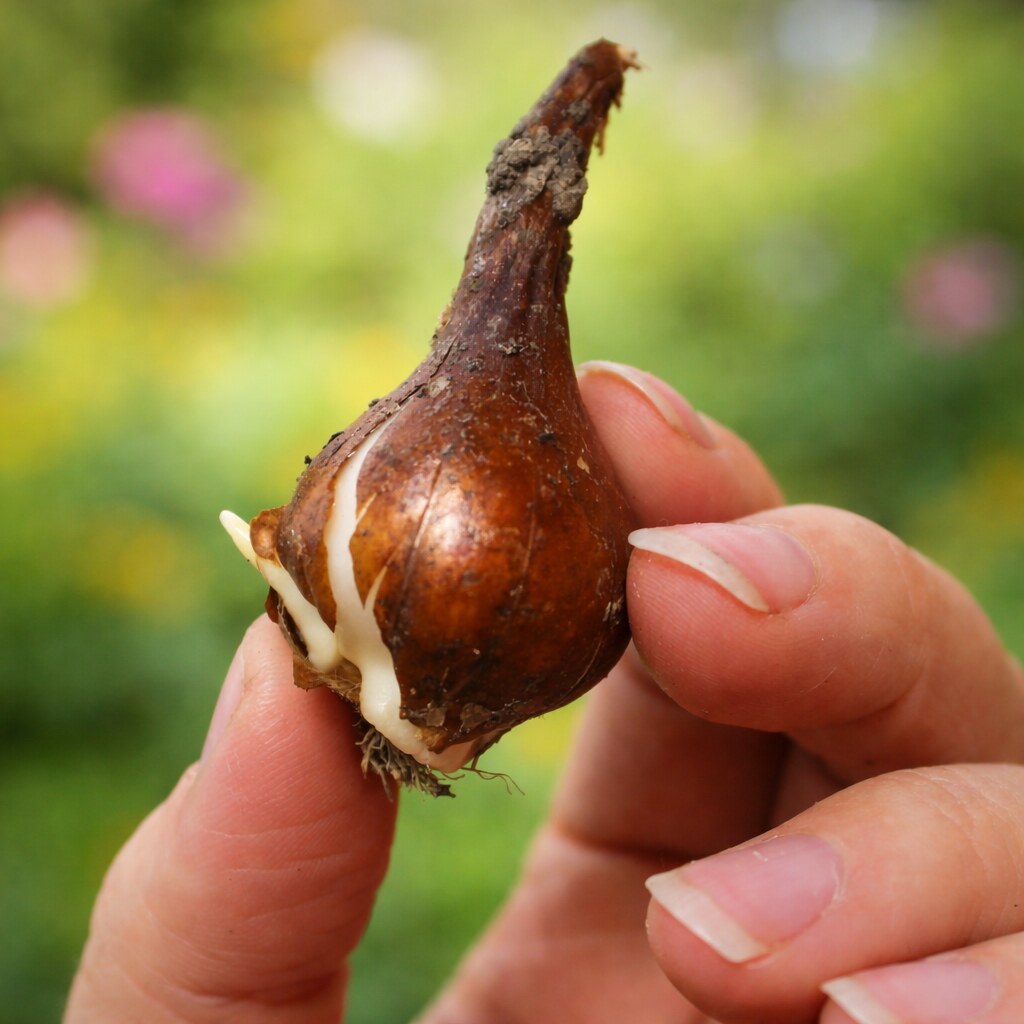
A bulb is a part of a plant that is usually below the ground, or partly below the ground. Bulbs are usually quite spherical but pointed at the top like a teardrop. Bulbs grow roots from the bottom and leaves from the top.
Some types of plants that grow from bulbs are onions, lilies and tulips.
Anything that has a similar shape to a bulb may also be called a bulb, such as the bulb at the bottom of an old fashioned thermometer.
Some types of plants that grow from bulbs are onions, lilies and tulips.
Anything that has a similar shape to a bulb may also be called a bulb, such as the bulb at the bottom of an old fashioned thermometer.
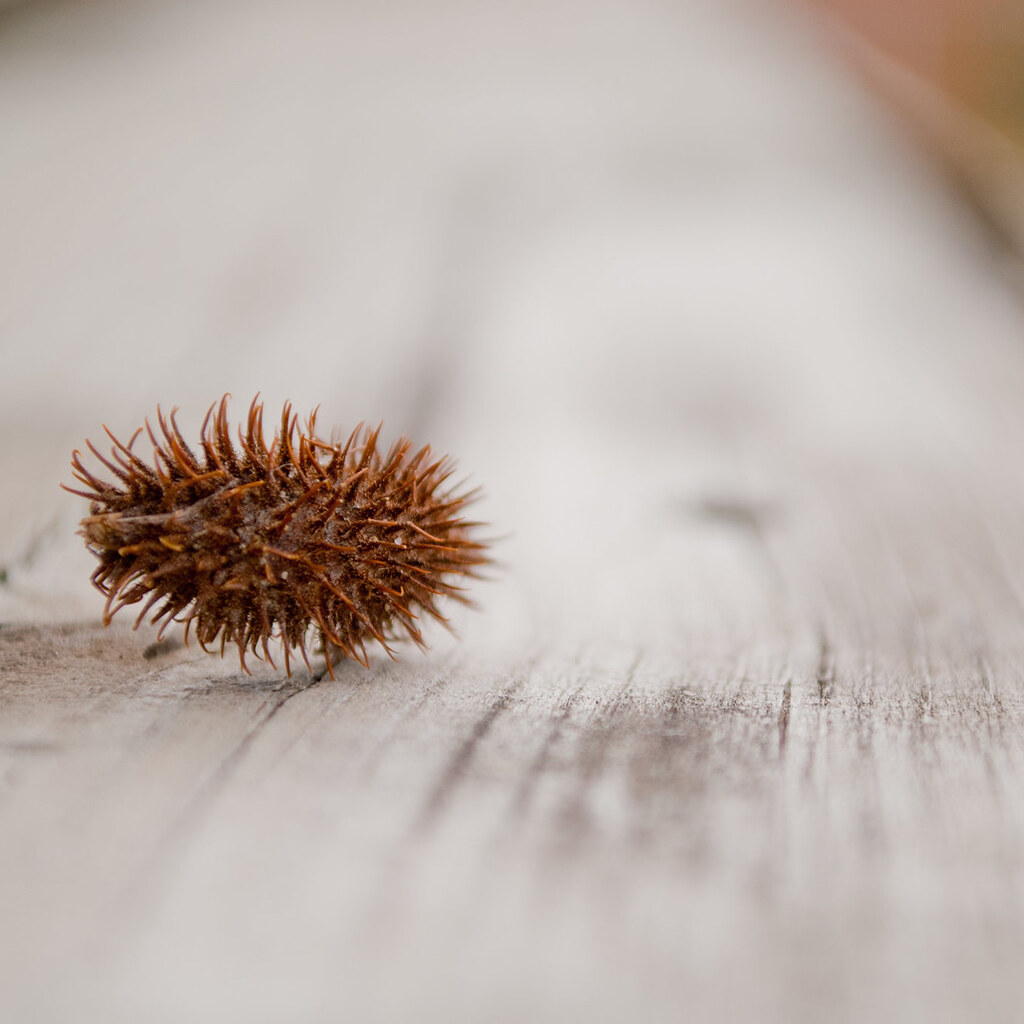
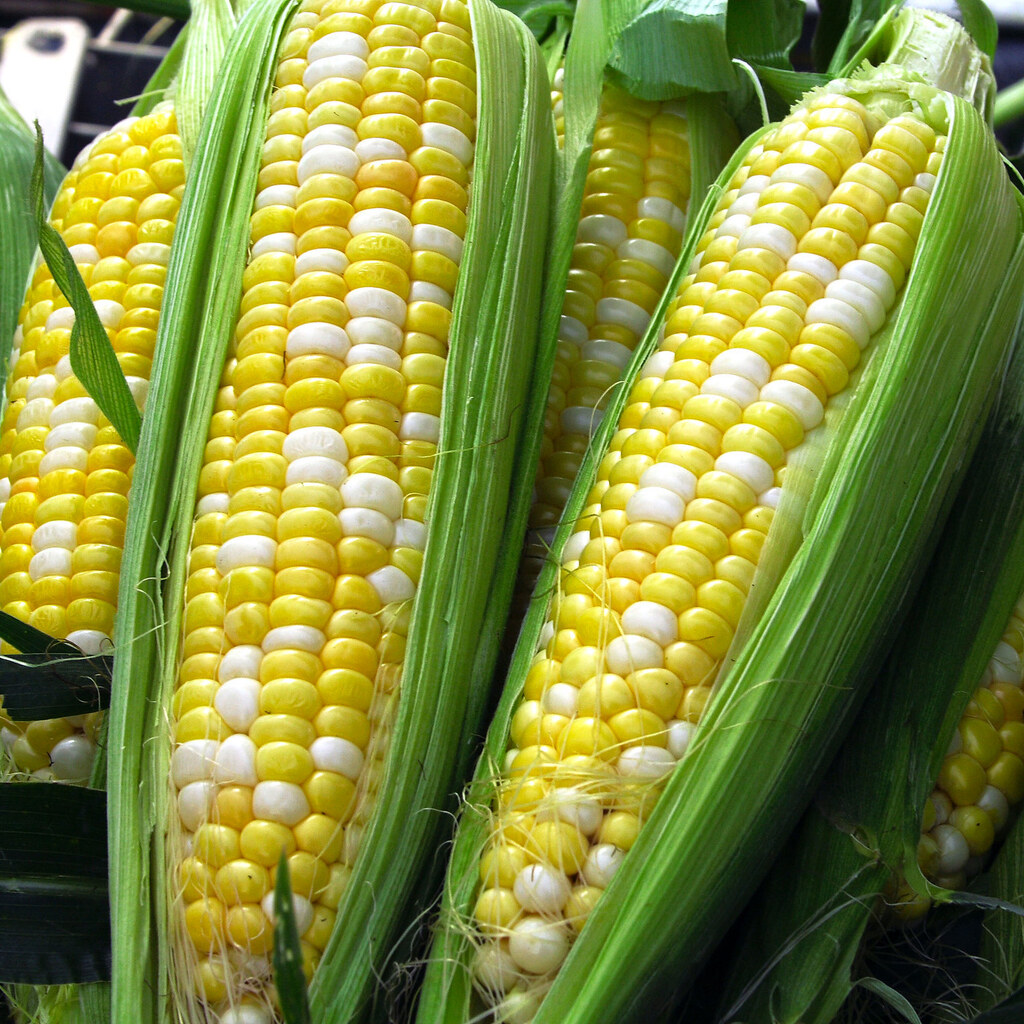
C is for Cob (Corn)
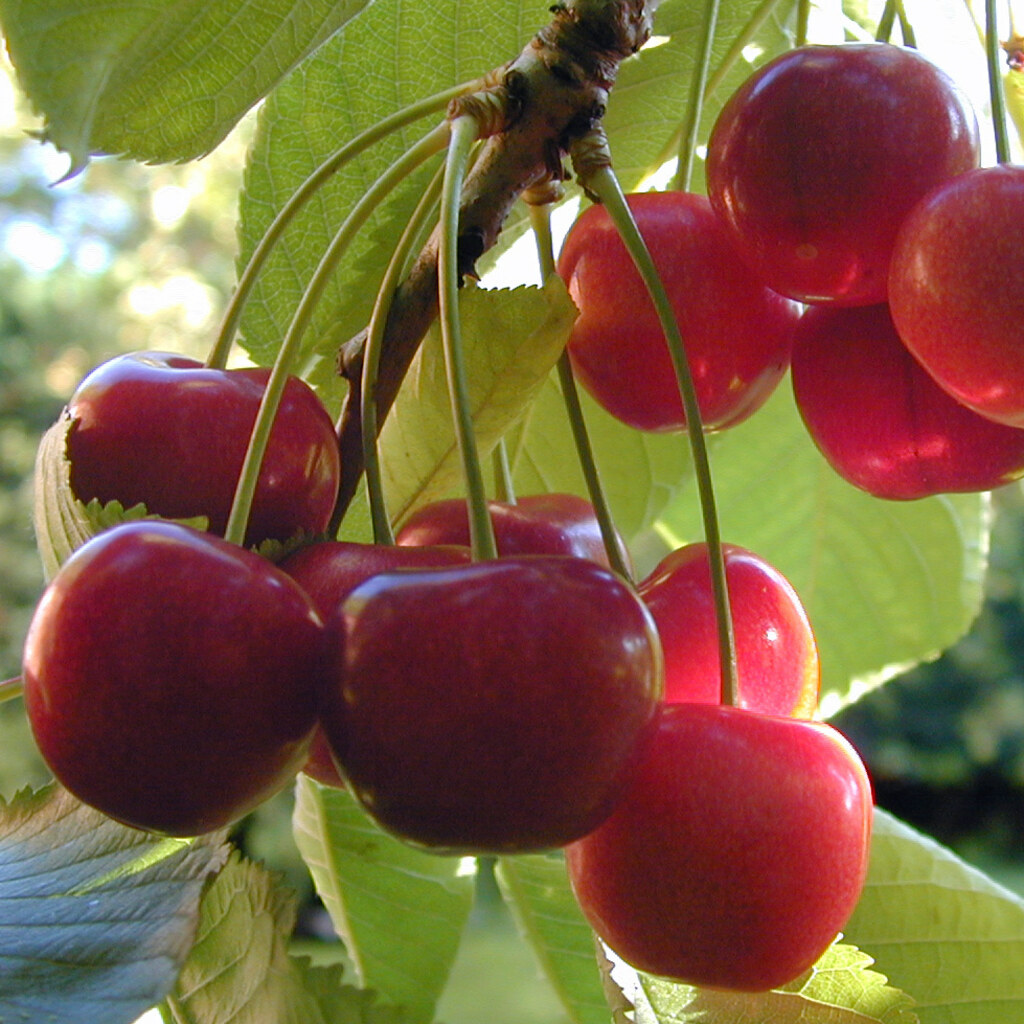
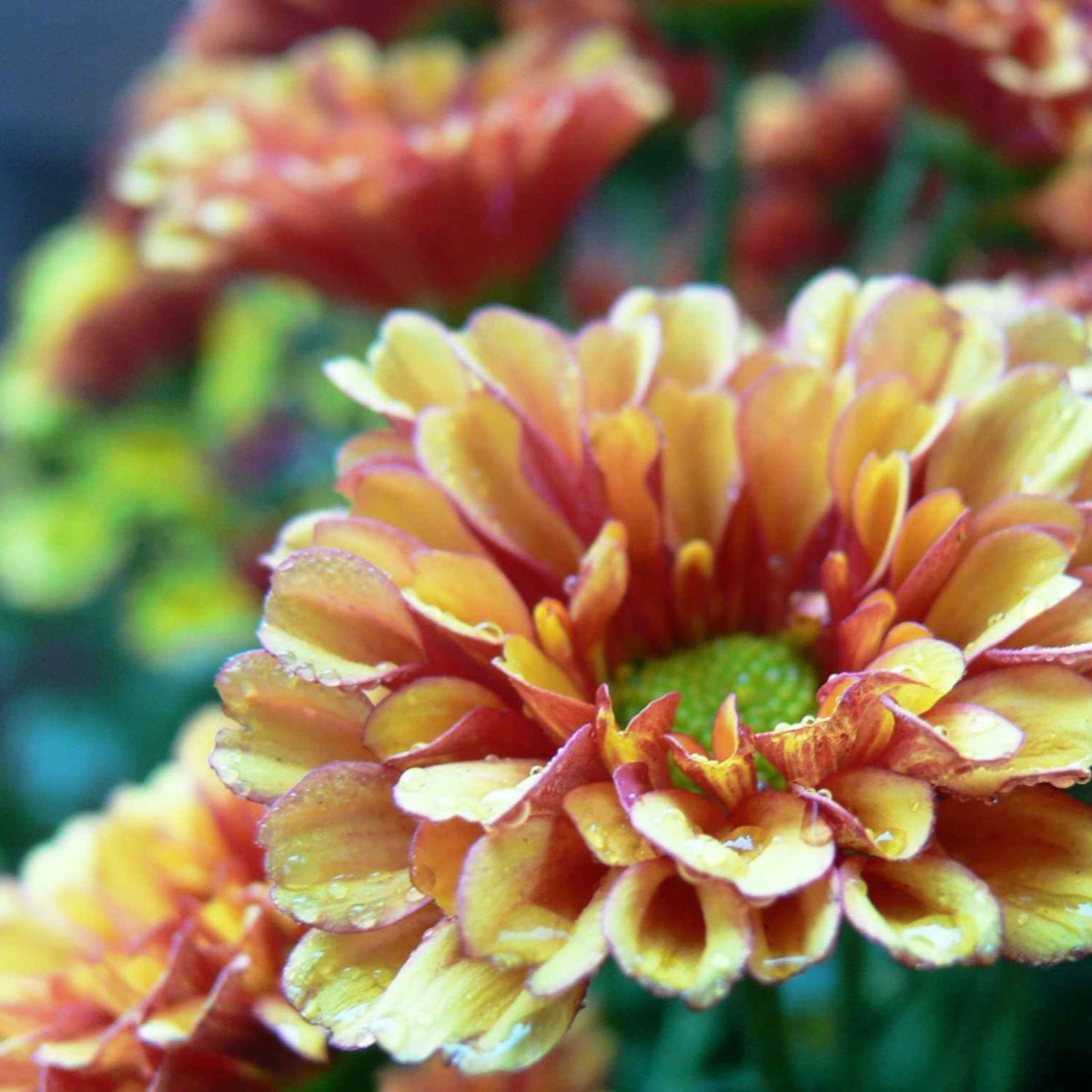
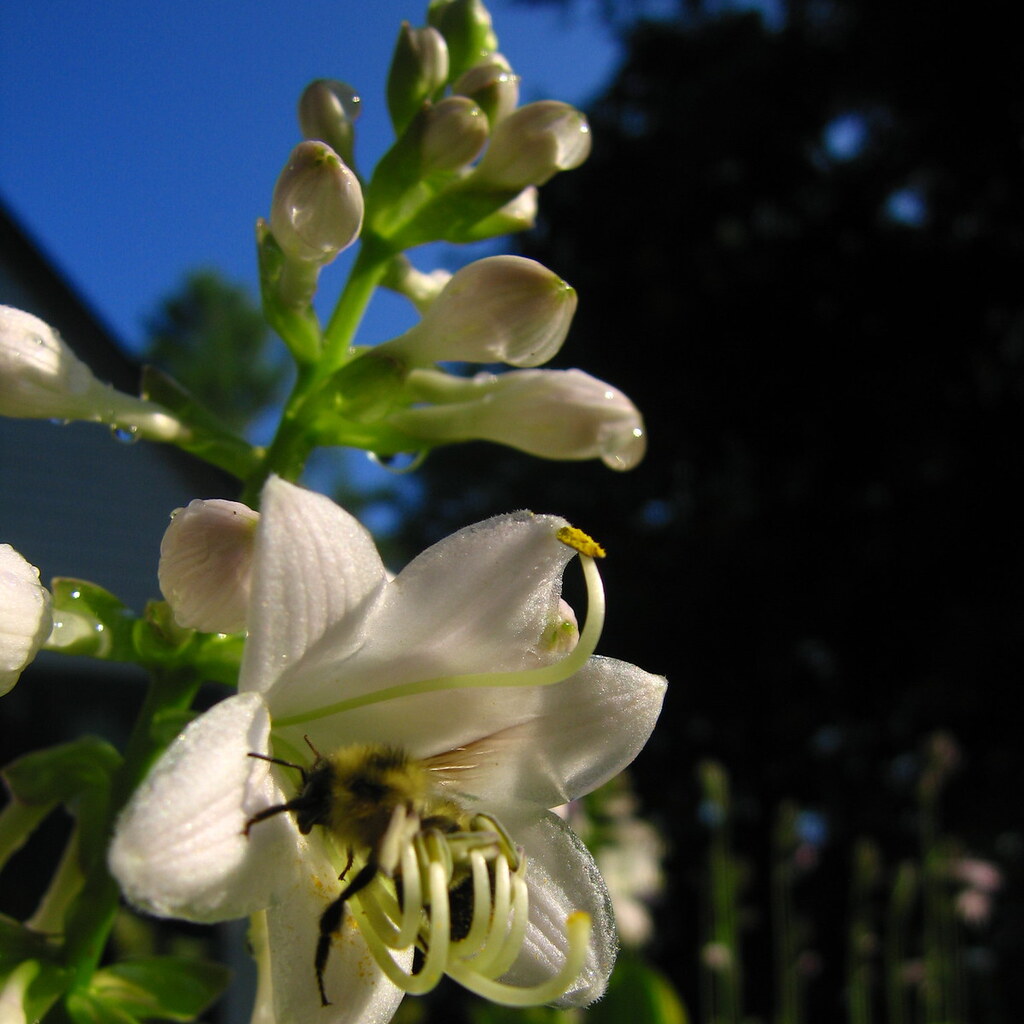
Flowers are the part of a plant that is used to make seeds, which grow into baby plants. Flowers are usually very pretty. The reason for this is the plant needs insects to come to the flowers and fertilize them so seeds can develop. Insects are attracted to the flowers by their colour and the sweet nectar that the plant grows inside the flower as a reward for the insects.
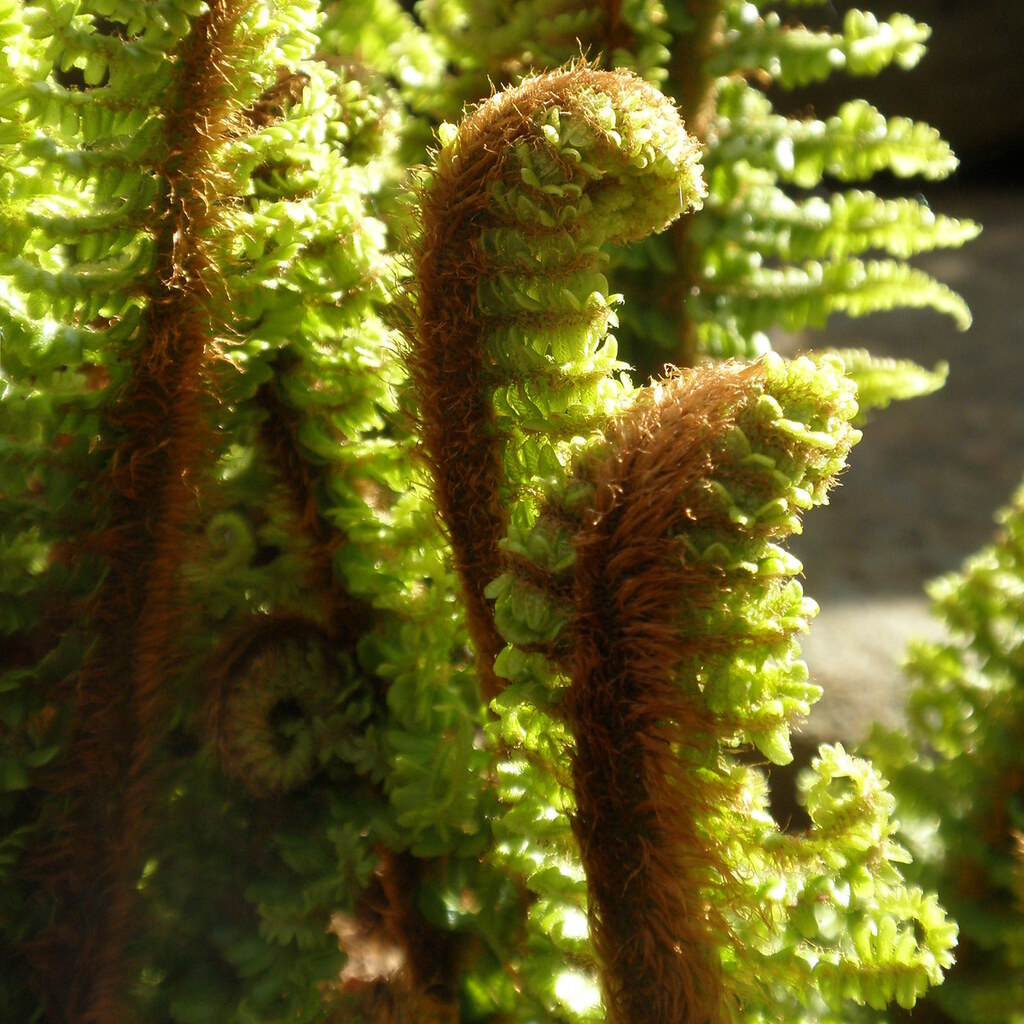
A frond is a special type of leaf that is usually found on ferns. Palm trees also have fronds. The fronds on ferns start curled up, and uncurl as they grow.
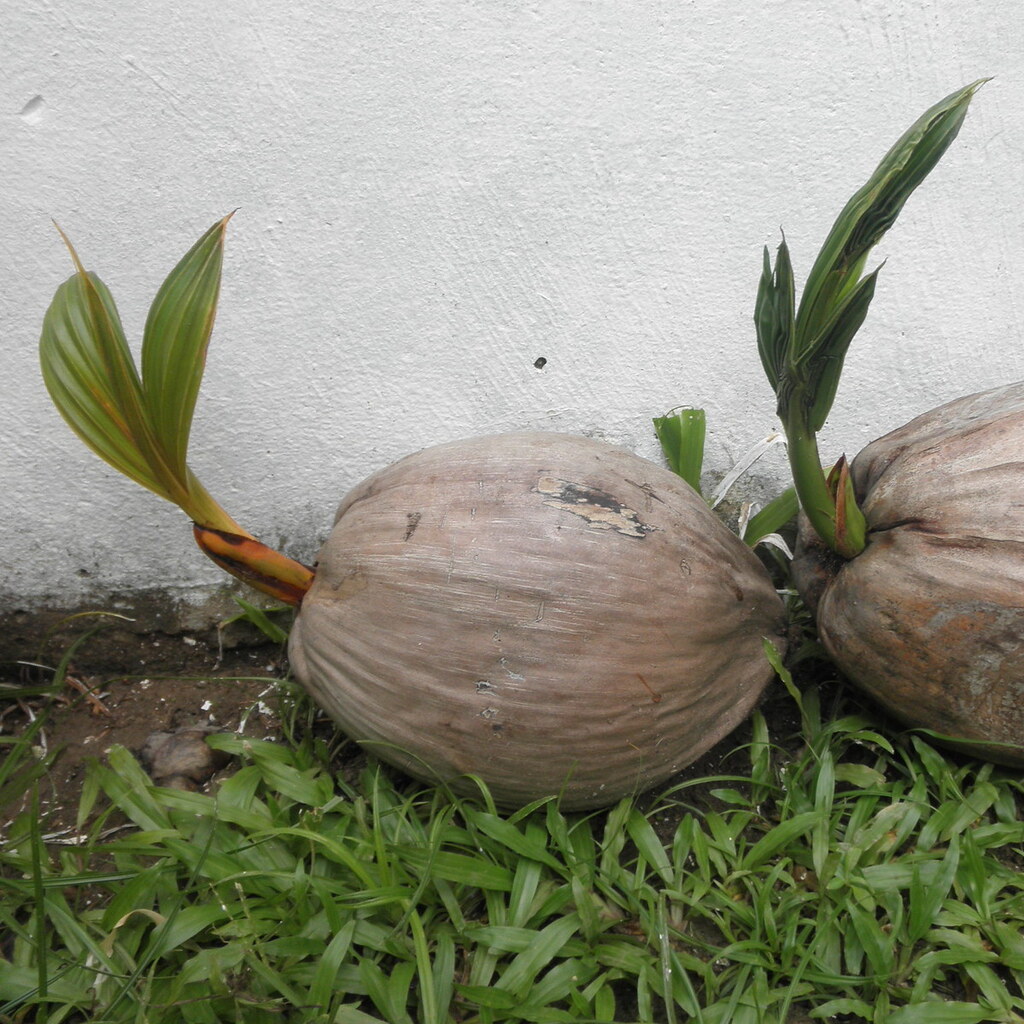
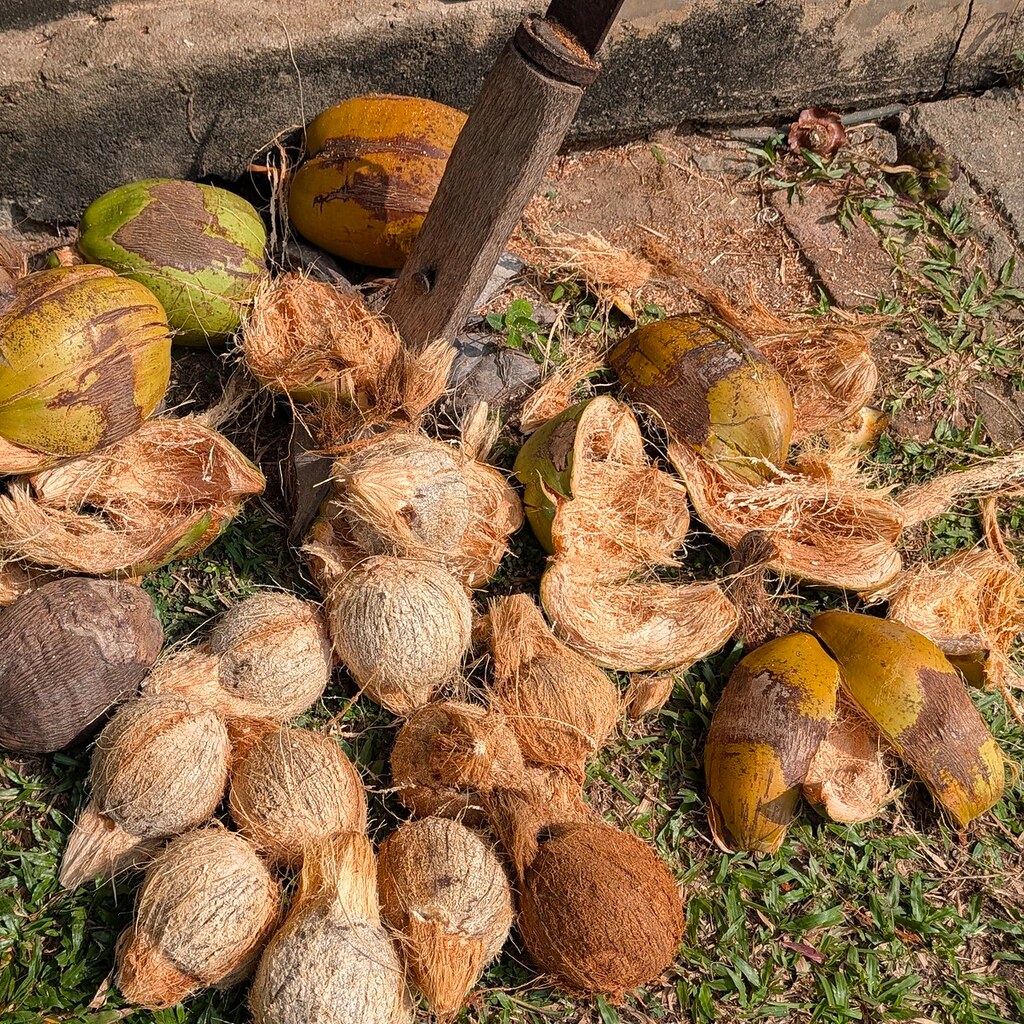
The kernel is the inner part of a nut or seed. It is also used to mean the small, important part inside a larger thing.
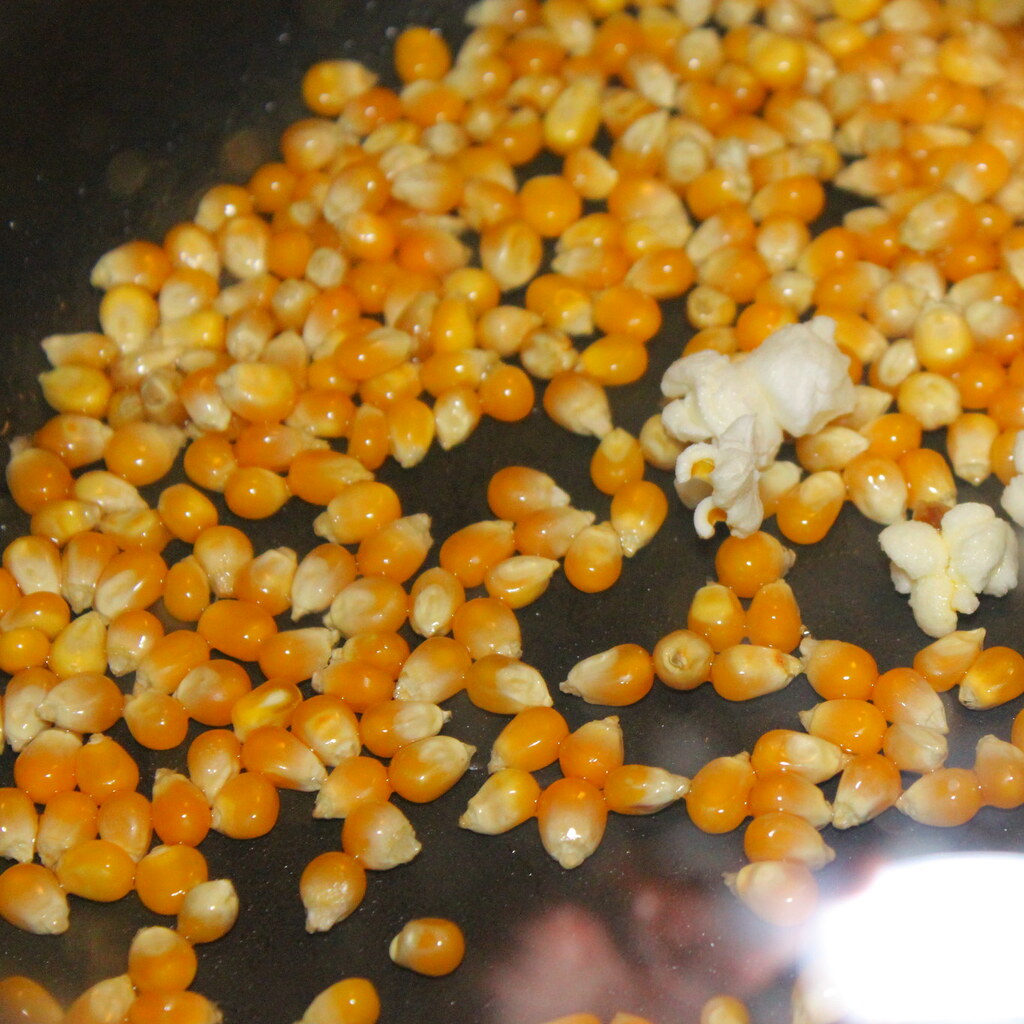
The picture is of popcorn kernels.
The picture is of popcorn kernels.