up to Plants

Plant parts

All the bits and pieces that make up a plant, from tiny plants to towering trees.

Showing 1-20 of 41

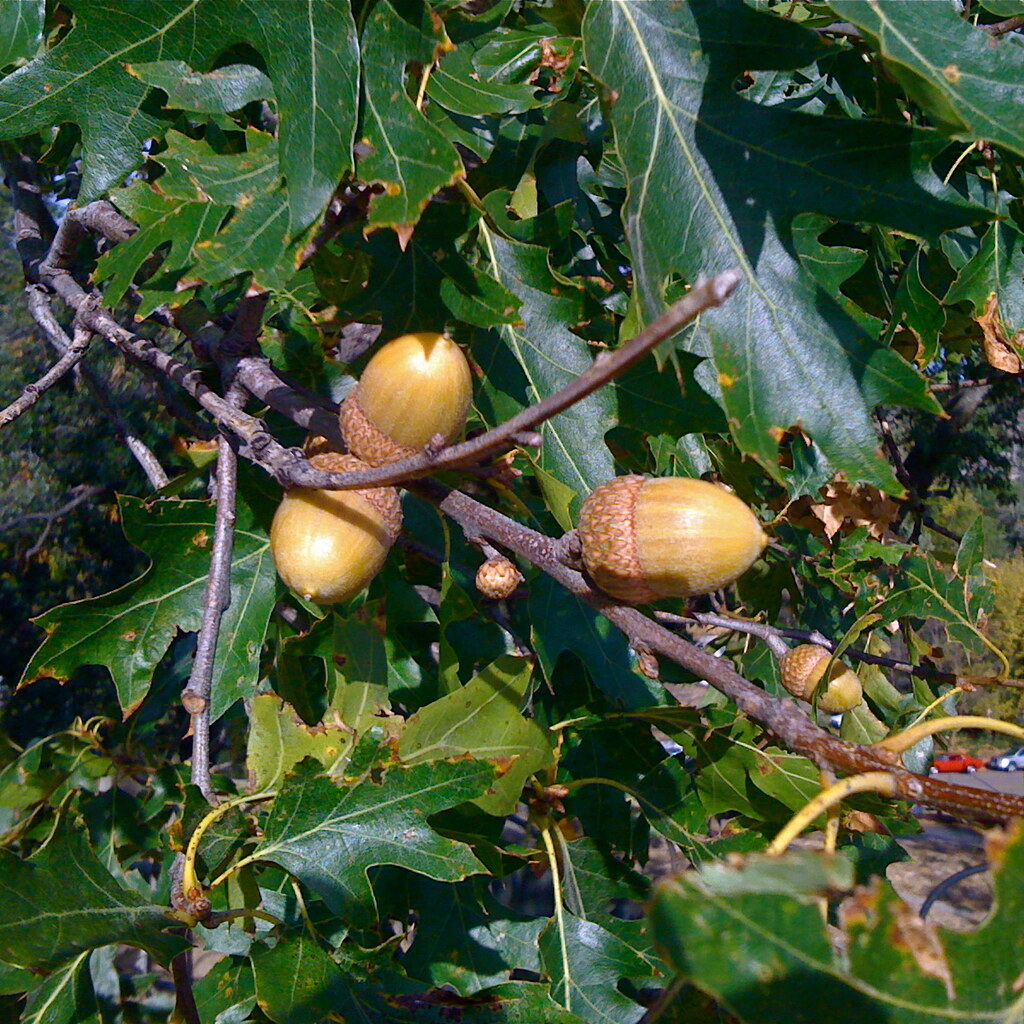
A is for Acorn

Acorns are the nut of the oak tree. They start green and gradually go brown as they ripen. Squirrels are very fond of acorns.

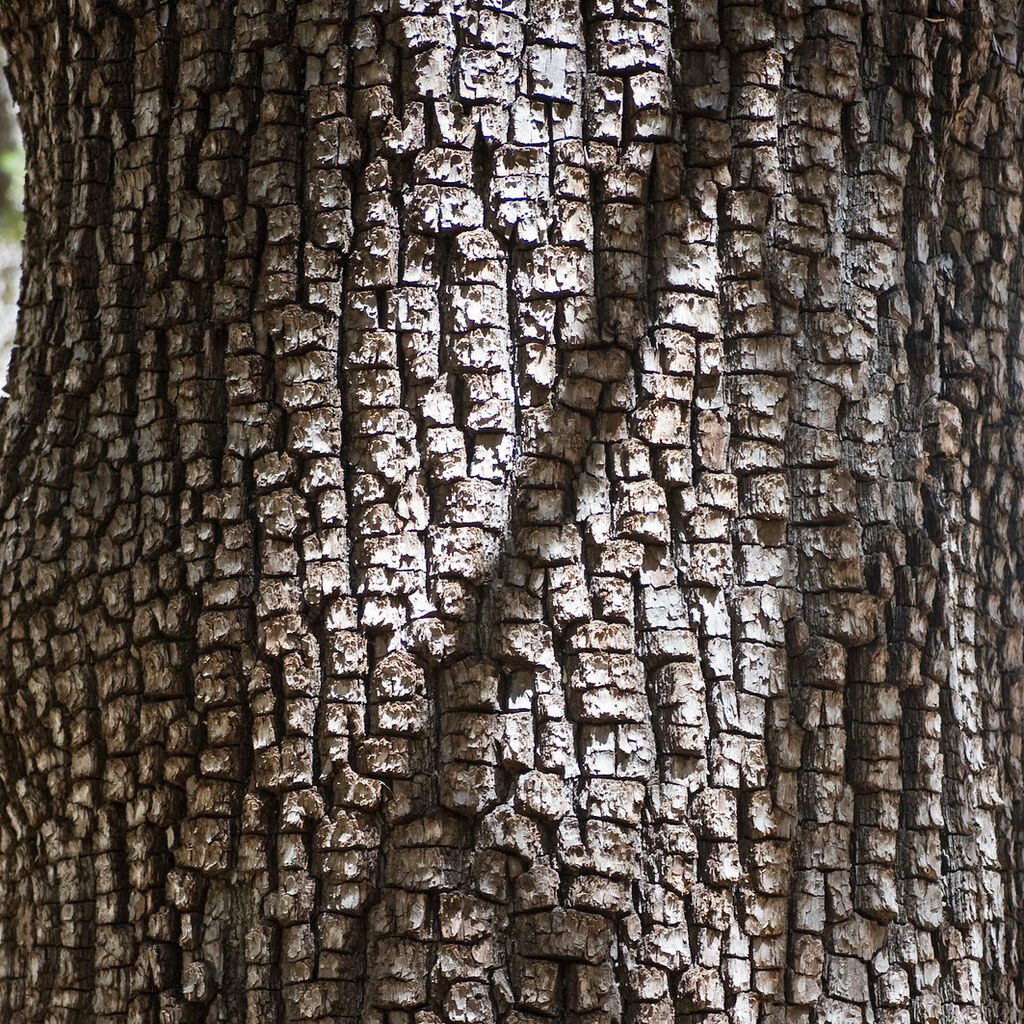
B is for Bark (Tree)

Bark is the outer layer of a tree or large plant. Many types of trees usually shed their bark once a year and grow fresh bark underneath the old. Insects like beetles and spiders like to live under loose bark.

B is for Berry

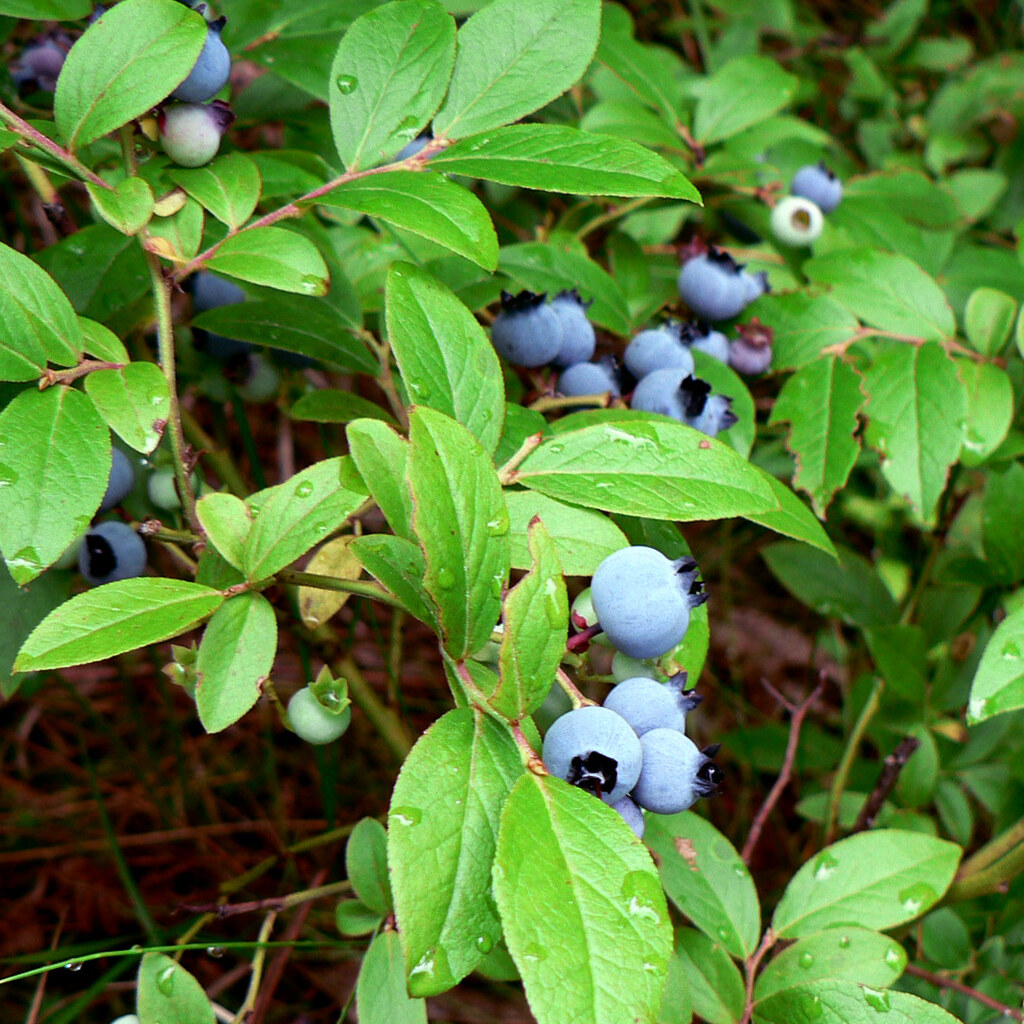
A culinary berry is any small, edible fruit, such as strawberries or raspberries. True botanical berries are defined by how the fruit was formed, and neither strawberries or raspberries are true berries.
True berries include blueberries, tomatoes, capsicums, cranberries and grapes. There are many other botanical berries that are not edible. All of these true berries have the fruit made from a single ovary with the seeds inside.
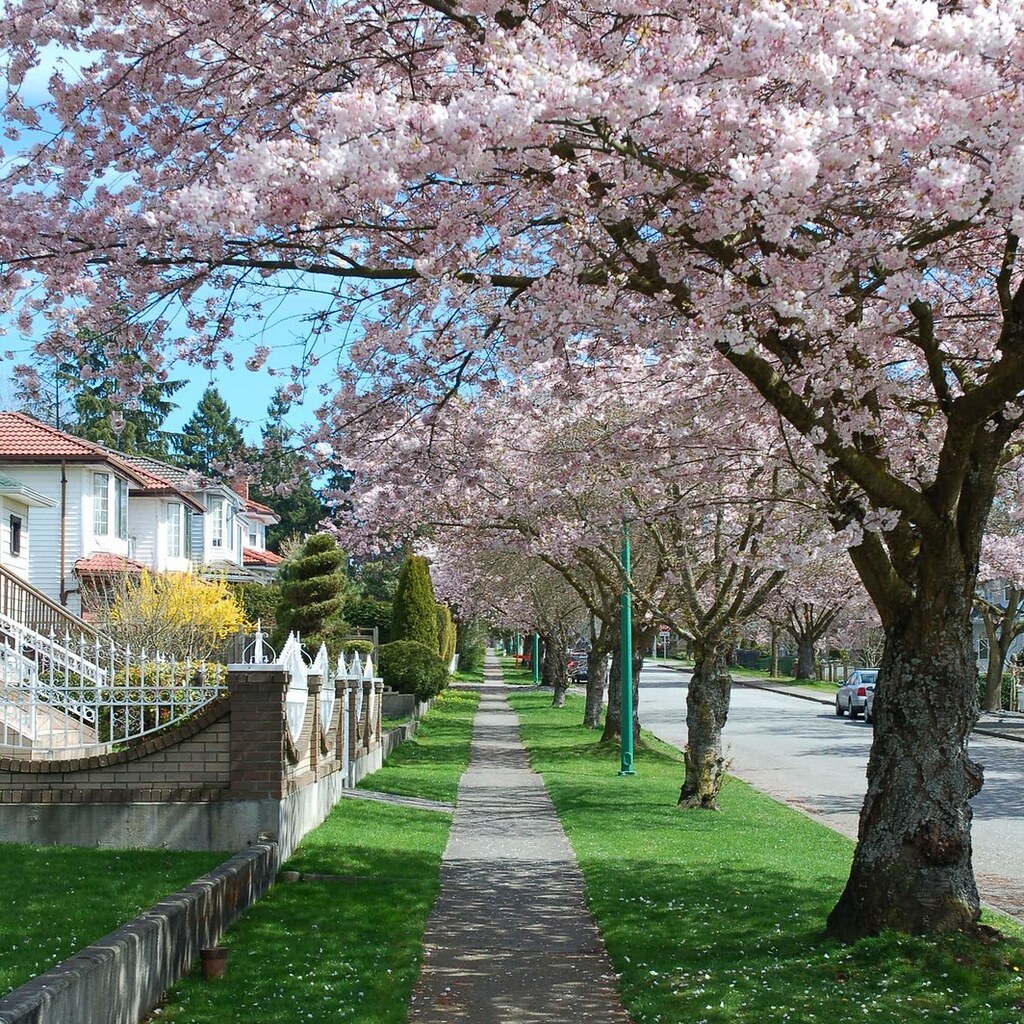
B is for Bloom

A bloom might be a single flower, all the flowers on a plant, or the fact that the plant is flowering. The trees in the picture are in full bloom.
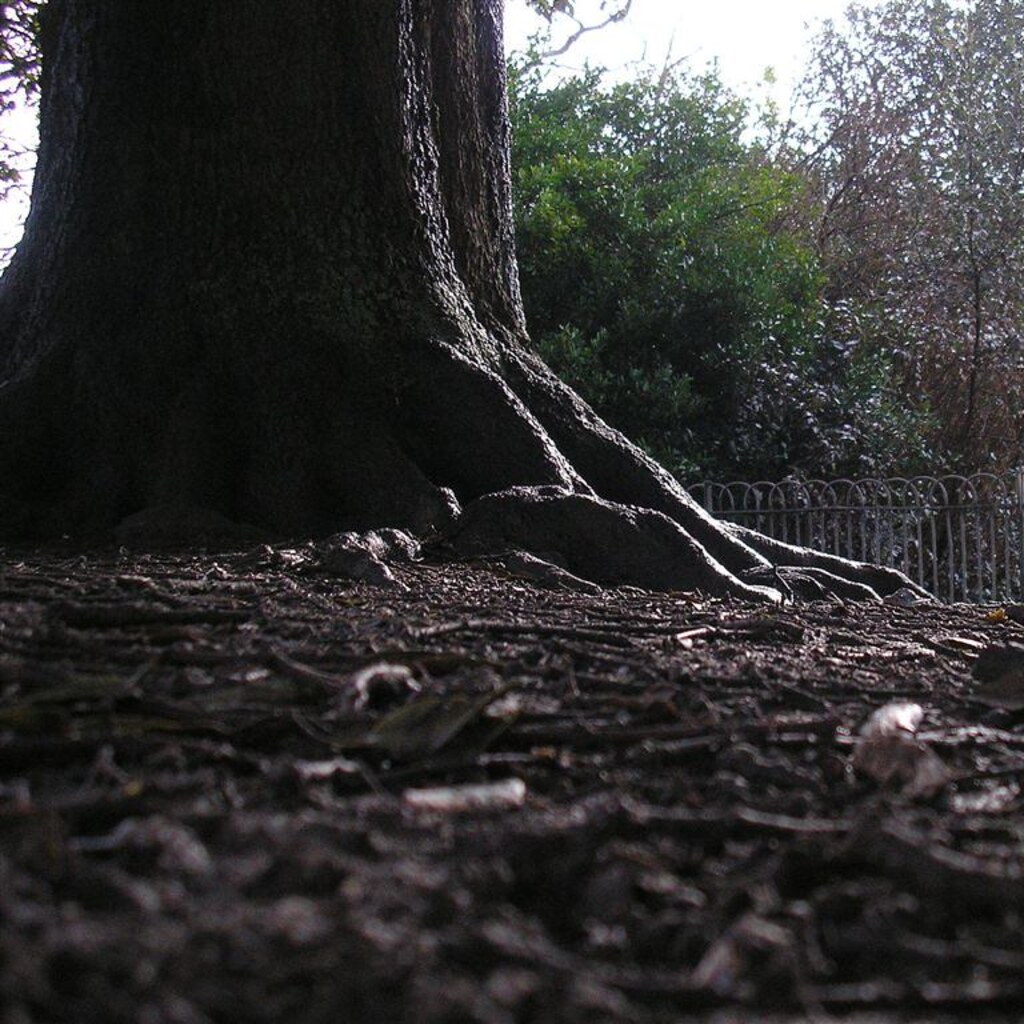
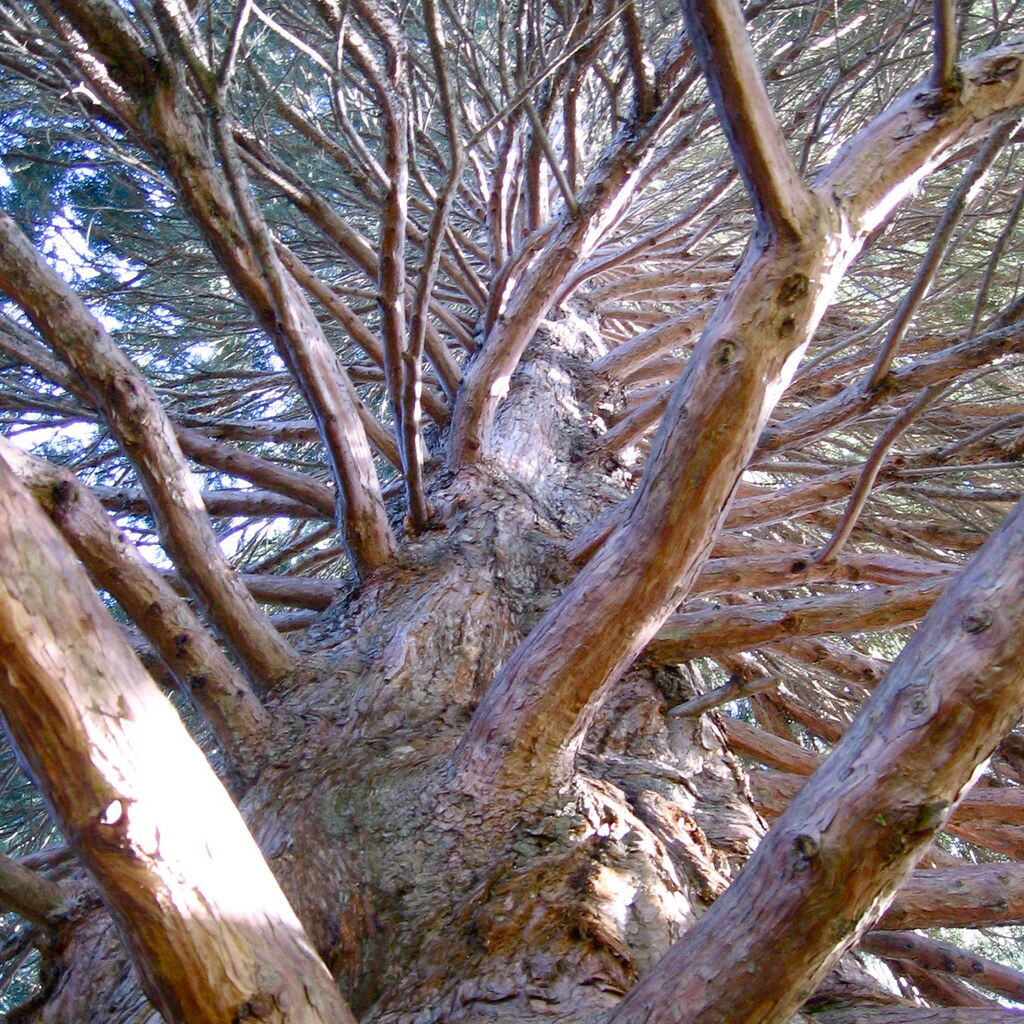
B is for Bole

The trunk of a tree is also called a bole. The bole often refers to the lowest, widest part of the tree's trunk.

B is for Bough

A bough is another word for a tree branch.

B is for Branch

Branches are parts of a tree that are connected to the main trunk of a tree. Some trees have a very short trunk and lots of thick branches. Most branches are diagonal and point upwards, except in weeping trees where they may droop downwards. A very small branch is called a twig.

B is for Bud

A bud is a point on a plant where something new is growing. Usually a bud is a place a new leaf is growing, but a flower that is just starting can also be described as a bud or flowerbud. Deciduous plants start to bud as spring approaches.

B is for Bulb

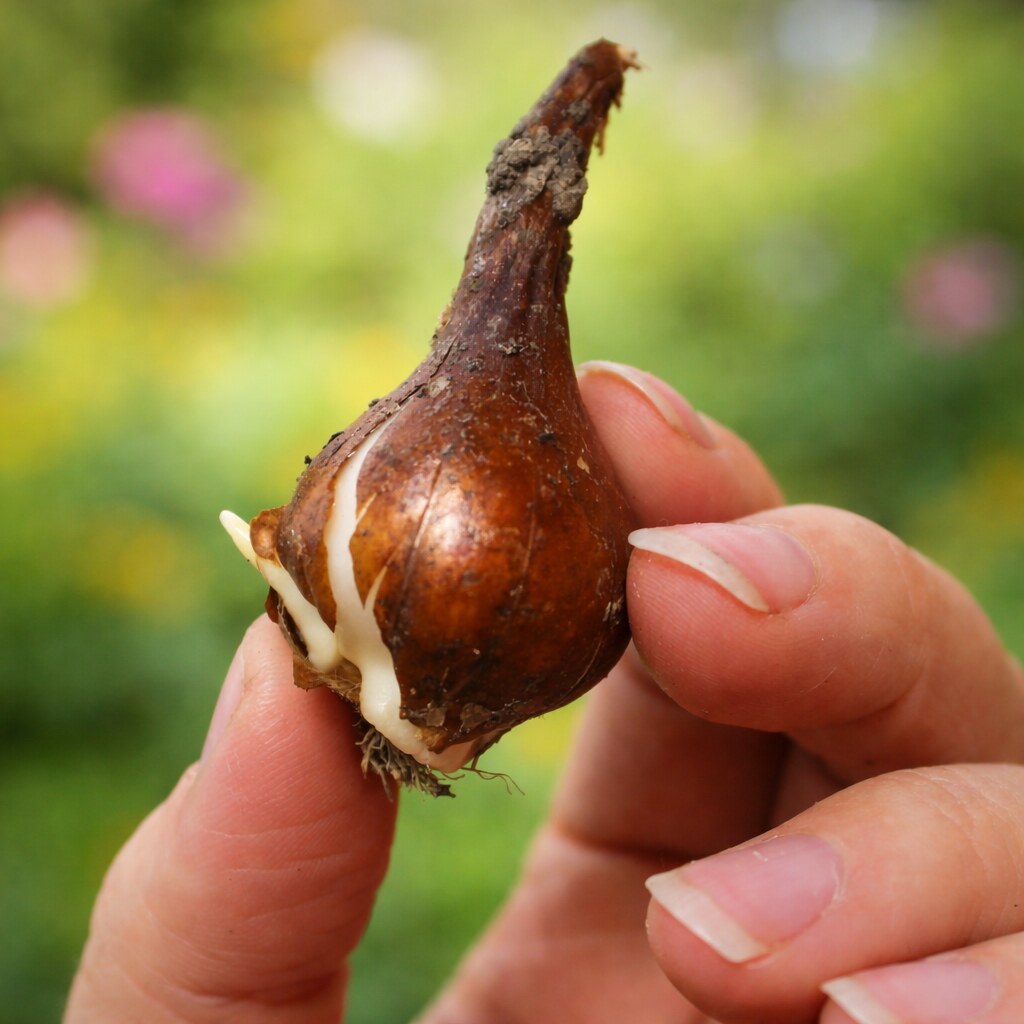
A bulb is a part of a plant that is usually below the ground, or partly below the ground. Bulbs are usually quite spherical but pointed at the top like a teardrop. Bulbs grow roots from the bottom and leaves from the top.
Some types of plants that grow from bulbs are onions, lilies and tulips.
Anything that has a similar shape to a bulb may also be called a bulb, such as the bulb at the bottom of an old fashioned thermometer.
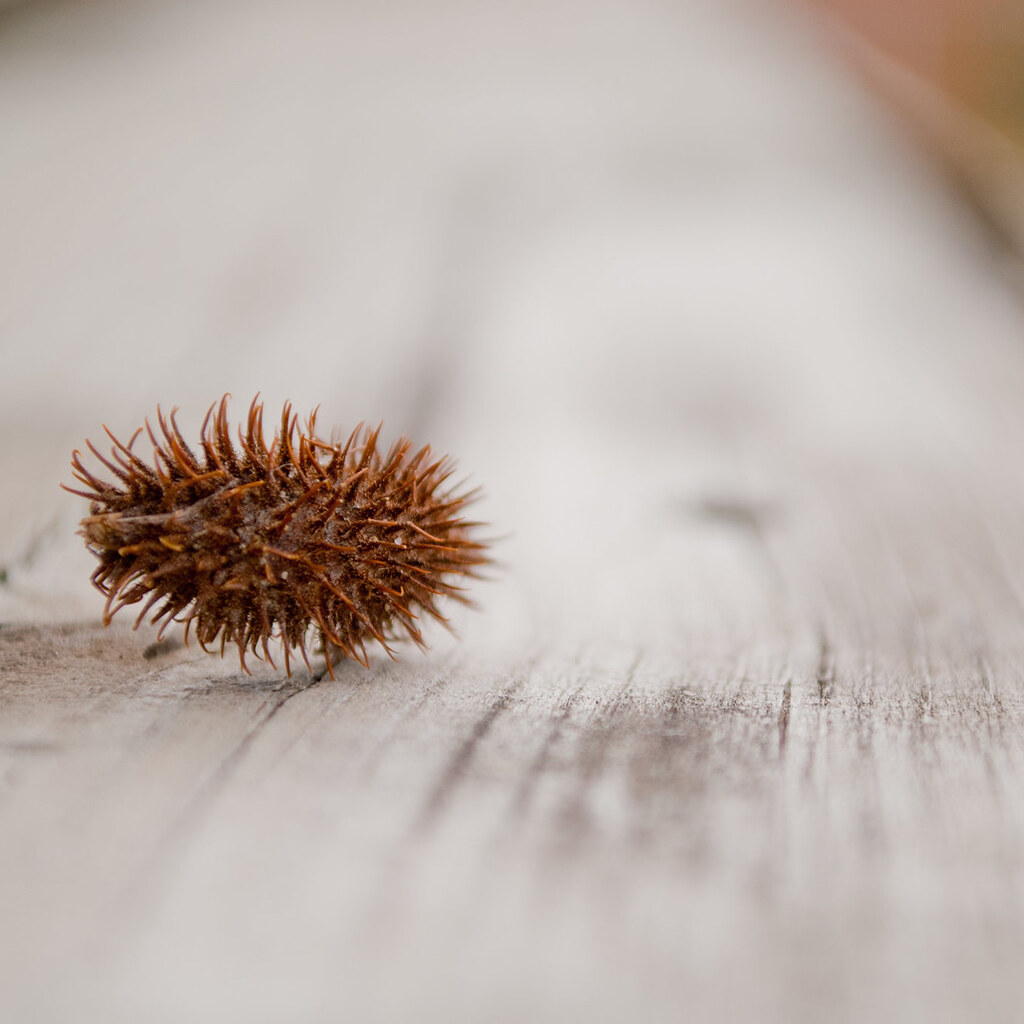
B is for Burr

A burr is any plant seedpod that is prickly and easily gets caught up in animal's fur.
A burr is also a sharp, rough edge left behind by a cutting tool, or a rough part on other kinds of surface.

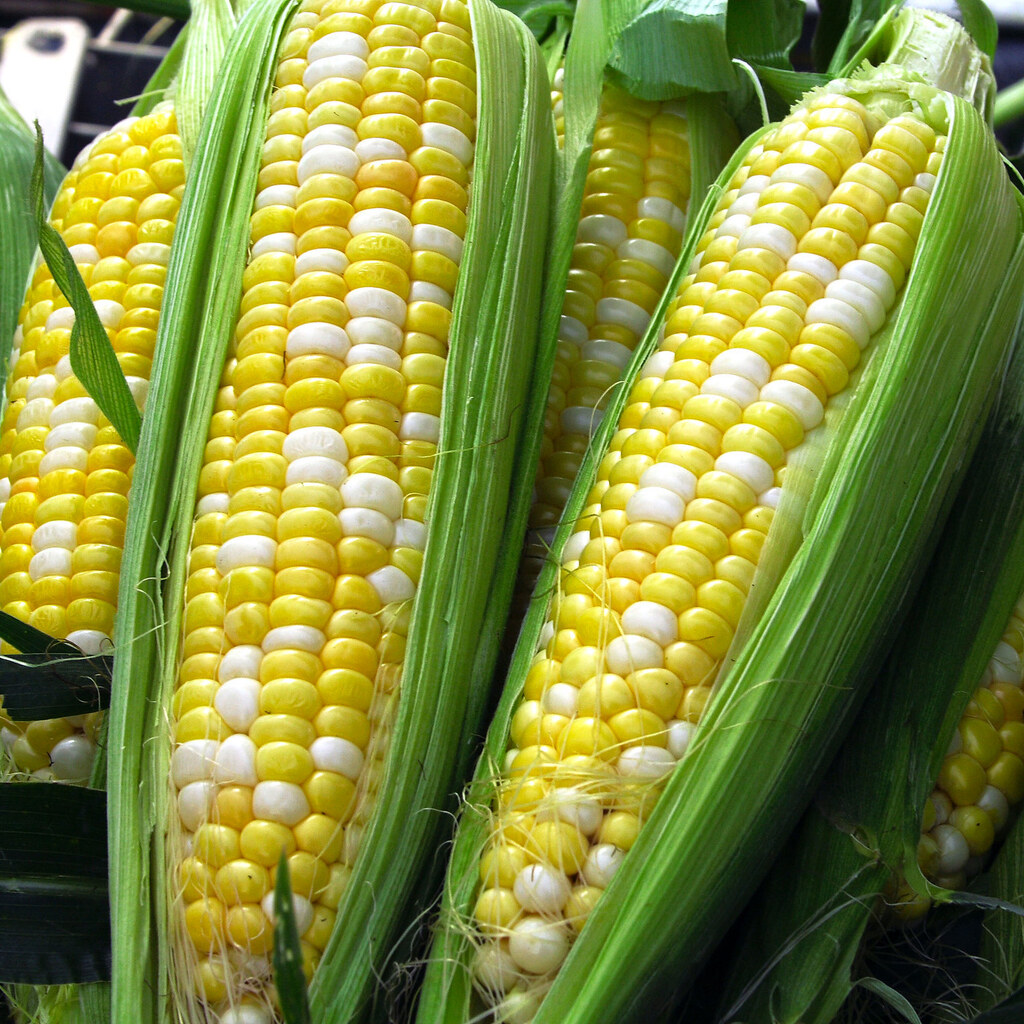
C is for Cob (Corn)

A cob is the part of the corn plant that is covered in corn kernels.

D is for Drupe

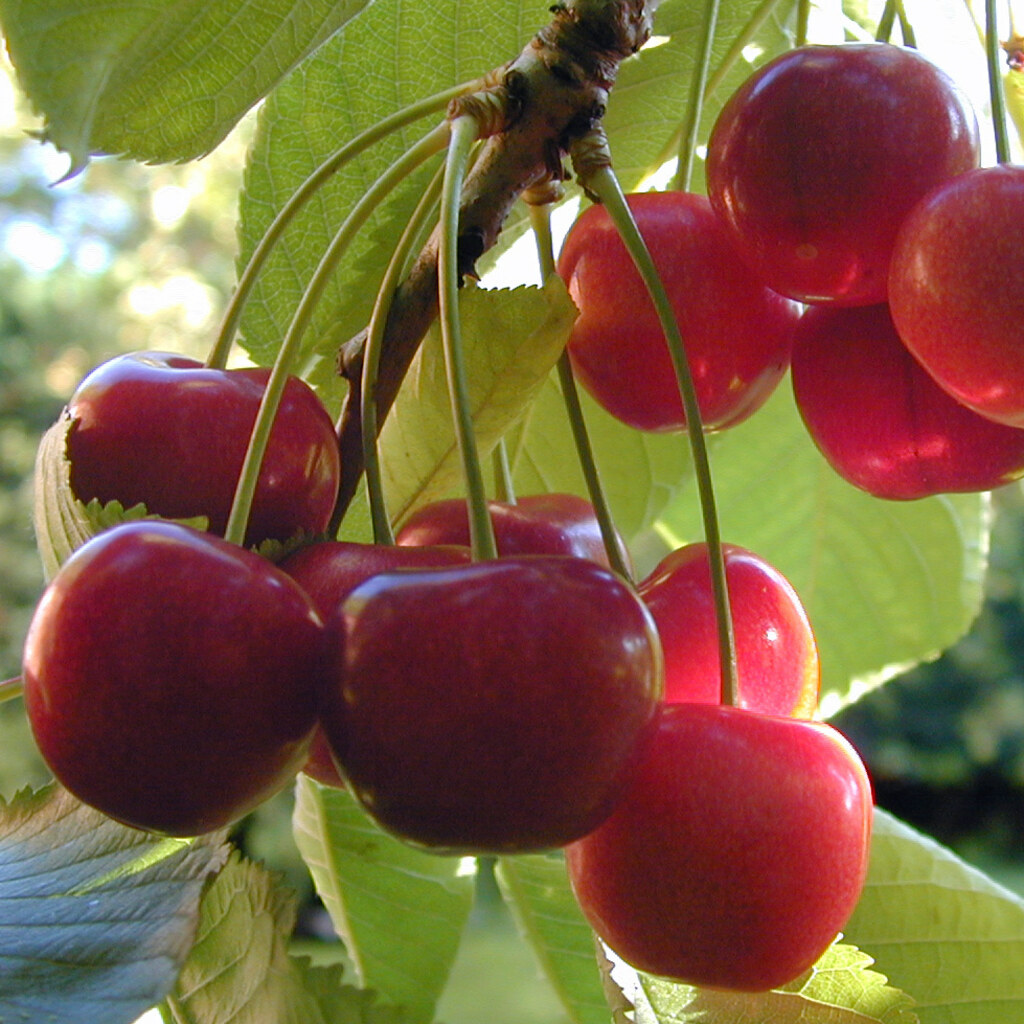
A drupe is a kind of fruit that has a single seed in a hard shell in the middle of the fruit. Examples of drupes are cherries, plums, olives and apricots.

F is for Flower

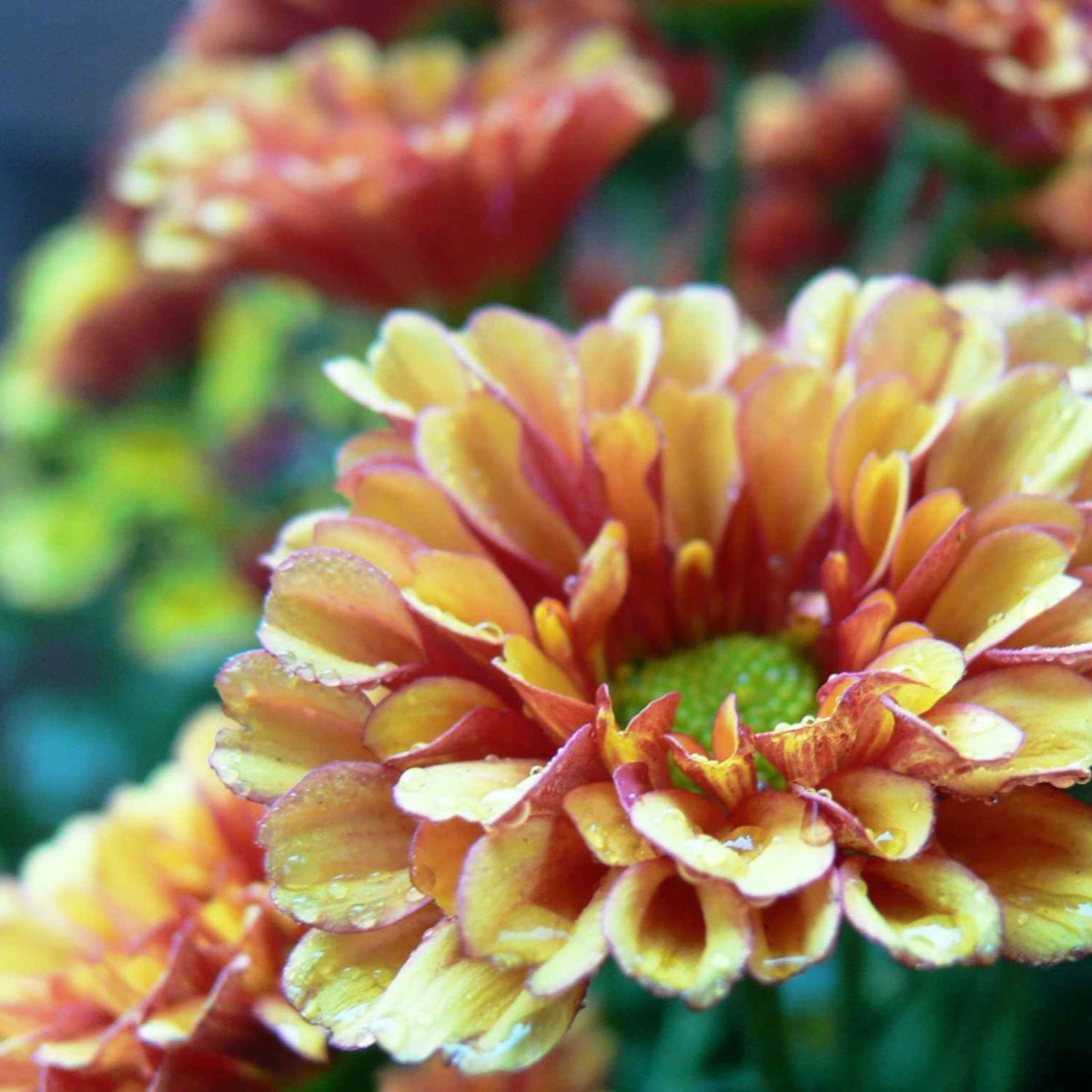
Flowers are the part of a plant that is used to make seeds, which grow into baby plants. Flowers are usually very pretty. The reason for this is the plant needs insects to come to the flowers and fertilize them so seeds can develop. Insects are attracted to the flowers by their colour and the sweet nectar that the plant grows inside the flower as a reward for the insects.
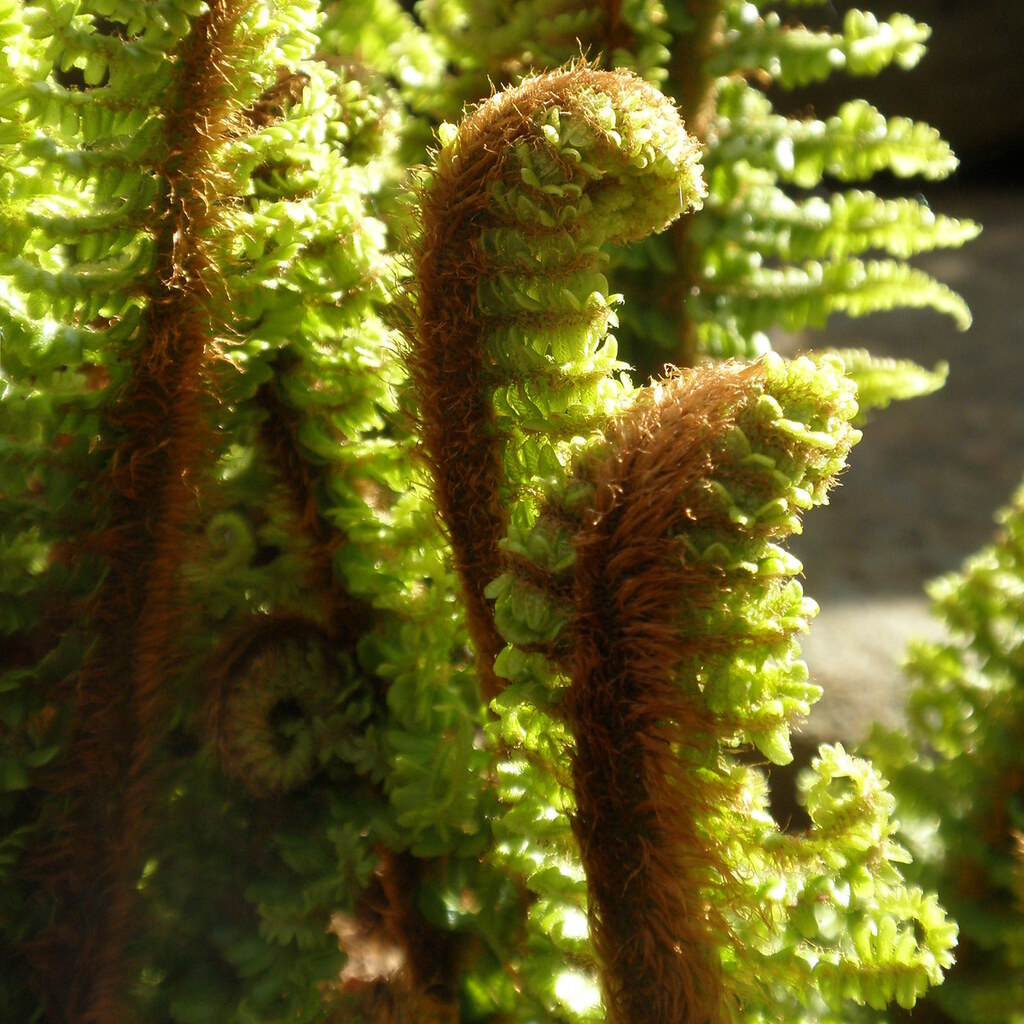
F is for Frond

A frond is a special type of leaf that is usually found on ferns. Palm trees also have fronds. The fronds on ferns start curled up, and uncurl as they grow.
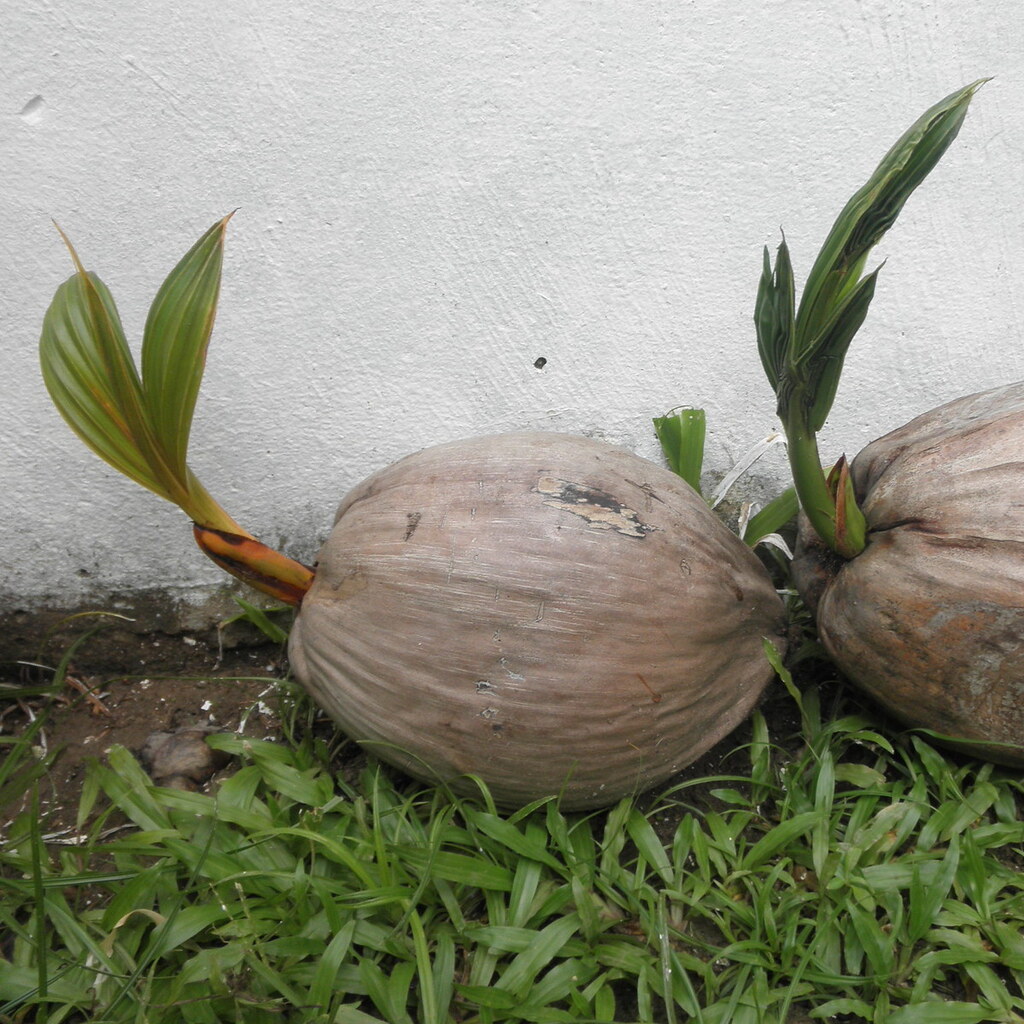
G is for Germinate

Something germinates when it starts to grow. When you are talking about germination you are usually talking about plants. Seeds, bulbs and spores all germinate. The picture is of some coconut seeds germinating.

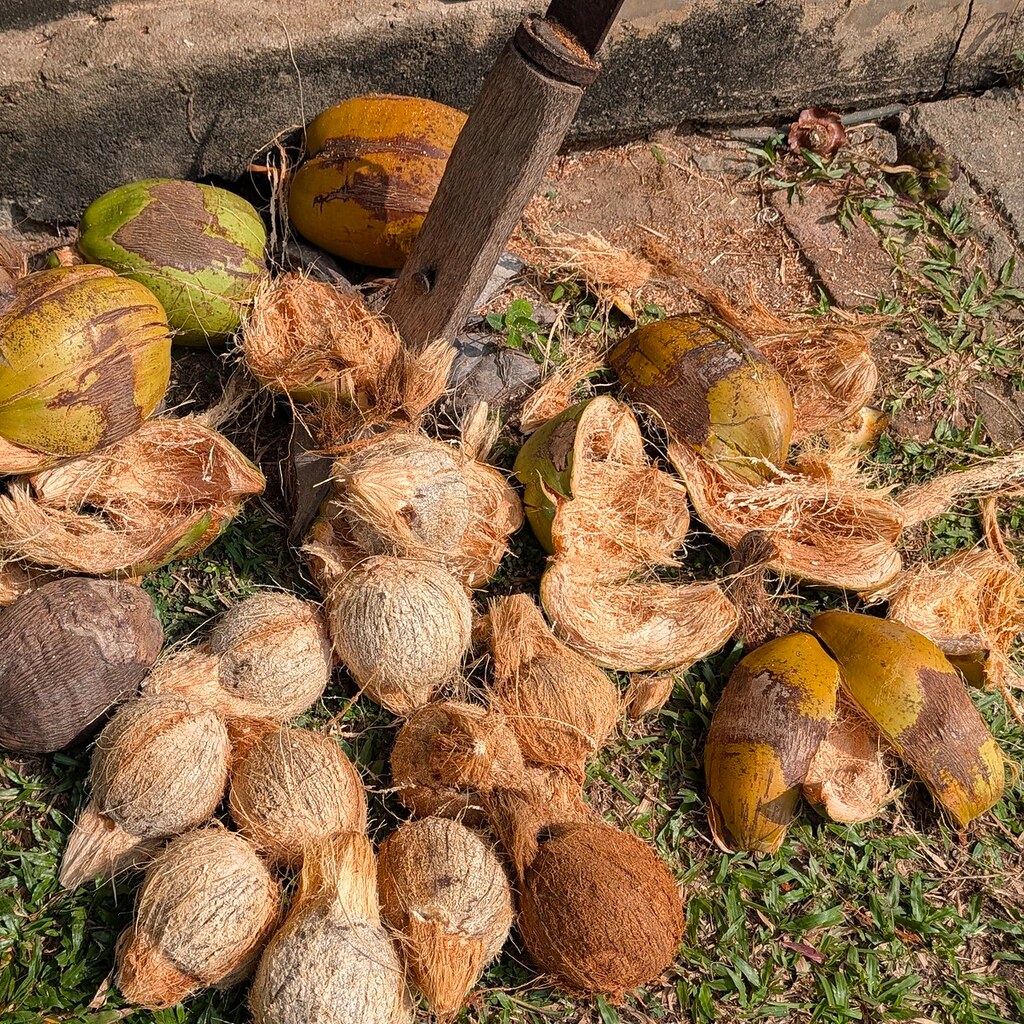
H is for Husk

A husk is the outer layer of a seed, or the covering on a cob of corn or maize.
A husk is also used to describe the outer shell that an insect loses when it moults.
The husks in the photo are coconut husks.

K is for Kernel

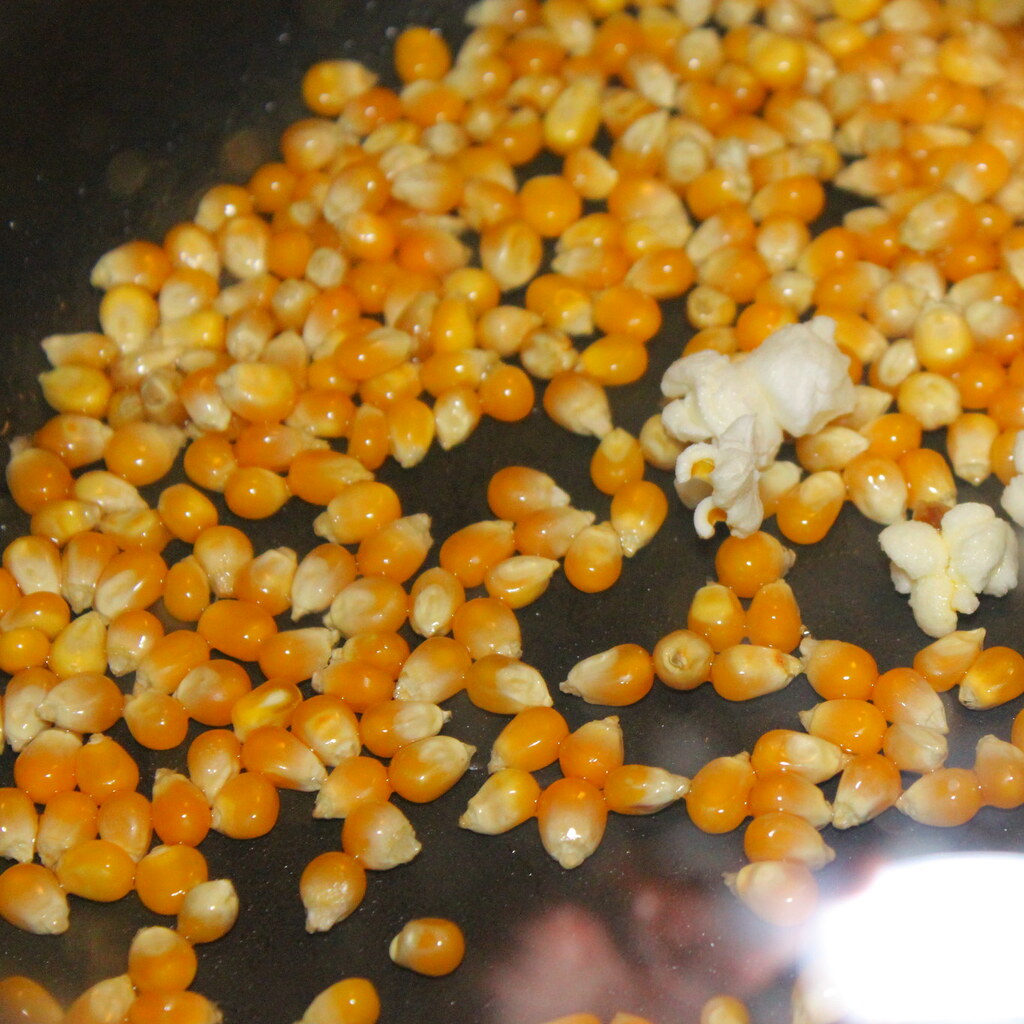
The kernel is the inner part of a nut or seed. It is also used to mean the small, important part inside a larger thing.

The picture is of popcorn kernels.

L is for Leaf

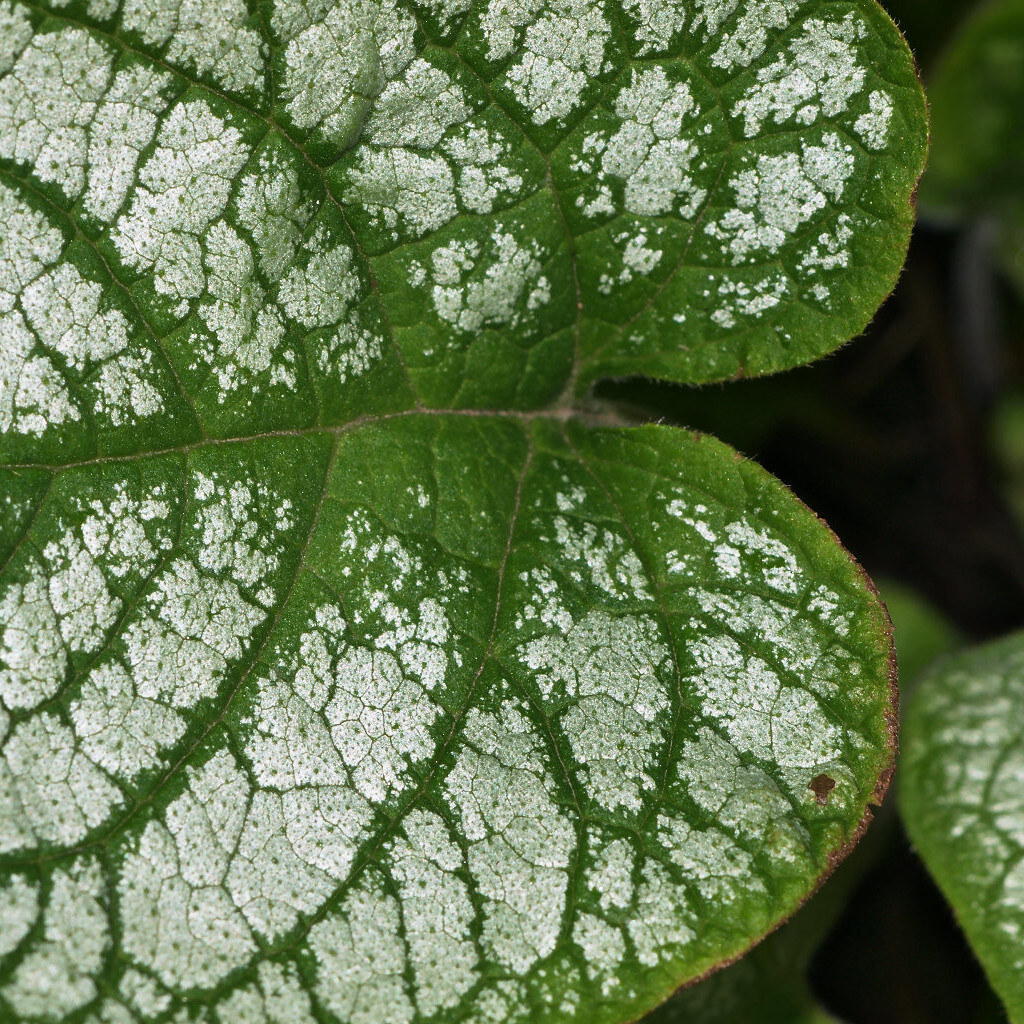
Leaves grow all over most plants. Leaves are always some shade of green, although they often have yellow or red patterns on them. Plants use sunlight falling on the green in their leaves, called chlorophyll, to convert air and water into food.

N is for Nectar

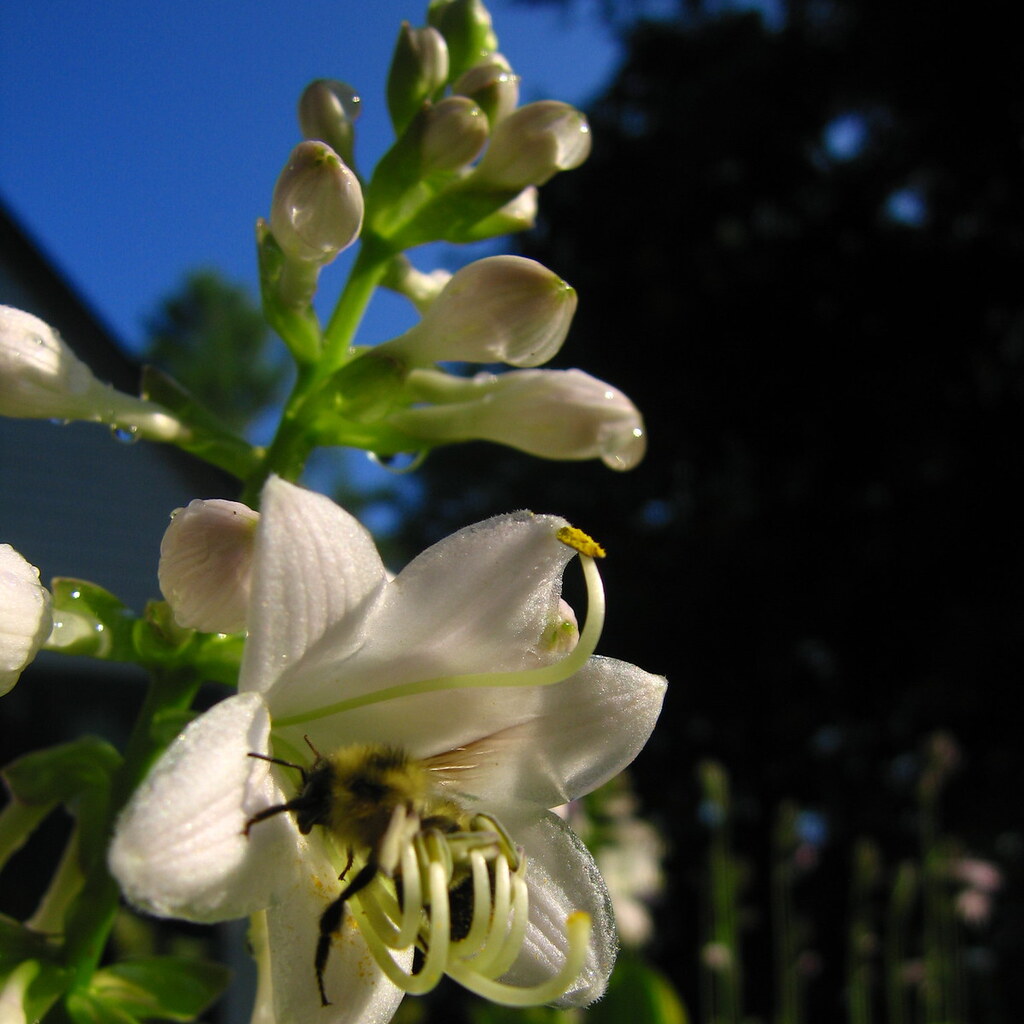
Nectar is the sweet, sticky stuff found in the centre of flowers. It is there to attract insects like bees to the flowers so the bees will pollinate the flowers. Bees use the nectar to make honey, most other birds and insects just eat the nectar as they find it.

N is for Nut (Seed)

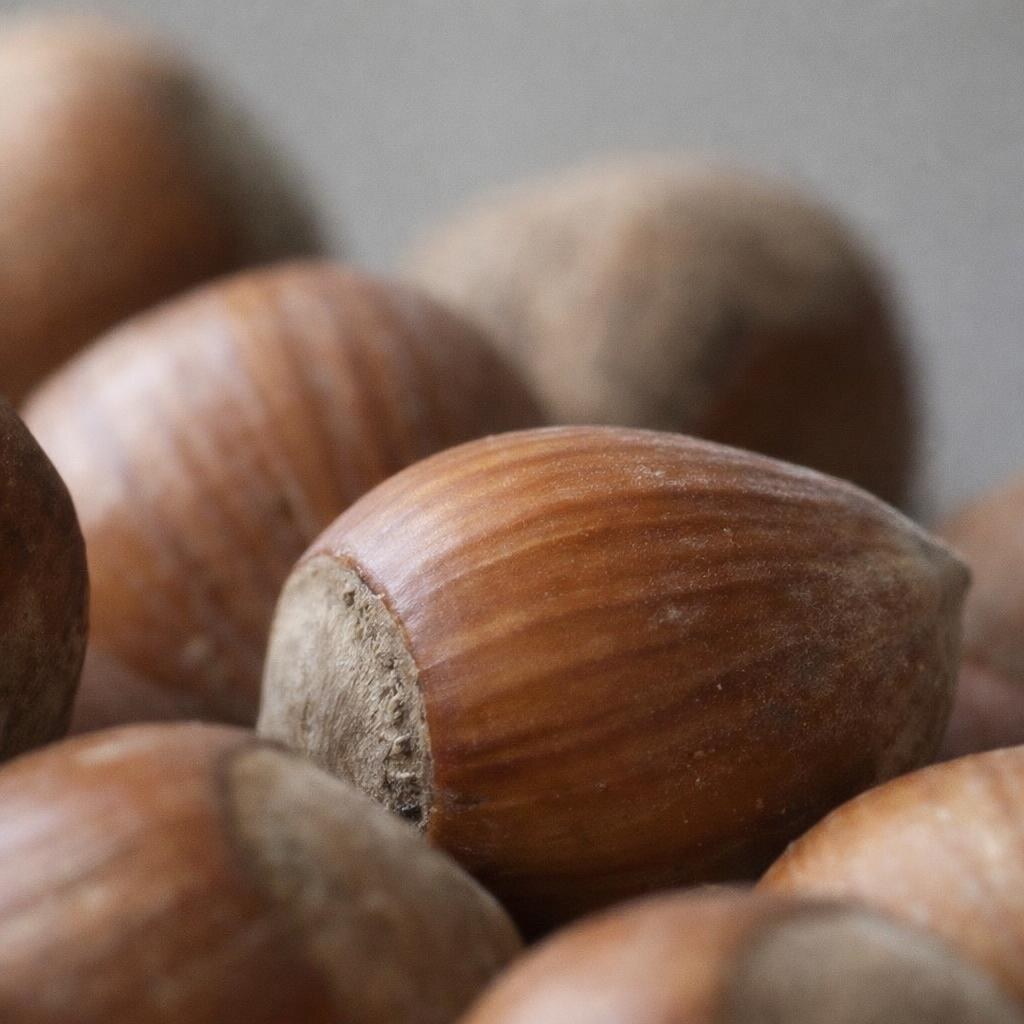
A nut is a seed of a plant that has a very hard outside layer. Some nuts are found inside the plant's fruit, other nuts are actually the fruit itself.