Showing 21-32 of 32
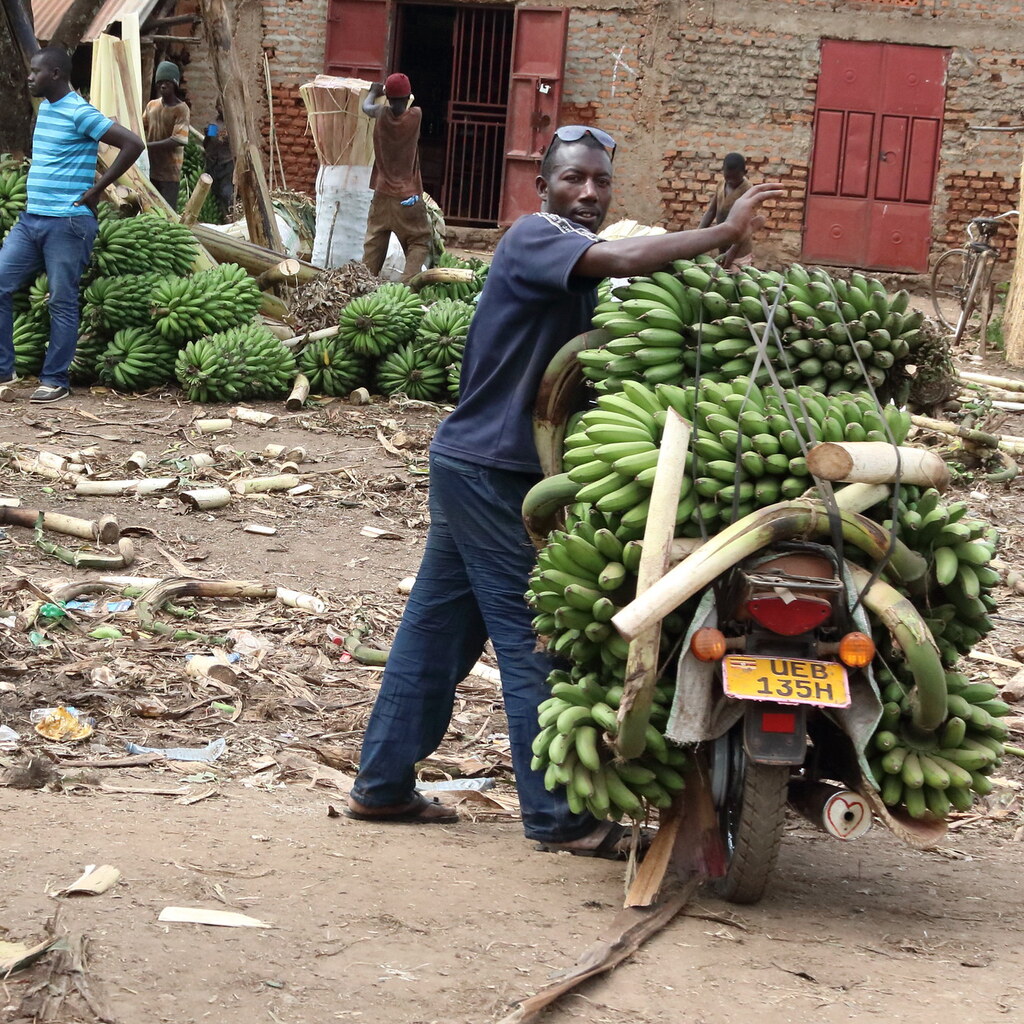
The plantain is a kind of fruit that looks like a banana, but it can be longer and firmer.
Plantains are common in Africa, the Caribbean, and Latin America. They can be fried, boiled, or baked.
Plantains are common in Africa, the Caribbean, and Latin America. They can be fried, boiled, or baked.
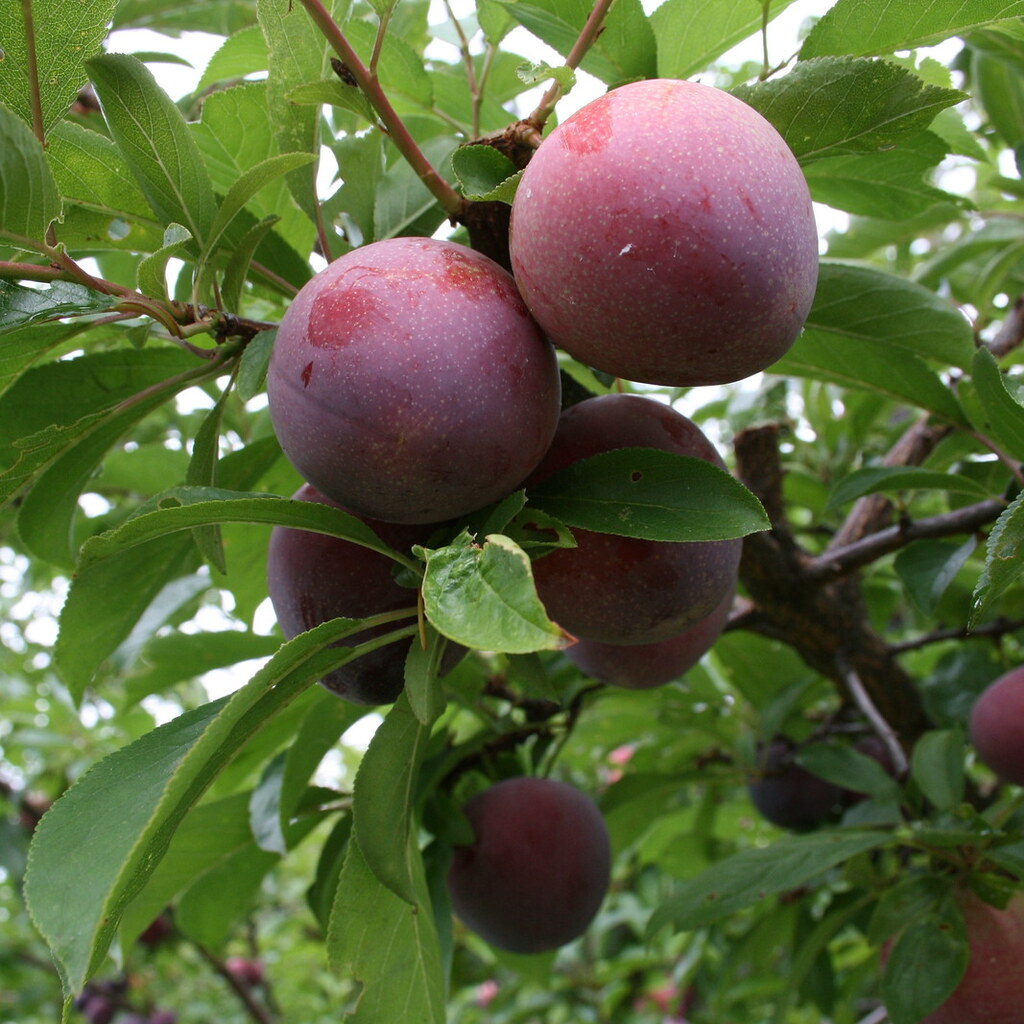
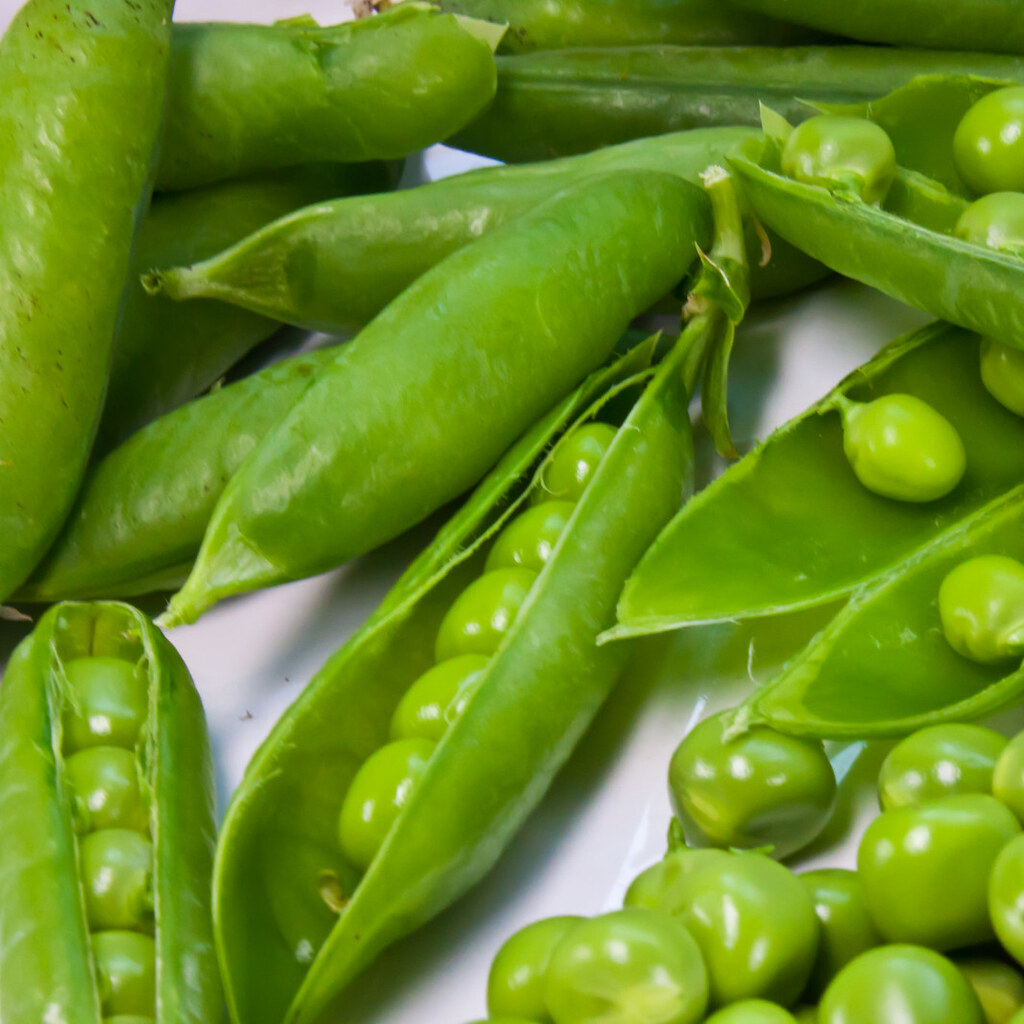
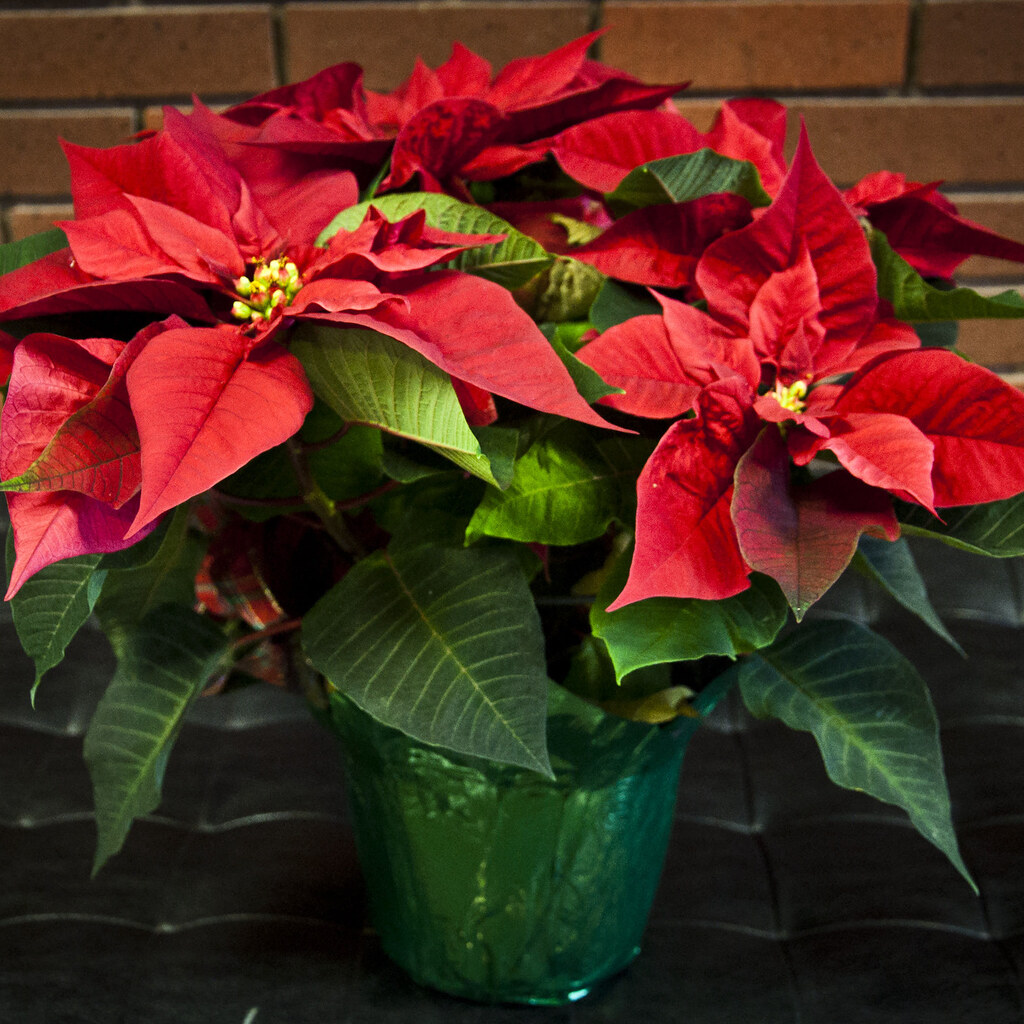
P is for Poinsettia
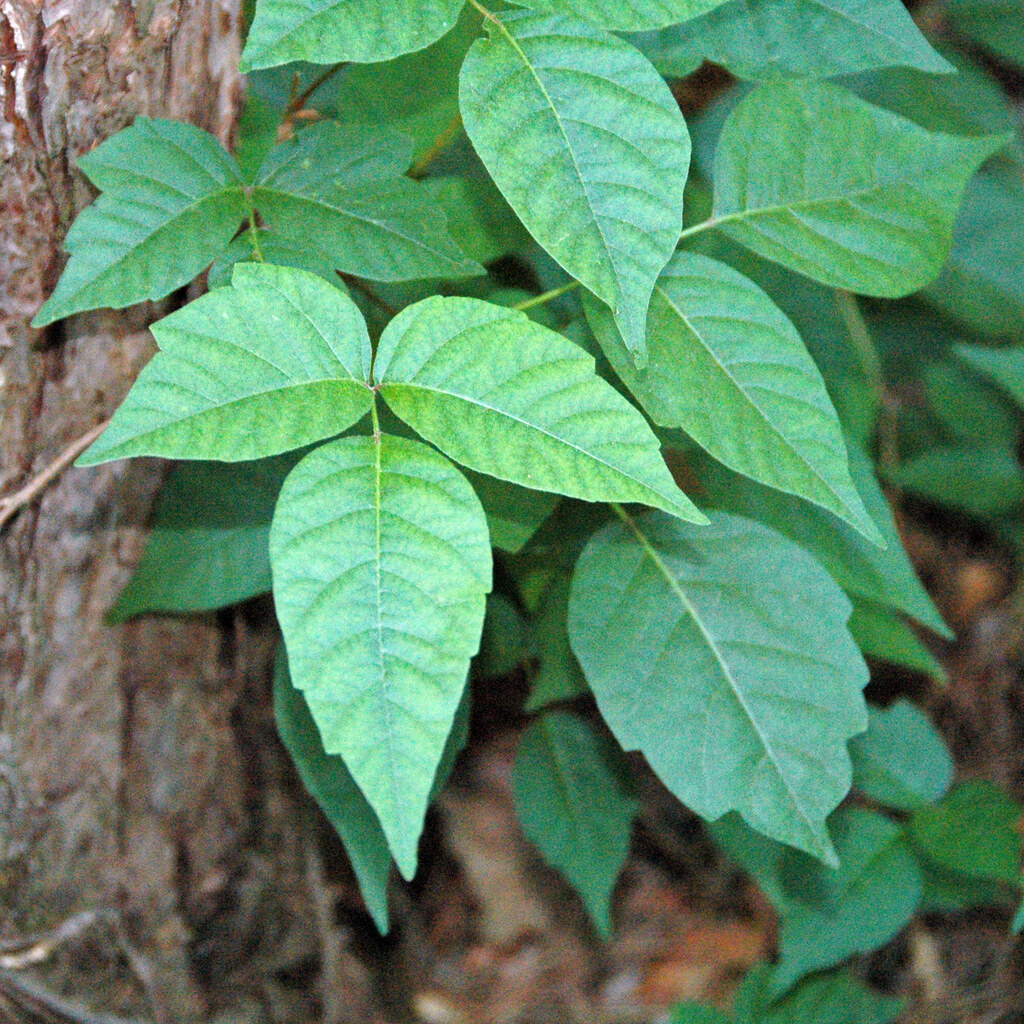
P is for Poison ivy
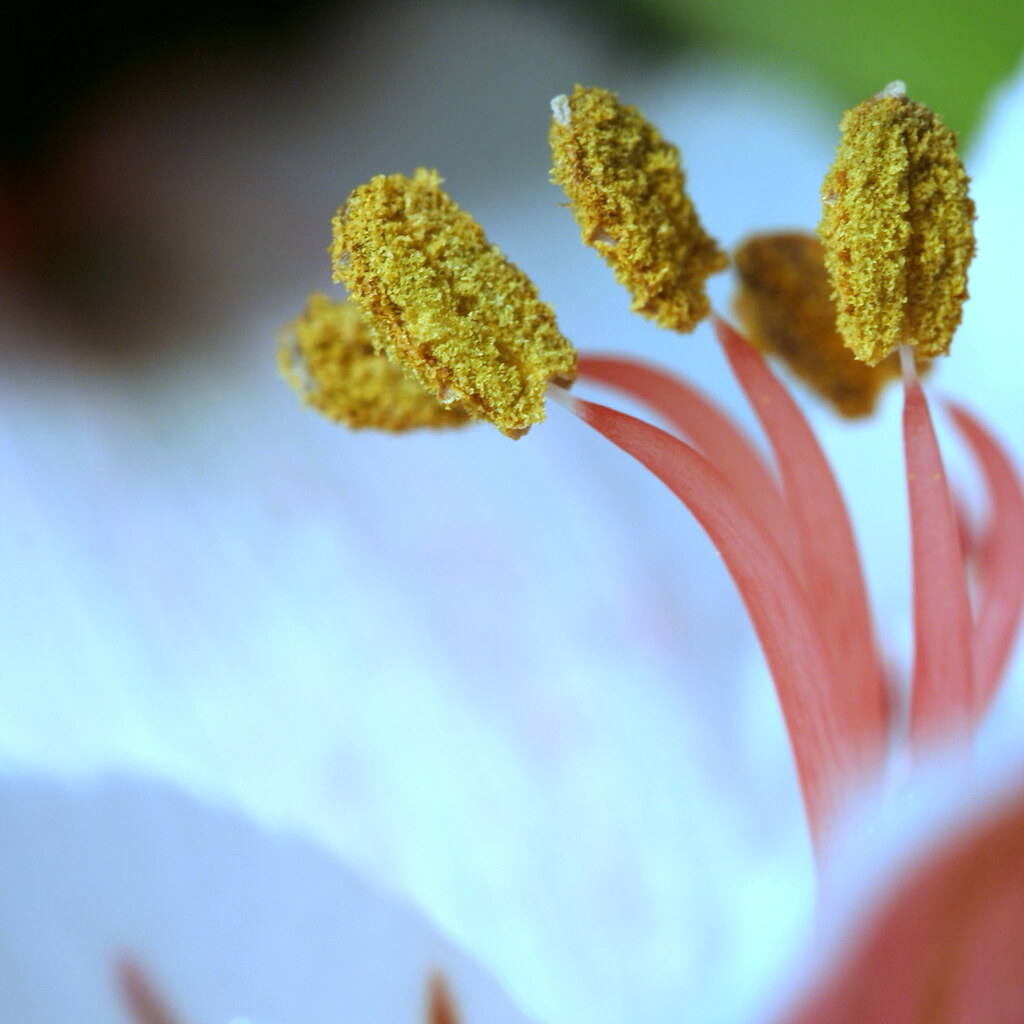
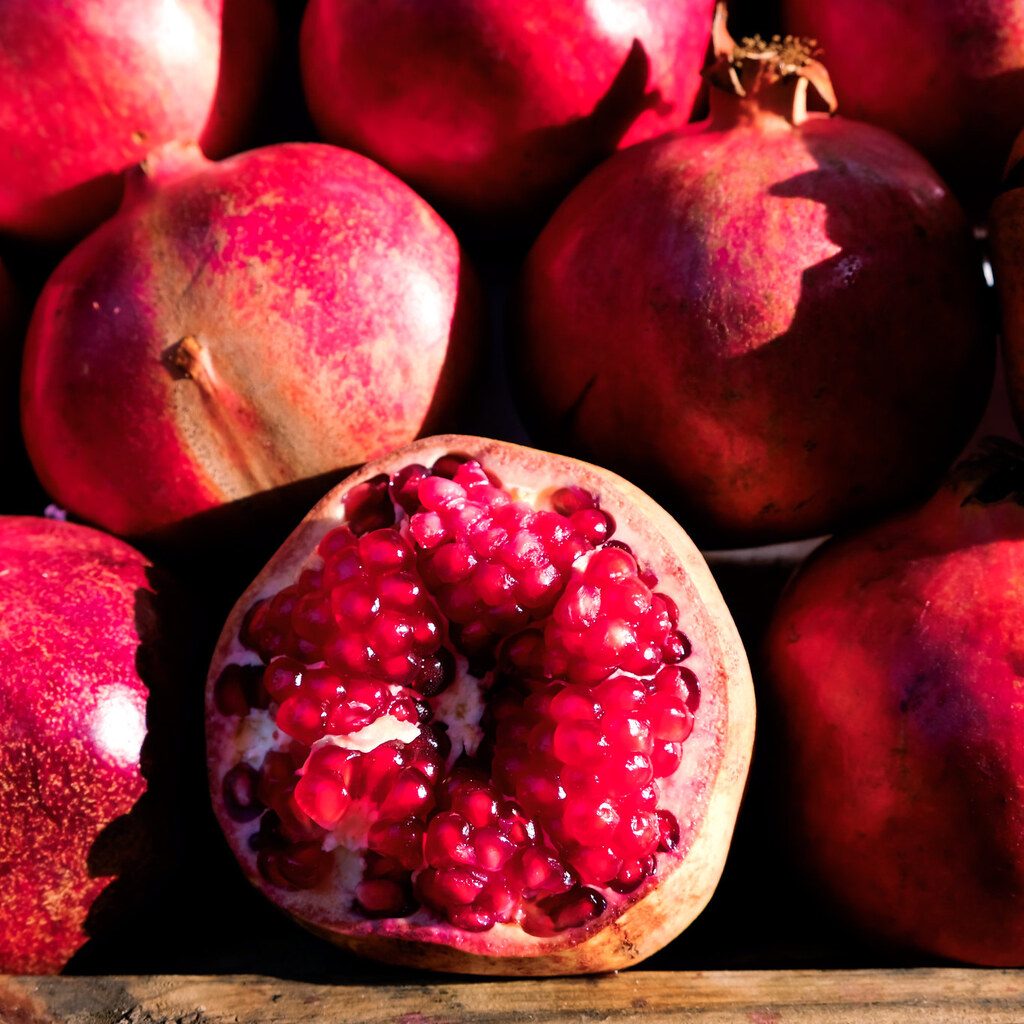
P is for Pomegranate
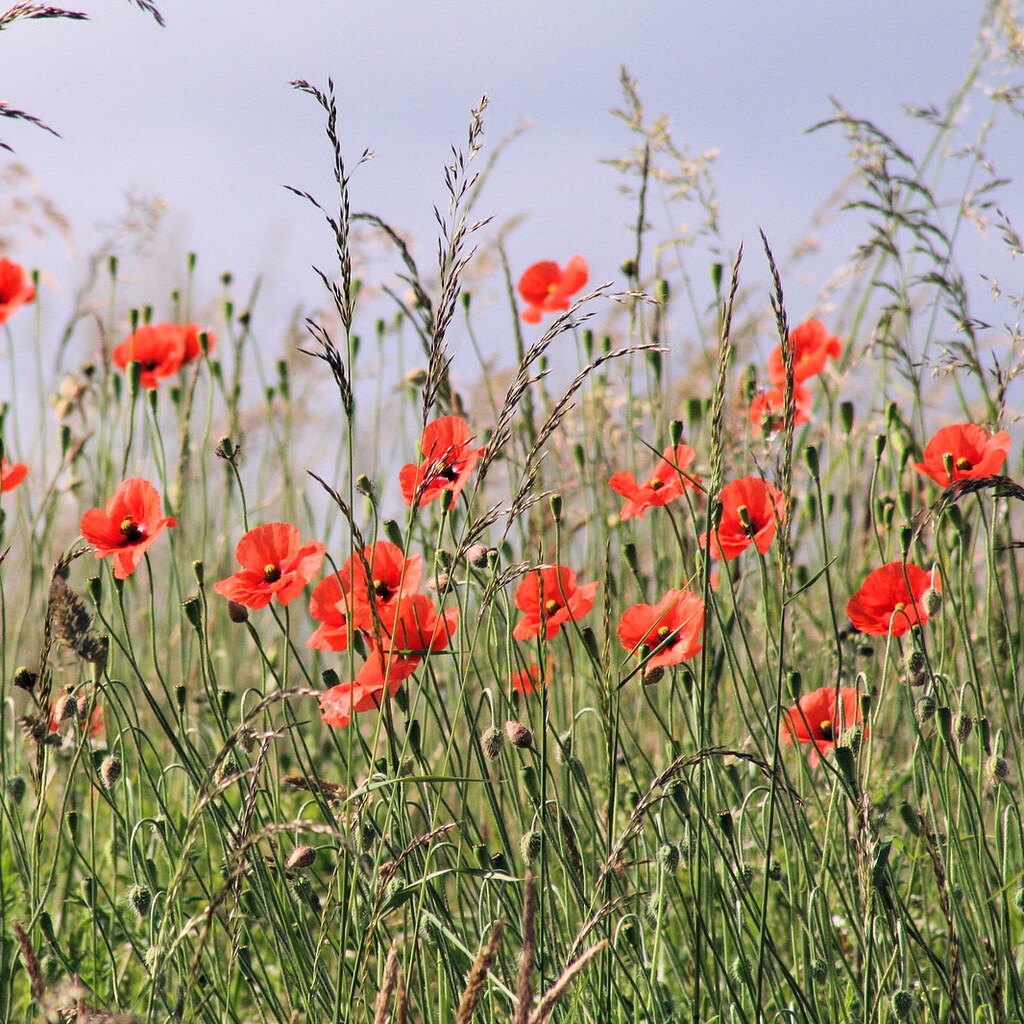
Poppies are small flowers that are grown mainly because they look pretty. The most well-known poppy is the opium poppy, which is grown for its seeds that are often found on top of bread rolls, and because it contains a substance that can be used to make a very powerful painkiller.
Most poppies will grow in very cold climates. Some kinds of poppies grow almost in arctic conditions, and are one of the most northerly growing plants in the world.
Most poppies will grow in very cold climates. Some kinds of poppies grow almost in arctic conditions, and are one of the most northerly growing plants in the world.
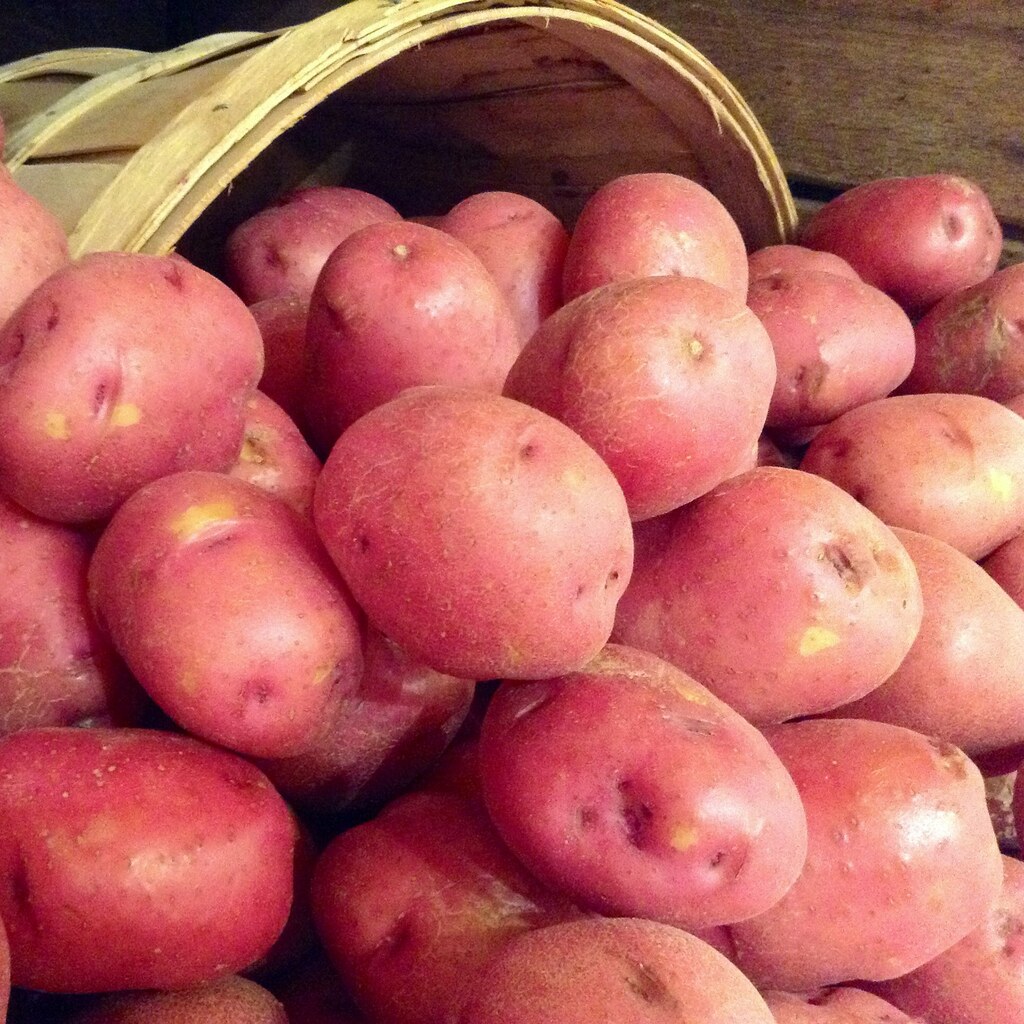
Potatoes are tubers - they grow underground but are not the central root of the plant like a carrot or turnip. One potato plant can make many potatoes. Potatoes originally came from Peru but are now grown world wide, and are the fourth biggest crop after rice, wheat, and maize.
Potatoes are best known in the form of french fries (chips) or crisps. Potato can be eaten in a huge variety of ways. It can be an ingredient in soups and stews, mashed and eaten with butter, baked, fried, boiled and in a huge variety of other dishes.
Potatoes are best known in the form of french fries (chips) or crisps. Potato can be eaten in a huge variety of ways. It can be an ingredient in soups and stews, mashed and eaten with butter, baked, fried, boiled and in a huge variety of other dishes.