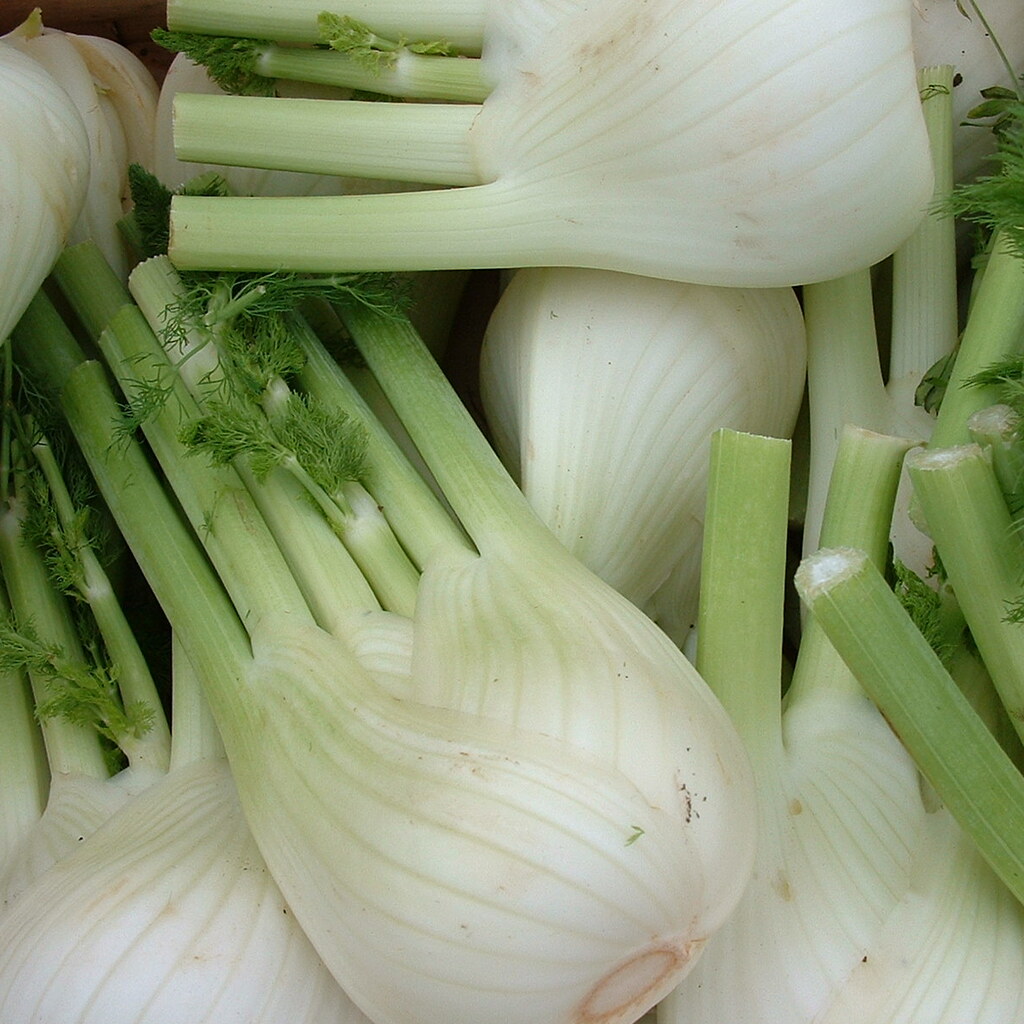
Showing 1-20 of 43

Globe artichokes are a type of thistle. The edible part of the artichoke is the young flowerbud. Artichokes are usually boiled in salted water until they are tender. In some countries they are deep fried.

Arugula, also known as rocket, is a leafy green plant. It is a kind of salad herb with peppery, slightly bitter leaves.
People often eat arugula raw in salads or on sandwiches. It can also be cooked in soups or mixed into warm dishes.
People often eat arugula raw in salads or on sandwiches. It can also be cooked in soups or mixed into warm dishes.

The asparagus spears that you buy in the shops are the new shoots of a type of plant. They are eaten as a vegetable, and can be cooked in a variety of ways. They are usually eaten alone as a side dish rather than mixed into something else like a stew.
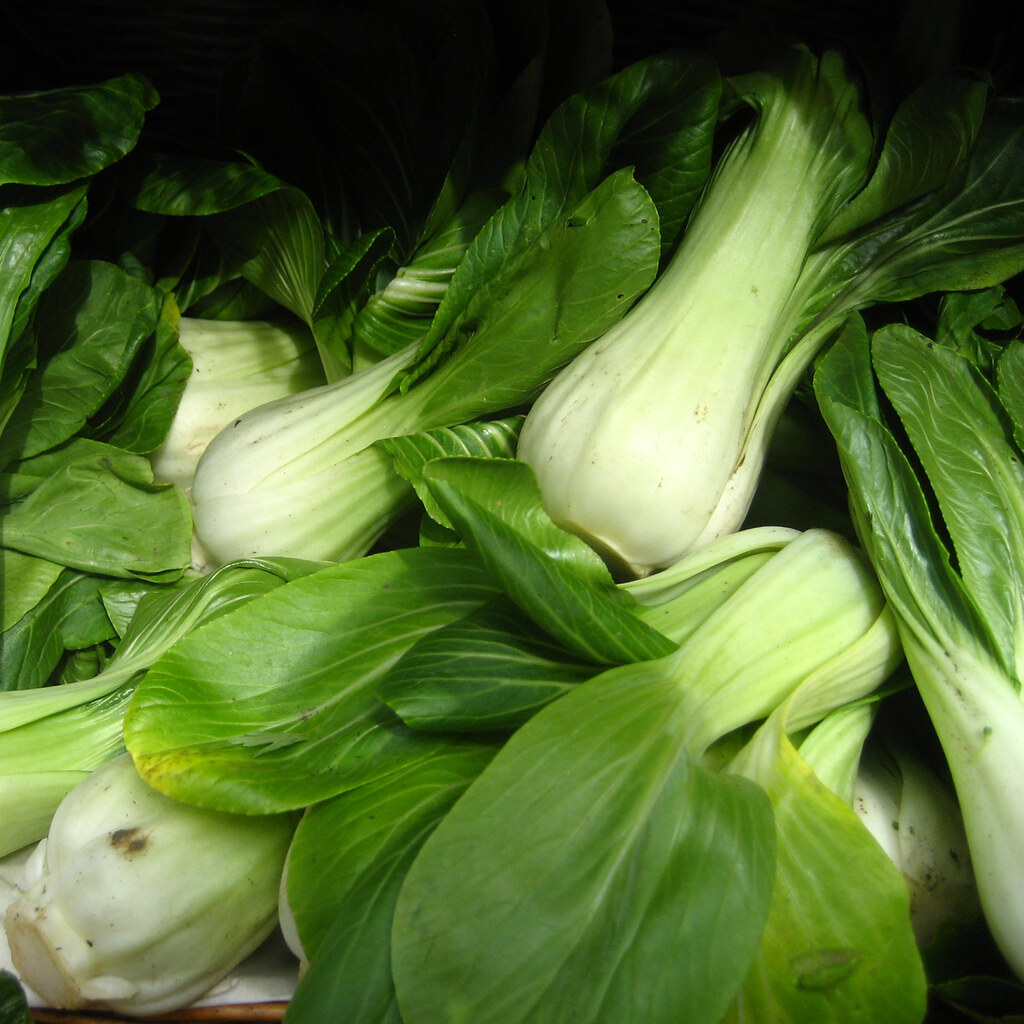
Bok choi, also called pak choi, is a type of leafy vegetable. It looks like a small cabbage with crunchy white stems and dark green leaves.
People often eat it cooked, such as in stir fry, soup, or steamed dishes.
People often eat it cooked, such as in stir fry, soup, or steamed dishes.
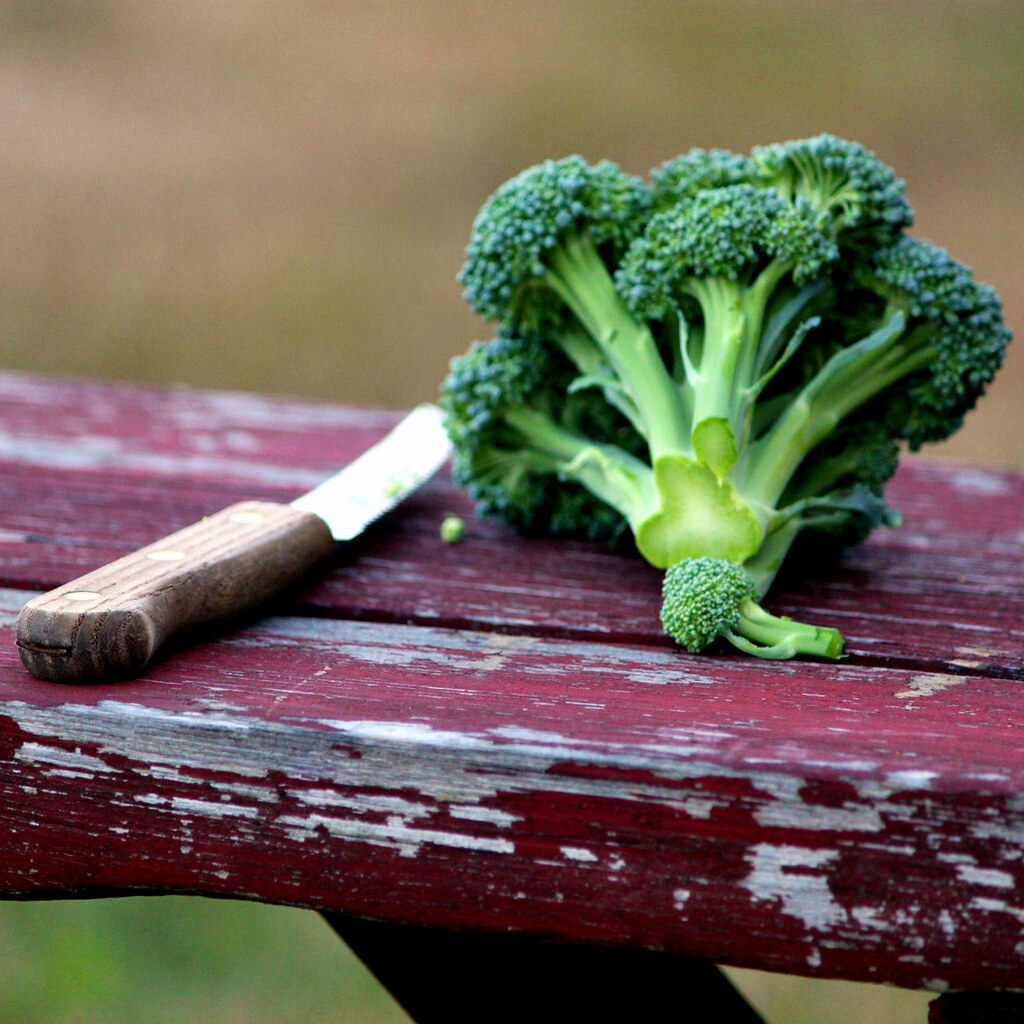
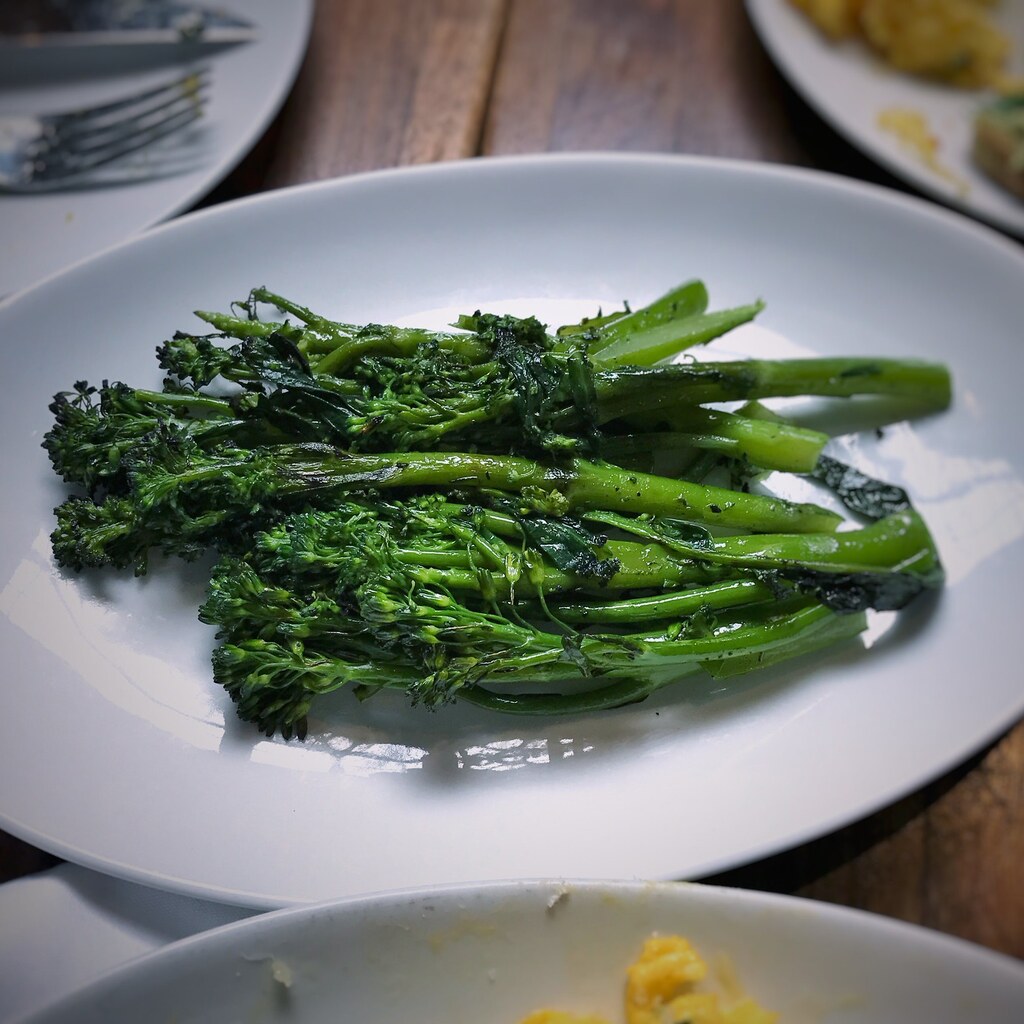
B is for Broccolini
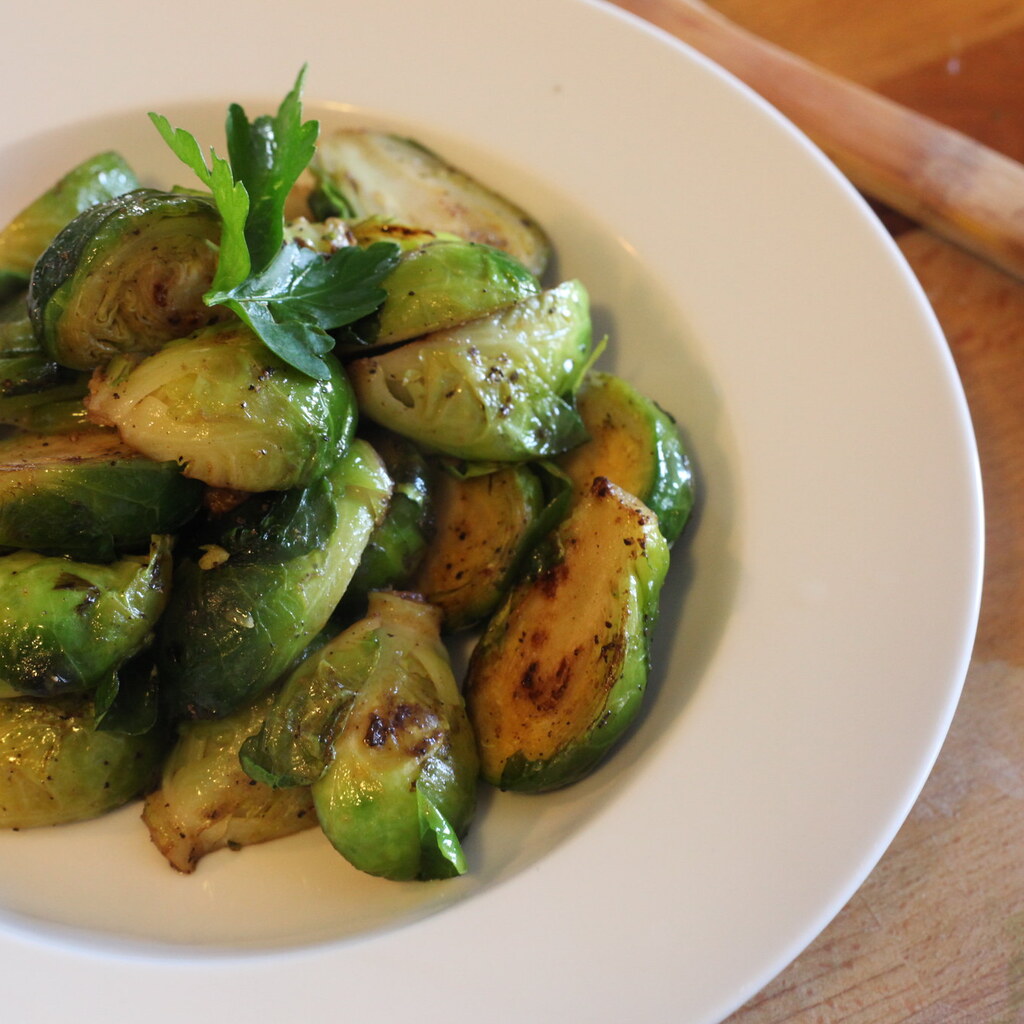
B is for Brussels sprout
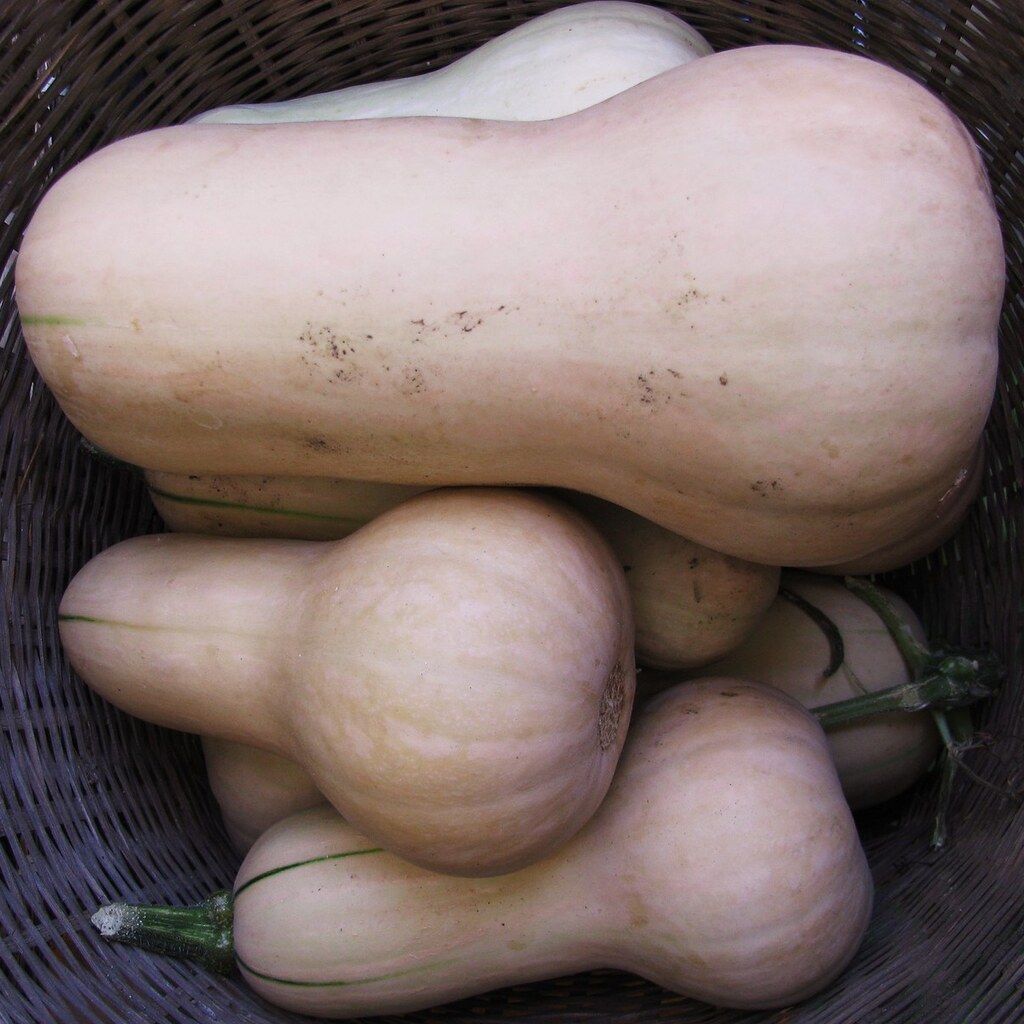
B is for Butternut squash


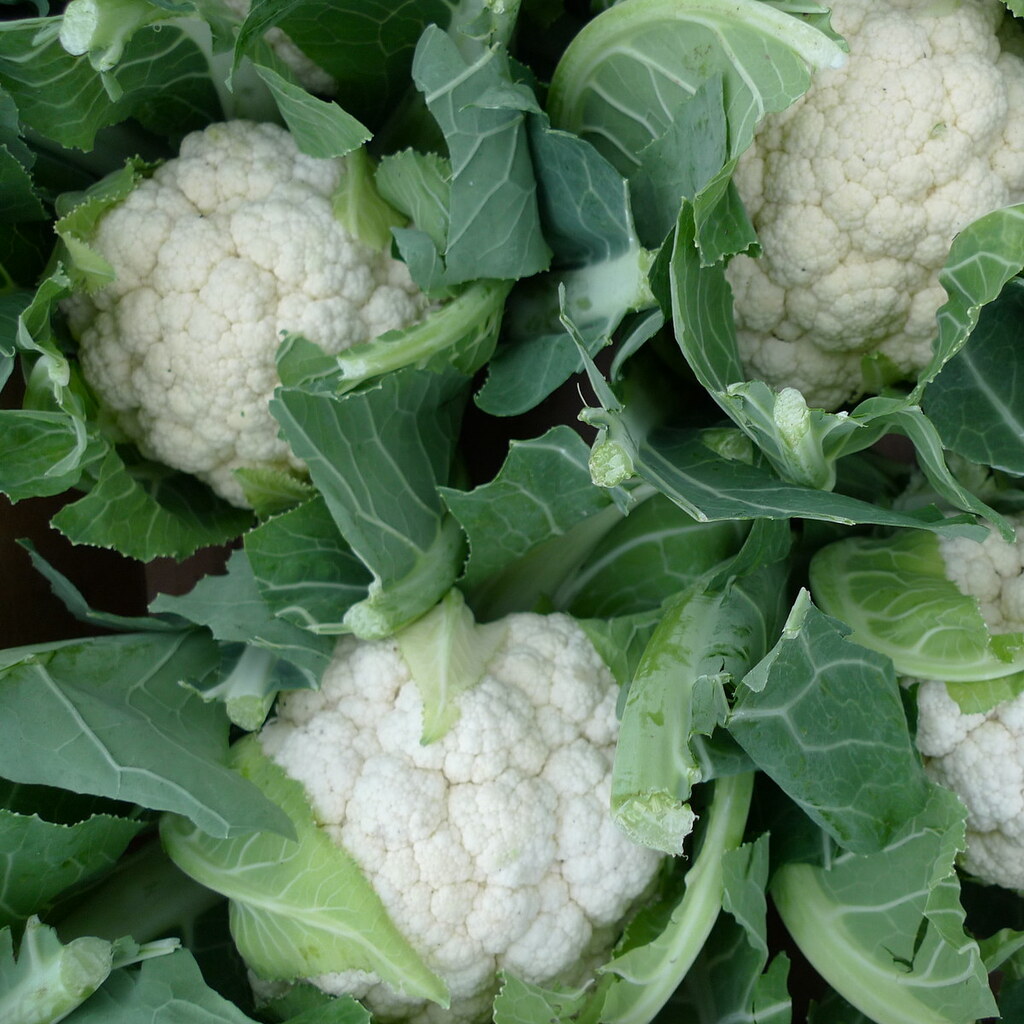
C is for Cauliflower
Cauliflower are usually cut up into bite-sized pieces, and then steamed, boiled or stir-fried. They can be used in a wide variety of dishes. Cauliflowers go well with white or cheese-based sauces.
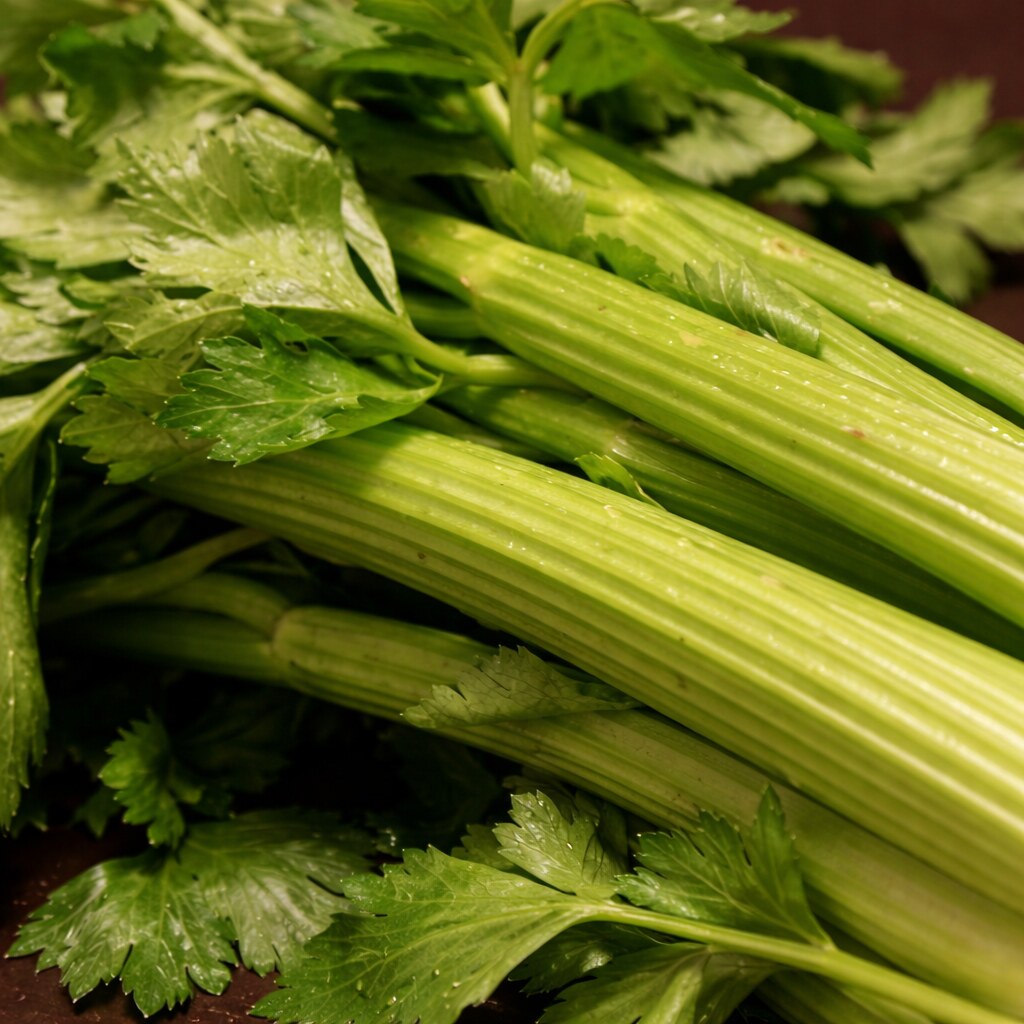
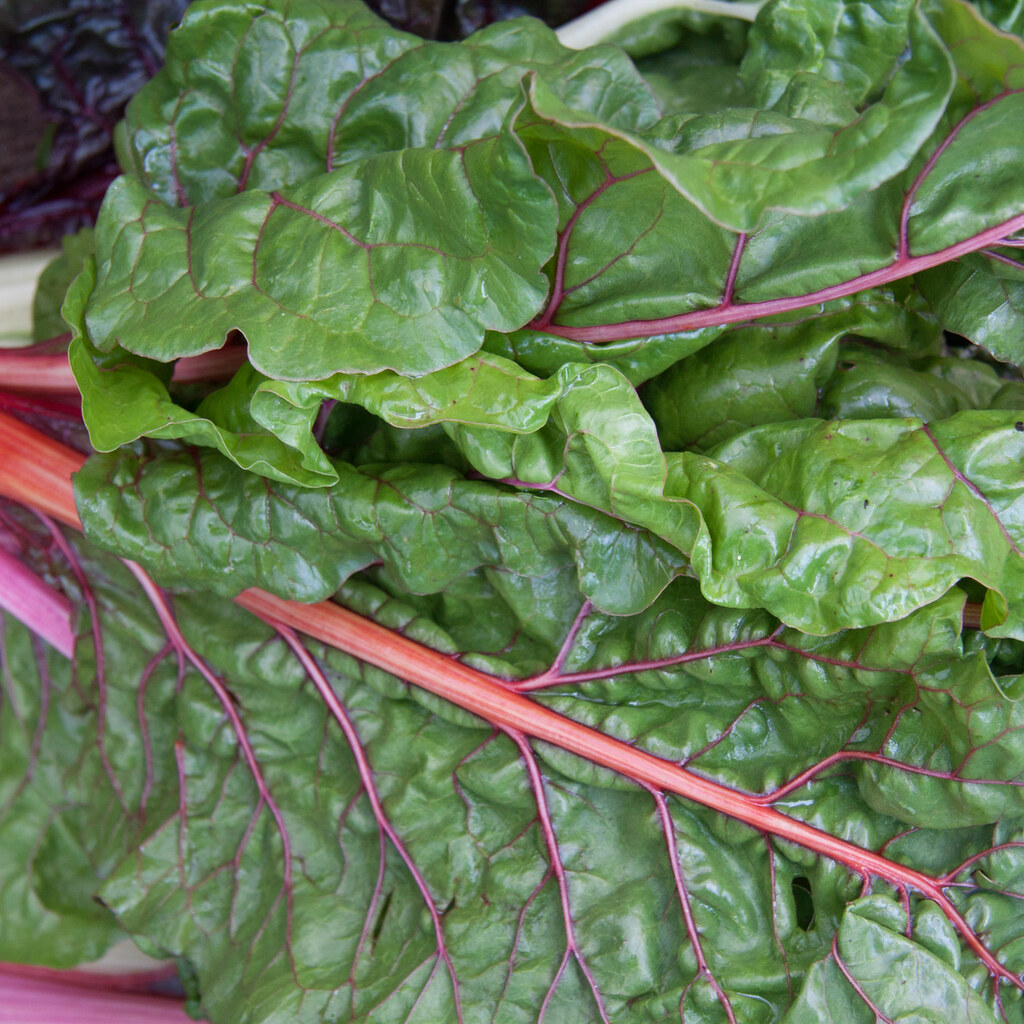
Chard, also known as Swiss chard or silverbeet, is a leafy green vegetable with red or white stems. It is best eaten fresh when it is young.

C is for Collard greens
People often cook collard greens by boiling or steaming them until they are soft. They are used in meals like soups, stews, and side dishes. Collard greens are known for their taste and for being a healthy plant food.

The courgette (or zucchini) is technically a fruit but most people call it a vegetable and it is usually in cookbooks as a vegetable. You can get courgettes in two colours - dark green and bright yellow.
The courgette is a member of the squash family, and is very closely related to squash and pumpkins, so close that the plants can cross-pollinate.
Courgettes need to be picked young or they get hard and woody and are not good to eat. They have a soft skin so they don't need to be peeled before cooking. They can be cooked in a variety of different ways; steamed, boiled, grilled, stuffed and baked, barbecued, fried, or in stews and other dishes. The flowers are sometimes eaten stuffed, or stuffed, dipped in batter and deep fried.
The courgette is a member of the squash family, and is very closely related to squash and pumpkins, so close that the plants can cross-pollinate.
Courgettes need to be picked young or they get hard and woody and are not good to eat. They have a soft skin so they don't need to be peeled before cooking. They can be cooked in a variety of different ways; steamed, boiled, grilled, stuffed and baked, barbecued, fried, or in stews and other dishes. The flowers are sometimes eaten stuffed, or stuffed, dipped in batter and deep fried.

Cucumbers are in the same family as watermelons. They grow on a vine, and are technically a fruit but are usually treated as a vegetable.
Cucumbers have an extremely mild flavour and are usually used in salads and sandwiches. Cucumbers can be pickled; pickled cucumbers are called gherkins.
Cucumbers have an extremely mild flavour and are usually used in salads and sandwiches. Cucumbers can be pickled; pickled cucumbers are called gherkins.

D is for Daikon radish
Daikon radish is often eaten raw in salads or sliced into thin pieces. It can also be pickled or cooked in soups and stir fries. It has a mild, slightly spicy taste and a crunchy texture.