
Showing 1-16 of 16
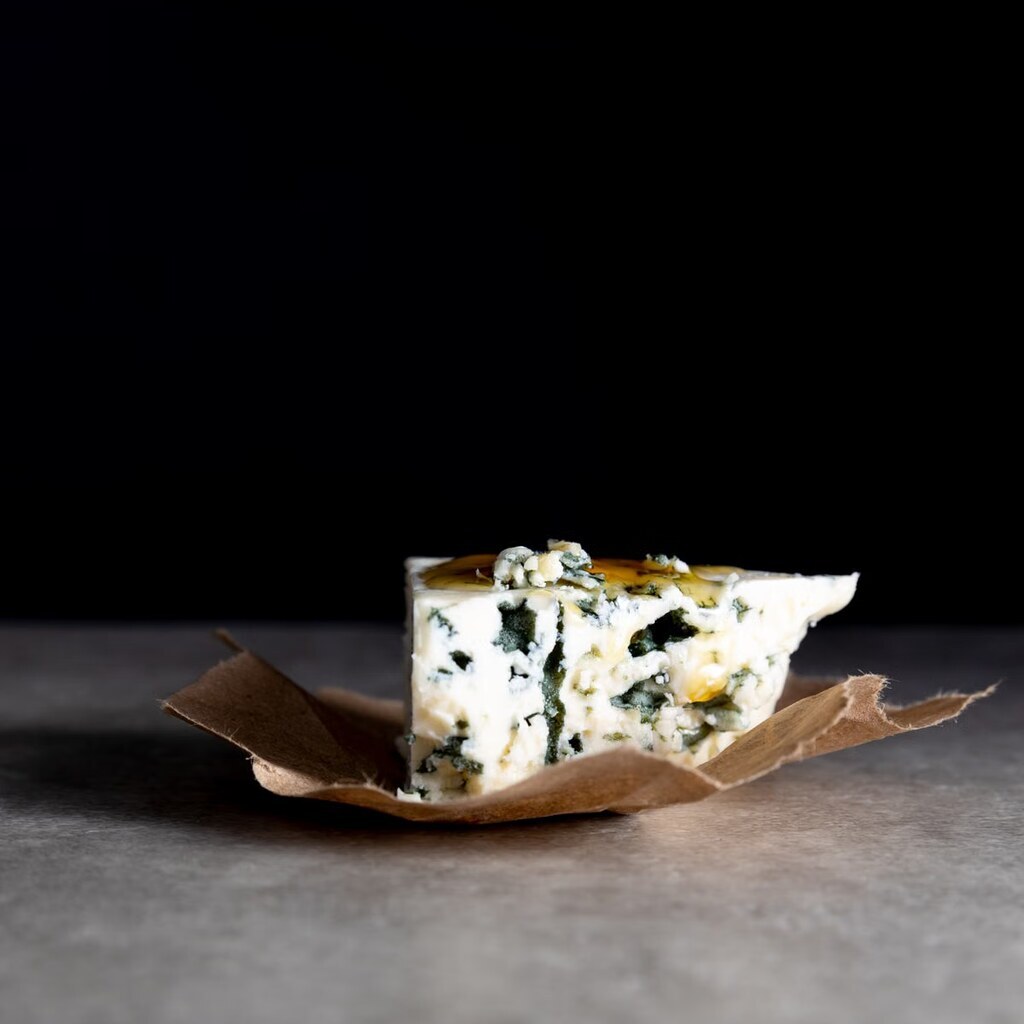
B is for Blue (Cheese)
Famous varieties of blue cheese include Roquefort from France, Stilton from England, and Gorgonzola from Italy.

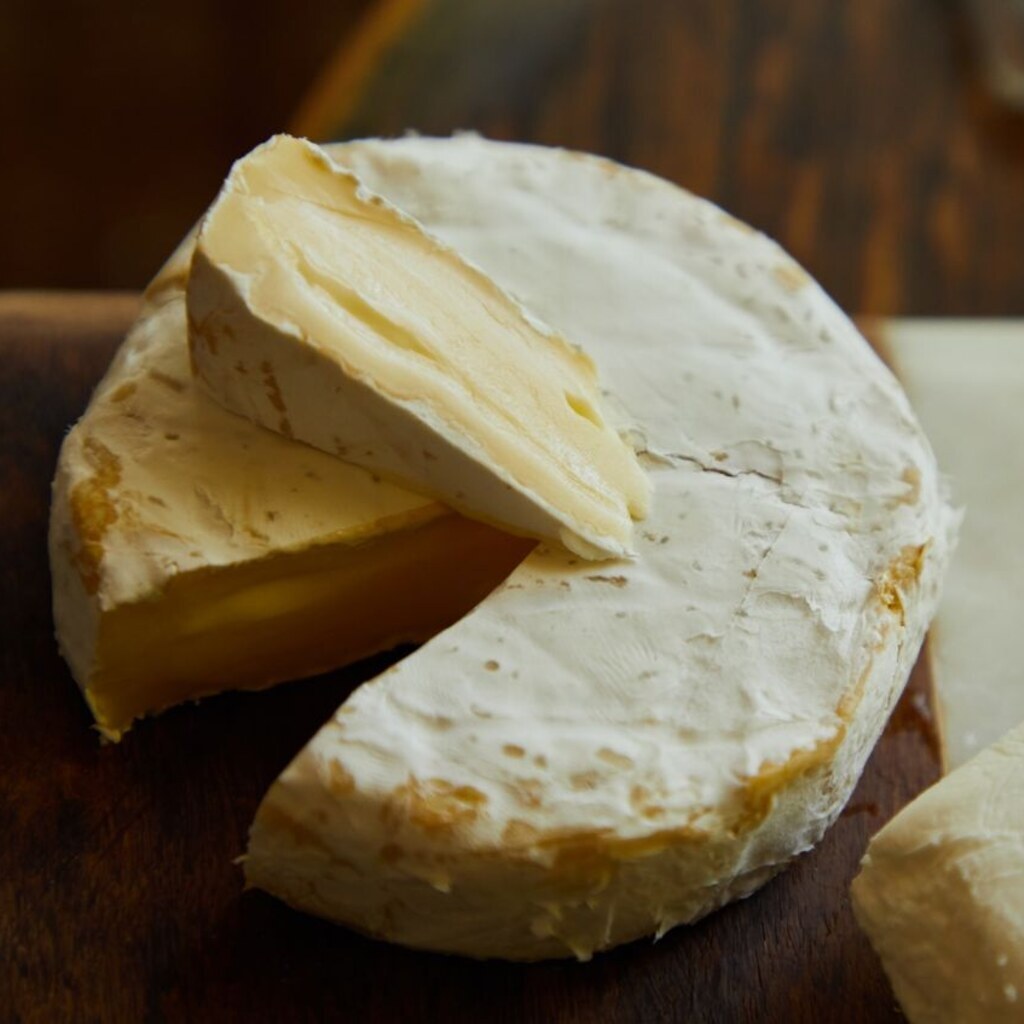
Brie is a soft cheese from France. It is usually pale inside with a white, edible skin.
Brie is usually served with bread, crackers, or fruit. It can be eaten cold or warmed, and it tastes mild and creamy.
Brie is usually served with bread, crackers, or fruit. It can be eaten cold or warmed, and it tastes mild and creamy.
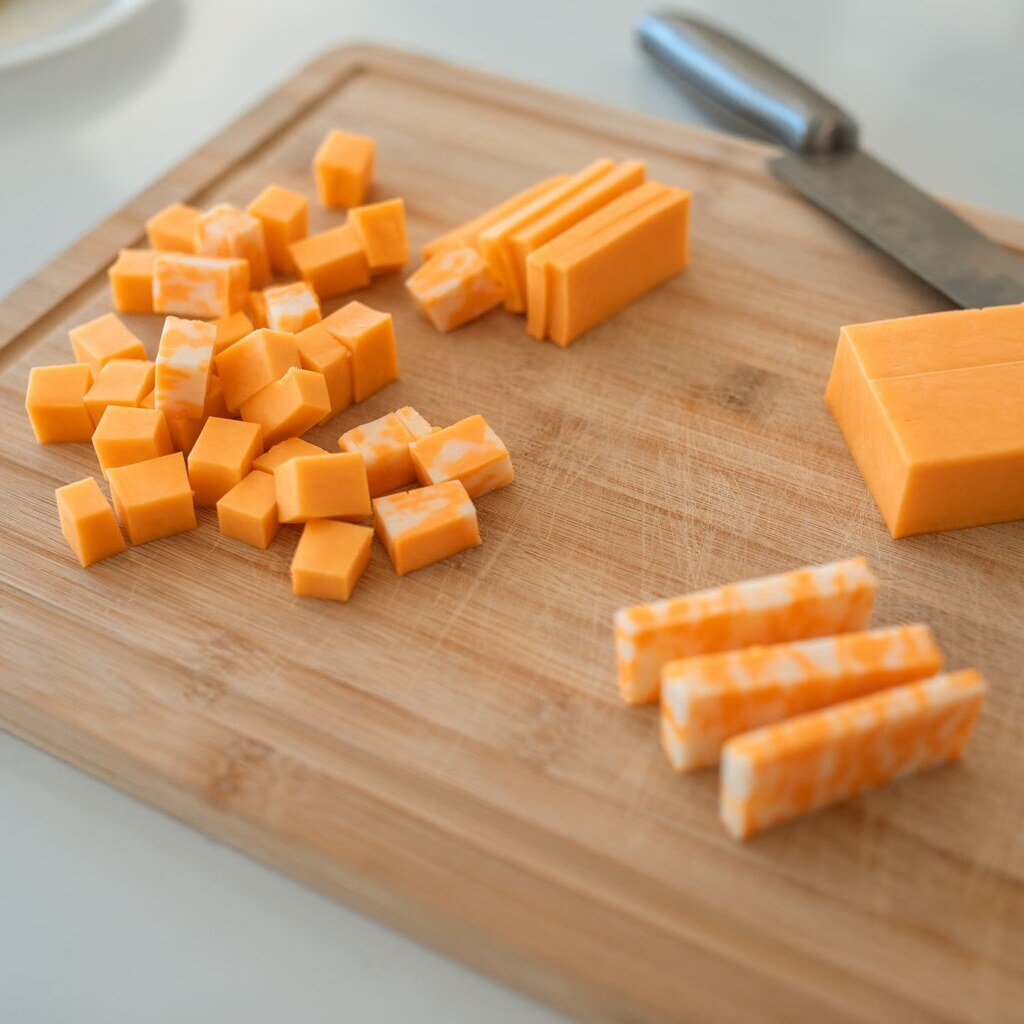
Cheddar is a firm cheese made from cow's milk. It is usually shaped into blocks or rounds and has a smooth, slightly crumbly texture. Its color can range from pale yellow to orange.
Cheddar originated in the village of Cheddar in Somerset, England. It is made using a traditional process called cheddaring, then aged for different lengths of time. It is one of the most popular cheeses, and people use it in quite a variety of dishes.
Cheddar originated in the village of Cheddar in Somerset, England. It is made using a traditional process called cheddaring, then aged for different lengths of time. It is one of the most popular cheeses, and people use it in quite a variety of dishes.
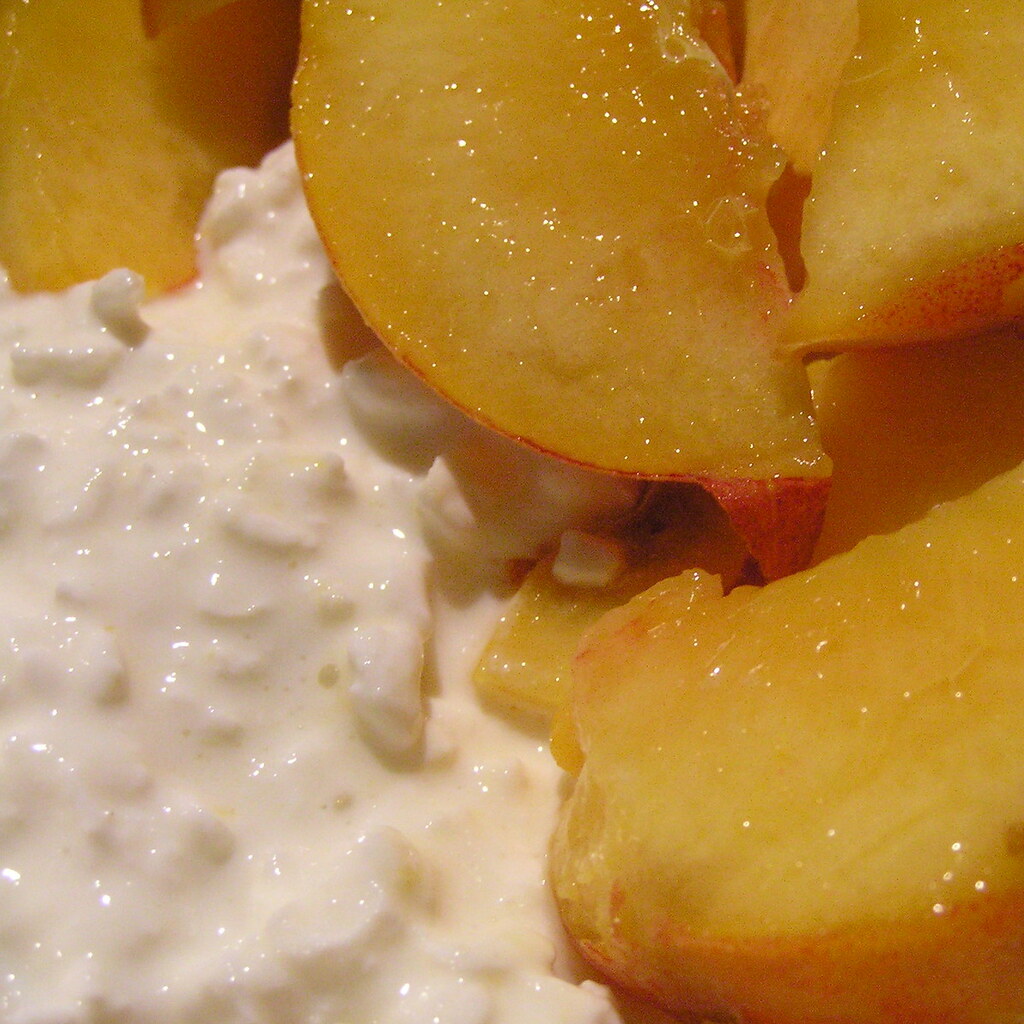

C is for Cream (Cheese)
Cream cheese was developed in the United States in the 1800s. People eat it on bagels, bread, and crackers, and use it in cheesecakes and frostings.
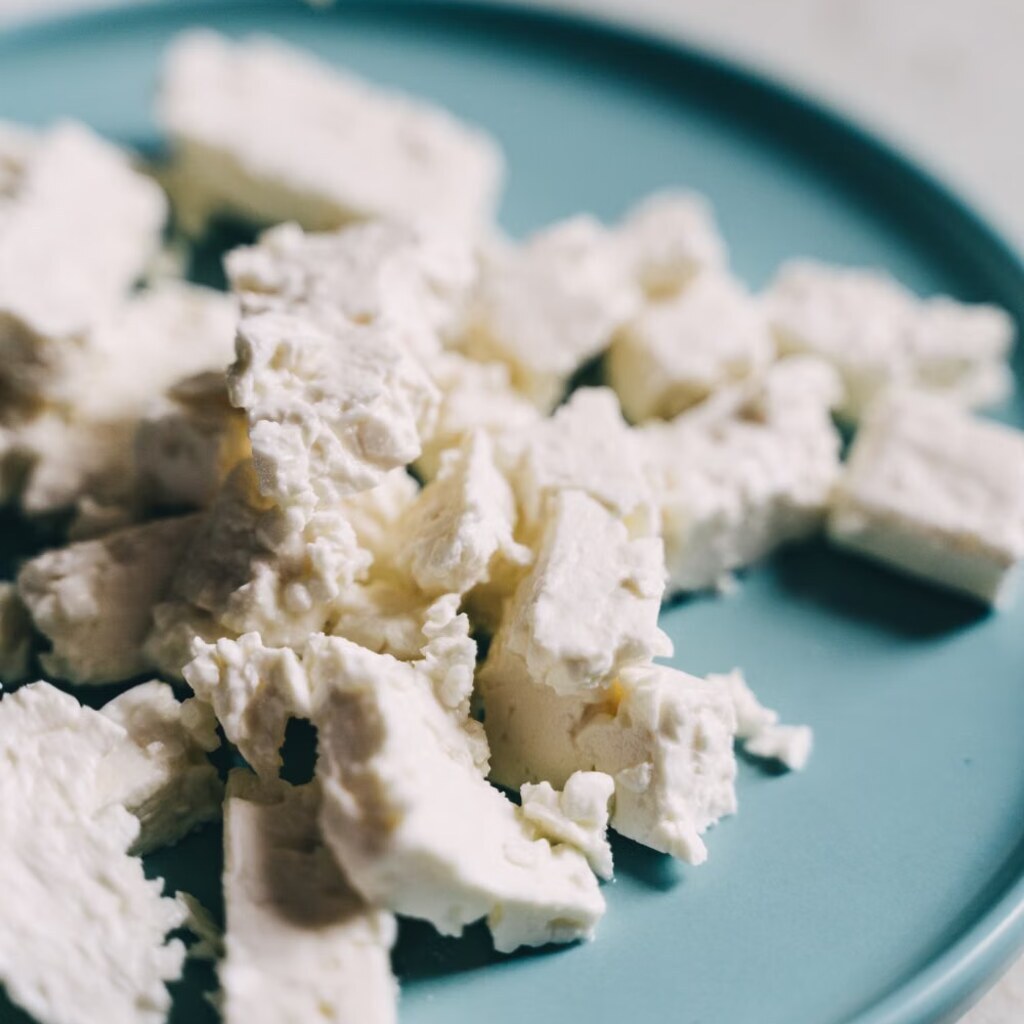
Feta is a soft, white cheese originally from Greece. It is made mainly from sheep's milk, sometimes mixed with goat's milk. It is usually sold in blocks and has a salty, tangy taste and a crumbly texture. It is kept in brine to preserve it. It is often used in salads, on bread or as part of a baked dish.
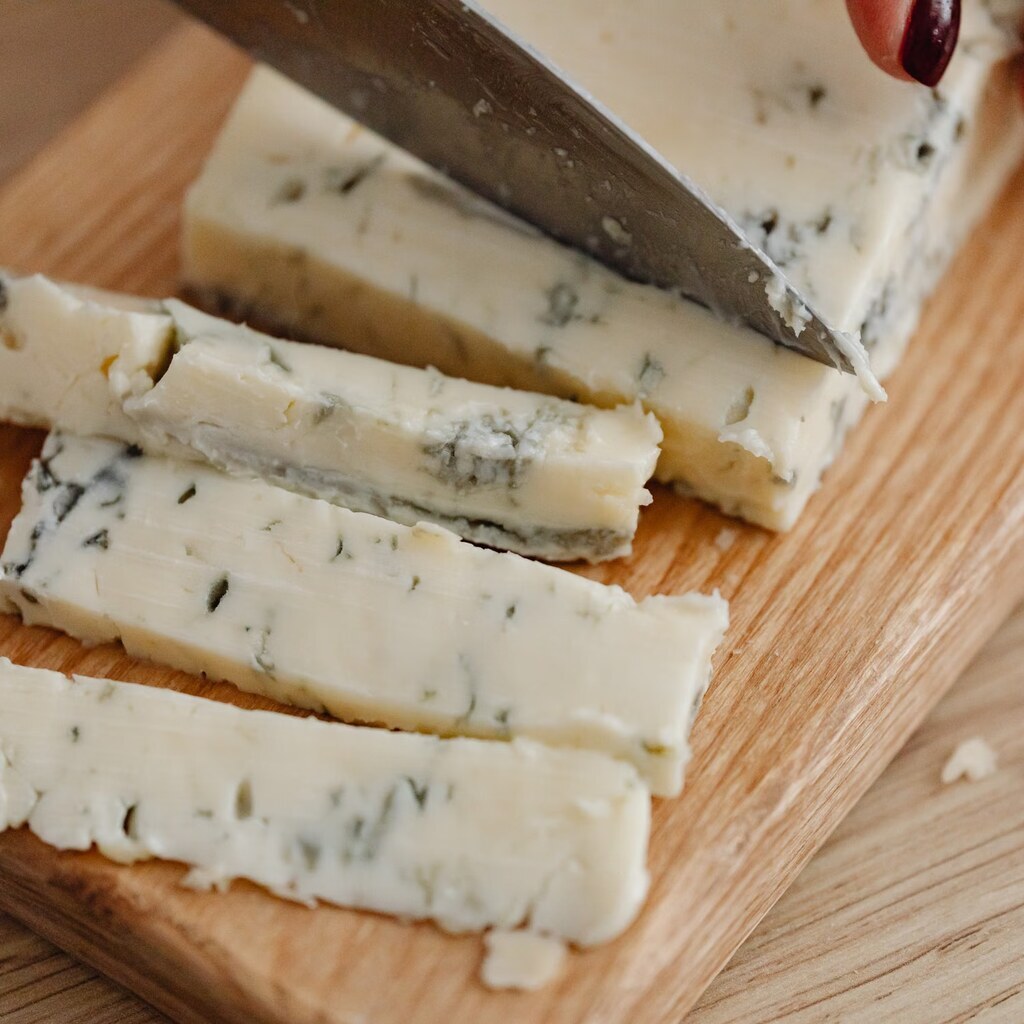
G is for Gorgonzola
It originated near the town of Gorgonzola in northern Italy. Today, it is traditionally made in Lombardy and Piedmont. People eat it with bread or use it in sauces, in risotto, and with pasta.
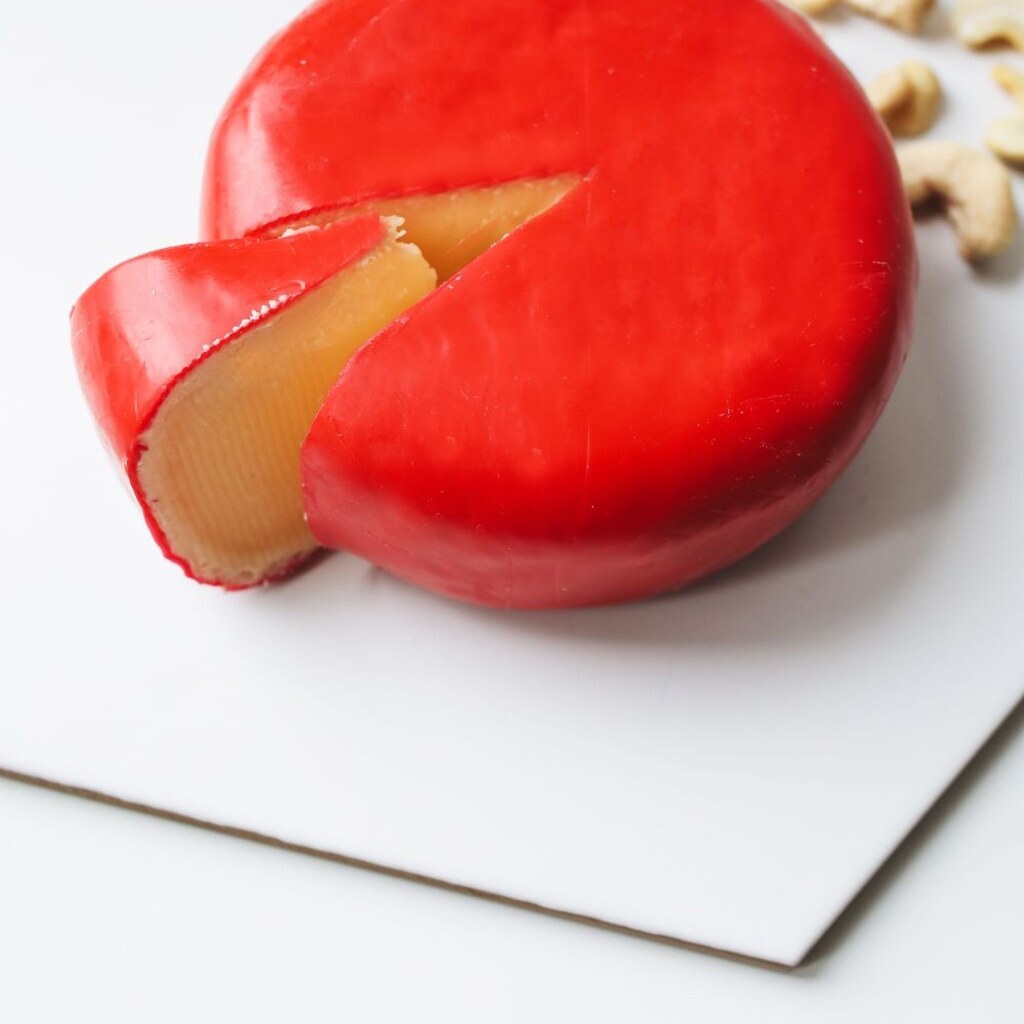
Gouda is a yellow cheese made from cow's milk. It is usually shaped into round wheels and has a smooth, firm texture. Young Gouda is soft and mild, while older Gouda is harder and has a stronger flavor.
Gouda originated in the Netherlands and is named after the town of Gouda. It is often sold with a red wax coating to help preserve it.
Gouda originated in the Netherlands and is named after the town of Gouda. It is often sold with a red wax coating to help preserve it.

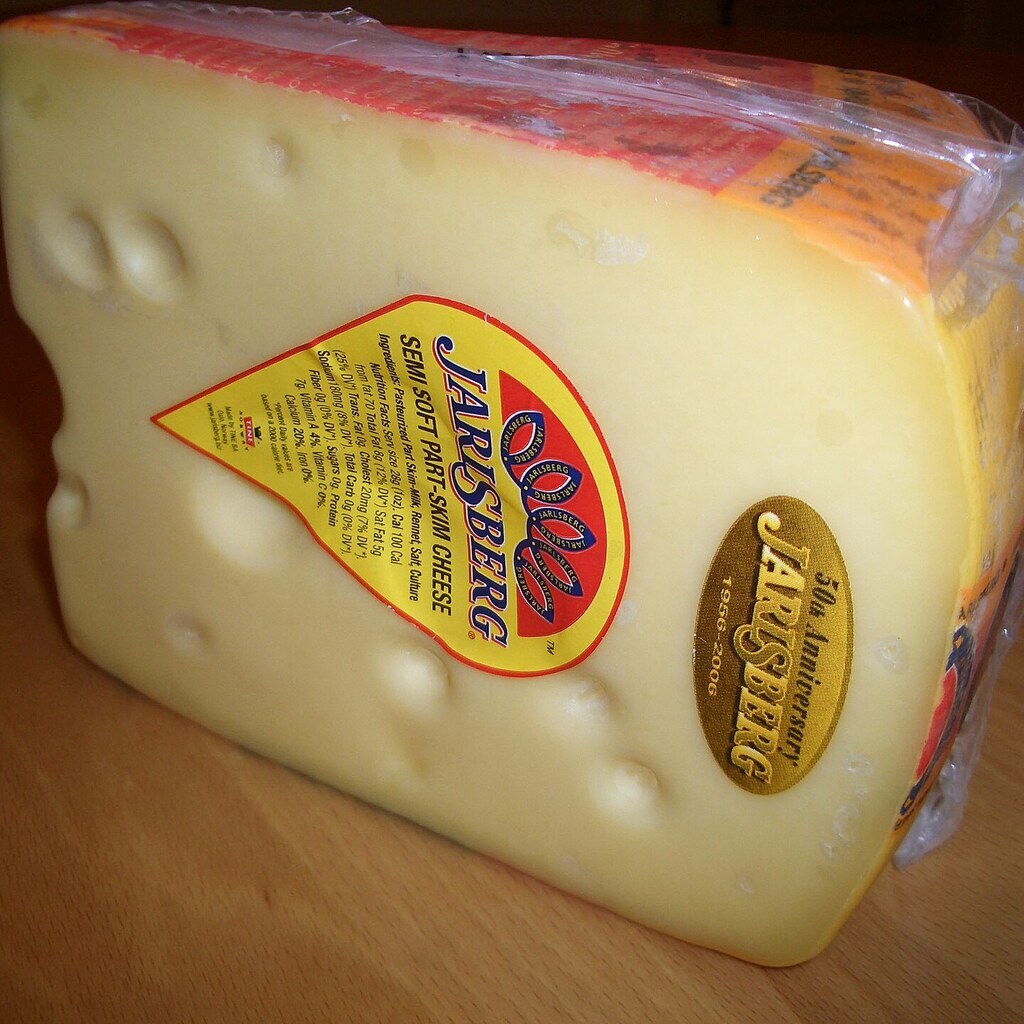
Jarlsberg is a pale yellow, semi-hard cheese made from cow's milk. It has a mild, slightly nutty taste and round holes through it. It can be sliced, grated, or melted in cooking.
Jarlsberg originated in Norway in the 1950s. It is often eaten in sandwiches or served with bread and fruit. Its holes and smooth texture are similar to Swiss cheese.
Jarlsberg originated in Norway in the 1950s. It is often eaten in sandwiches or served with bread and fruit. Its holes and smooth texture are similar to Swiss cheese.

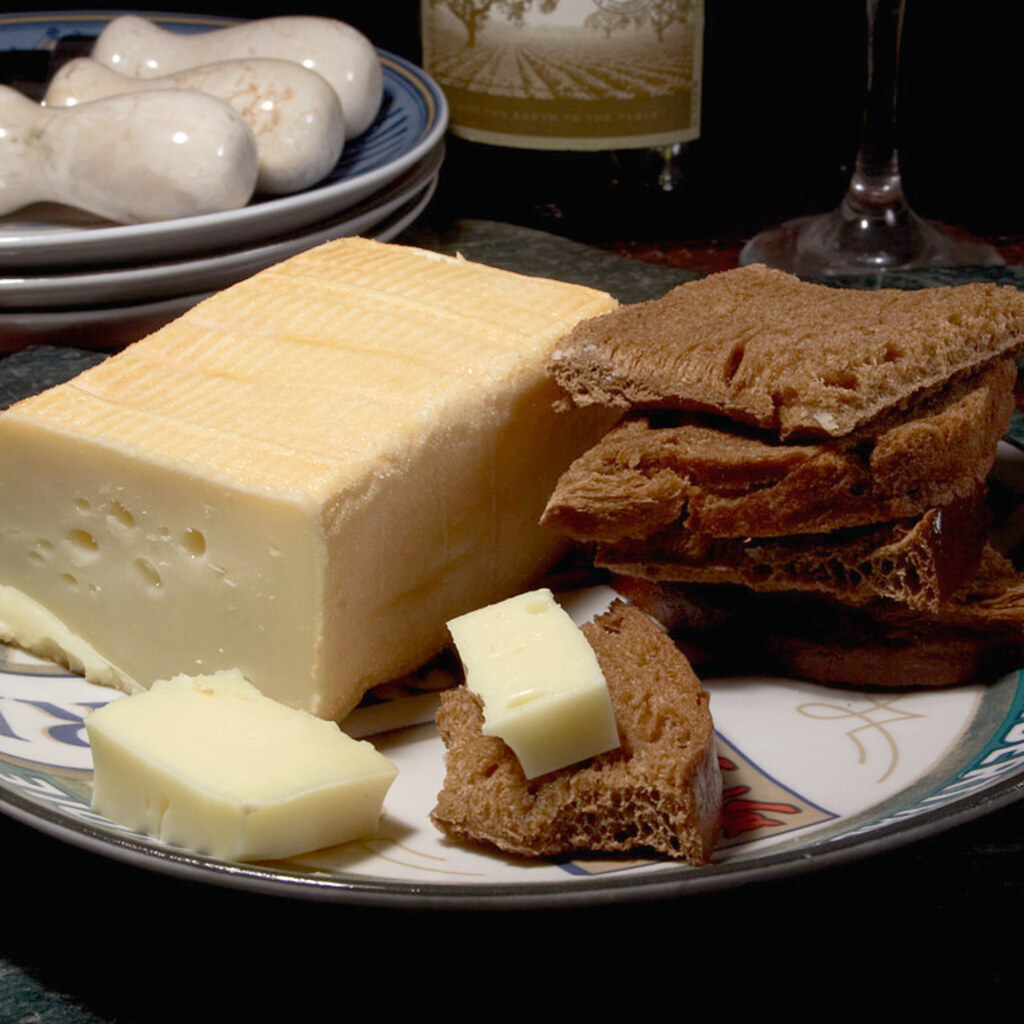


M is for Mozzerella

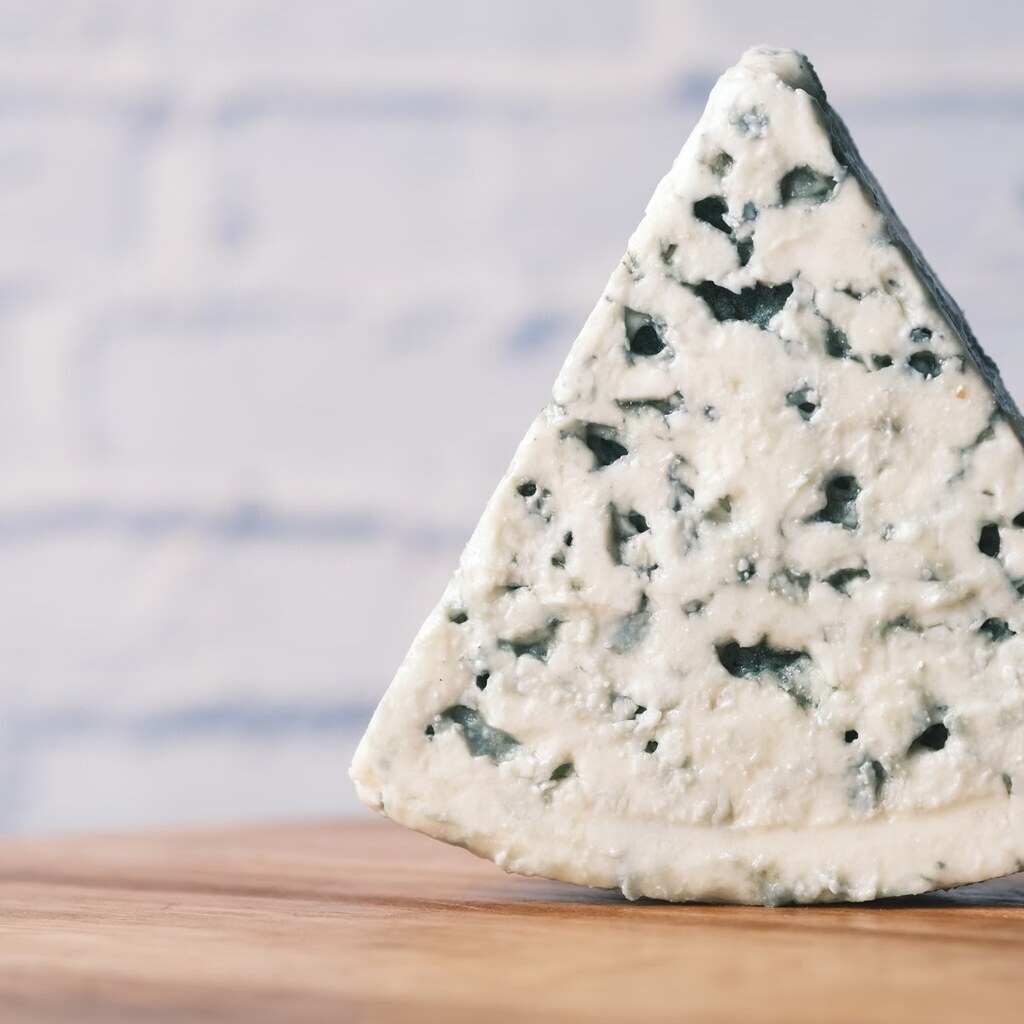
Stilton is a firm, crumbly English cheese made from cow's milk. Blue Stilton has blue veins and a strong, tangy taste, while White Stilton has no blue veins.
The cheese is named after Stilton village in Cambridgeshire, where it was once sold. It is often eaten with crackers or on a cheese board.
The cheese is named after Stilton village in Cambridgeshire, where it was once sold. It is often eaten with crackers or on a cheese board.