Showing 1-20 of 27
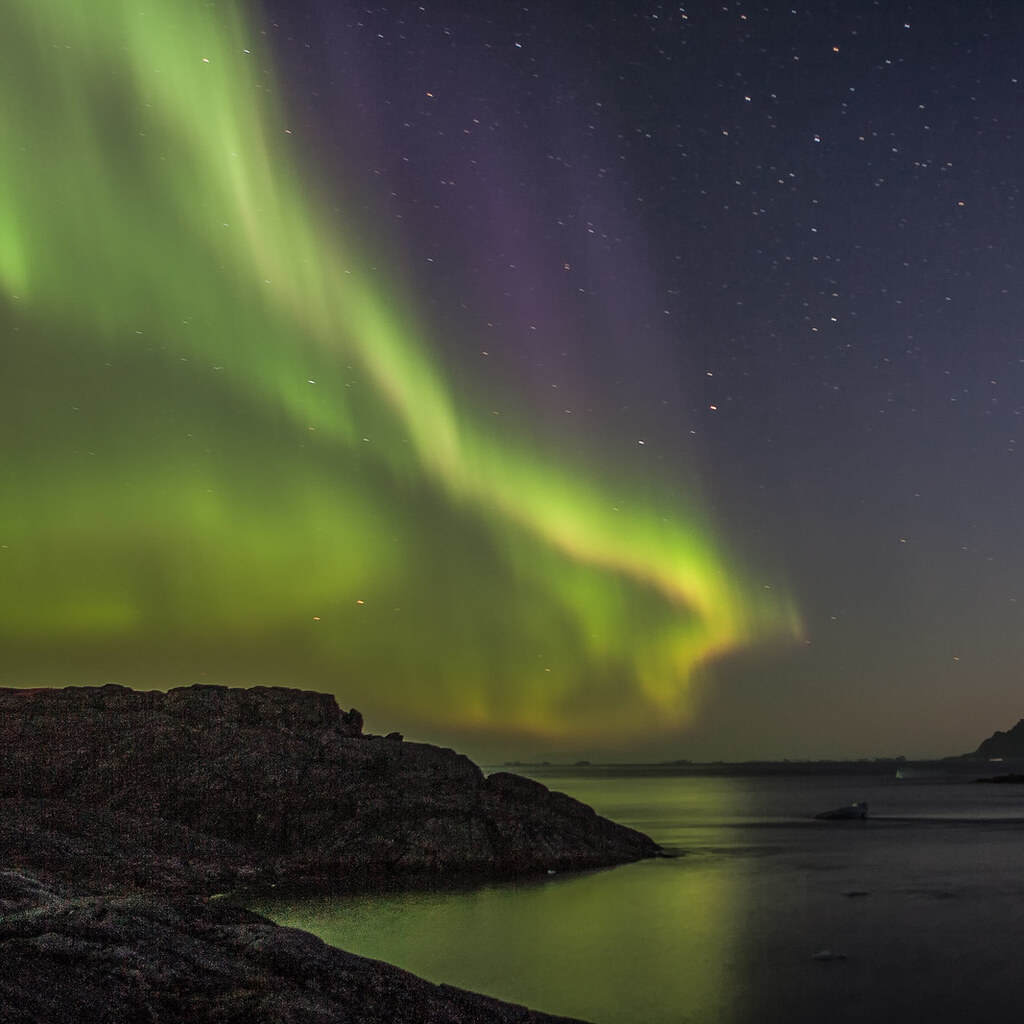
Auroras, sometimes called the Northern Lights or Aurora Borealis, are lights that are seen in the sky in areas close to the north pole. They occur when solar winds from the sun pass through the Earth's atmosphere. The shape of the lights follows the Earth's magnetic field.
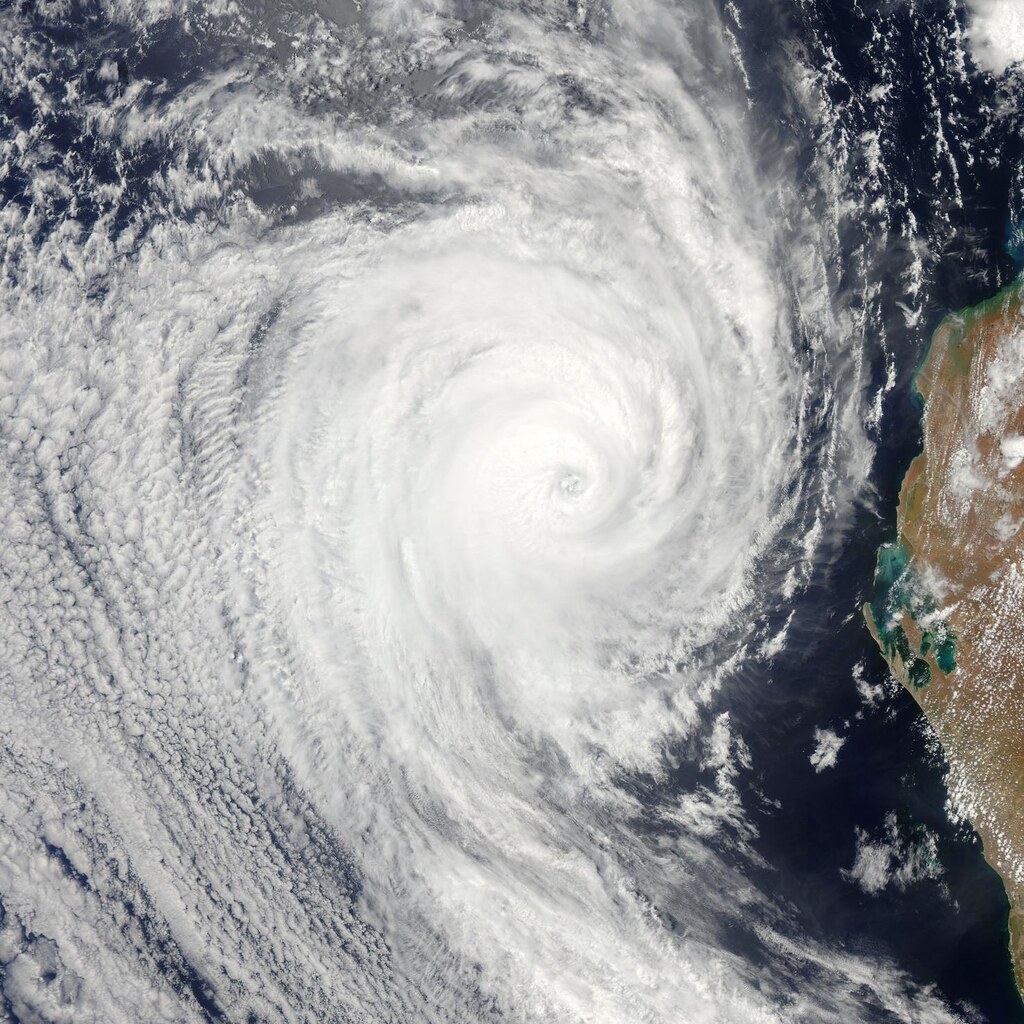
A cyclone is a very large weather event, which has low pressure at the center with winds that go around the center point. Cyclones turn anticlockwise in the northern hemisphere and clockwise in the southern.
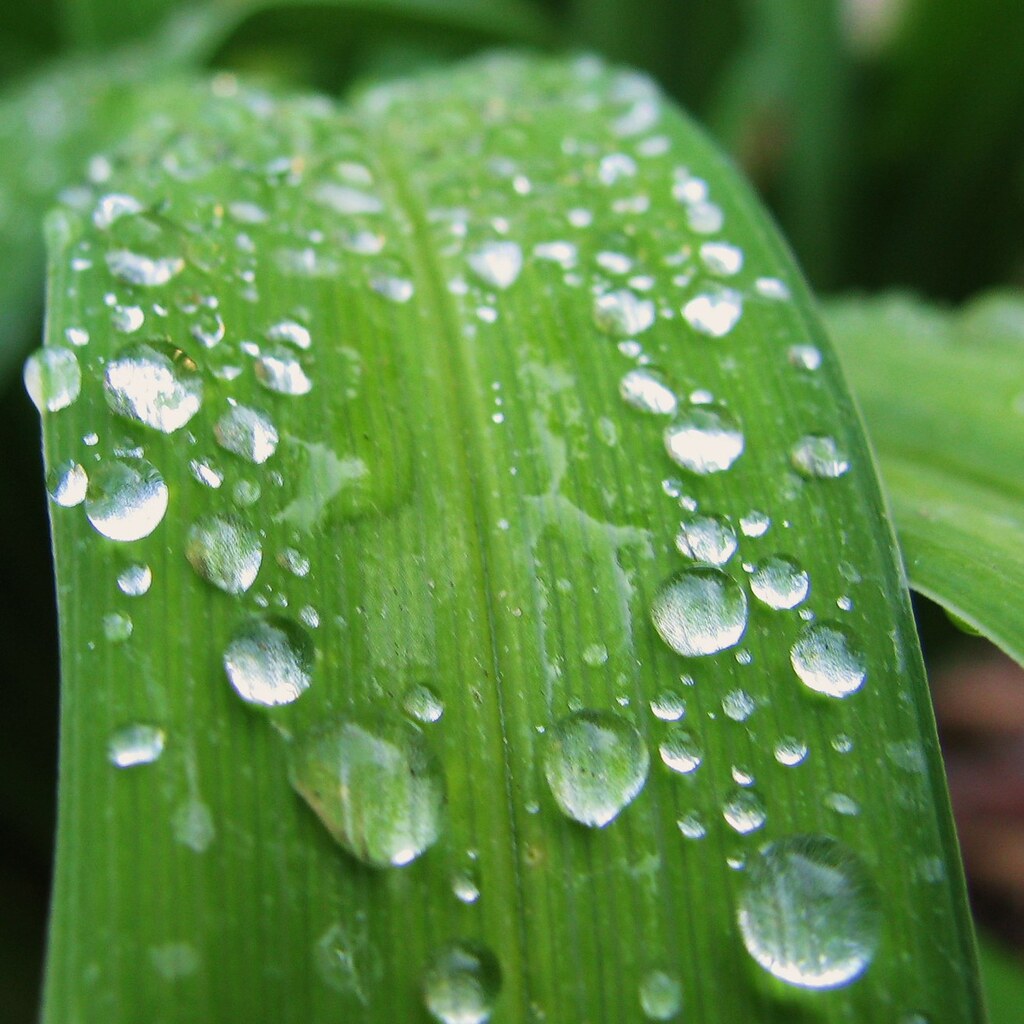
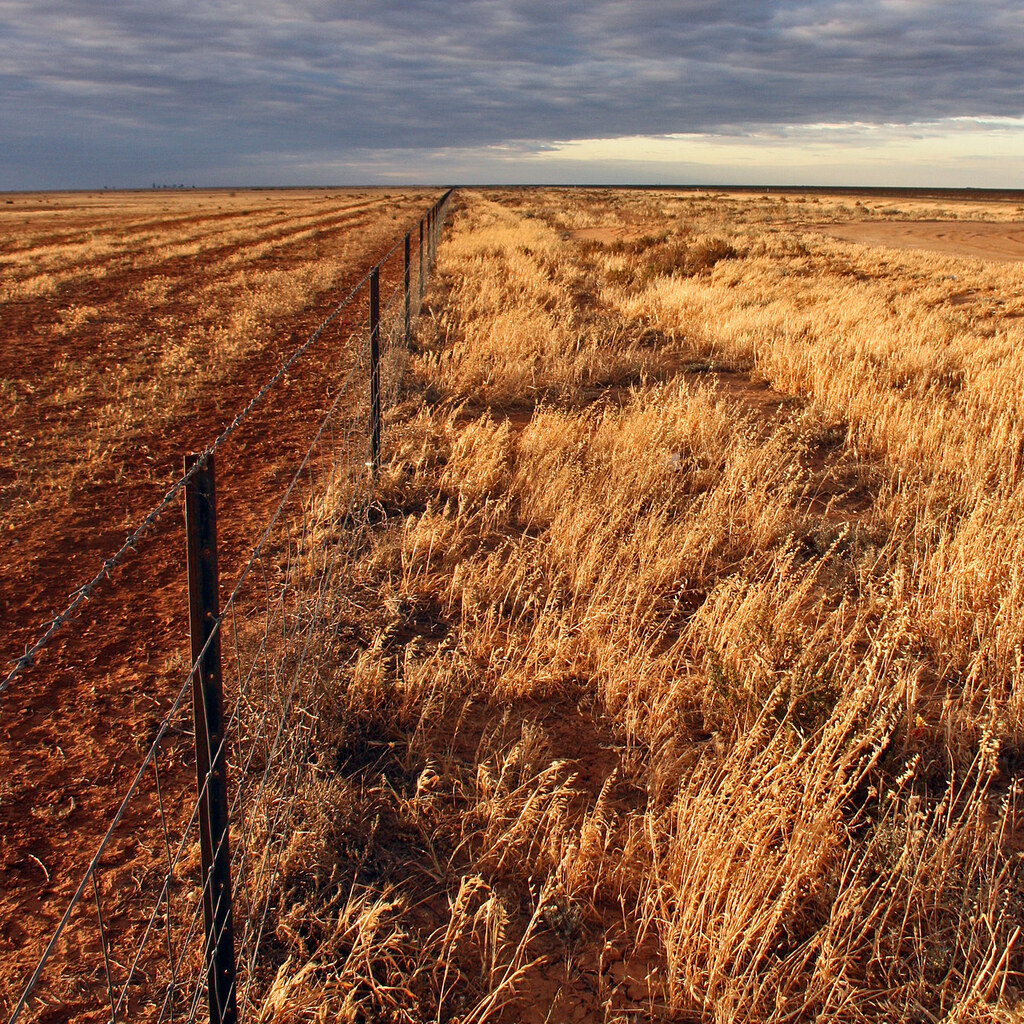
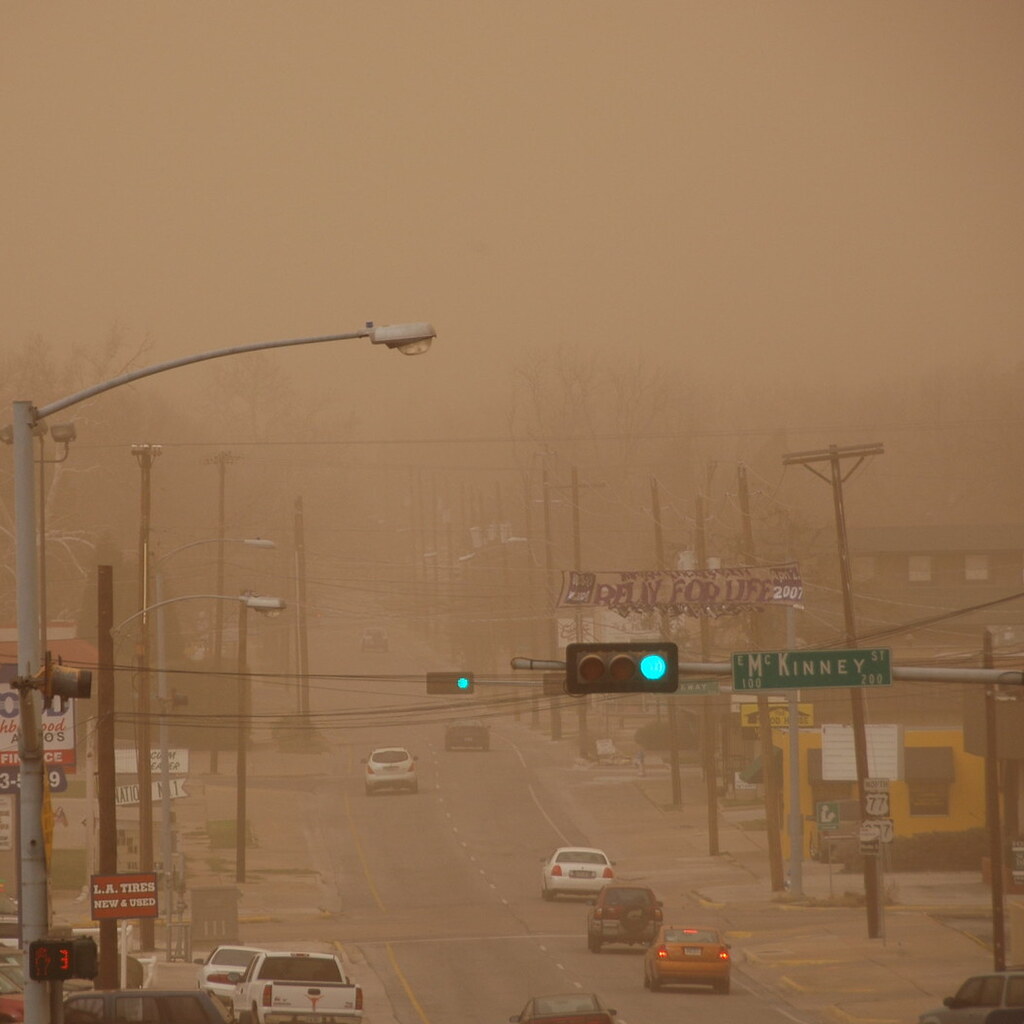
D is for Dust storm

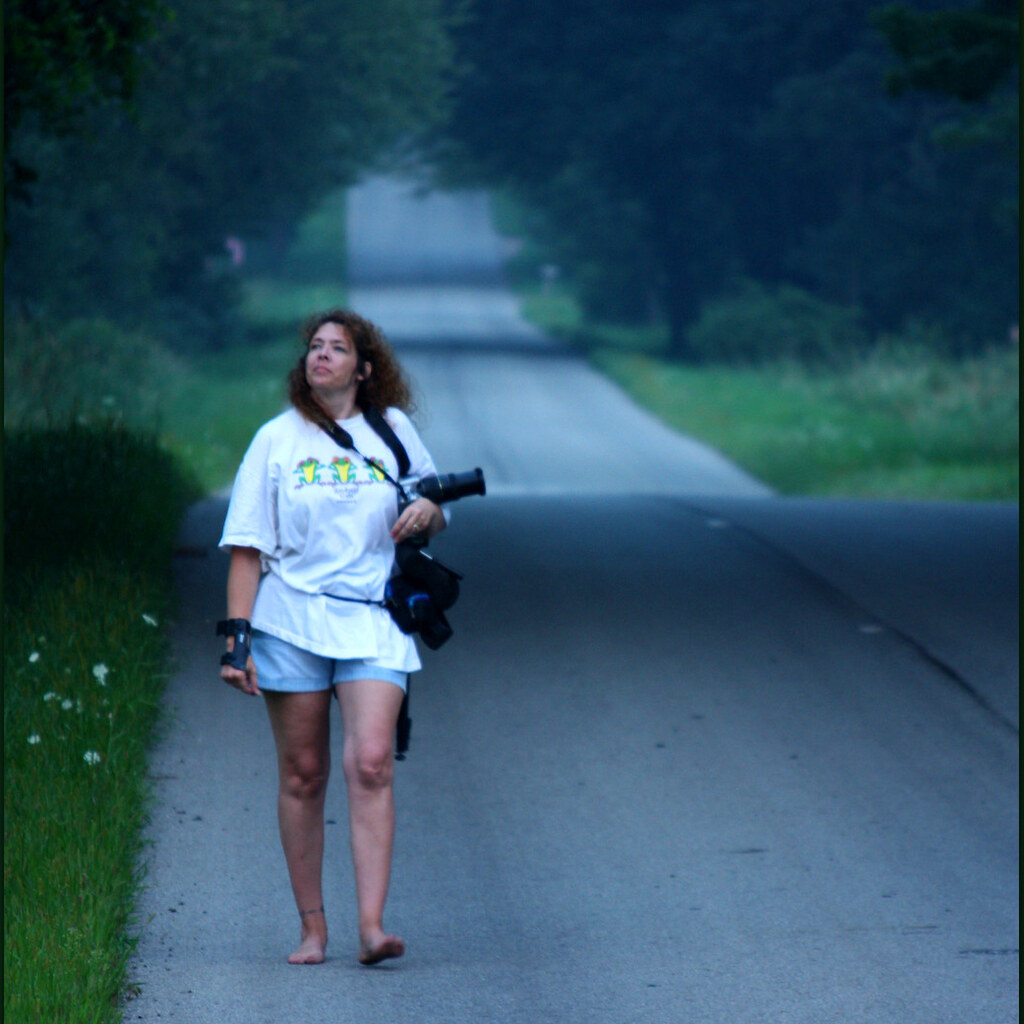
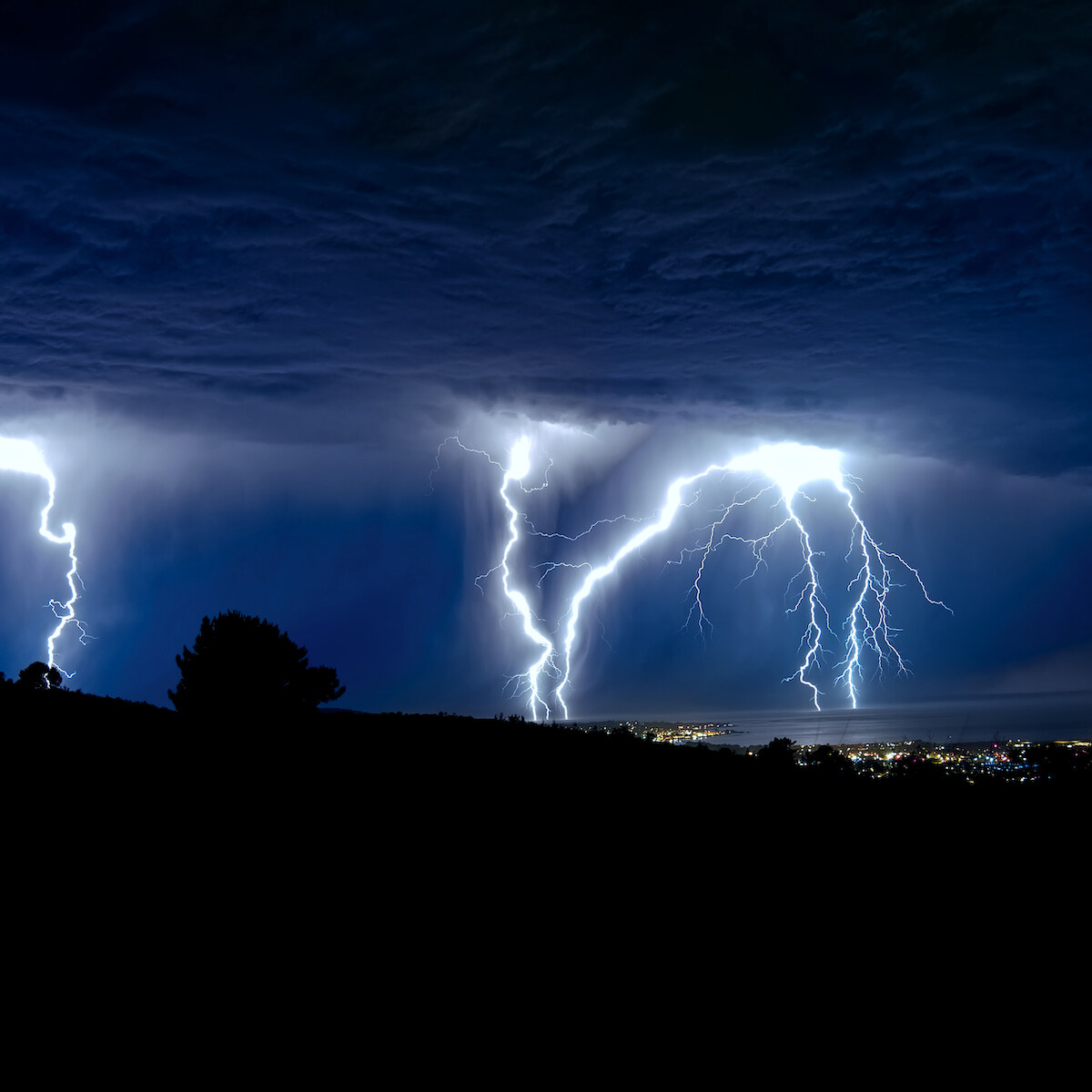
Lightning is a discharge of static electricity during a thunderstorm. Thunder is actually the sound of the lightning, but if you are a long way away from the lightning it may take a while for the thunderclap to reach you.
Lightning is caused by a similar process to being 'zapped' when you touch a car after a drive, or if you scuff your feet along carpet and then touch someone. Lightning is on a much larger scale though, and being hit by lightning can kill you.
Lightning is caused by a similar process to being 'zapped' when you touch a car after a drive, or if you scuff your feet along carpet and then touch someone. Lightning is on a much larger scale though, and being hit by lightning can kill you.
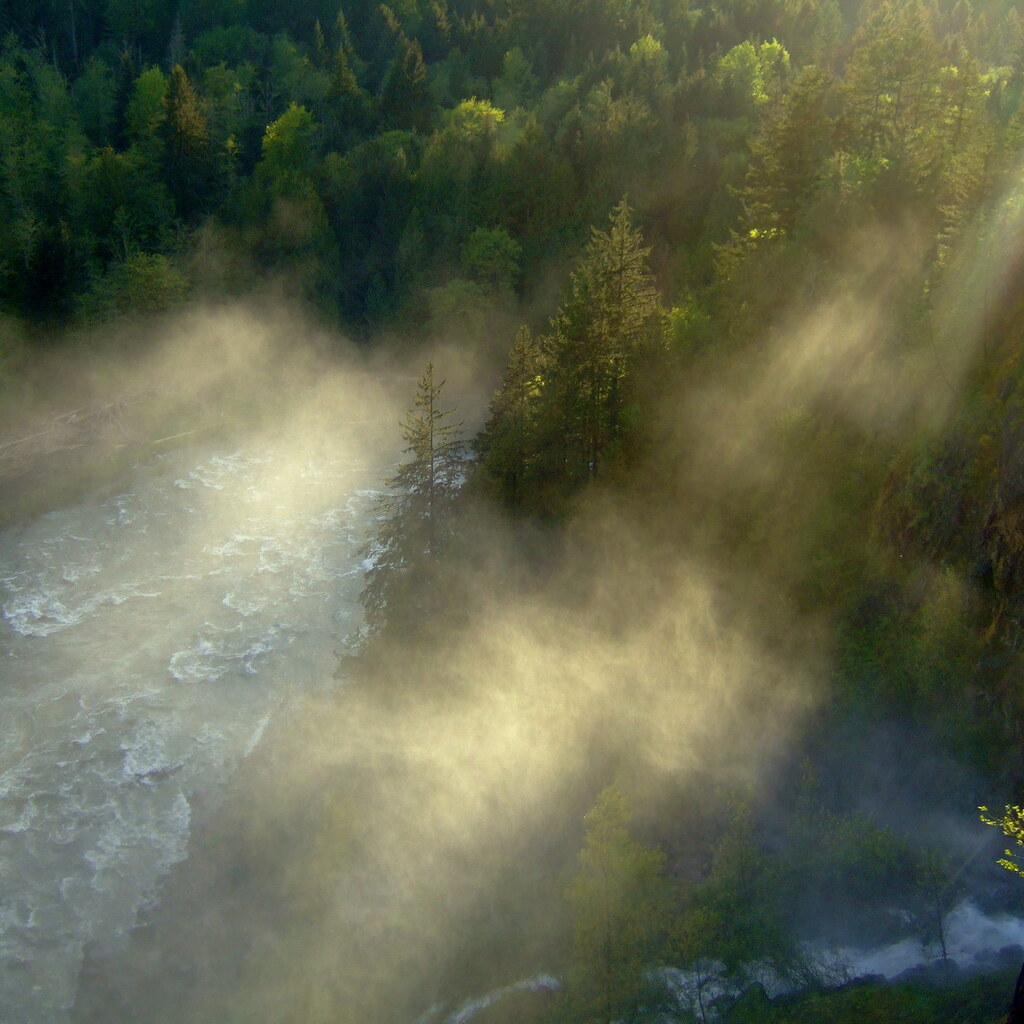
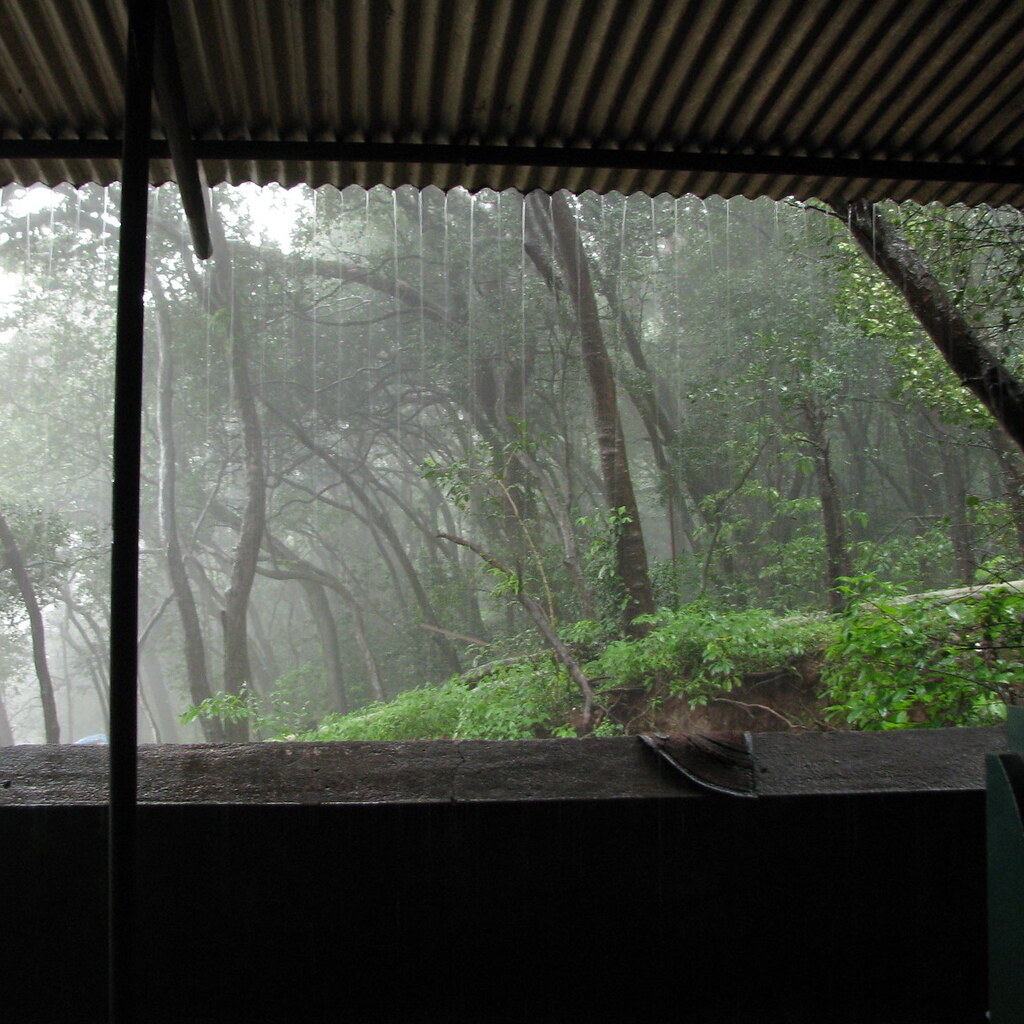
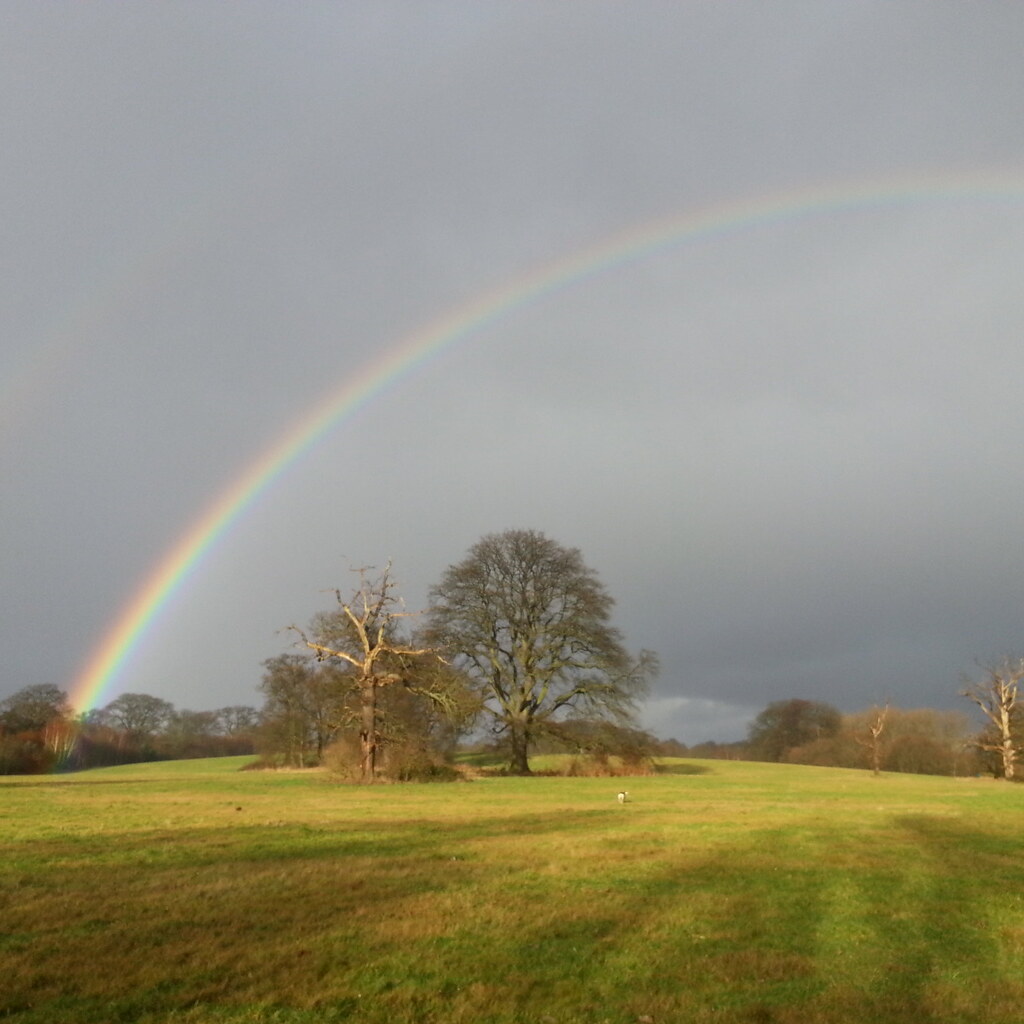
Rainbows happen when the sun shines through a very fine spray of water, like rain in the air or the spray from a garden hose or even from a waterfall.
The rainbow is colourful because as sunlight travels through the water spray, it splits into a spectrum of colours. All the colours you see in a rainbow are there all the time in normal light, but they are mixed up together so you only see white light.
You can also see the colours of the rainbow by shining light through a prism.
The rainbow is colourful because as sunlight travels through the water spray, it splits into a spectrum of colours. All the colours you see in a rainbow are there all the time in normal light, but they are mixed up together so you only see white light.
You can also see the colours of the rainbow by shining light through a prism.