up to Materials

Fabrics

Different types of fabric, and weaves that are used to make fabric.

Showing 1-20 of 21

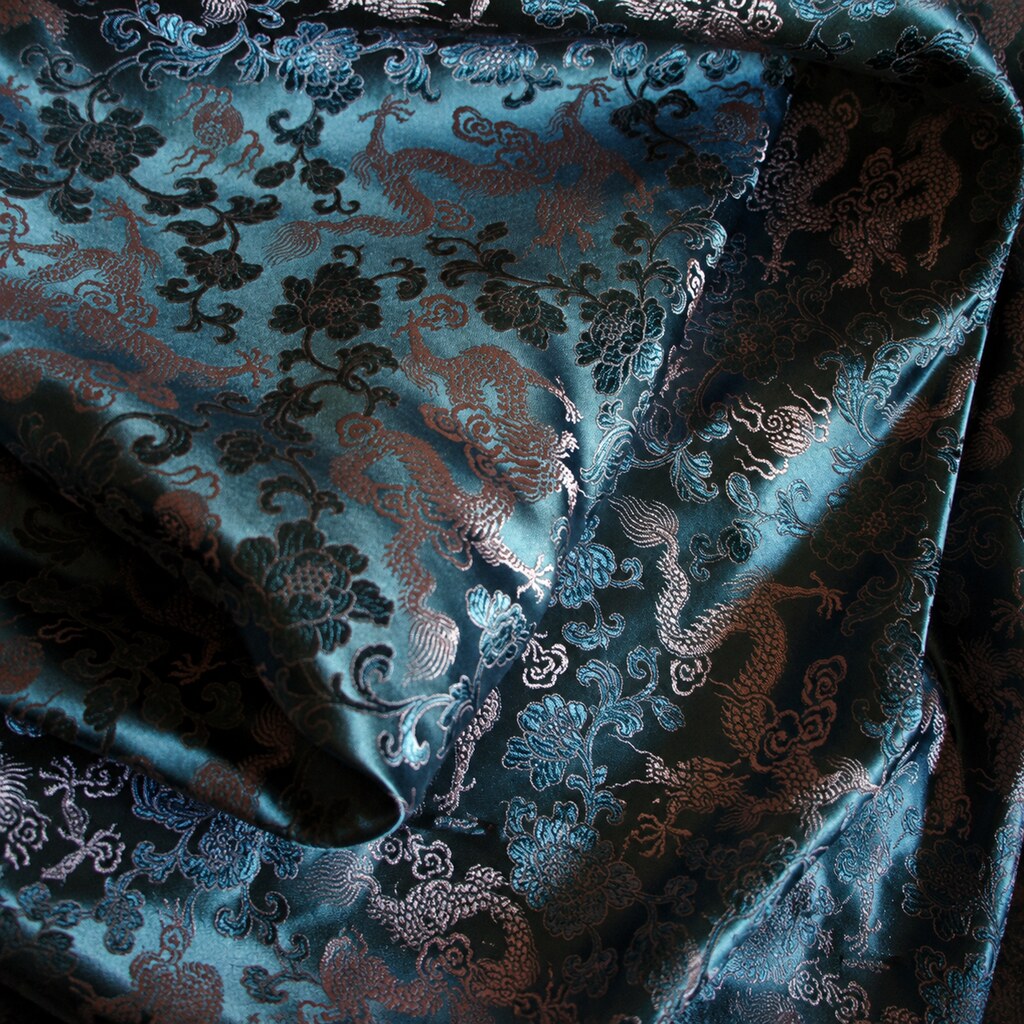
B is for Brocade

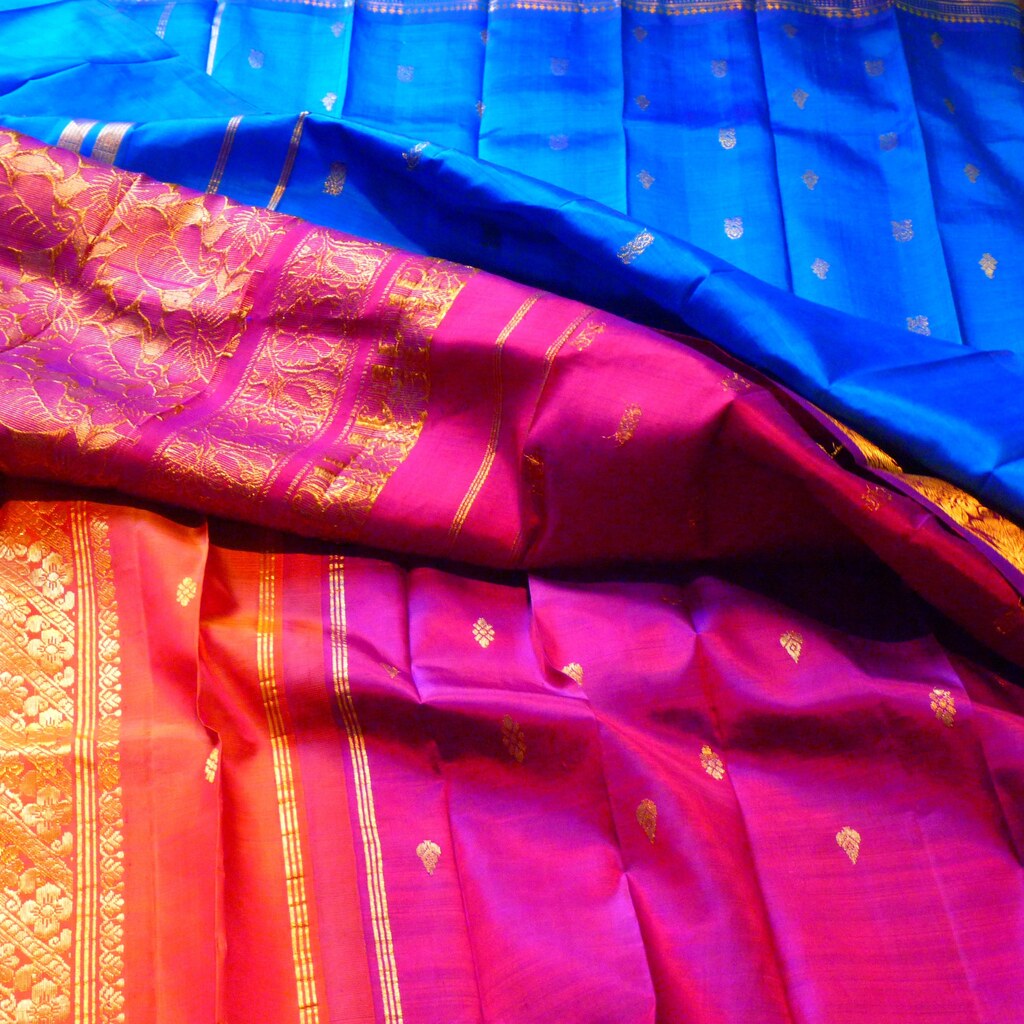
Brocade is a class of richly decorative fabric that has the design woven into it. Brocades are often made in colored silks and with or without gold and silver threads.

C is for Canvas

Canvas is a kind of heavy, plain woven fabric, usually made from cotton or linen. It is used to make sails, tents and other items that need to be made from strong fabric.
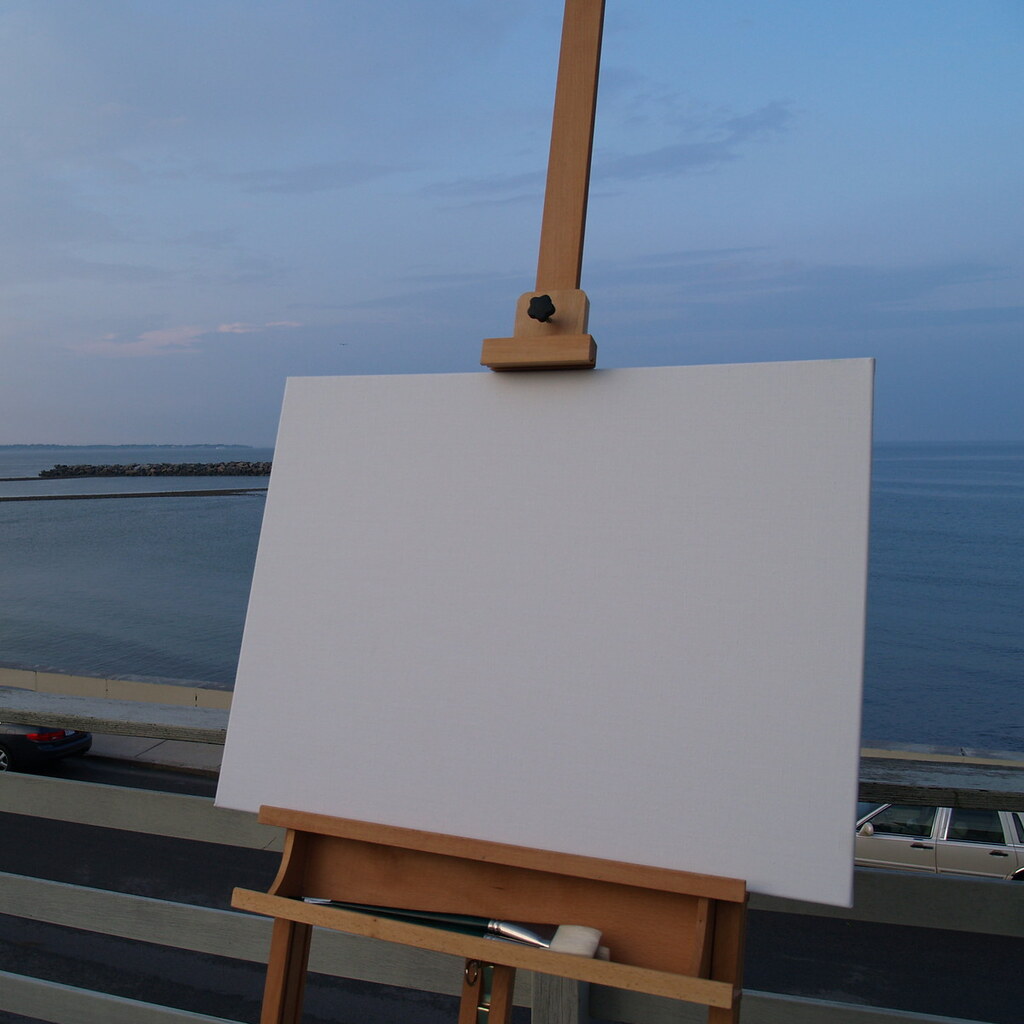
Artists like to stretch some canvas over a frame and use it to paint on. A piece of canvas prepared like this is also called a canvas, like the one in the picture.
C is for Cloth

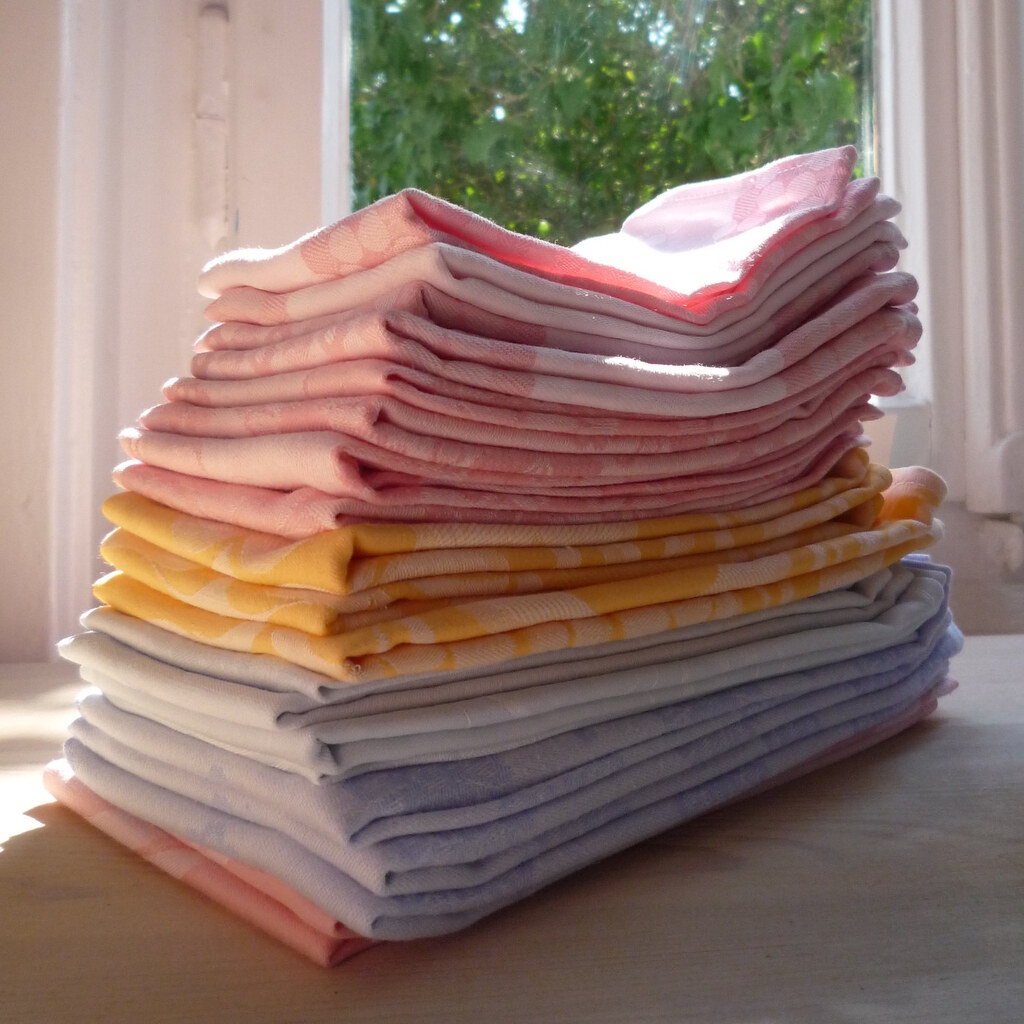
Cloth, or fabric, is a large, thin material that is made from tiny fibers connected together. Cloth is used to make clothes, drapes, some kinds of bag and many other things besides.
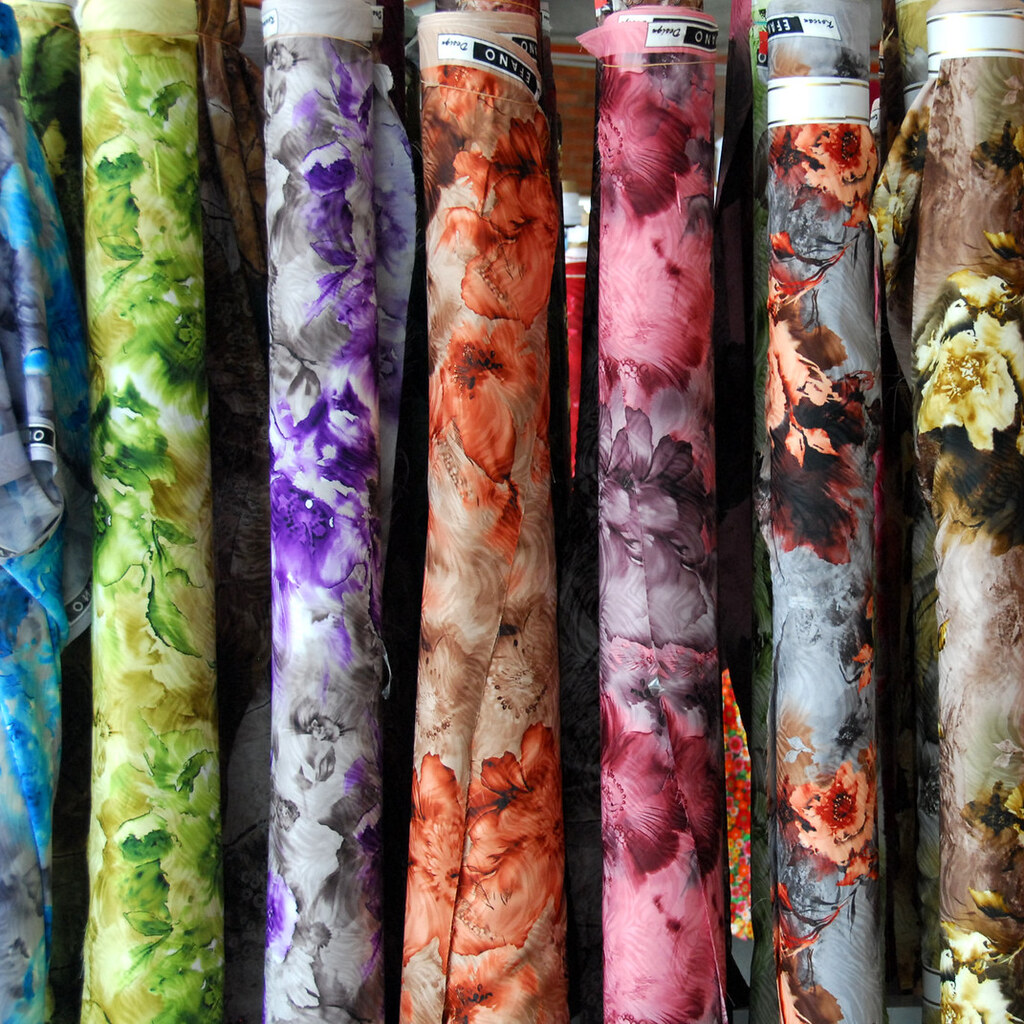
The picture is of some long rolls of cloth.

C is for Corduroy

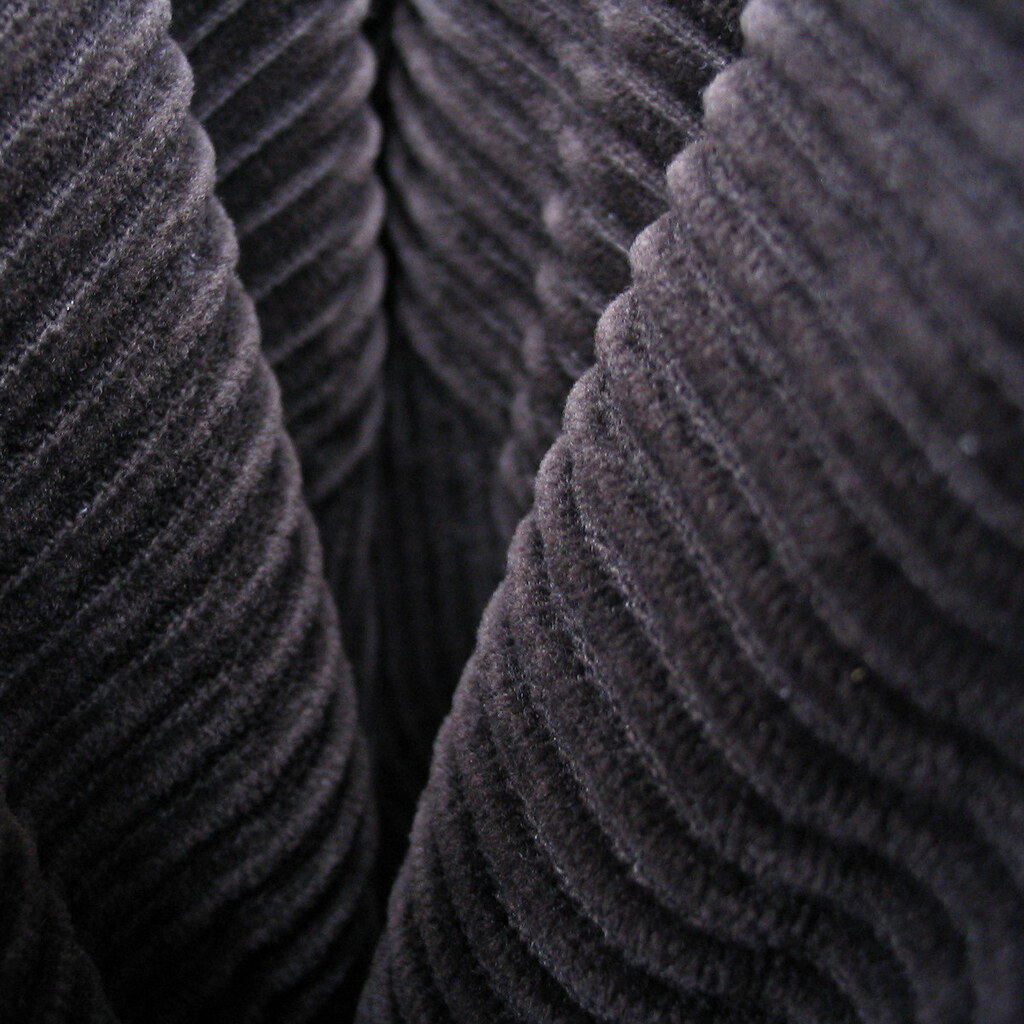
Corduroy is a type of fabric that has stripes on one side alternating between flat and slightly fluffy, which gives a ribbed effect. Corduroy is quite thick and is often used to make trousers and jackets.

D is for Damask

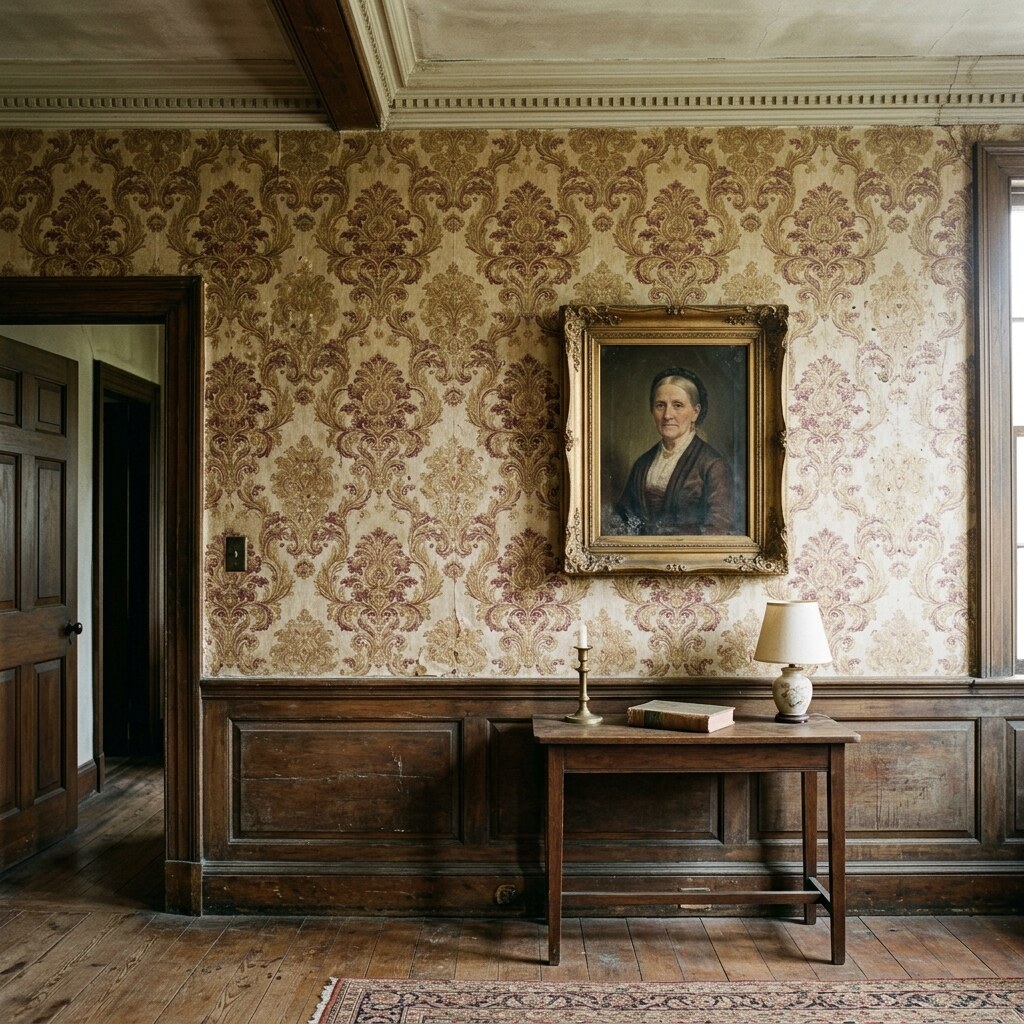
Damask is a pattern used on a variety of fabrics like silk and wallpaper. Damask patterns can come in a lot of different designs, but the most common is a damask rose pattern like the one in the picture.
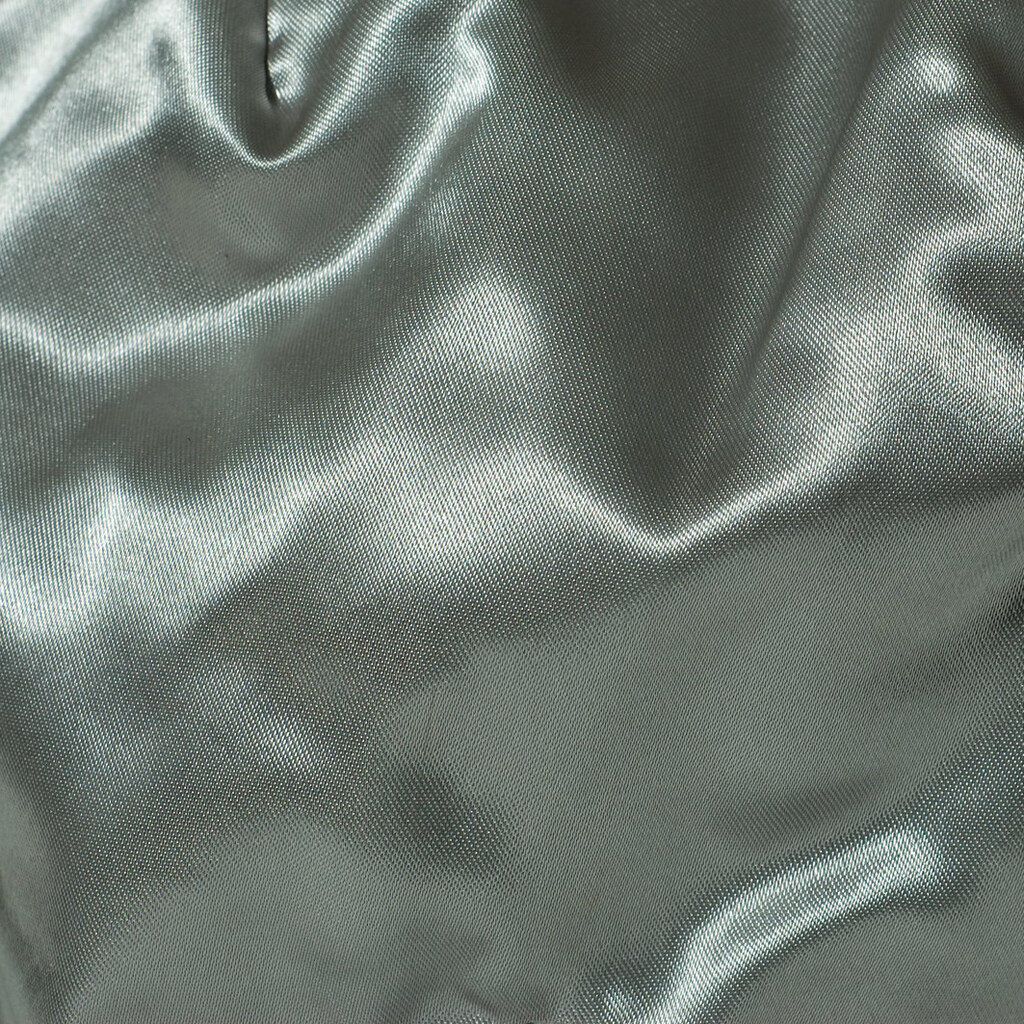
F is for Fabric

Fabric is another word for cloth. Fabric is used to make clothes, drapes and lots of other things.
The word fabric can also be used to describe the fundamental structure of something, as in "the fabric of society".

F is for Felt

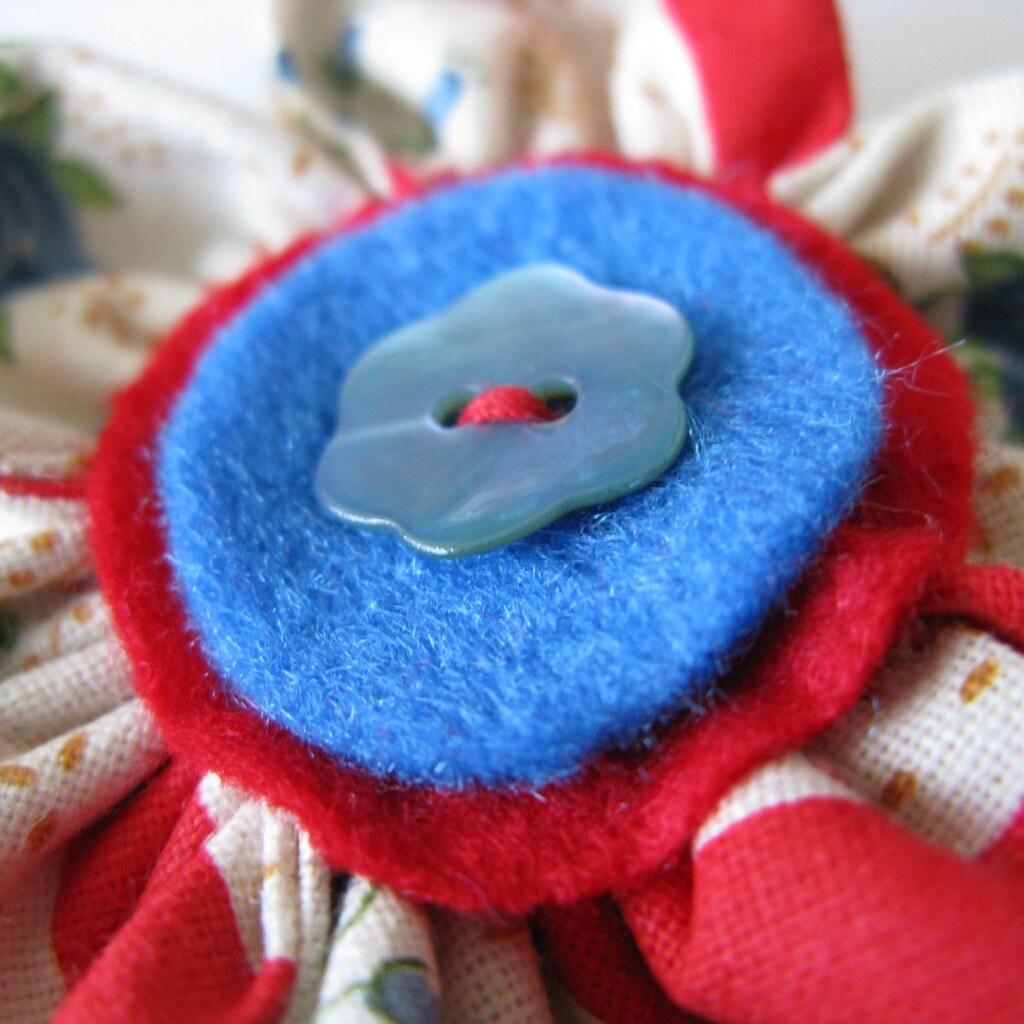
Felt is a fabric that predates weaving and knitting. Felt is made by rubbing wet fibres until they stick together in a thin, matted layer. Felt is often made from wool or hairs from an animal like a rabbit or beaver.

F is for Flannel

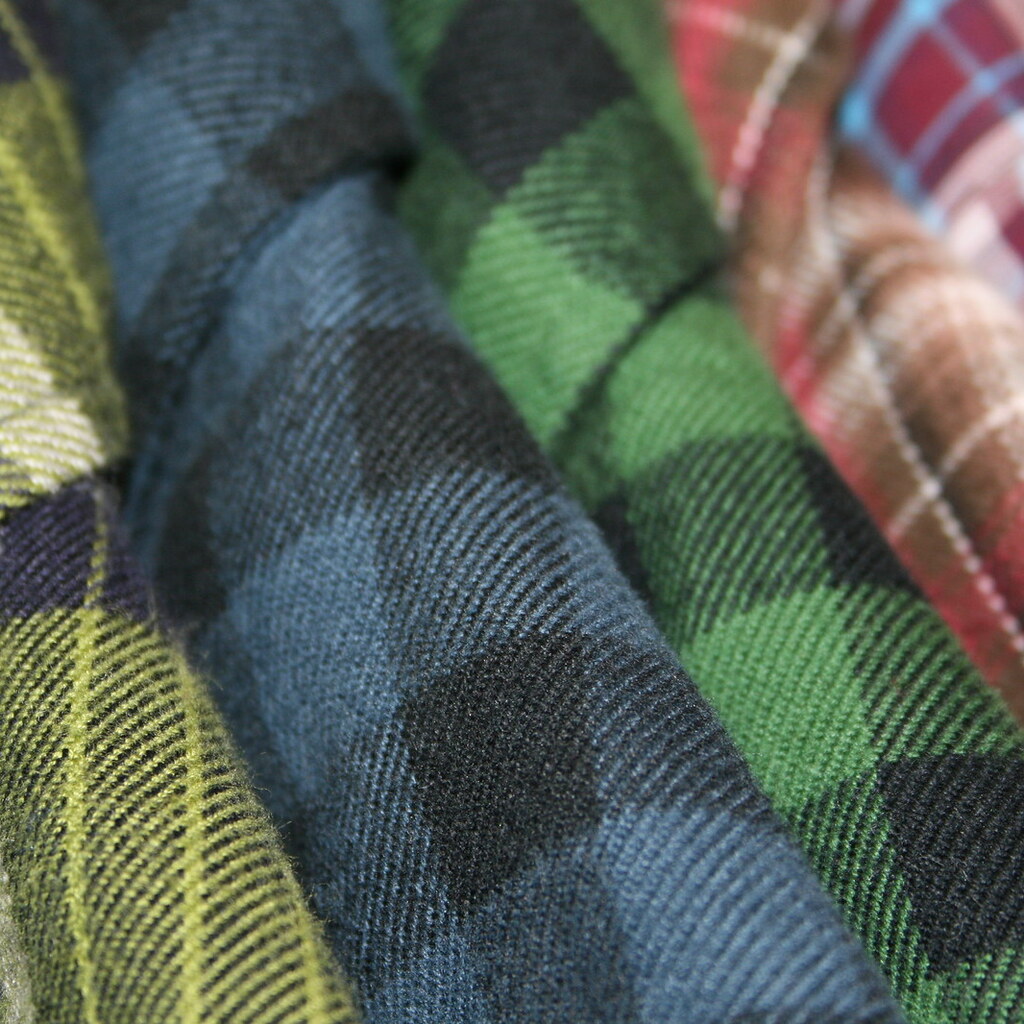
Flannel is a soft, thick fabric usually made from cotton or wool. Flannel has a fuzzy texture that makes it very comfortable to wear.

G is for Gingham

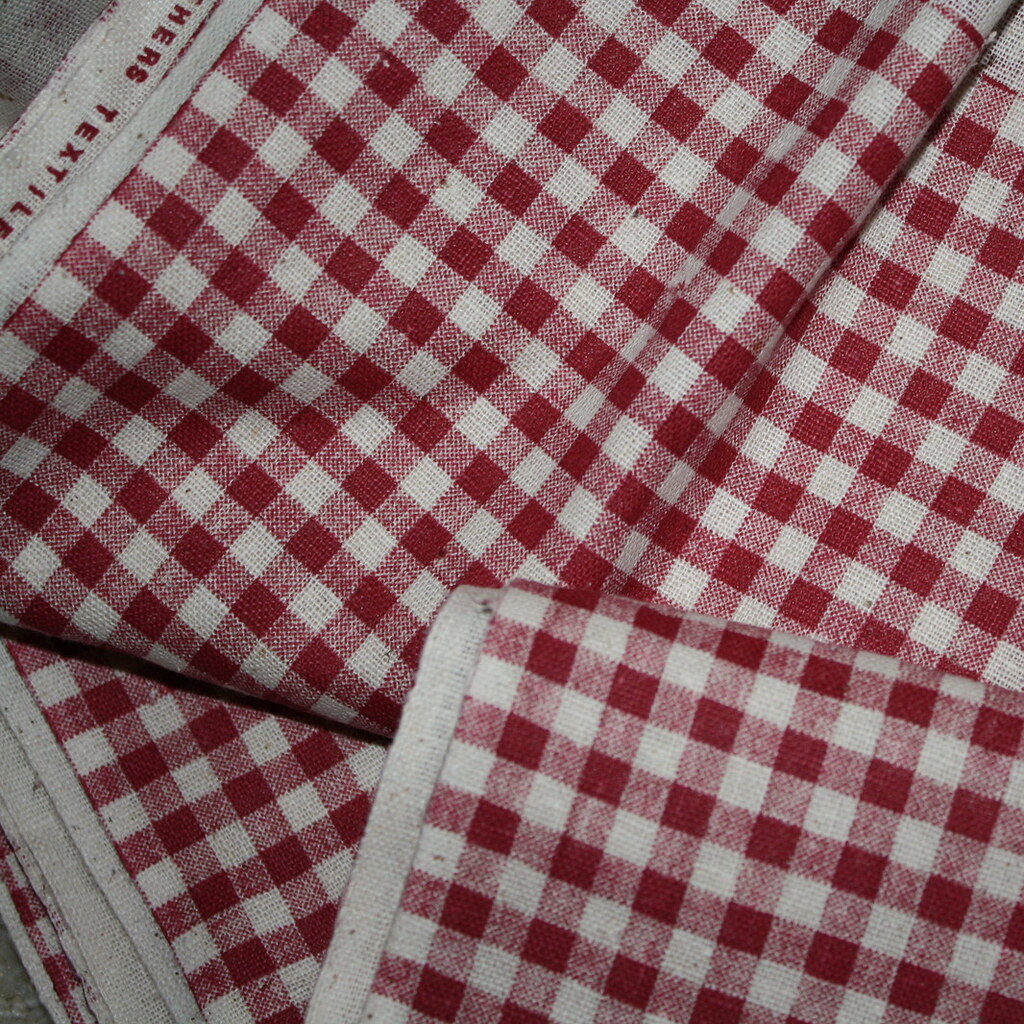
Gingham is a kind of woven fabric pattern, also called plaid and sometimes called checked, but it is not the same as a checkerboard pattern.

L is for Lace

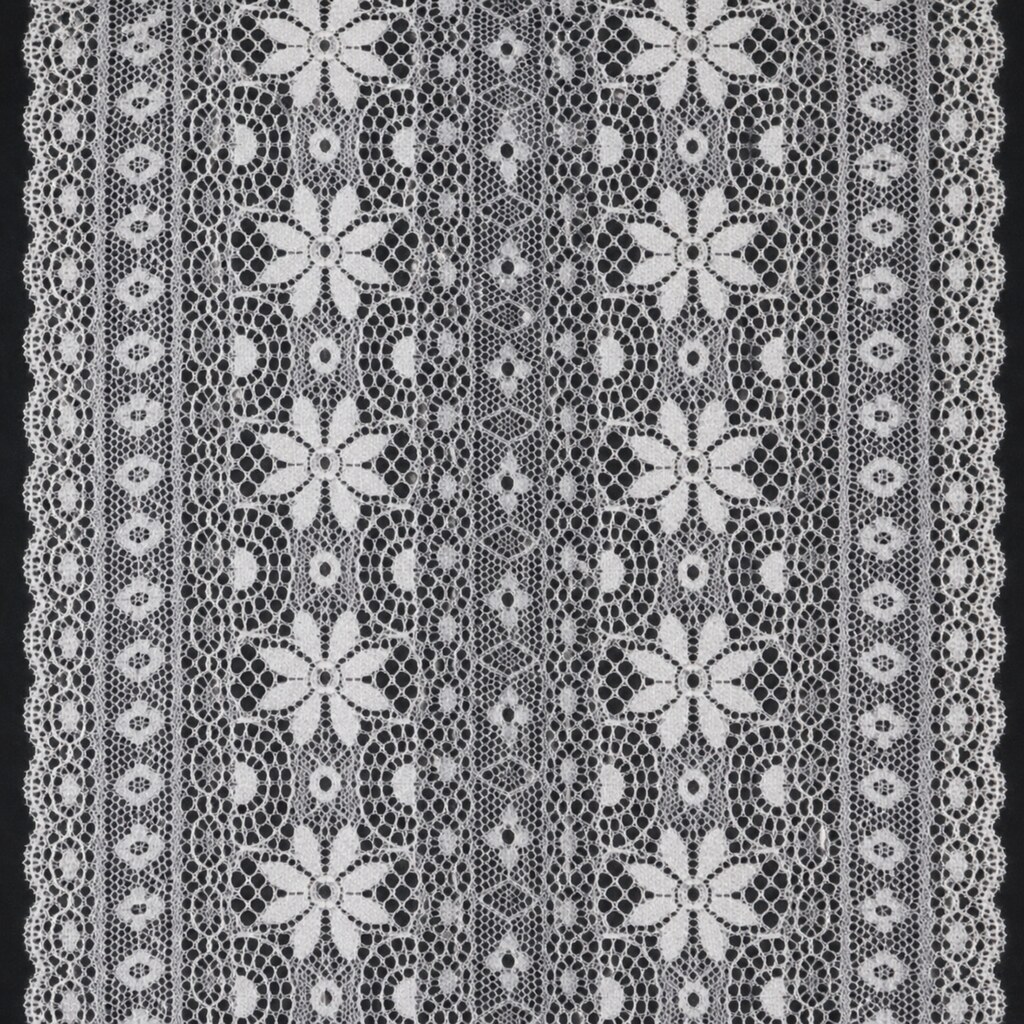
Lace is a kind of fabric that is made up of loops and holes. Lace usually has flower shapes in it, and is very pretty. It is often found on the edges of dresses.

L is for Linen

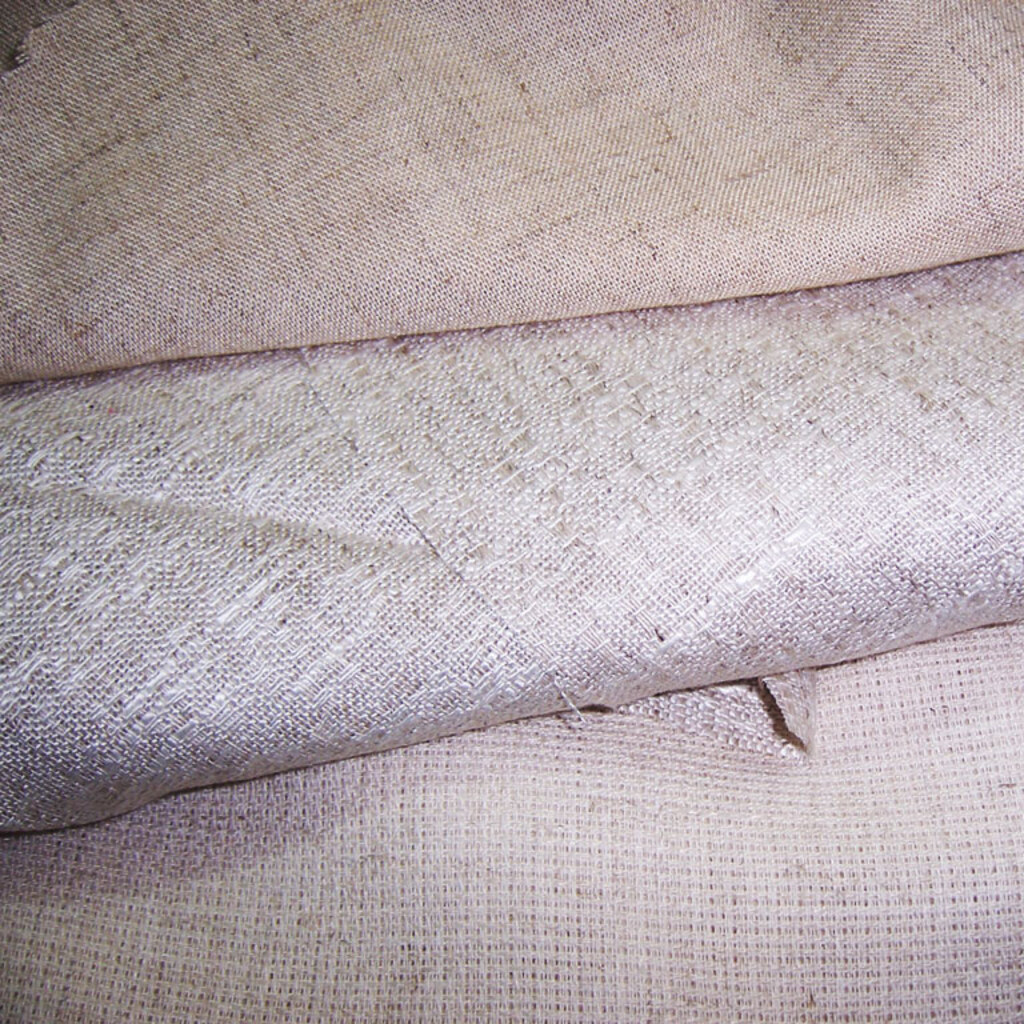
Linen is a fabric woven from fibers of the flax plant. Linen was once used to make so many household items that things like sheets and towels are still collectively called linen.

N is for Net

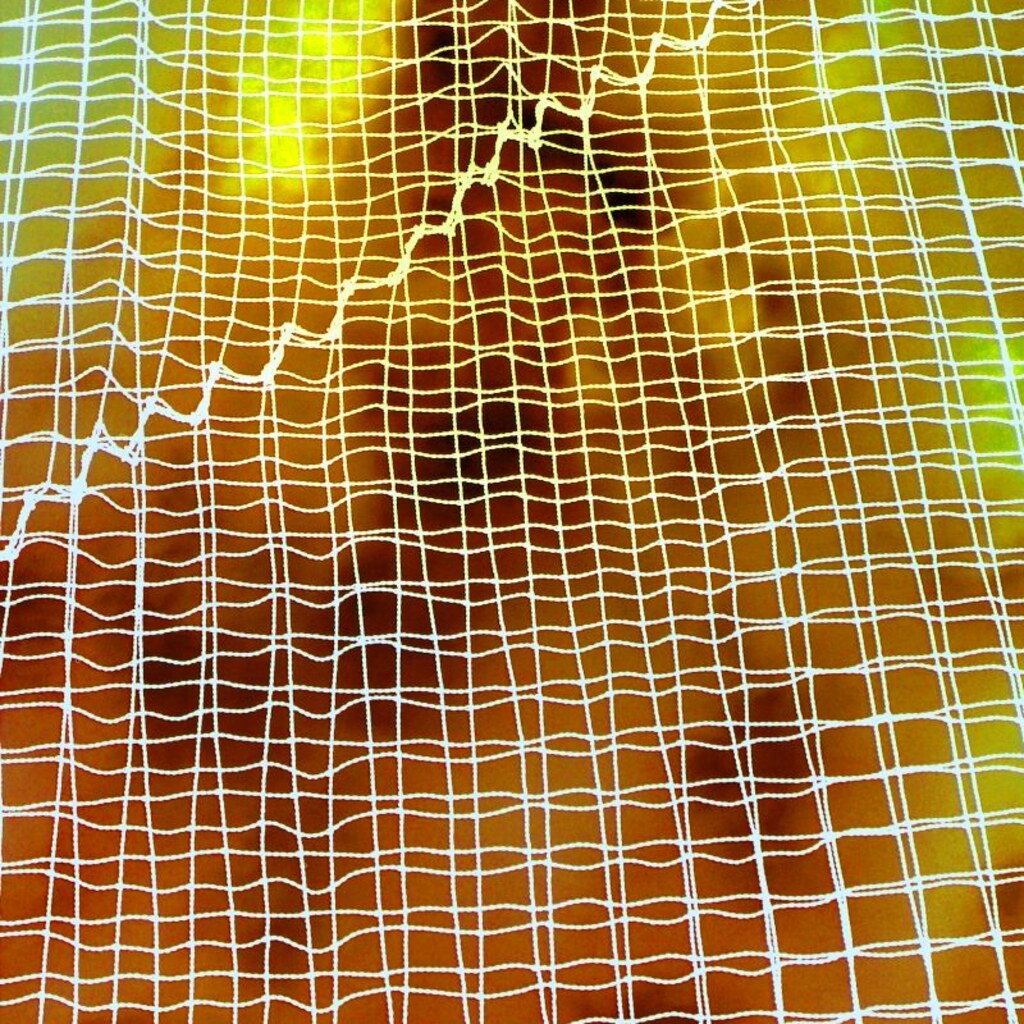
A net is a type of fabric woven into a grid of large holes. Nets are designed to let small things or liquids go through, and catch larger things. Nets are very commonly used to catch fish and butterflies, and to keep birds away from fruit trees.

S is for Satin

Satin is a shiny fabric usually made of silk or nylon. Satin has a very smooth texture.

S is for Silk

Silk is a fabric made from the cocoons of the silkworm. The fabric itself has a natural shine to it because of the way light passes through the silk fibres. Silk has been a highly prized fabric for thousands of years.

S is for Suede

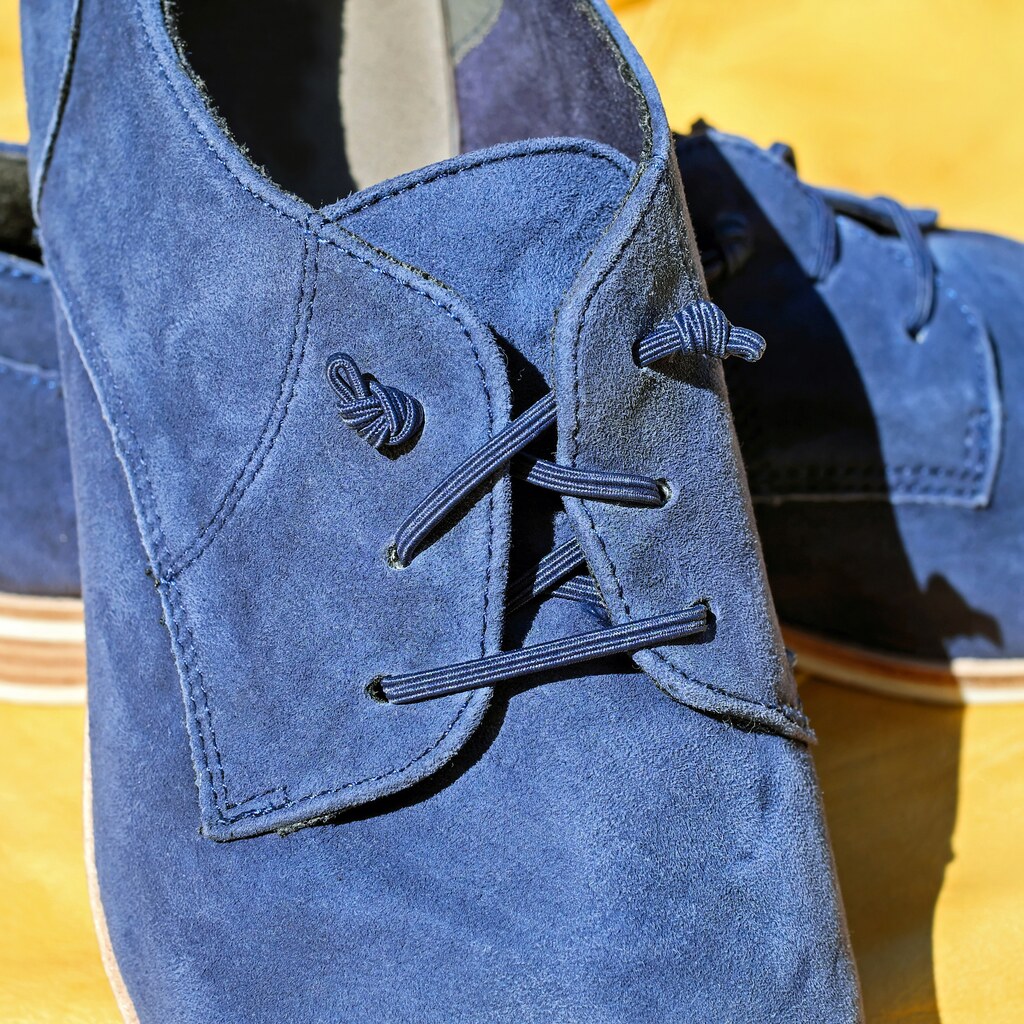
Suede is a fabric made from leather, but instead of presenting the smooth skin side of the leather the soft, slightly fluffy inside is shown instead. Leather can be made into suede by removing a thin layer from the surface of the leather.

S is for Swatch

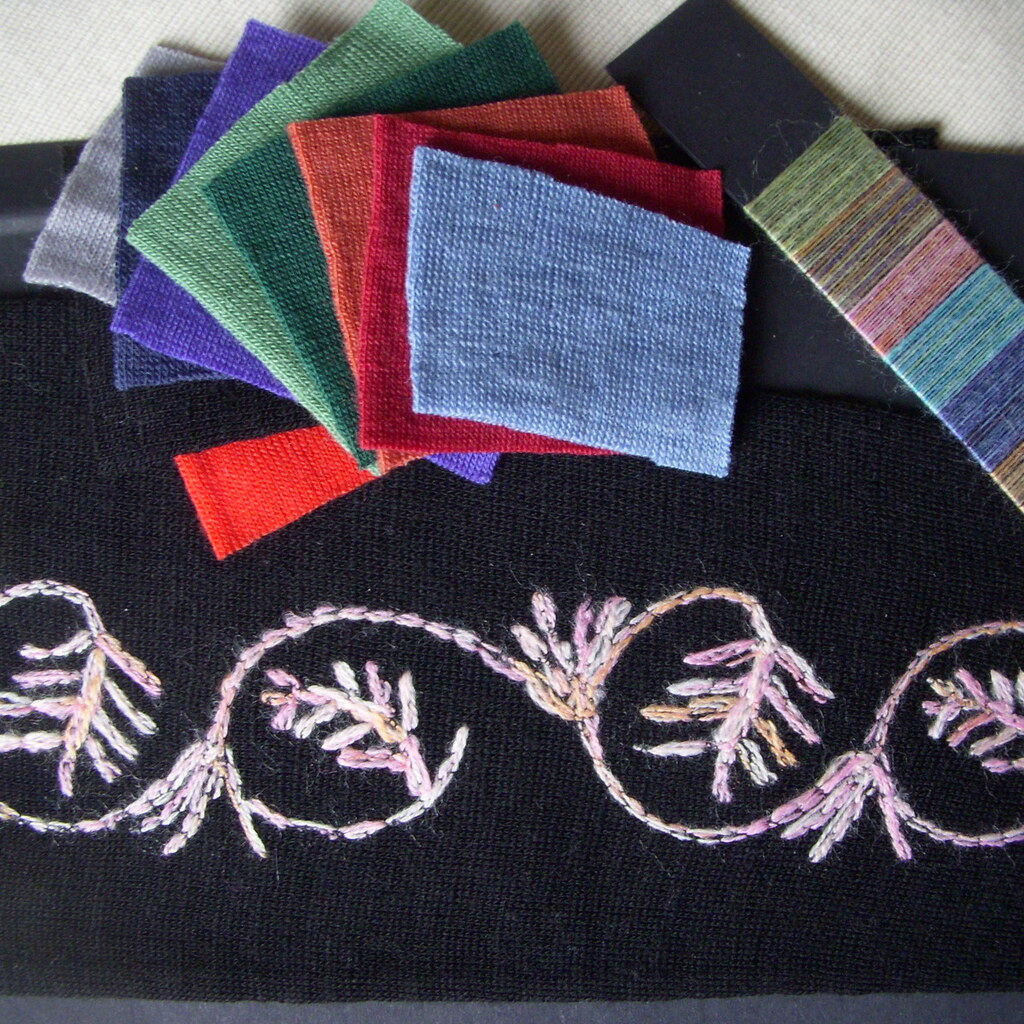
A swatch is a small piece of something, usually so you can check the color of the swatches against colors in your house. When you have decided which swatch you like, you can buy a larger quantity of it. Swatches usually relate to fabrics.

T is for Tarpaulin

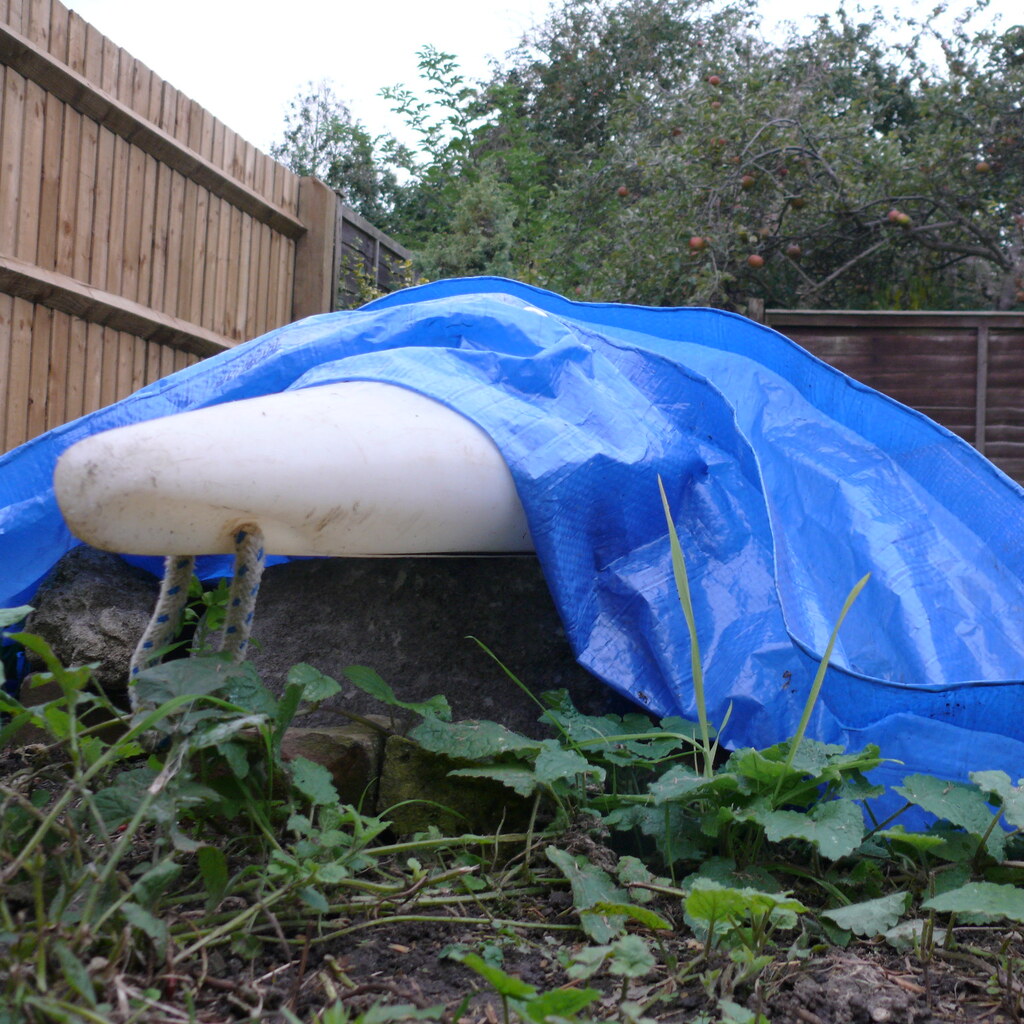
A tarpaulin is a large piece of canvas that has been waterproofed. Older style tarpaulins were made from fabric waterproofed with wax or something similar, modern tarpaulins are made from woven plastic. Tarpaulins are used to protect things from the weather.
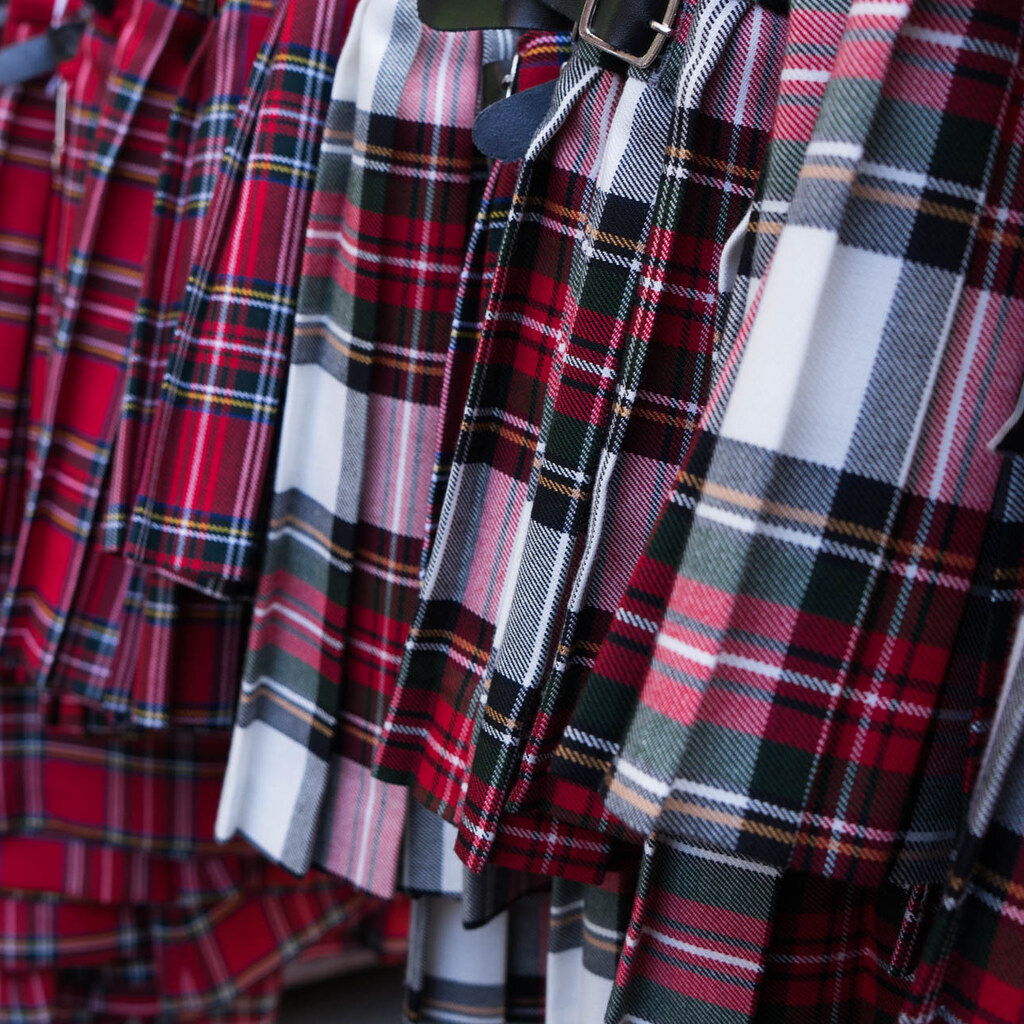
T is for Tartan

Tartan is a fabric pattern made by weaving different colours together in stripes in both directions. The stripes can be different widths, and there can be lots of different colours, unlike gingham which is made from two colours with equal width stripes.
In Scotland, different families had their own unique tartan pattern.
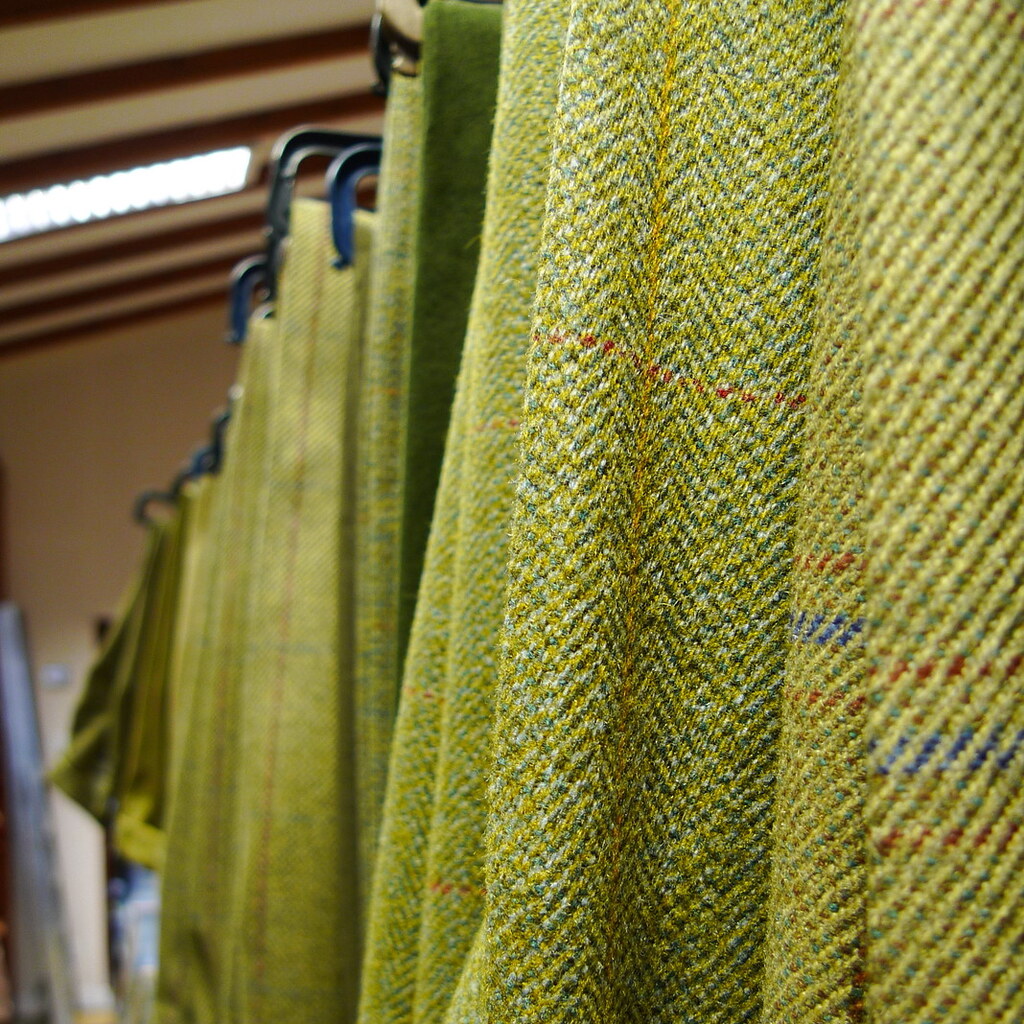
T is for Tweed

Tweed is a rough woolen fabric. It is usually quite thick and warm, and has a distinctive herringbone or check pattern in it. Tweed is usually made in fairly dull colors like grey or brown, and is seen as a very old-fashioned fabric.
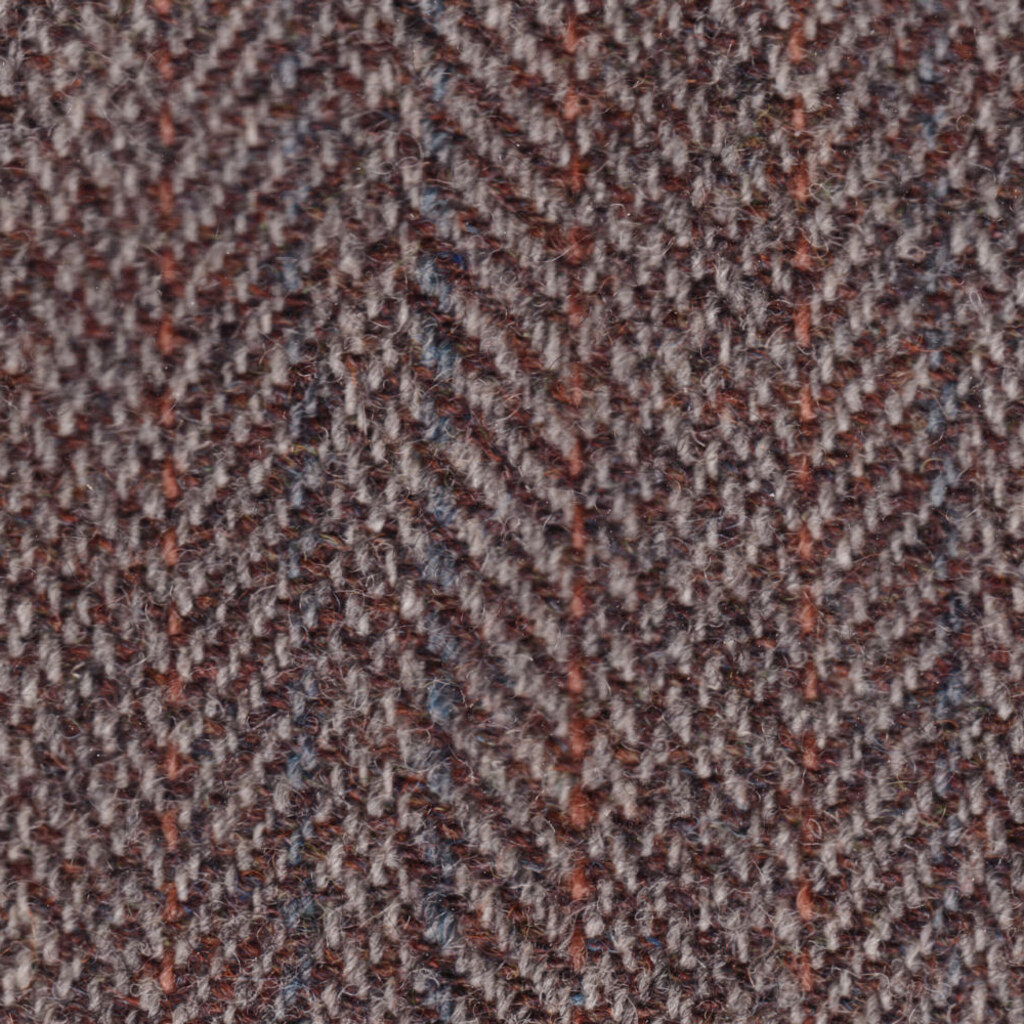
T is for Twill

Twill is a pattern of alternating diagonal lines woven using cotton or wool. Twill is often used to make coats and sweaters.