Showing 1-20 of 201
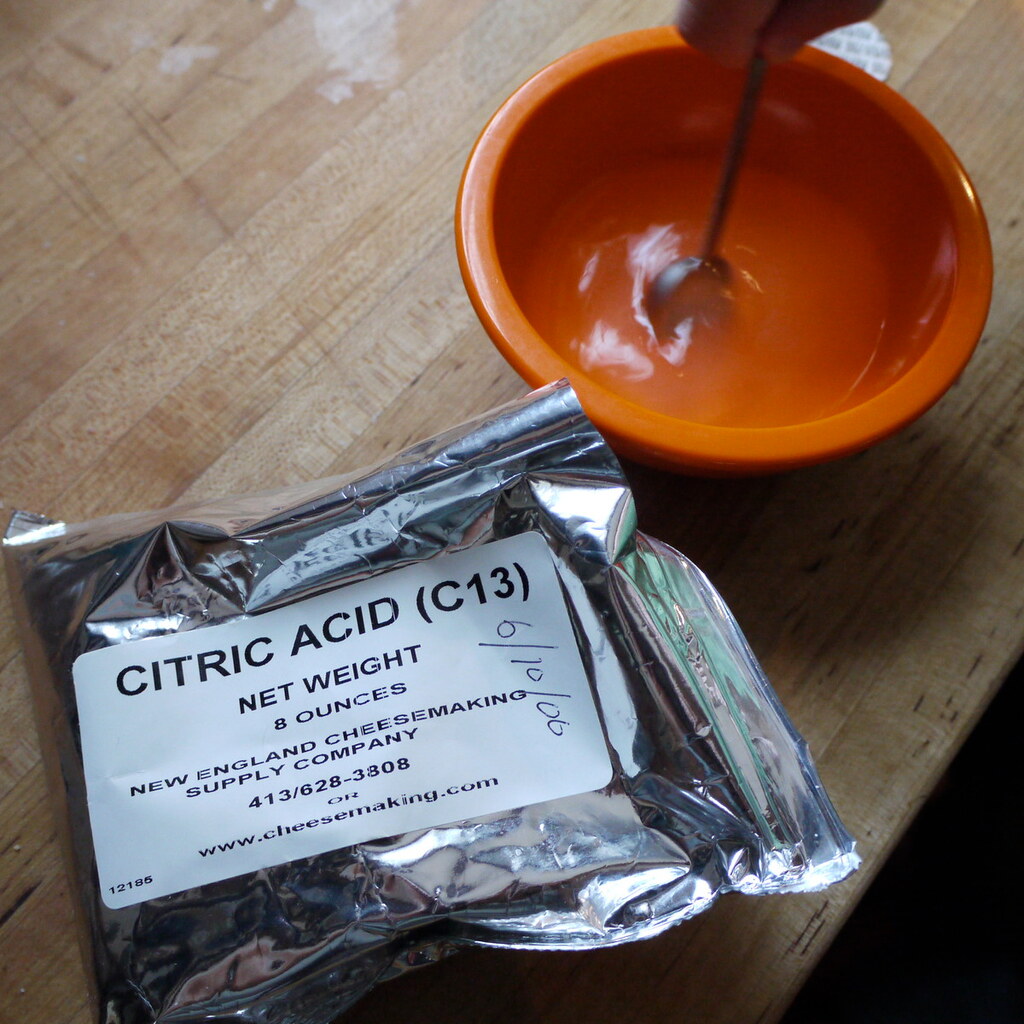
Acids are a type of chemical with certain properties. They react with metals and bases. Acids are found in all sorts of everyday things, and are not as dangerous as the industrial grade acids you sometimes see in movies. Many fruits contain acid. Oranges and lemons contain citric acid, which is shown being mixed with water in the picture.
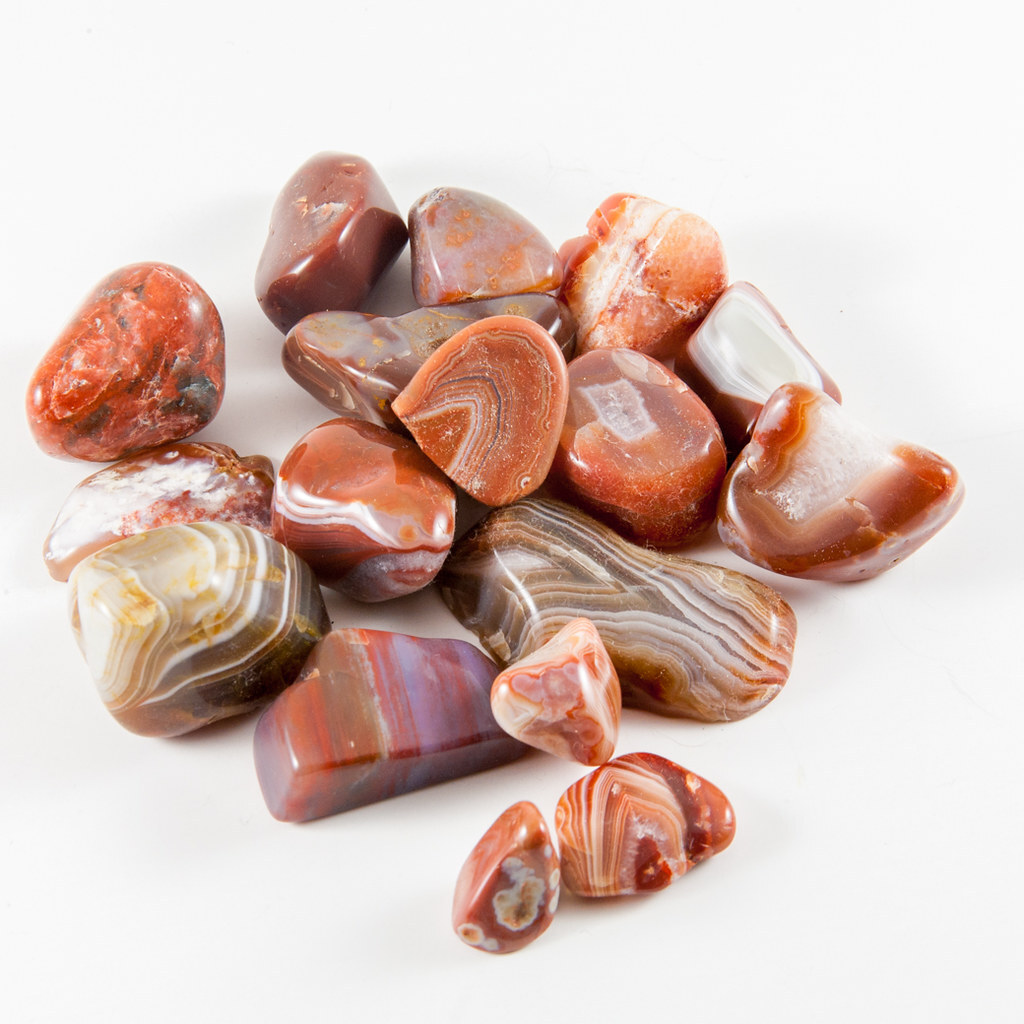
Agates are a common variety of brightly coloured quartz. They come in a range of colours depending on the mineral impurities they contain, and can be used in jewelry.

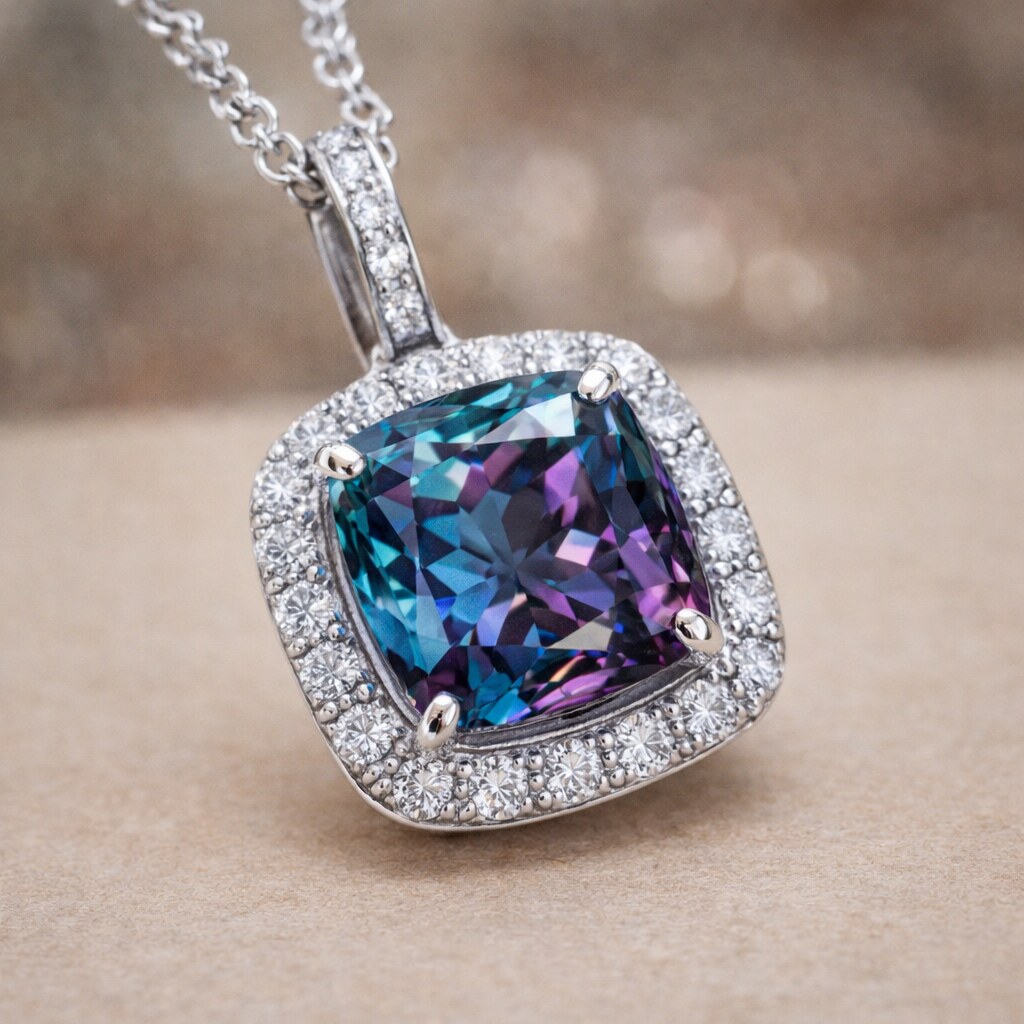
A is for Alexandrite
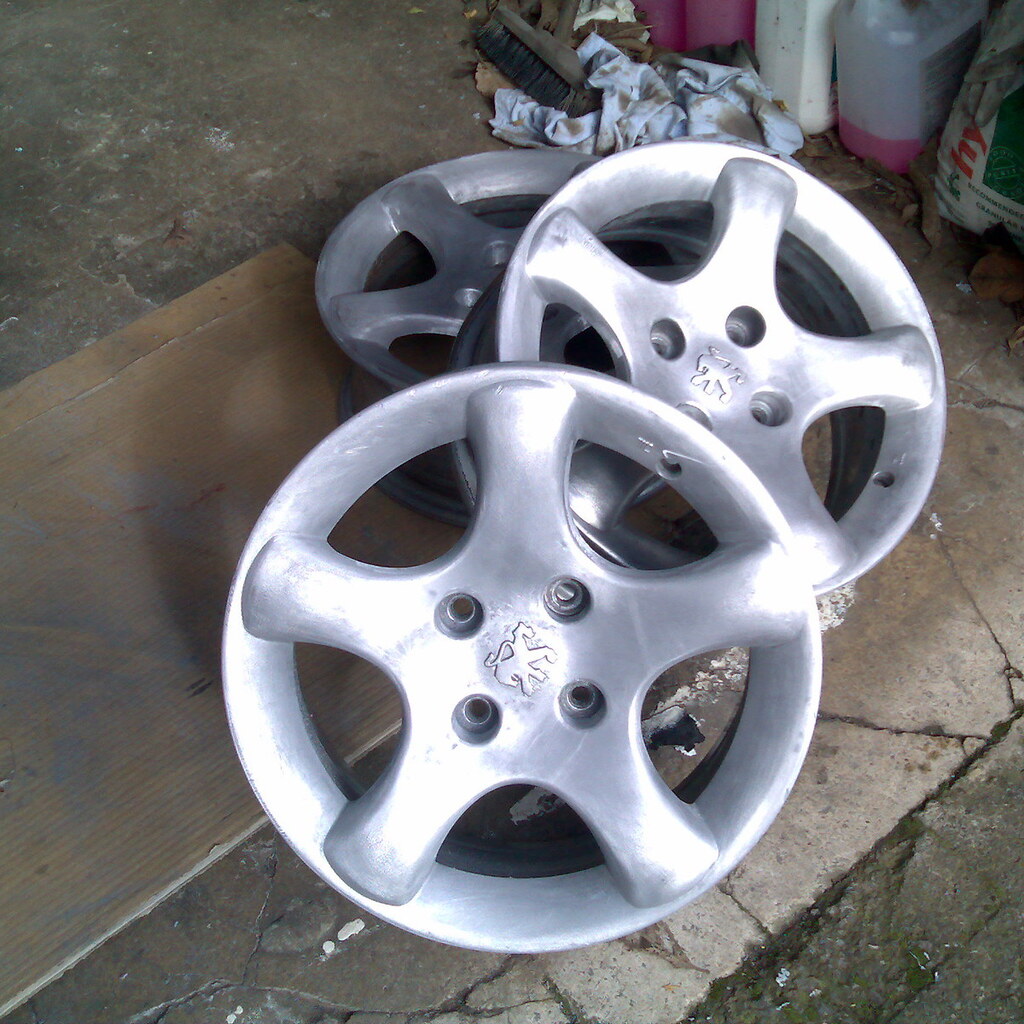
An alloy is a mixture of two or more metals, or one metal and something that isn't a metal. They are mixed together so well you cannot tell that the alloy is not a pure metal. Alloys typically have very different properties to the components that went into making the alloys. Alloys are often much, much stronger than their individual components. Many tools and machines are made from alloys because they need to be strong.
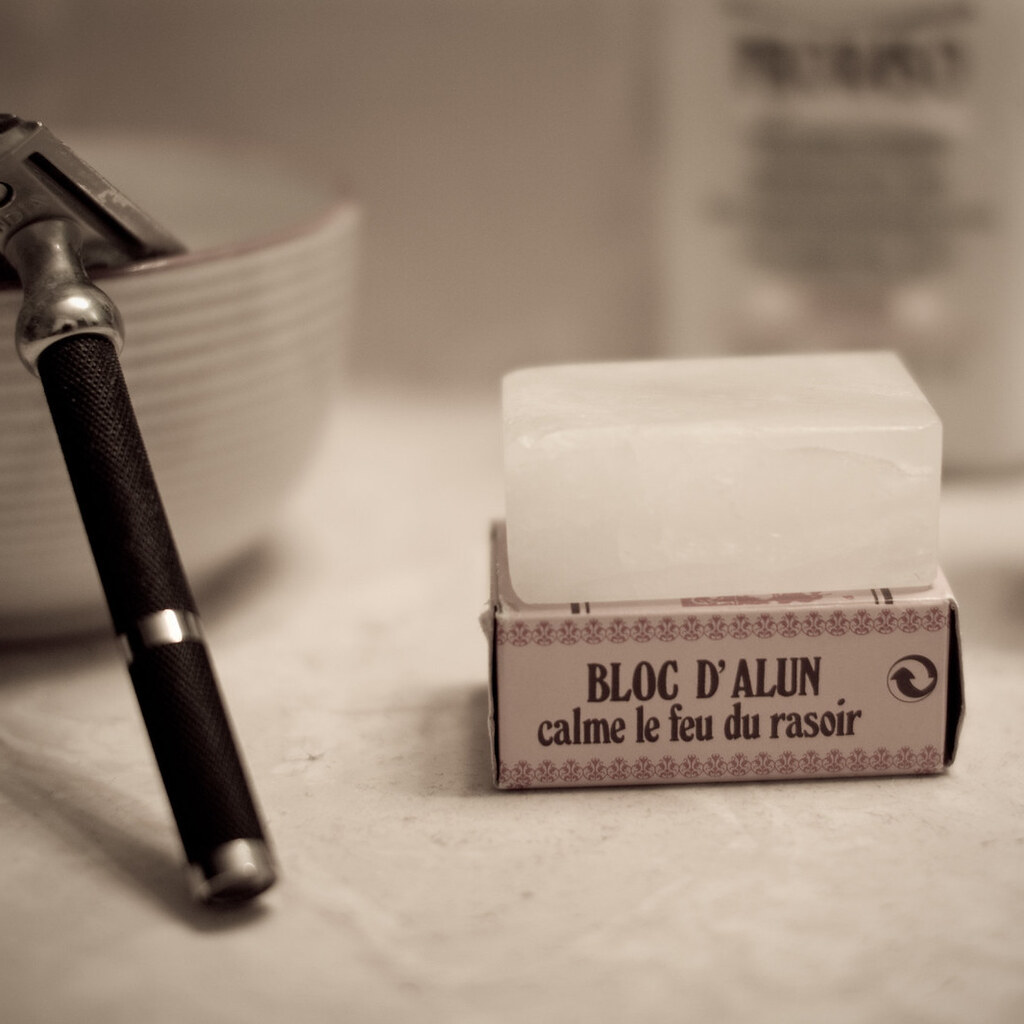
Alum could refer to either a specific mineral, or a general class of similar ones. ( /?æl?m/) is both a specific chemical compound and a class of chemical compounds. The mineral usually referred to as alum is hydrated potassium aluminium sulfate.
Alum is an effective blood coagulant, and used to be sold in blocks as part of shaving kits. You use it to stop shaving cuts from bleeding.
Alum is an effective blood coagulant, and used to be sold in blocks as part of shaving kits. You use it to stop shaving cuts from bleeding.
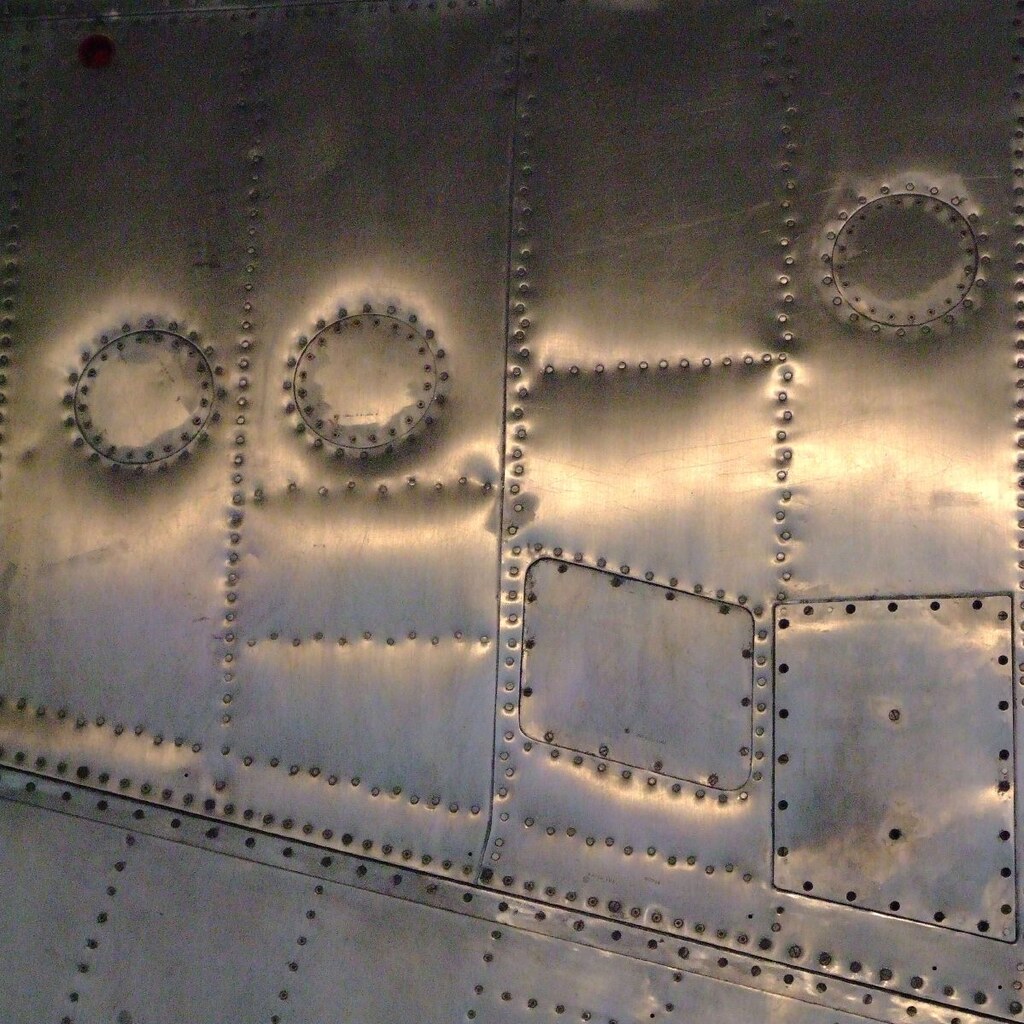
Aluminium, also spelt aluminum, is the most common metal in the world, and the third most common element (after oxygen and silicon). It is durable and lightweight, and is a very important metal for making planes out of.
Aluminium is highly reactive and you cannot find pure aluminium in the same way you can find pure gold or copper, so it was once considered a rare precious metal. It is a very energy intensive process to refine aluminium.
Aluminium is used for building (particularly frames for doors and windows) and vehicle construction, household aluminium foil, masts on ships, walking sticks, and lots of household utensils and appliances.
Aluminium is highly reactive and you cannot find pure aluminium in the same way you can find pure gold or copper, so it was once considered a rare precious metal. It is a very energy intensive process to refine aluminium.
Aluminium is used for building (particularly frames for doors and windows) and vehicle construction, household aluminium foil, masts on ships, walking sticks, and lots of household utensils and appliances.
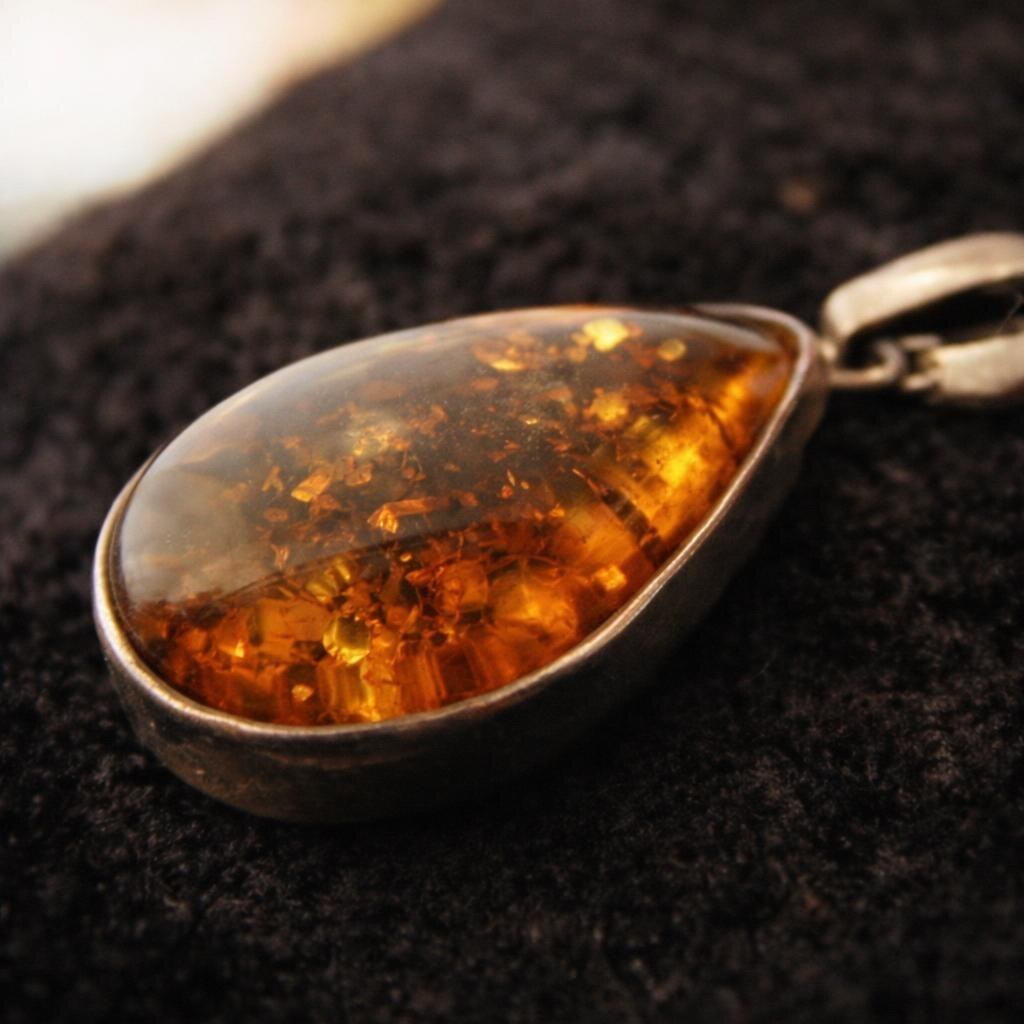
Amber is fossilised tree resin. It is a deep orange colour, and sometimes has insects trapped in it.
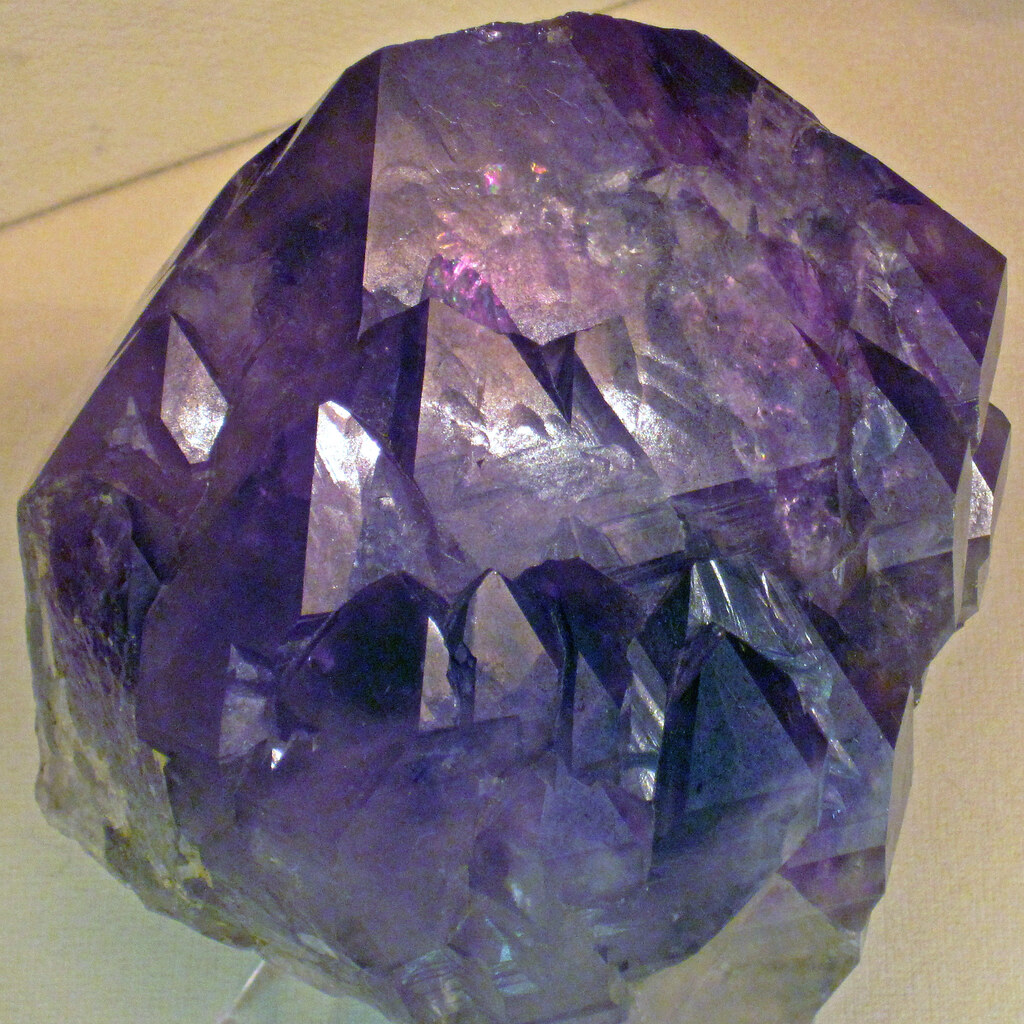
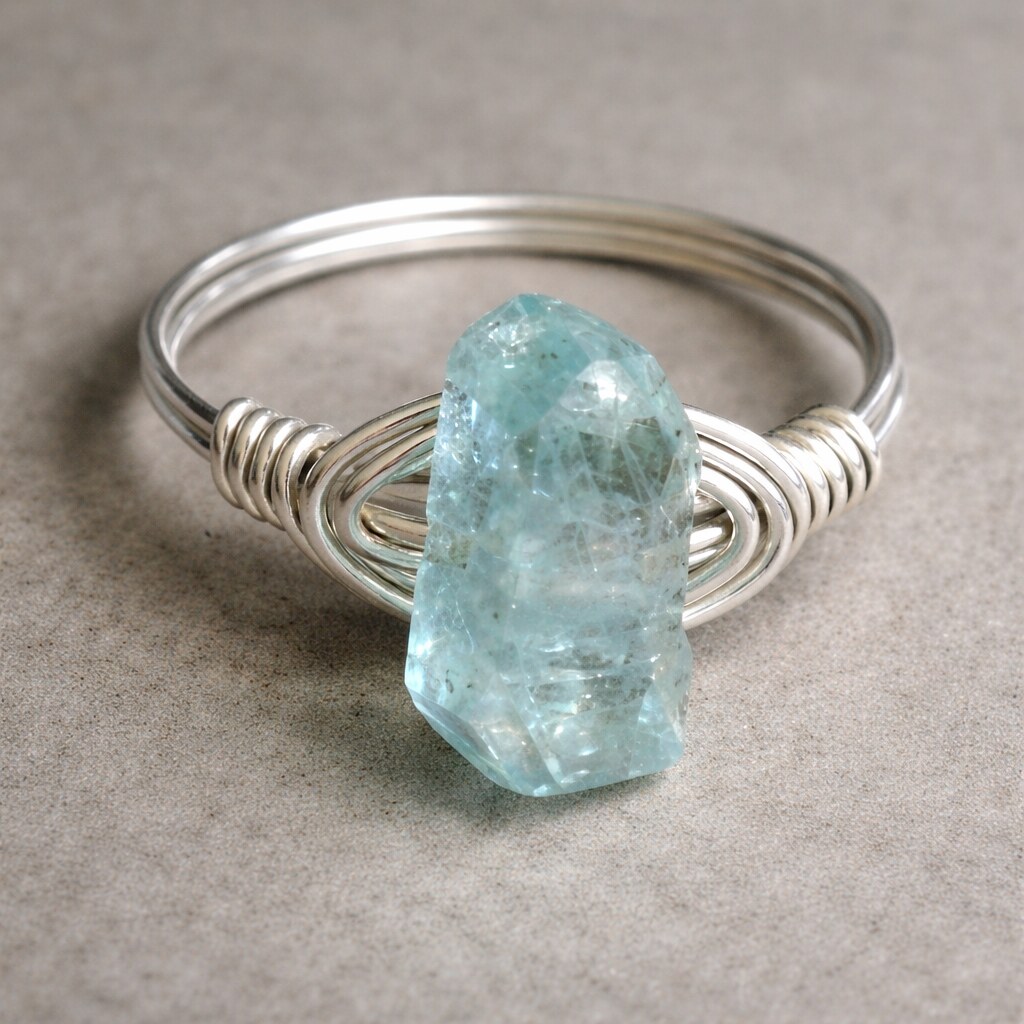
A is for Aquamarine
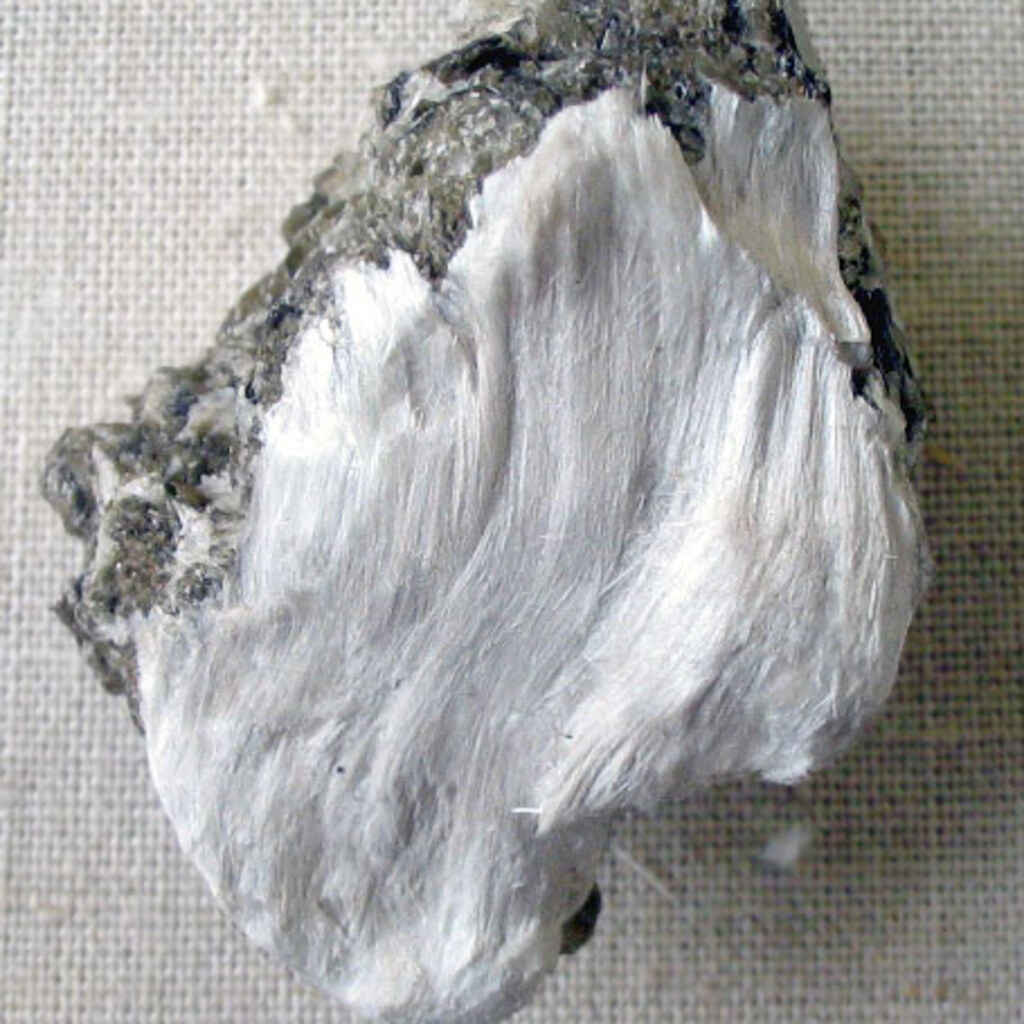
Asbestos refers to a group of silicate rocks that have the interesting property of forming long, thin fibers. Asbestos was cheap, strong, had great insulating qualities and was widely used as a building material, with its use peaking in the 1970s.
Asbestos can cause lung cancer, mesothelioma and other issues if it is inhaled, and because of this its use is currently banned in many countries.
Asbestos can cause lung cancer, mesothelioma and other issues if it is inhaled, and because of this its use is currently banned in many countries.
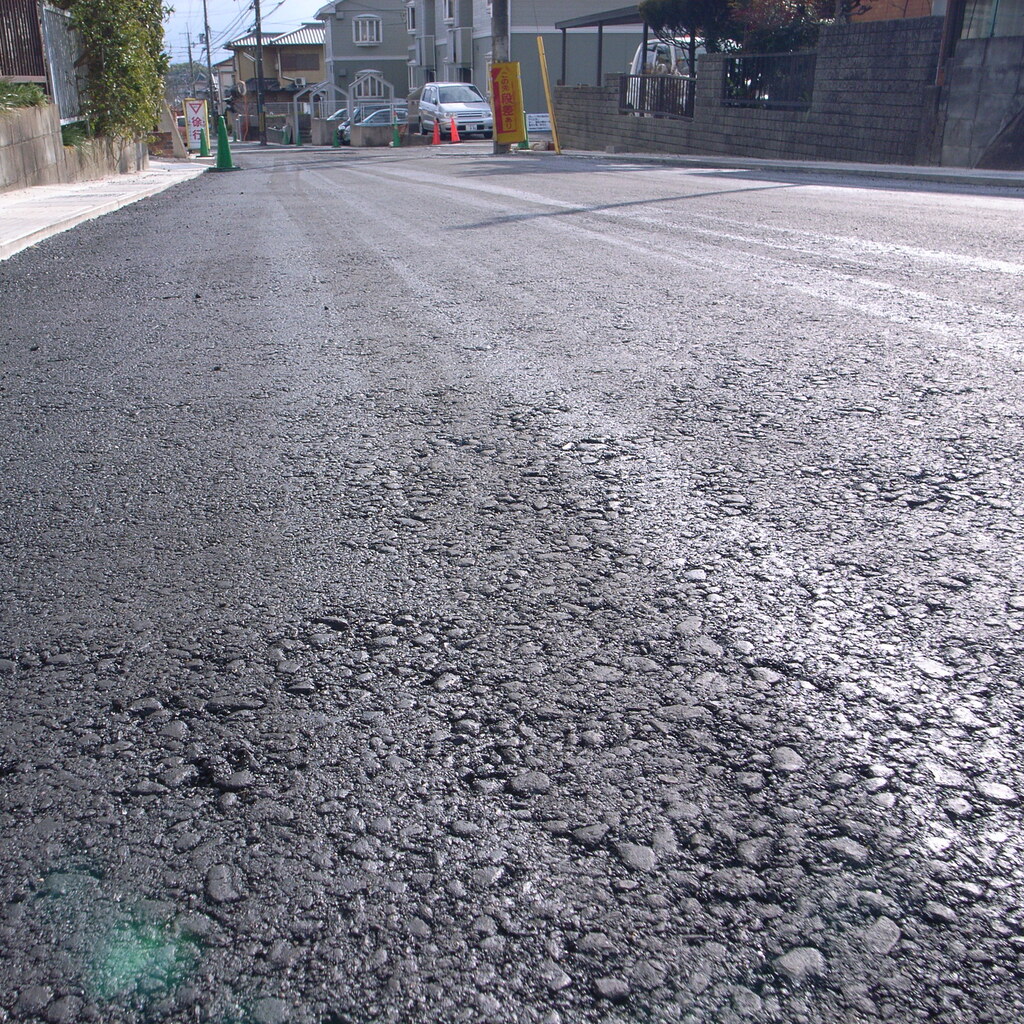
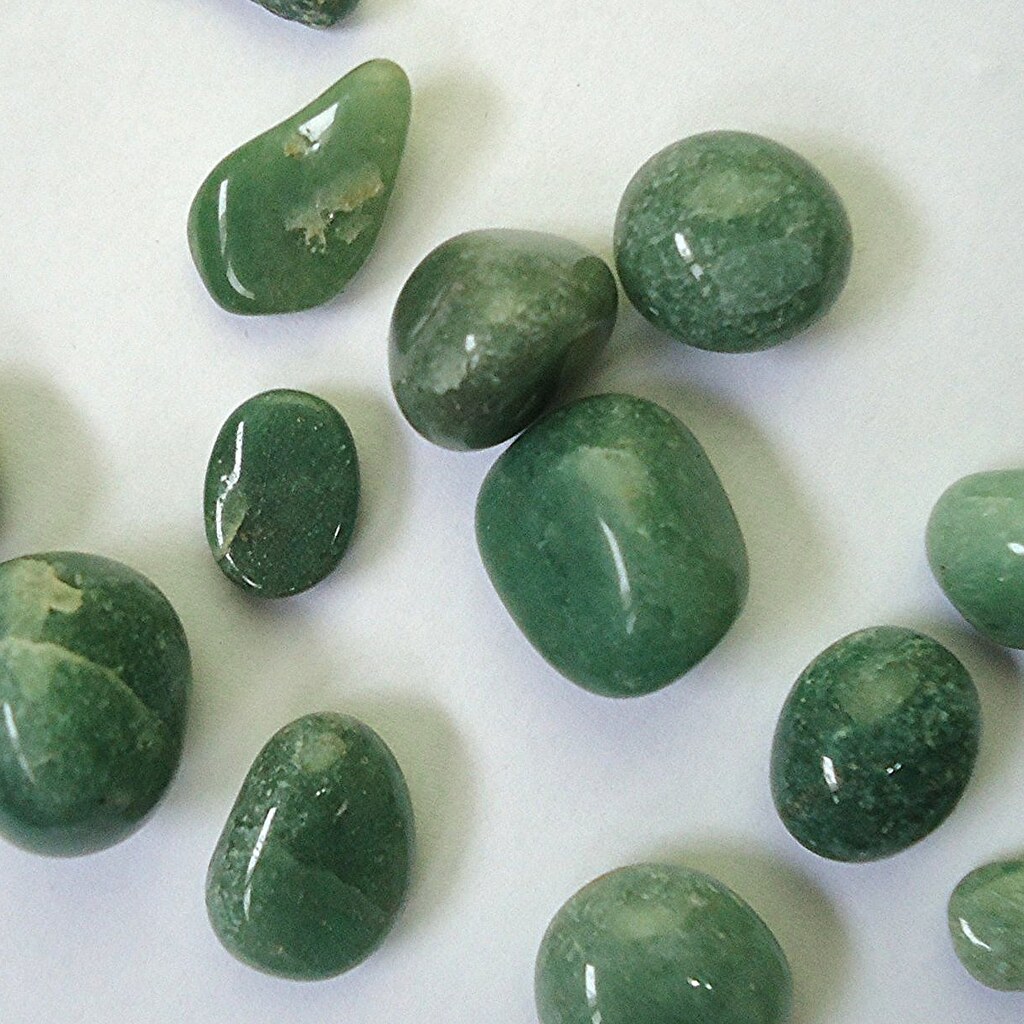
A is for Aventurine
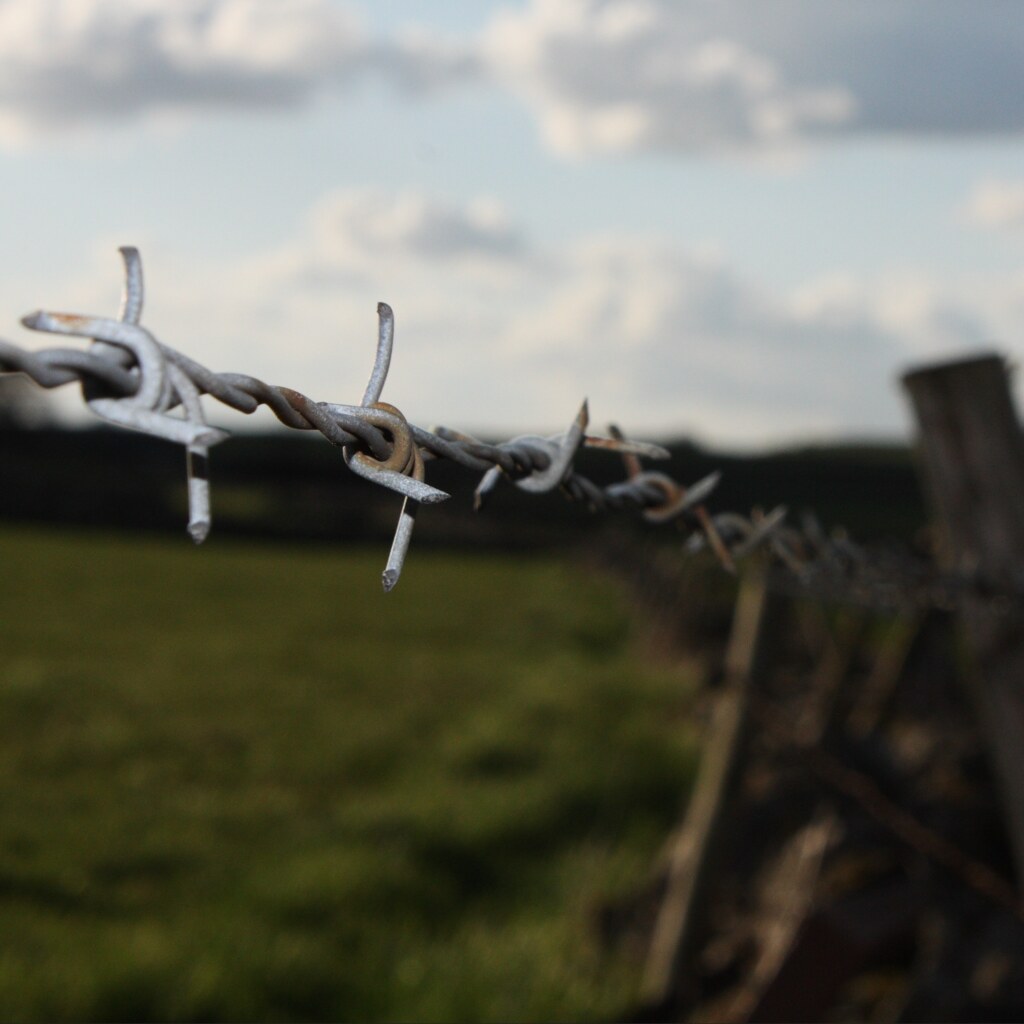
B is for Barbed wire
Barbed wire is not just used to keep animals in or out. Barbed wire was used extensively during war time to protect soldiers, and is also used around prisons to keep the prisoners in.
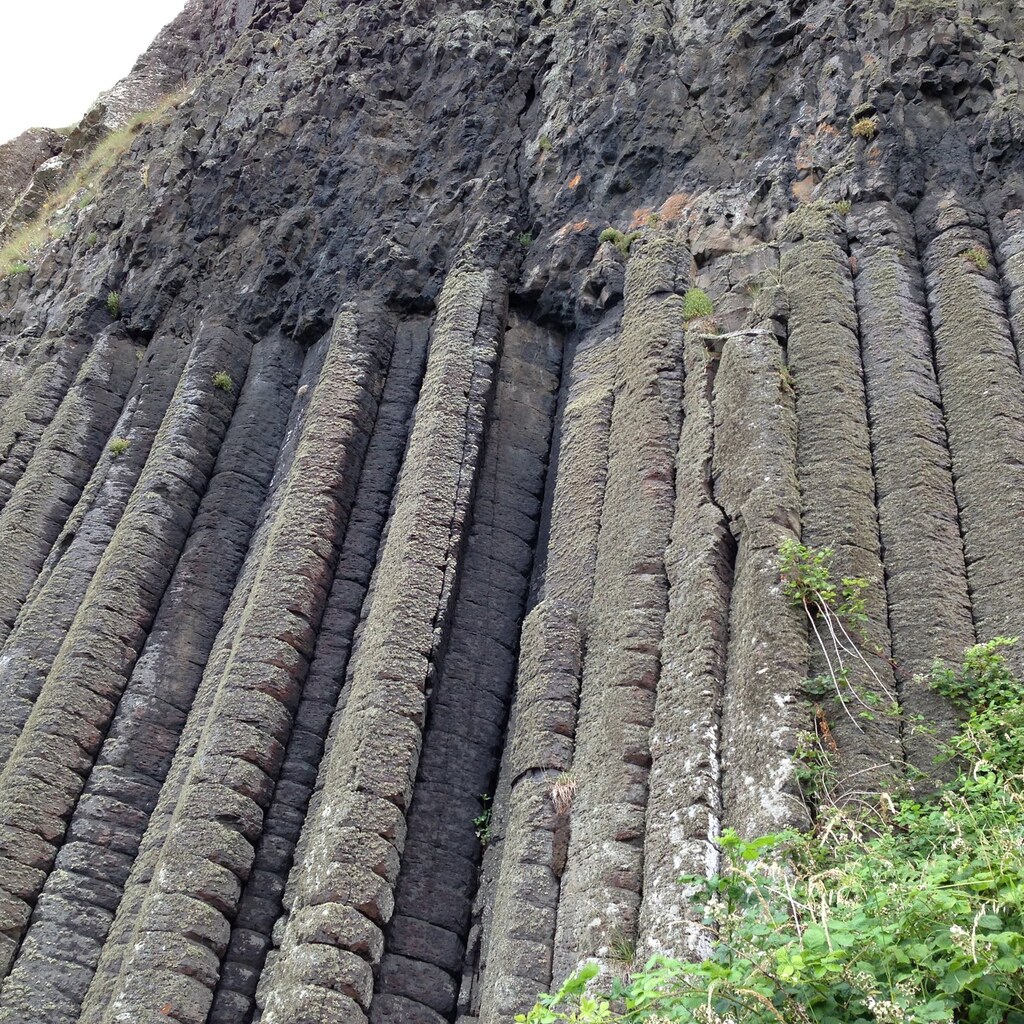

A beam is a long piece of wood or metal that is part of the support for a large structure like a building. Beams are laid horizontally and are supported by posts.
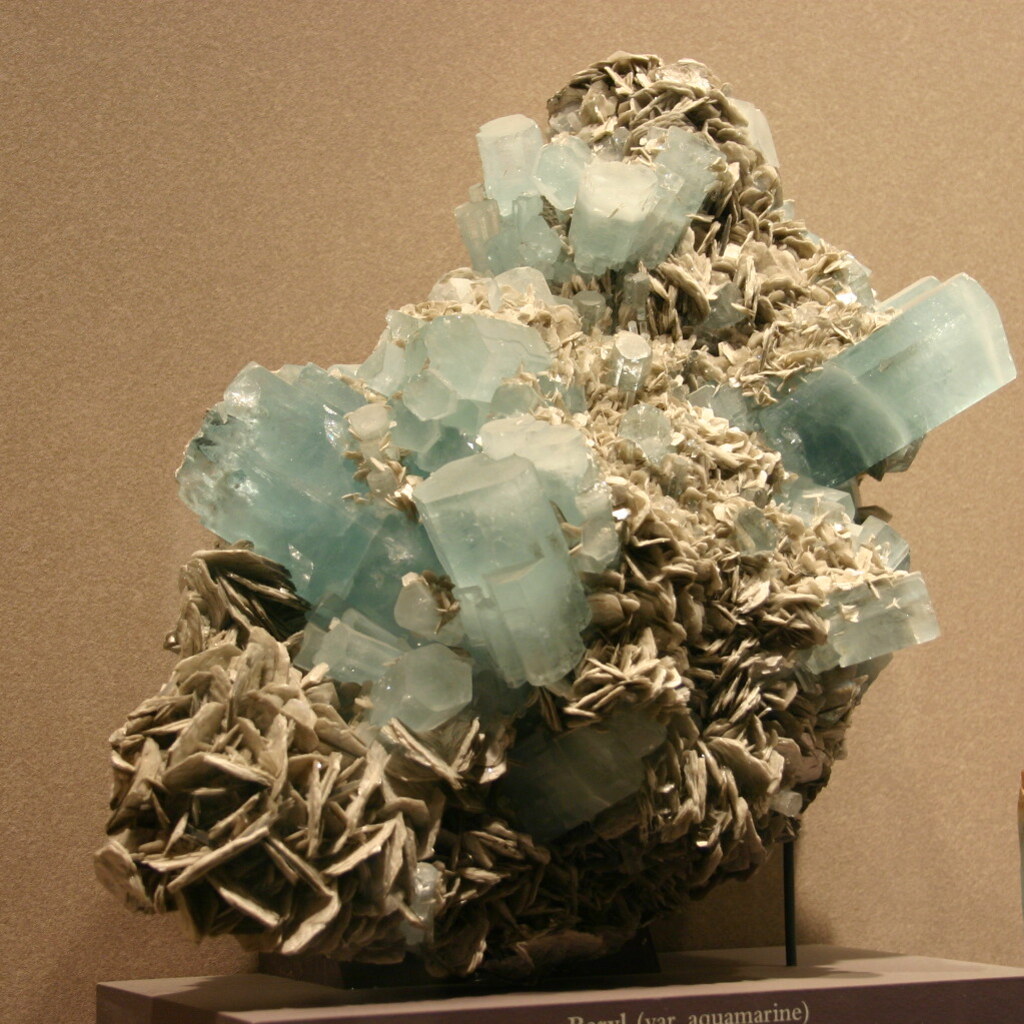
Beryl is a colorless mineral made up of beryllium aluminium cyclosilicate. It forms hexagonal crystals that can be very large. When beryl has impurities, it can have a coloured tint or be opaque. Coloured beryl has different names - green beryl is called emerald, pale blue beryl is called aquamarine and pink beryl is called morganite.
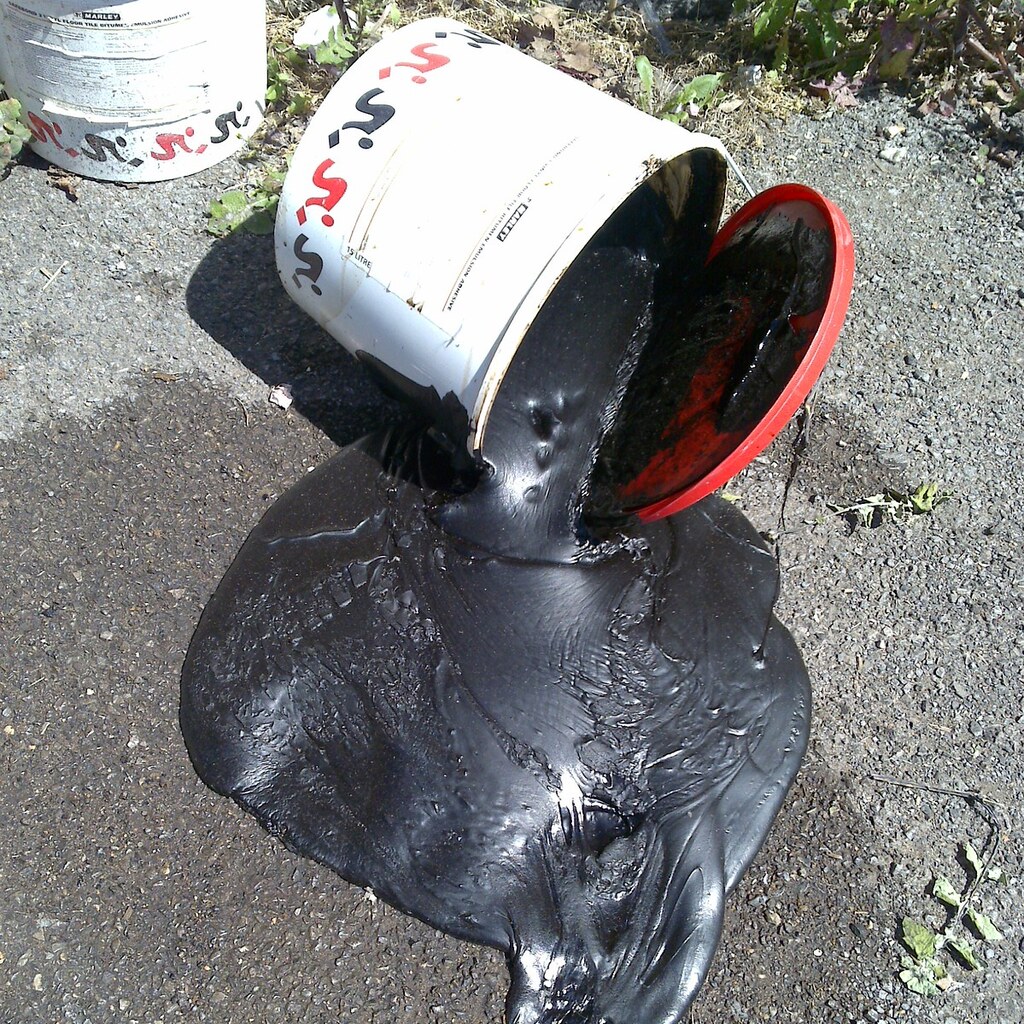
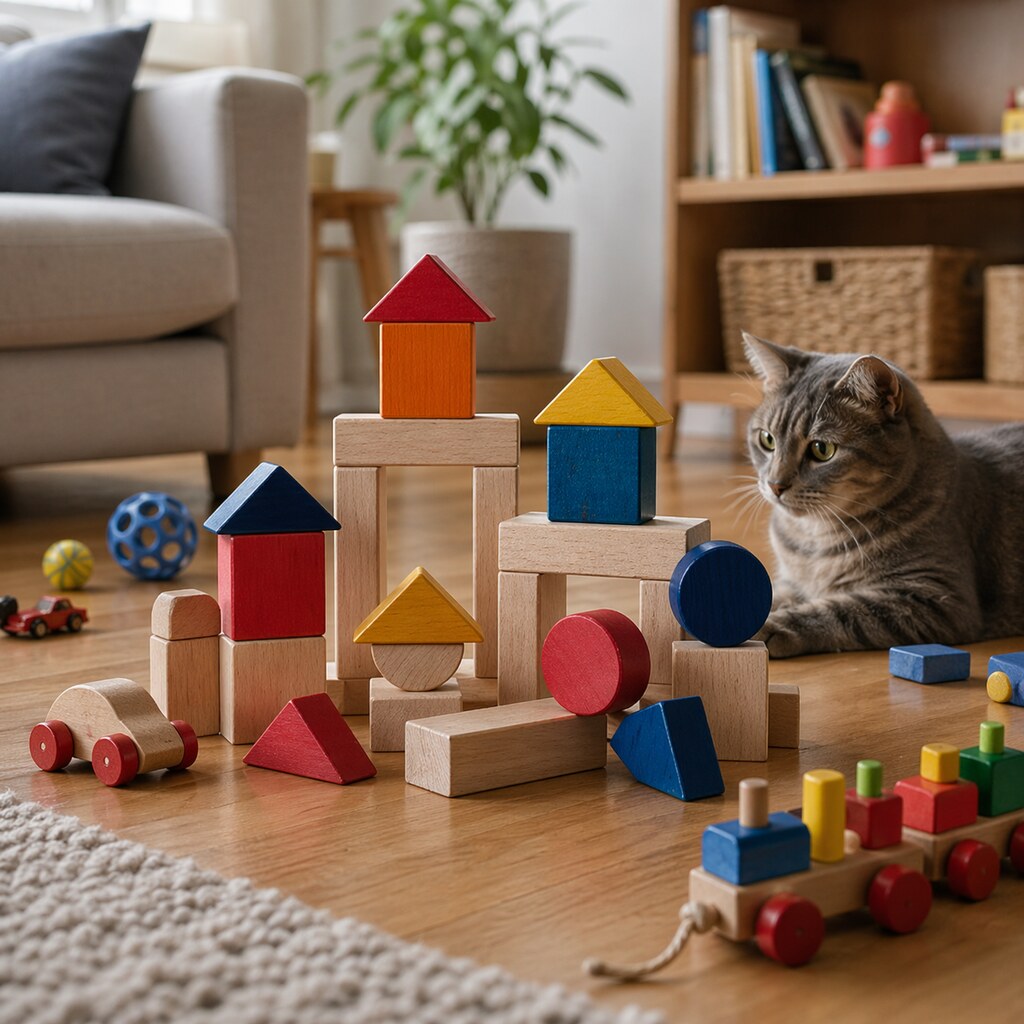
A block is a piece of wood, stone or another kind of masonry that is used to build things out of.
Blocks can be very big and used to make buildings from, or very small and used as a children's toy.
A block is also a word used to describe a lot of small places that you live, like flats or apartments, that are joined together into one building.
Block is also used to describe something that stops something else from happening, like when you have writer's block you can't have any good ideas.
Blocks can be very big and used to make buildings from, or very small and used as a children's toy.
A block is also a word used to describe a lot of small places that you live, like flats or apartments, that are joined together into one building.
Block is also used to describe something that stops something else from happening, like when you have writer's block you can't have any good ideas.