Showing 1-20 of 40
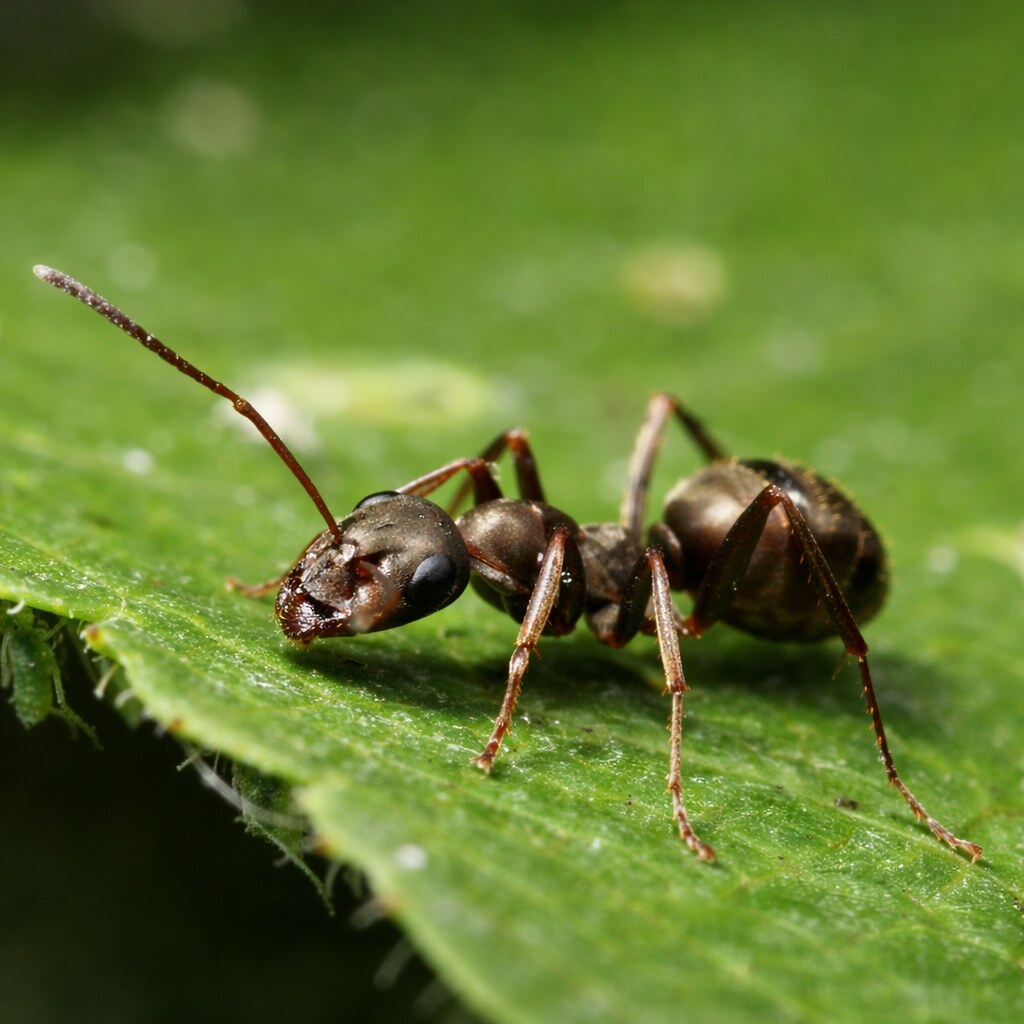
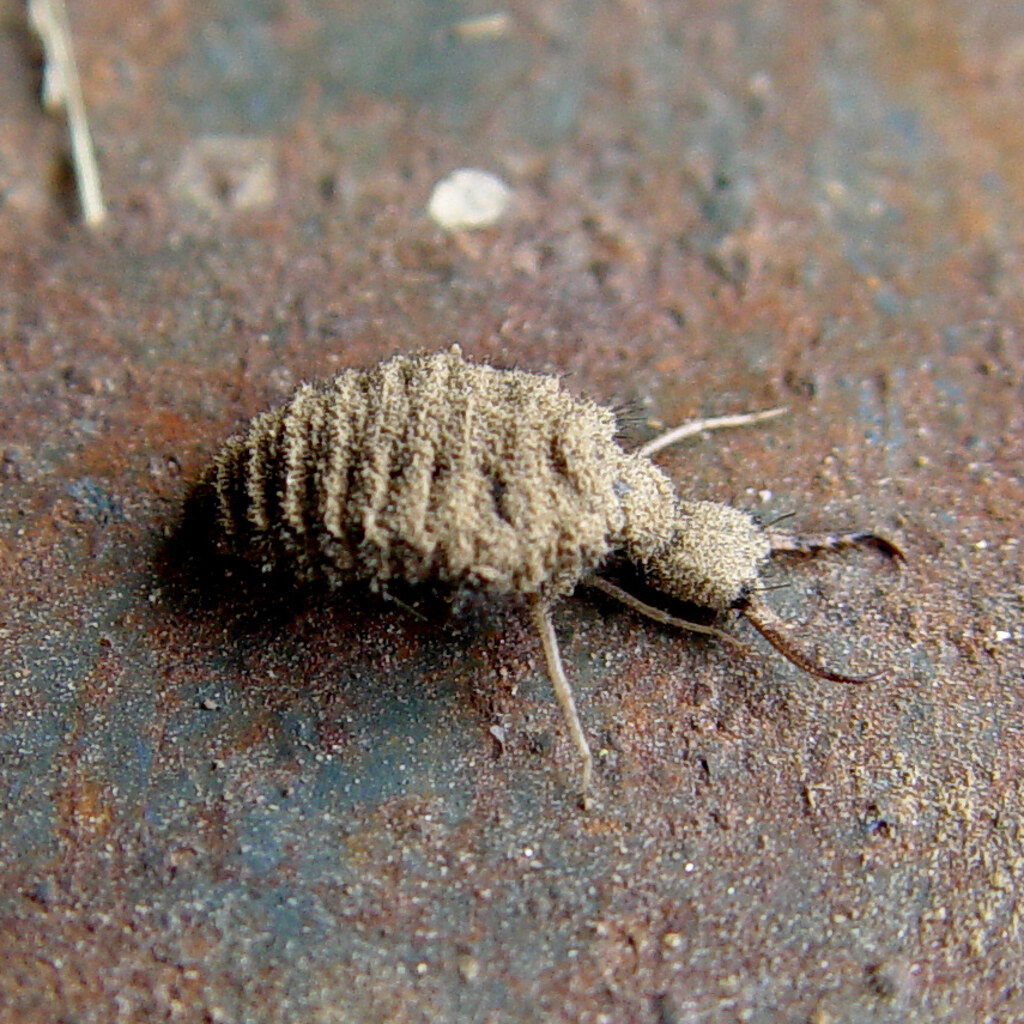
The antlion is the larval stage of a kind of flying insect often called a lacewing. Antlions get their name because they eat mostly ants. They live in dry, sandy areas and make their cocoons out of sand stuck together with silk. They catch ants to eat by digging small pits in the sand. Ants fall into the pits and have trouble getting back out, and the antlion comes out from hiding at the centre of the pit and eats them.
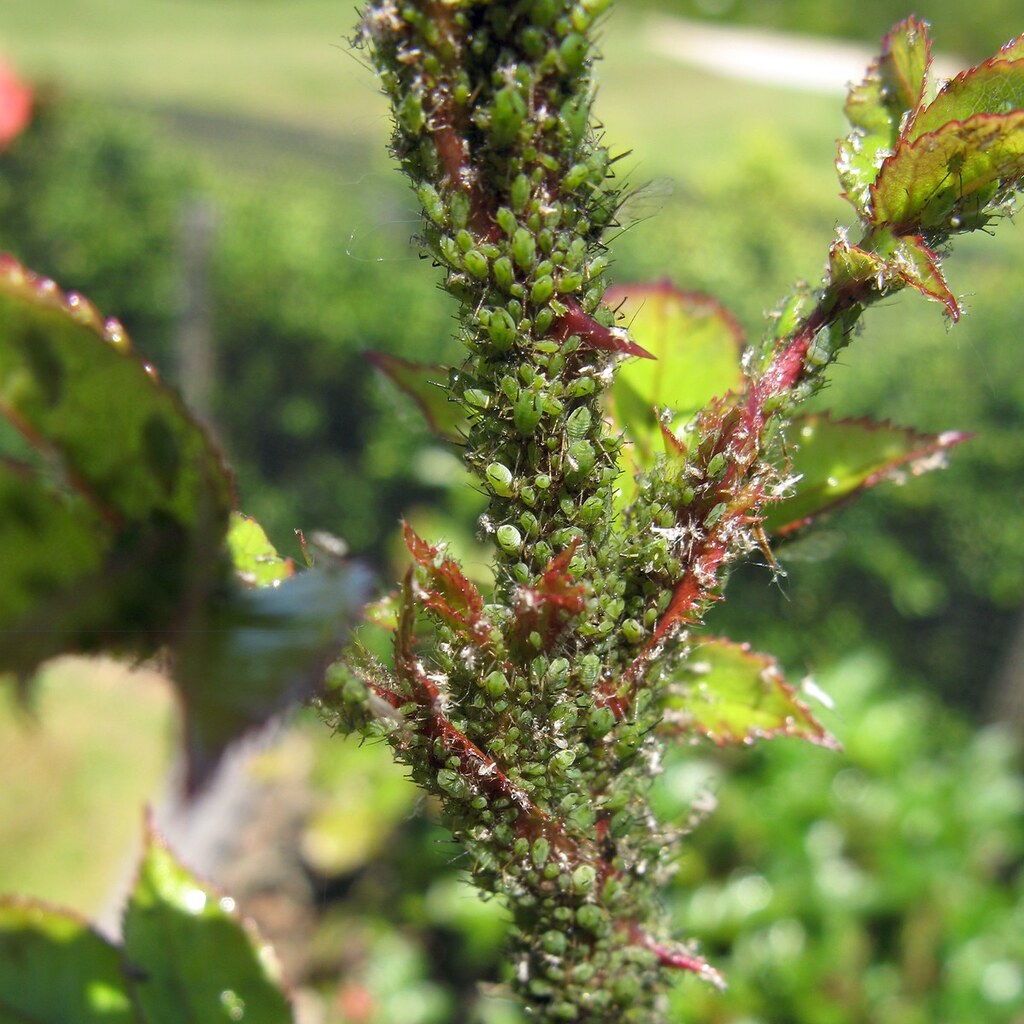
Aphids, also called plant lice, are a tiny, sapsucking insect. They are attracted to fresh new shoots of plants, especially developing fruit and flowerbuds. They can do a lot of damage to crops, and gardeners do not like them. Aphids can be killed by poison, removed by squirting them off with water from a hose, or their numbers can be reduced naturally by encouraging aphid-eaters like ladybugs and wasps into your garden.
The aphids in the picture are on a the developing flower bud of a rose.
The aphids in the picture are on a the developing flower bud of a rose.
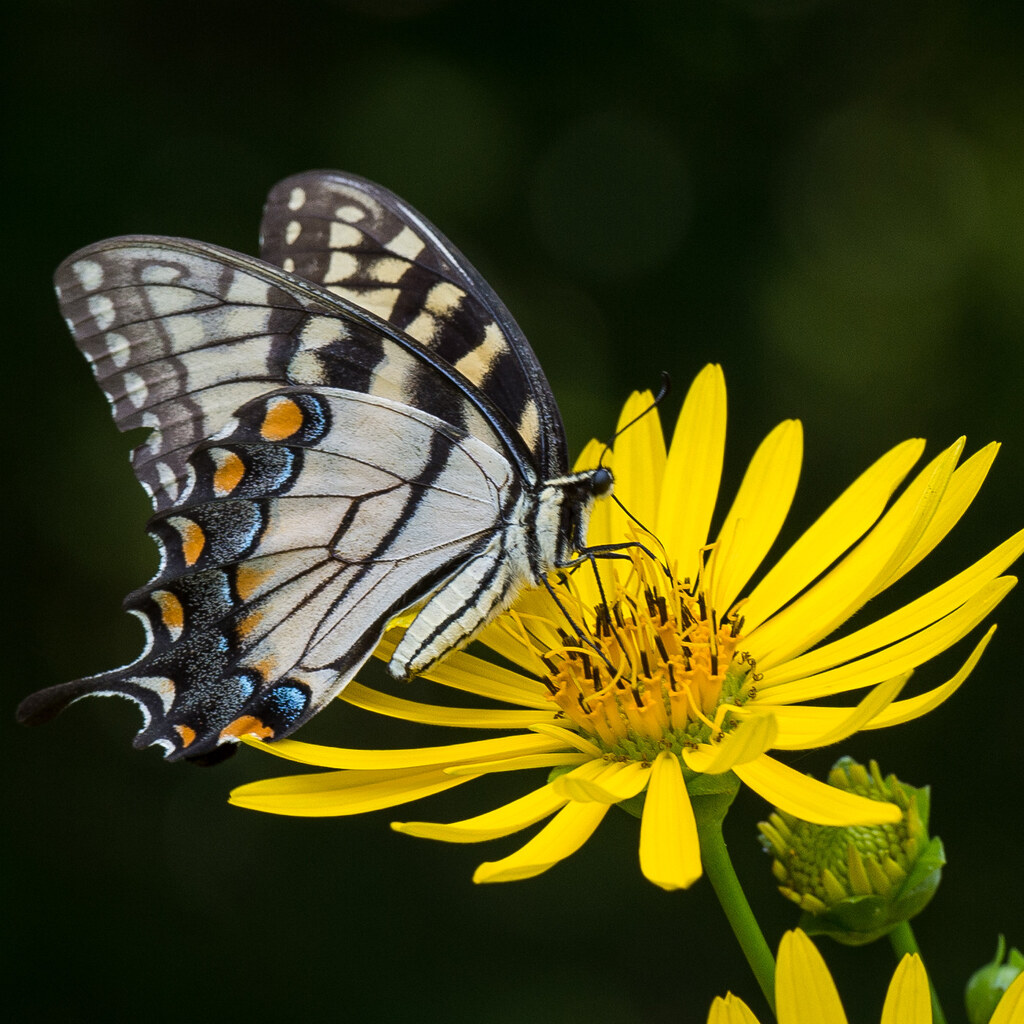
Butterflies are a kind of insect that changes completely as it goes through its life. A butterfly starts as an egg, which hatches into a caterpillar. Caterpillars spend all of their time eating leaves from their favourite plants.
When they are old enough, caterpillars spin a cocoon and while they are asleep inside it, they change into a butterfly. Butterflies eat nectar from flowers, and live for a much, much shorter time than caterpillars.
When they are old enough, caterpillars spin a cocoon and while they are asleep inside it, they change into a butterfly. Butterflies eat nectar from flowers, and live for a much, much shorter time than caterpillars.
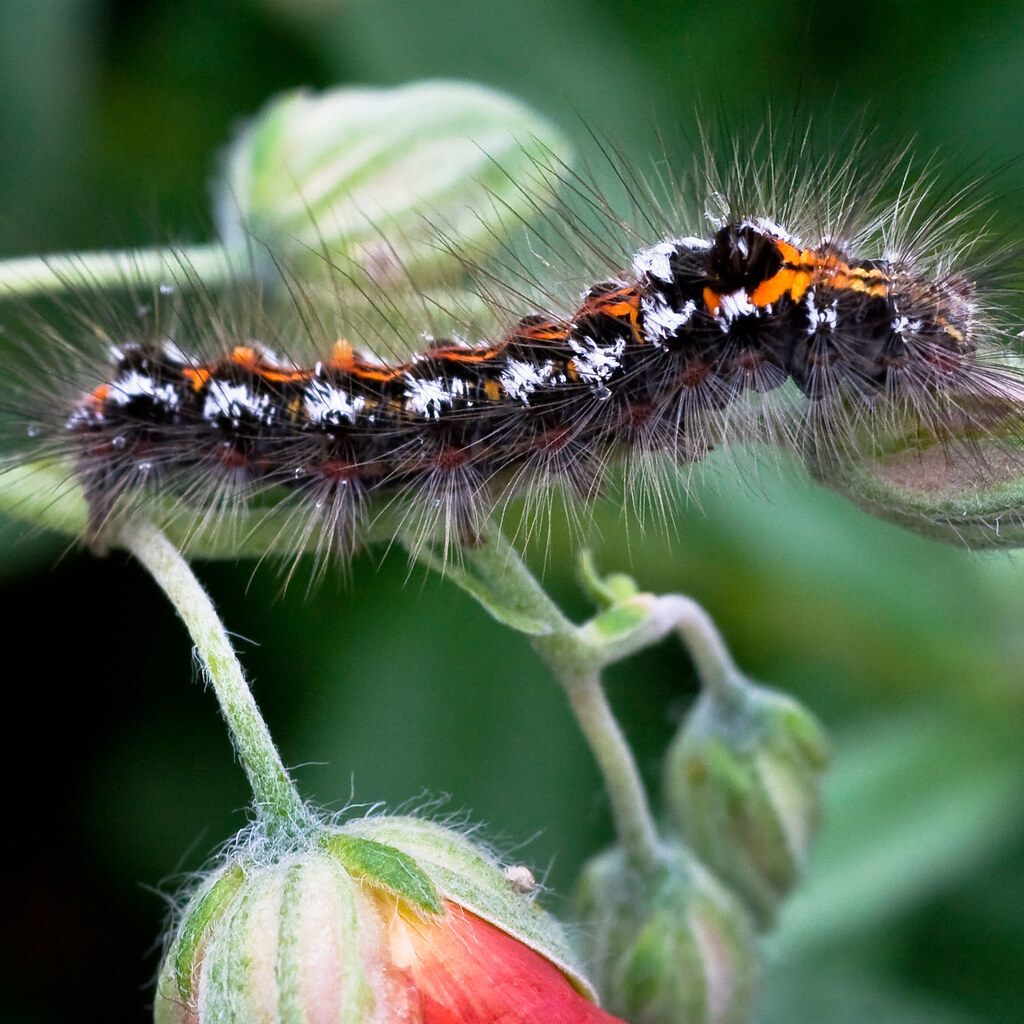
C is for Caterpillar
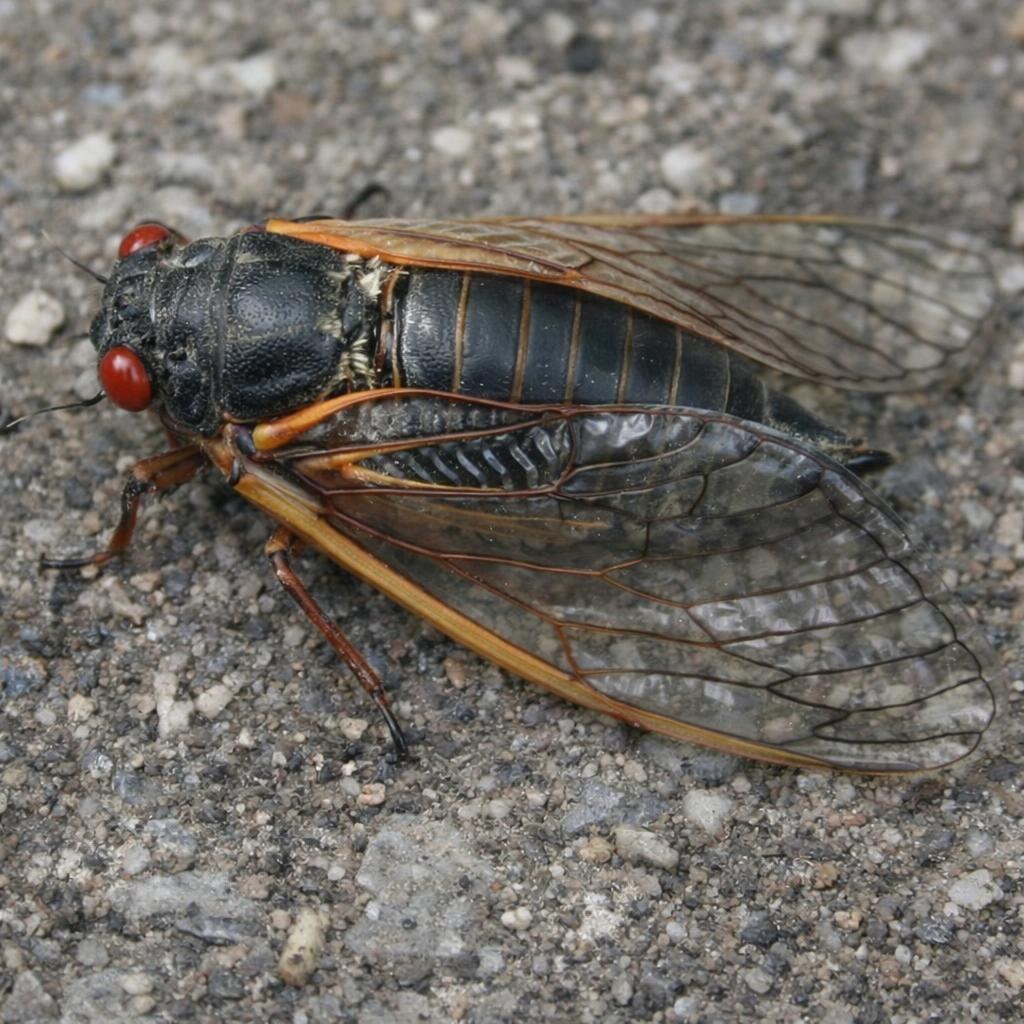
Cicadas are big, noisy insects that can be found all over the world. Most species are about 2-5cm long but some grow to 16cm long. Only male cicadas make the noise, and they are partly hollow to make the noise louder. Female cicadas are not hollow, and as they are very big and meaty, some people eat them.
Cicadas spend the first part of their life underground as nymphs, a time of their life which can last for up to 17 years. When the nymphs come to the surface, they shed their skin and emerge as winged adult cicadas.
Cicadas spend the first part of their life underground as nymphs, a time of their life which can last for up to 17 years. When the nymphs come to the surface, they shed their skin and emerge as winged adult cicadas.
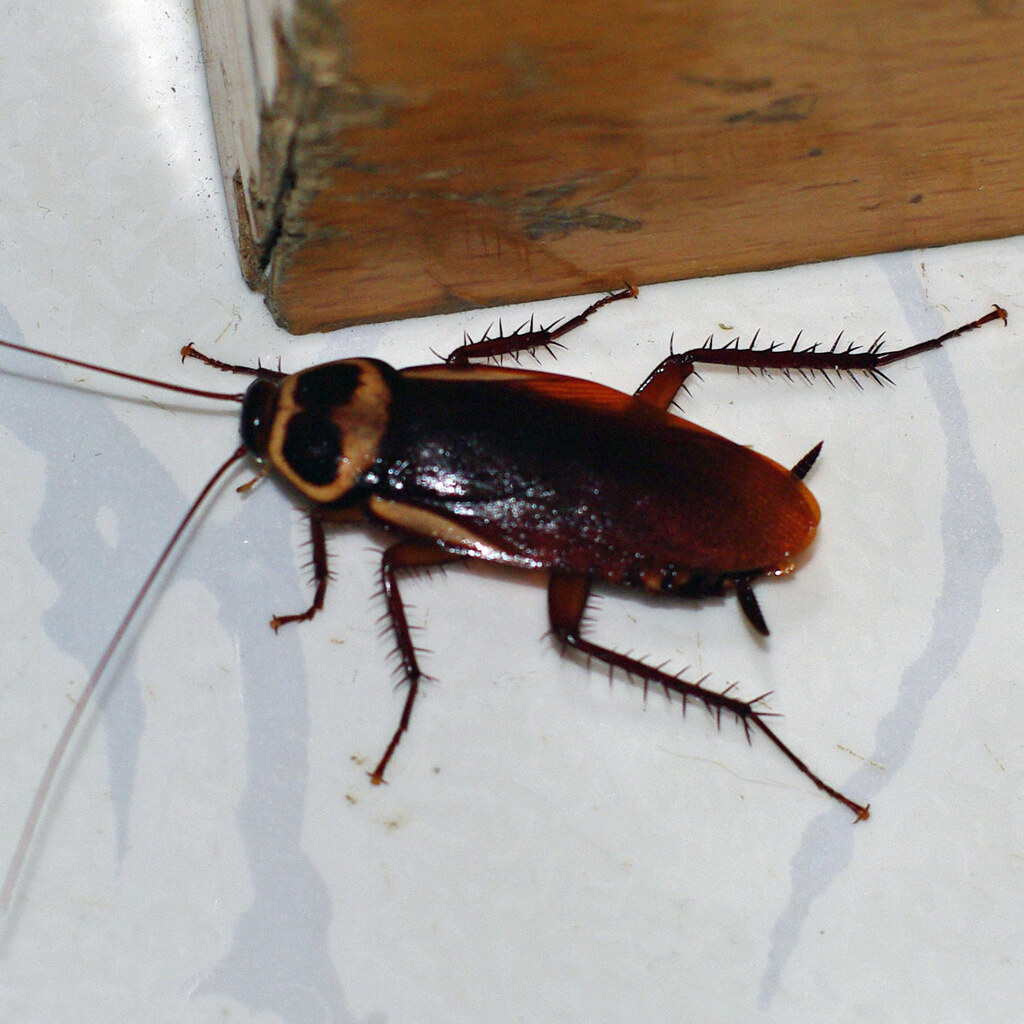
Cockroaches, sometimes just called roaches, are a type of insect. There are thousands of kinds of cockroach but only a few are pests found inside houses. The cockroach in the picture is a German cockroach. They like warm, moist places, and are particularly fond of garbage bins.
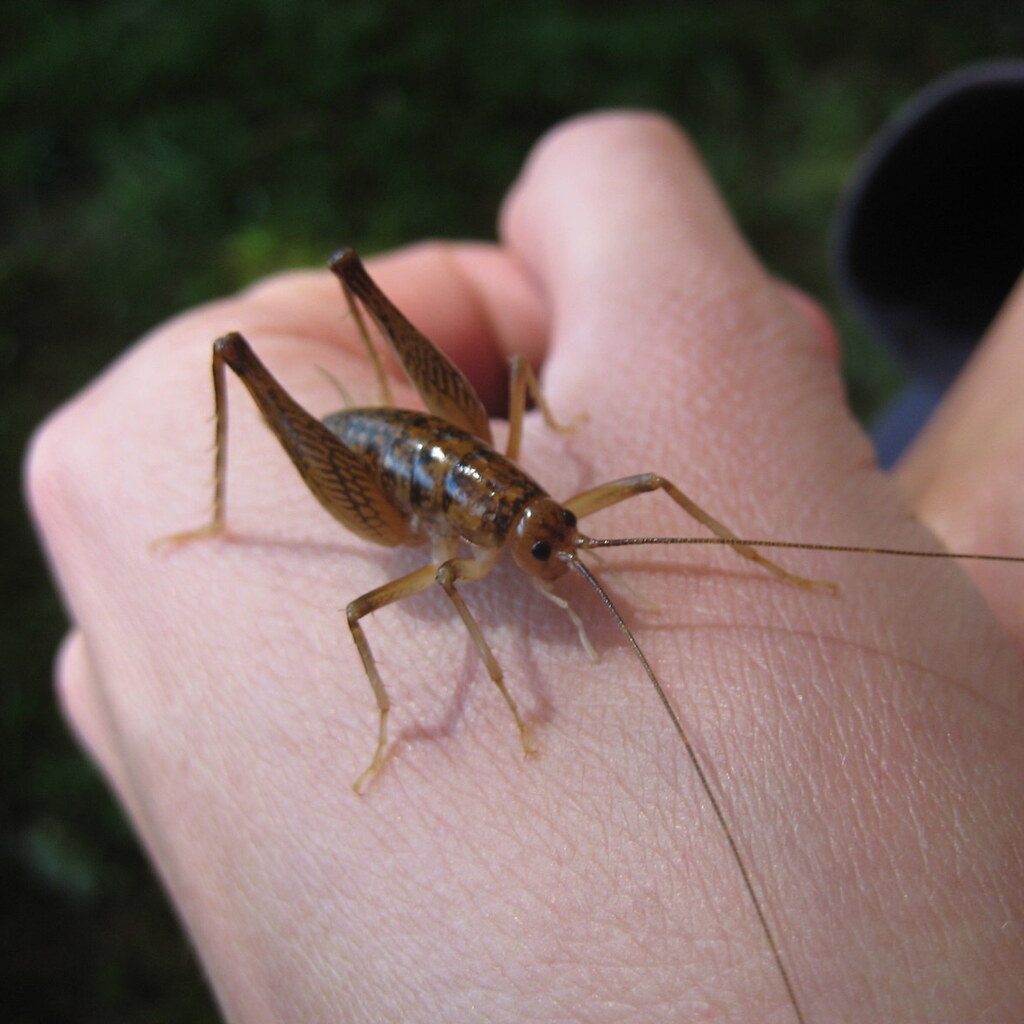
Crickets are a type of insect distantly related to grasshoppers. Crickets make a distinctive "chirping" noise. Crickets make this noise by rubbing their hind legs together.
There are many different varieties of cricket, and they all have a slightly different "chirp".
There are many different varieties of cricket, and they all have a slightly different "chirp".
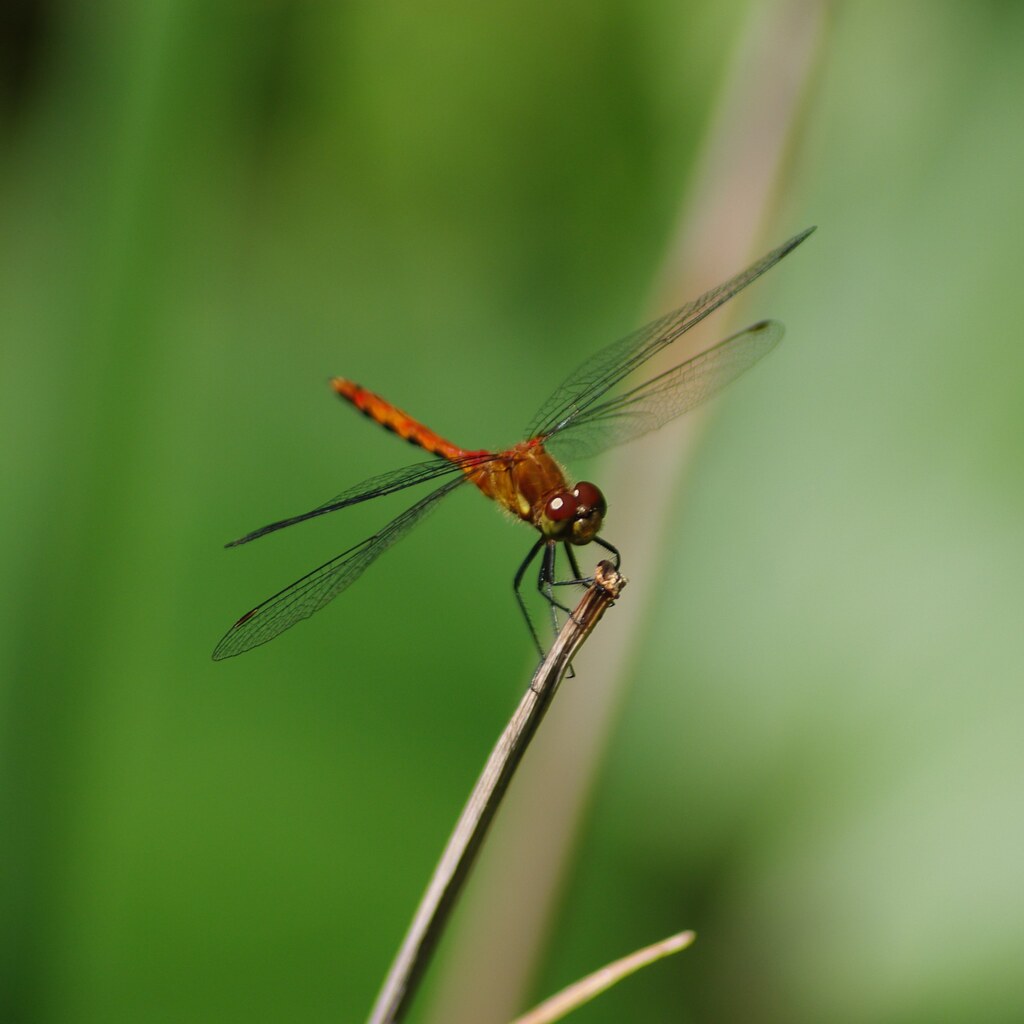
Dragonflies eat mosquitoes and other small insects like flies, bees, ants, and butterflies. They are usually found around water because their babies or larvae, known as nymphs, live underwater.
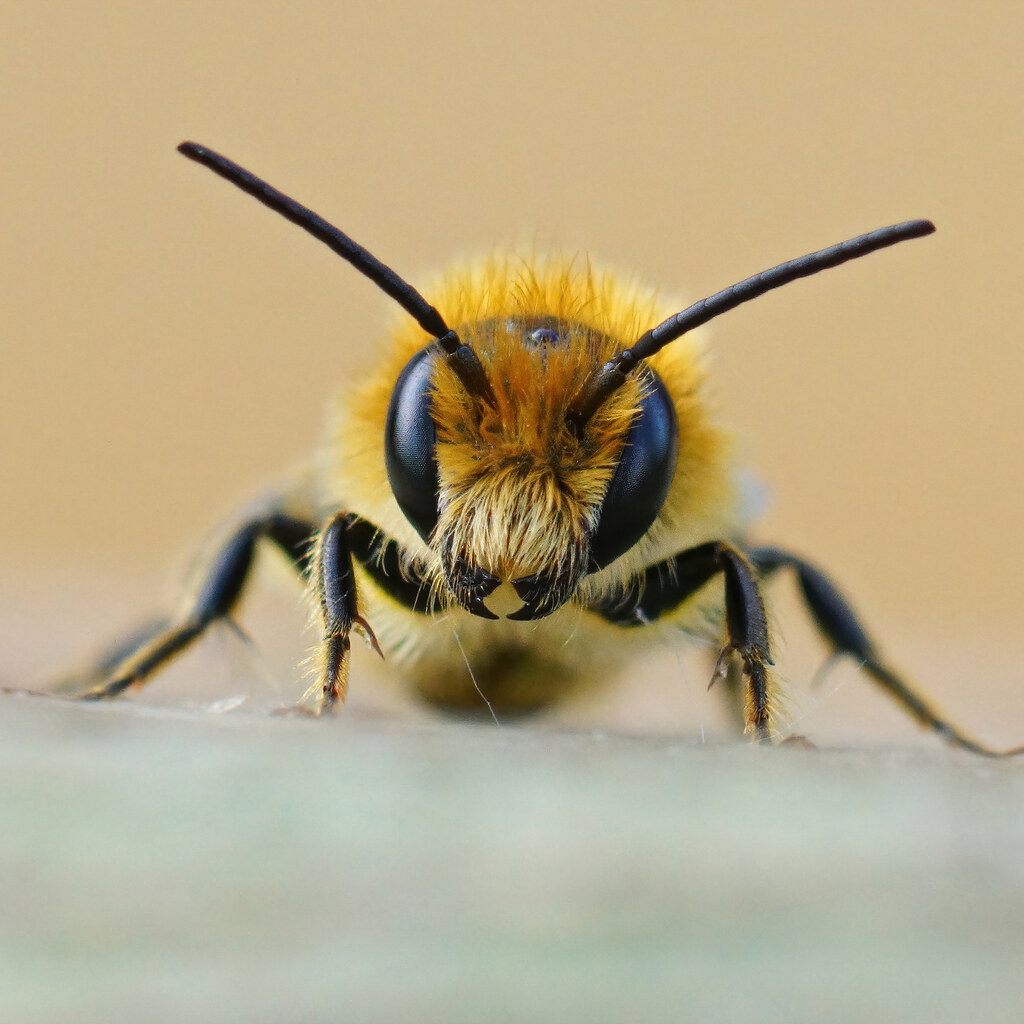
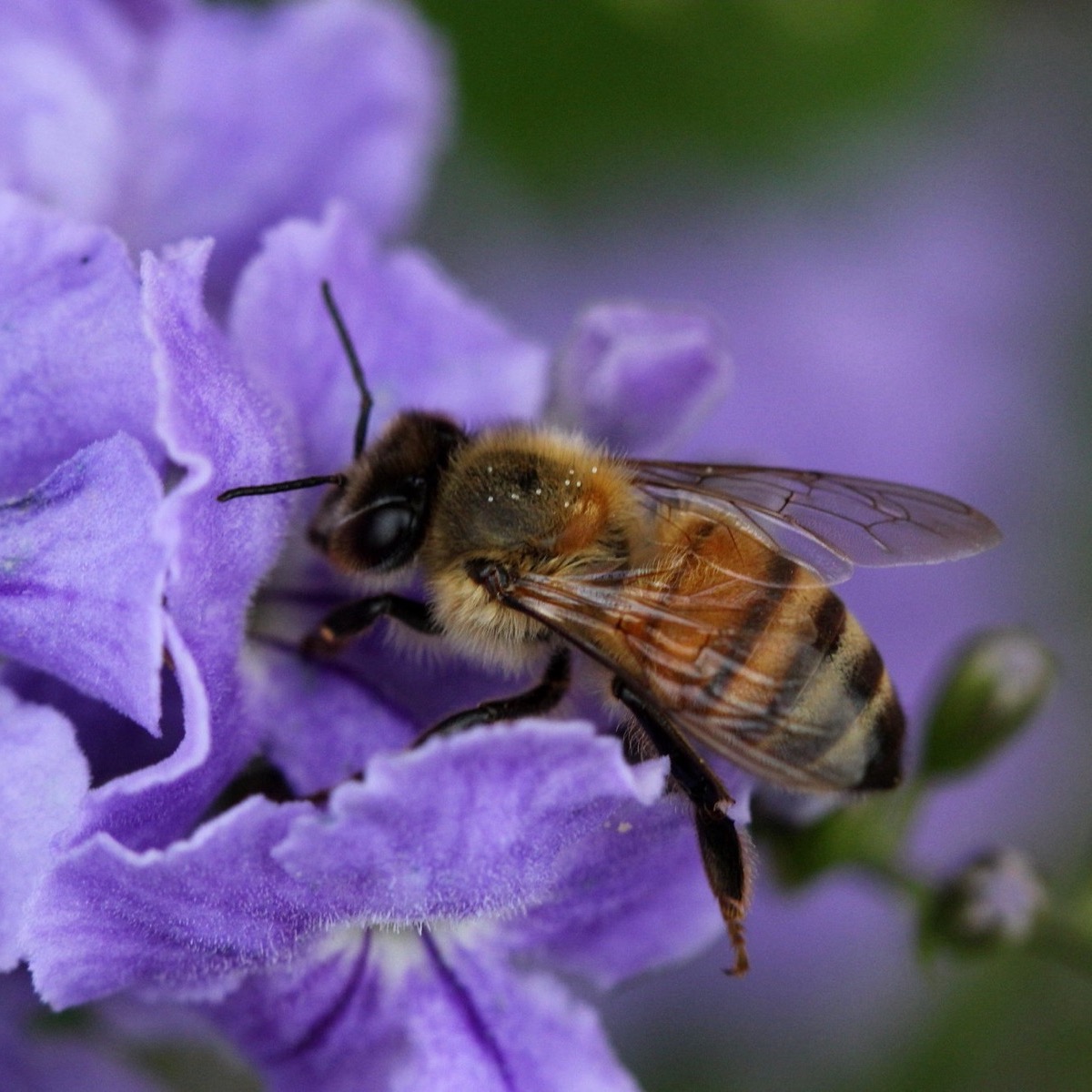
D is for Drone (Bee)
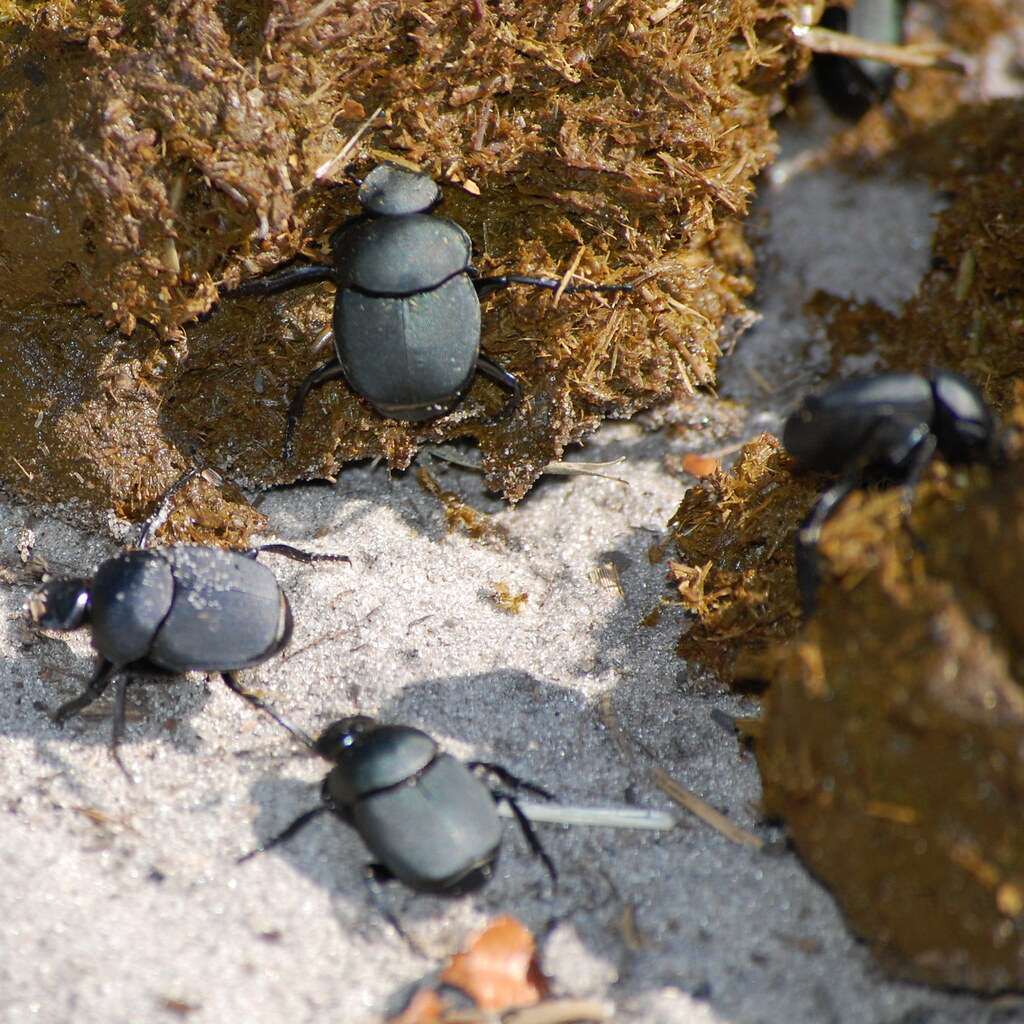
D is for Dung beetle
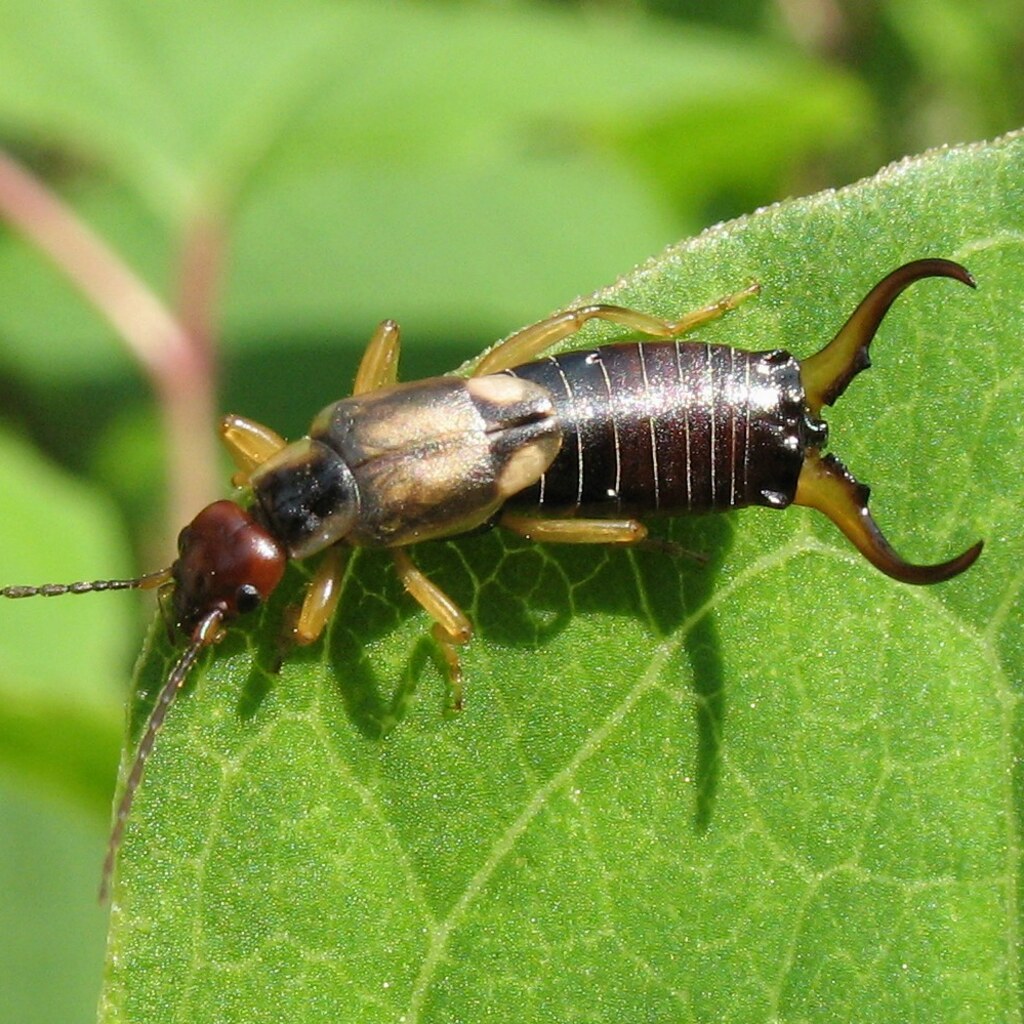
Earwigs are a very common insect found all over the world. They eat ripe fruit, trash, other insects and the young shoots of plants.
They get their name because a long time ago people beleived that earwigs crawled into people's brains through their ears to lay their eggs. Earwigs do like hiding in warm, dark, damp places so it is possible they will hide in people's ears if they have the chance.
They get their name because a long time ago people beleived that earwigs crawled into people's brains through their ears to lay their eggs. Earwigs do like hiding in warm, dark, damp places so it is possible they will hide in people's ears if they have the chance.
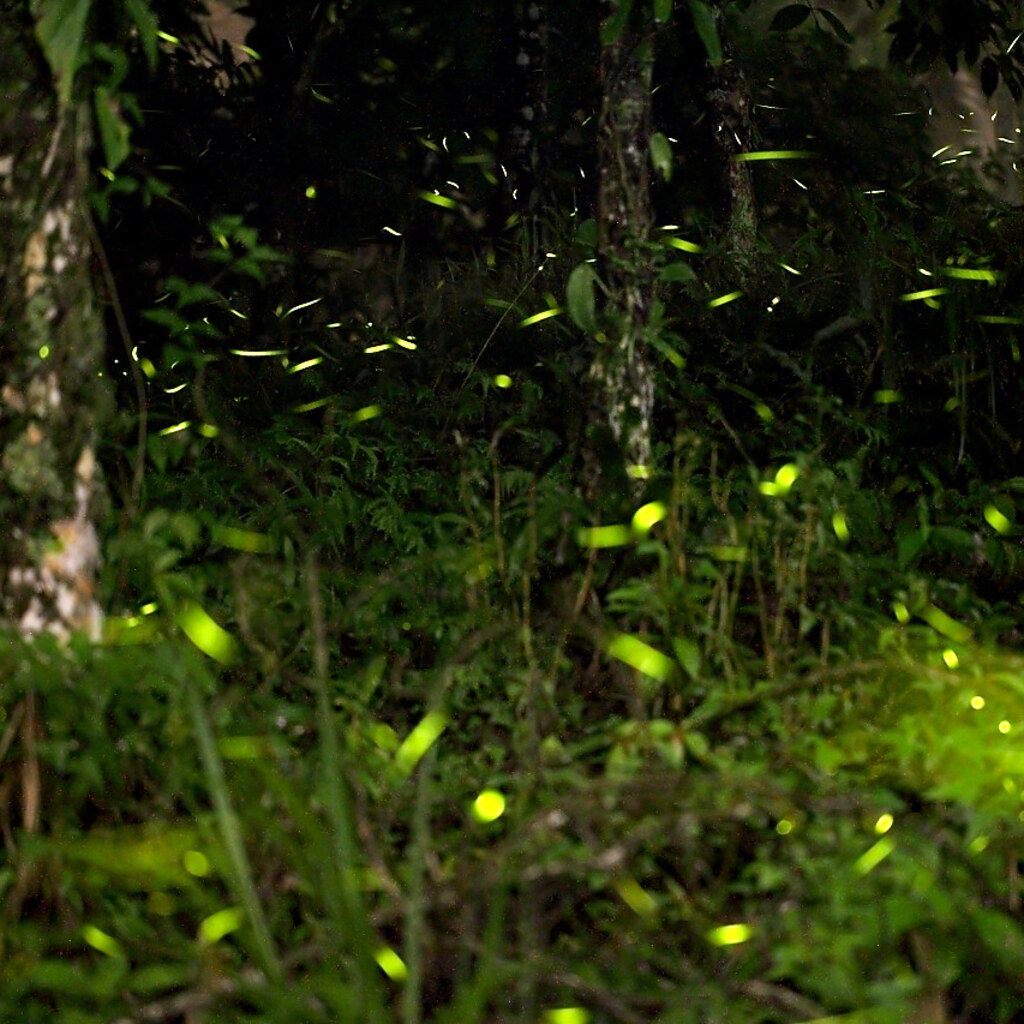
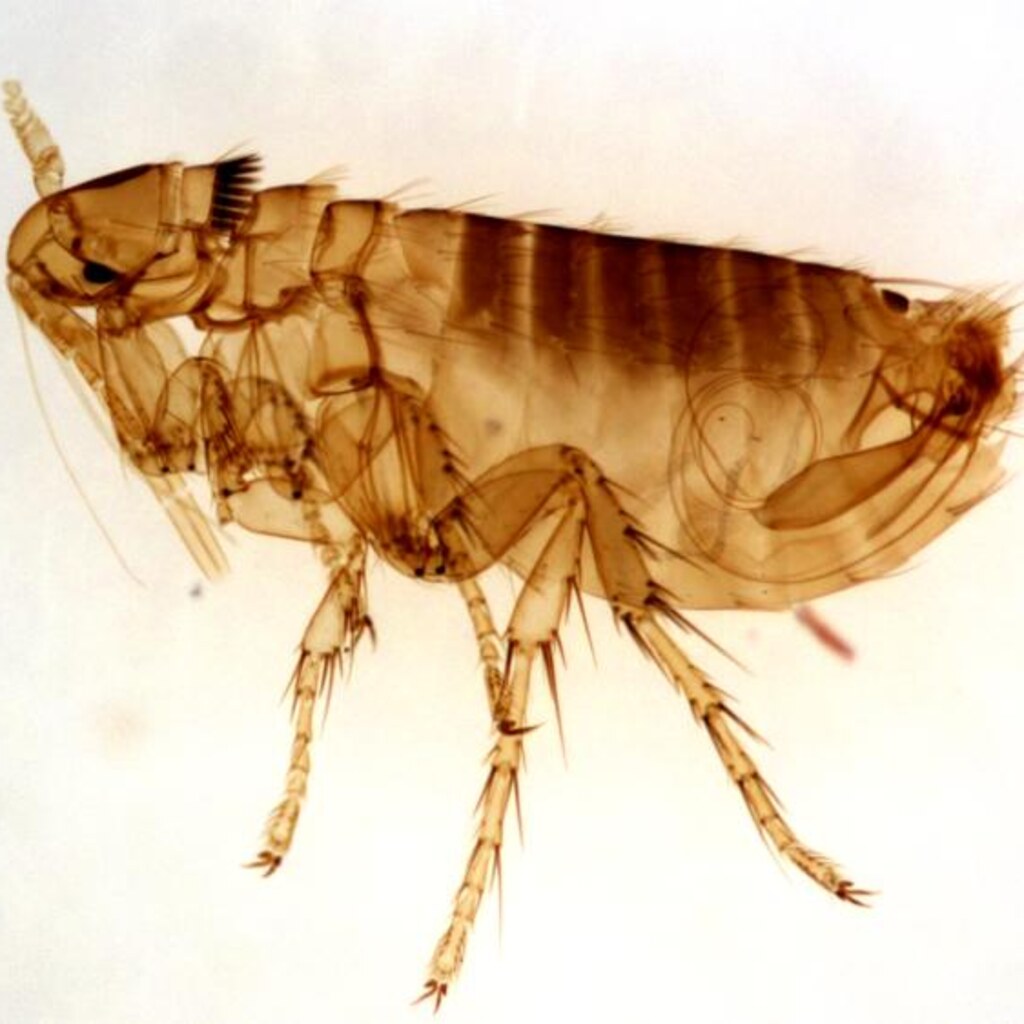
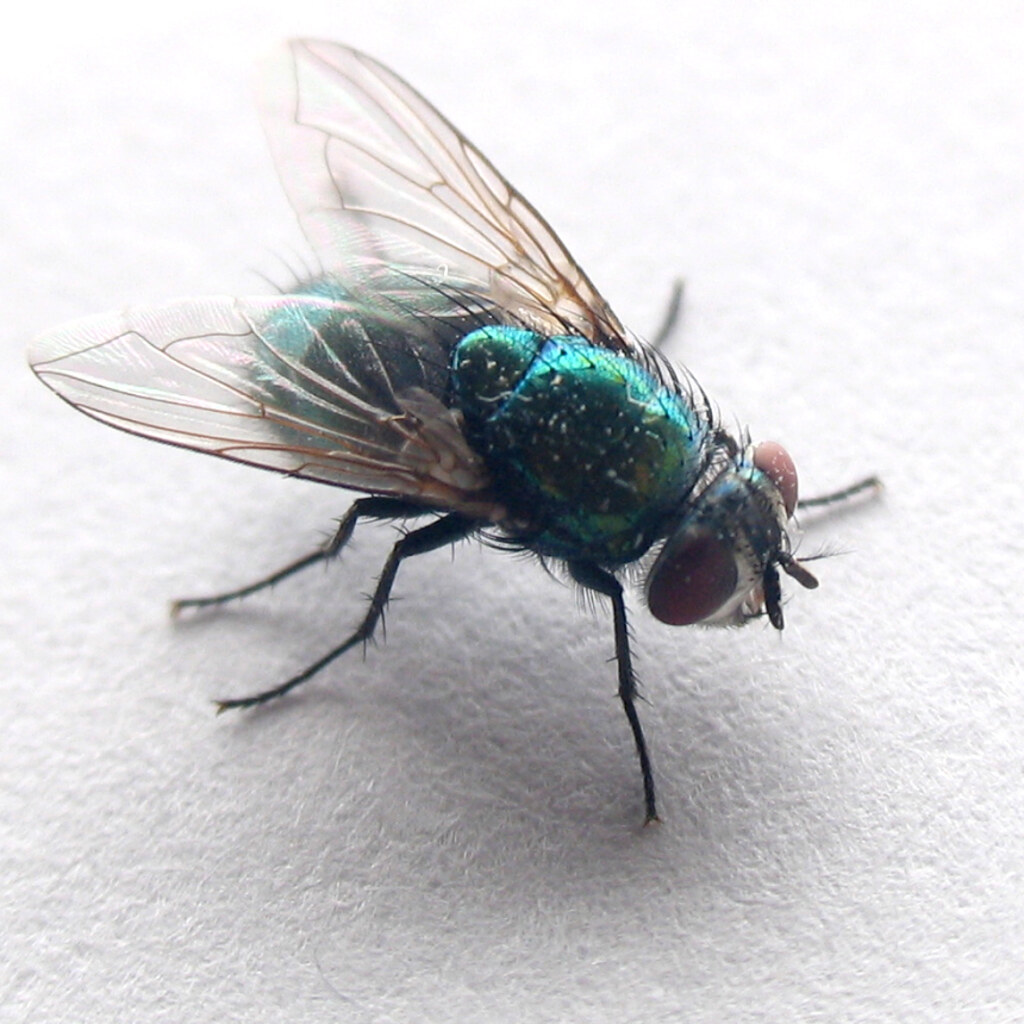
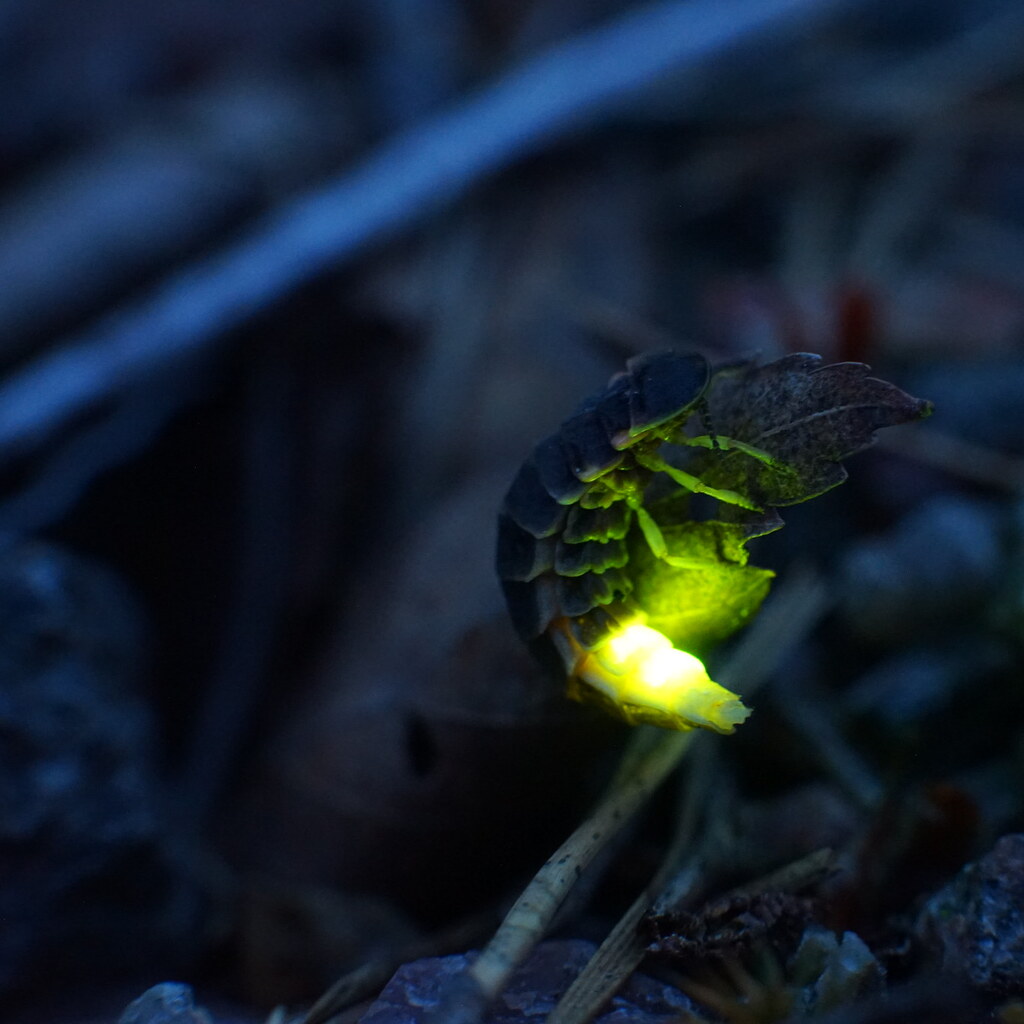
Glow-worm is a name given to any insect on the ground that glows, and you can see them at night. Some do look like worms, most are kinds of caterpillar or beetle. Firefly is also a word for the same insects, but glow worm is usually used for glowing insects on the ground, and firefly for glowing insects that fly.