Showing 21-40 of 40
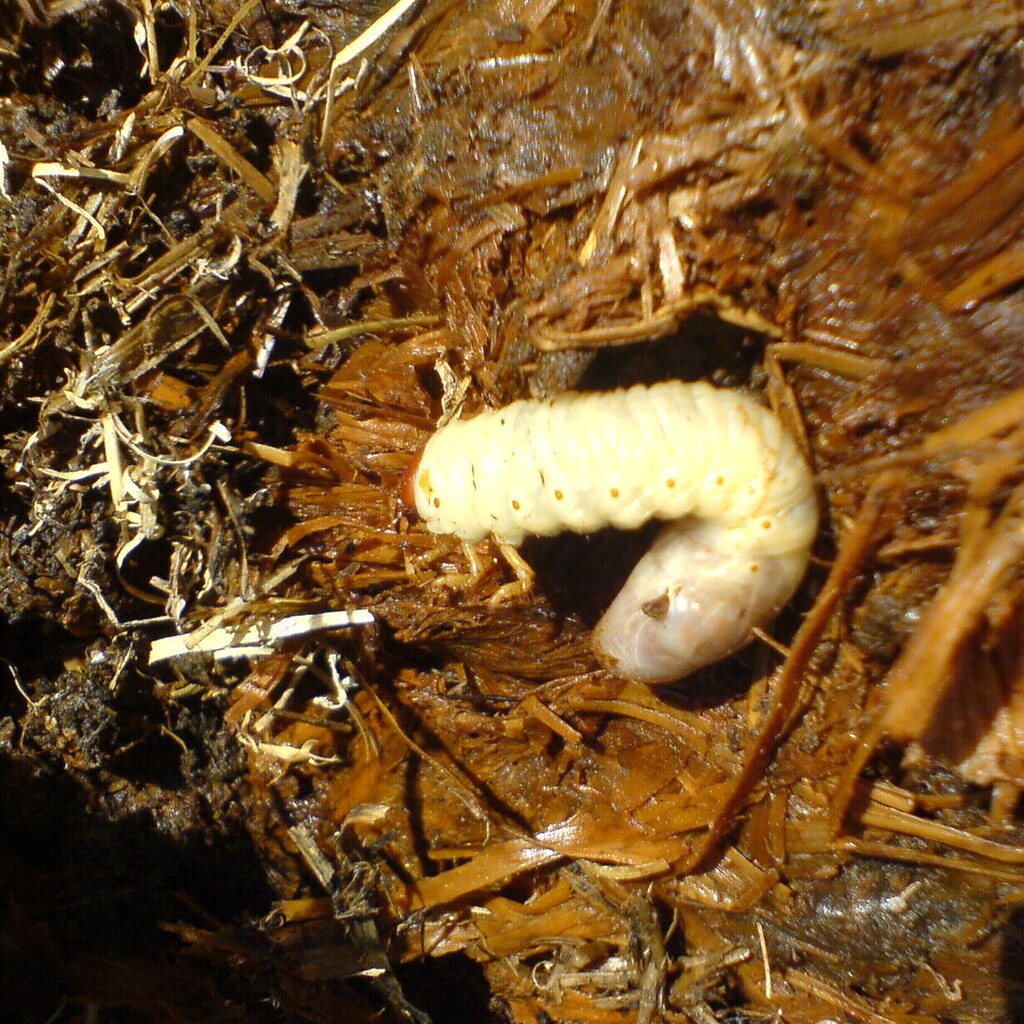
A grub is the immature form of many insects, particularly beetles. Grubs usually live in the ground or in fallen leaves, eating rotting vegetation. The grubs you commonly see in your backyard will grow up to be either beetles or moths. Grubs all look quite similar to each other but can look dramatically different to the adult insect they will turn into.
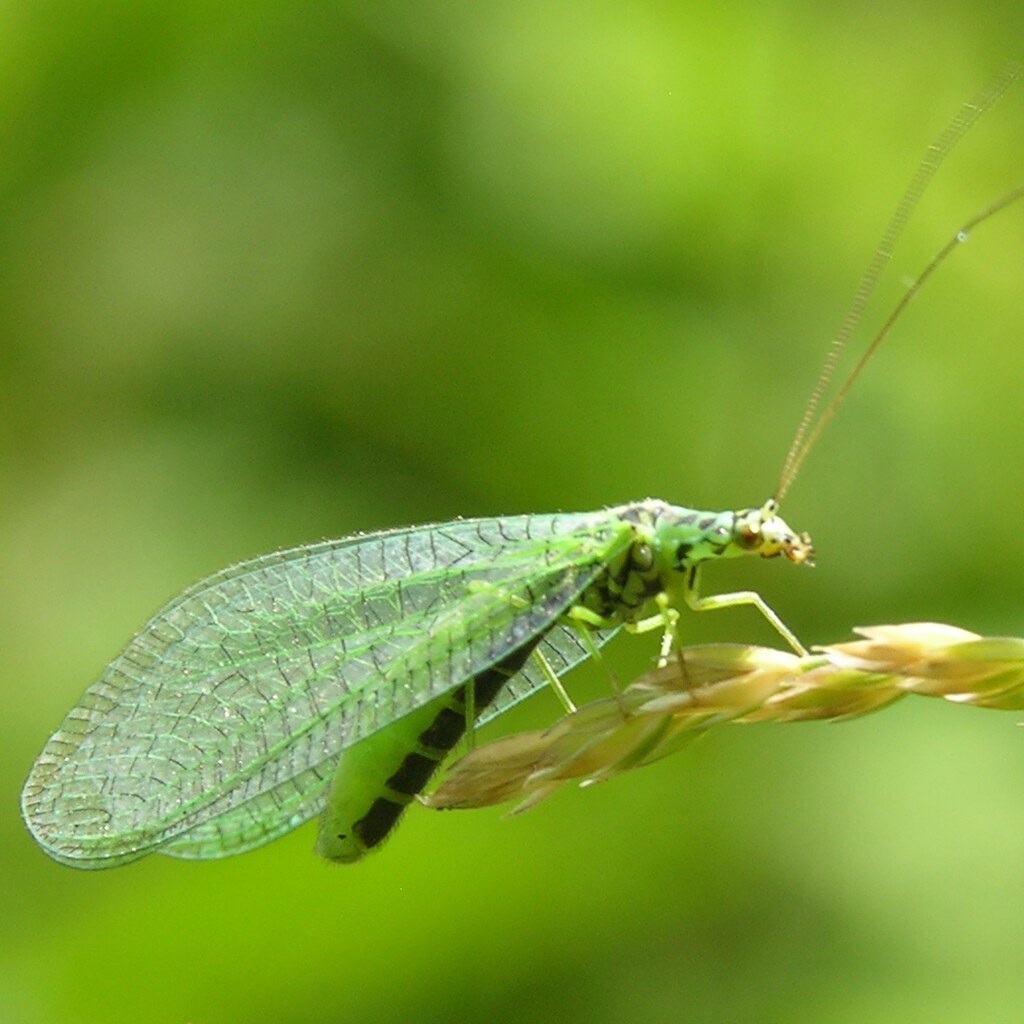
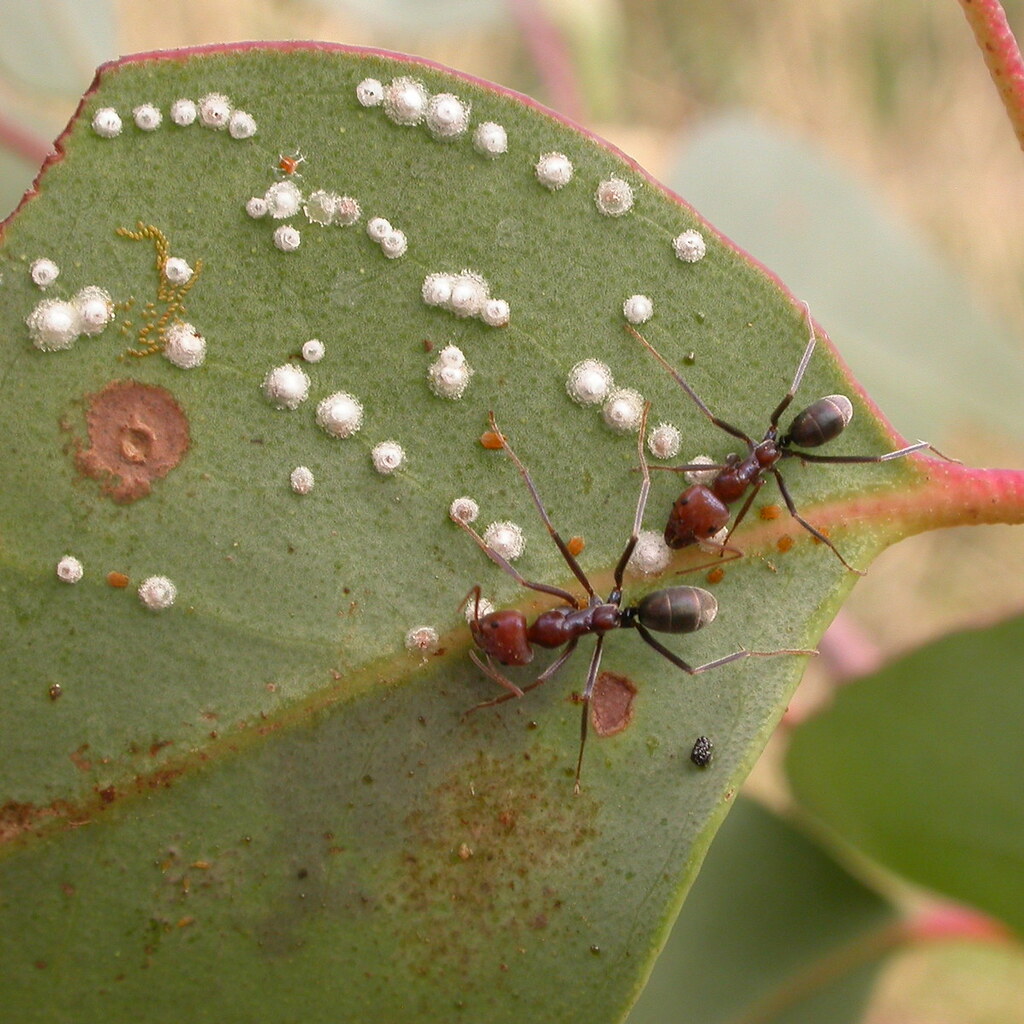
A lerp is a protective cover made by the larvae of some kinds of insects. Lerps are made from sugary liquid that the larvae make. Once it is dry, it is hard and crystalline.
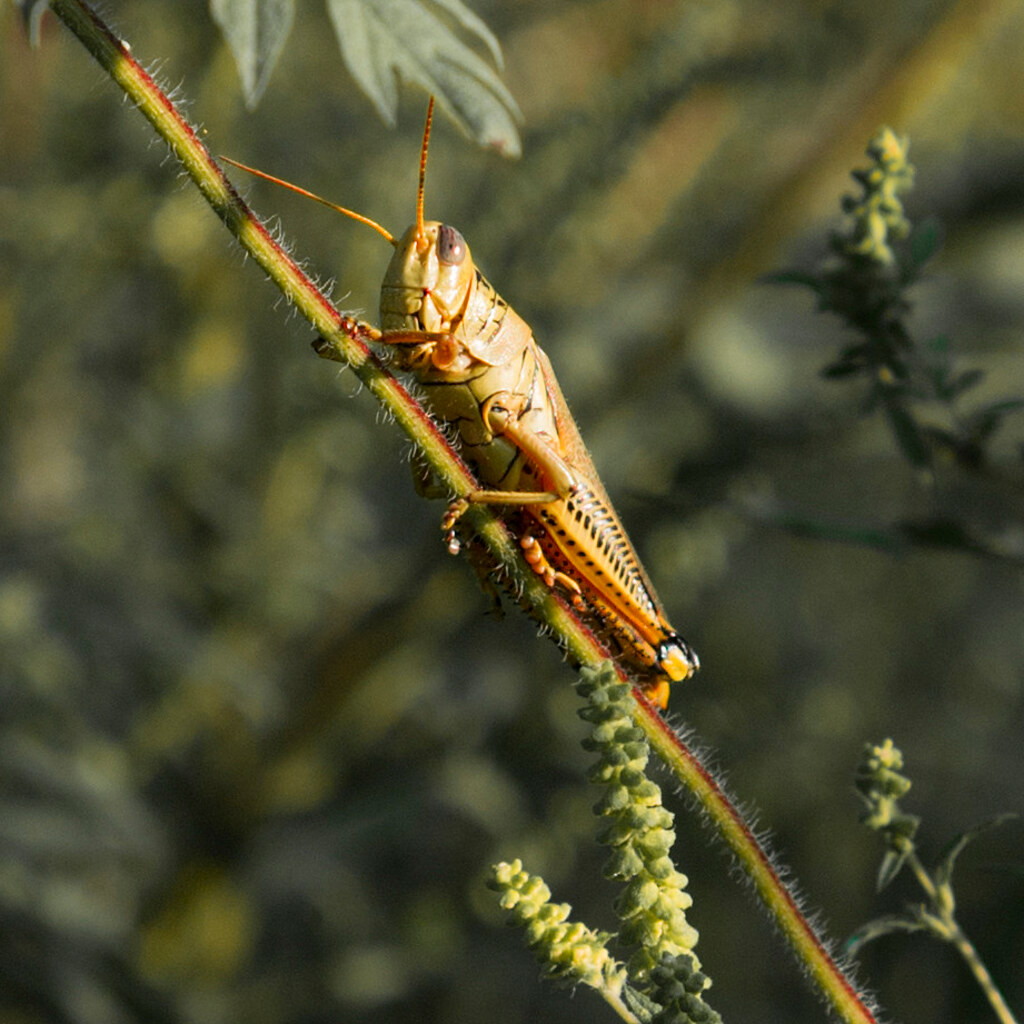
Locusts are a kind of grasshopper that form into huge swarms. When they are swarming in such large numbers they can strip crops and gardens completely.
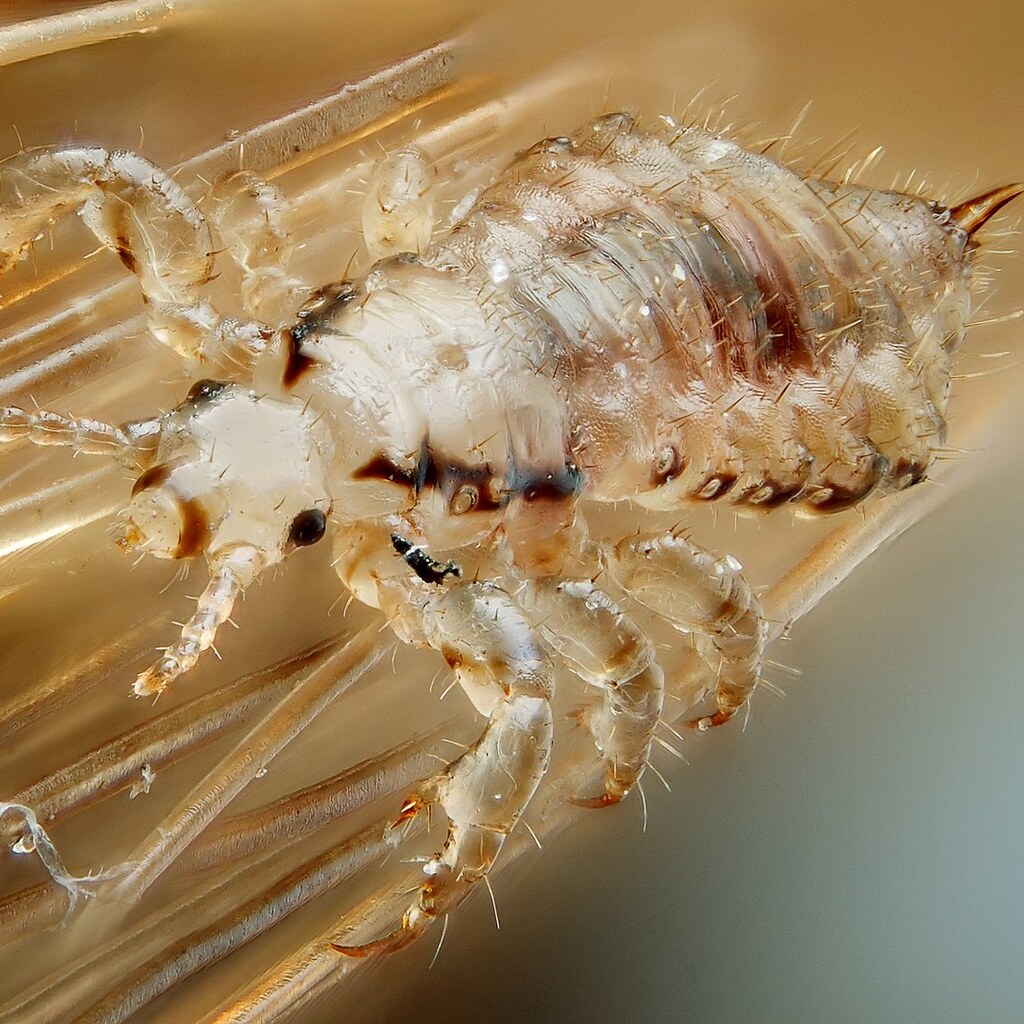
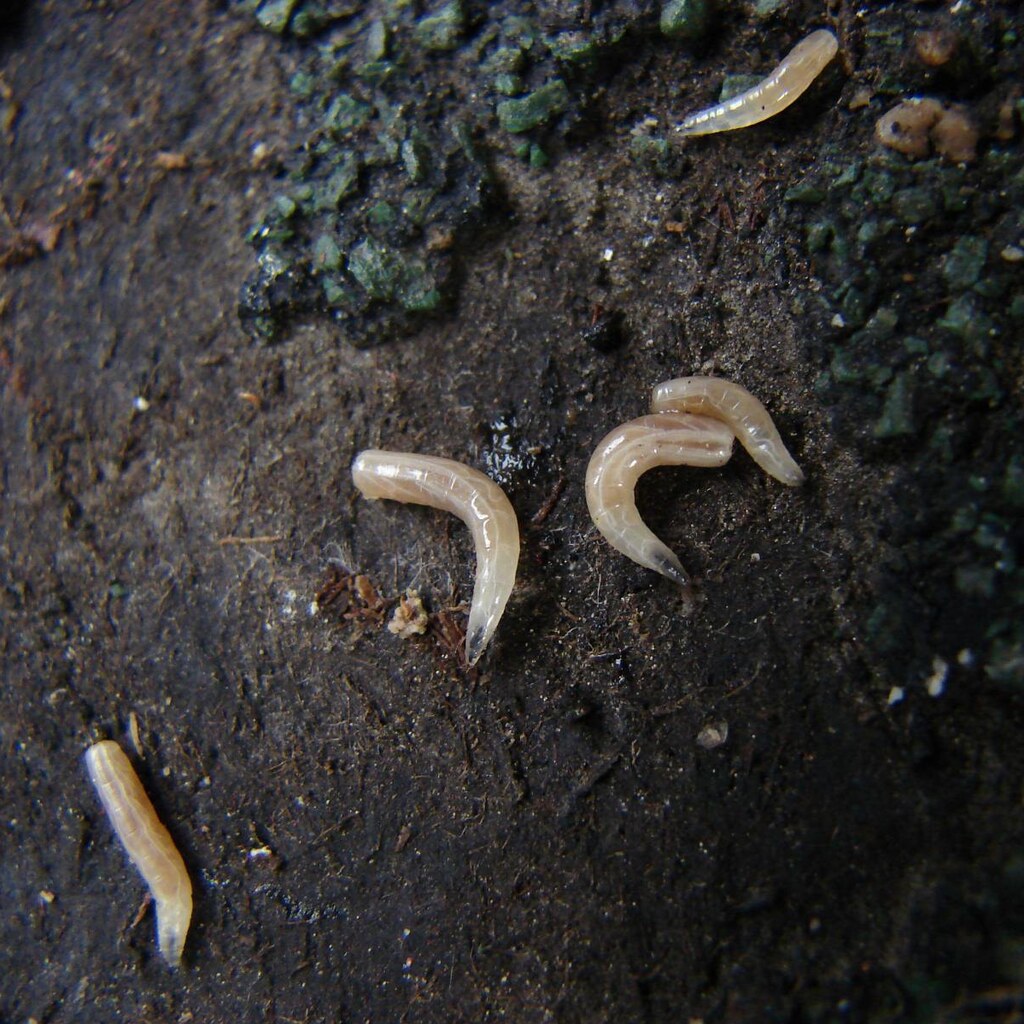
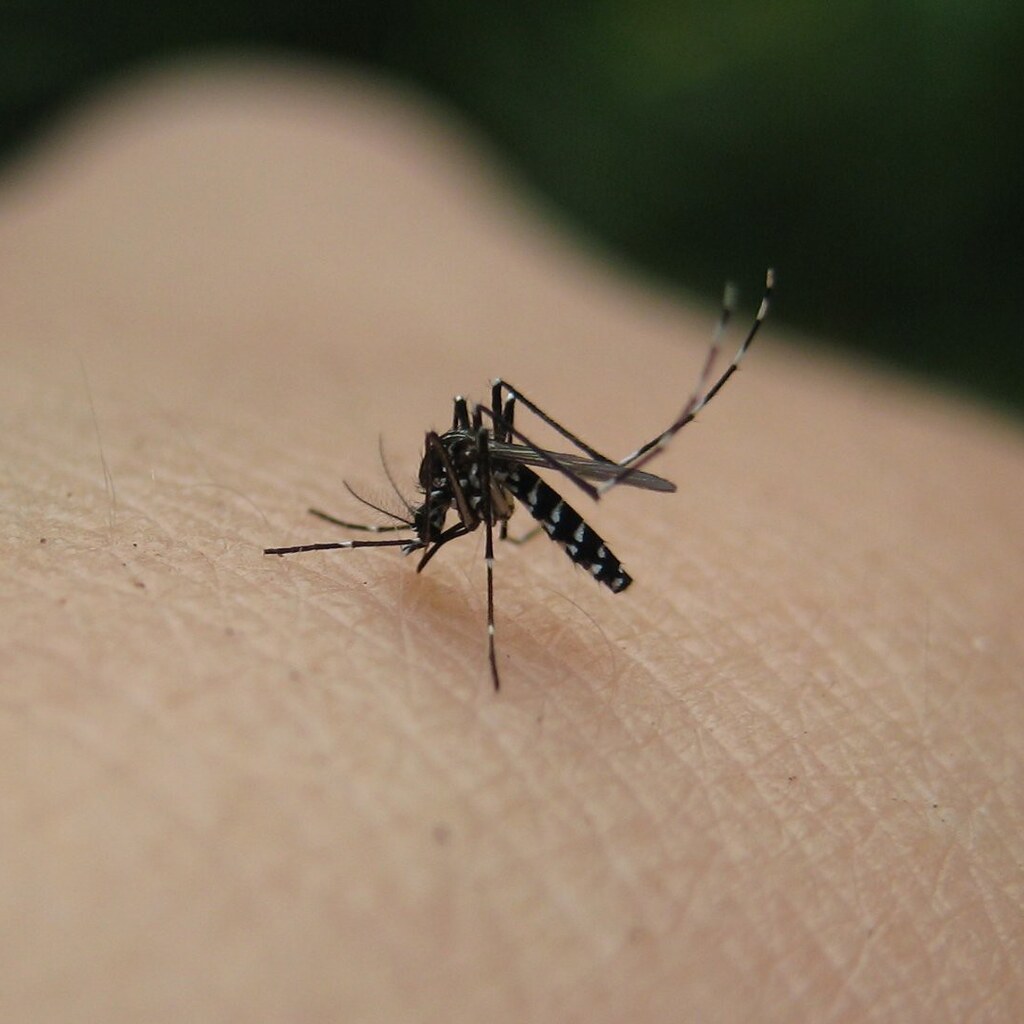
A mosquito is a common insect that flies. Mosquitoes have a very sharp, hollow tongue that they use to stick through your skin and drink your blood. Some mosquitoes carry very dangerous diseases which can make you very sick. Mosquitoes lay their eggs in water, and the baby mosquitoes live in the water until they turn into the adults. It is a good idea to make sure you have no uncovered water in your backyard for mosquitoes to lay eggs in.
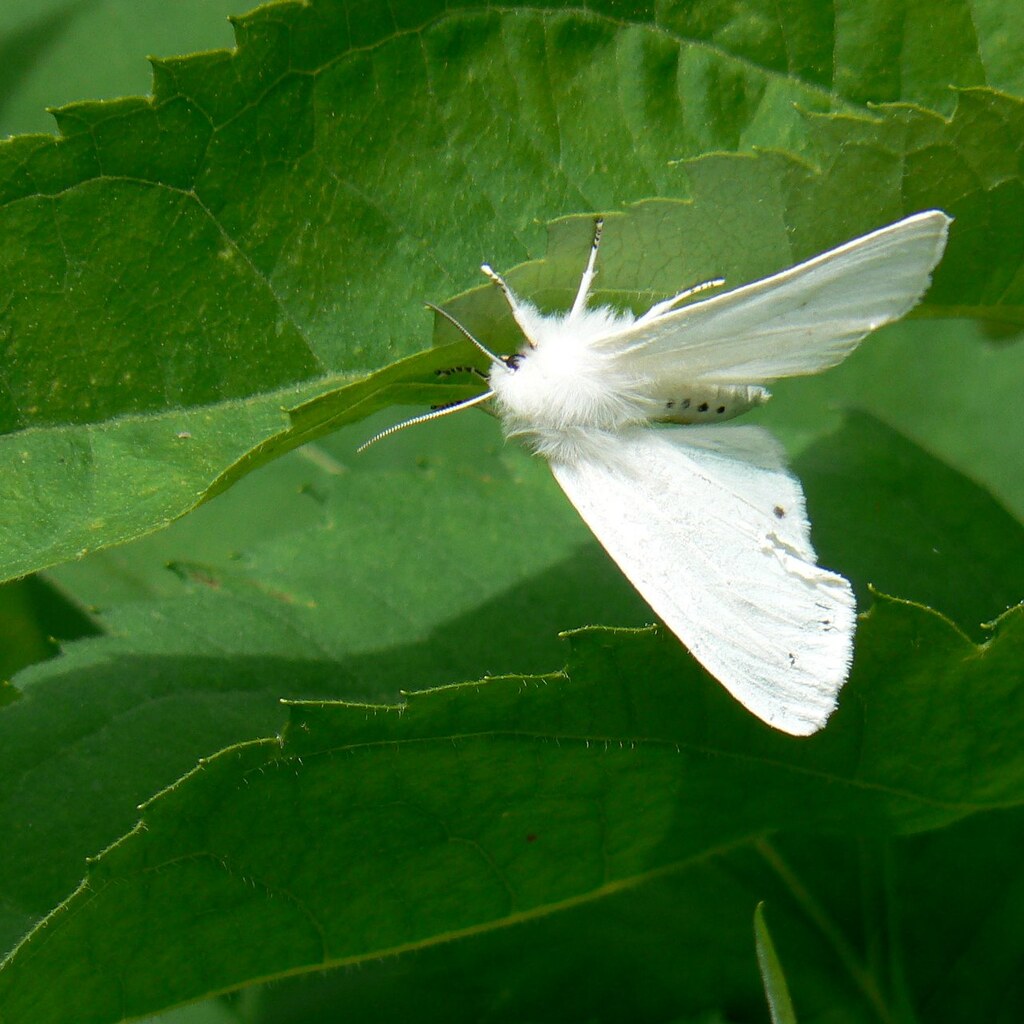
Moths are very similar to butterflies and have a similar lifecycle. They changes completely as they go through their life. A moth starts as an egg, which hatches into a caterpillar or grub. The caterpillar then spins a cocoon and turns into the adult moth. Caterpillars spend all of their time eating. Some moth caterpillars eat leaves, others eat leaf litter on the ground, and others will eat holes through the trunks of trees.
Moths are generally not as brightly coloured as butterflies, and are more likely to be seen at night than during the day. Moths are attracted to light.
Moths are generally not as brightly coloured as butterflies, and are more likely to be seen at night than during the day. Moths are attracted to light.
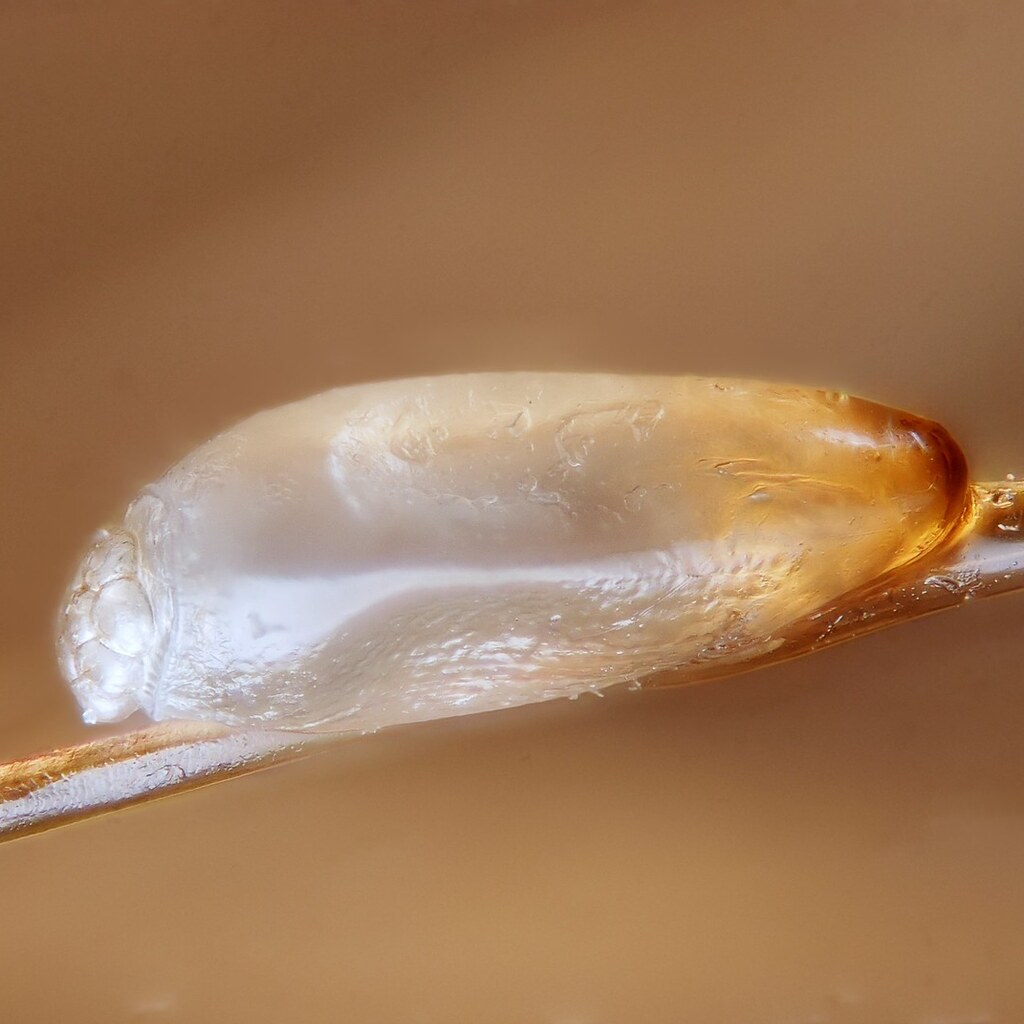
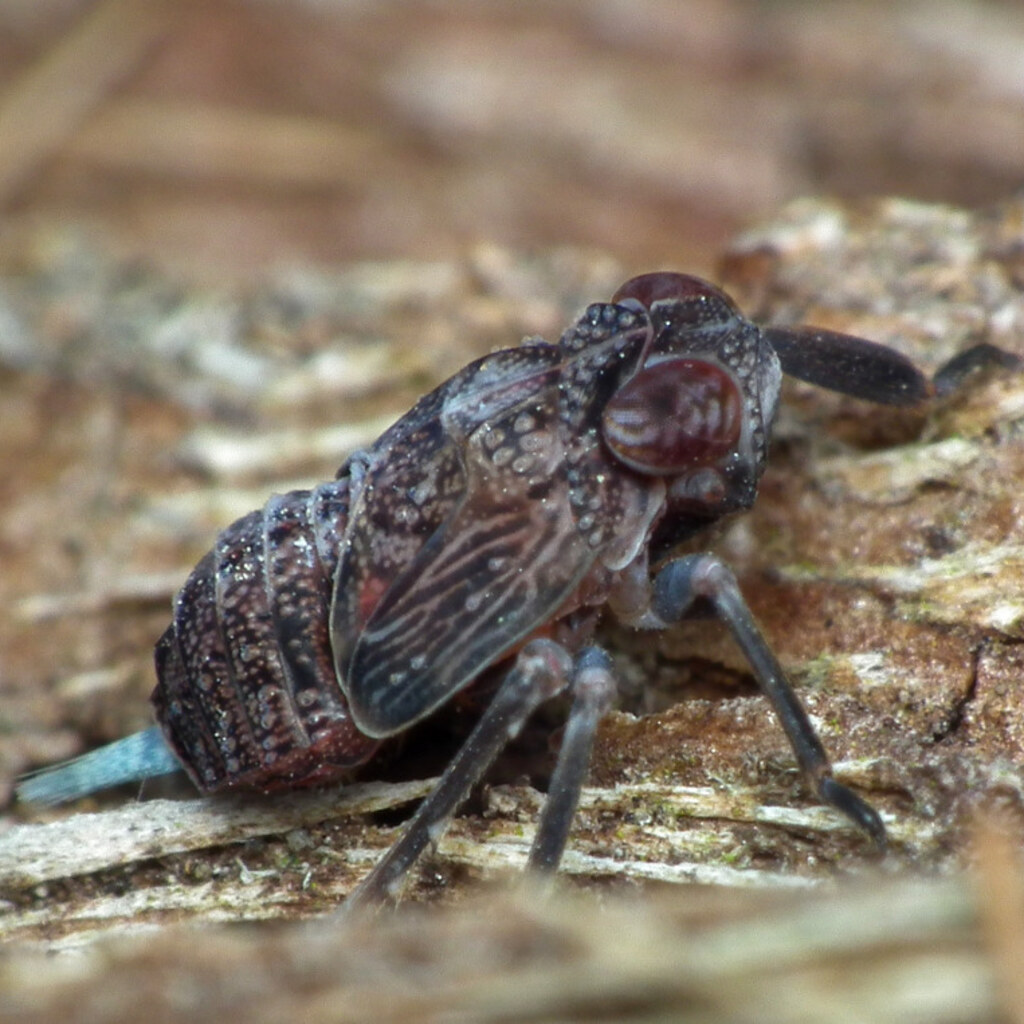
A nymph is a larval stage many kinds of insects go through. Nymphs tend to be quite similar to the adult insect, unlike insects like butterflies that have very different larval stage. Nymphs gradually grow to full size, shedding their skin each time they outgrow it, and the final time they shed their skin they make the transformation to their adult form.
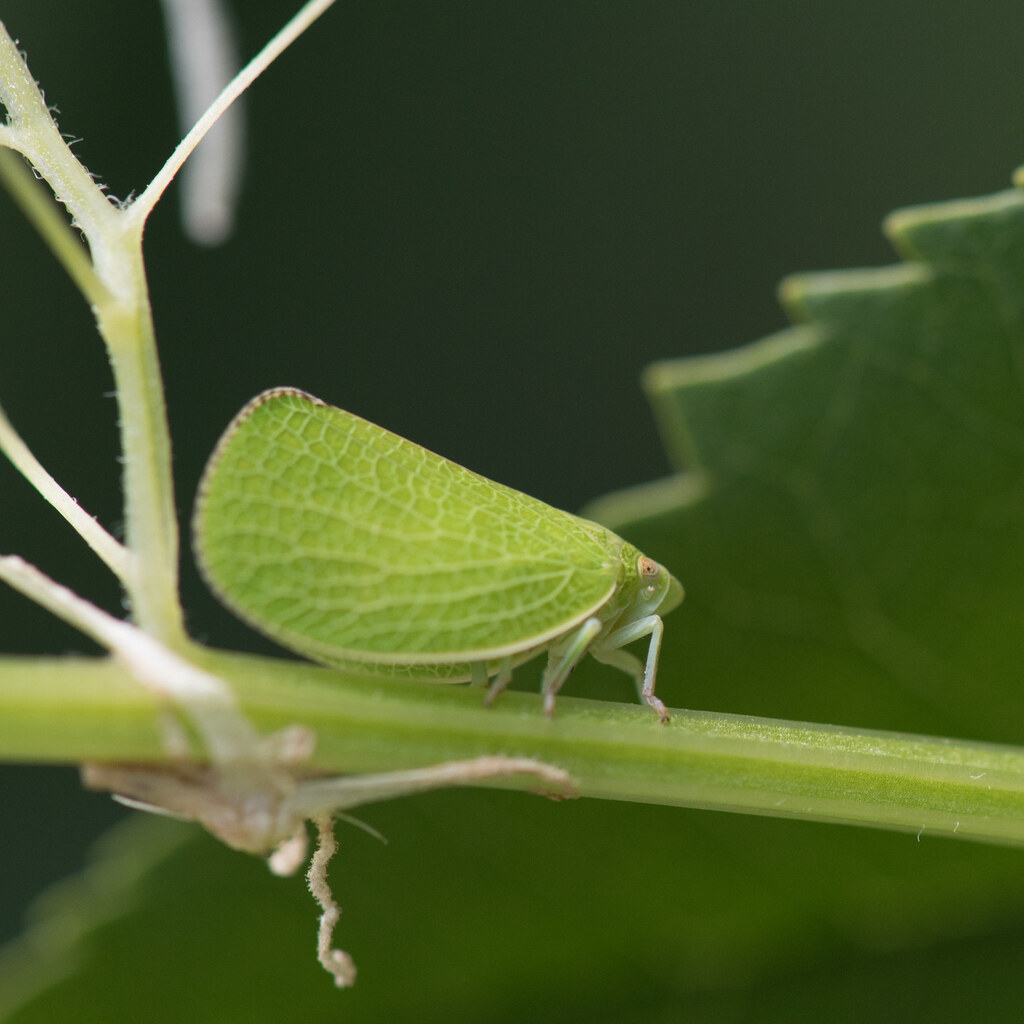
Pis forPlanthopper
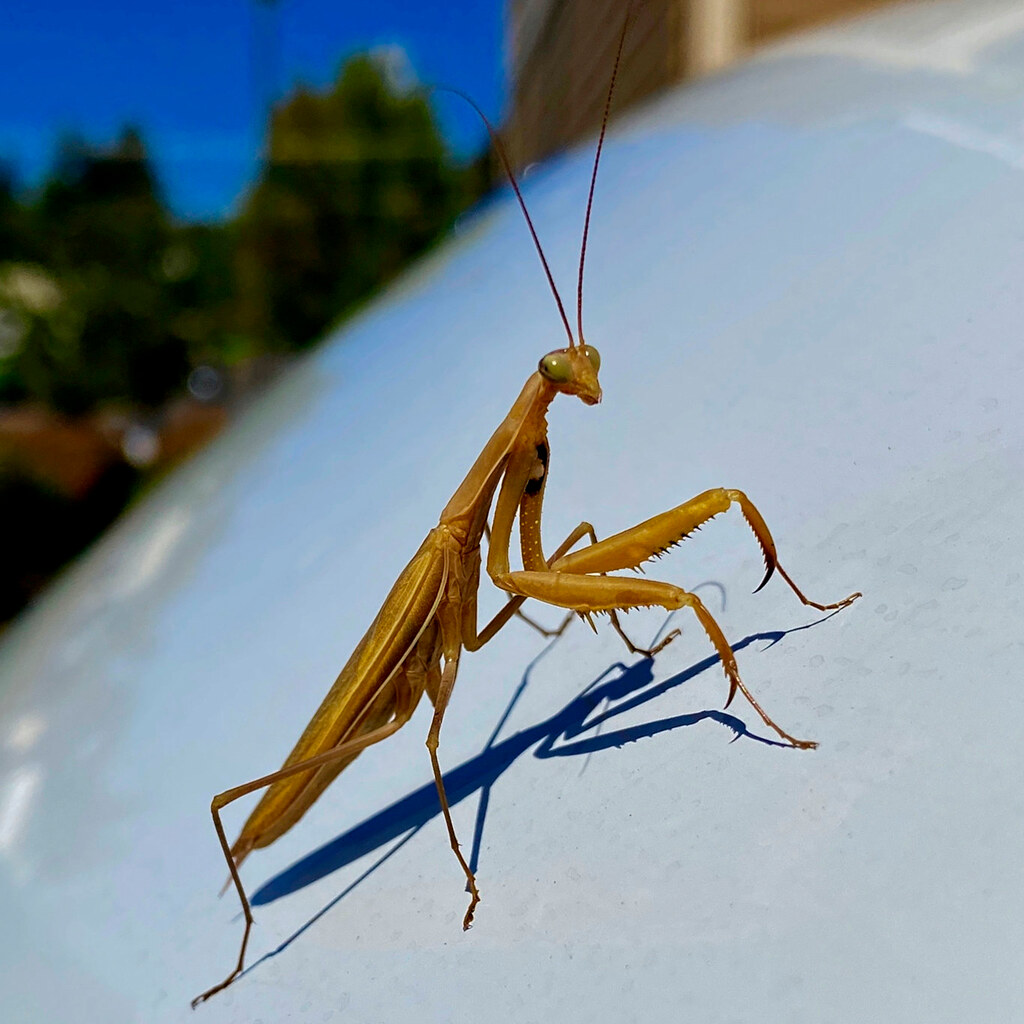
Pis forPraying mantis
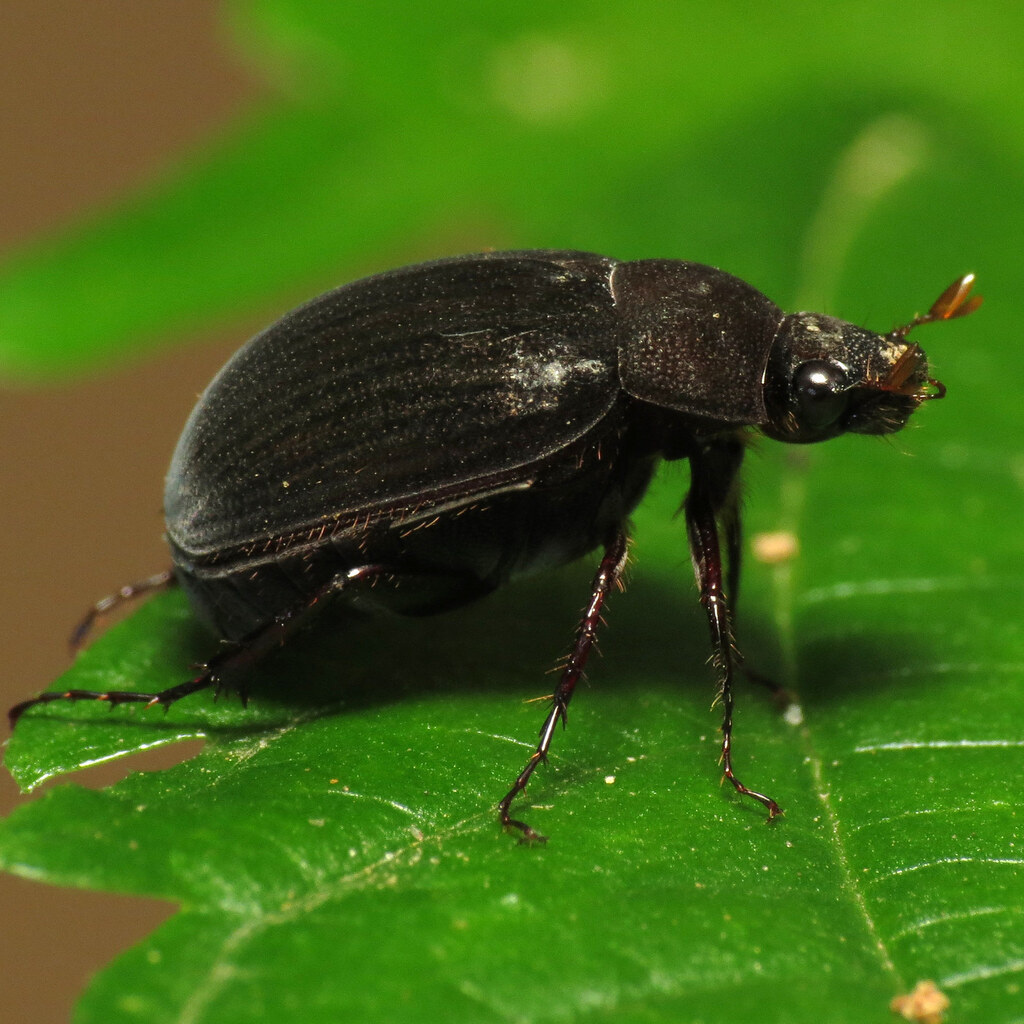
A scarab is a type of beetle with a hard, shiny shell and strong legs built for digging. Many scarabs live in warmer, drier climates. Some species bury dung or roll it into balls, while others feed on leaves, roots, or decaying plants. Scarabs are known for their tough bodies and their useful habit of moving things around in the ground.
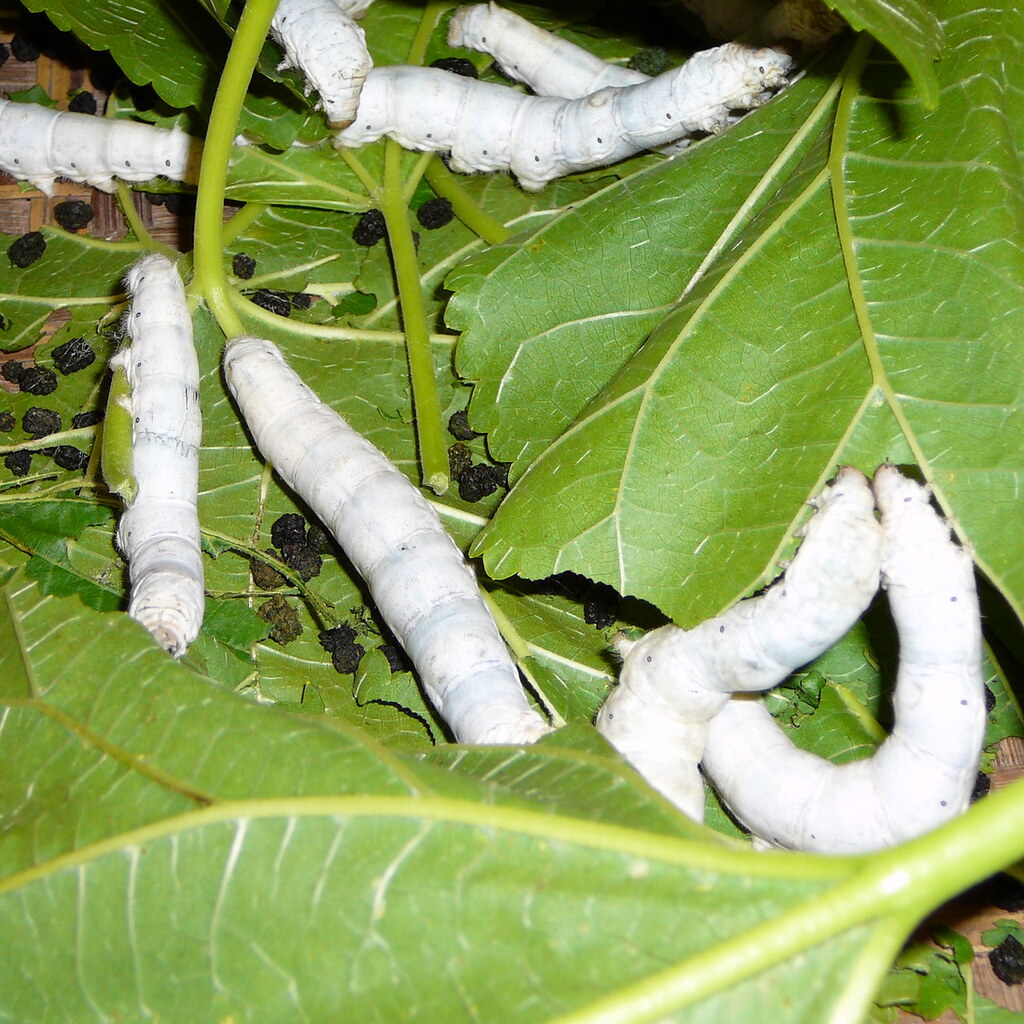
Silkworms are caterpillars that grow up into silkmoths. They live almost entirely on mulberry leaves. The cocoon they make can be used to make silk, a very attractive cloth that has been valued for thousands of years. A silkworm cocoon is made from a single strand of silk 1000 to 3000 feet long, and it takes 2000-3000 cocoons to make a pound of silk. The caterpillar in the cocoon is not allowed to emerge by itself, as this would damage the silk. The cocoons are boiled with the caterpillar inside.
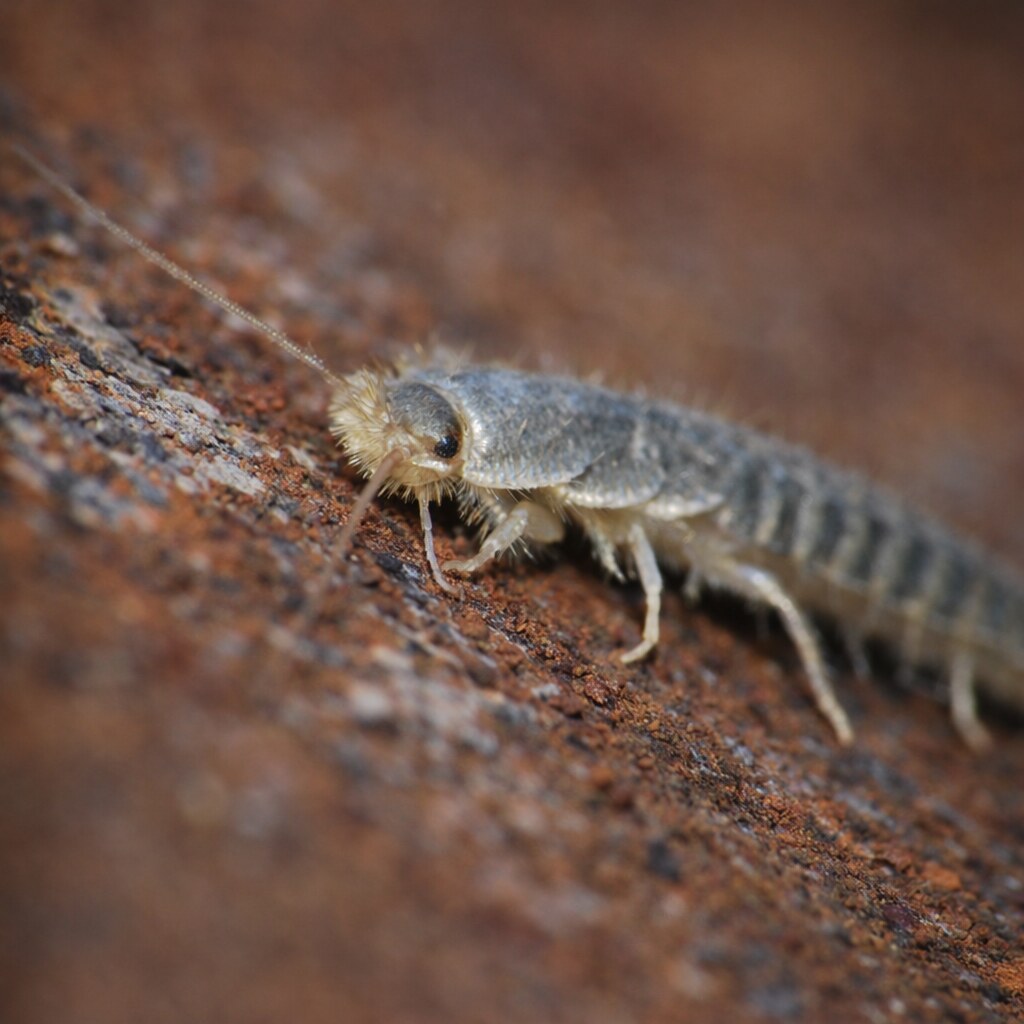
Sis forSilverfish
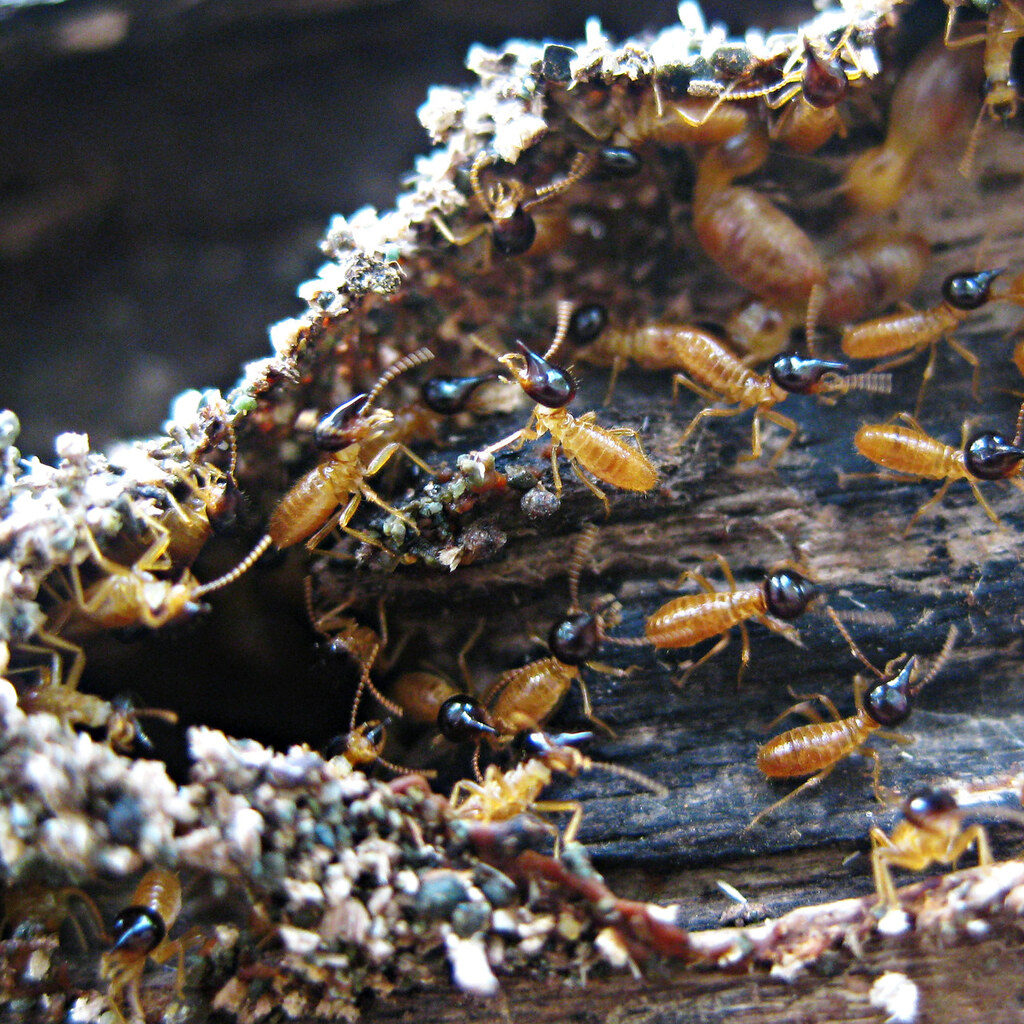
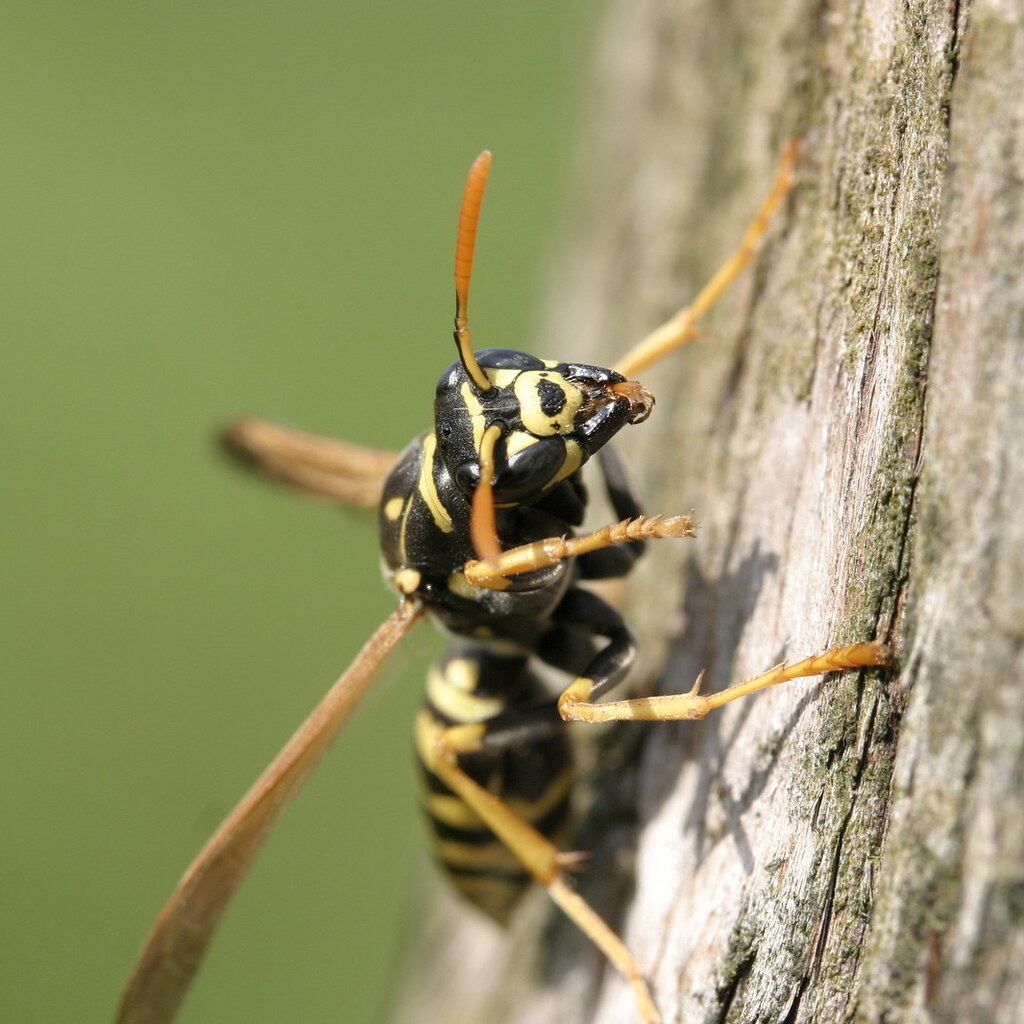
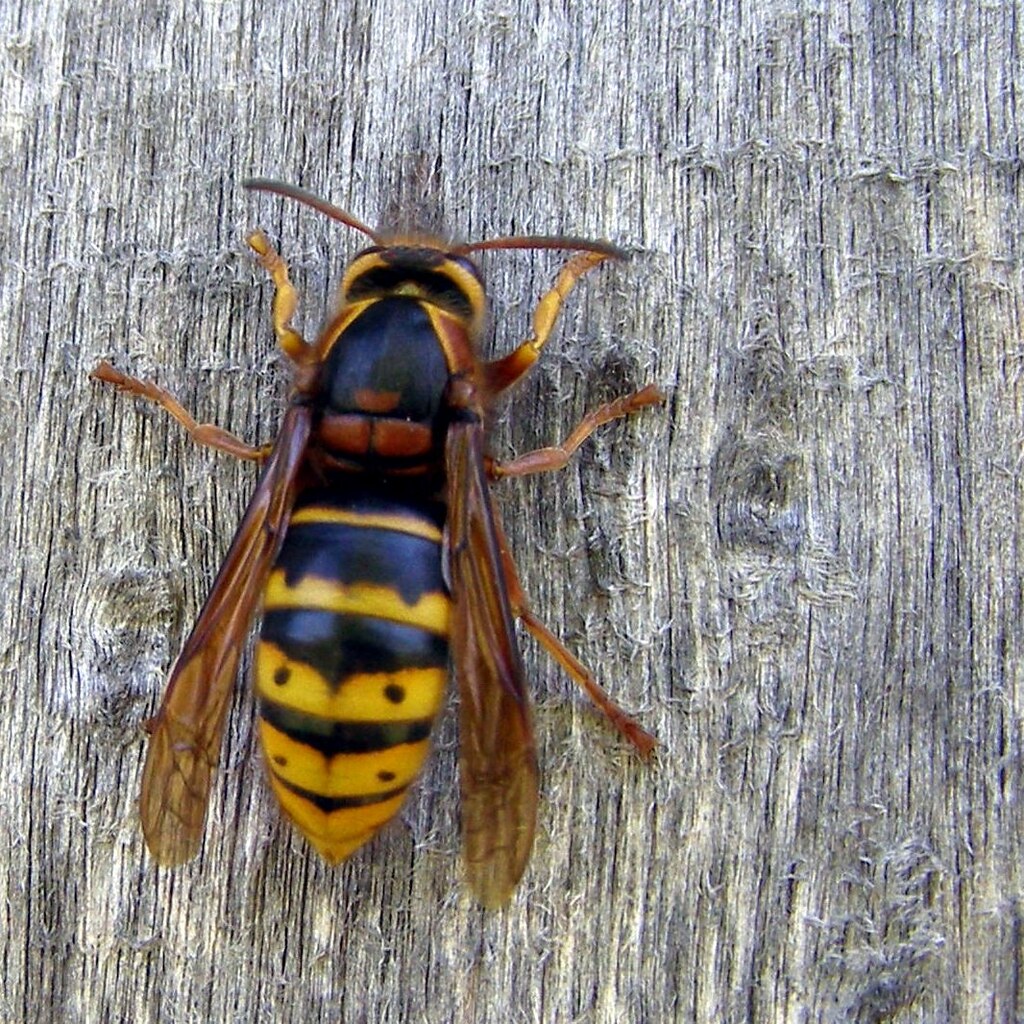
Wasps are a group of flying, stinging insects that eat other insects. They usually eat pest insects like caterpillars, and can be very useful to gardeners and farmers who are trying to keep their crops safe. Wasp can sting many times, while bees can only sting once.