Showing 1-16 of 16
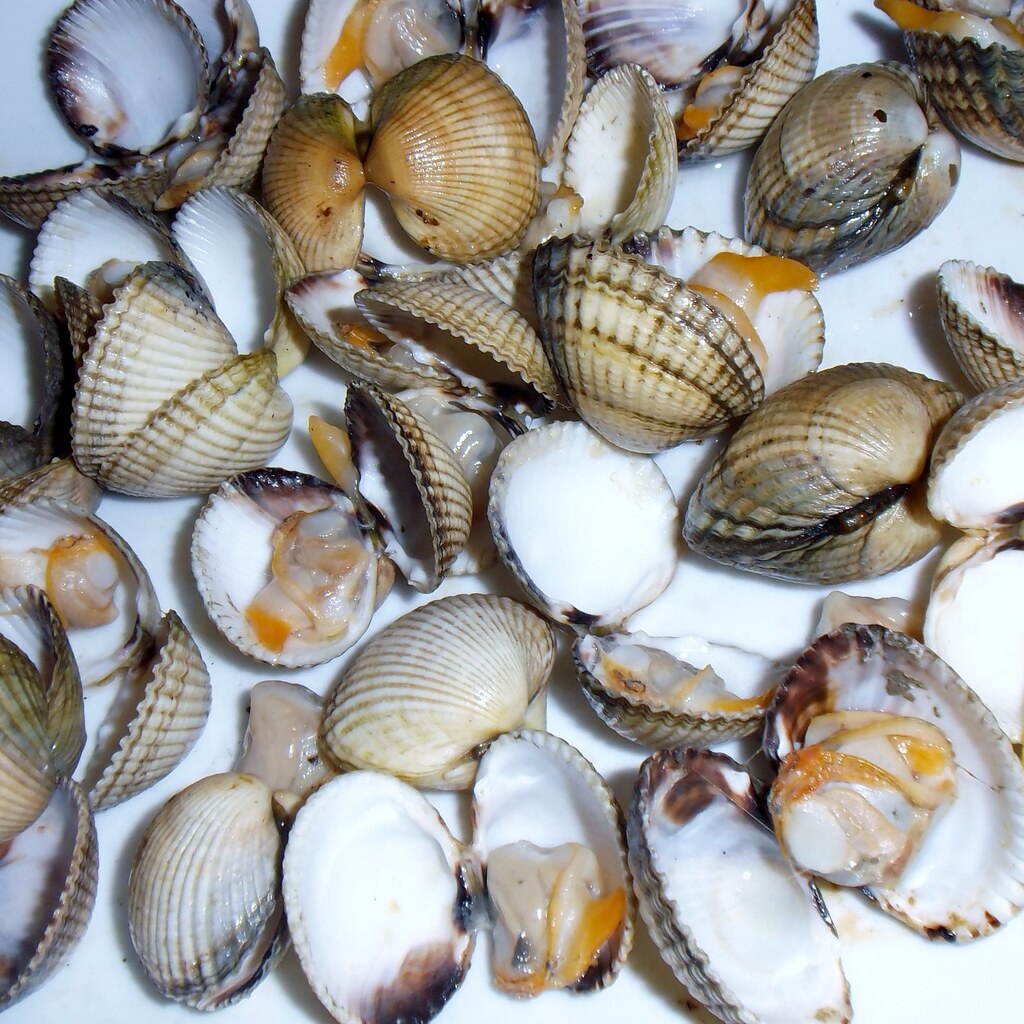
Cockles are related to clams, mussels and snails. They have a shell in two parts joined by a hinge. Cockles burrow into sandy beaches and eat tiny creatures in the water that washes over them.
Cockles can be caught and eaten. They are cooked in much the same way as other similar creatures like mussels.
Cockles can be caught and eaten. They are cooked in much the same way as other similar creatures like mussels.
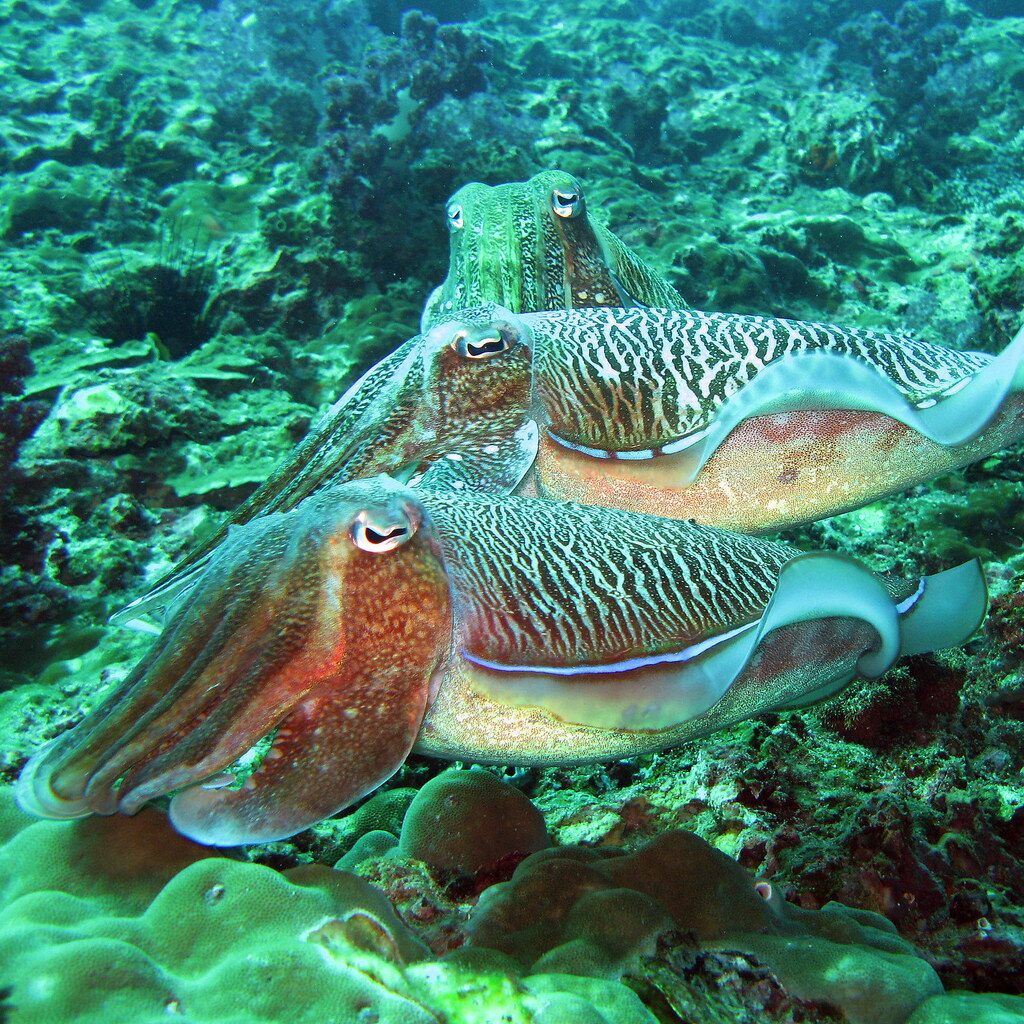
C is for Cuttlefish
Cuttlefish are caught as food and prepared in a similar way to squid.
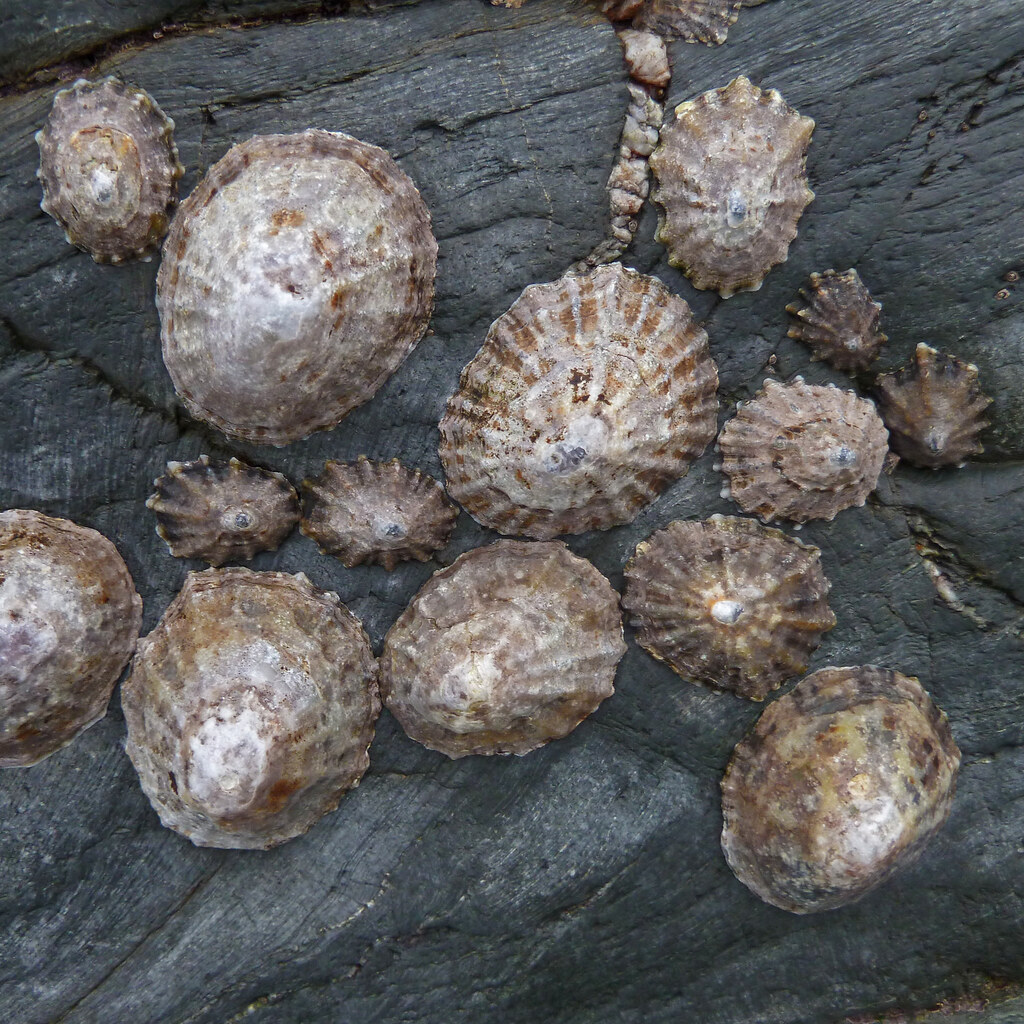
A limpet is a small, almost flat sea creature with a shell shaped like a flattened cone. They live stuck to rocks on the beach, where the tide comes and goes. Limpets feed by scraping algae from the rock surface using a tough, tooth-like mouth. Their strong grip helps them stay in place even when the waves hit them.
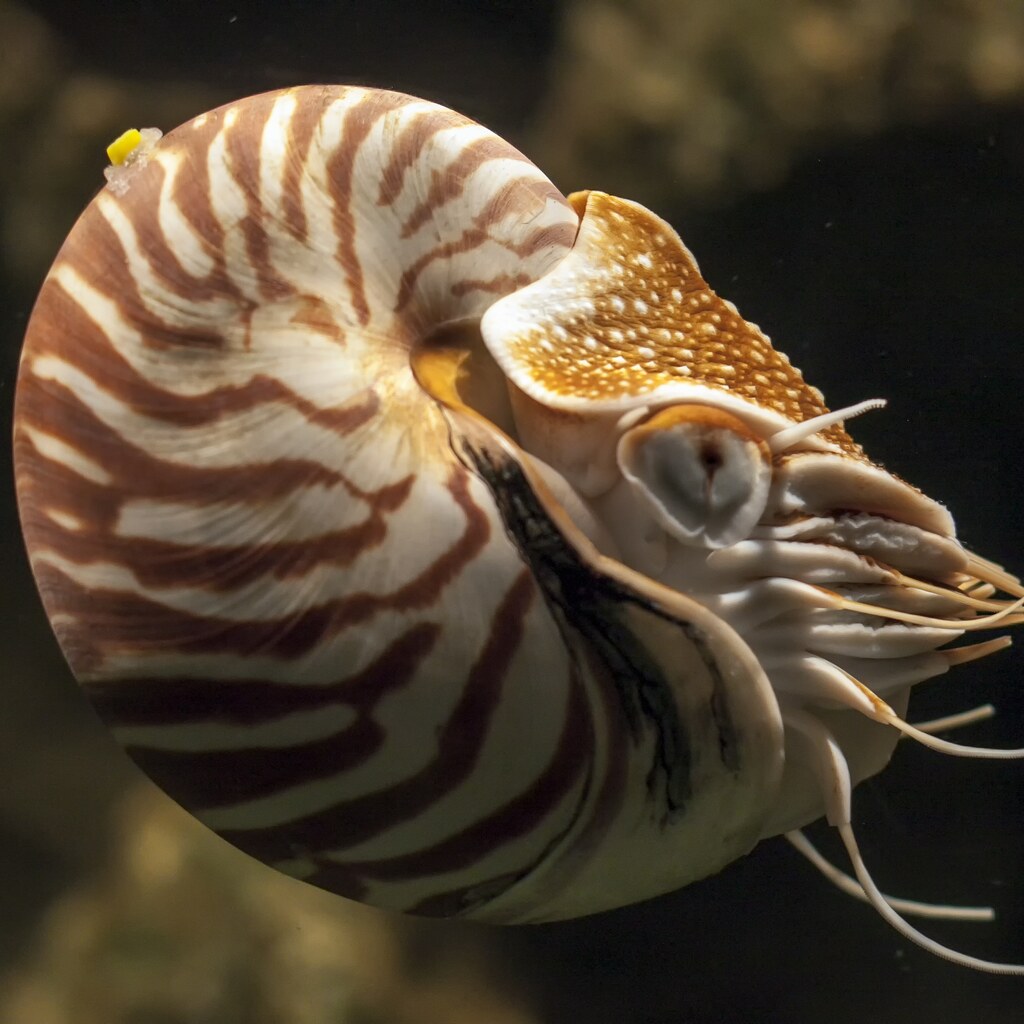
The nautilus looks like a squid wearing a large striped shell that swims around rather than crawling like a snail. It catches small prey with its tentacles.
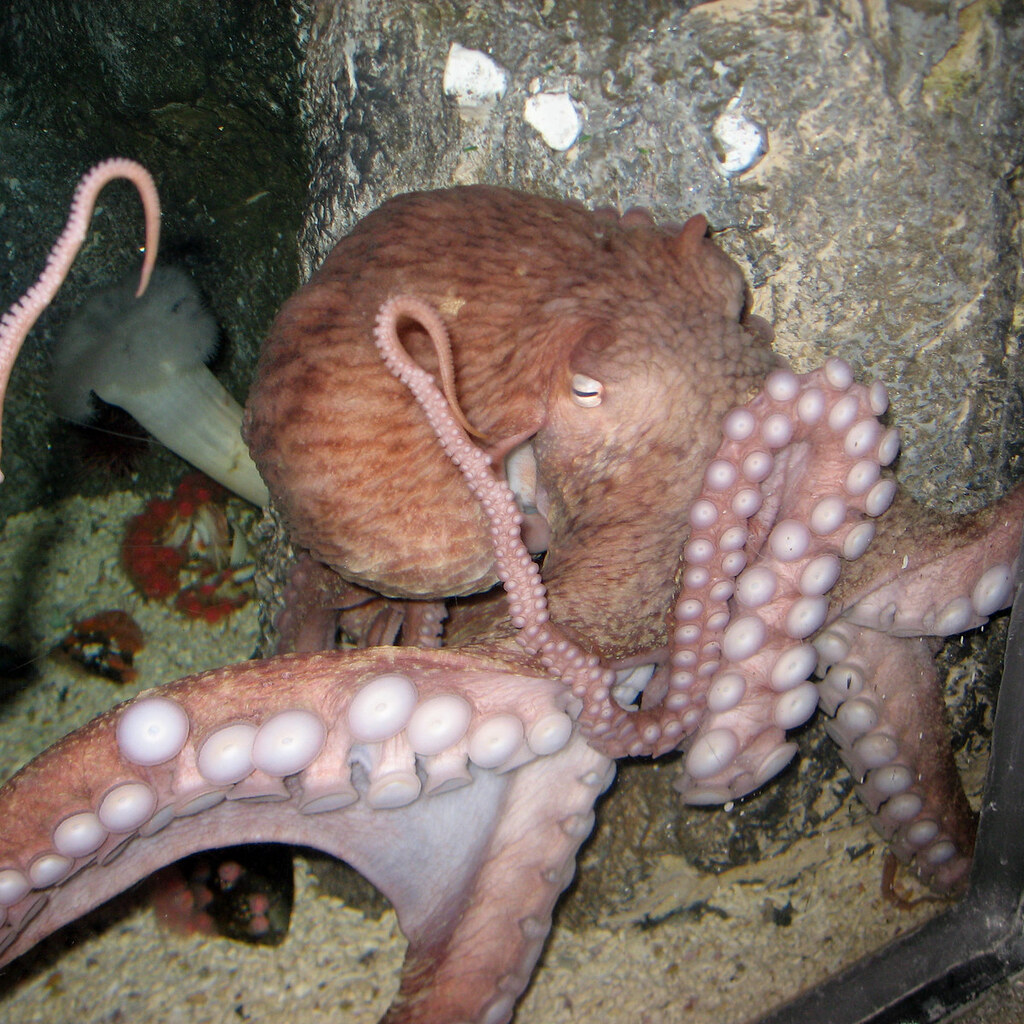

Oysters are a kind of mollusc that lives in the sea or salty water. Their shell is in two halves like a clam shell, and the oyster can pull it closed. Oysters eat by filtering food from the water that flows over its shell. They live their adult lives stuck to rocks - a young oyster that has just stuck to a rock is called a spat.
Oysters have been eaten for thousands of years. They can be eaten raw, cooked, smoked or as part of another dish like soup.
Oysters have been eaten for thousands of years. They can be eaten raw, cooked, smoked or as part of another dish like soup.
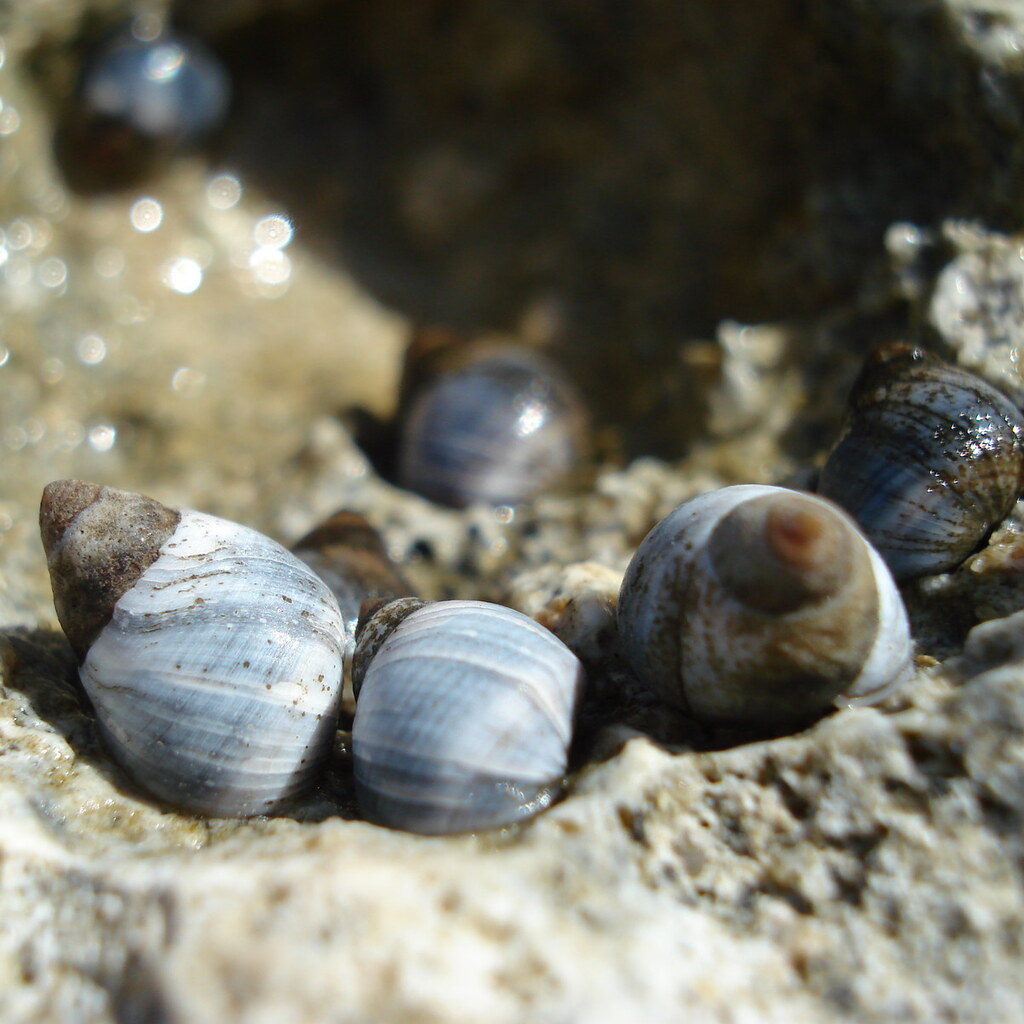
P is for Periwinkle (Snail)
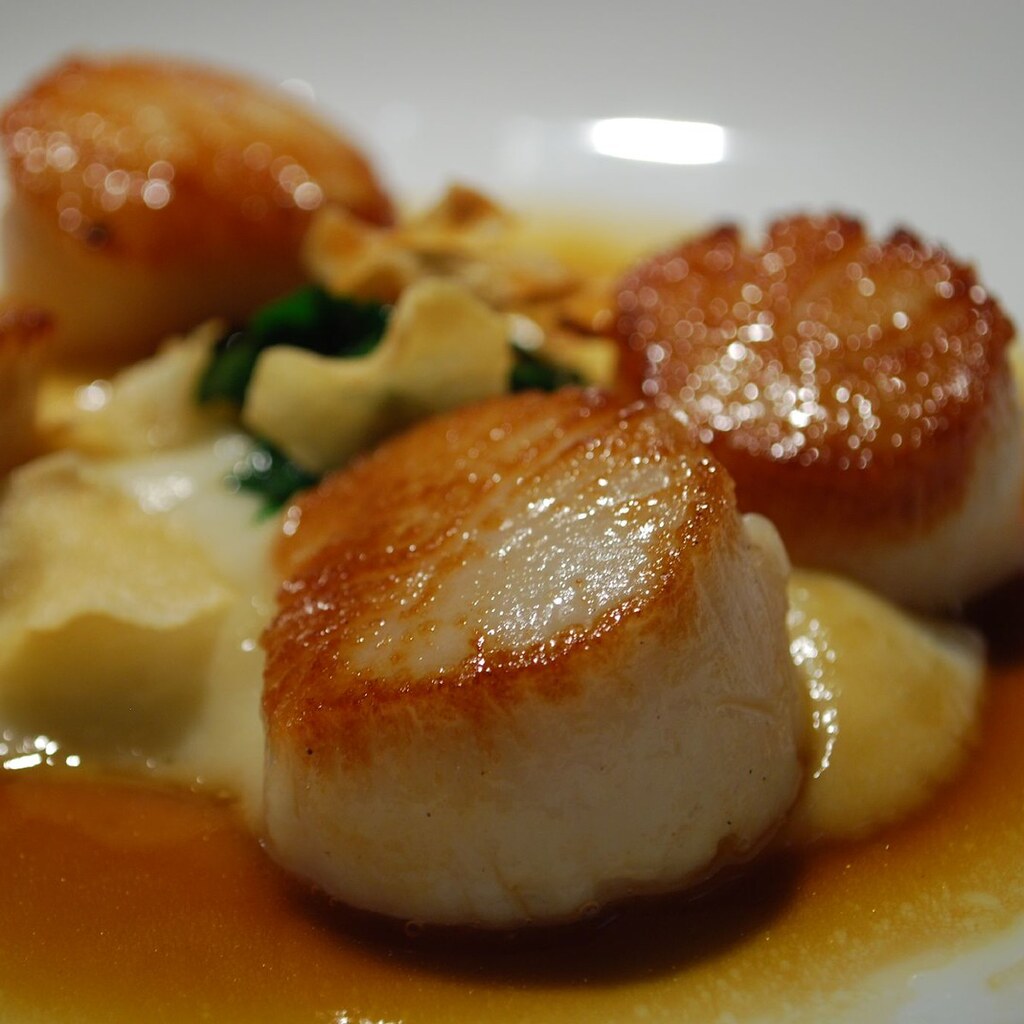
S is for Scallop (Food)
Scallops can swim by opening and closing their shells. The muscle that holds the two halves of the shell together is the part that is commonly seen cooked for food, as you can see in the picture.
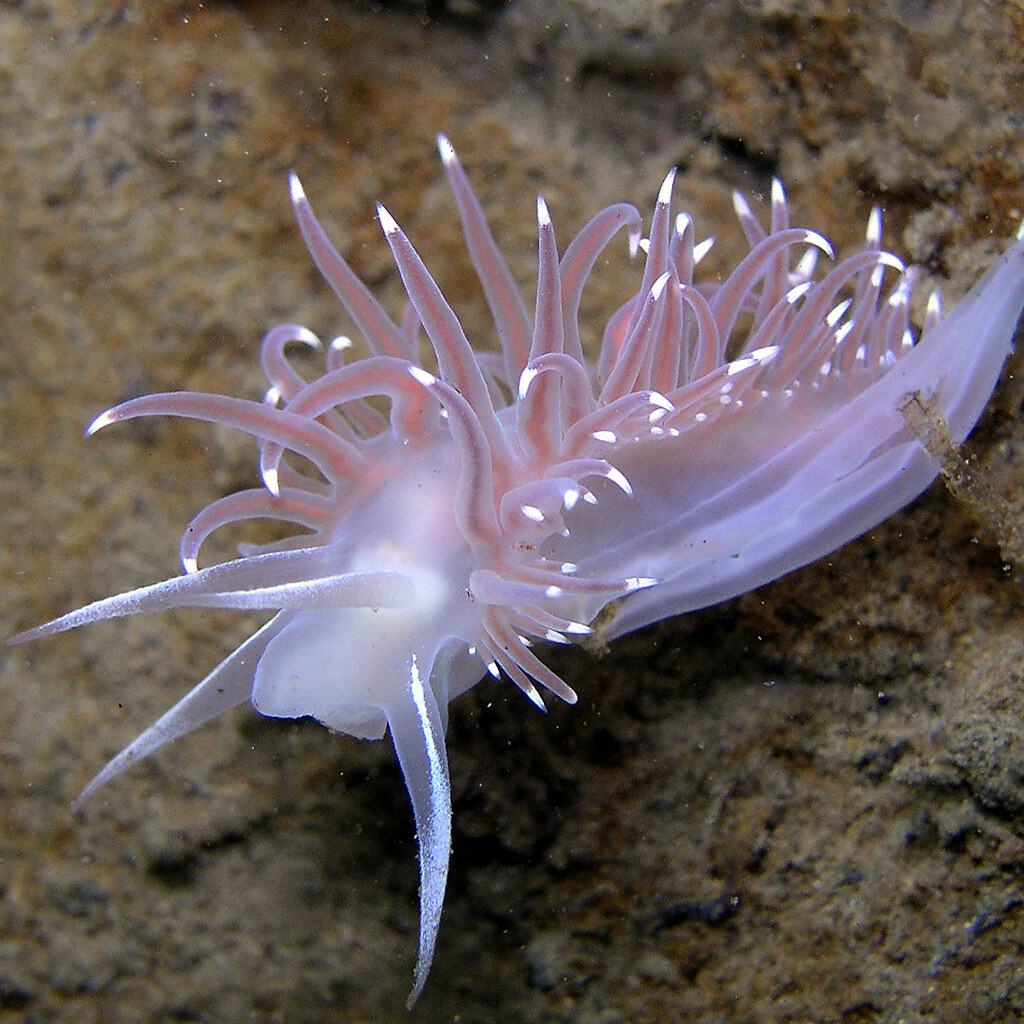
A sea slug is a soft, slow-moving animal that lives in the ocean and comes in a wide variety of colors and patterns. It lives in shallow water, and like land slugs, it doesn't have a shell like other molluscs.
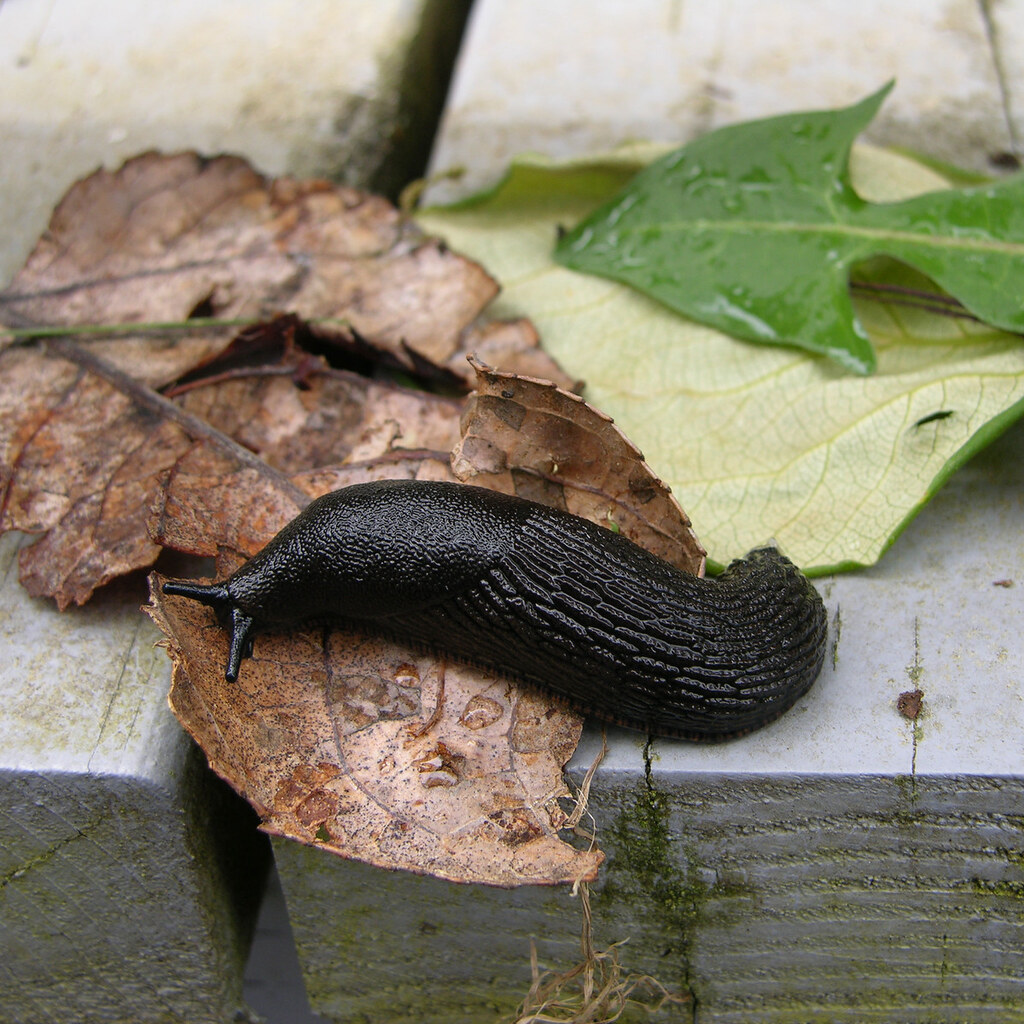
Slugs can be found on land and in the water, both freshwater and the sea. They are very similar to snails but slugs don't have a shell, and in fact any land mollusc without a shell can be called a slug. Since they have nowhere to hide inside and can dry out, slugs usually live in moist or wet places.
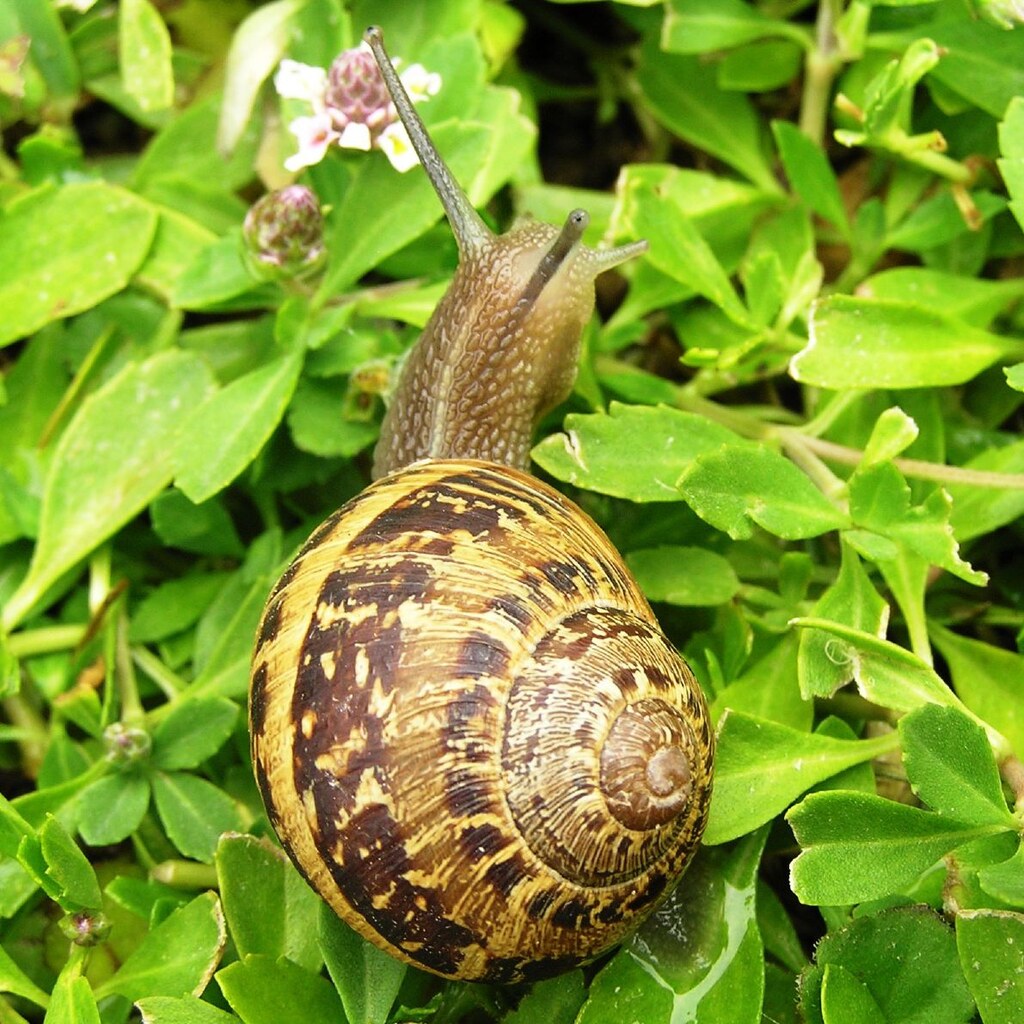
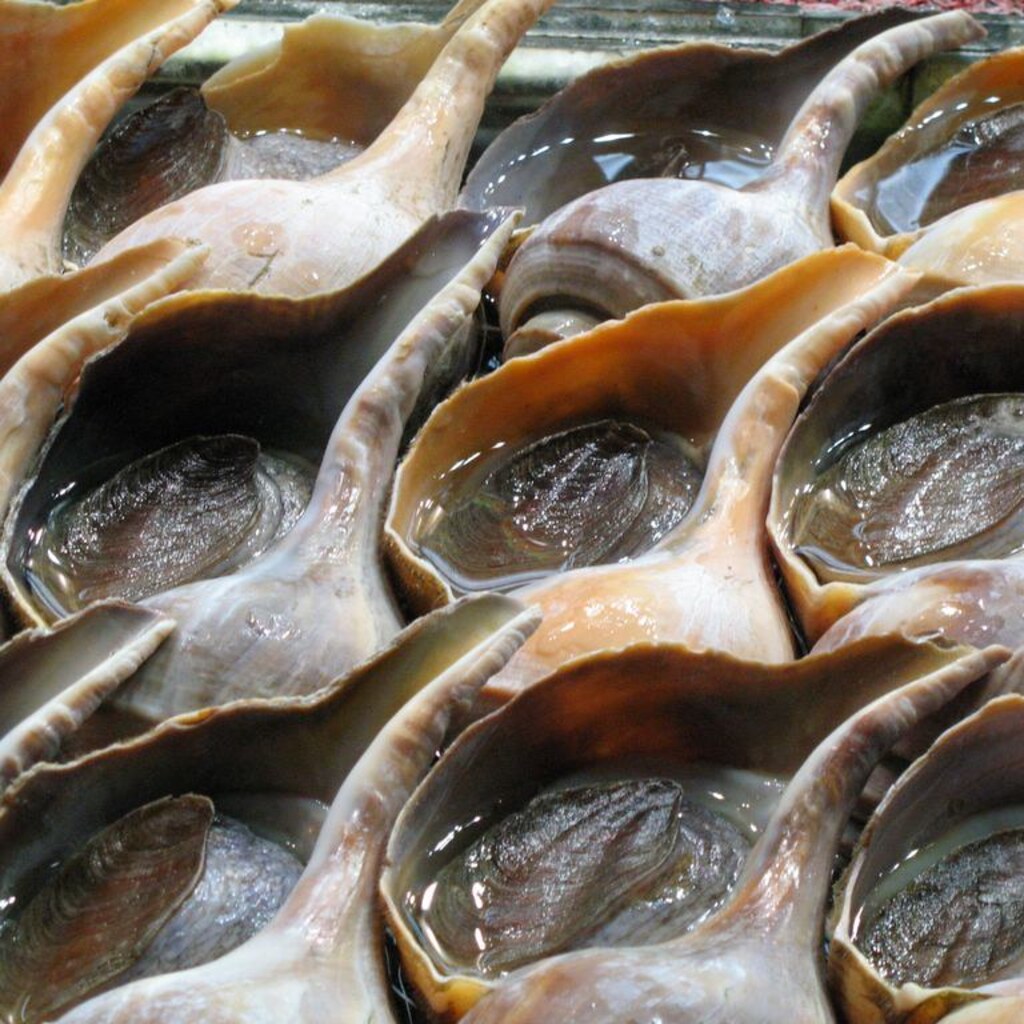
Snails can be found on land and in the water, both freshwater and the sea. A snail without a shell is called a slug. Snails range in size from smaller than your little fingernail to a sea snail that can grow to 30 inches long. The biggest land snail is only grows to 12 inches long. They come in a wide variety of colours and patterns.
Snails have a pair of eyes on stalks and a pair of feelers below them, to stop it bumping into things. It can suck both its feelers and eyes into its body for safety, and it can hide in its shell if it is disturbed. Snails have one foot that they "walk" with. They eat by scraping the top layer of their food with their tongue, which is covered in tiny sharp teeth. If you listen hard to a snail when it is eating, you can hear it scraping.
Snails have a pair of eyes on stalks and a pair of feelers below them, to stop it bumping into things. It can suck both its feelers and eyes into its body for safety, and it can hide in its shell if it is disturbed. Snails have one foot that they "walk" with. They eat by scraping the top layer of their food with their tongue, which is covered in tiny sharp teeth. If you listen hard to a snail when it is eating, you can hear it scraping.
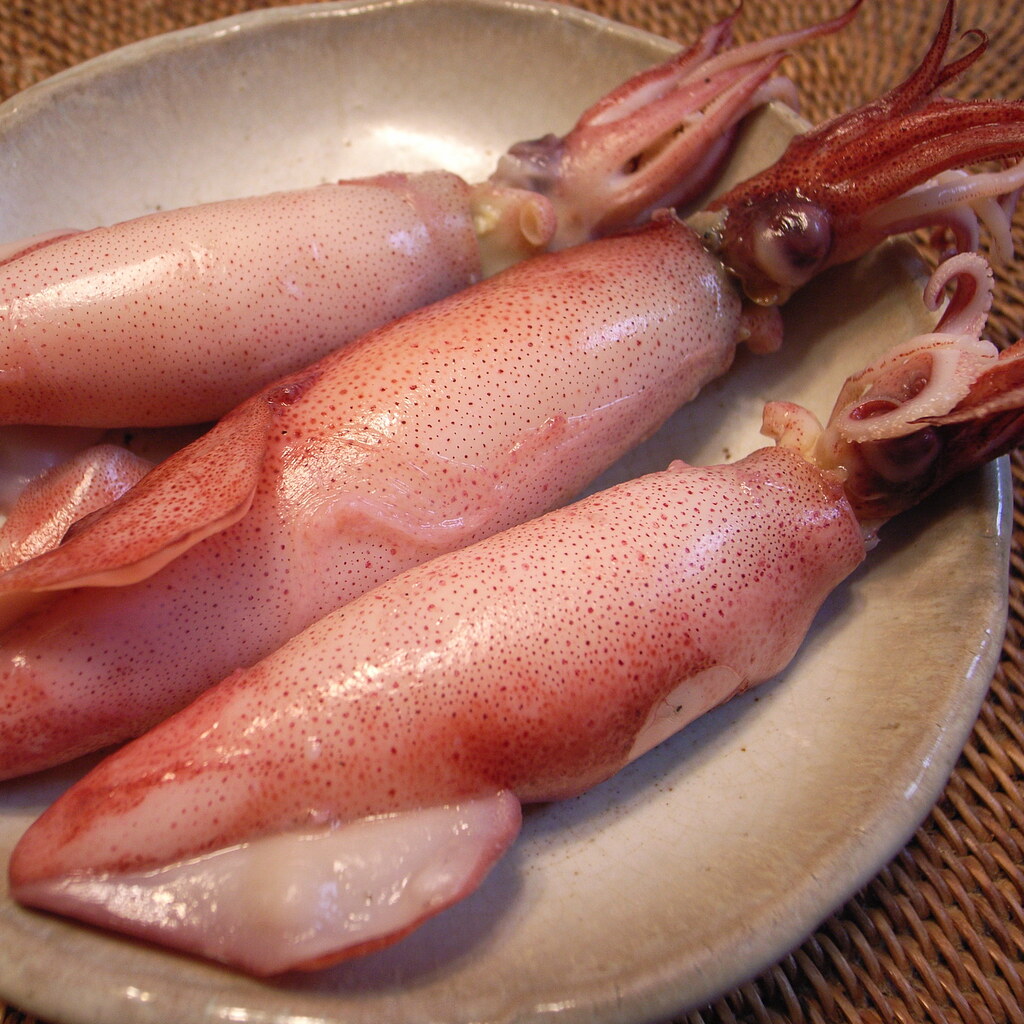
Squid are sea creatures related to the octopus and cuttlefish, which all have eight legs.
Squid move by sucking water into the top part of their body and squirting it out in a jet. They can also squirt ink into the water to confuse anything that is trying to eat it.
The squid in the photo are being cooked on a barbeque.
Squid move by sucking water into the top part of their body and squirting it out in a jet. They can also squirt ink into the water to confuse anything that is trying to eat it.
The squid in the photo are being cooked on a barbeque.