
Showing 41-60 of 125
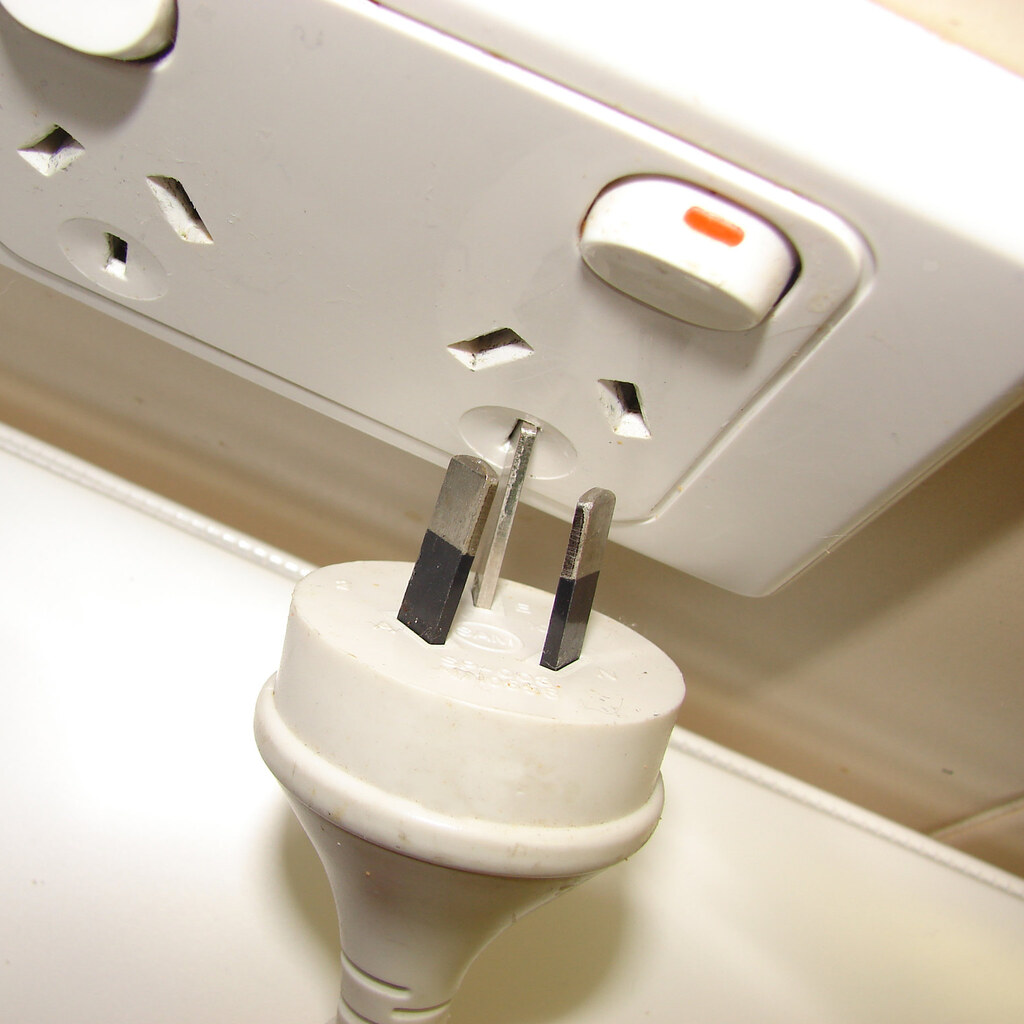
E is for Electricity
Electricity is used to make many common things around you work, such as your refrigerator, modern watches, computers and phones.
Electricity can be stored inside a battery to be used later.
You may also be interested in static electricity or lightning, two other effects of electricity.

Something or someone is elegant if it is gracefully refined and dignified.

Elephants are the largest land animals on earth (whales are the largest animal, but they live in the sea). They can live for 70 years. There are two different kinds of elephant, African and Asian (or Indian) elephants. African elephants are larger and have bigger ears. The elephant in the picture is an African elephant.


Elevenses is a small snack or drink eaten in the late morning. It is almost the same as morning tea, but slightly less fancy.


E is for Embarrassed
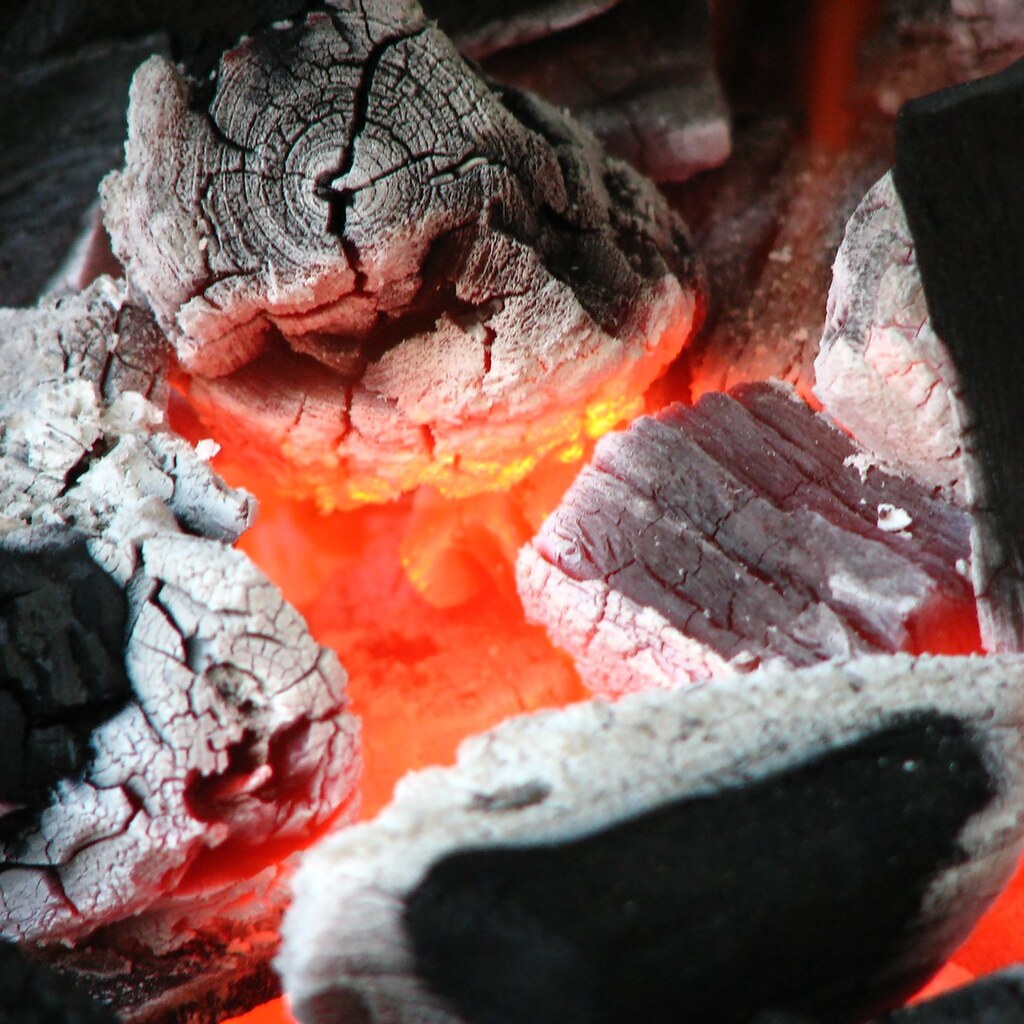


E is for Embroidery

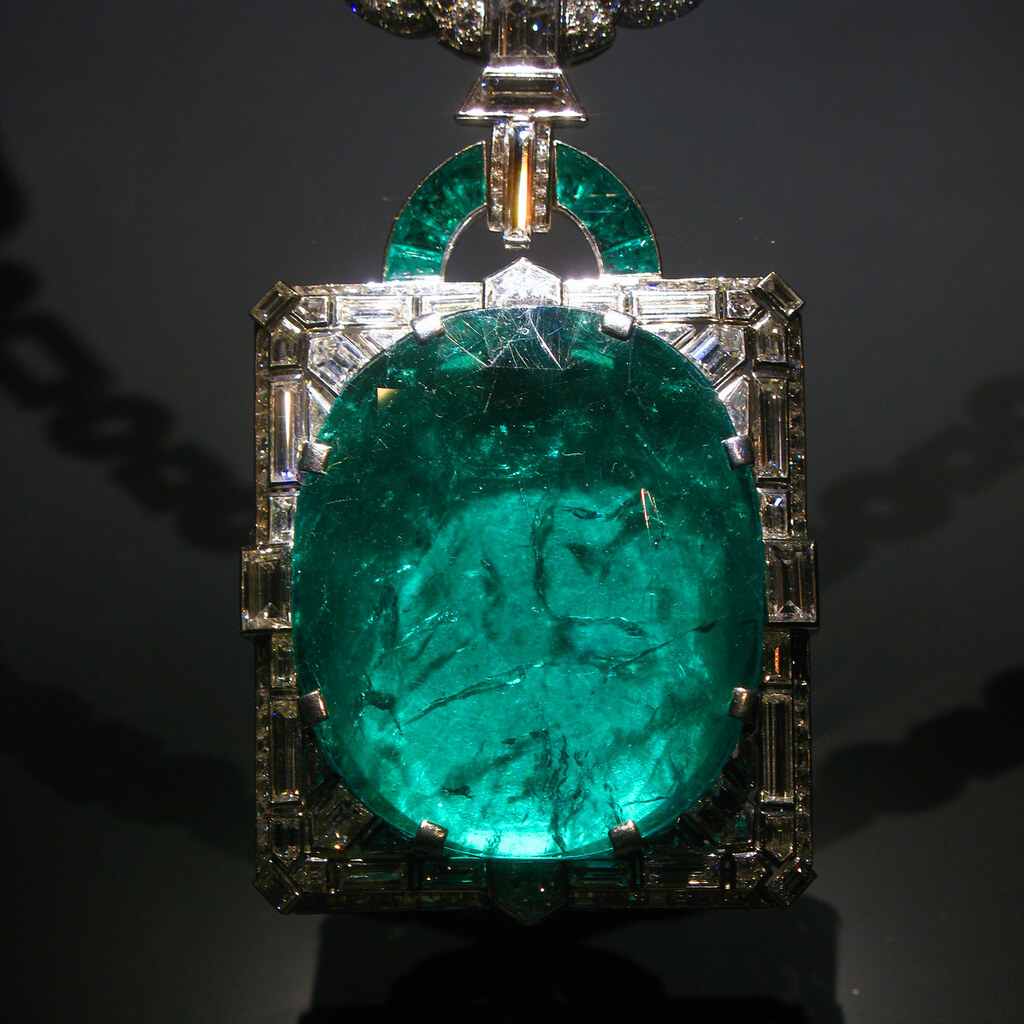


An emoji is a small picture used to show a feeling, object, or action. Common examples include a smiling face, a heart, a thumbs-up sign, and a picture of food. Emojis can add meaning or emotion to words in text messages, emails, and online posts.
The word emoji comes from Japanese: e means "picture" and moji means "character". The first emoji set was created in Japan in the late 1990s for mobile phones. Different devices and different apps may show the same emoji with slightly different artwork.
The word emoji comes from Japanese: e means "picture" and moji means "character". The first emoji set was created in Japan in the late 1990s for mobile phones. Different devices and different apps may show the same emoji with slightly different artwork.


Empanadas are small pastries filled with foods such as meat, cheese, vegetables, or fruit. The dough is folded over the filling and sealed around the edges. Empanadas can be baked or fried and are served as snacks or part of a meal.
Empanadas originated in Spain and later became popular throughout Latin America, where different countries developed their own fillings and styles.
Empanadas originated in Spain and later became popular throughout Latin America, where different countries developed their own fillings and styles.