up to Food

Food preparation

Ways of preparing food. Slicing and dicing, roasting and mashing, and some other fancy techniques.

Showing 1-20 of 47

Bis forBake

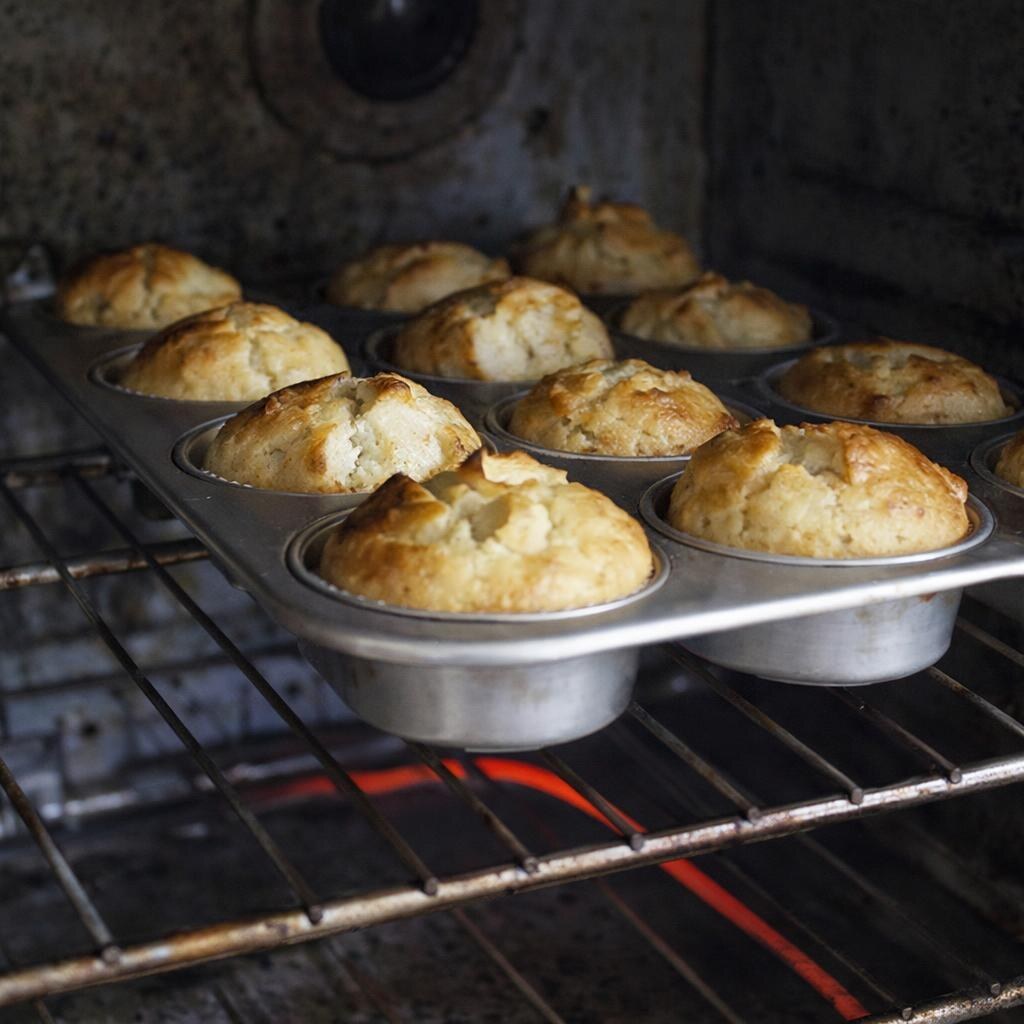
Baking is a way of cooking food with dry heat, usually inside an oven. Baking is very similar to roasting, but generally bread and cakes are baked and meat and vegetables are roasted.

Bis forBaste

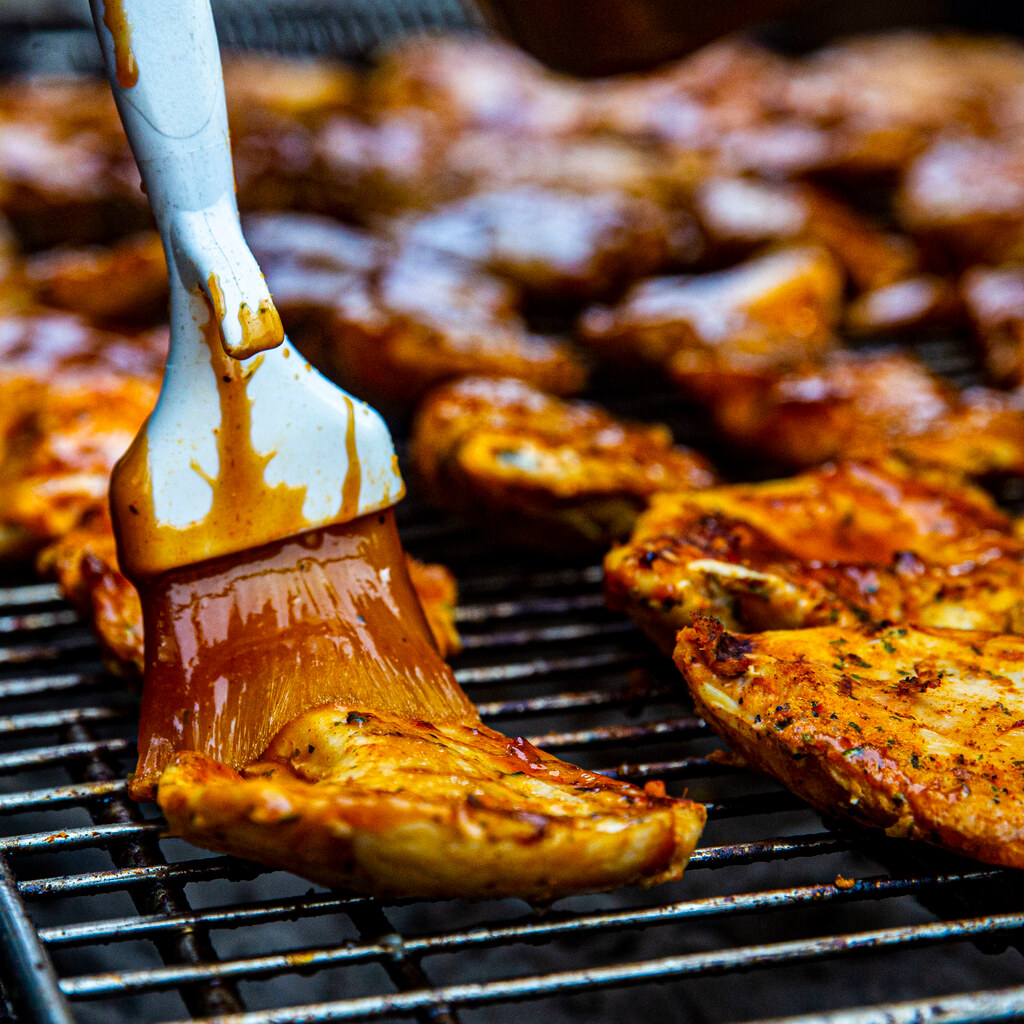
Basting is a way of keeping meat moist while it is being cooked slowly, such as when it is being baked. You baste something when you pour a little liquid over it while it is cooking. Meat is usually basted with its own juices from the bottom of the pan, or with marinade.

Bis forBatter

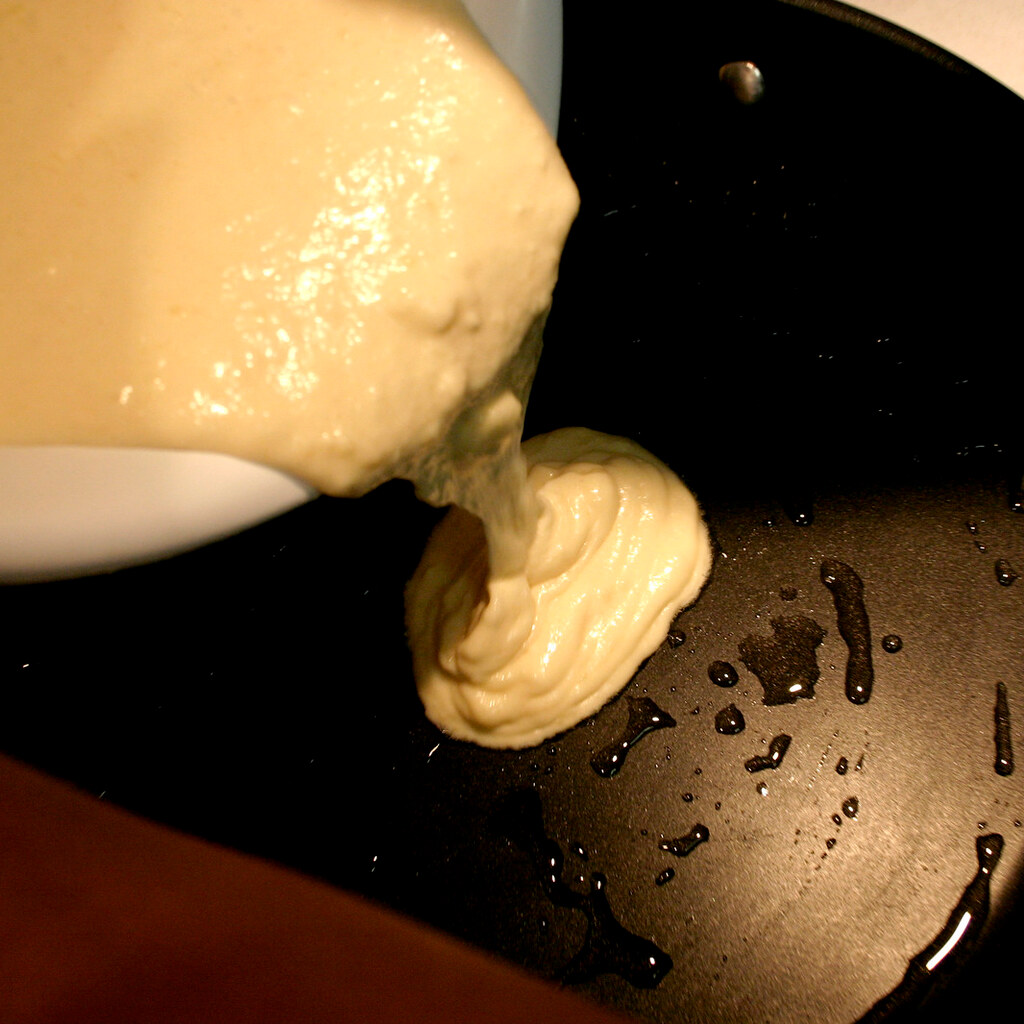
Batter is a mixture of ingredients like eggs, flour, milk and sugar mixed together into a thick liquid. Batter is how you would describe cake, cookies, and breakfast foods like muffins and crepes before they are cooked. Batter can be used to as a coating on things like fried chicken.

Bis forBlanch

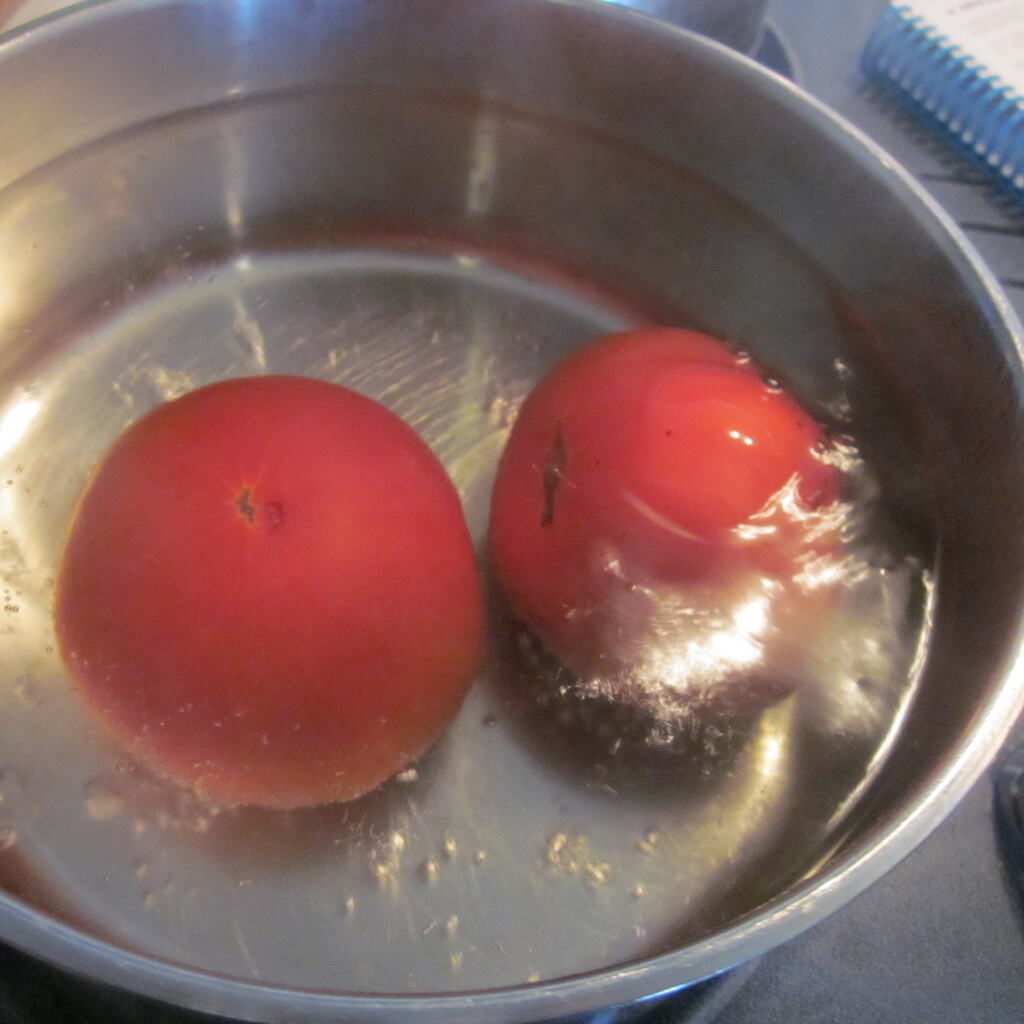
Blanching is a way of preparing food by briefly immersing food in boiling water.

Bis forBraise

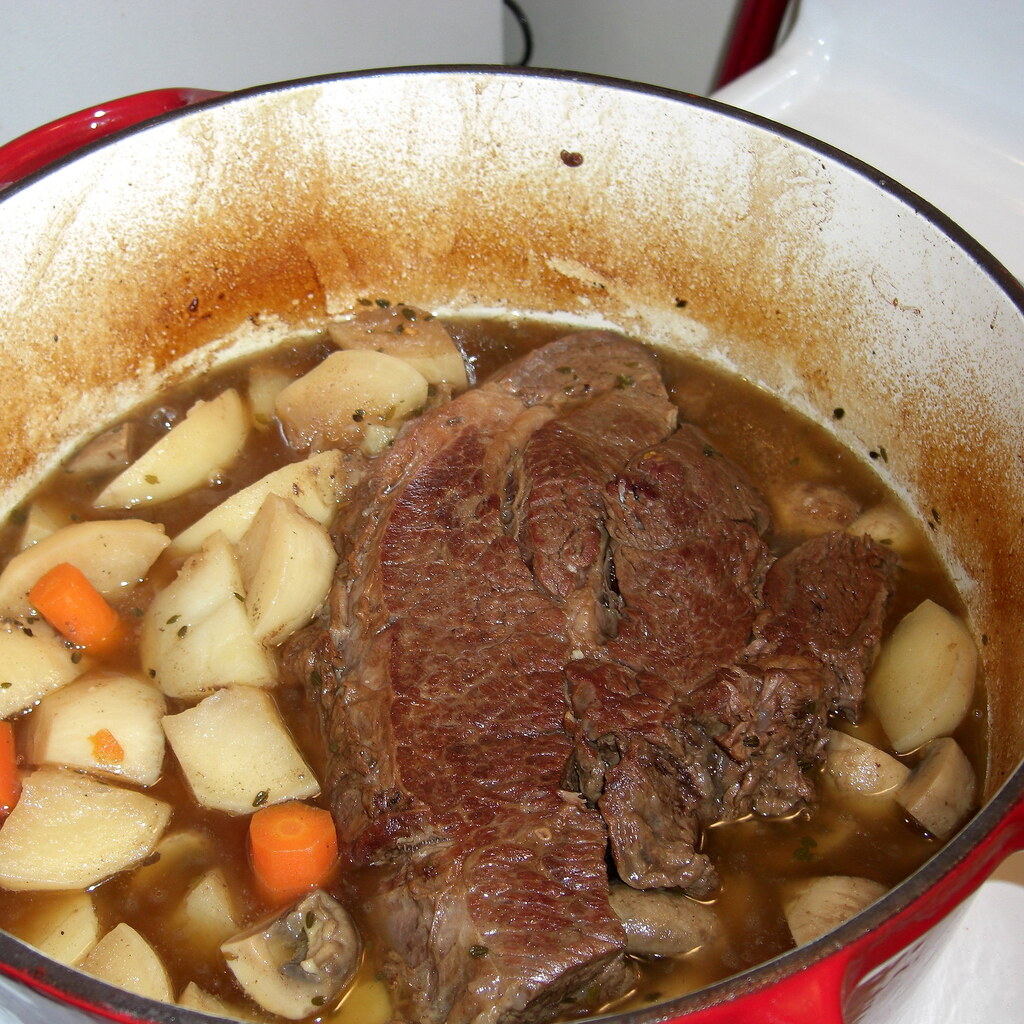
Braising is a method of cooking that involves quickly frying and then slowly stewing food.

Bis forBrew

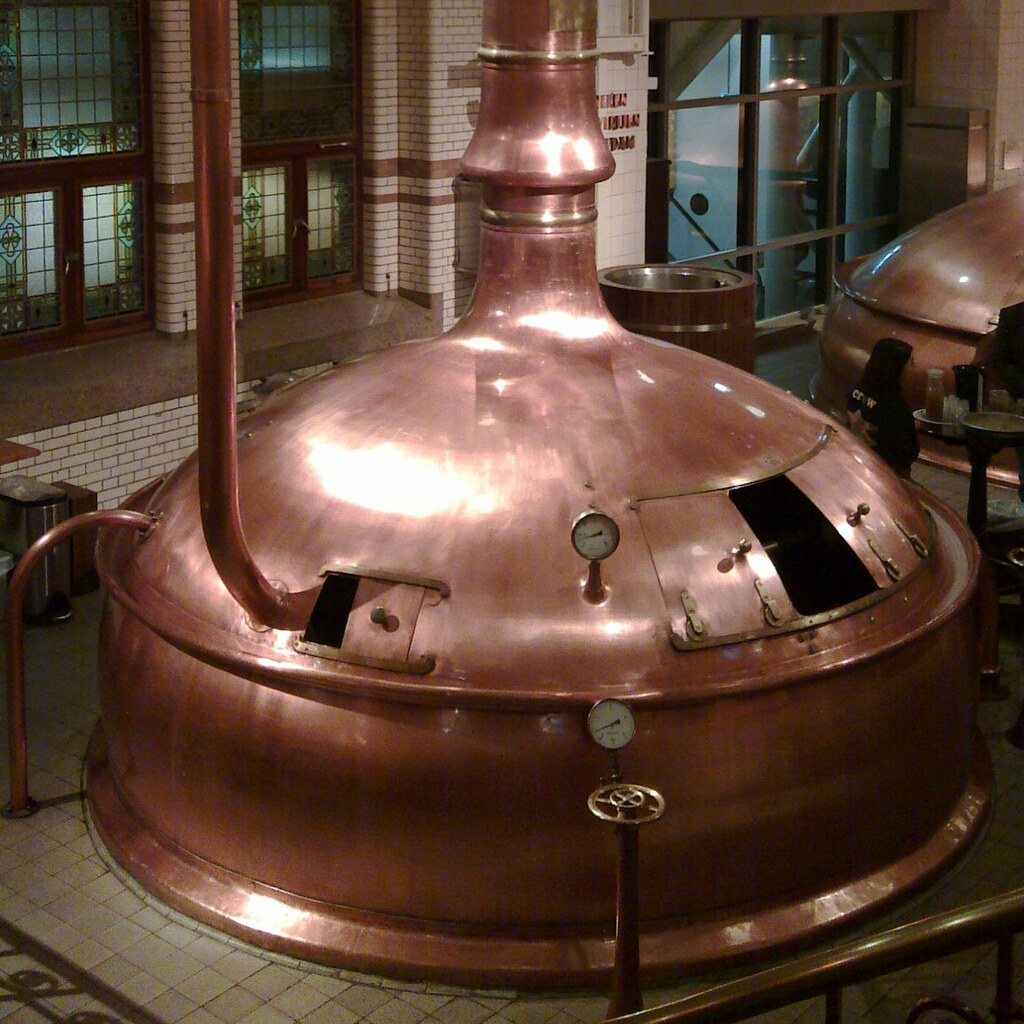
Brew means to steep, stew or ferment something, usually a drink. Beer is brewed using fermented yeast and malt.

Bis forBroil

Broil means to cook food under intense heat.

Bis forBrowned

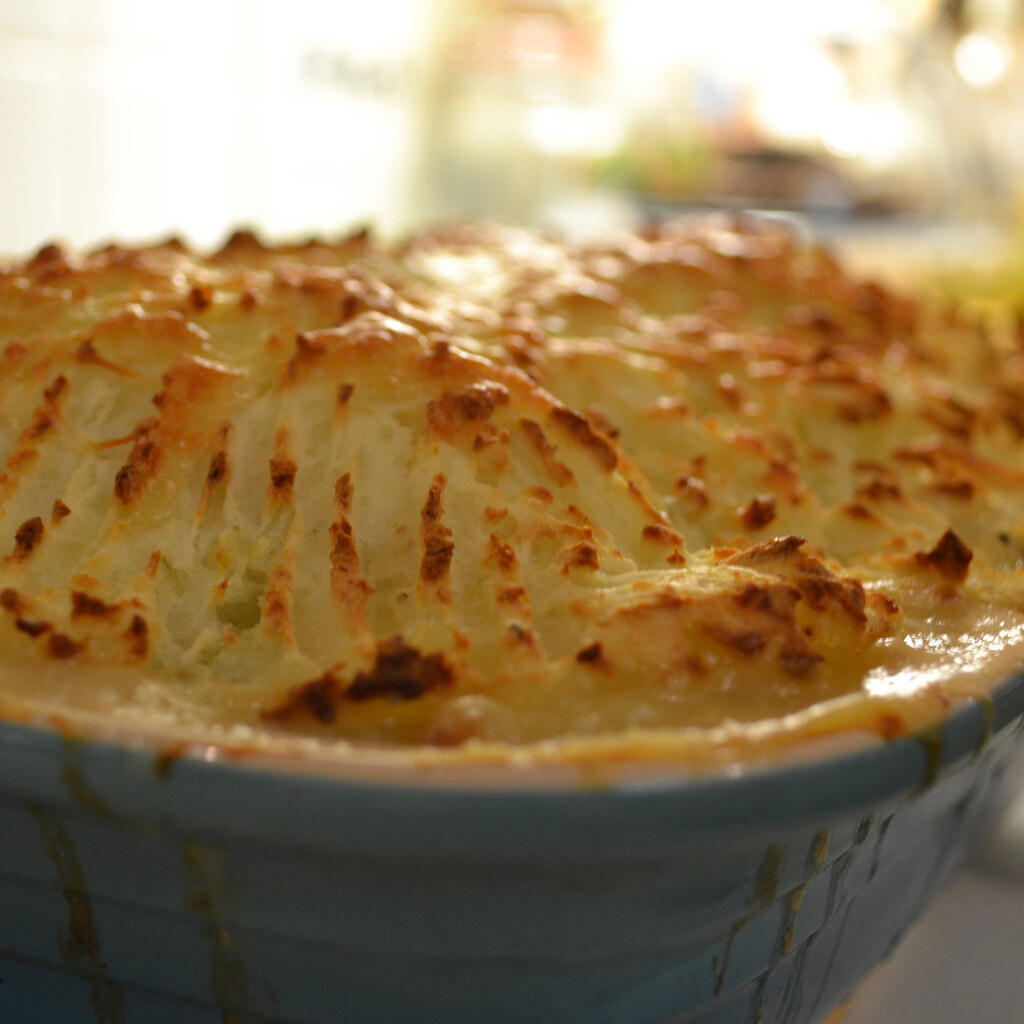
Something is browned if it develops a brownish tint as it is baked. Browning is the very first stages of something being burnt, and usually means that the food is just cooked enough.

Cis forChop

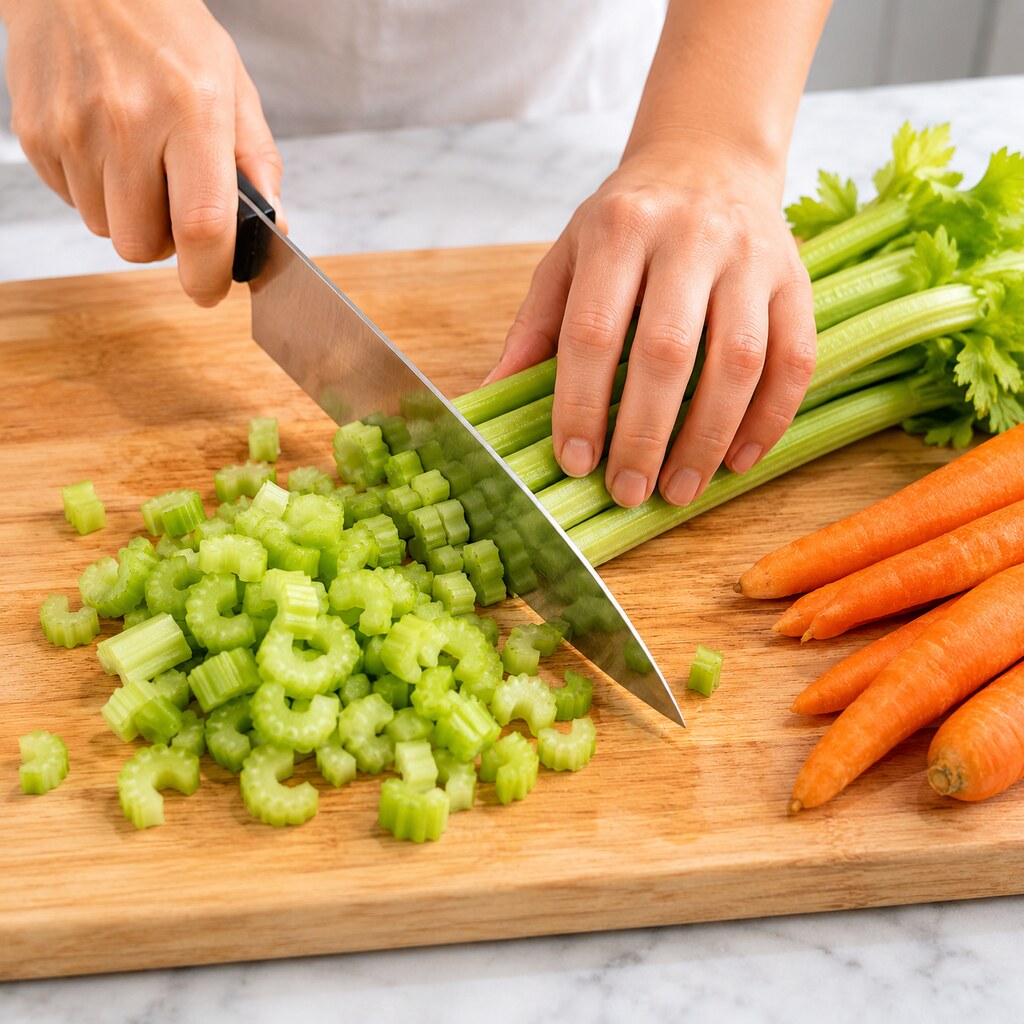
You chop something up by cutting it into pieces with something sharp like a knife or axe.
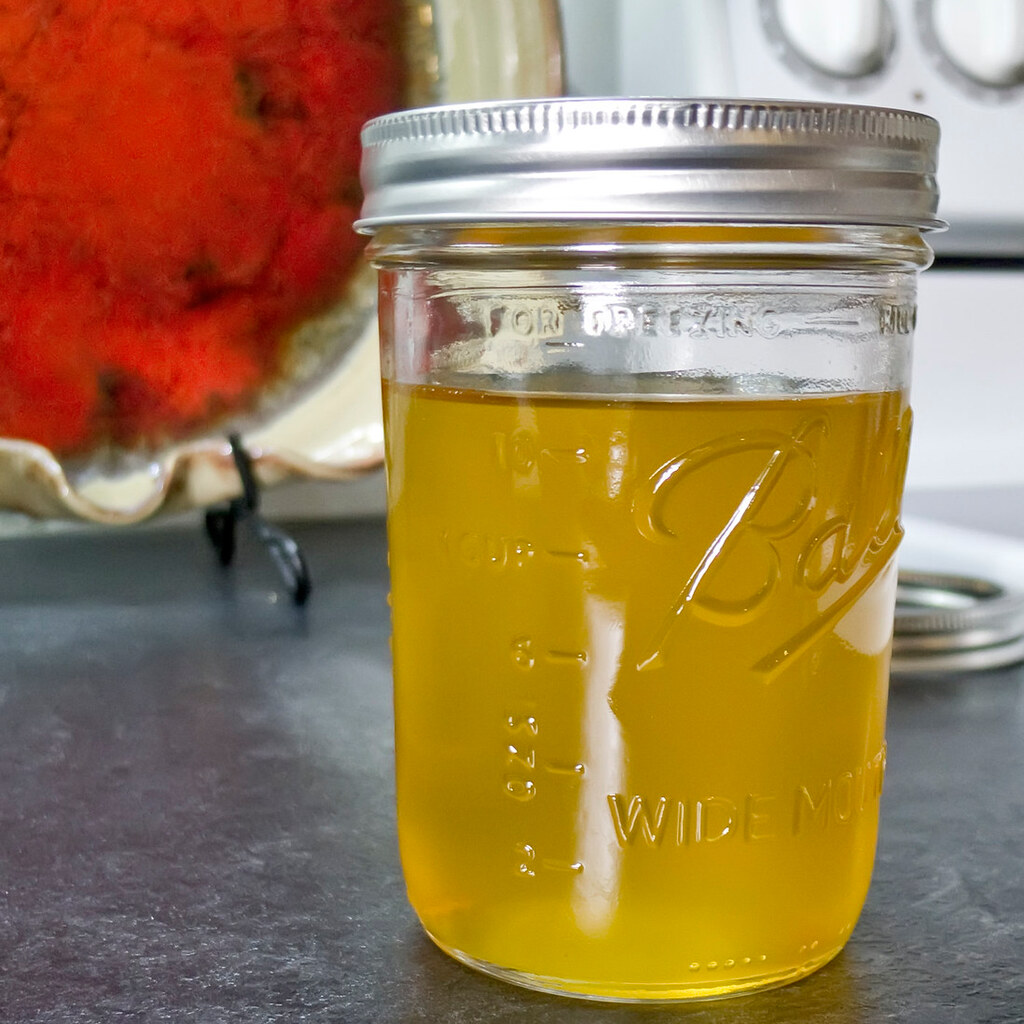
Clarified butter is butter that has had the milk solids removed.
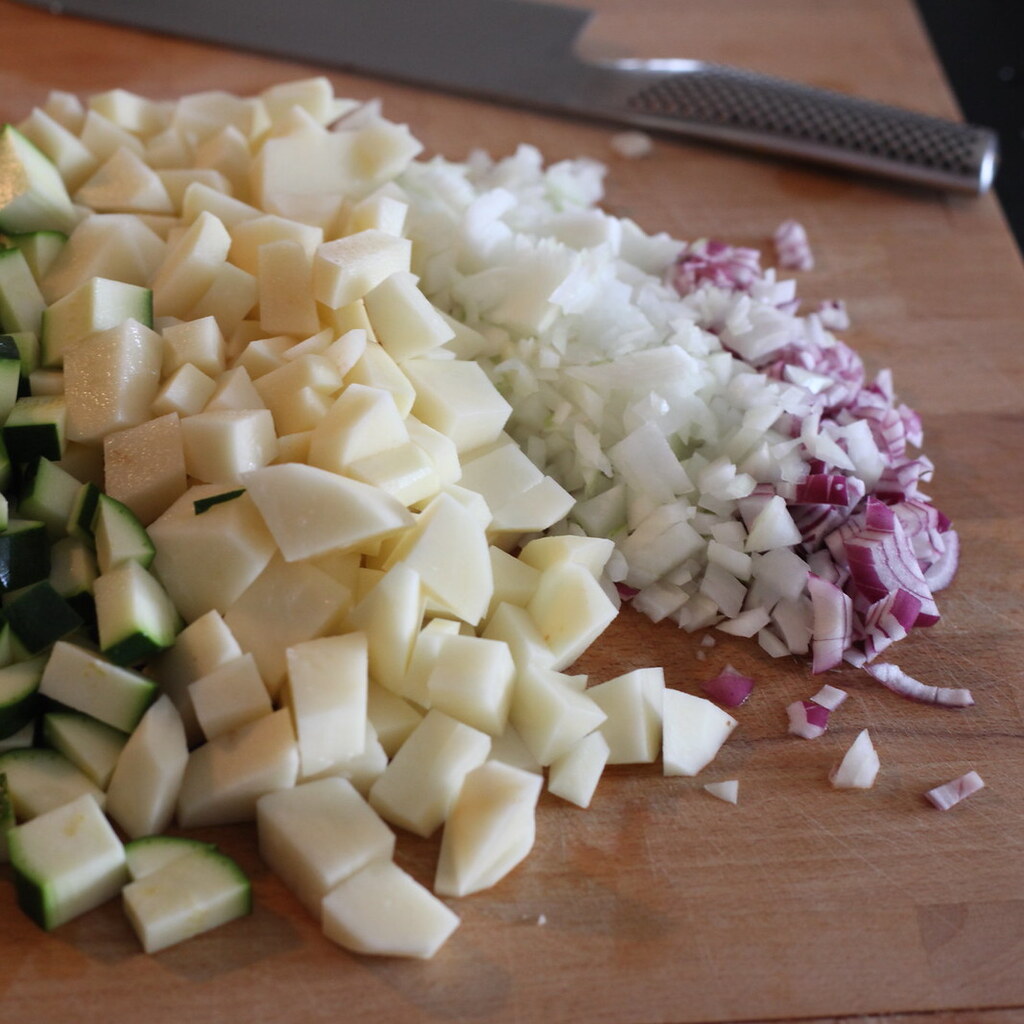
Dicing food is a way of chopping food up with a knife into cubes of roughly equal size. Cutting food up this way makes the food cook more evenly, and is also nice to look at.

Dis forDissolve

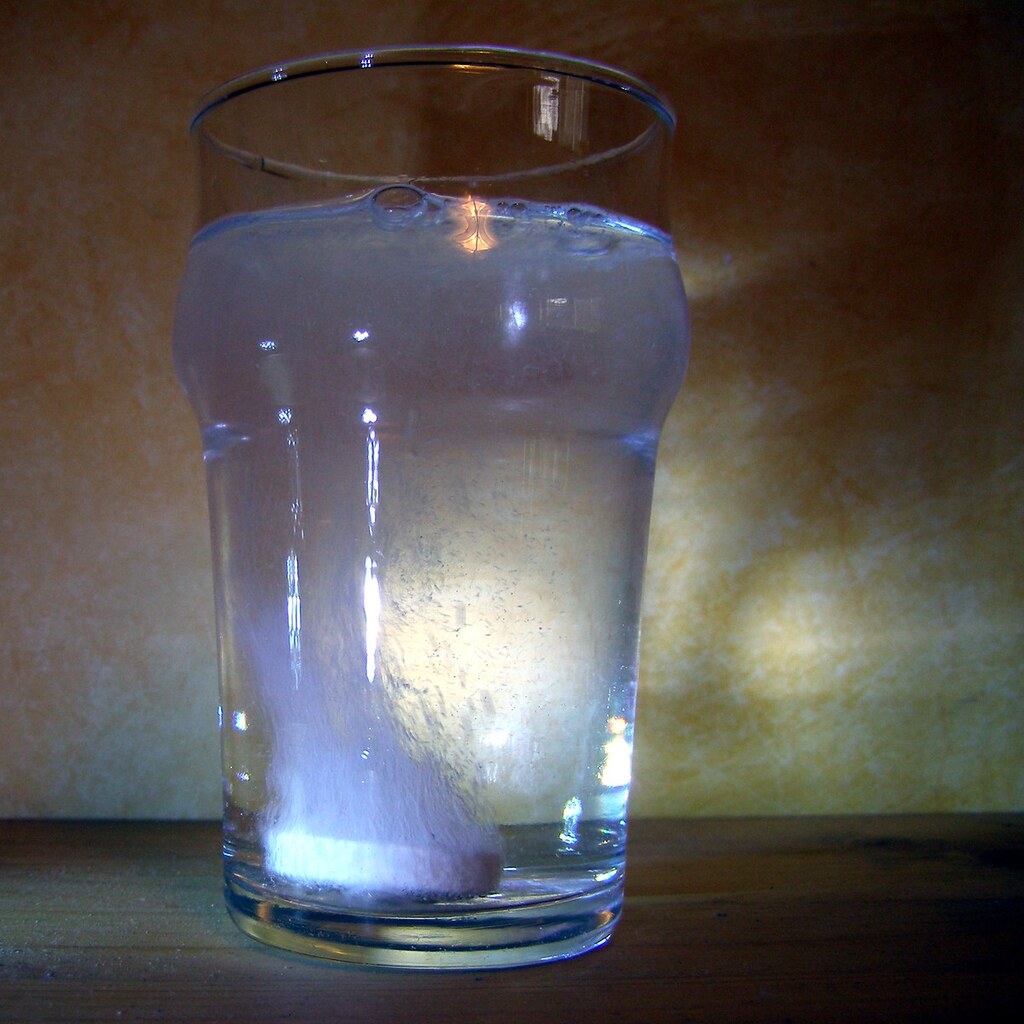
You dissolve a solid in a liquid by mixing the solid around until it seems to disappear. Once the solid is completely dissolved, the resulting solution behaves exactly like a liquid. Solids won't dissolve in any liquid, they must be soluble in them. For example, table salt is soluble in water but not in oil.
Solids that do not dissolve in a liquid but are mixed into a liquid can be removed with a filter. Filtering is an effective way to remove very fine particles of dirt from water.
Dis forDough

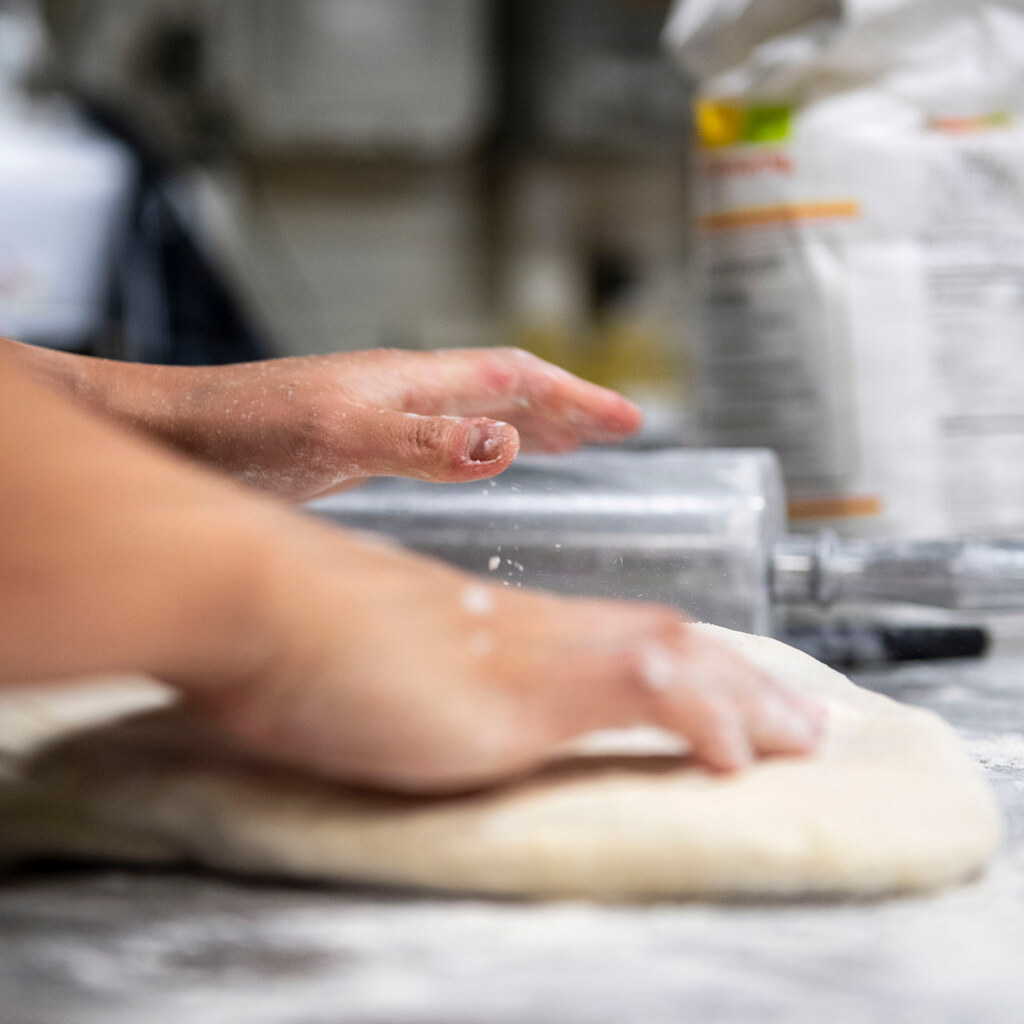
Dough is a soft substance made mostly from flour mixed with things like butter, water, eggs or milk. Dough is what things like bread and pastries are made from before they are cooked and can be eaten.

Eis forEmulsion

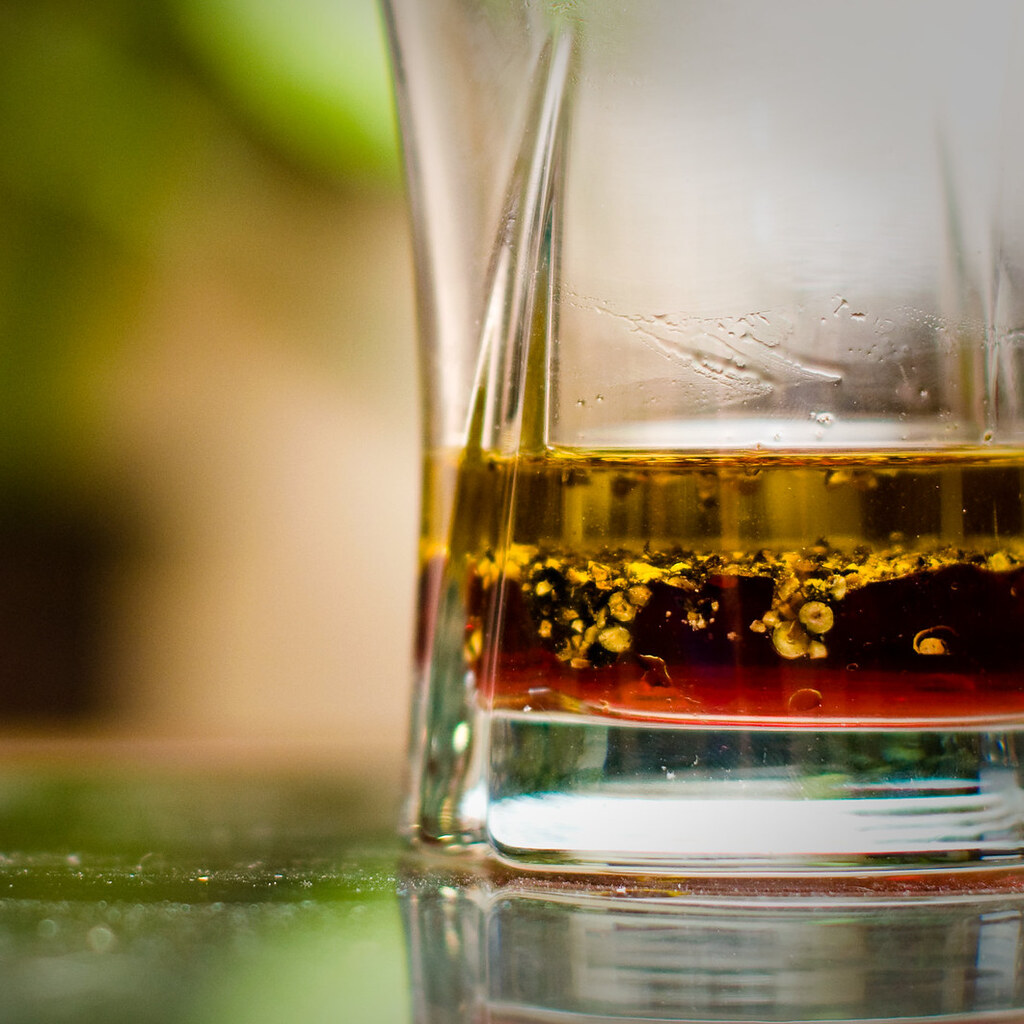
An emulsion is a mixture of two ingredients that wouldn't normally blend together, such as oil and water. Many sauces are emulsions.
Fis forFried

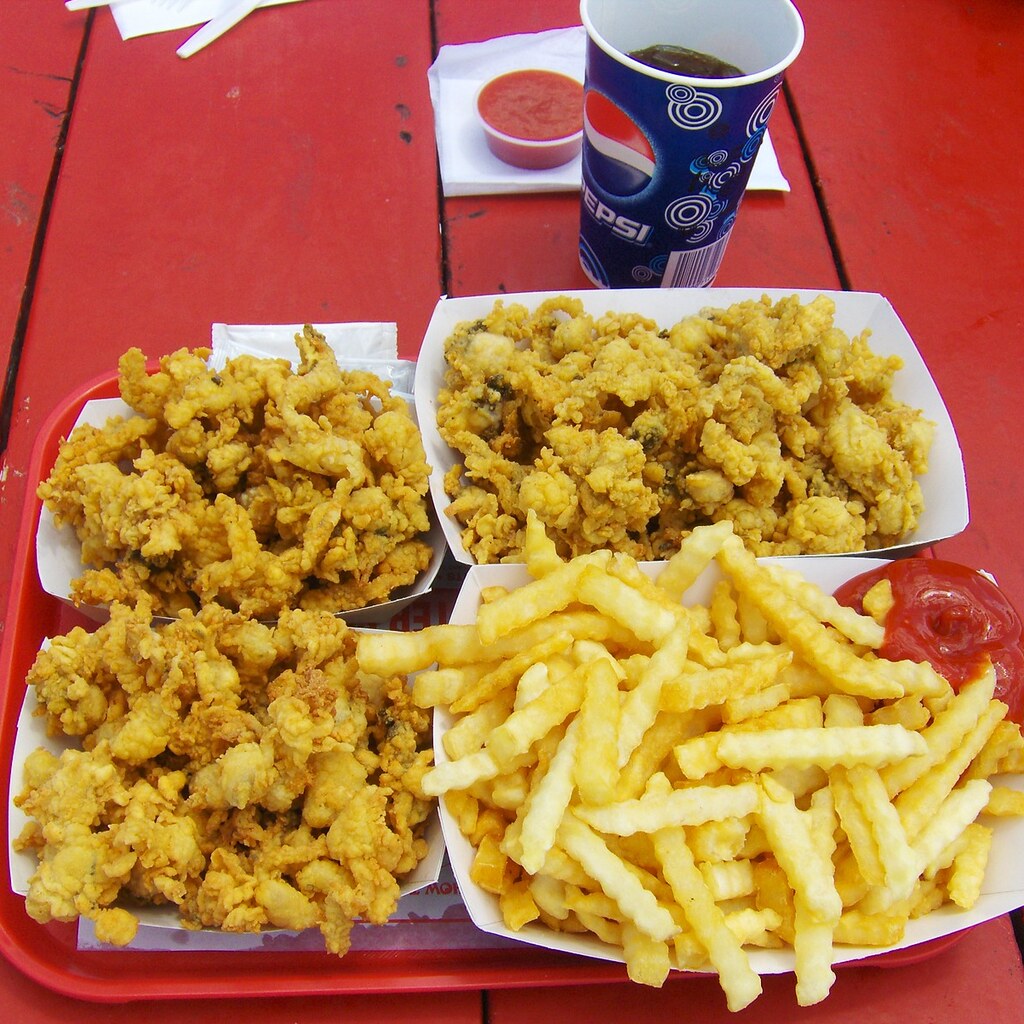
Fried food is food that has been cooked in some kind of fat, usually cooking oil, over direct heat. Potatoes, chicken, and seafood are common fried foods.

Fis forFrosting

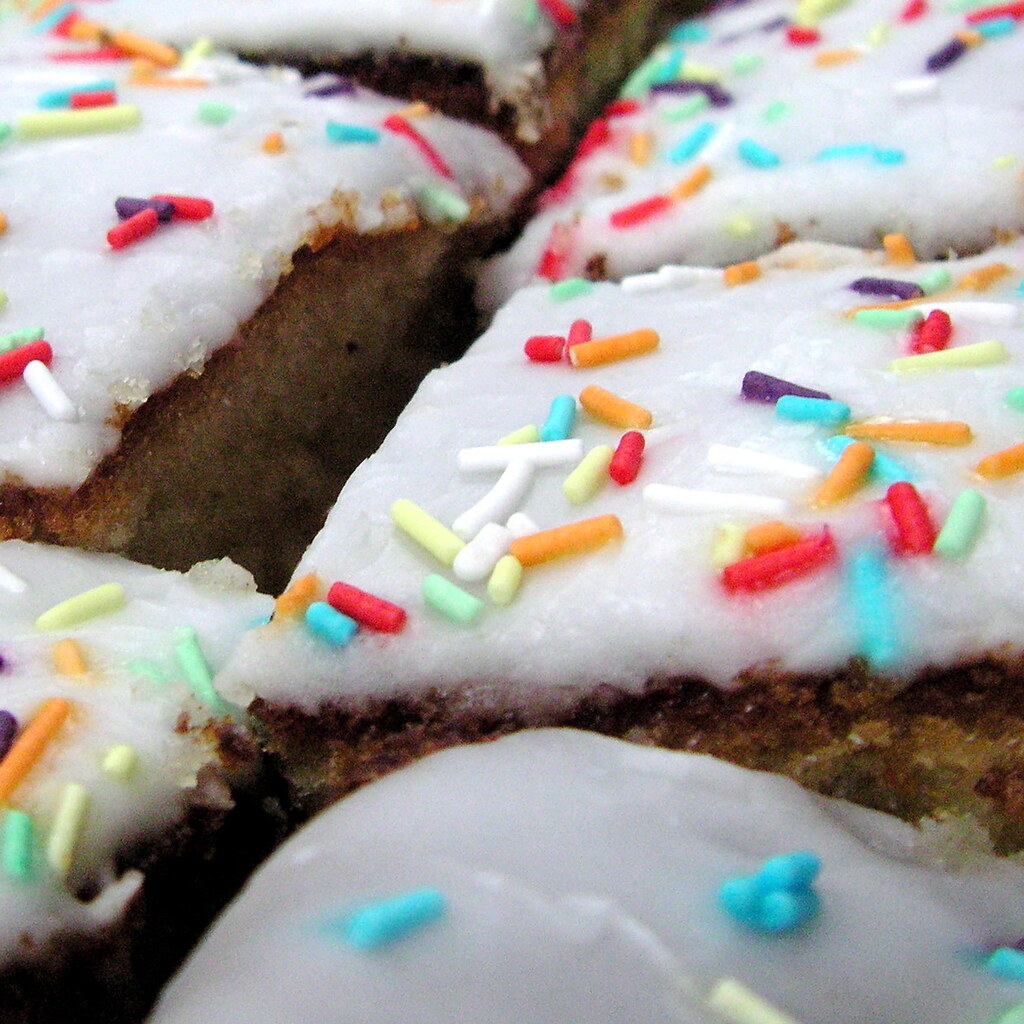
Frosting, also called icing, is a sweet, colored layer that you often see on cakes and other baked goods.
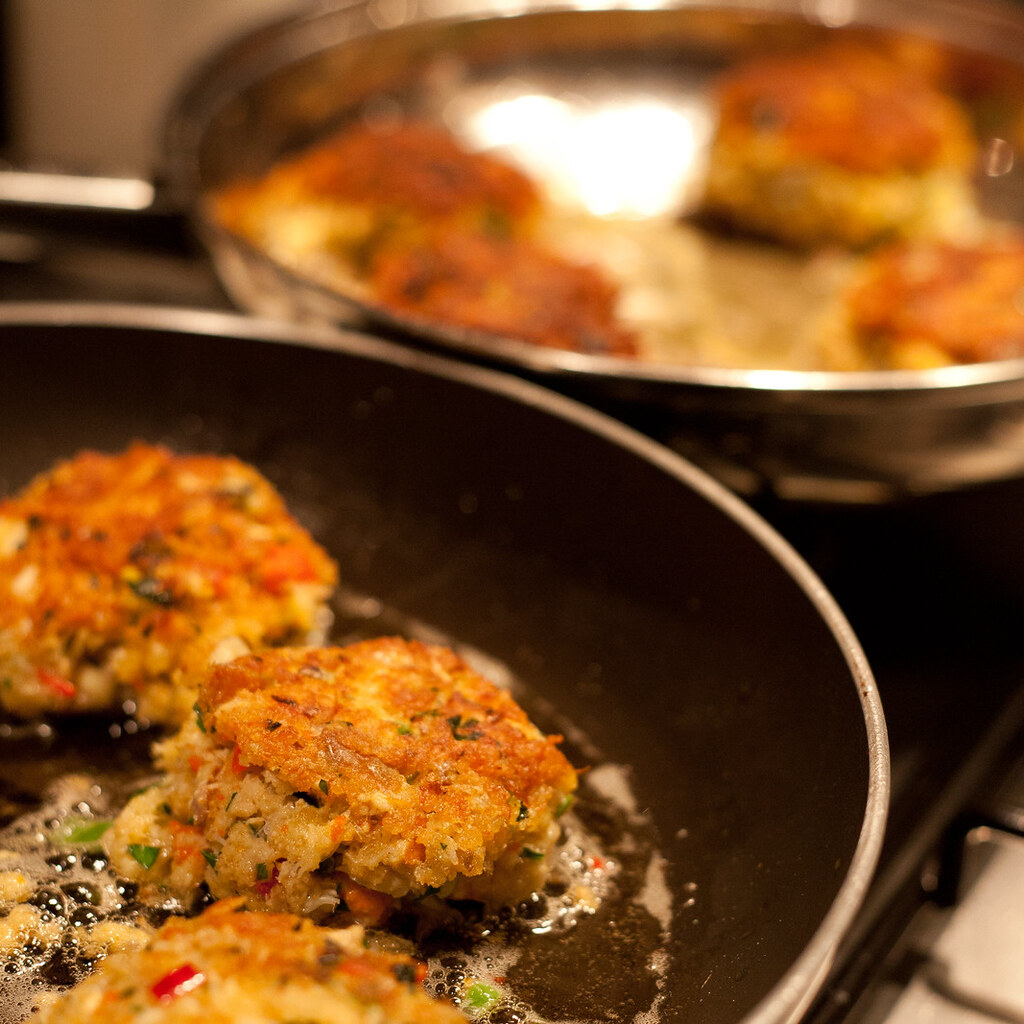
Fis forFry

Frying is a way of cooking food in a shallow pan over heat. Most things are fried in fat or oil.
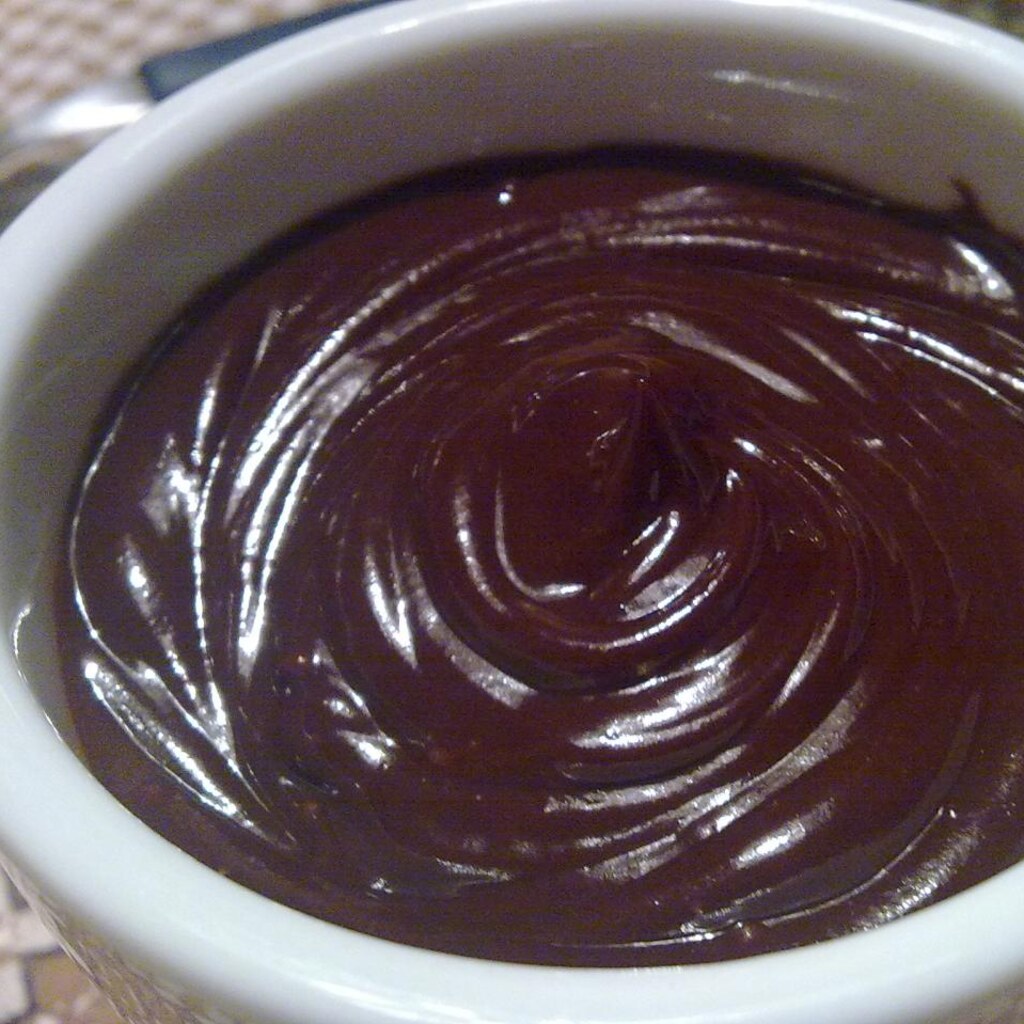
Gis forGanache

Ganache is a mix of chocolate and cream. It can be used as frosting or filling for pastries and confectionary. It is made by pouring warm cream over diced chocolate and then stirring them together. Ganache is usually made with two parts chocolate to one part cream for filling, and equal parts for frosting or a glaze.
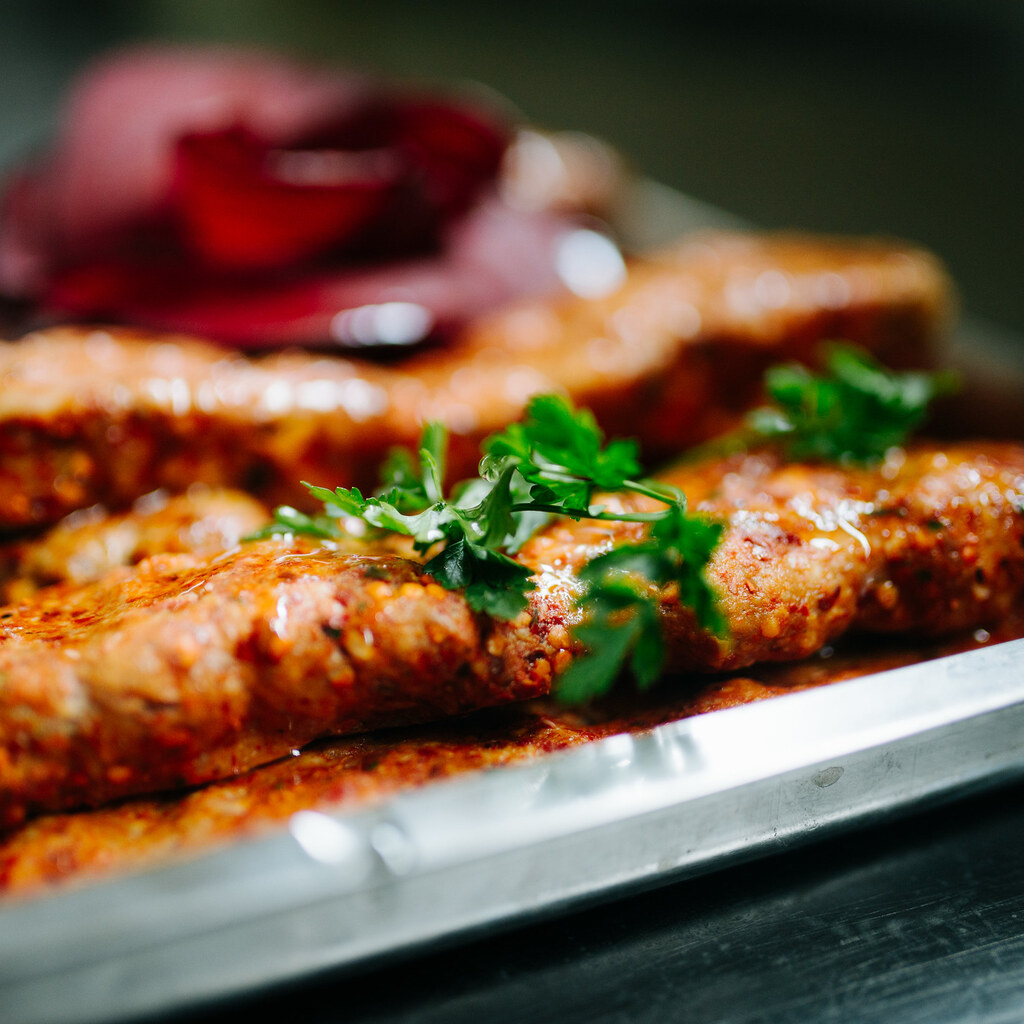
Gis forGarnish

Garnish is something that you put on top of food to make it look nicer. Garnishes can be eaten if you like, or they can be there just for decoration. Garnishes are usually some kind of herb, or a little sprinkle of ground spice.
The most common kind of garnish is a sprig of parsley.