
Showing 21-38 of 38
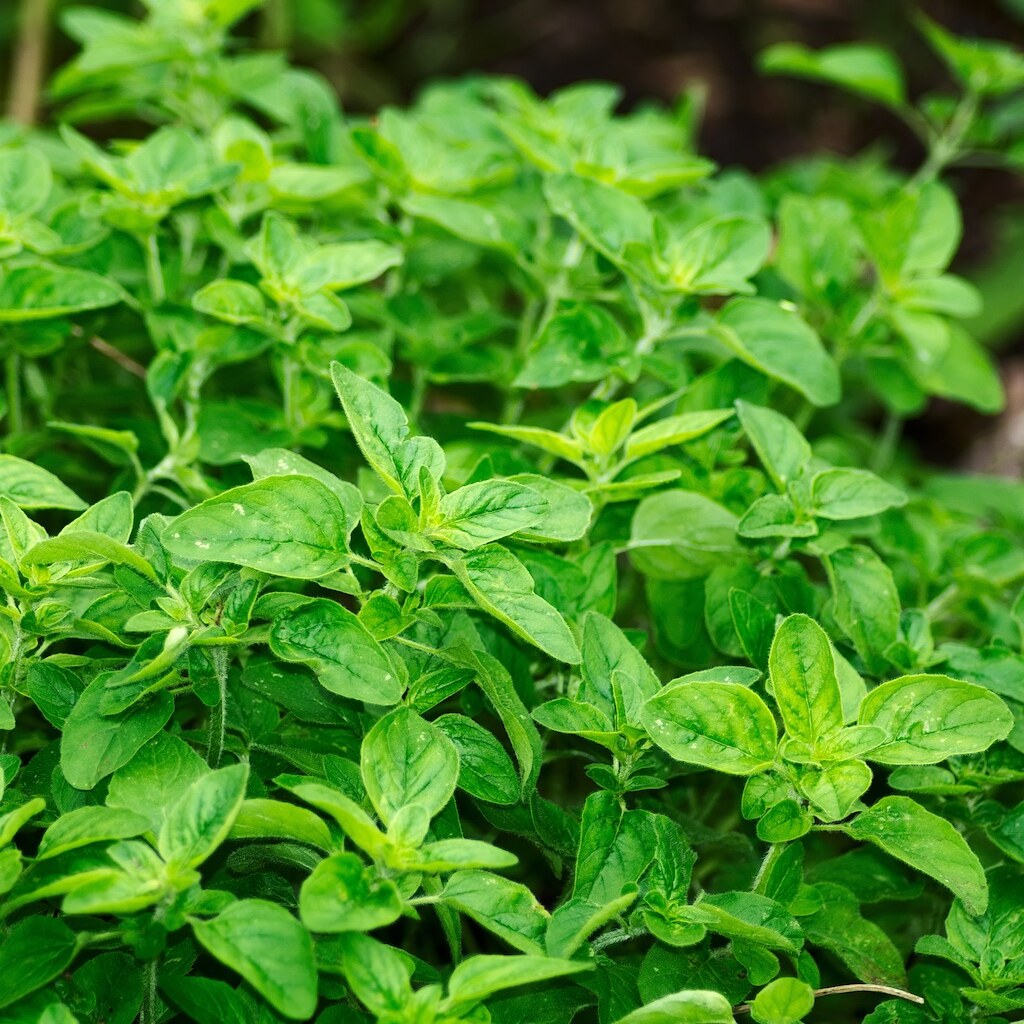
Oragano is a herb often used in Greek, Spanish and Italian cooking. It comes from the Mediterranean region. Oregano is very commonly used on pizza.
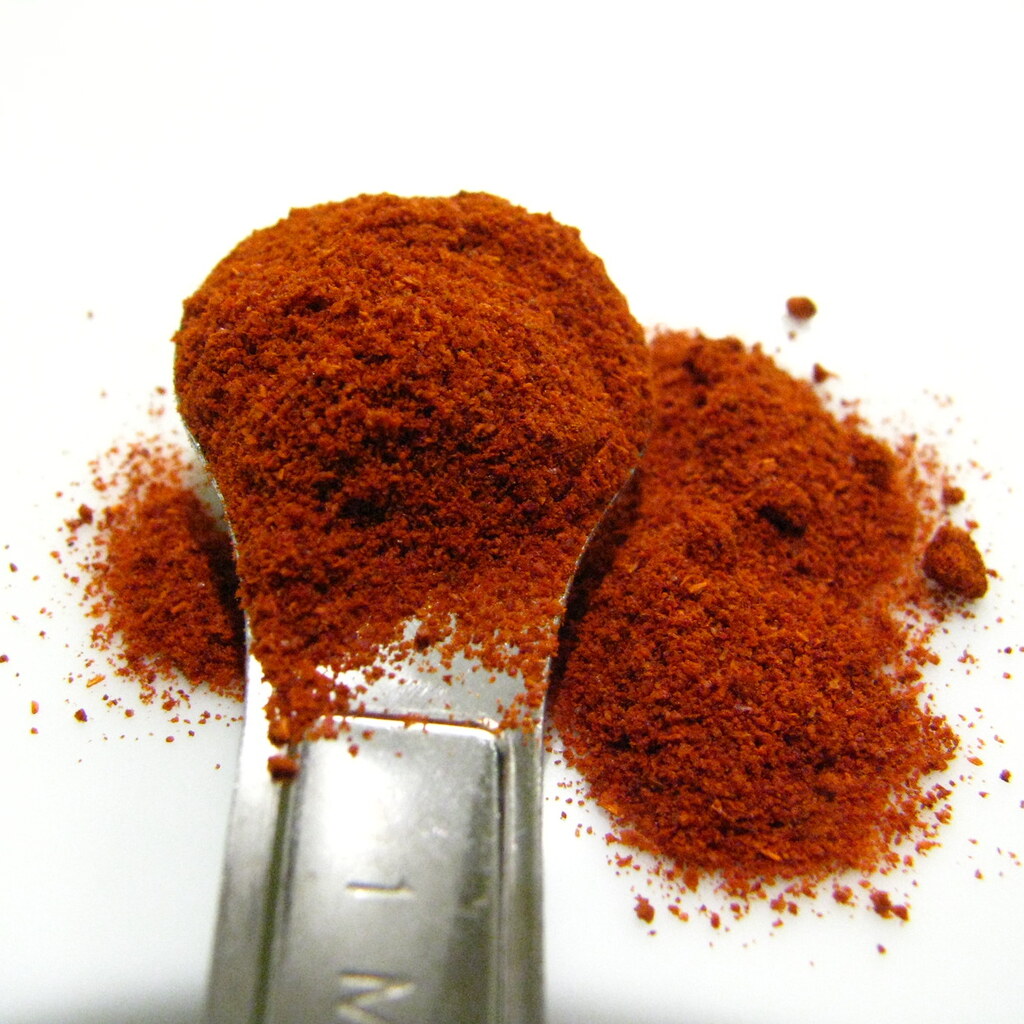
Paprika is a spice, usually found as a powder, made from dried and ground up bell peppers (capsicums). Paprika is often smoked to add to the flavour.
Paprika is used to flavour or colour many dishes, and is often sprinkled on meat before it is fried.
Paprika is used to flavour or colour many dishes, and is often sprinkled on meat before it is fried.
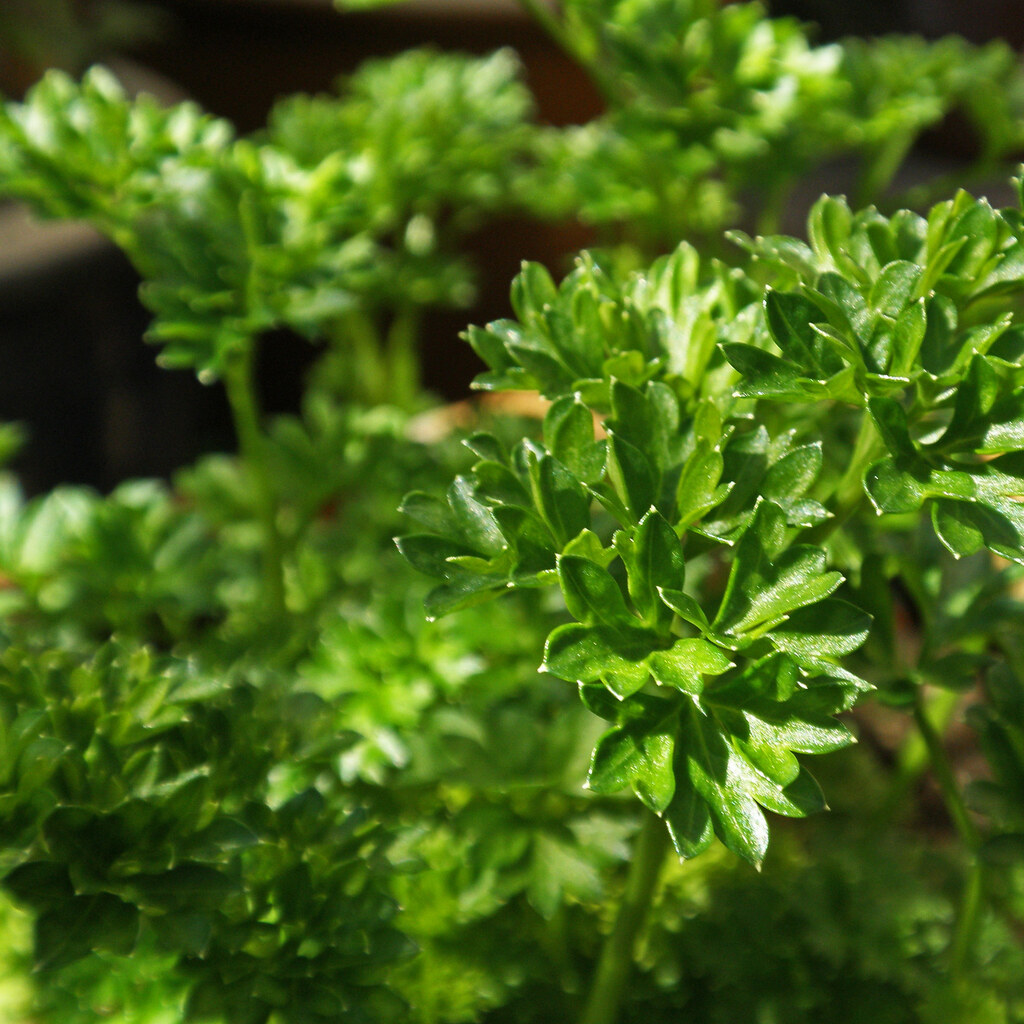
Parsley is a herb, which means it is not eaten as a food on its own, but it is added to other dishes for flavour. Parsley is used mostly as a garnish, cut up and sprinkled onto food to make it look nicer. You often find a sprig of parsley being used to decorate food from a restaurant.
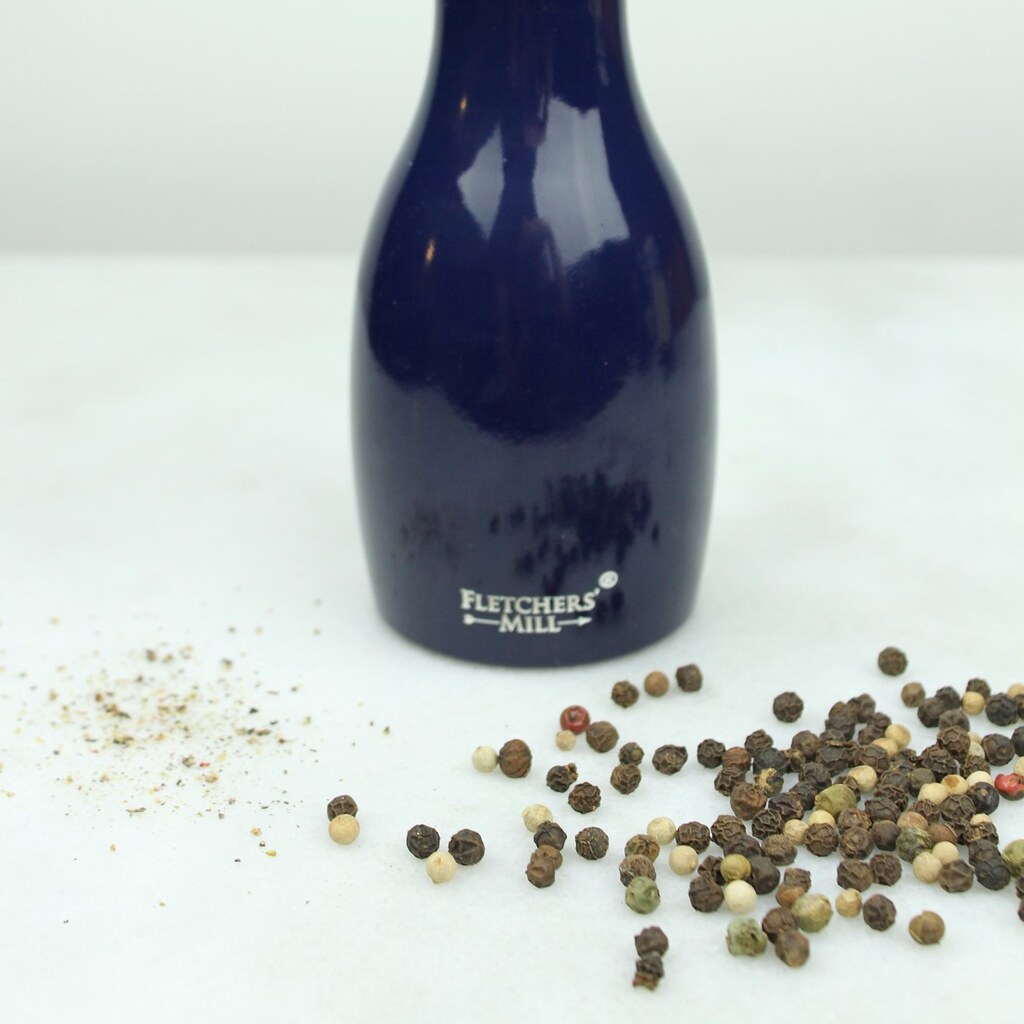
Peppercorns are the fruit and seeds of a vine native to India. The fruit is very small and only has one seed, and a thin layer of flesh around the outside. Peppercorns are dried and sold as pepper, either whole or ground up into small flakes or a powder. Pepper is usually sold in white and black. White pepper is made from just the seeds of the pepper fruit, and black pepper is made from the whole fruit, seed and all.
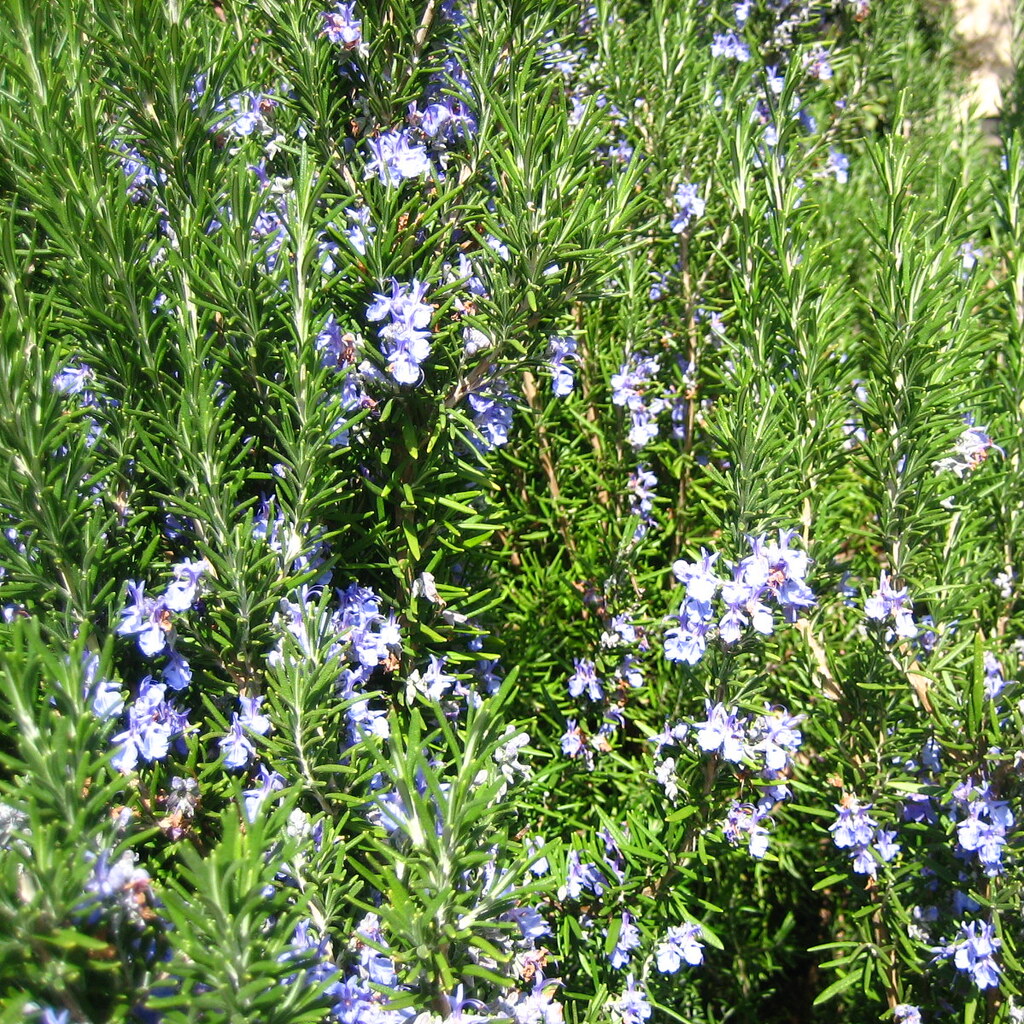
Rosemary is a woody evergreen herb that grows into a shrub up to about a metre and a half tall and much wider again. It can be clipped into a hedge or other topiary shapes. It has very strong smelling narrow leaves and purple flowers. It grows well in hot, dry conditions and most varieties tolerate heavy frosts. It does not like being overwatered.
Rosemary goes very well with lamb dishes, but can be used to flavor a variety of other foods too.
Rosemary goes very well with lamb dishes, but can be used to flavor a variety of other foods too.


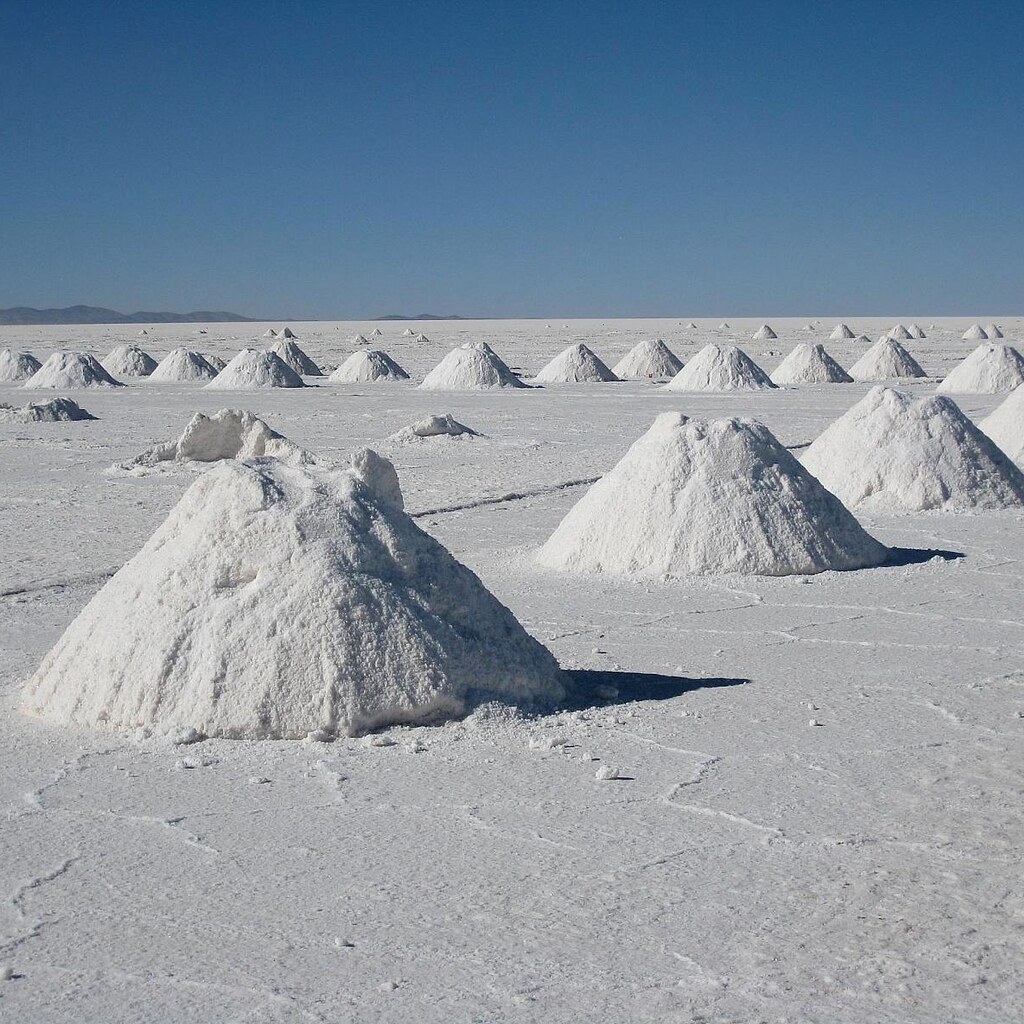
Salt is a mineral that is essential to all animal life, but is toxic to most land plants. Salt is found in the sea, in your blood and sweat and in solid form as rock salt away from the sea.
Salt is collected to use for making food either by mining a deposit of rock salt, or by evaporating salty water until only the salt is left behind.
The photo is of the surface of a salt lake with piles of salt scraped into mounds, ready to take away.
Salt is collected to use for making food either by mining a deposit of rock salt, or by evaporating salty water until only the salt is left behind.
The photo is of the surface of a salt lake with piles of salt scraped into mounds, ready to take away.
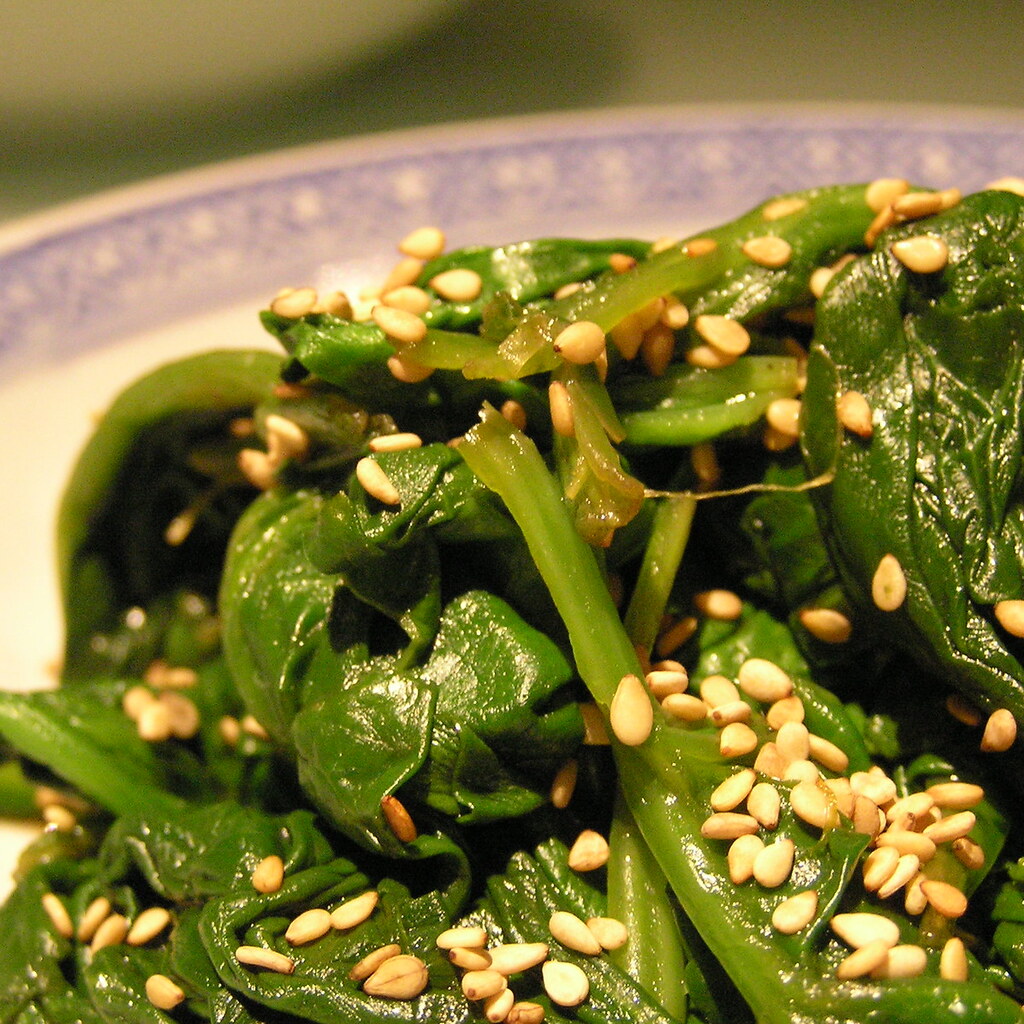
S is for Sesame seeds
The sesame seeds in the picture are on top of some cooked spinach.
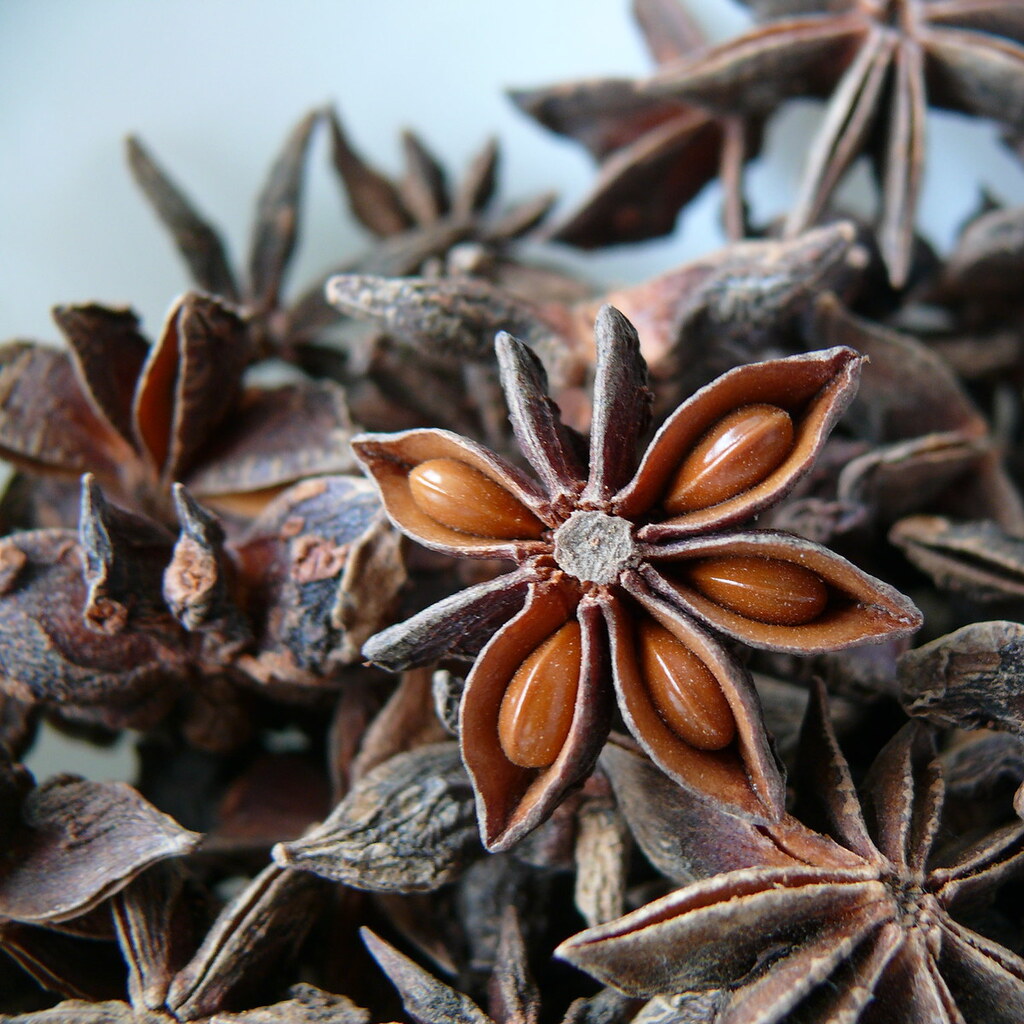
S is for Star anise
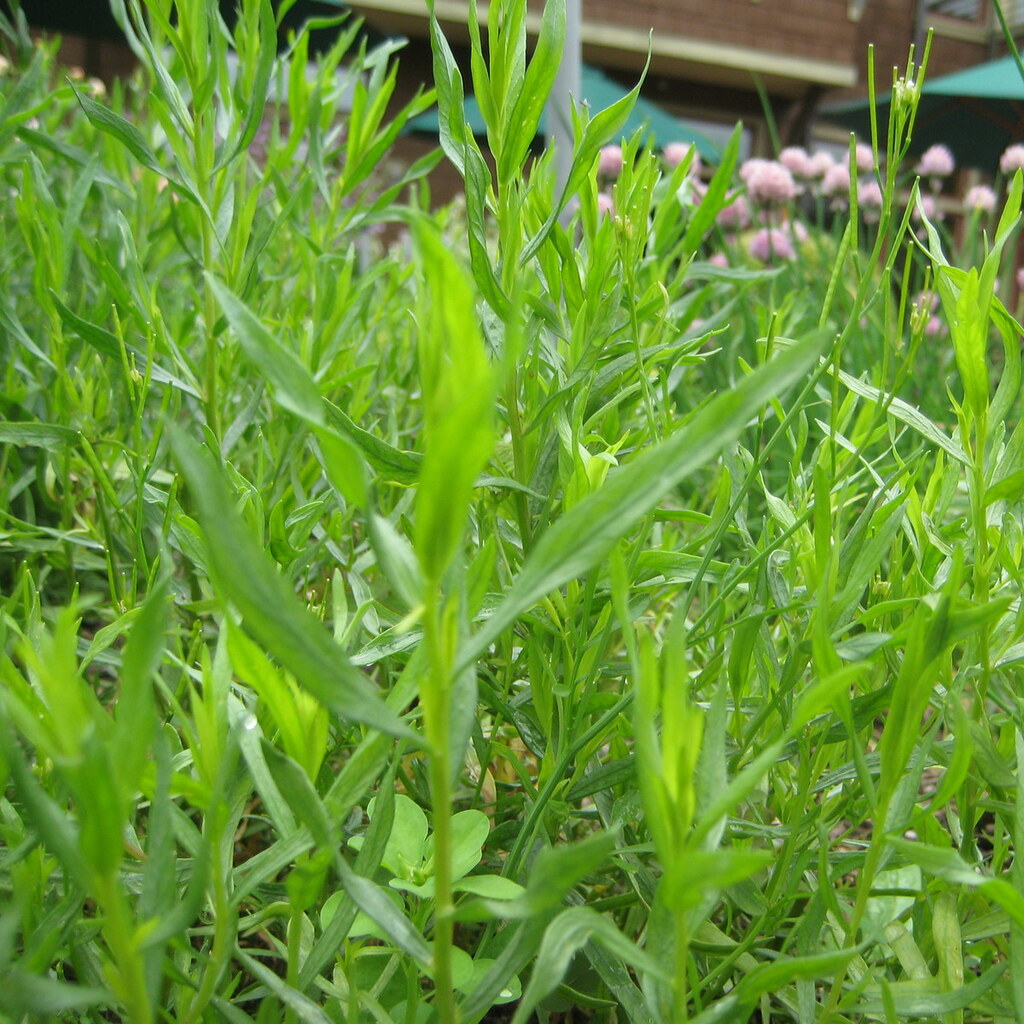
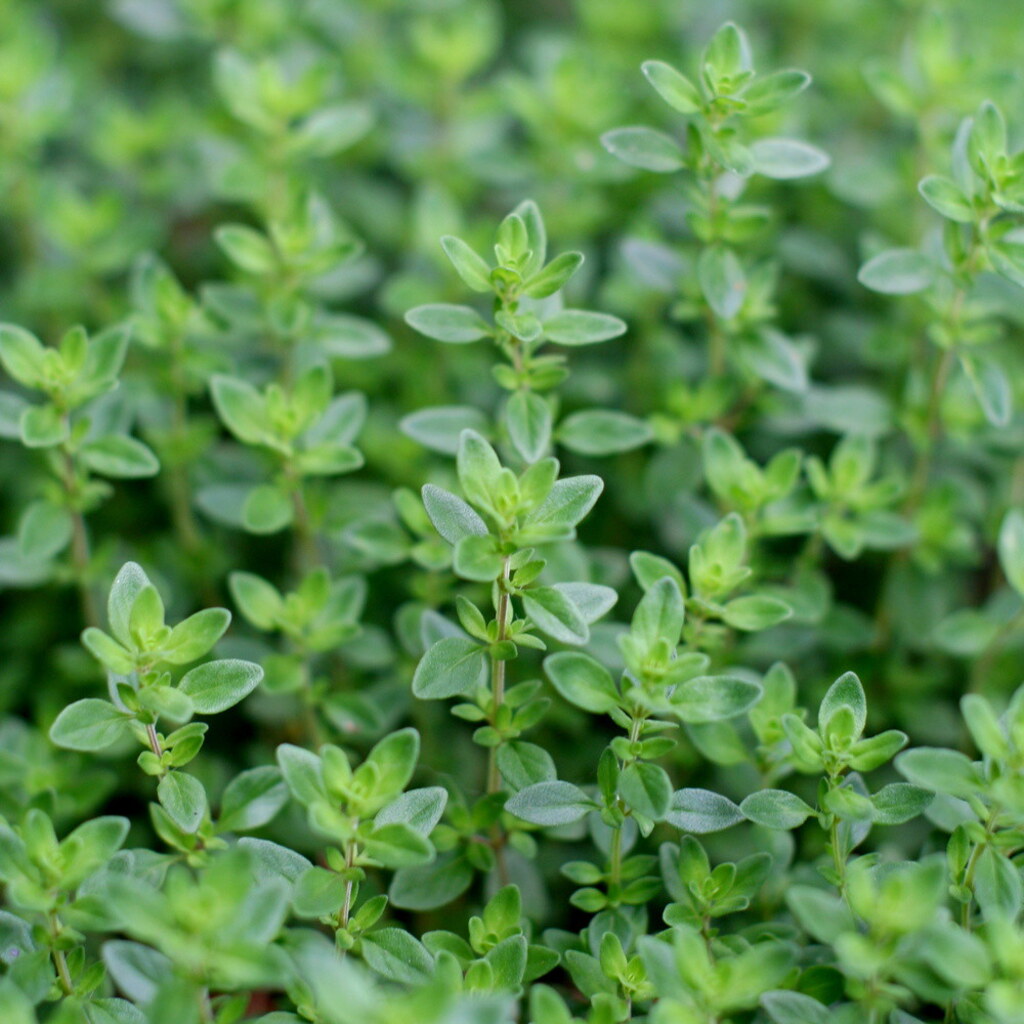
Thyme (said like "time") is a small, woody plant with lots of tiny leaves. It grows all year around, and gets tiny pink flowers in the spring. It has a very strong smell, and is used to flavour meat, soups and stews. Some varieties of thyme are lemon scented and can be used in dishes that need a hint of lemon.
Thyme can be grown from seed, cuttings, or just digging up parts of the plant that have already grown roots. When thyme spreads, branches that touch the ground grow roots at that point and are easy to separate. It likes to grow in a hot sunny spot, and can tolerate very heavy frosts and drought. It is a perfect rockery plant.
Thyme can be grown from seed, cuttings, or just digging up parts of the plant that have already grown roots. When thyme spreads, branches that touch the ground grow roots at that point and are easy to separate. It likes to grow in a hot sunny spot, and can tolerate very heavy frosts and drought. It is a perfect rockery plant.
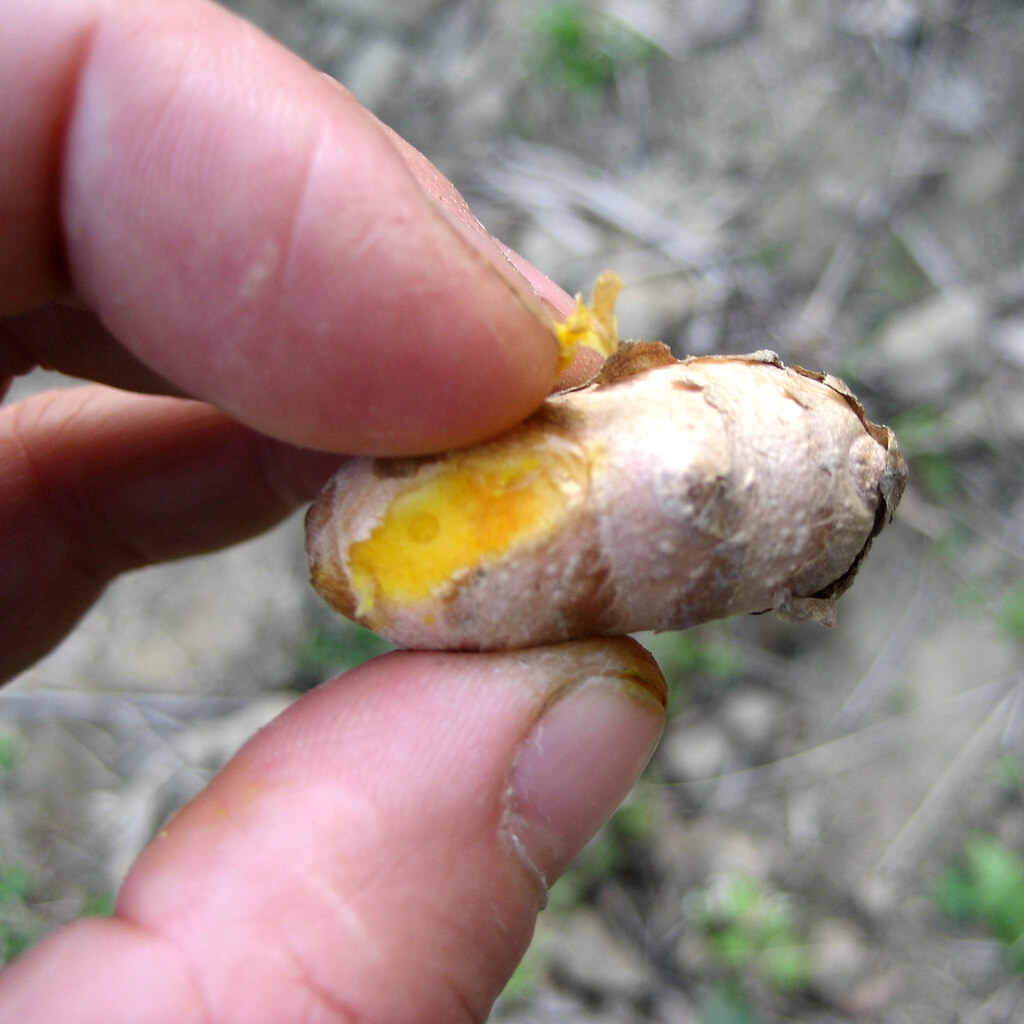

Vanilla beans are the seed pods of a kind of orchid. When they are grown outside Mexico, they need to be pollinated by hand. Vanilla has a strong, aromatic smell and is used in many different sweets, particularly icecream. The part of vanilla that makes the flavour can also be made artificially, and is a lot cheaper than natural vanilla essense.
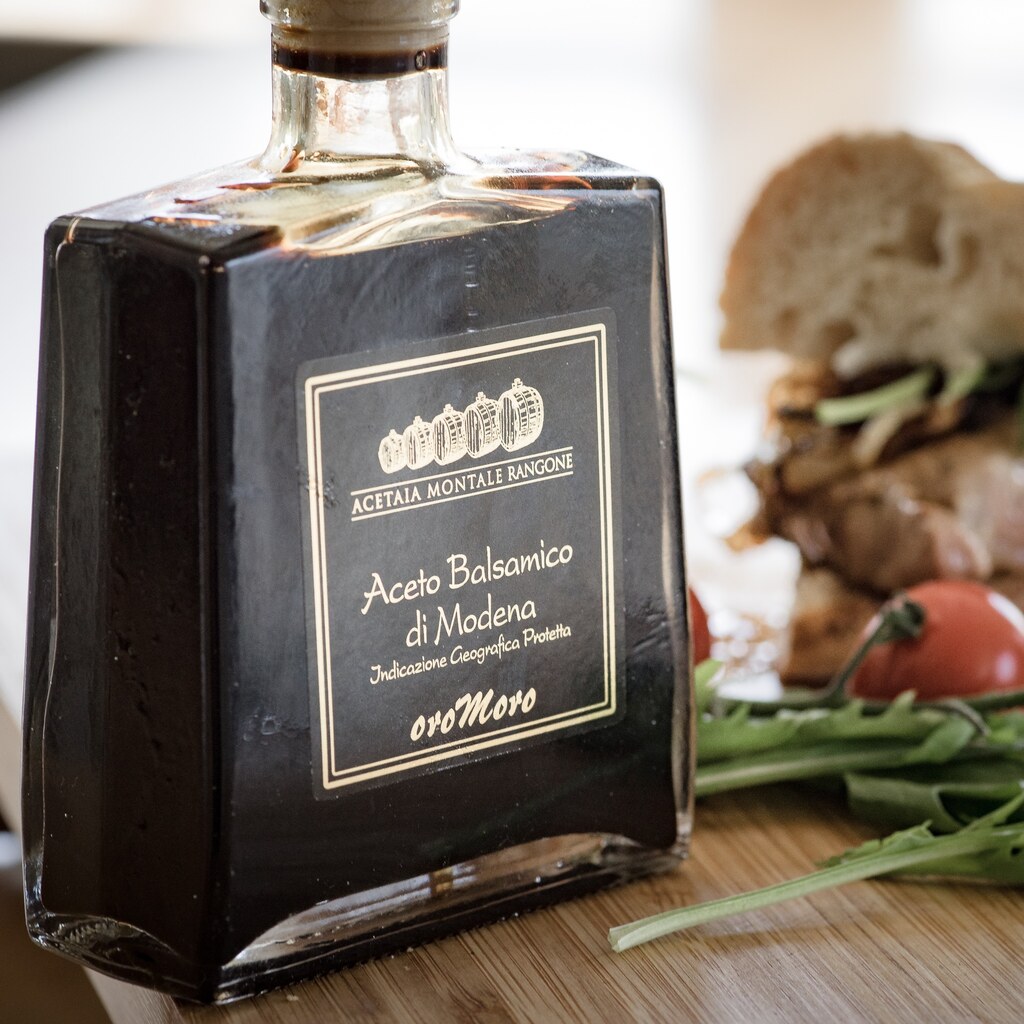
Vinegar is a liquid made from wine, in a process that turns the alcohol in the wine into acetic acid. Vinegar has a different flavour depending on what kind of wine was used to make it. Balsamic vinegar is very dark, rice wine vinegar is very light and apple cider vinegar is yellow.
Vinegar is used to make sauces like ketchup, to preserve fruits and vegetables by pickling, and to dress salads.
Vinegar is used to make sauces like ketchup, to preserve fruits and vegetables by pickling, and to dress salads.
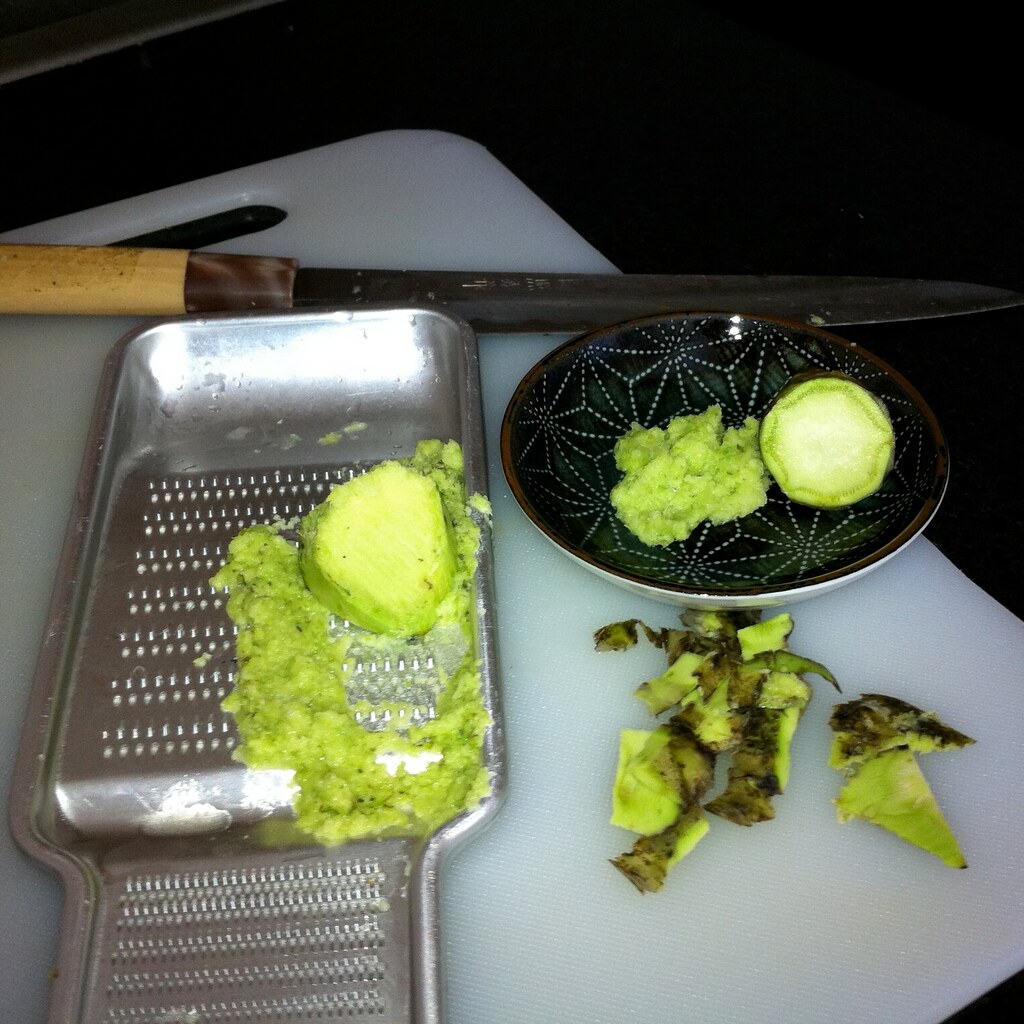
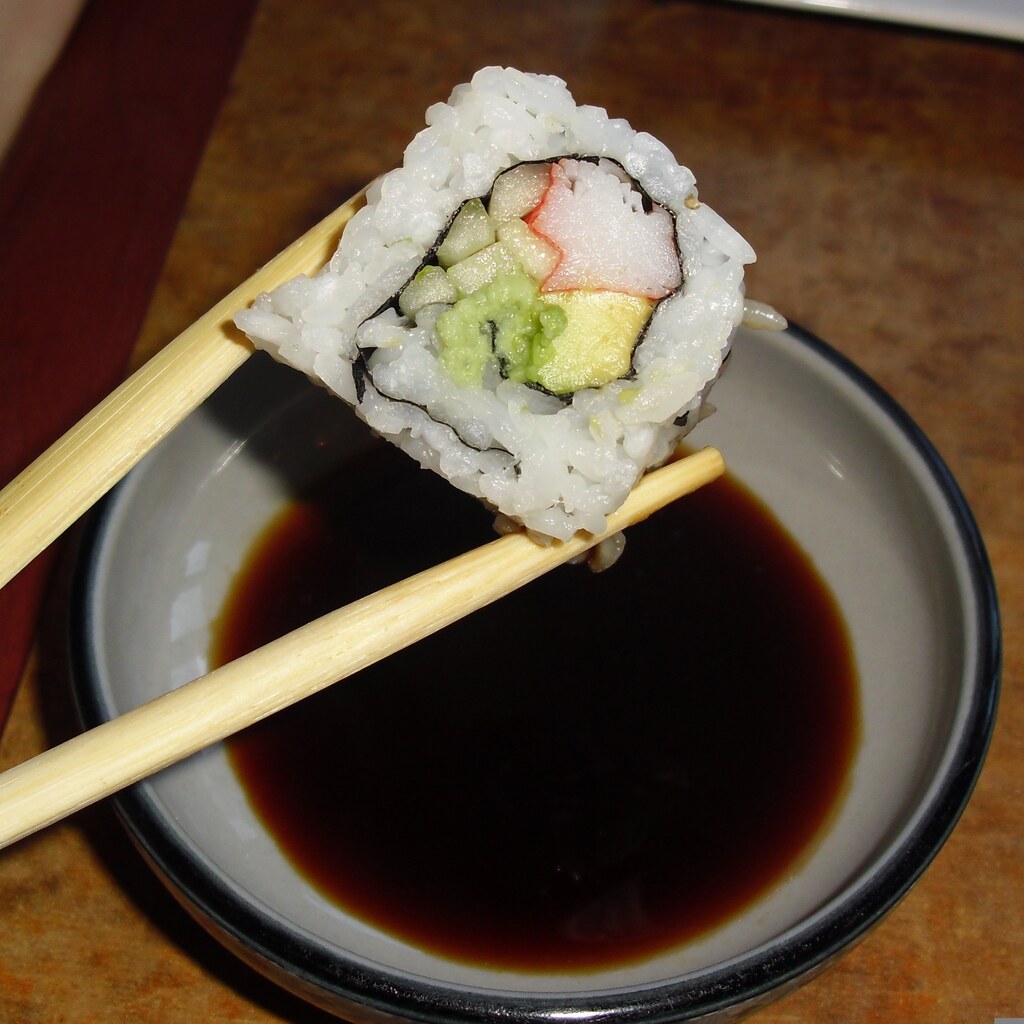
Wasabi is a green paste or powder made from a plant, also called wasabi.
You often see wasabi served with Japanese foods like sushi or sashimi. It has a strong, hot, sharp, spicy taste. Wasabi is usually served on the side, so you can use as much as you want to.
You often see wasabi served with Japanese foods like sushi or sashimi. It has a strong, hot, sharp, spicy taste. Wasabi is usually served on the side, so you can use as much as you want to.
