
Showing 1-20 of 38

Anise or aniseed is a small plant related to fennel and celery. It is grown for its seeds, which have a similar taste to liquorice. It is a different plant to star anise.
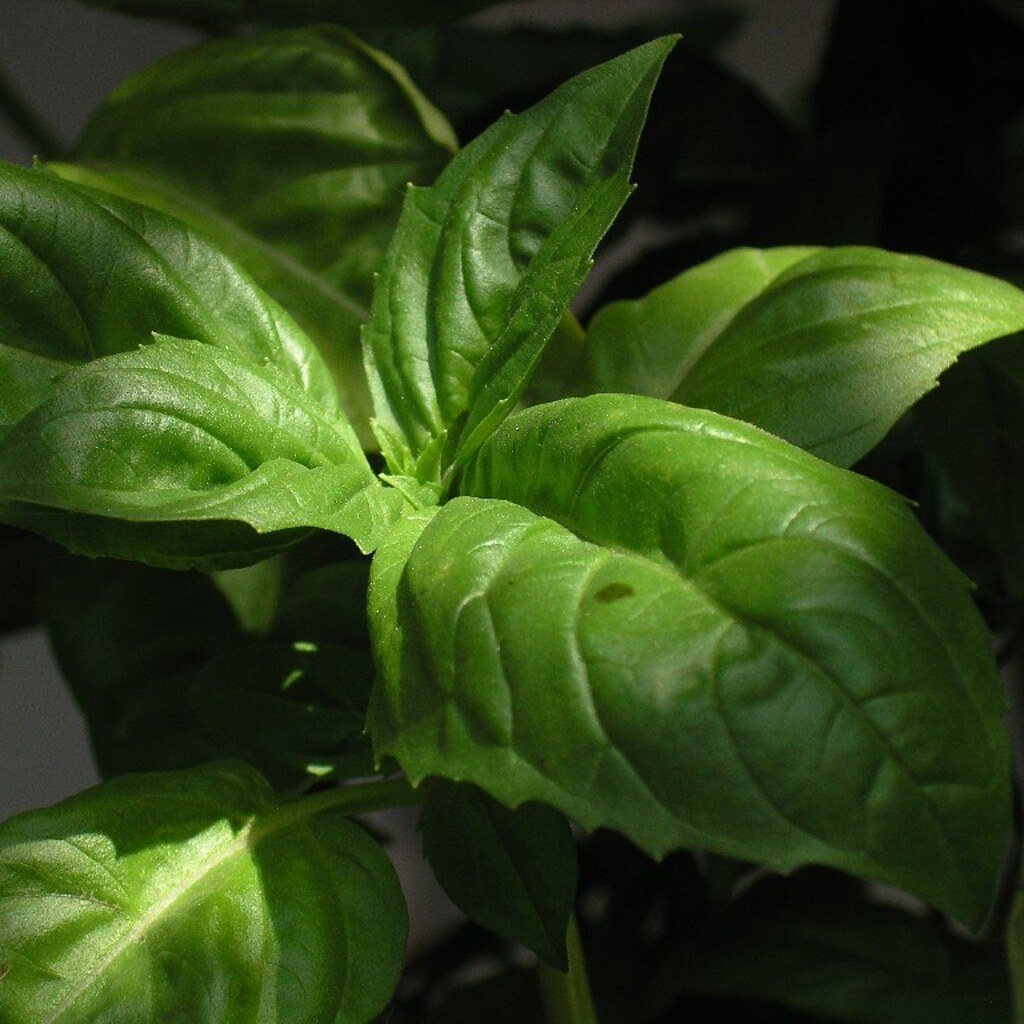
Basil is a herb that is often used in Italian or Thai food. Sweet basil is used in Italian food and Thai basil is used in Asian food. Basil has a sweet, strong smell.
Basil likes to grow in hot, dry conditions and does not tolerate frost at all. Basil stops producing the oil that gives it its flavour once it starts to flower, so you should pick off the flowers as they develop. You can leave one or two stems to flower without affecting the rest of the plant, so you have some seeds for next year.
Basil likes to grow in hot, dry conditions and does not tolerate frost at all. Basil stops producing the oil that gives it its flavour once it starts to flower, so you should pick off the flowers as they develop. You can leave one or two stems to flower without affecting the rest of the plant, so you have some seeds for next year.
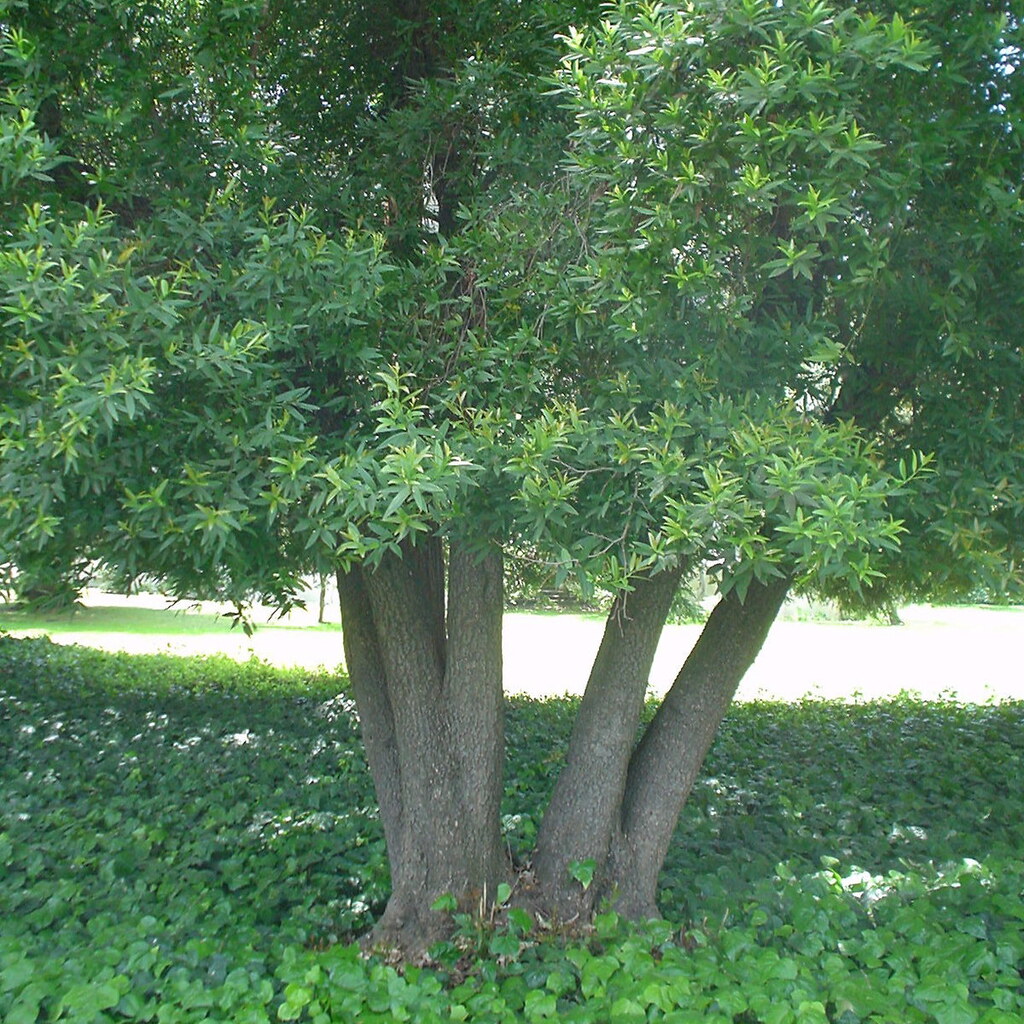
B is for Bay laurel
The bay laurel itself can grow into a large tree, but is usually kept in a container and clipped into shapes by topiary. Bay trees like a frost-free area.

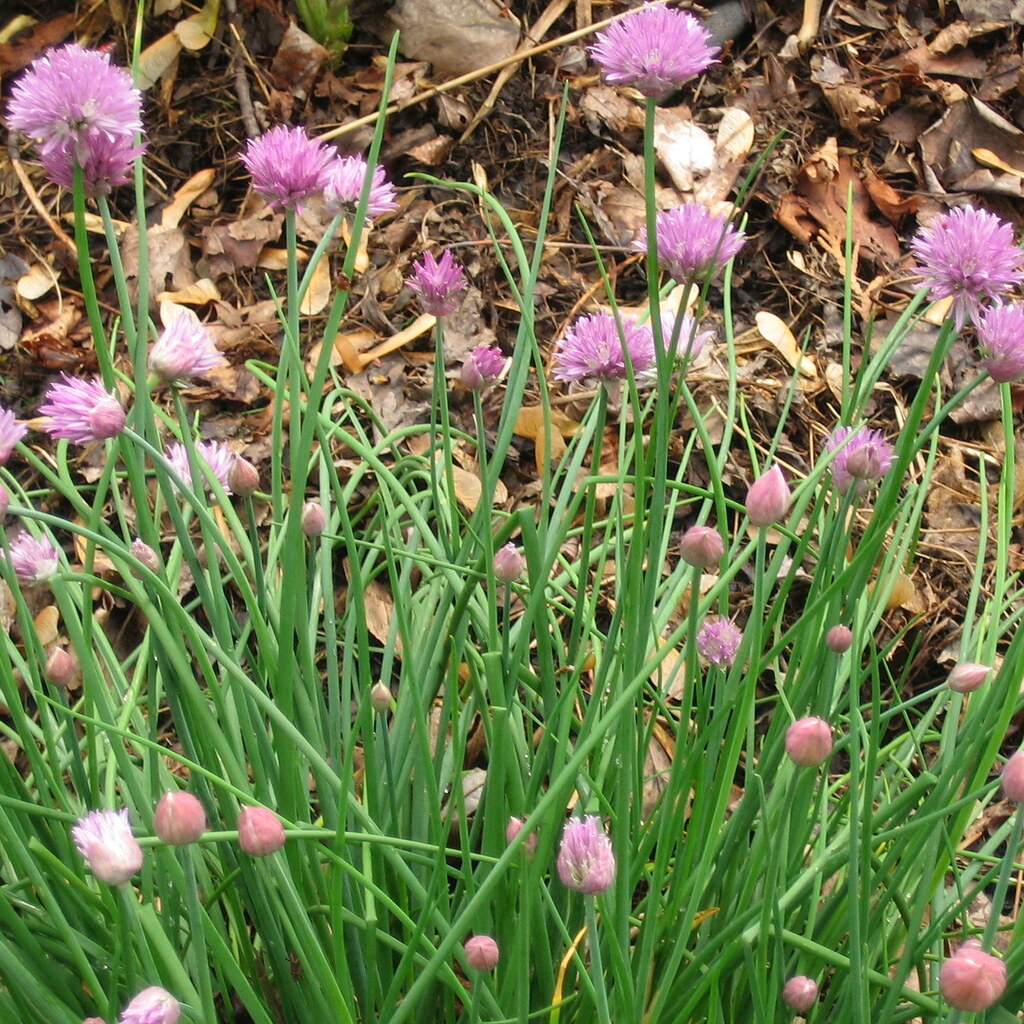
Chives are a member of the onion family. Chives grow in clumps from a bulb under the ground. You can use the leaves cut up on salads or on potato or pasta dishes. You can use the flowers in salads too. Chives are very easy to grow from seed, and they can also grow new chives by digging up a clump and splitting off the smaller side bulbs.
There are different varieties of chives, one of the most useful being garlic chives, which have leaves and flowers with a strong garlic flavour.
There are different varieties of chives, one of the most useful being garlic chives, which have leaves and flowers with a strong garlic flavour.
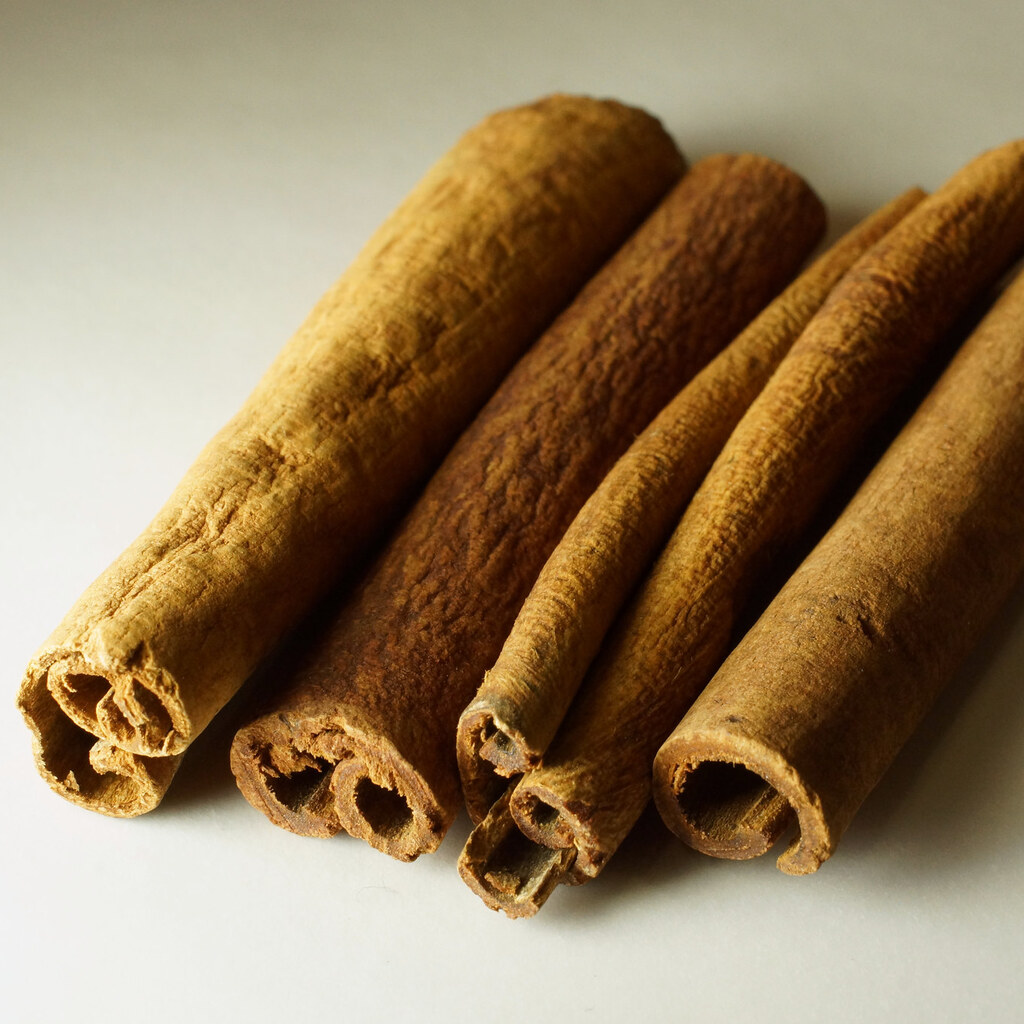
Cinnamon is made from the bark of a small tree native to Sri Lanka. The smell and taste comes from an oil that the plant makes. Cinnamon is usually sold as a powder in shops, and is simply the bark of the tree ground into powder.
Cinnamon is used in a lot of cooking, mostly in sweet desserts like chocolate dishes, apple pie and many cakes and cookies. Cinnamon is used with sugar on cinnamon donuts.
Cinnamon is used in a lot of cooking, mostly in sweet desserts like chocolate dishes, apple pie and many cakes and cookies. Cinnamon is used with sugar on cinnamon donuts.
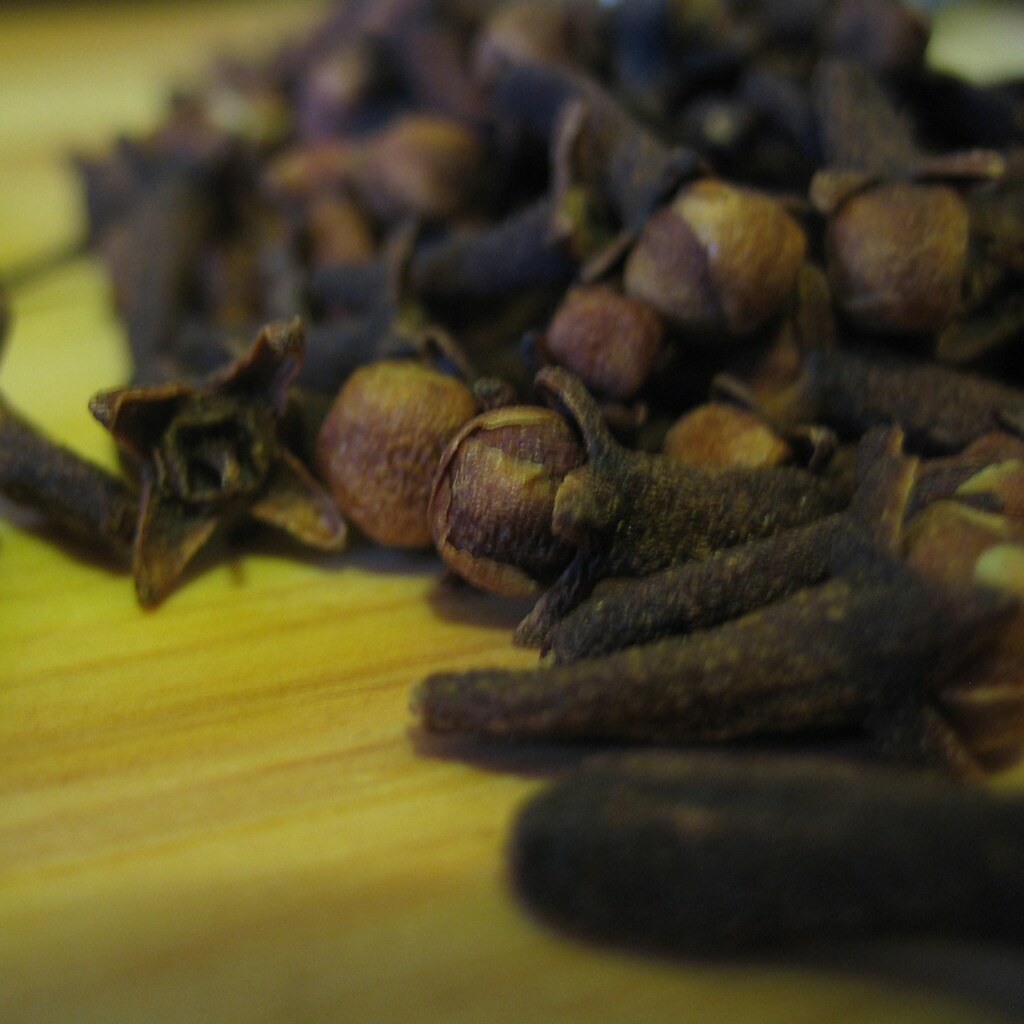
Cloves are the dried flower of a large evergreen tree native to Indonesia and India. They are used whole or ground up in baking, for making cakes, puddings and a lot of Mexican and Indian food. Cloves are very strong, and you don't need much of them to flavour food.
Clove oil can be used to stop sore teeth from hurting.
Clove oil can be used to stop sore teeth from hurting.

Cocoa beans are small seeds found inside cocoa pods. They come from the cacao tree, which is grown as a crop in tropical parts of the world.
After harvest, the beans are cleaned, fermented, and dried. Then they are roasted and ground to make cocoa powder and chocolate.
After harvest, the beans are cleaned, fermented, and dried. Then they are roasted and ground to make cocoa powder and chocolate.
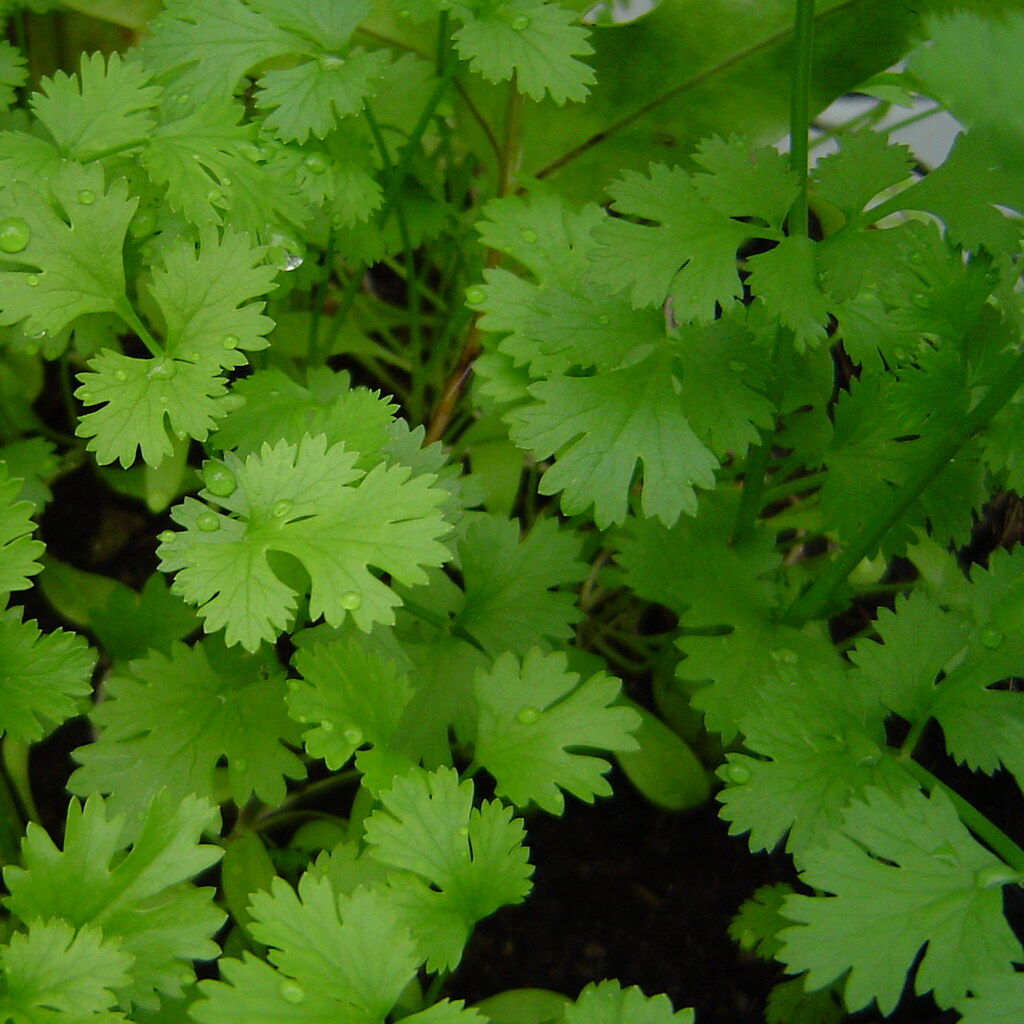
Coriander, also called Chinese Parsley, is a soft, fast-growing annual herb - it lives for a year or less. It is very easy to grow from its big, round seeds. It is best planted in early Spring, and again in Autumn in warmer areas. In warm weather it will go to seed very fast so it is best to plant it in a cool, sheltered spot.
Coriander leaves are is used fresh in a lot of Asian - particularly Thai, Middle Eastern and African cooking. It is also used in some South American dishes. Both the fresh leaves and the dried seed, powdered or whole, are used in cooking. Ground coriander seed is one of the main ingredients in curry powders and mixed spice. Coriander is also used to flavour cakes, cooked fruits and cookies and goes very well with chicken, fish and vegetable dishes. Coriander is though to help digestion and is useful in treating colic.
Coriander leaves are is used fresh in a lot of Asian - particularly Thai, Middle Eastern and African cooking. It is also used in some South American dishes. Both the fresh leaves and the dried seed, powdered or whole, are used in cooking. Ground coriander seed is one of the main ingredients in curry powders and mixed spice. Coriander is also used to flavour cakes, cooked fruits and cookies and goes very well with chicken, fish and vegetable dishes. Coriander is though to help digestion and is useful in treating colic.
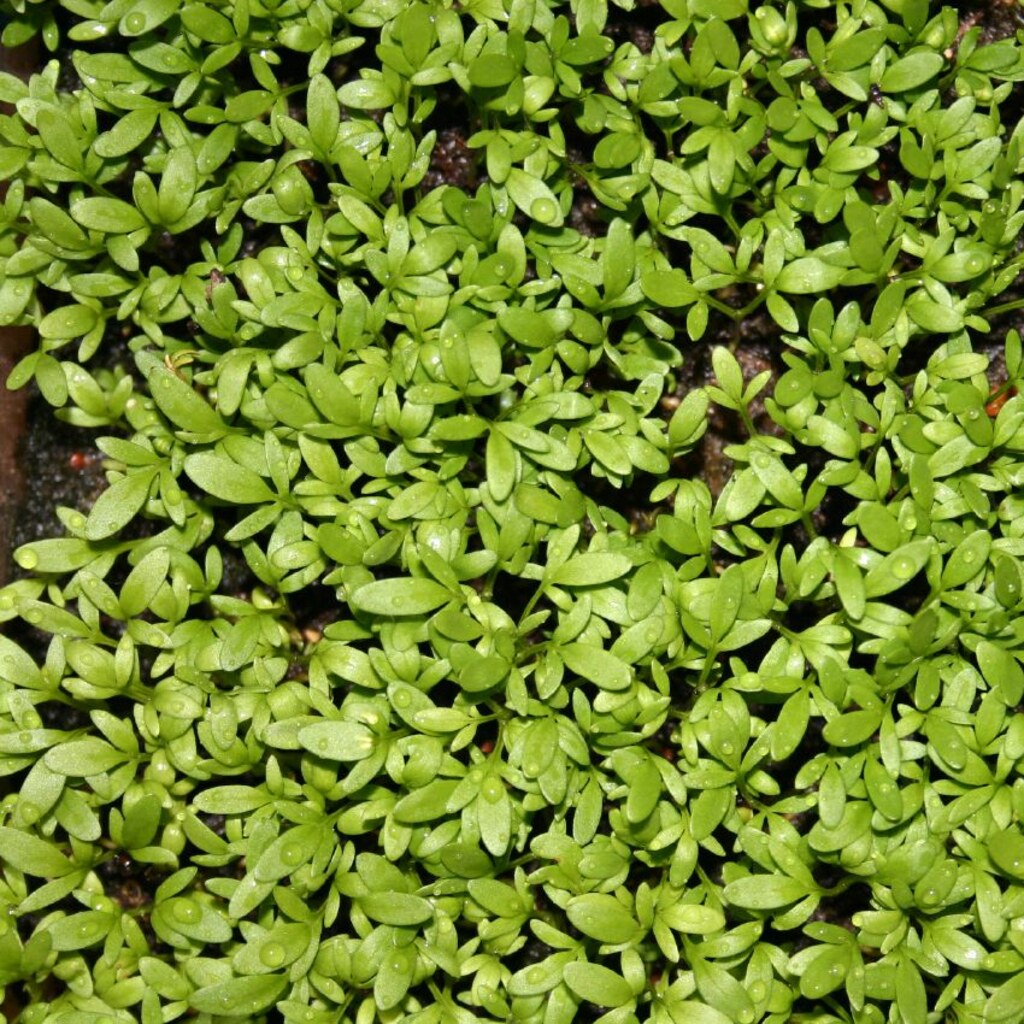
Cress is a herb with a very sharp, peppery taste that is very easy to grow. It is related to mustard.
Cress can be grown inside by sprinkling the seeds over some damp potting soil and left on a window ledge. Cress can be harvested simply by cutting the plants off with scissors when they have a few leaves.
Cress is very tasty on salads, or in egg and cress sandwiches.
Cress can be grown inside by sprinkling the seeds over some damp potting soil and left on a window ledge. Cress can be harvested simply by cutting the plants off with scissors when they have a few leaves.
Cress is very tasty on salads, or in egg and cress sandwiches.
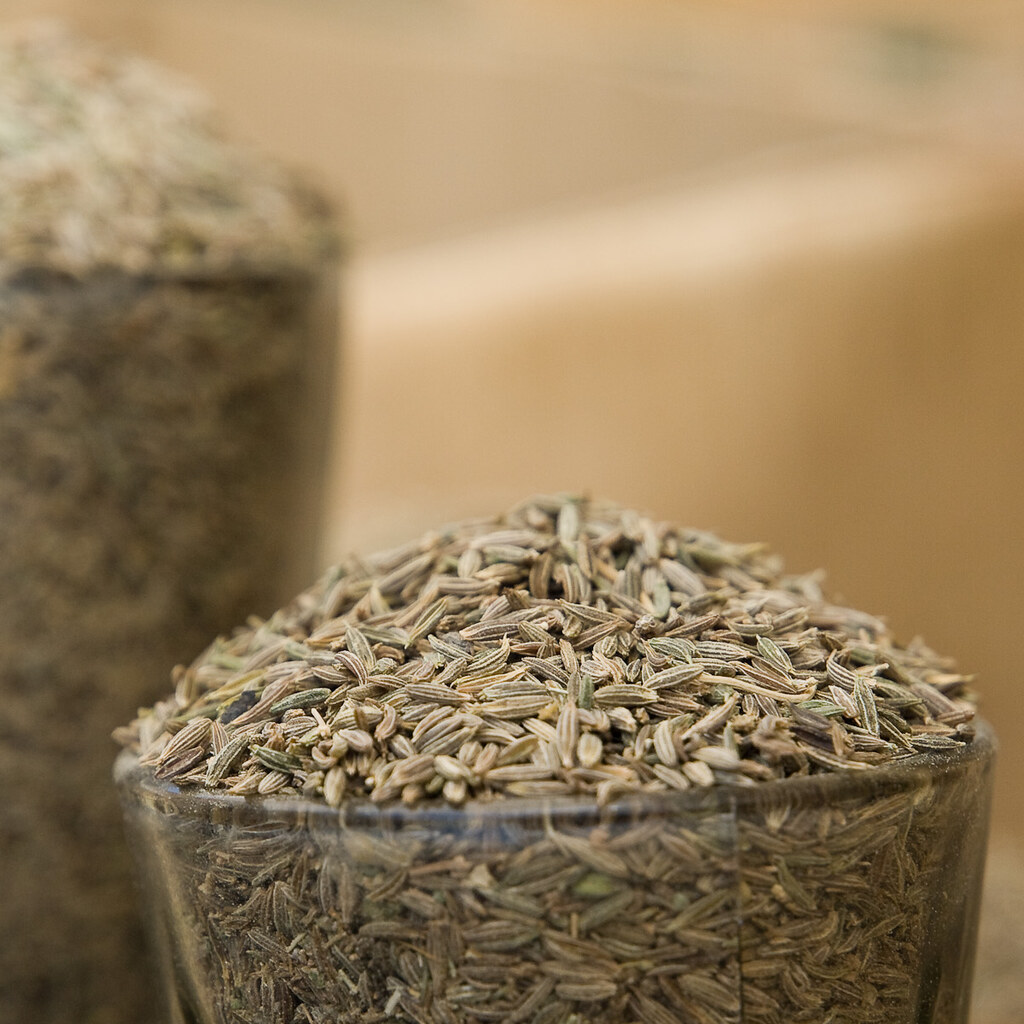
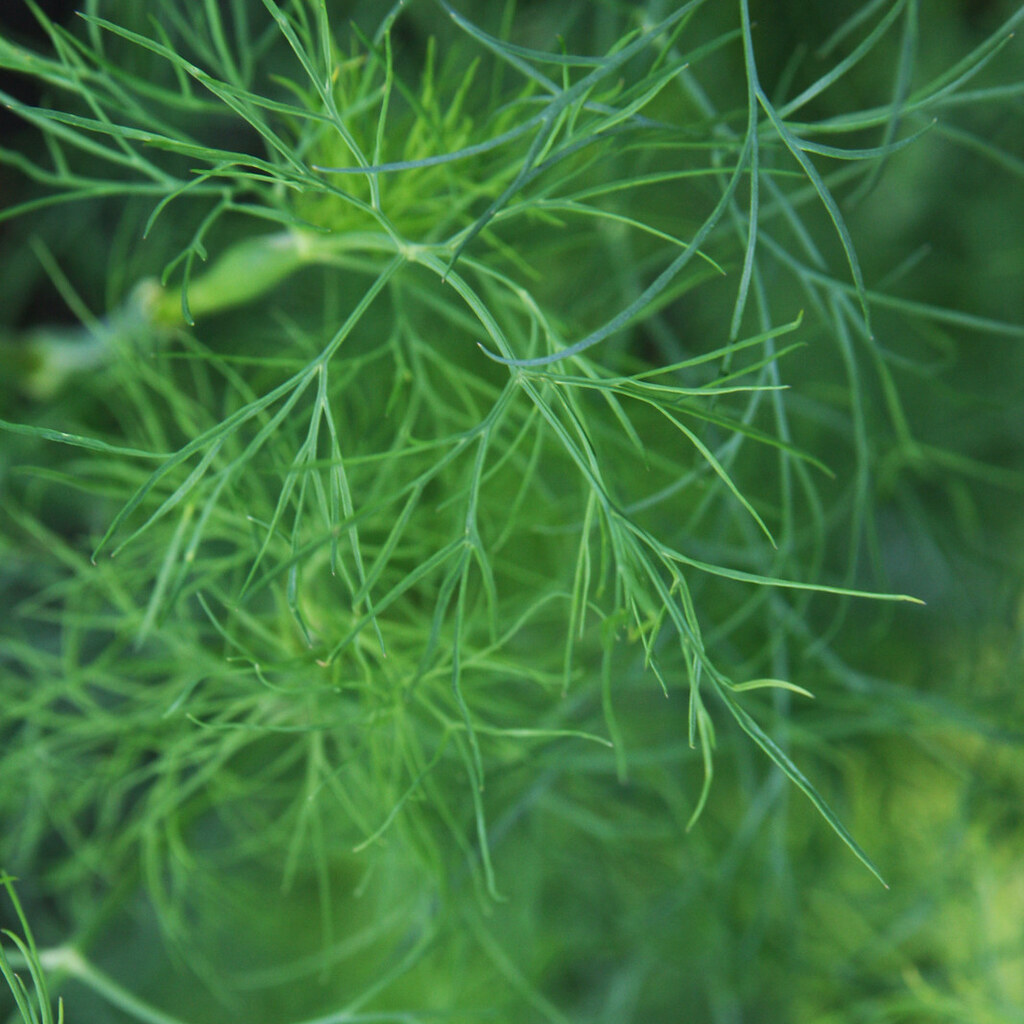
Dill is a feathery herb that can grow up to a metre tall. It can be grown easily from seed in spring and summer. It grows so easily from seed that once you have a dill plant go to seed once you will have dill everywhere!
Dill can be used in lots of different types of cooking but goes best with fish and potatoes. The fresh leaves are usually used, cut up finely and sprinkled over food.
Dill can be used in lots of different types of cooking but goes best with fish and potatoes. The fresh leaves are usually used, cut up finely and sprinkled over food.
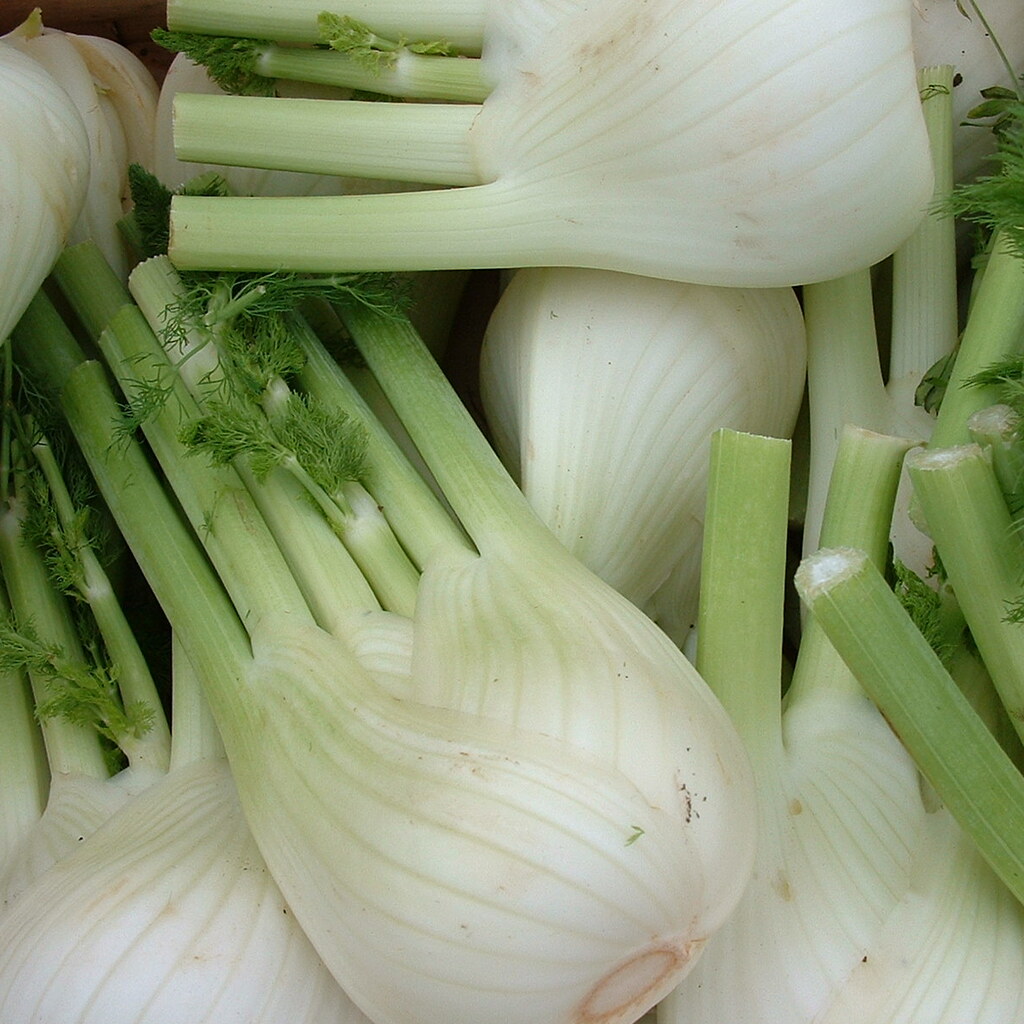
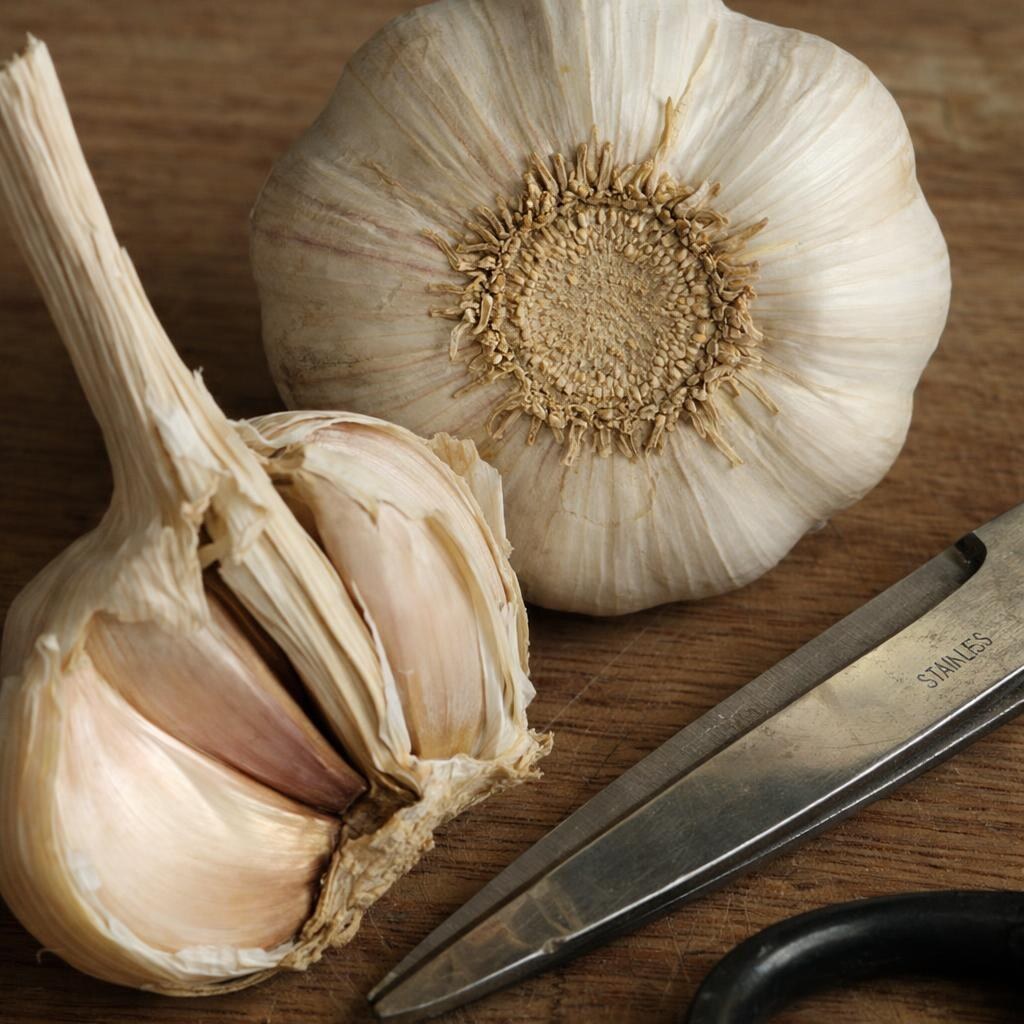
Garlic is a member of the onion family. Garlic is used as a seasoning in many different varieties of food. Garlic is very strong and can make your breath smell bad the day after you eat it. The bulb of the garlic is usually made of several different sections called cloves that can be pulled apart and peeled individually.
It was once thought that garlic warded off vampires.
It was once thought that garlic warded off vampires.
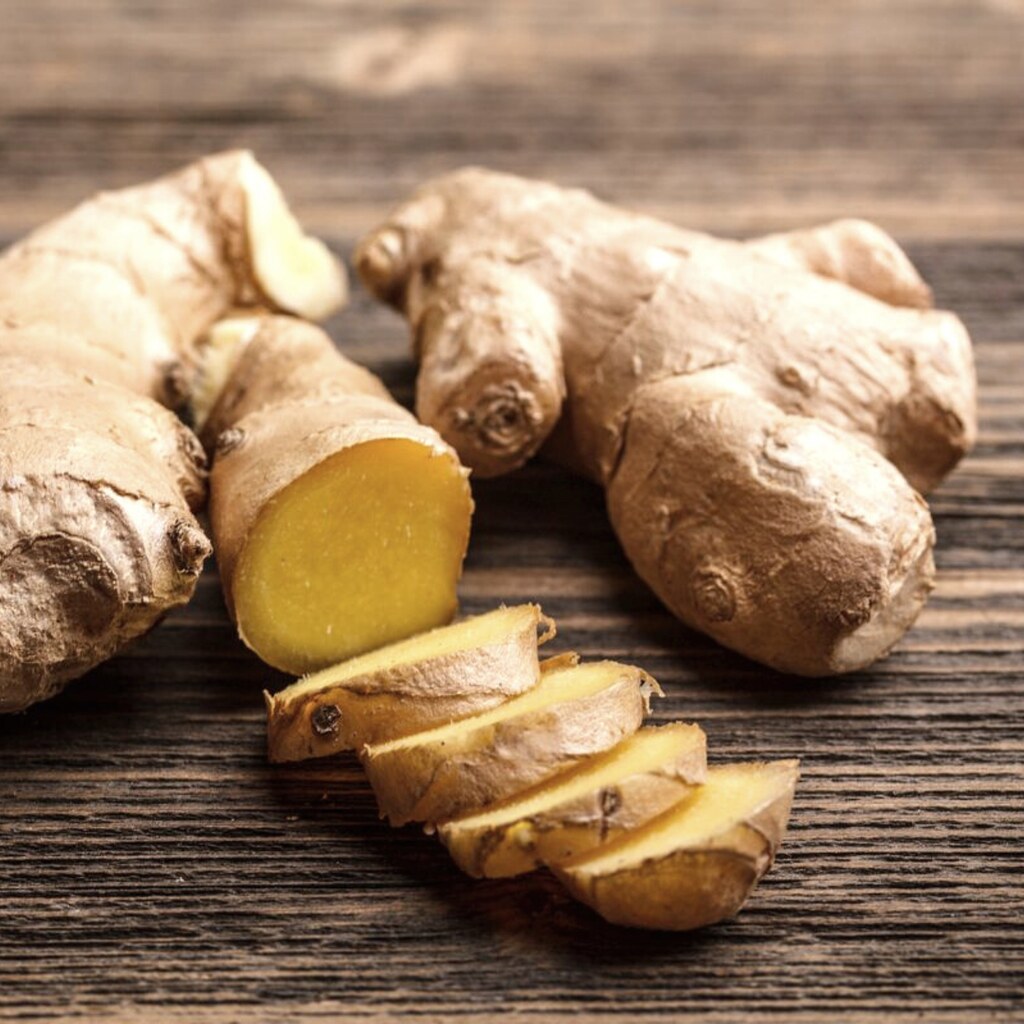
Ginger is a root which is used in cooking. It is used to make gingerbread men, in gravies, stir-fries, curries and cakes. It has a strong, sharp taste.
It can be used as a medicine too, particularly for easing morning sickness, or to aid digestion.
It can be used as a medicine too, particularly for easing morning sickness, or to aid digestion.
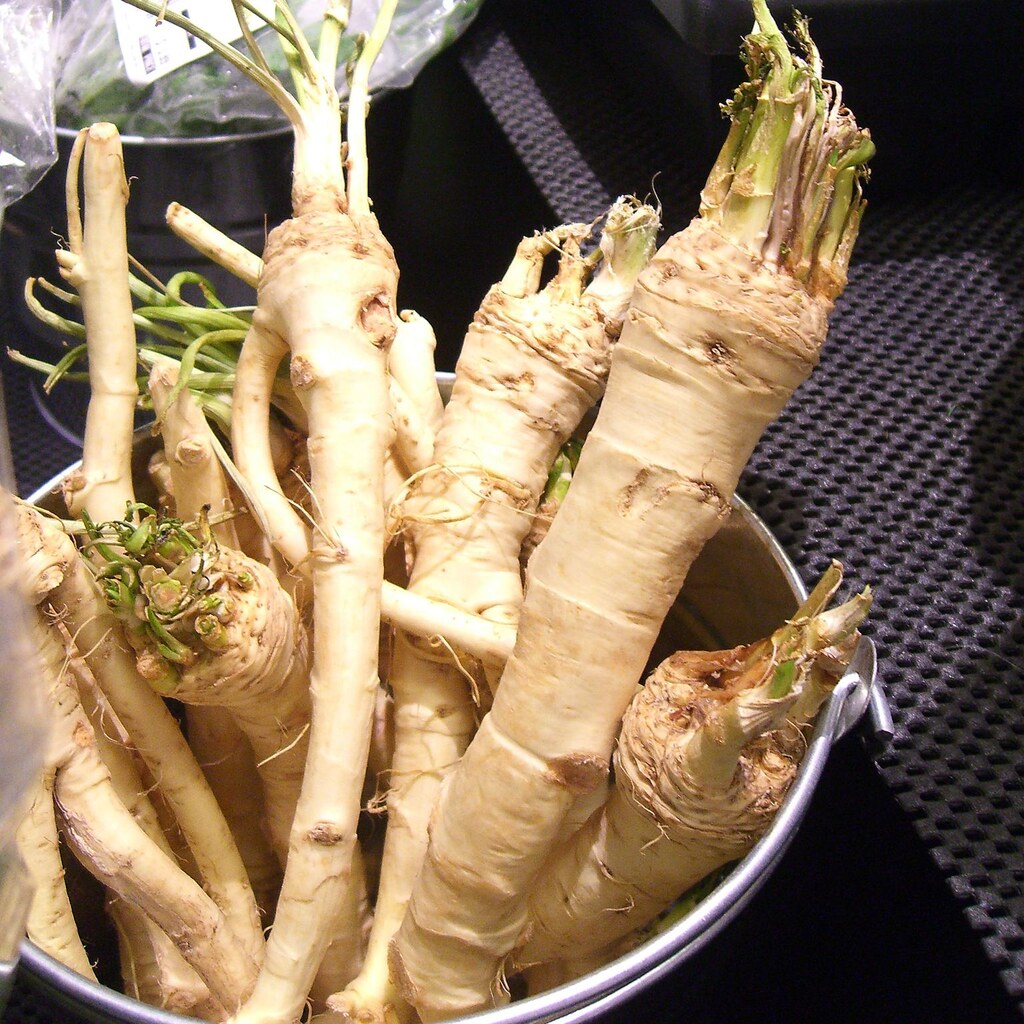
H is for Horseradish
You can find horseradish in jars or as prepared sauce. It is commonly served with roast beef and other meats, or mixed into sandwiches and dips. The spicy flavor comes from the root when it is grated or crushed.

Mint is a family of small plants with a strong taste and smell. It is used most often to make tea, jellies and sweets or candy. Most chewing gums, toothpastes and breath fresheners are mint flavoured. Fresh mint can be added to drinks, salads or as a garnish on many meals. Mint is often used in sweets, biscuits or cookies along with chocolate. The leaves of the mint are used for their flavour, either fresh or dried. The flavour is carried in oil in the leaves, and the very strongly flavoured oil can be extracted and stored for later use.
Mint is an easy plant to grow. It prefers a lightly shaded spot with good, moist soil but will grow almost anywhere under almost any conditions. It grows a vigorous root system that can spread very fast. Mint is best grown in a pot so it doesn't invade the rest of the garden. You can grow new mint plants by taking a cutting of a mint runner. Just digging down a little at the edge of a clump of mint should loosen up a runner that already has roots, and can be clipped off and used to grow a new plant.
Mint is an easy plant to grow. It prefers a lightly shaded spot with good, moist soil but will grow almost anywhere under almost any conditions. It grows a vigorous root system that can spread very fast. Mint is best grown in a pot so it doesn't invade the rest of the garden. You can grow new mint plants by taking a cutting of a mint runner. Just digging down a little at the edge of a clump of mint should loosen up a runner that already has roots, and can be clipped off and used to grow a new plant.
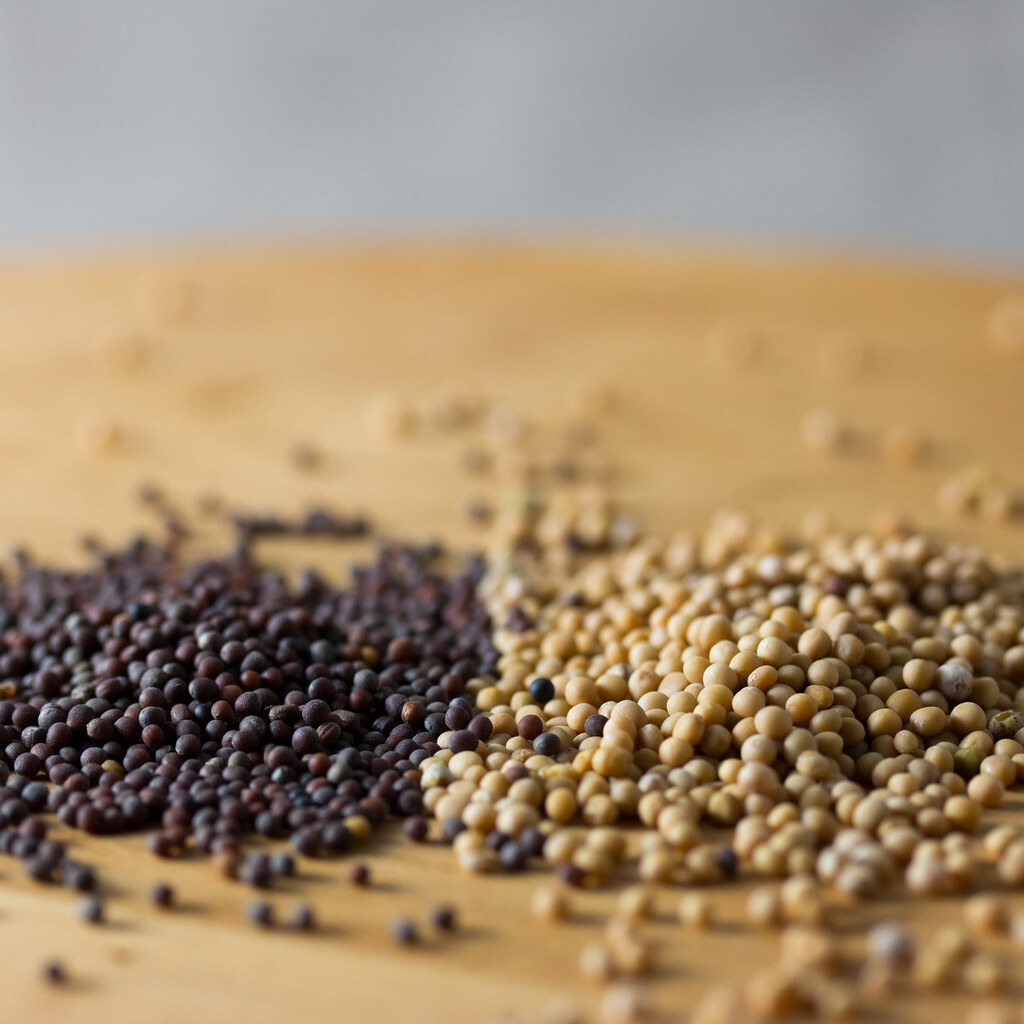
There are several different kinds of mustard plant. They are in the same family as canola, turnips and cabbages. A field of mustard flowering looks very much like a field of canola flowering.
Mustard is grown mainly for its seeds, although the leaves can be eaten too. Mustard seeds are ground up and mixed with vinegar and sometimes other spices to make the mustard you can buy in shops. Depending on the type of mustard used, mustard paste can be very sharp or very mild. Sometimes mustard, called wholegrain mustard, is made from the whole seeds of the mustard plant and a little oil instead of crushing the seeds to a paste.
Mustard is grown mainly for its seeds, although the leaves can be eaten too. Mustard seeds are ground up and mixed with vinegar and sometimes other spices to make the mustard you can buy in shops. Depending on the type of mustard used, mustard paste can be very sharp or very mild. Sometimes mustard, called wholegrain mustard, is made from the whole seeds of the mustard plant and a little oil instead of crushing the seeds to a paste.
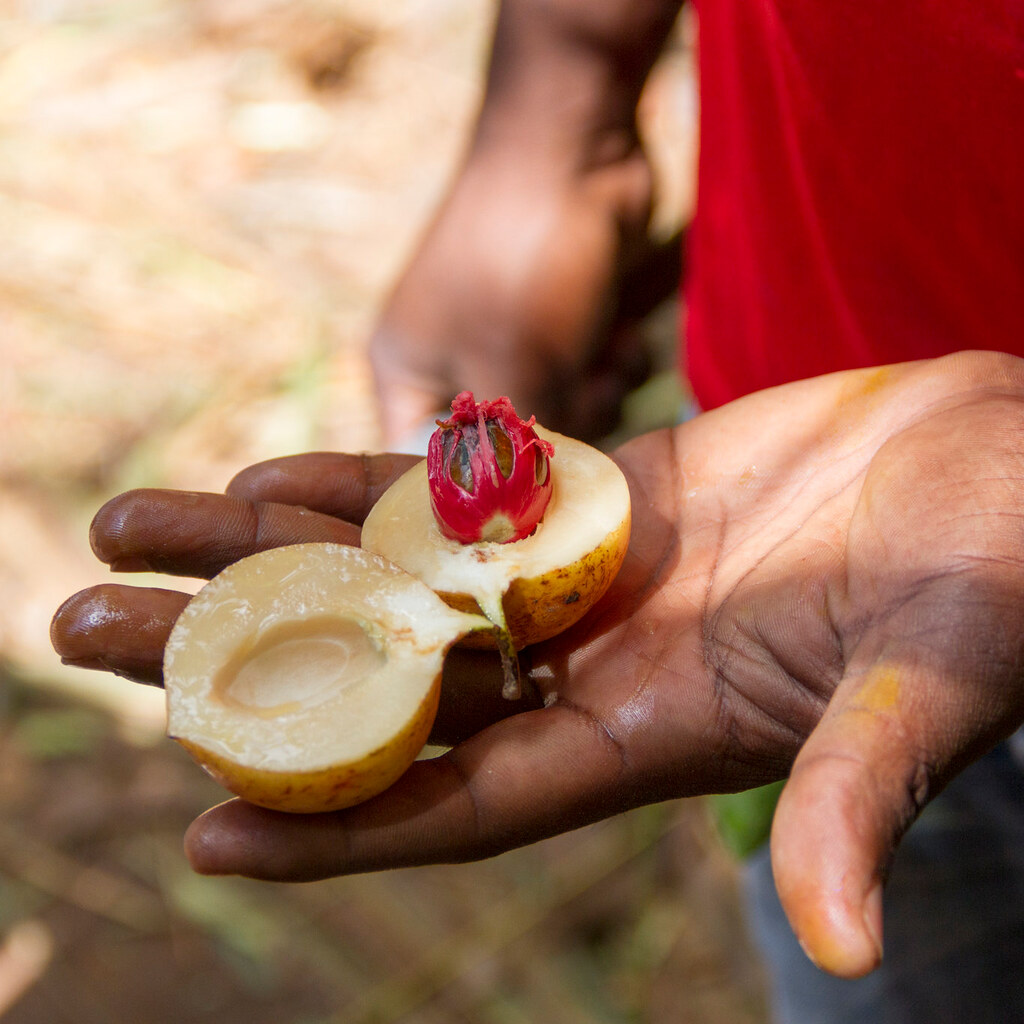
Nutmeg comes from an evergreen tropical tree native to Indonesia. Nutmeg comes from the nut at the center of the fruit in the picture, while mace is made from the red coating that is found around the outside of the seed.
Nutmeg has a strong, warm taste and is used as a spice by many different cultures, in both sweet and savory dishes.
Nutmeg has a strong, warm taste and is used as a spice by many different cultures, in both sweet and savory dishes.