
Showing 1-20 of 36
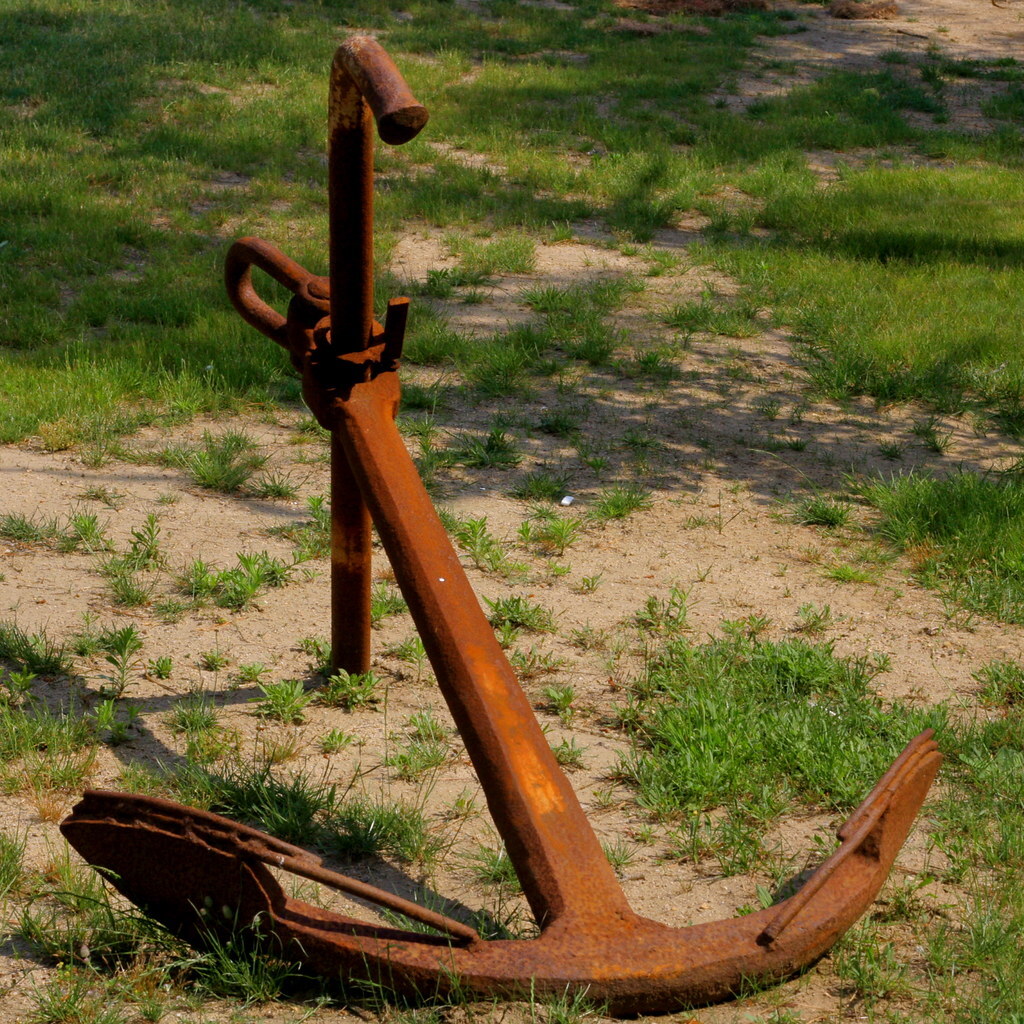
An anchor is a device that is used to stop a ship or boat from drifting away. Anchors are made from heavy metal, and are hooked so they catch onto the seabed. They are attached to the ship by a long chain or rope, and are let down when the ship needs to be still, and lifted up when the ship needs to move again.
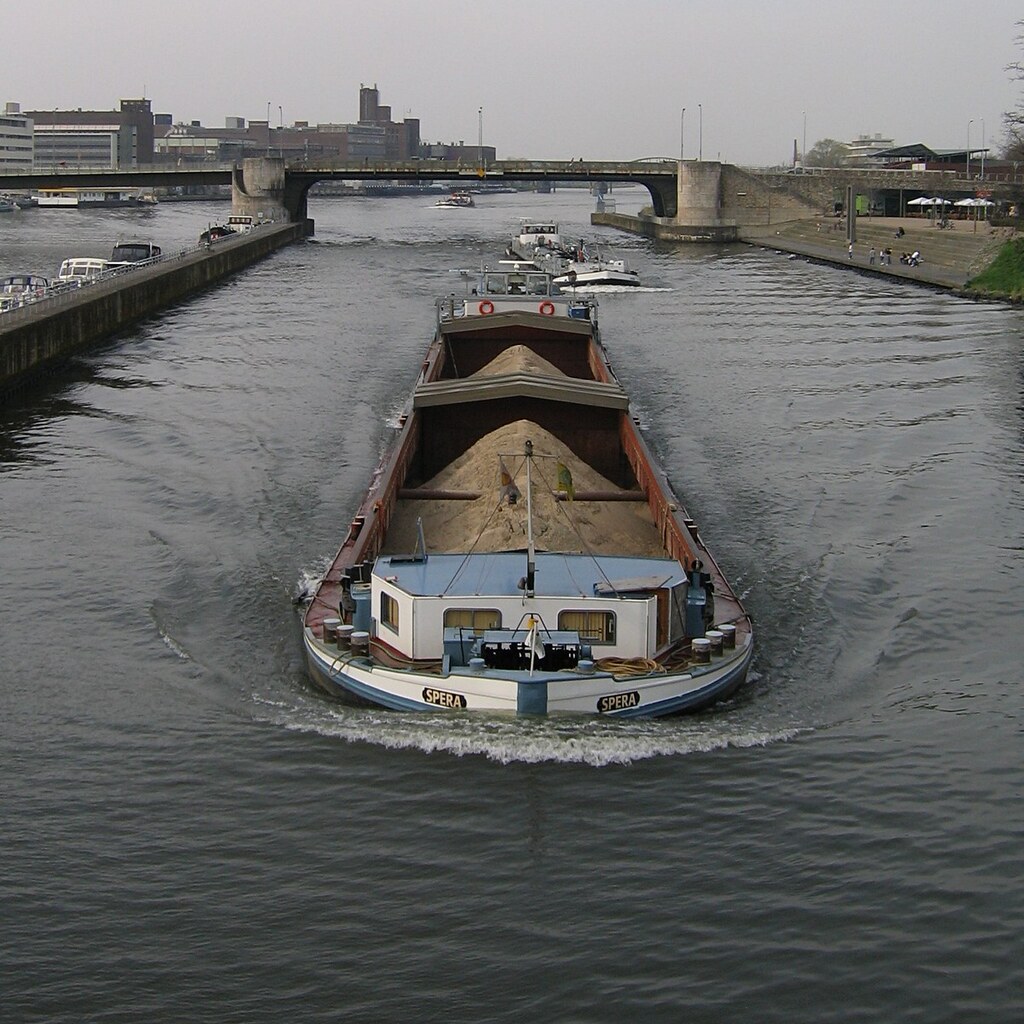
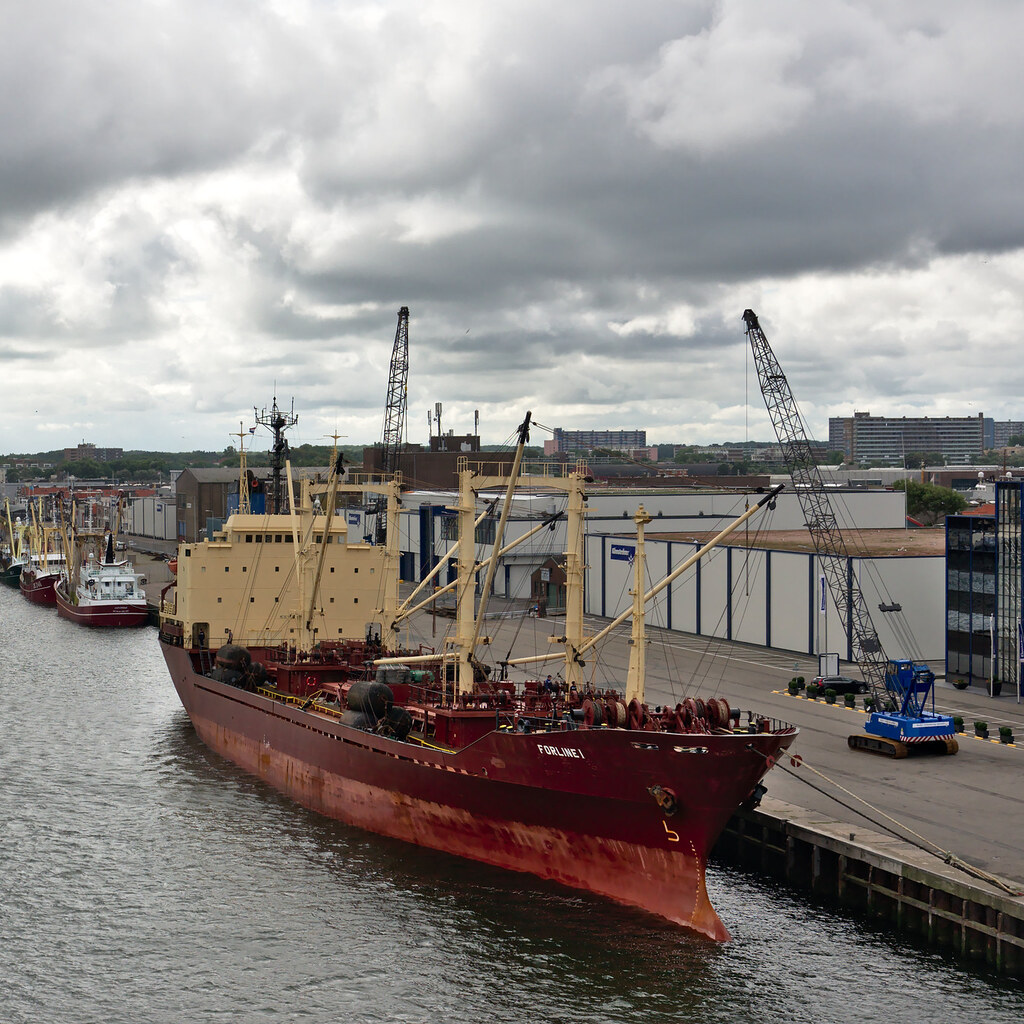
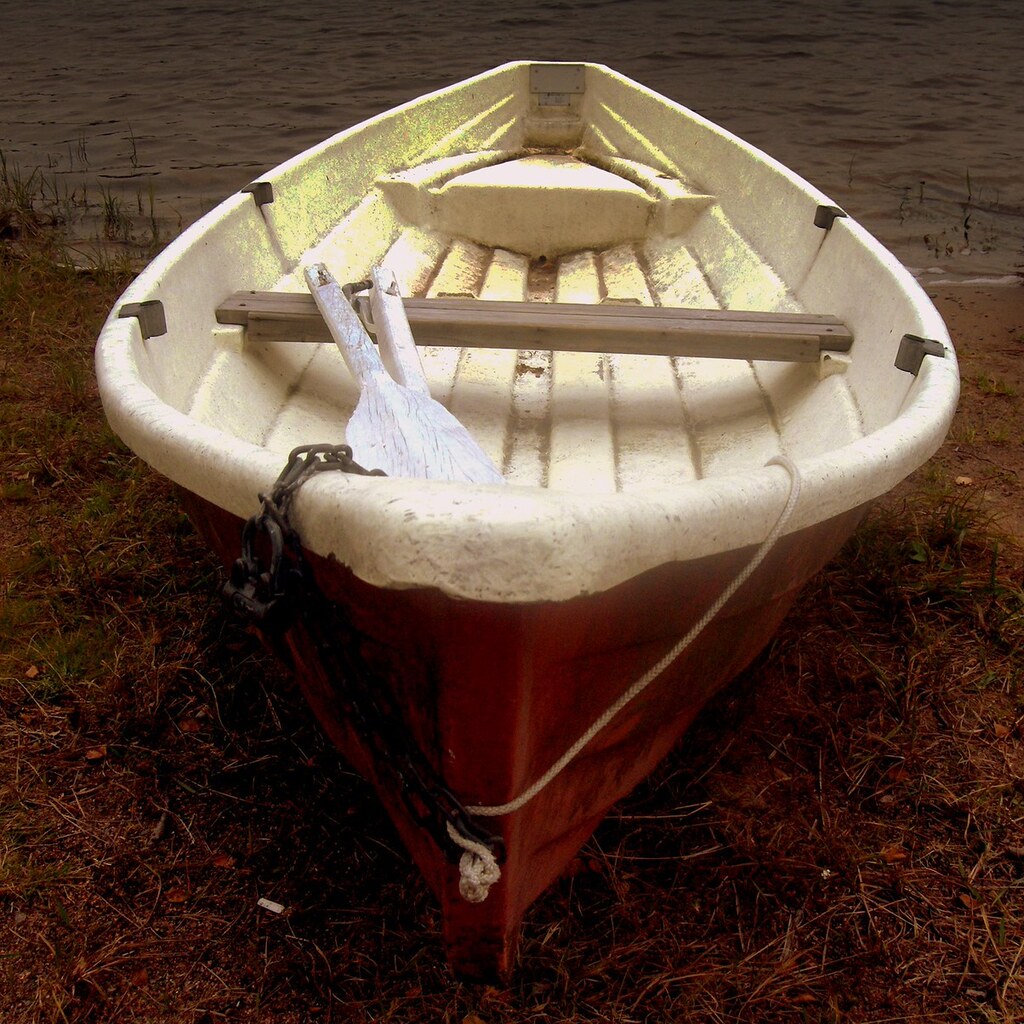
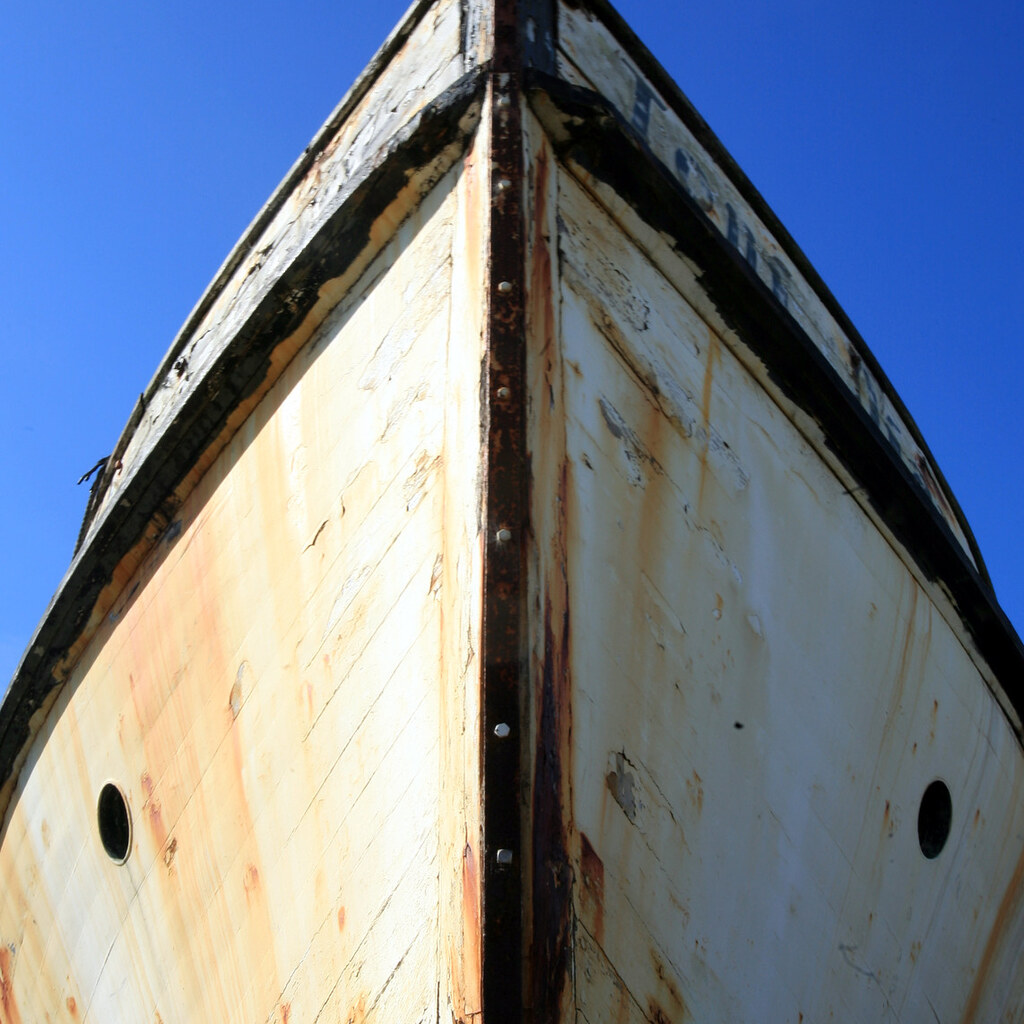
B is for Bow (Ship)
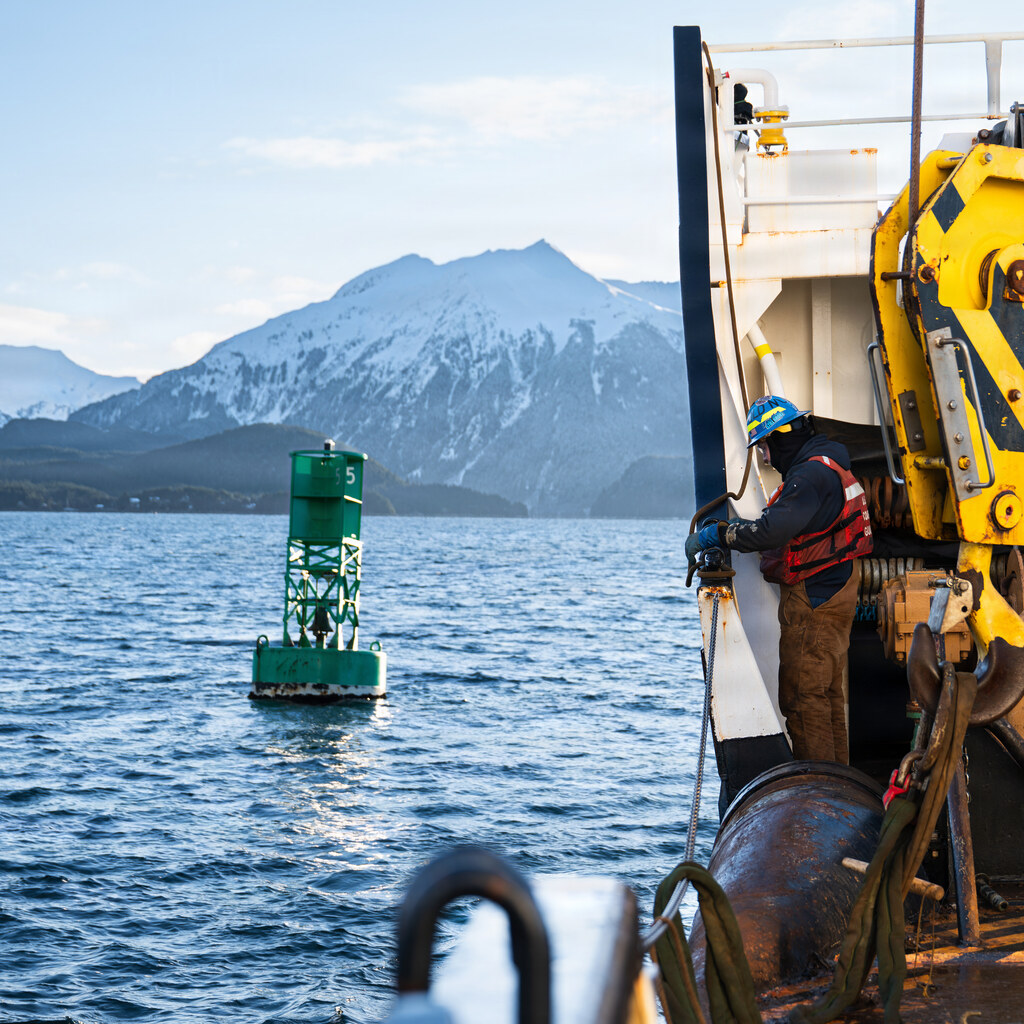
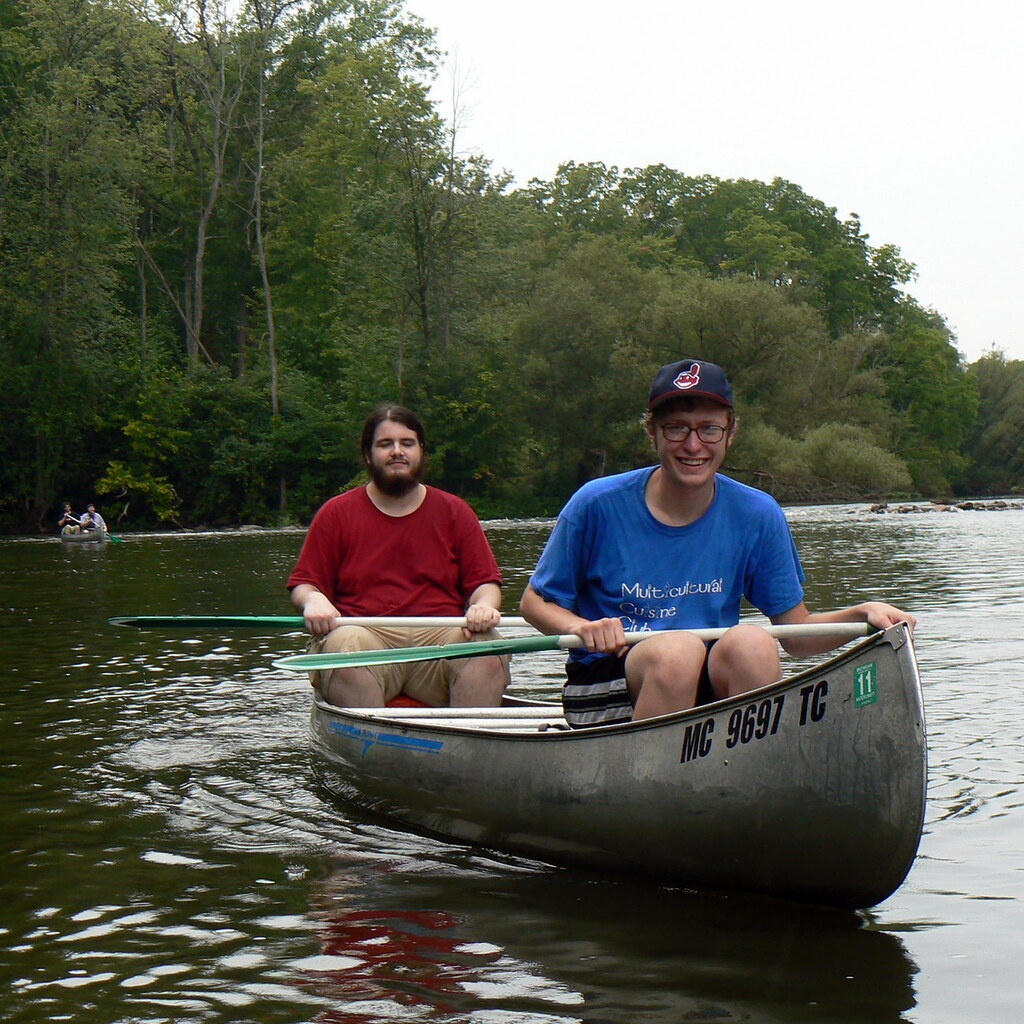
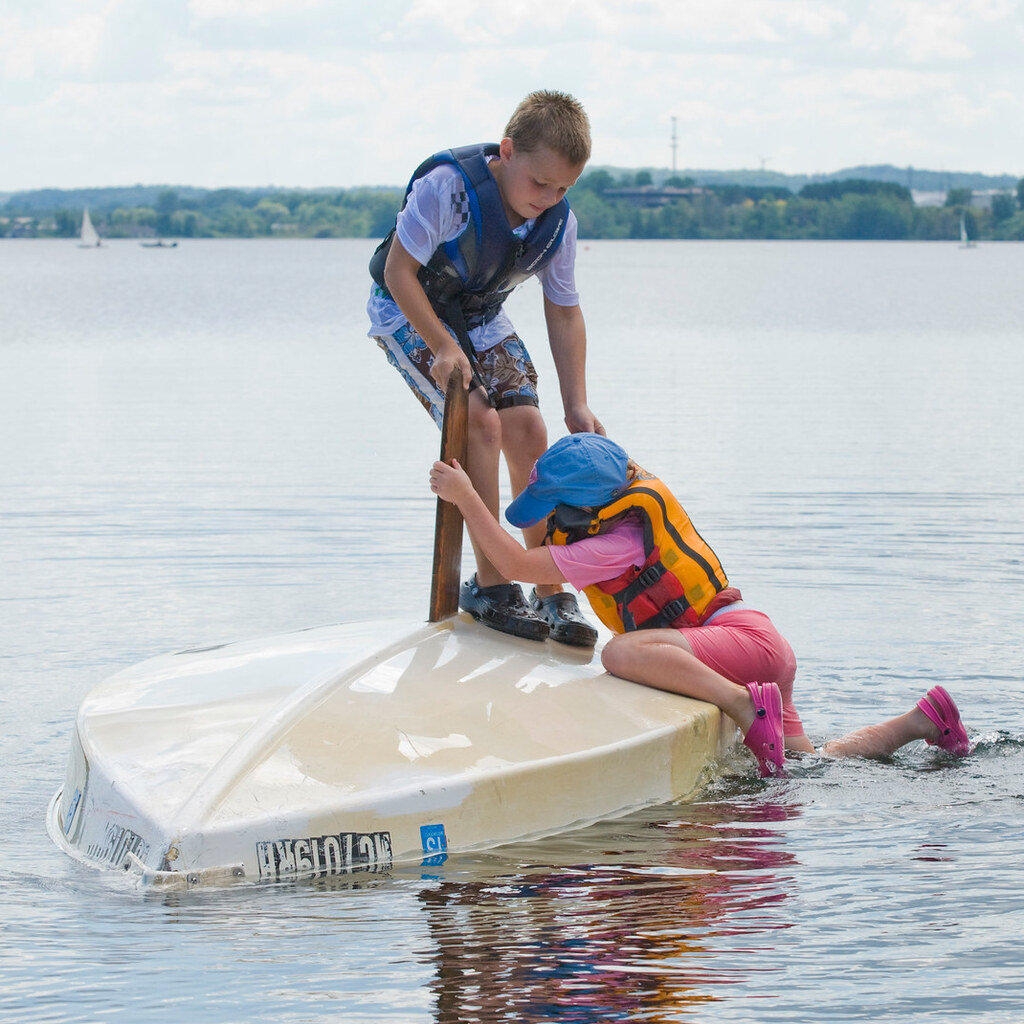
A boat is capsized when it has flipped upside down or onto its side, and can't be sailed until it is righted.
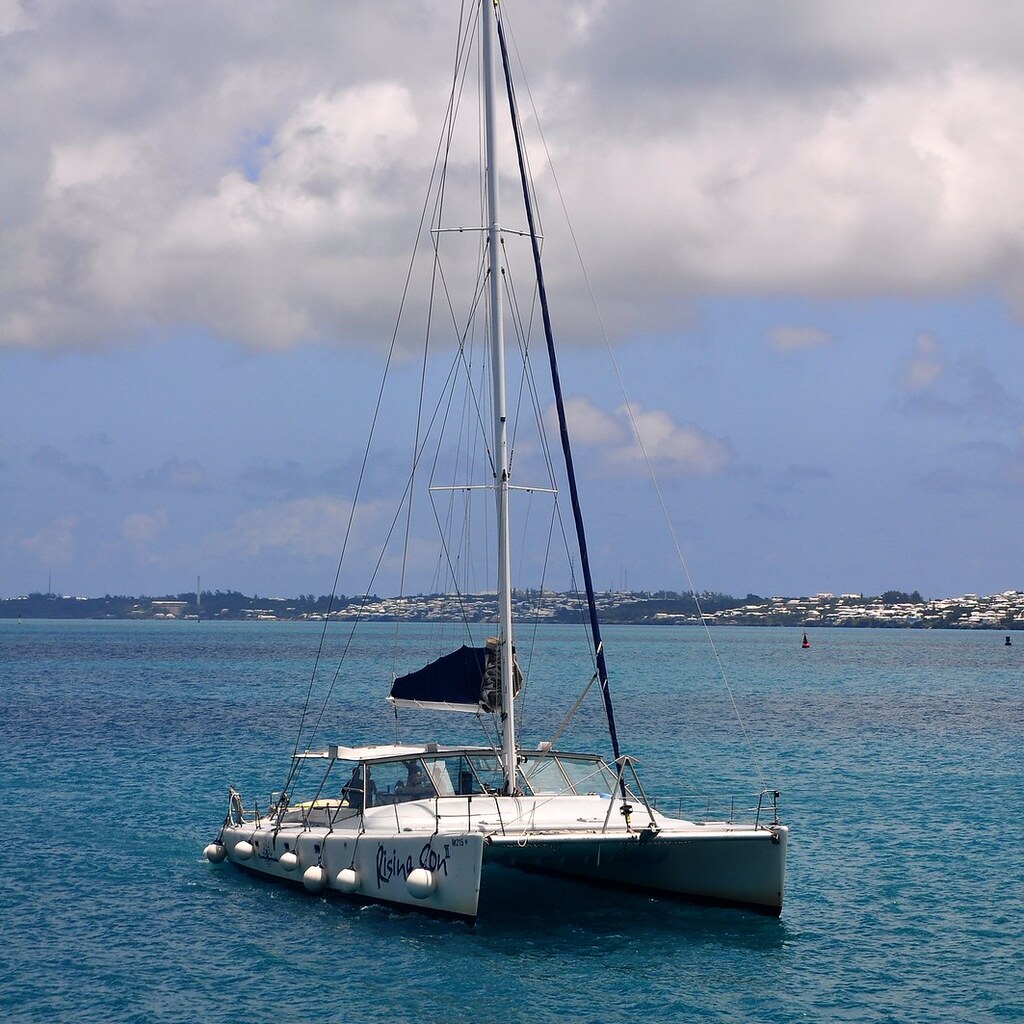
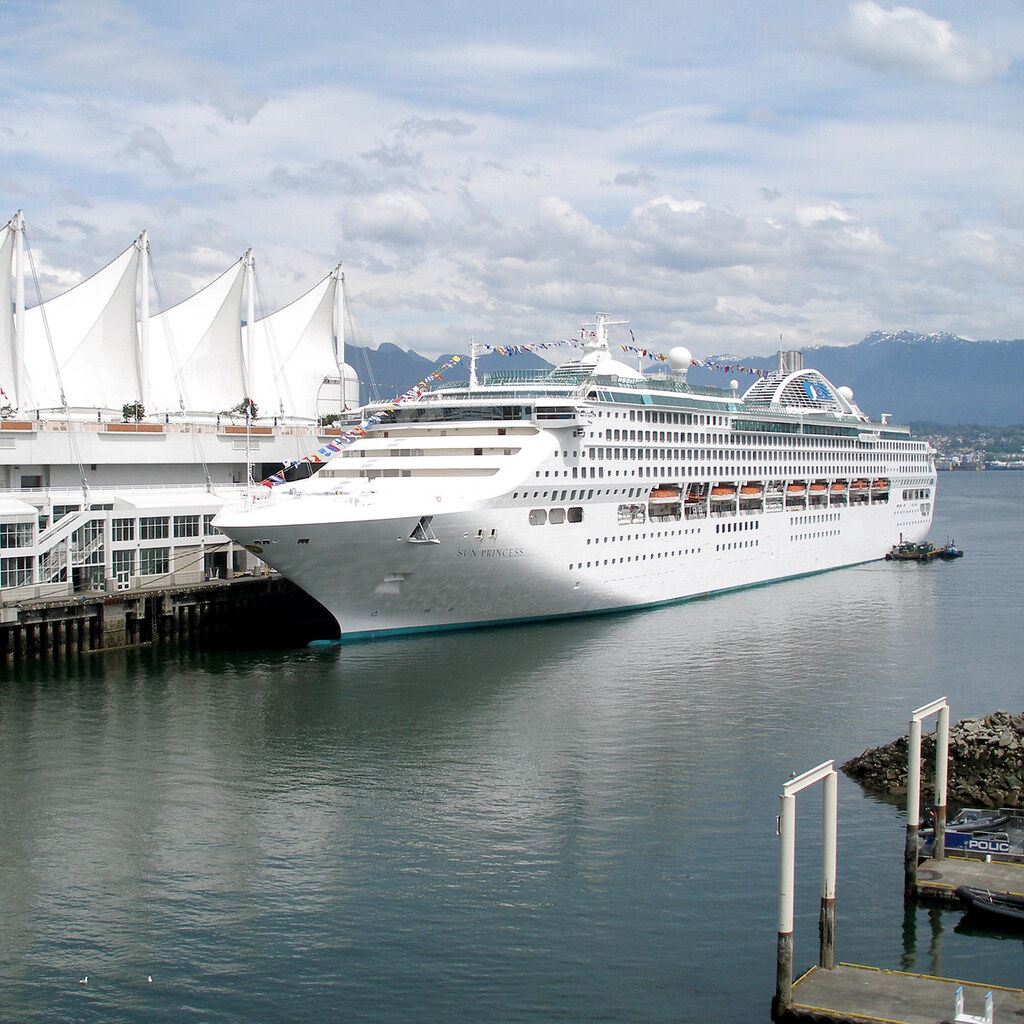
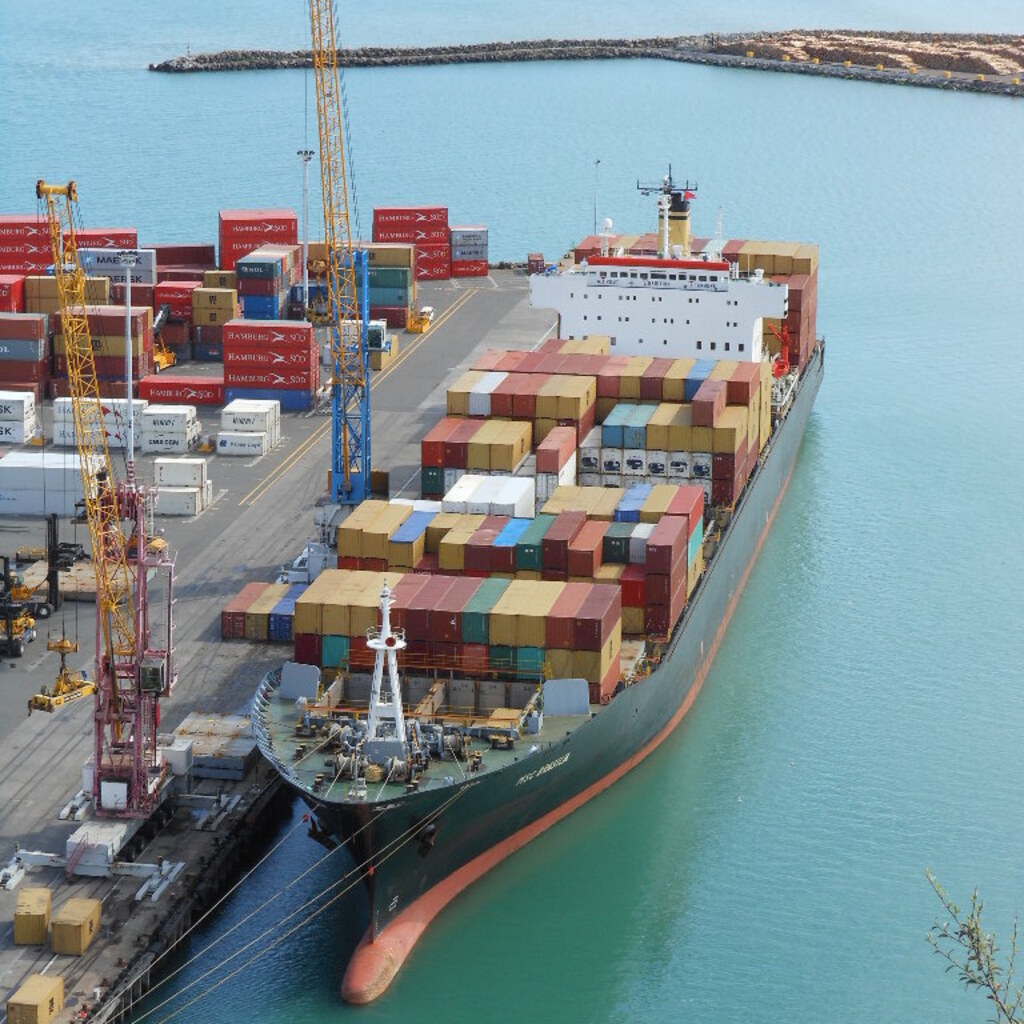
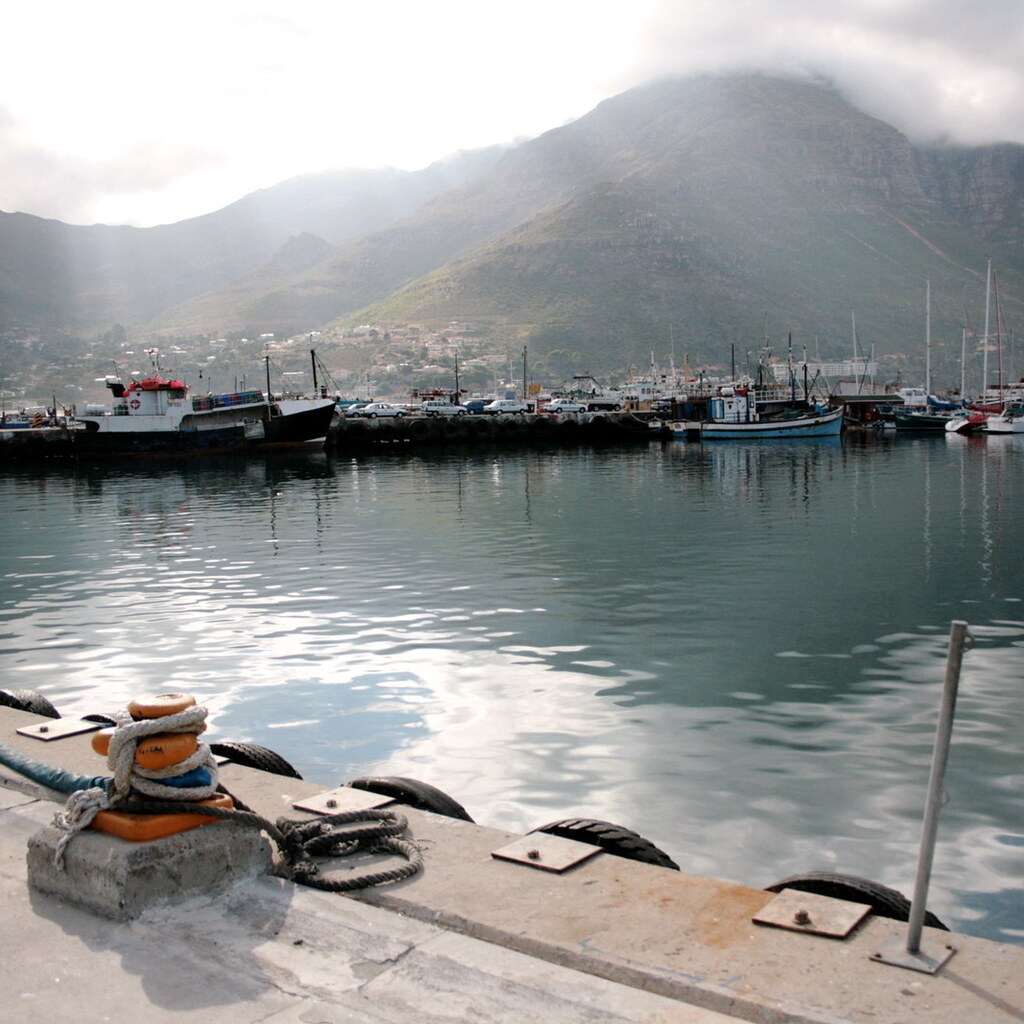
A harbor, also spelt harbour, is a sheltered body of water that is deep enough for ships to dock and unload. Harbors are generally an inlet or bay surrounded by land.
A harbor is also a term used for any safe place, or can be used as a verb to mean keeping something or someone safe, as in "he was harboring a known criminal".
A harbor is also a term used for any safe place, or can be used as a verb to mean keeping something or someone safe, as in "he was harboring a known criminal".
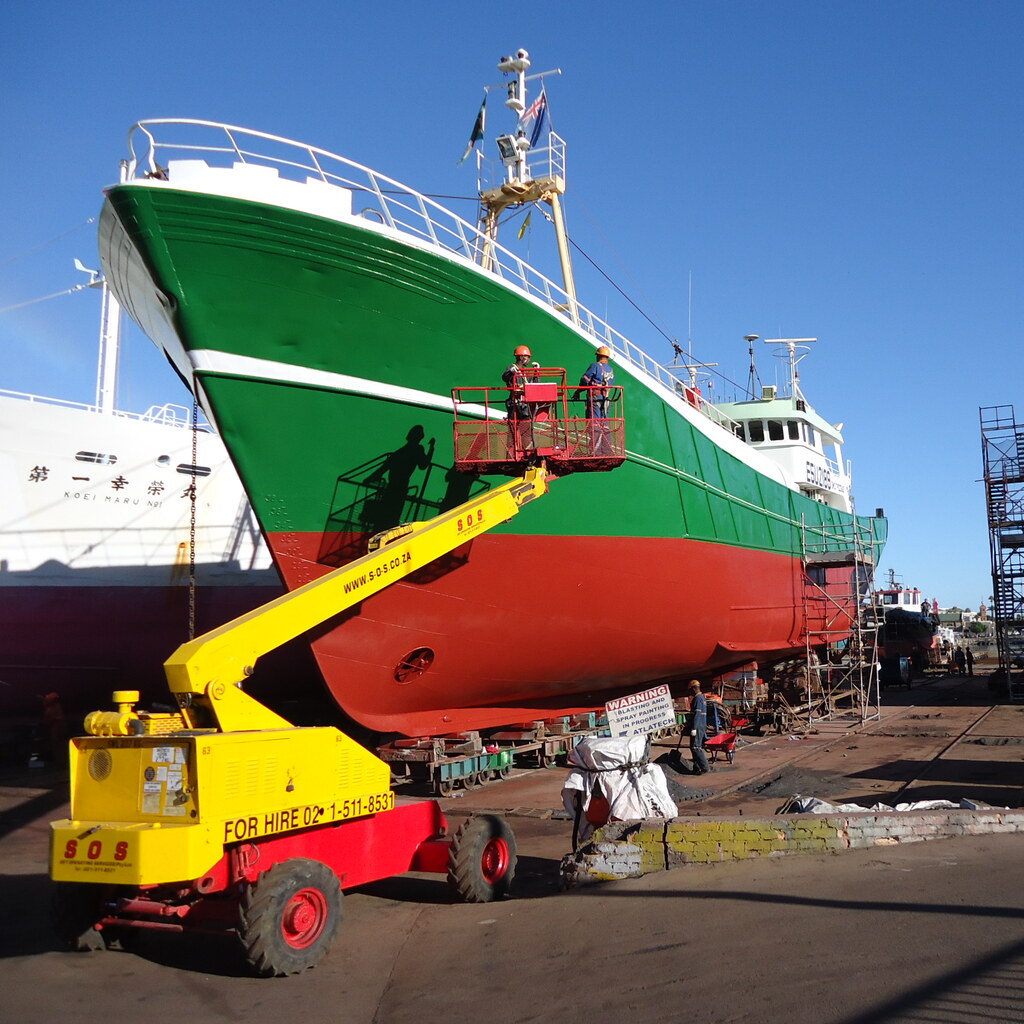
The hull of a boat is its distinctively shaped outer shell. Most boats only have one hull - catamarans have two.
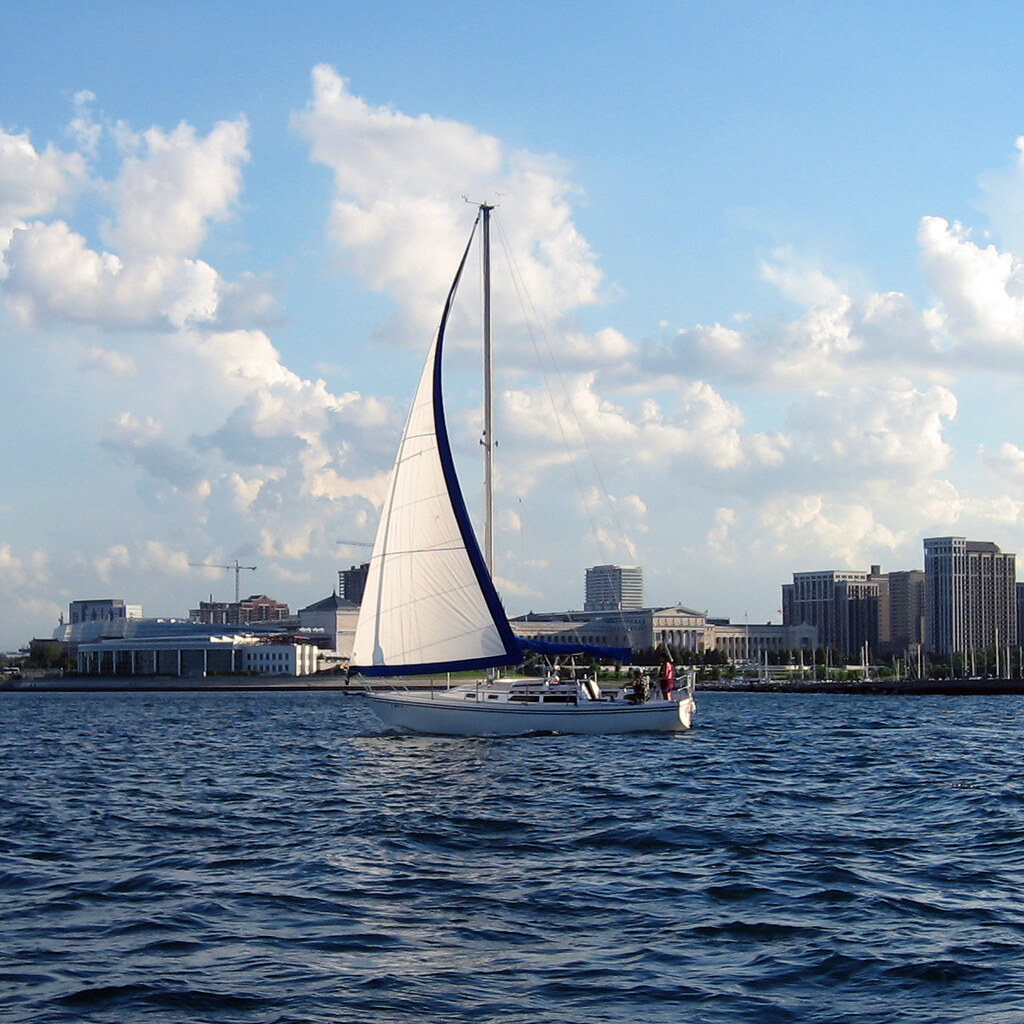
A jib is a smaller, triangular sail at the front of a sailboat. Some larger sailing ships have more than one jib.
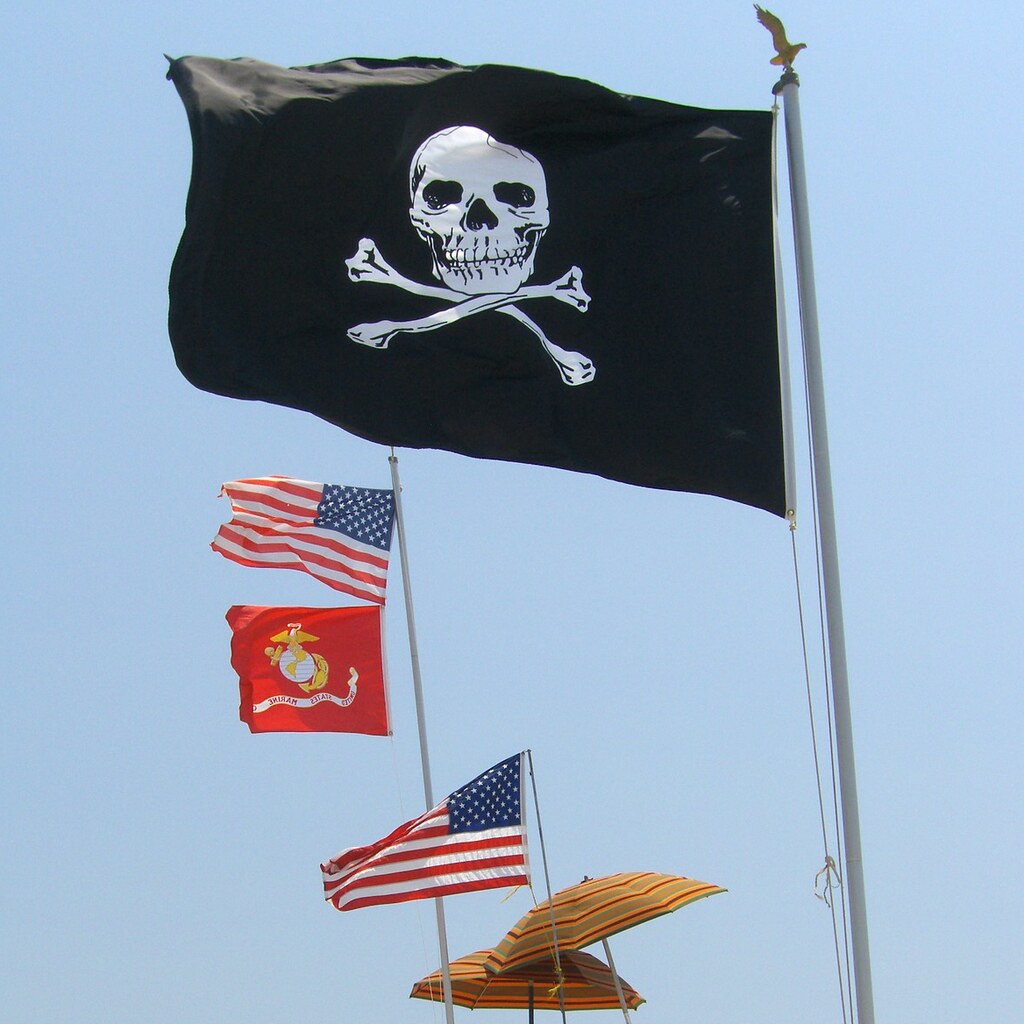
J is for Jolly Roger
The reason pirates wanted people to know they were pirates was just to frighten the crew of other ships into giving up without a fight.
The Jolly Roger in the picture is being flown along with some other modern flags.
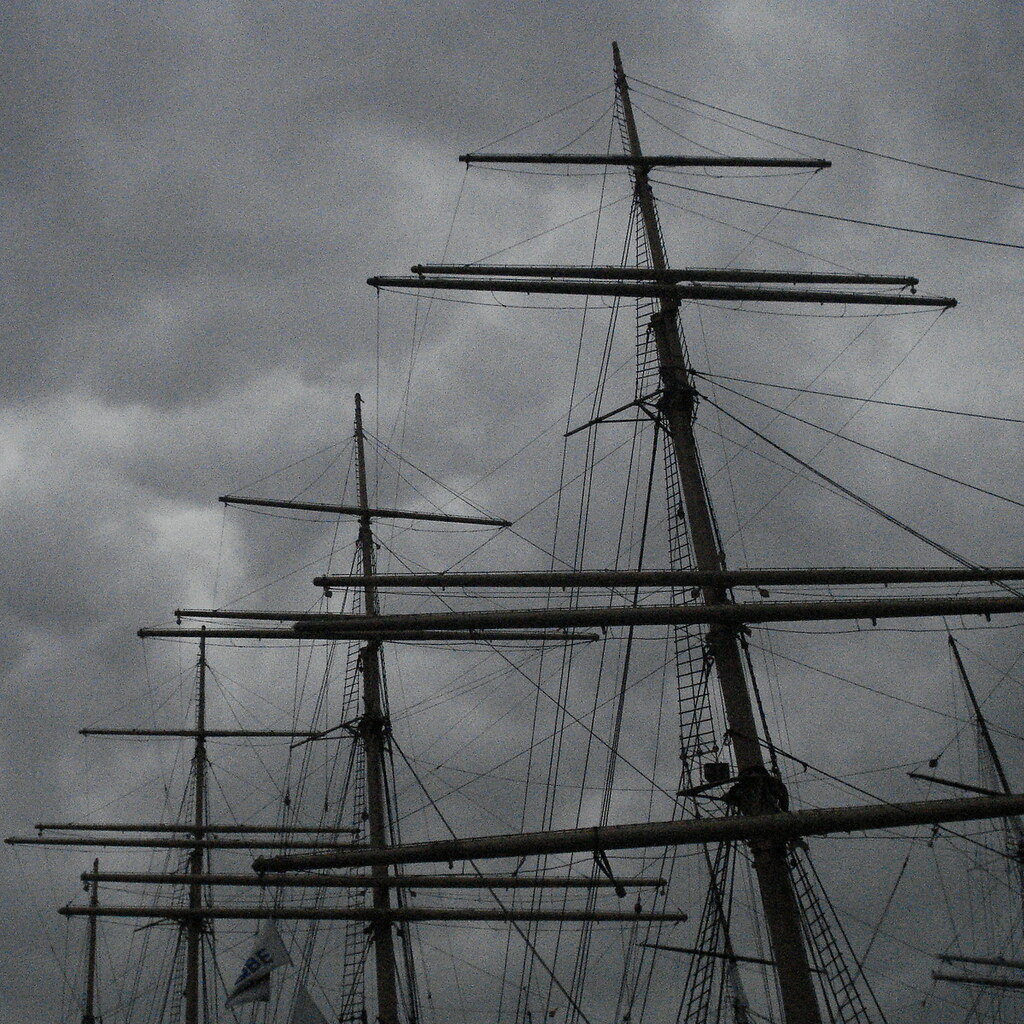
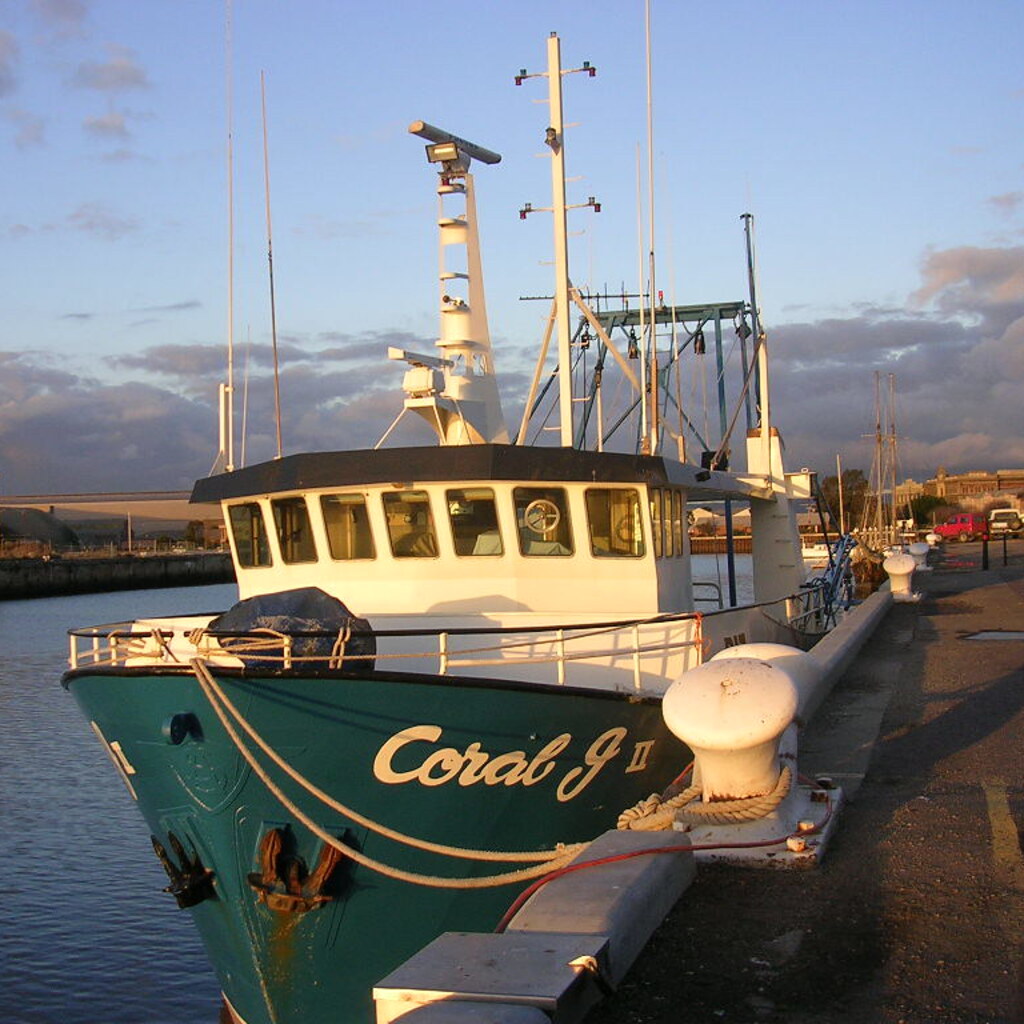
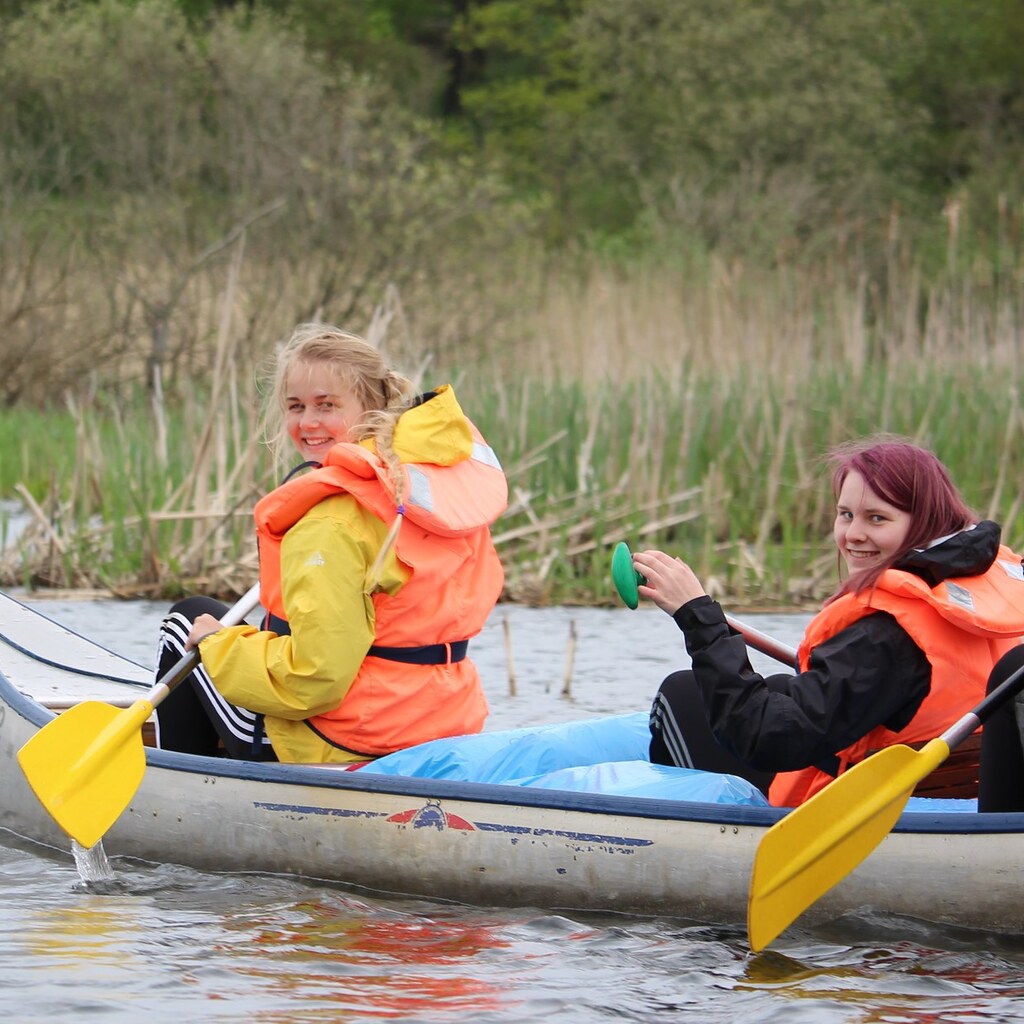
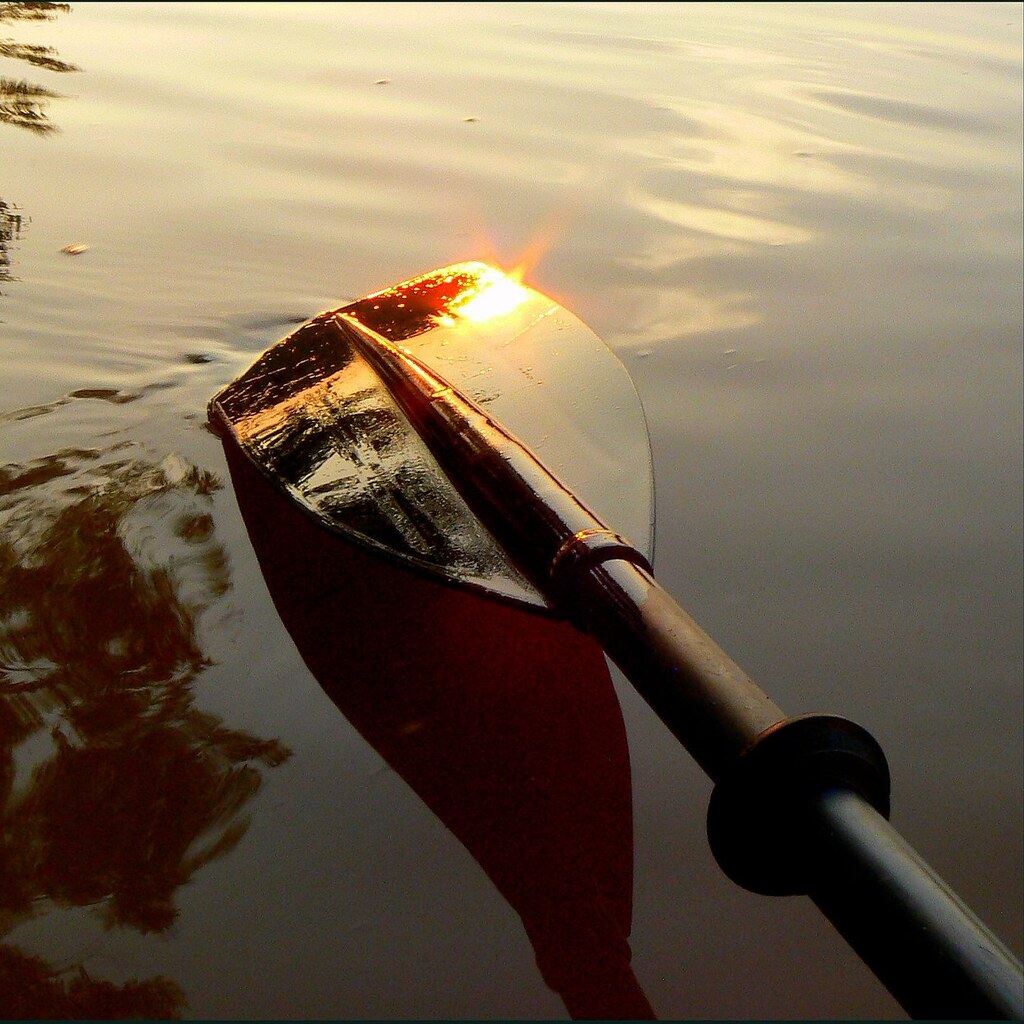
P is for Paddle (Tool)
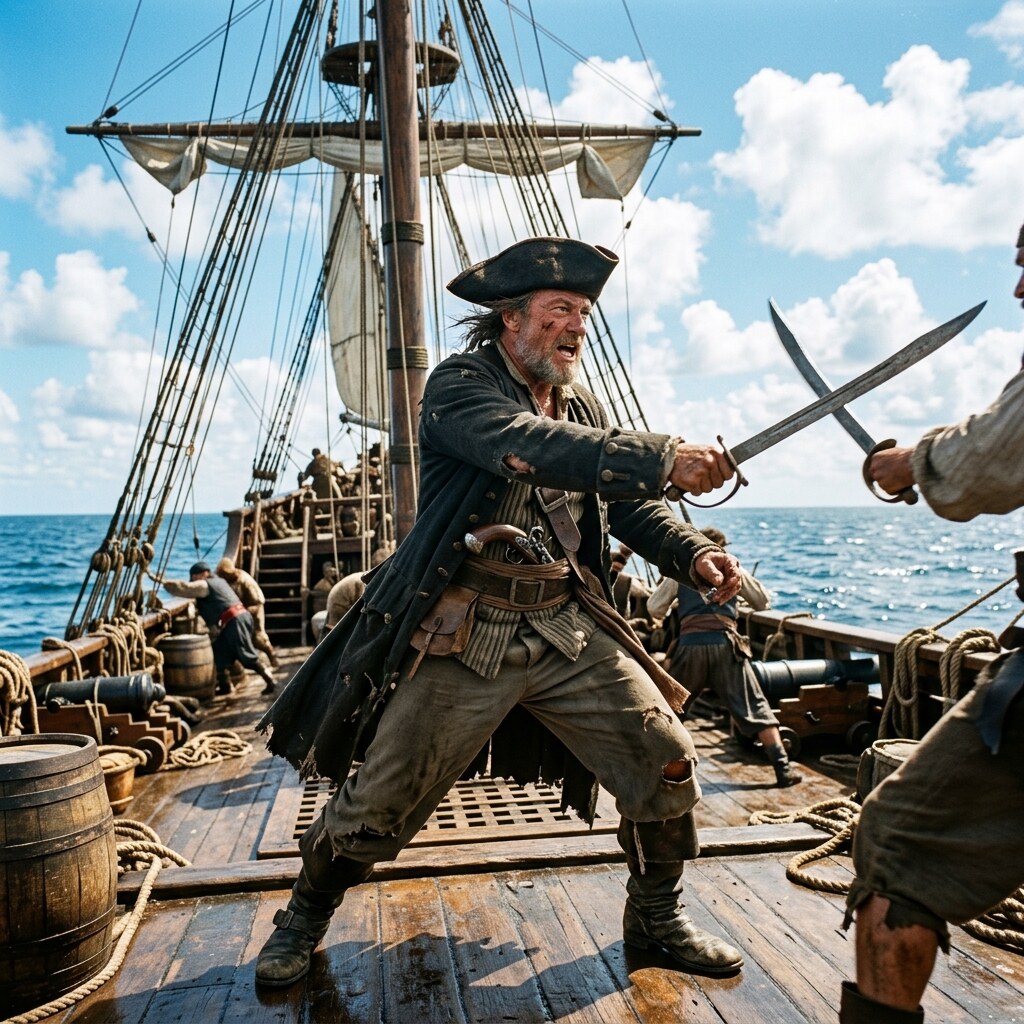
Pirates sail around the oceans, stealing from other ships. This is called piracy and is still common to this day. The captain of a pirate ship was typically the strongest fighter and one the men could trust. Pirate ships would often take on outcasts from society to join their crew.
The skull and crossbones design on the pirate's hat is known as the Jolly Roger. The pirate in the picture has most of the features that pirates in modern movies and cartoons have: a parrot, a wooden leg, a hook hand and an eyepatch. In reality, with the conditions found on ships in the 1600s, a pirate that suffered such injuries in battle would have died from infection.
The skull and crossbones design on the pirate's hat is known as the Jolly Roger. The pirate in the picture has most of the features that pirates in modern movies and cartoons have: a parrot, a wooden leg, a hook hand and an eyepatch. In reality, with the conditions found on ships in the 1600s, a pirate that suffered such injuries in battle would have died from infection.