Showing 61-80 of 194
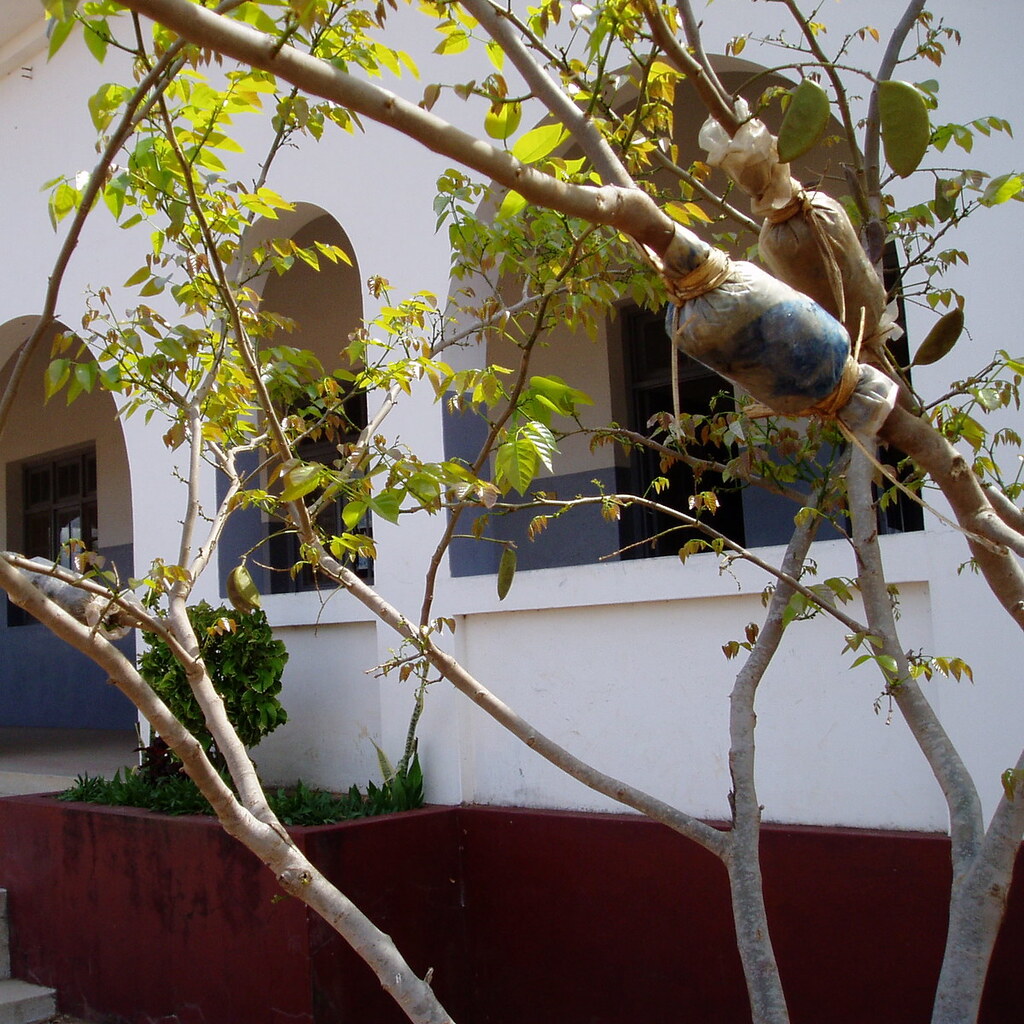
Layering is a technique for propogating plants. It works best for plants that grow roots slowly, and plants that would naturally grow roots where a stem touches the ground.
To layer a plant, you usually take a stem and bend it down towards the ground, or into a pot, and hold it in place. You damage the stem where it touches the ground by cutting it part way through, adding some rooting hormone if you want. After some time, the plant will grow roots and shoots at the cut and it can be removed from the parent plant.
Layering can also be done in the air by cutting a stem part way through, adding the rooting hormone, and bundling up some damp potting soil or peat moss around the cut. The plant will grow roots into the bundle of soil, and then it can be removed from the parent plant. This works best with plants that aren't flexible enough to be bent to the ground.
To layer a plant, you usually take a stem and bend it down towards the ground, or into a pot, and hold it in place. You damage the stem where it touches the ground by cutting it part way through, adding some rooting hormone if you want. After some time, the plant will grow roots and shoots at the cut and it can be removed from the parent plant.
Layering can also be done in the air by cutting a stem part way through, adding the rooting hormone, and bundling up some damp potting soil or peat moss around the cut. The plant will grow roots into the bundle of soil, and then it can be removed from the parent plant. This works best with plants that aren't flexible enough to be bent to the ground.


Someone is lazy if they don't want to do anything, and so do very little instead.
A similar word to lazy is idle.
A similar word to lazy is idle.

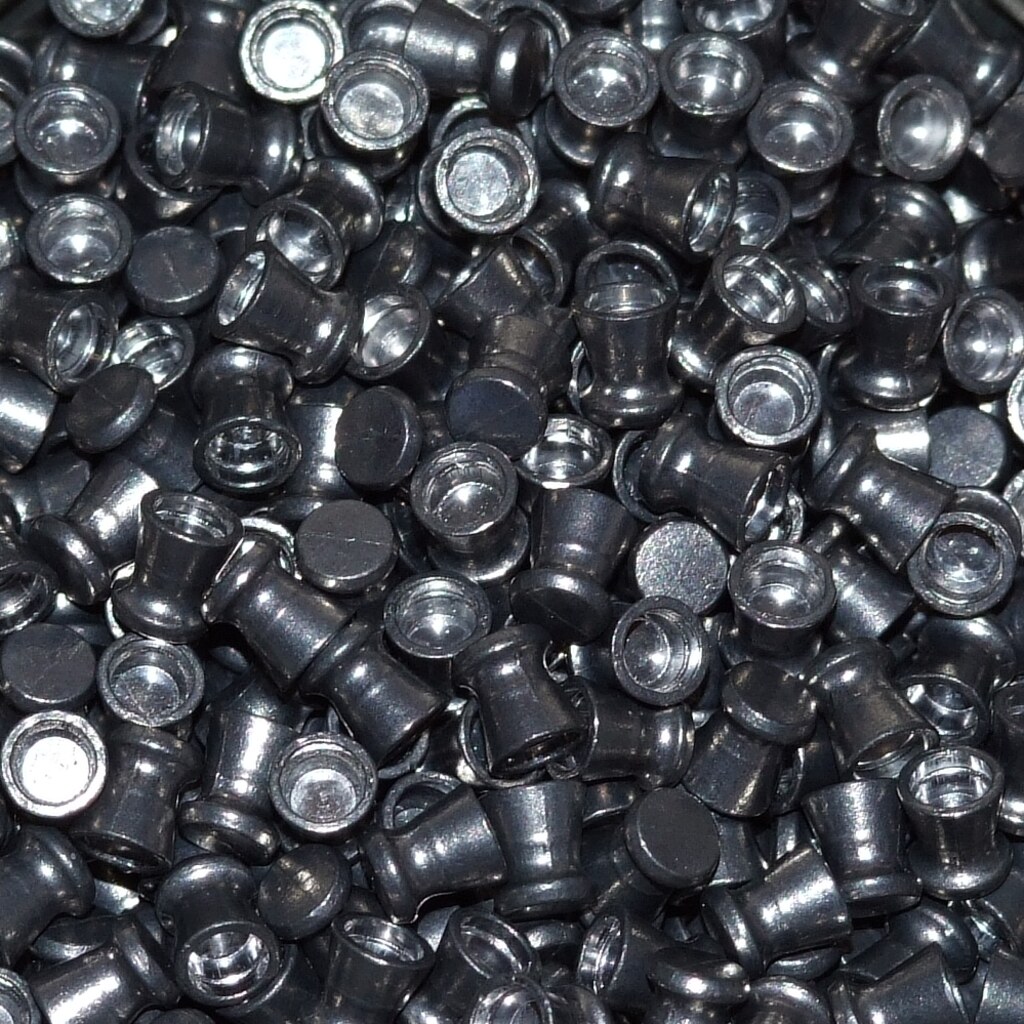
L is for Lead (Metal)
Lead is used in batteries, bullets, solder, pewter and radiation shields.
Lead is a heavy metal like mercury and can accumulate in the body and cause poisoning. Lead poisoning was common in ancient times.


L is for Lead (Verb)
The opposite of lead is follow.




Something is leaning if it has tilted from being vertical. The gravestone in the picture is leaning quite badly.
You might also lean on something if you put some of your weight on it, for example when you lean up against a lamp post.
You might also lean on something if you put some of your weight on it, for example when you lean up against a lamp post.


To leave is to go away. The man in the picture is about to get into a car to leave.

Led is the past tense of lead. The man in the picture has led the camel along.
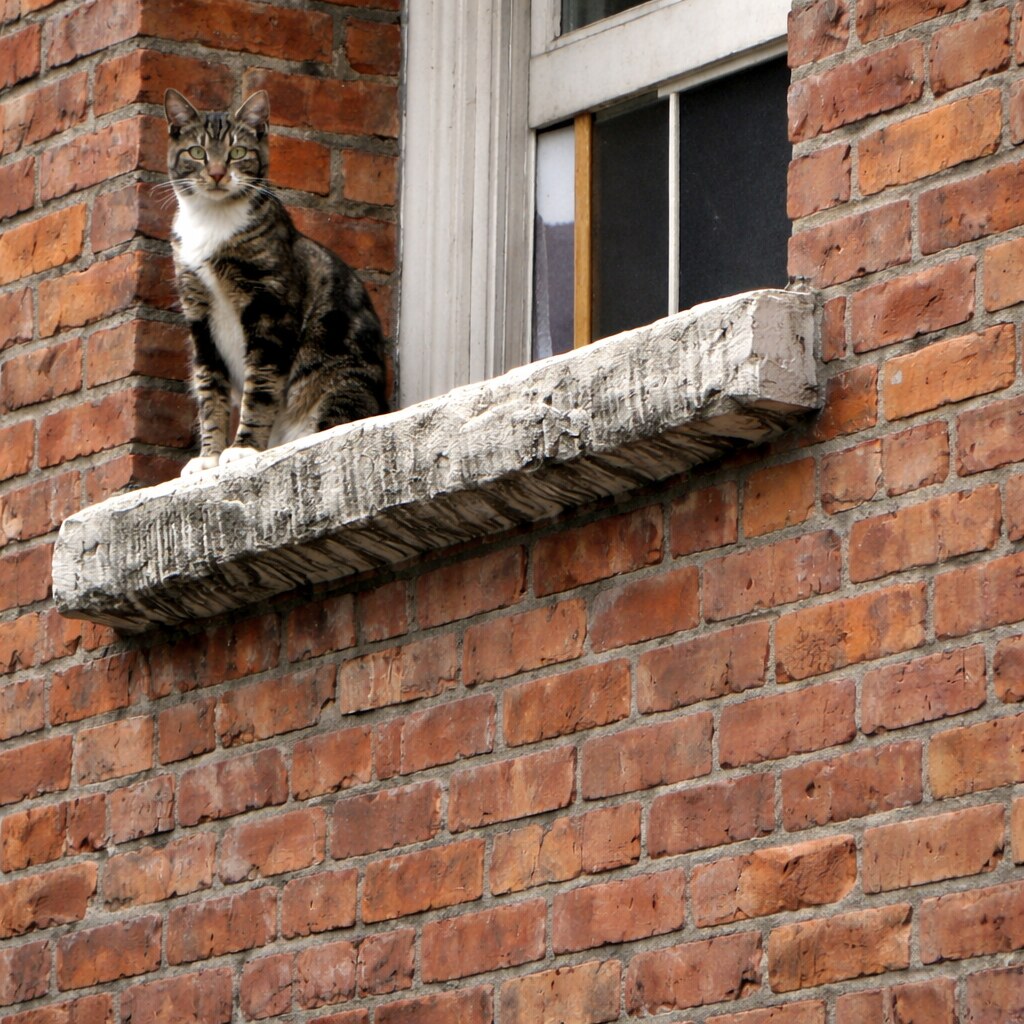
A ledge is similar to a shelf, being fairly narrow and horizontal. Ledges are generally built into a building, either for decoration or for practical reasons, like a windowledge.
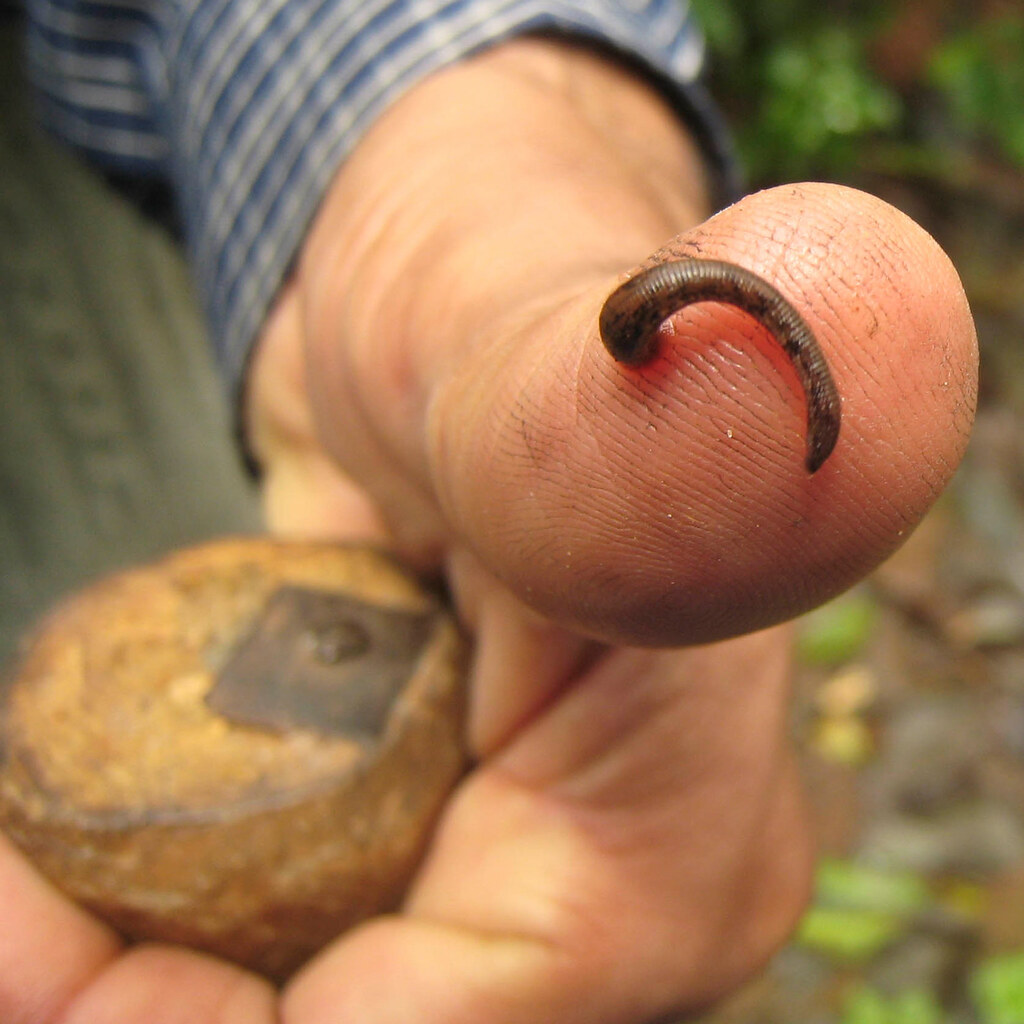
Leeches are in the same family as earthworms. Not all leeches are bloodsuckers, but the ones people are most familiar with are. They grow to around 2-5cm long but some species reach 30cm. Leeches live in damp, swampy areas.
Leeches have adapted one end of them into a sucker, so they can attach to a host. They inject anaesthetic in as they bite, so the host cannot feel them, and then an anti-clotting agent so the host's blood flows freely. Leeches stay stuck to their host until they are full, then they drop off.
Leeches have adapted one end of them into a sucker, so they can attach to a host. They inject anaesthetic in as they bite, so the host cannot feel them, and then an anti-clotting agent so the host's blood flows freely. Leeches stay stuck to their host until they are full, then they drop off.