
Showing 1-20 of 117
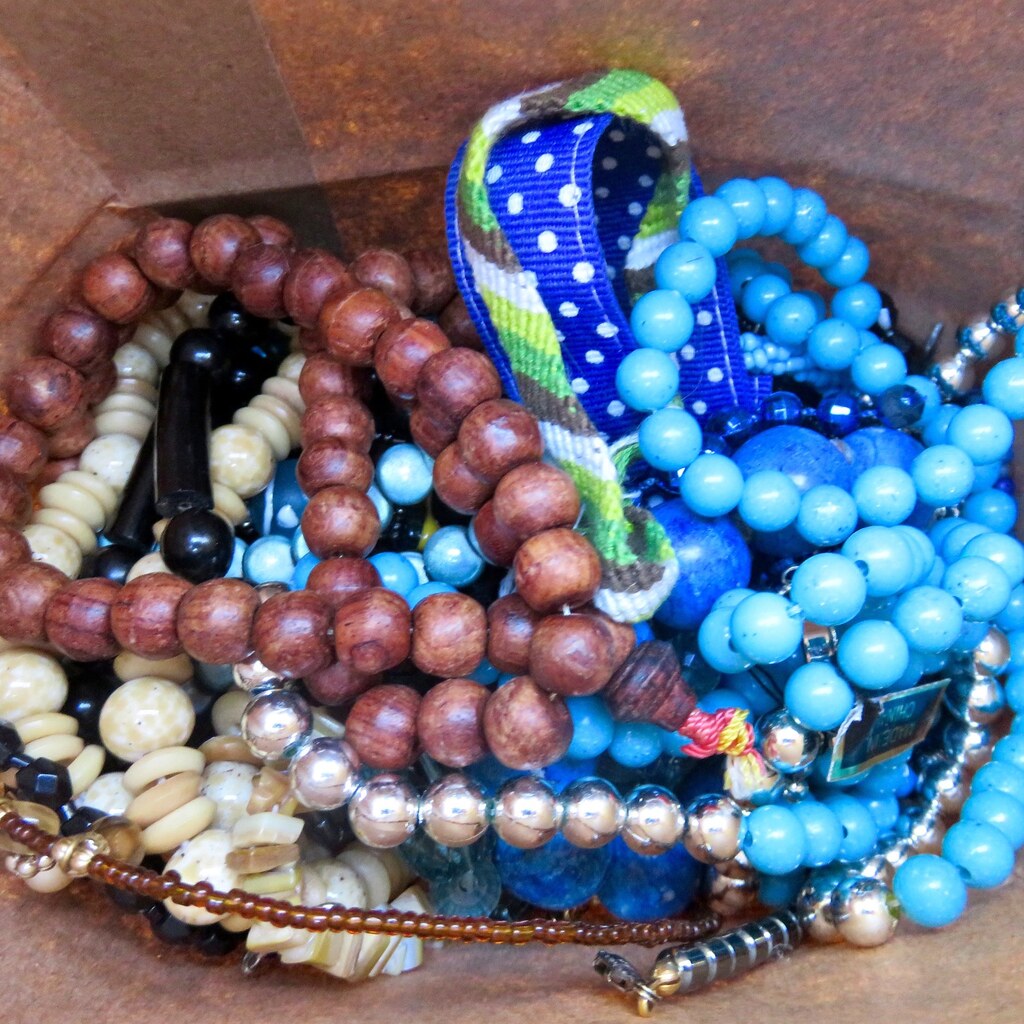
A bead is a small, pretty object with a hole through the middle so that many beads can be threaded together to make a chain.
Beads can be made of clay, glass, wood, shells, stone, nuts or in fact anything that looks good and might be nice strung together.
Beads are usually strung into necklaces or bracelets.
Beads can be made of clay, glass, wood, shells, stone, nuts or in fact anything that looks good and might be nice strung together.
Beads are usually strung into necklaces or bracelets.
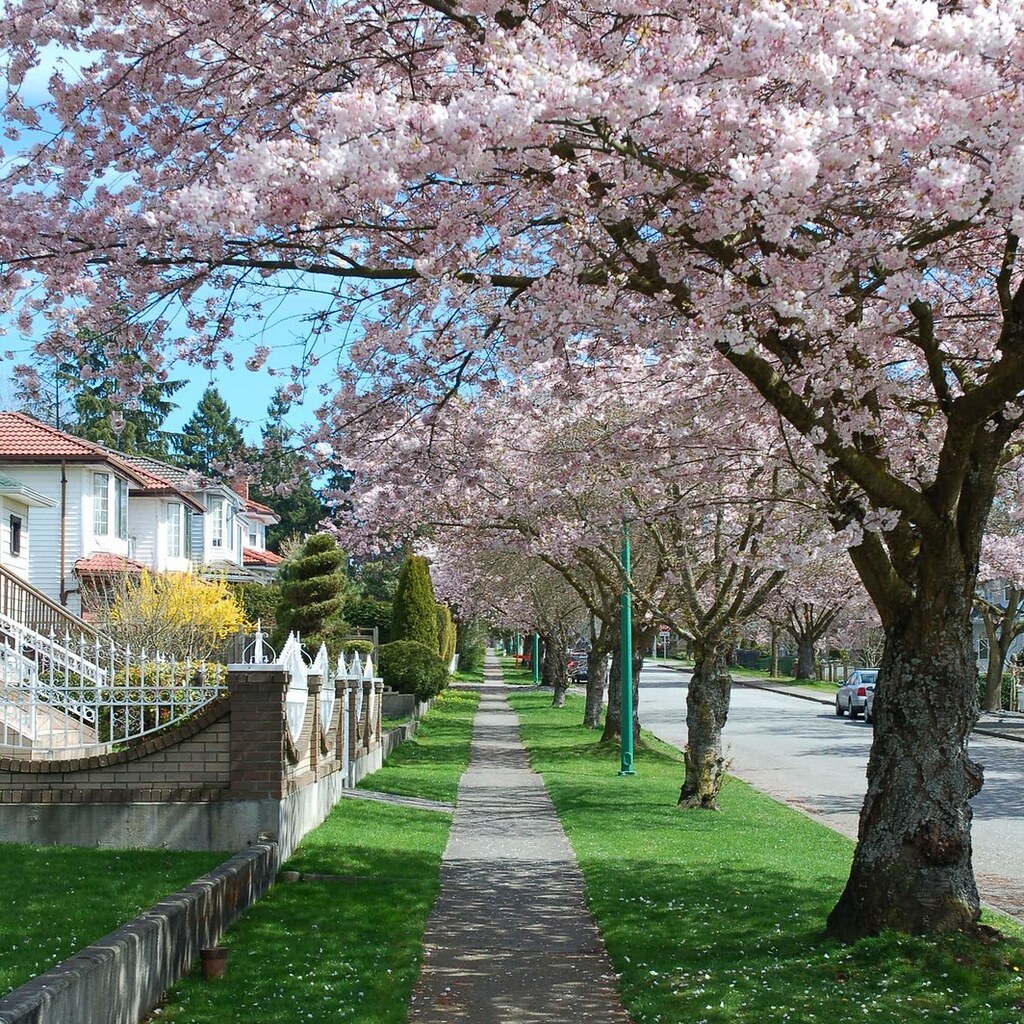
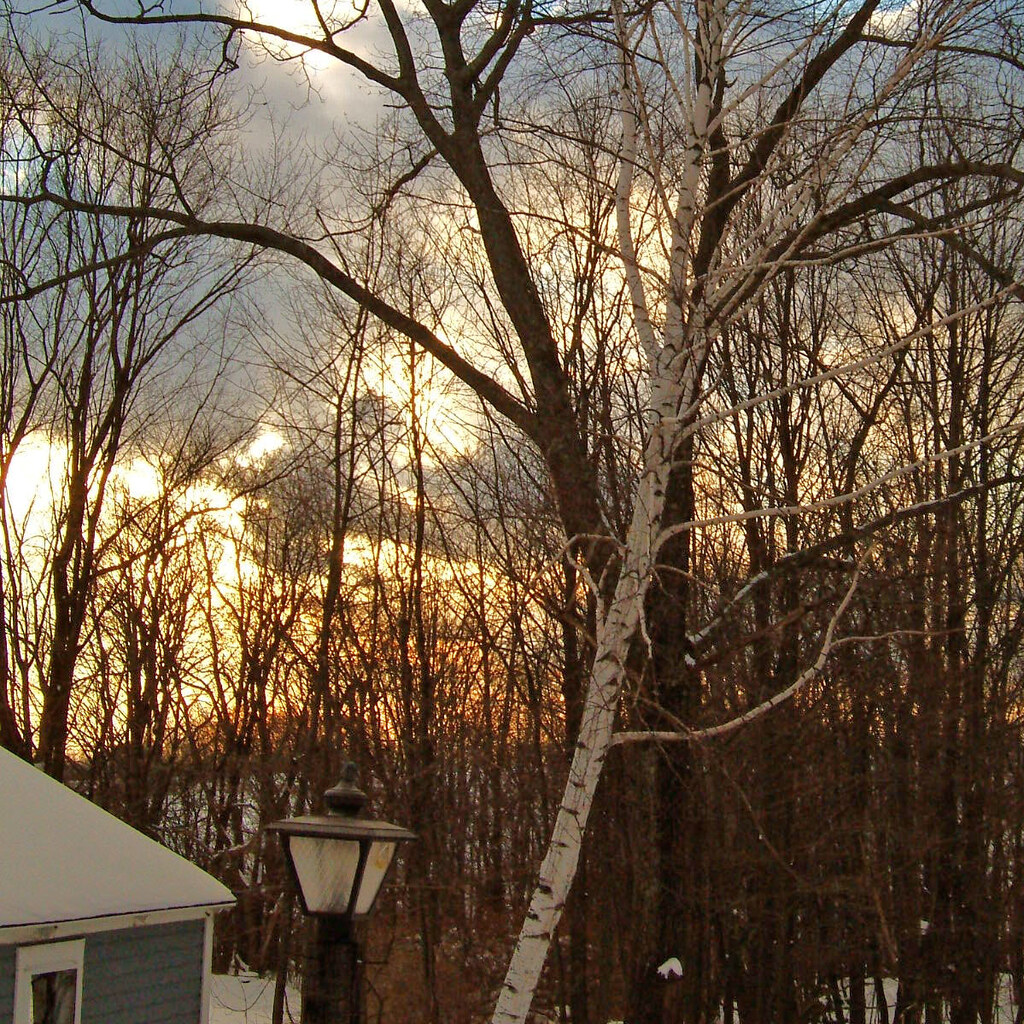
A bloom might be a single flower, all the flowers on a plant, or the fact that the plant is flowering. The trees in the picture are in full bloom.
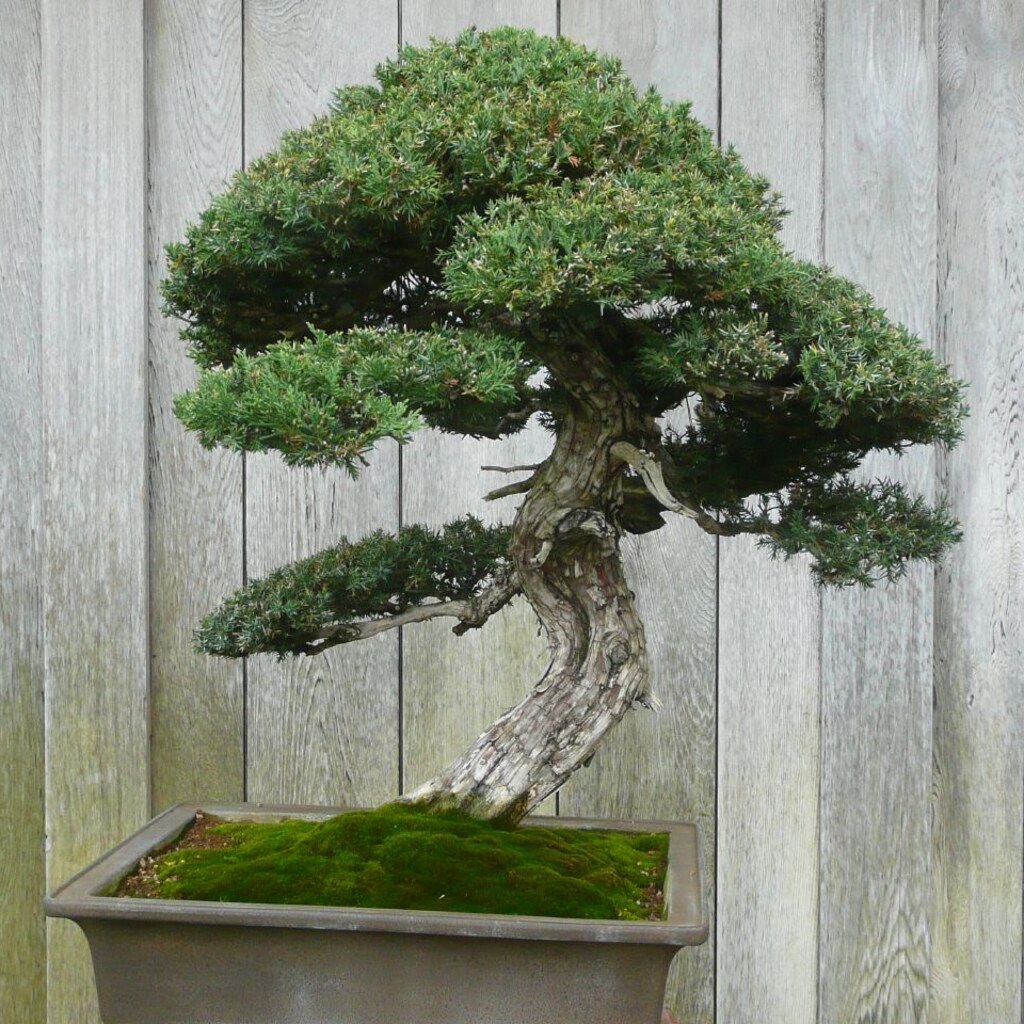
Bonsai is a way of pruning and restricting the growth of a plant so it stays very, very small. The shape the plant grows is also changed, often making the plant look like a tiny, old, twisted tree.
Bonsai is achieved with a combination of careful pruning of both the roots and the branches, and using wire to shape the branches as they grow. Keeping the bonsai in a small container keeps the plant small, but great care must be taken so the plant doesn't dry out and die.
Bonsai is achieved with a combination of careful pruning of both the roots and the branches, and using wire to shape the branches as they grow. Keeping the bonsai in a small container keeps the plant small, but great care must be taken so the plant doesn't dry out and die.
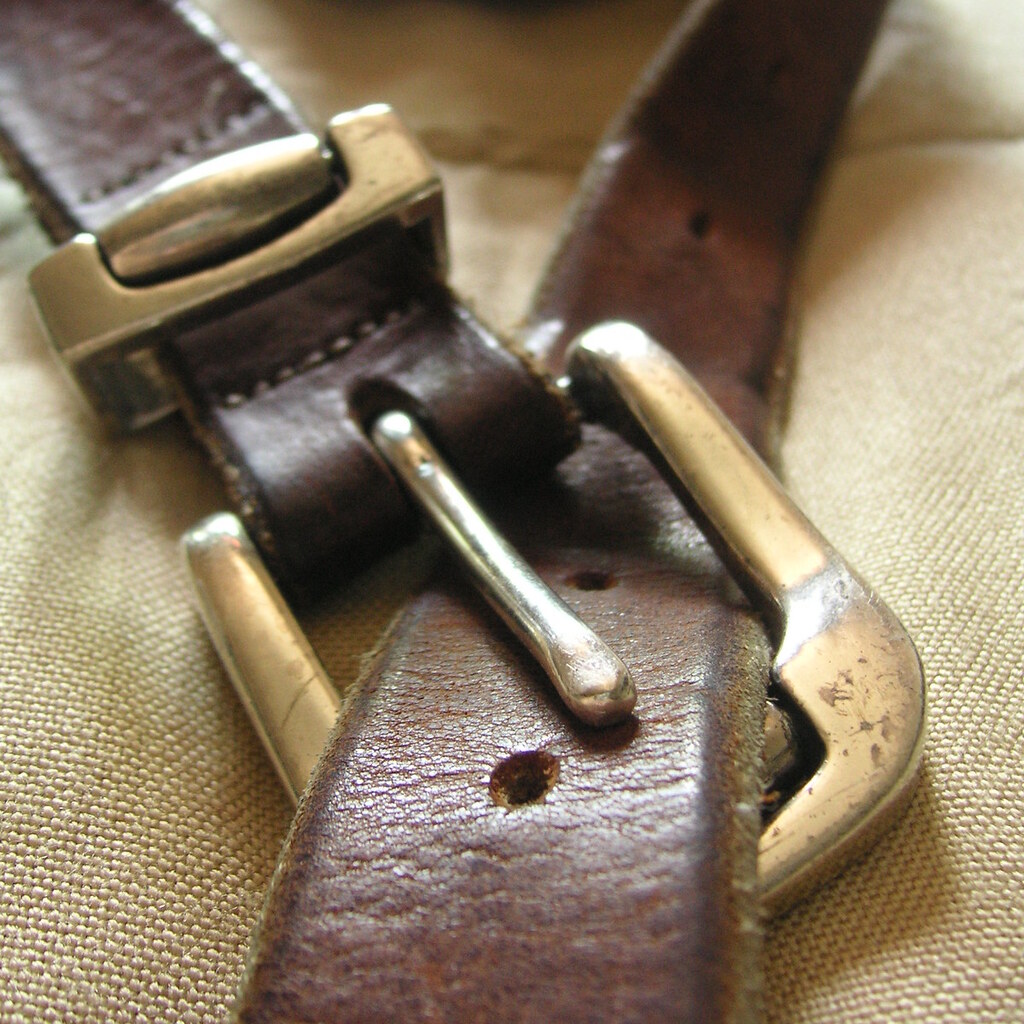
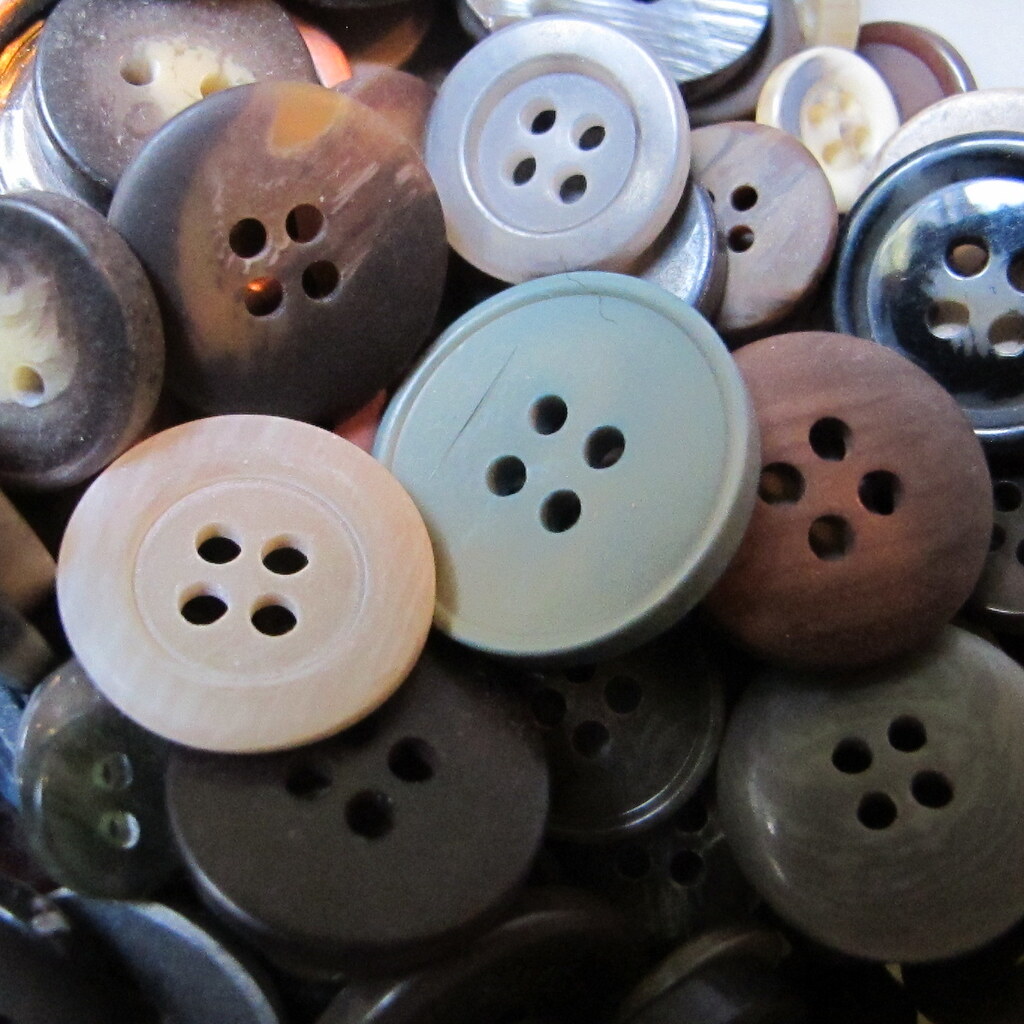
A button is a small, usually flat object that you use to keep your clothes shut. Buttons can be made of wood, metal shell or plastic. There is usually some holes through the button or a loop under the button so they can be stitched to your clothes. You fasten a button by passing it through a matching hole.
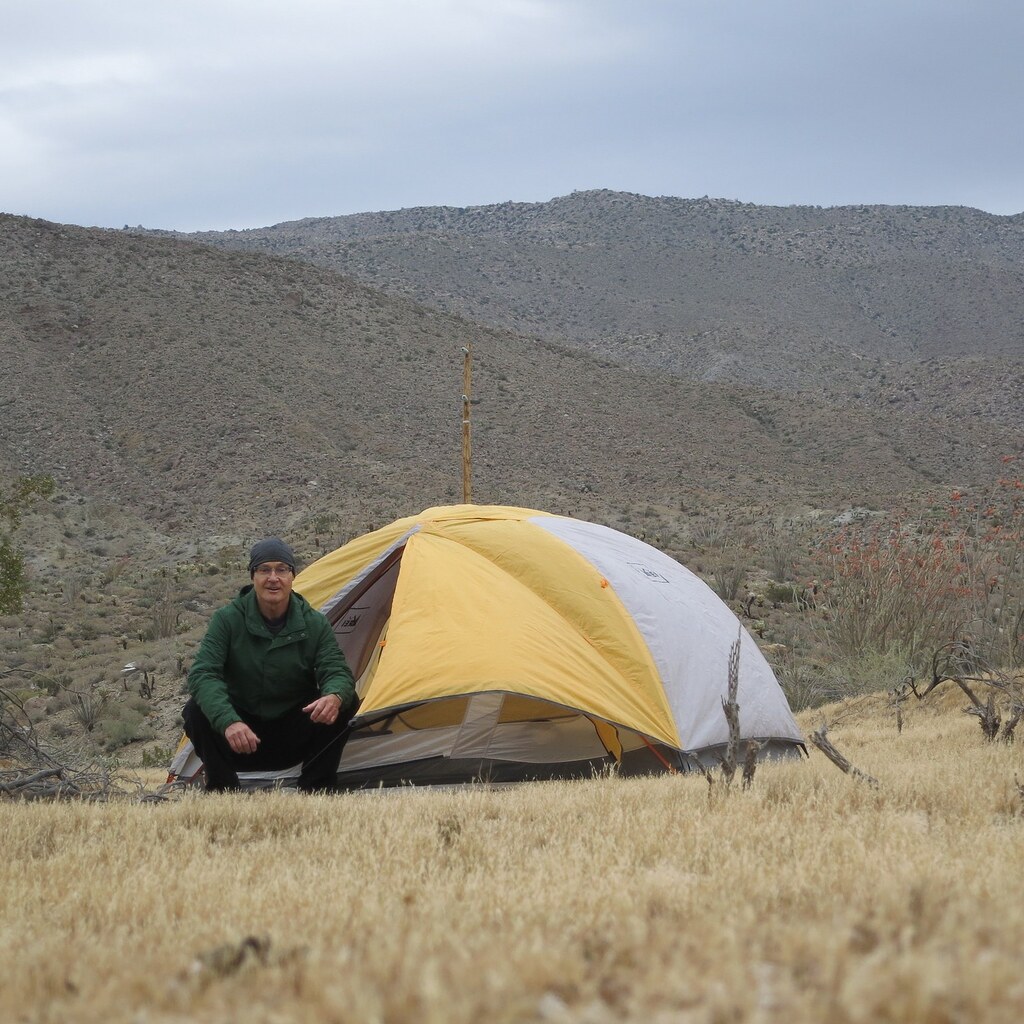
You go camping when you go away from home, usually to a wilderness area, and stay in a tent. People often go on camping trips on their vacation time.
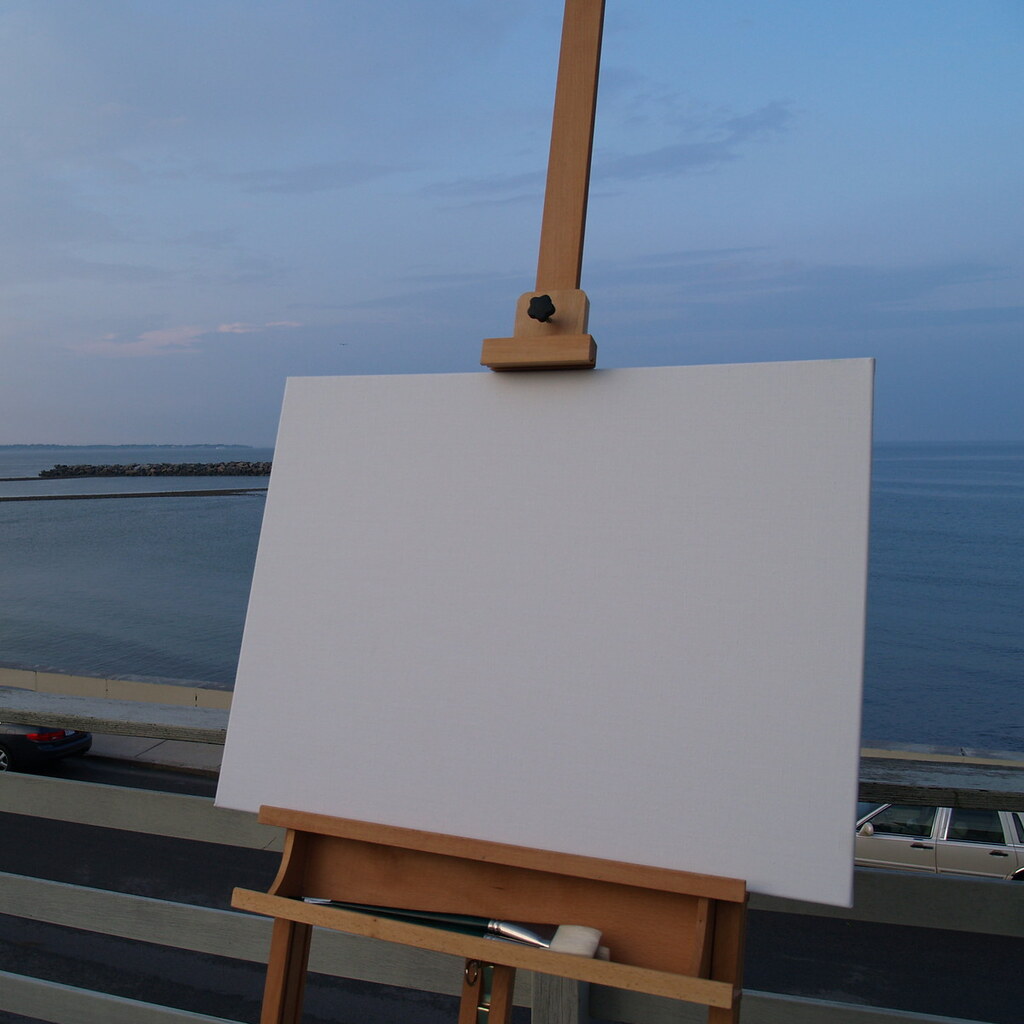
Canvas is a kind of heavy, plain woven fabric, usually made from cotton or linen. It is used to make sails, tents and other items that need to be made from strong fabric.
Artists like to stretch some canvas over a frame and use it to paint on. A piece of canvas prepared like this is also called a canvas, like the one in the picture.
Artists like to stretch some canvas over a frame and use it to paint on. A piece of canvas prepared like this is also called a canvas, like the one in the picture.

C is for Cellophane

Chalk is a soft, white rock that can be used to draw with on rough surfaces. Chalk is usually sold in small coloured sticks, for drawing on blackboards and sidewalks.

Charcoal is a soft black substance that is left after something is burnt. You can use charcoal to draw with, like in the picture. Charcoal is messy, and you have to be careful not to get black fingerprints on everything when you are working with it.
Charcoal is also used as the name for a color that is very dark grey, almost black.
Charcoal is also used as the name for a color that is very dark grey, almost black.
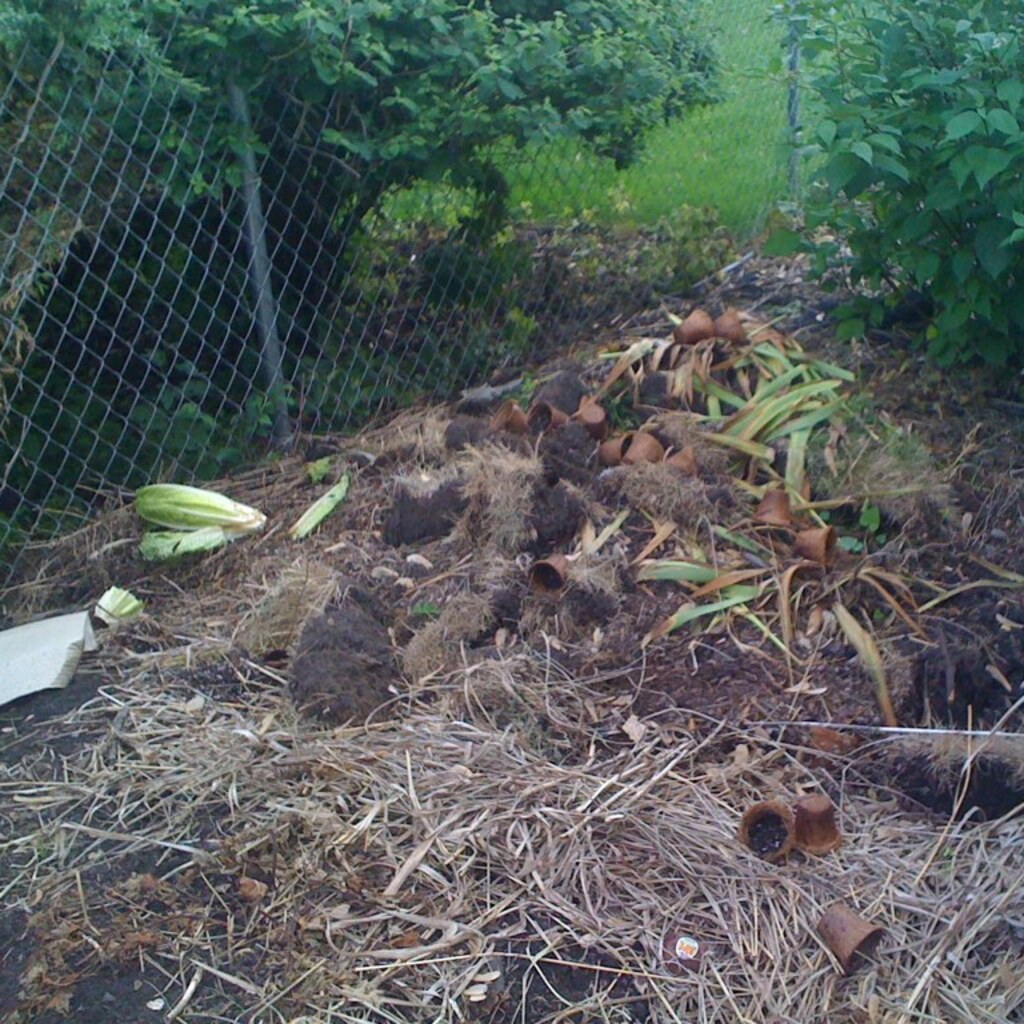
Compost is vegetable matter, rotted down so it can be used to fertilize and improve soil. You can make your own compost from lawn clippings, newspaper, food scraps and fallen leaves. Compost is best kept slightly moist, and turned regularly to aerate it. Worms in your compost will really help the composting process along, as the worms eat the food scraps and their castings become part of the compost.
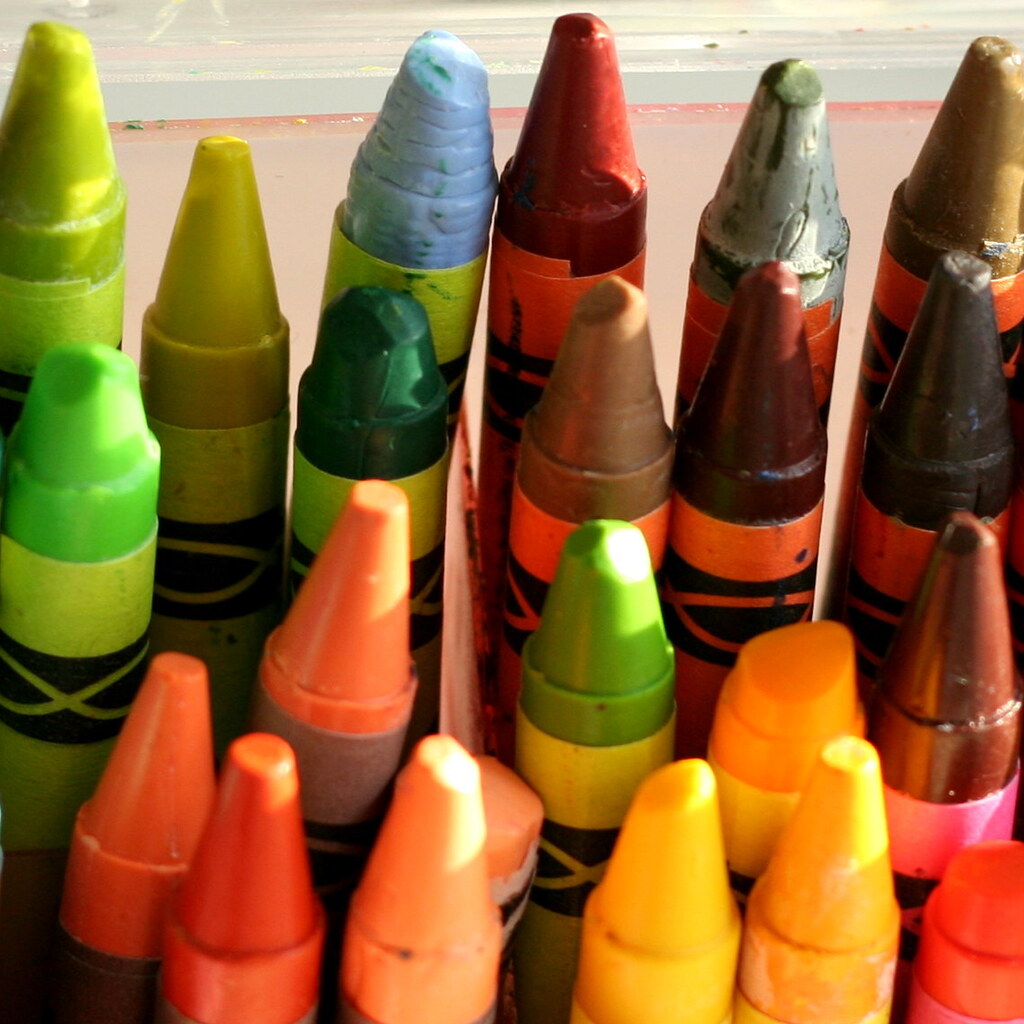
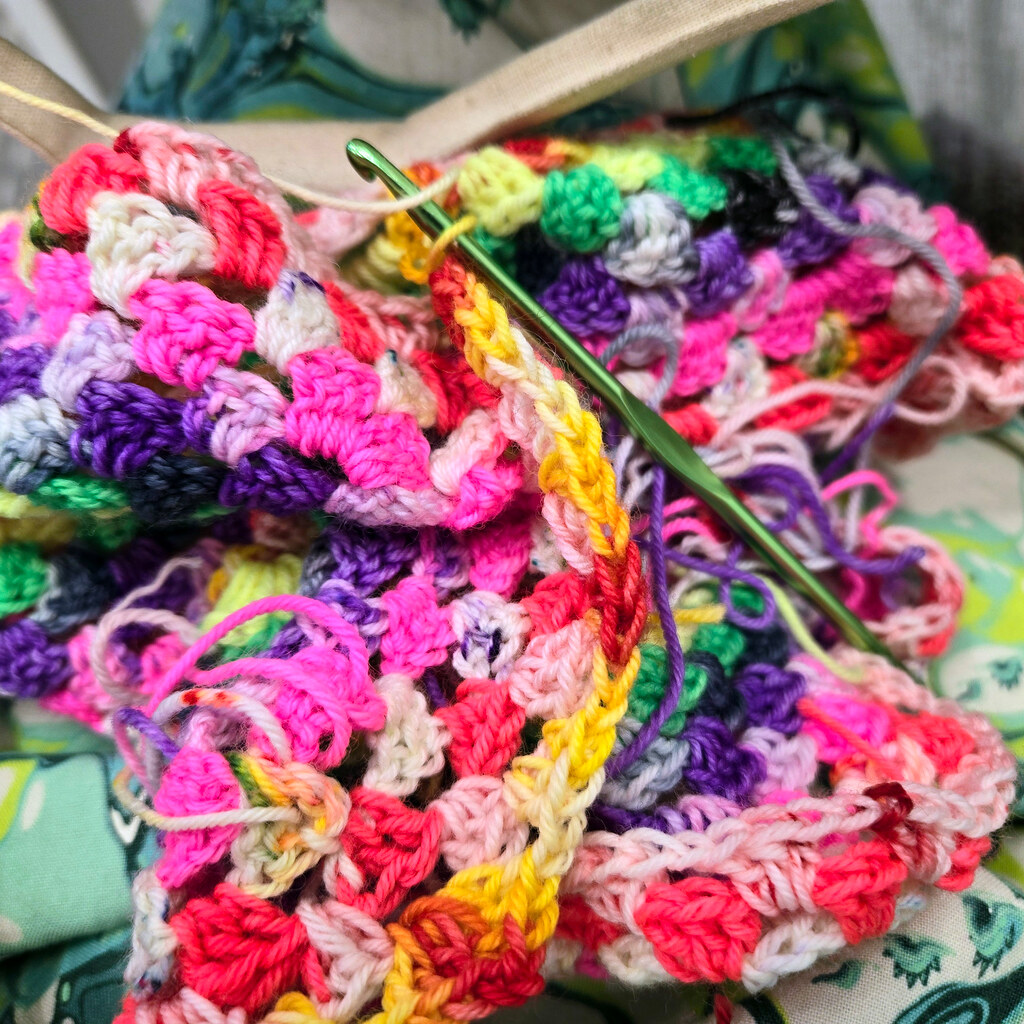
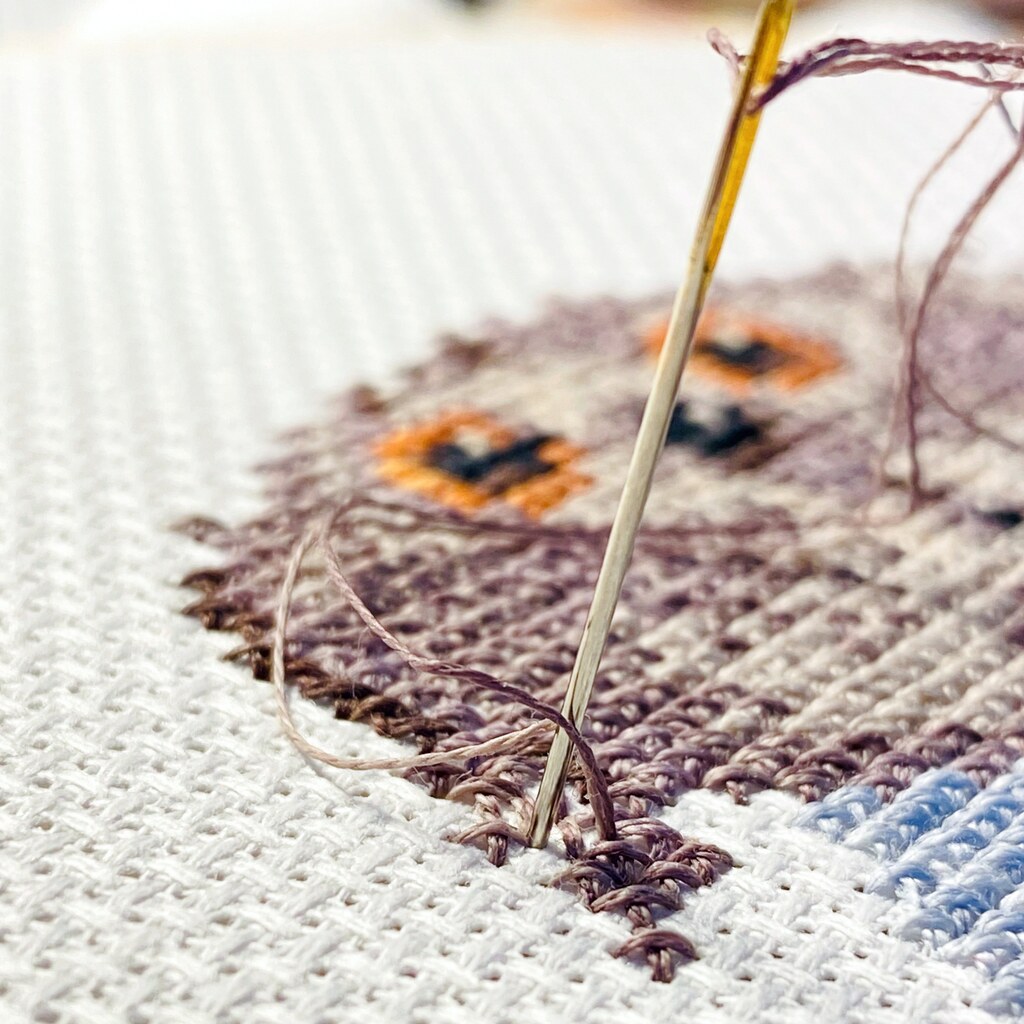
C is for Cross stitch
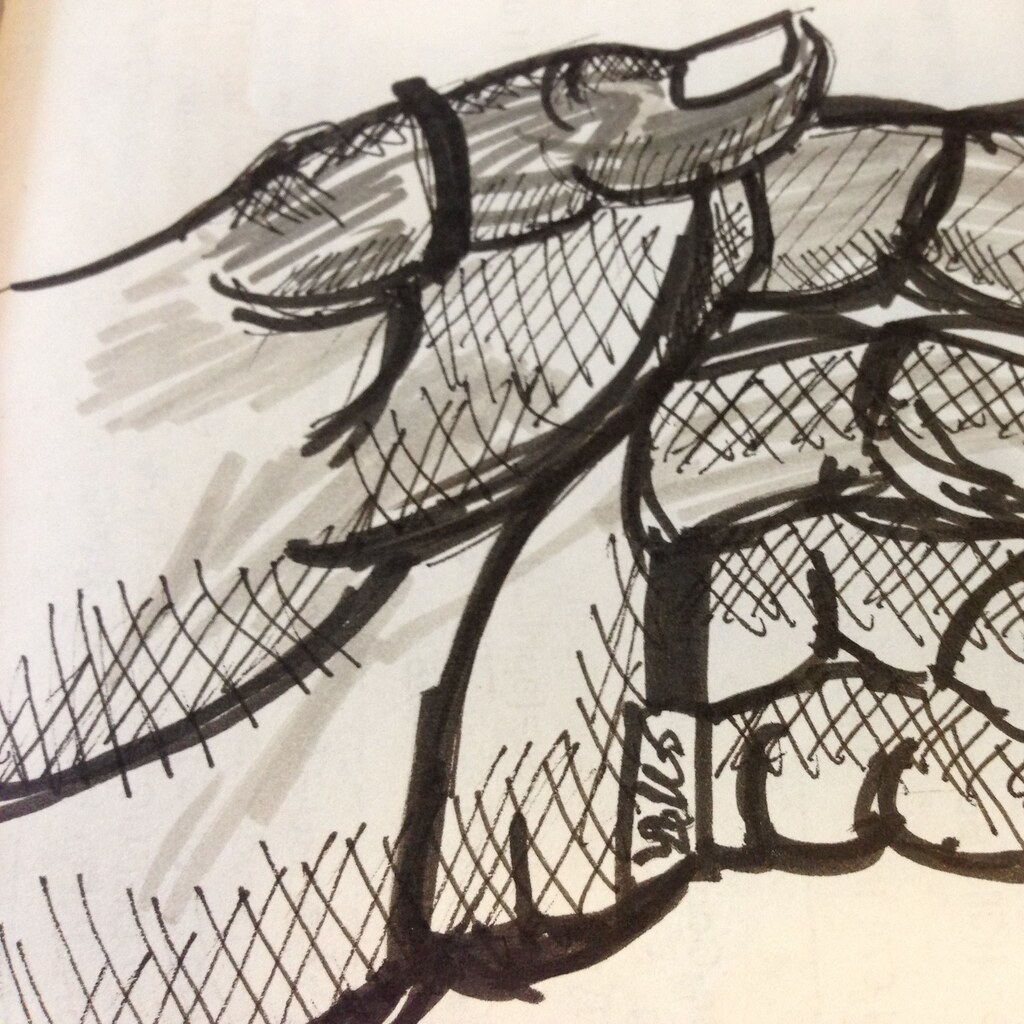
C is for Crosshatch

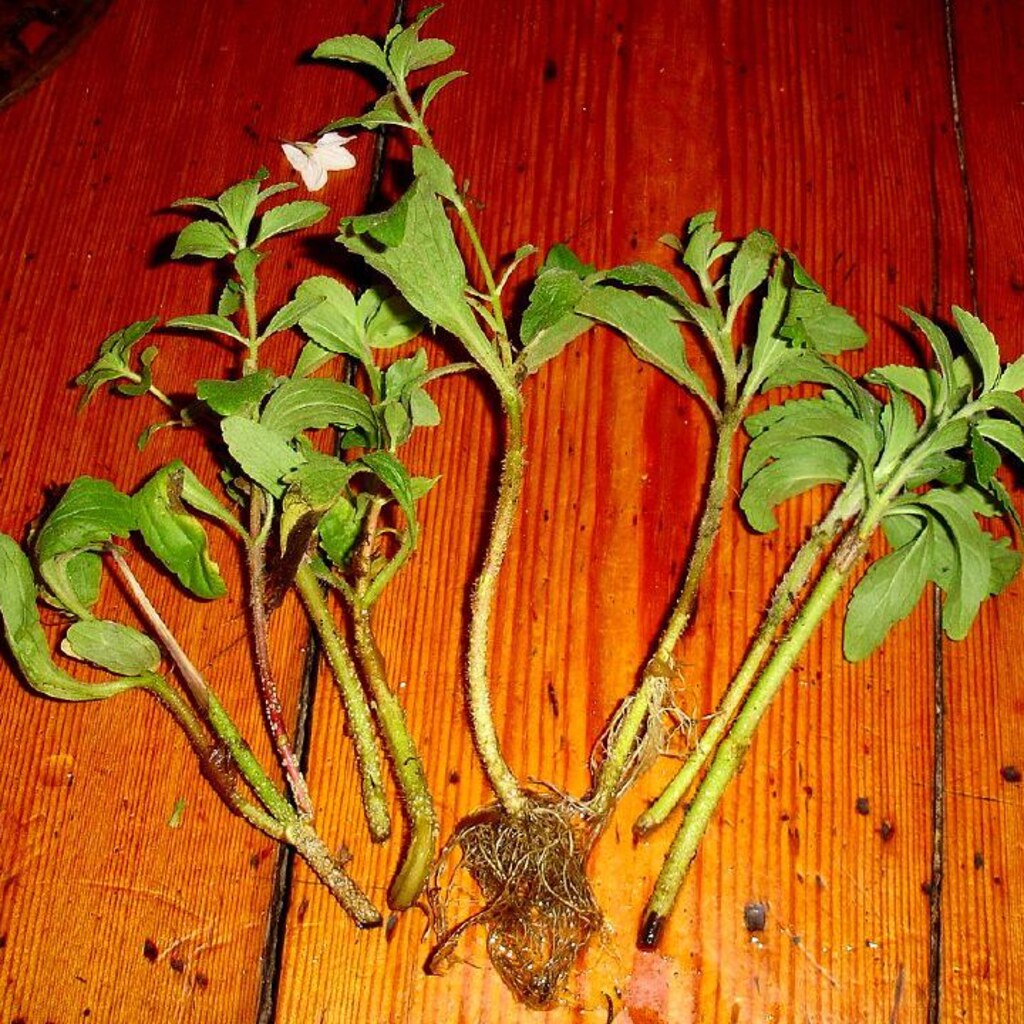
Taking cuttings and striking them is a way of growing a new plant from a piece cut off from another plant.
The most successful way of taking cuttings varies widely depending on the type of plant. Some cuttings need to be of soft new growth, some hard, some taken in winter while the plant has no leaves, some in spring when it is vigorously growing, still other plants can be grown from only a piece of root or a leaf. Some need to be let dry a little first (hardened), some need special hormones, but as a general rule all cuttings need to be kept slightly moist so they do not die before they have their own root system.
The cuttings in the photo have been left to stand in water and have grown roots.
The most successful way of taking cuttings varies widely depending on the type of plant. Some cuttings need to be of soft new growth, some hard, some taken in winter while the plant has no leaves, some in spring when it is vigorously growing, still other plants can be grown from only a piece of root or a leaf. Some need to be let dry a little first (hardened), some need special hormones, but as a general rule all cuttings need to be kept slightly moist so they do not die before they have their own root system.
The cuttings in the photo have been left to stand in water and have grown roots.
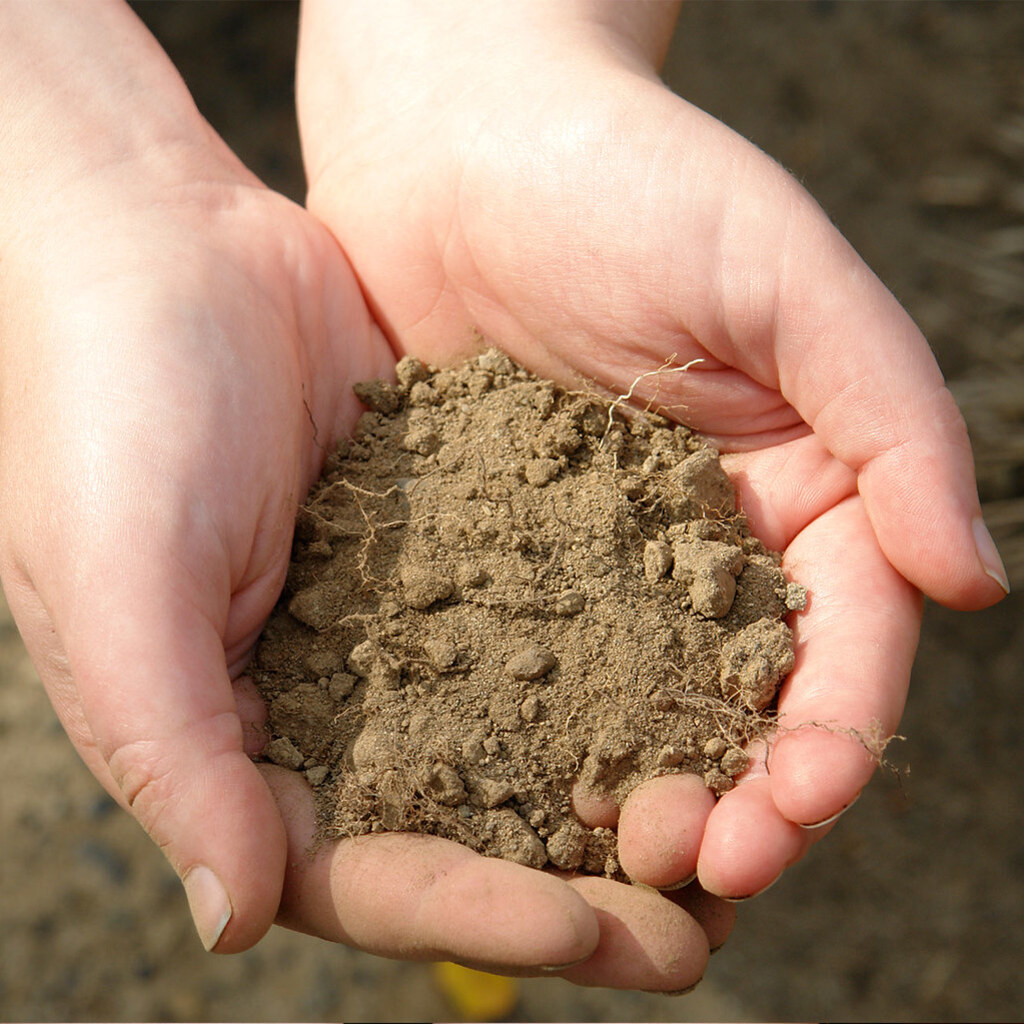
Dirt is a general name for the fine powdery stuff that is on the ground everywhere outdoors. Dirt is the name given to very ordinary sort. Rough dirt that doesn't hold water very well is usually called sand, very fine dirt that can also be used to make pottery is called clay and dirt that is good quality, either naturally or because someone improved it with compost, is called soil.