Showing 1-20 of 37
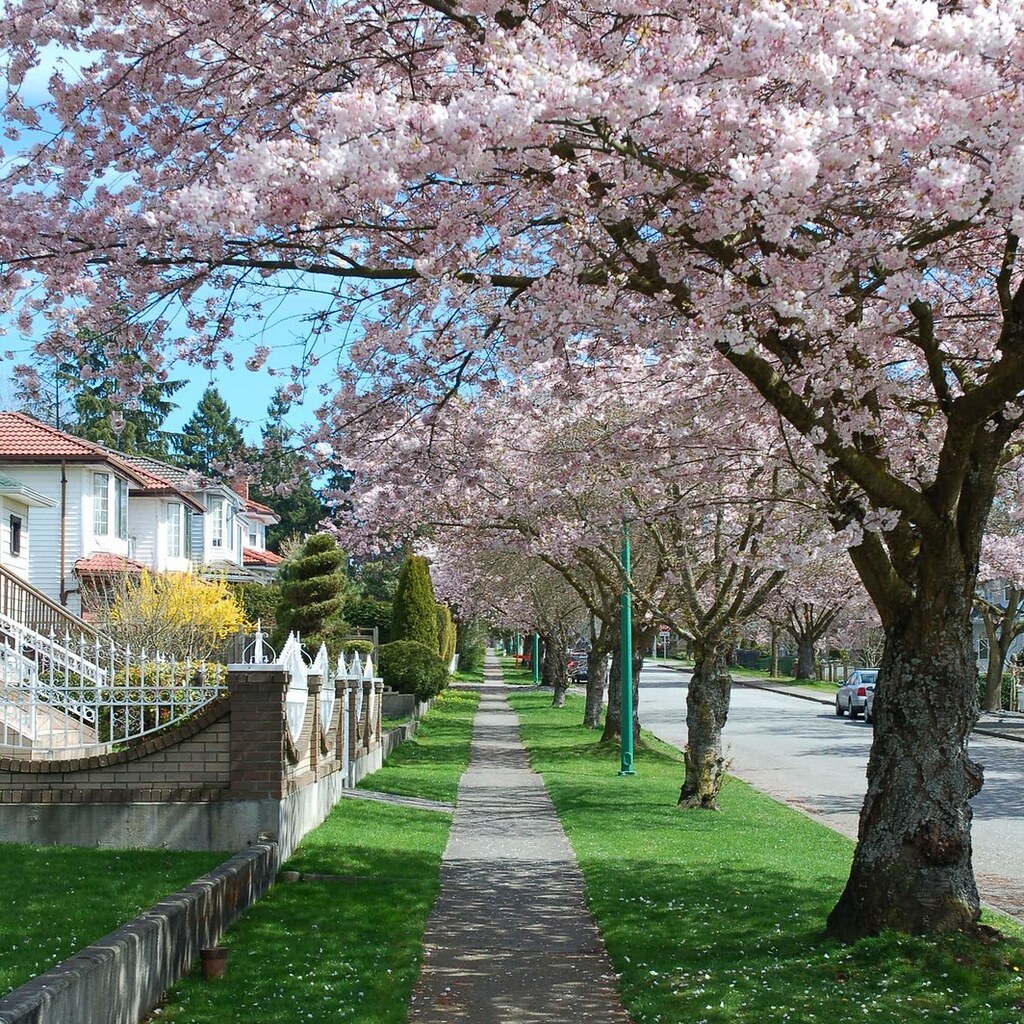
A bloom might be a single flower, all the flowers on a plant, or the fact that the plant is flowering. The trees in the picture are in full bloom.
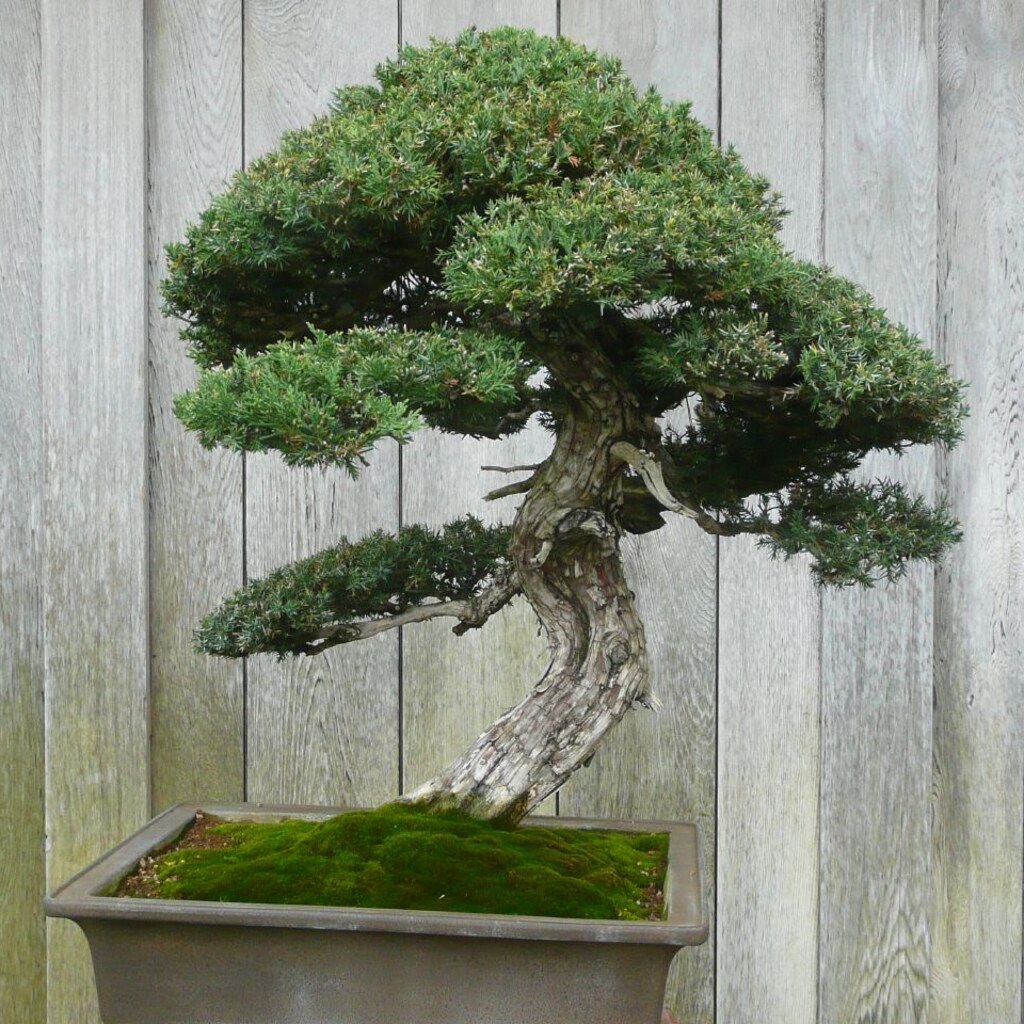
Bonsai is a way of pruning and restricting the growth of a plant so it stays very, very small. The shape the plant grows is also changed, often making the plant look like a tiny, old, twisted tree.
Bonsai is achieved with a combination of careful pruning of both the roots and the branches, and using wire to shape the branches as they grow. Keeping the bonsai in a small container keeps the plant small, but great care must be taken so the plant doesn't dry out and die.
Bonsai is achieved with a combination of careful pruning of both the roots and the branches, and using wire to shape the branches as they grow. Keeping the bonsai in a small container keeps the plant small, but great care must be taken so the plant doesn't dry out and die.
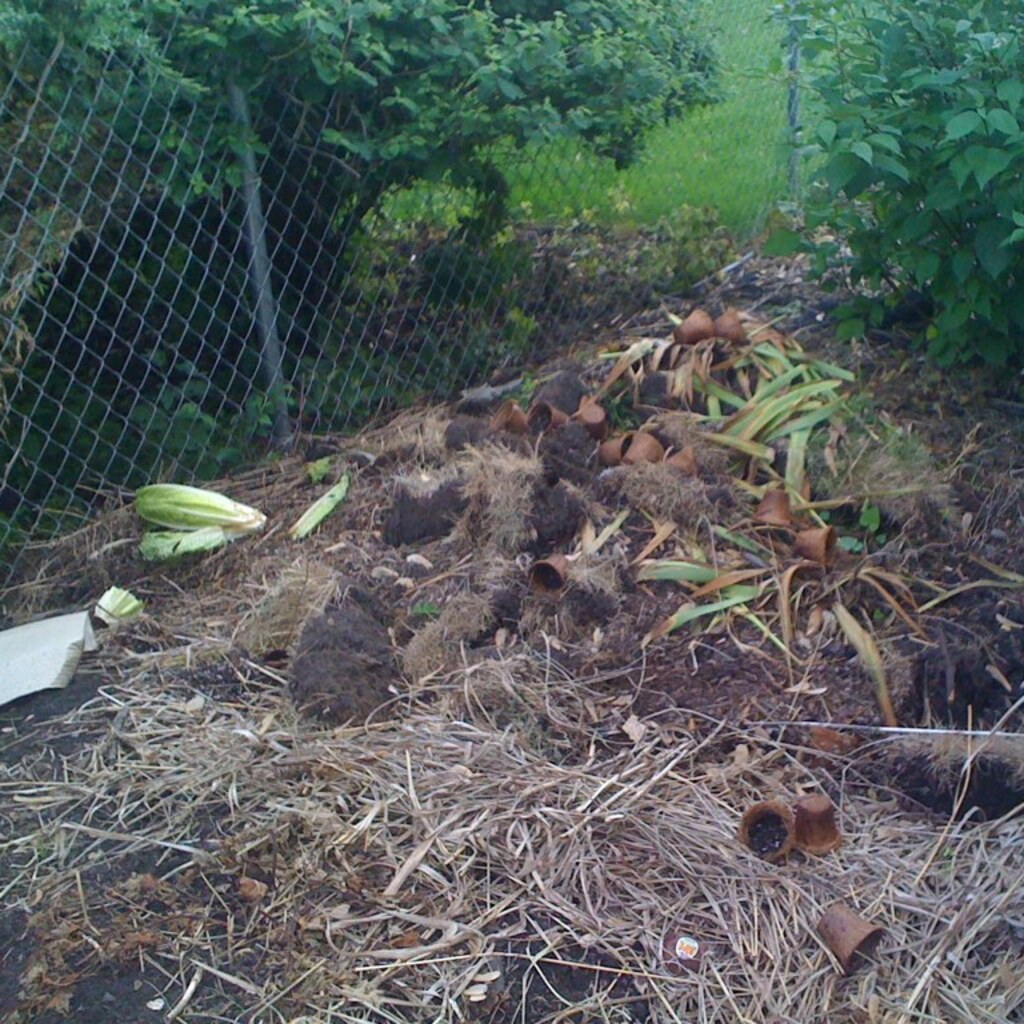
Compost is vegetable matter, rotted down so it can be used to fertilize and improve soil. You can make your own compost from lawn clippings, newspaper, food scraps and fallen leaves. Compost is best kept slightly moist, and turned regularly to aerate it. Worms in your compost will really help the composting process along, as the worms eat the food scraps and their castings become part of the compost.
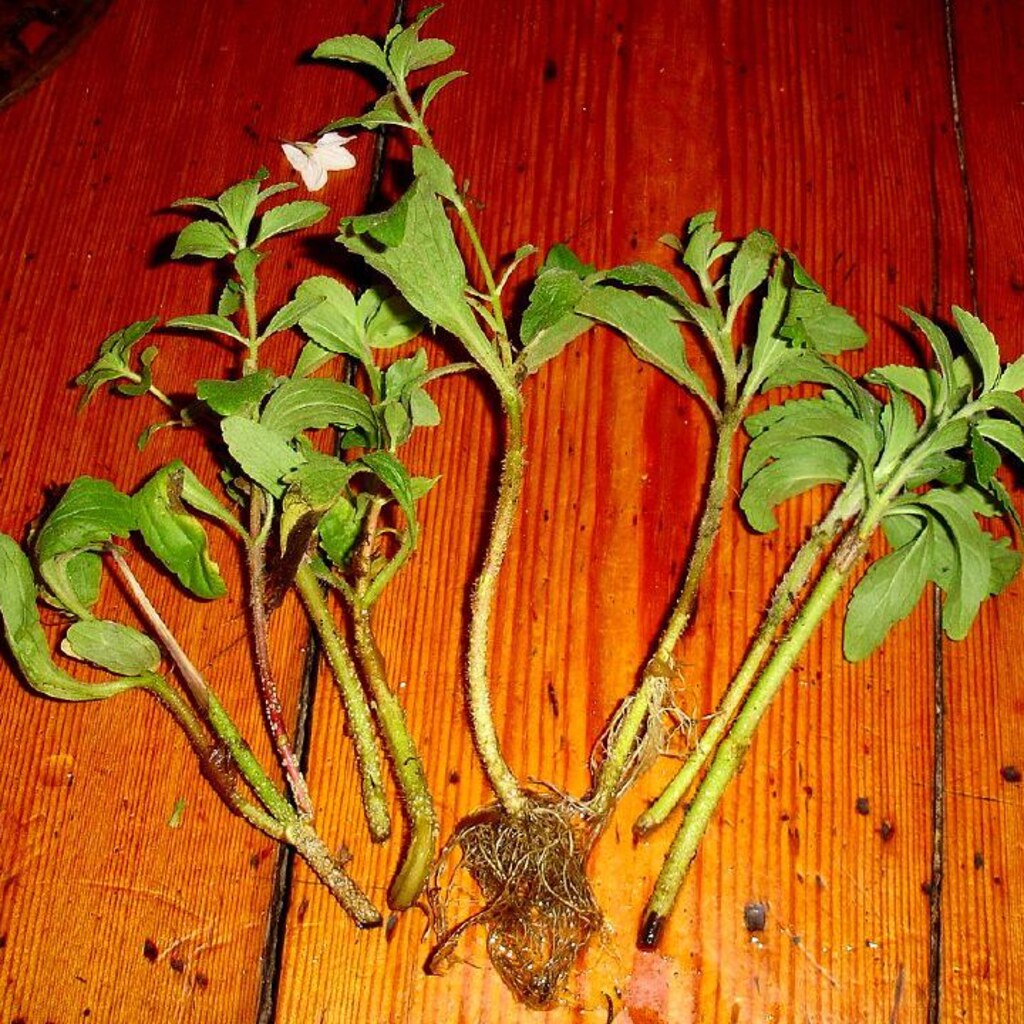
Taking cuttings and striking them is a way of growing a new plant from a piece cut off from another plant.
The most successful way of taking cuttings varies widely depending on the type of plant. Some cuttings need to be of soft new growth, some hard, some taken in winter while the plant has no leaves, some in spring when it is vigorously growing, still other plants can be grown from only a piece of root or a leaf. Some need to be let dry a little first (hardened), some need special hormones, but as a general rule all cuttings need to be kept slightly moist so they do not die before they have their own root system.
The cuttings in the photo have been left to stand in water and have grown roots.
The most successful way of taking cuttings varies widely depending on the type of plant. Some cuttings need to be of soft new growth, some hard, some taken in winter while the plant has no leaves, some in spring when it is vigorously growing, still other plants can be grown from only a piece of root or a leaf. Some need to be let dry a little first (hardened), some need special hormones, but as a general rule all cuttings need to be kept slightly moist so they do not die before they have their own root system.
The cuttings in the photo have been left to stand in water and have grown roots.
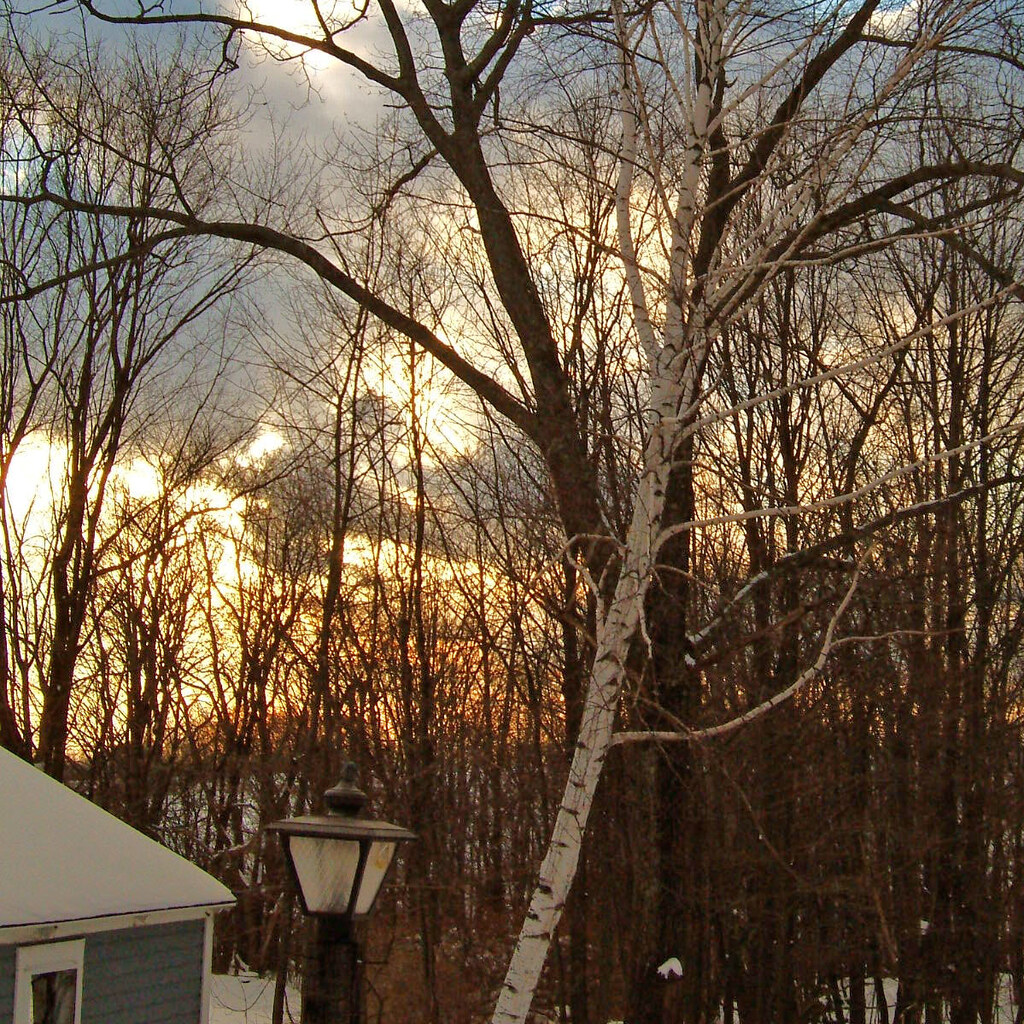
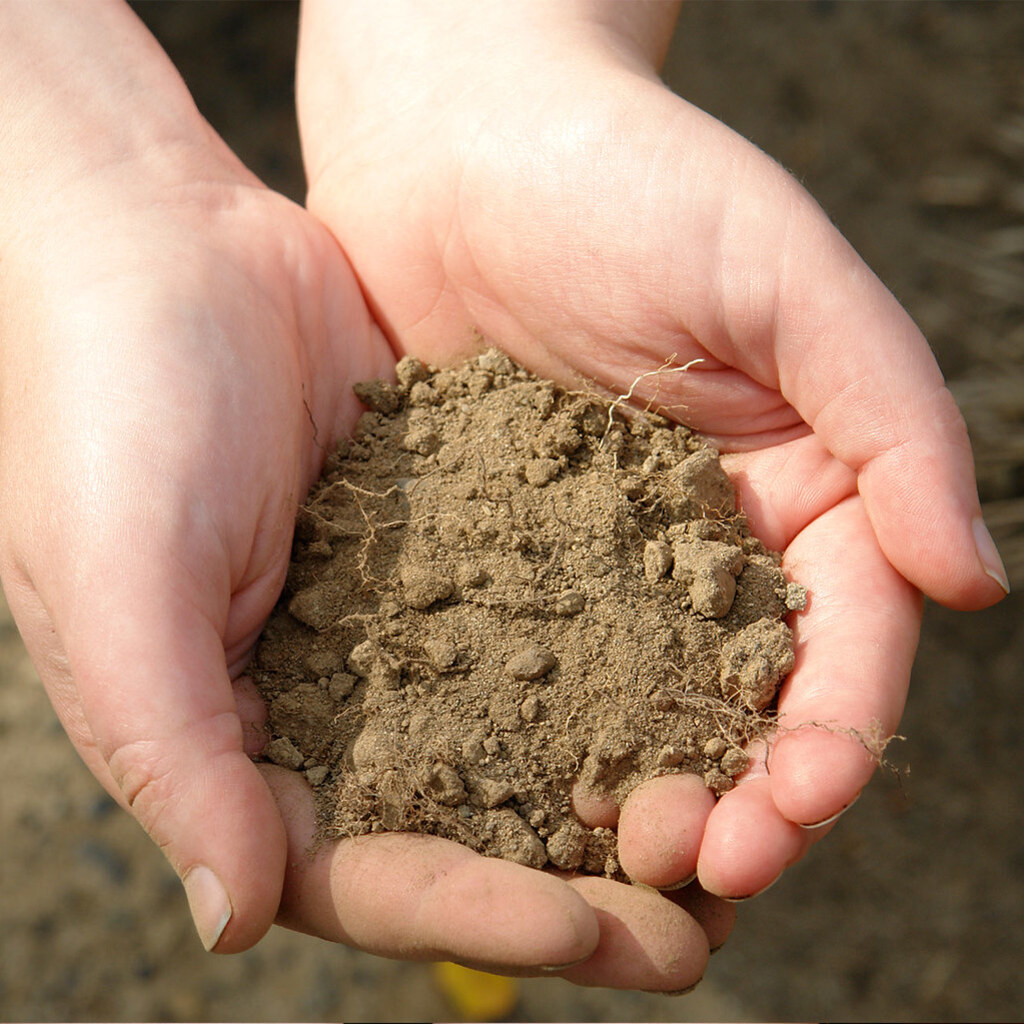
Dirt is a general name for the fine powdery stuff that is on the ground everywhere outdoors. Dirt is the name given to very ordinary sort. Rough dirt that doesn't hold water very well is usually called sand, very fine dirt that can also be used to make pottery is called clay and dirt that is good quality, either naturally or because someone improved it with compost, is called soil.
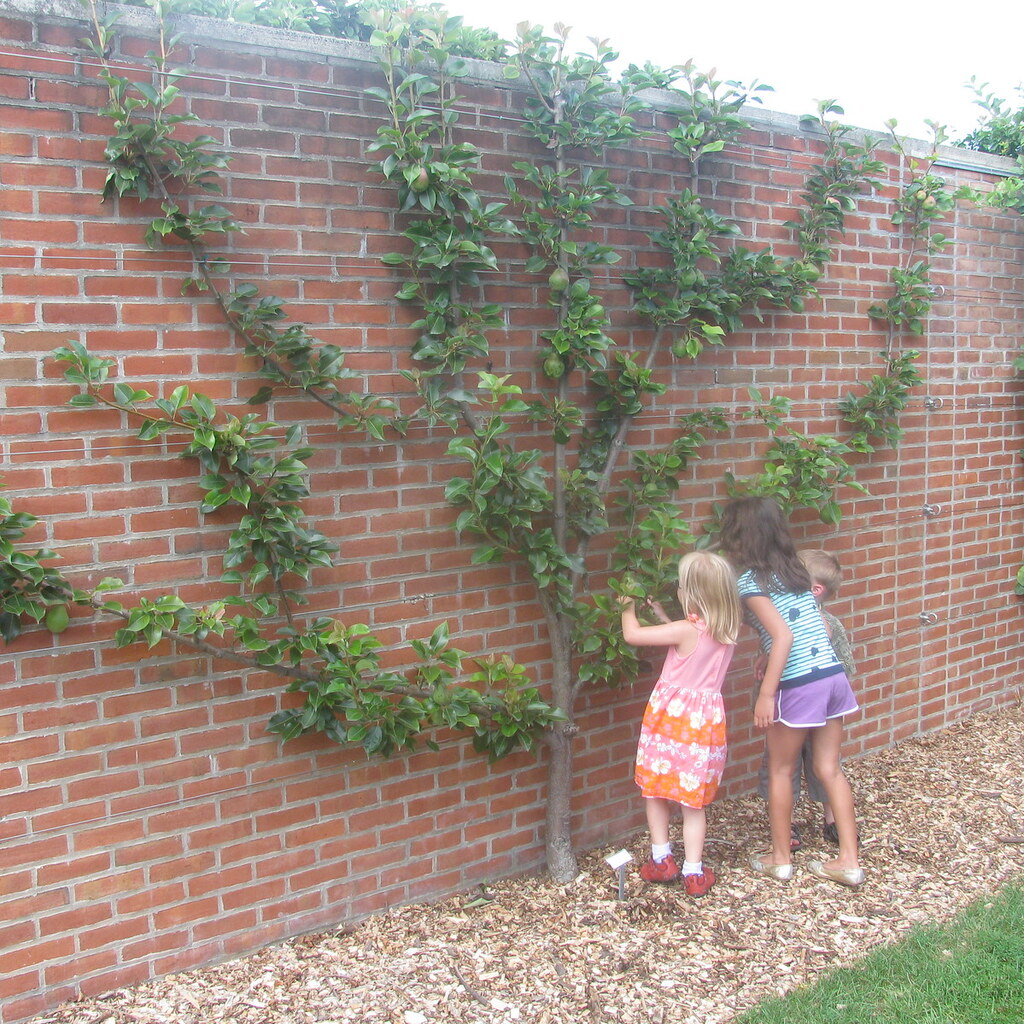
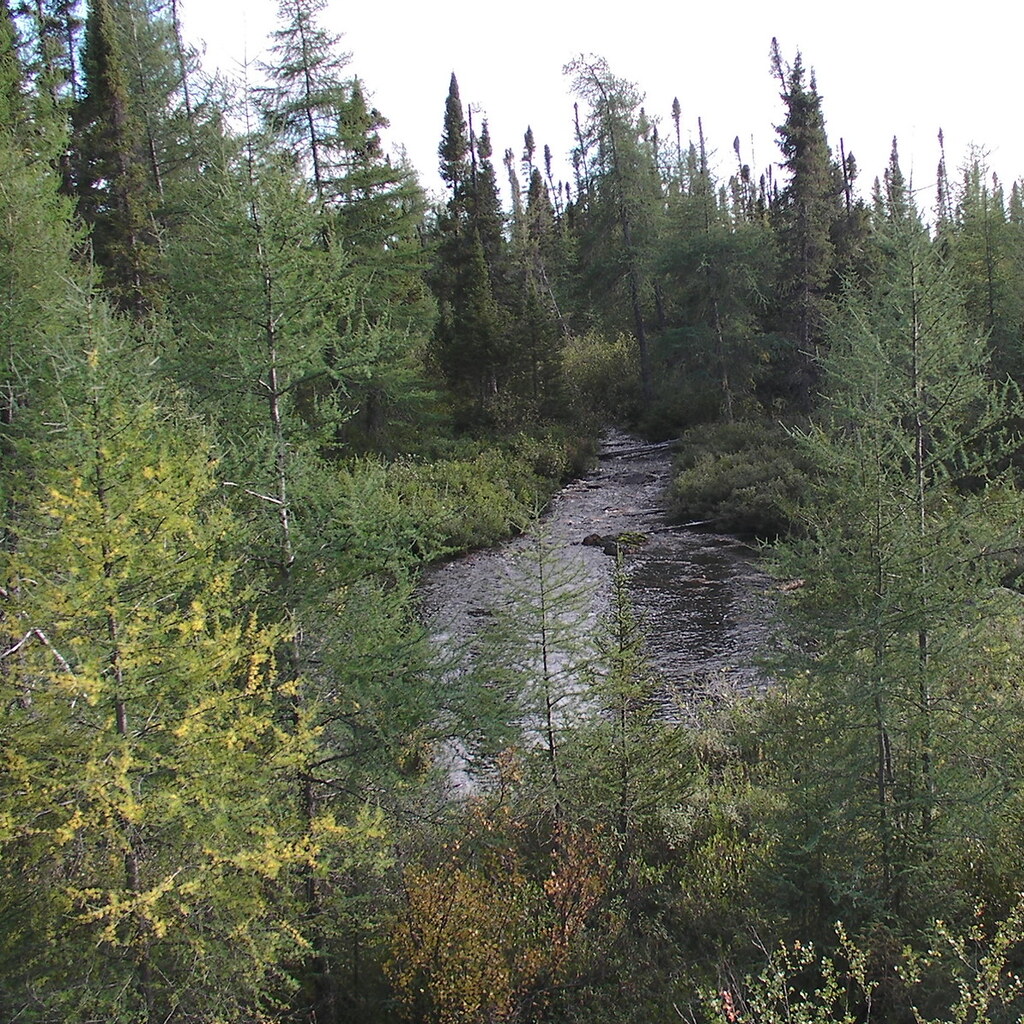

A garden is a planned space, full of plants that have been placed by the garden's owner. Gardens can be indoors or outdoors, just for decoration, or for growing fruit and vegetables. Some gardens have plants that are trimmed into shapes, called topiary.
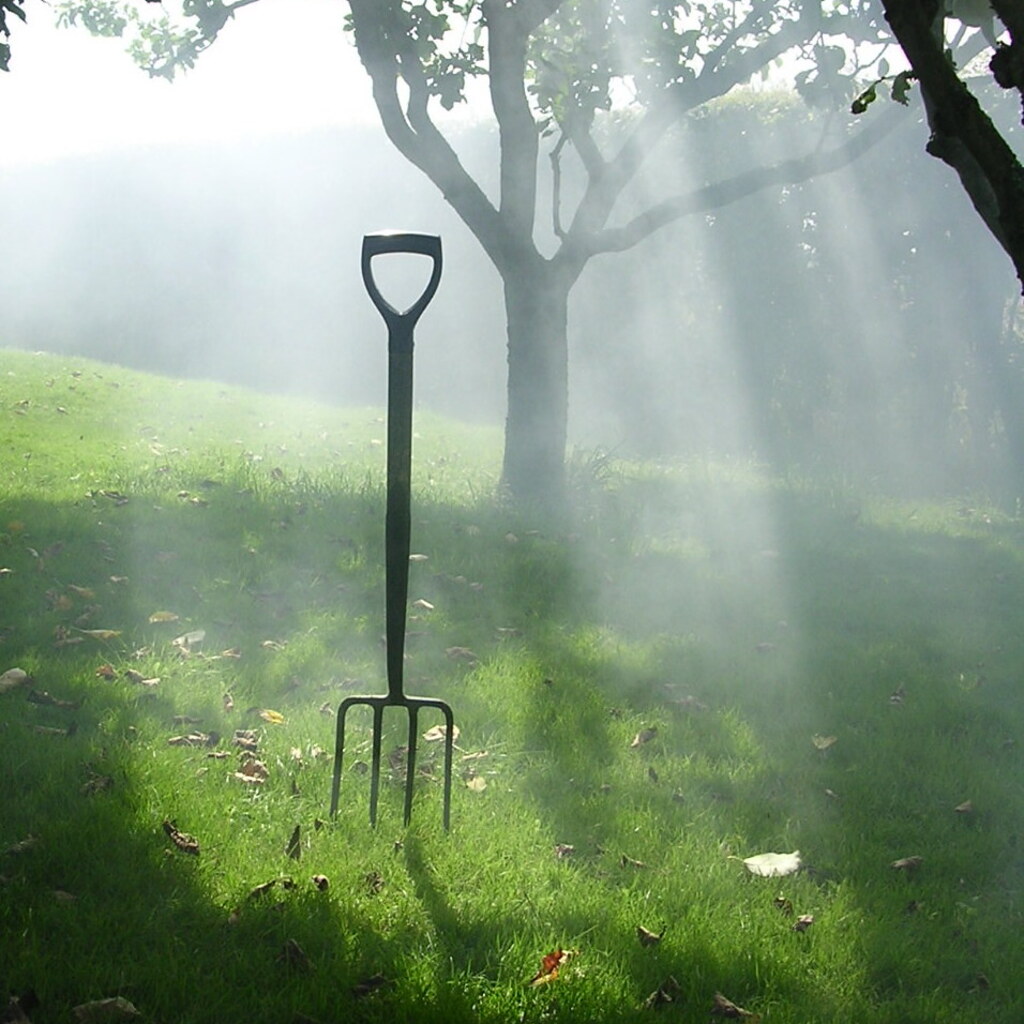
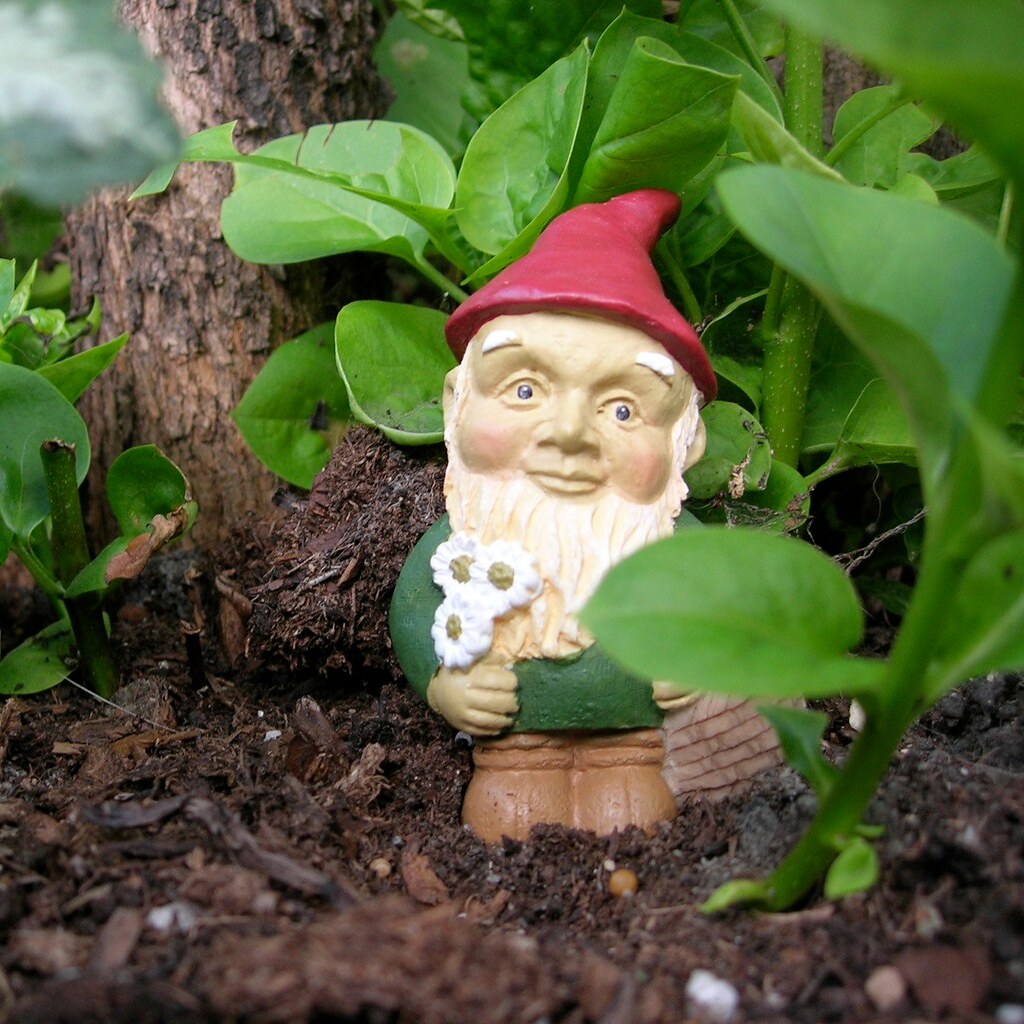
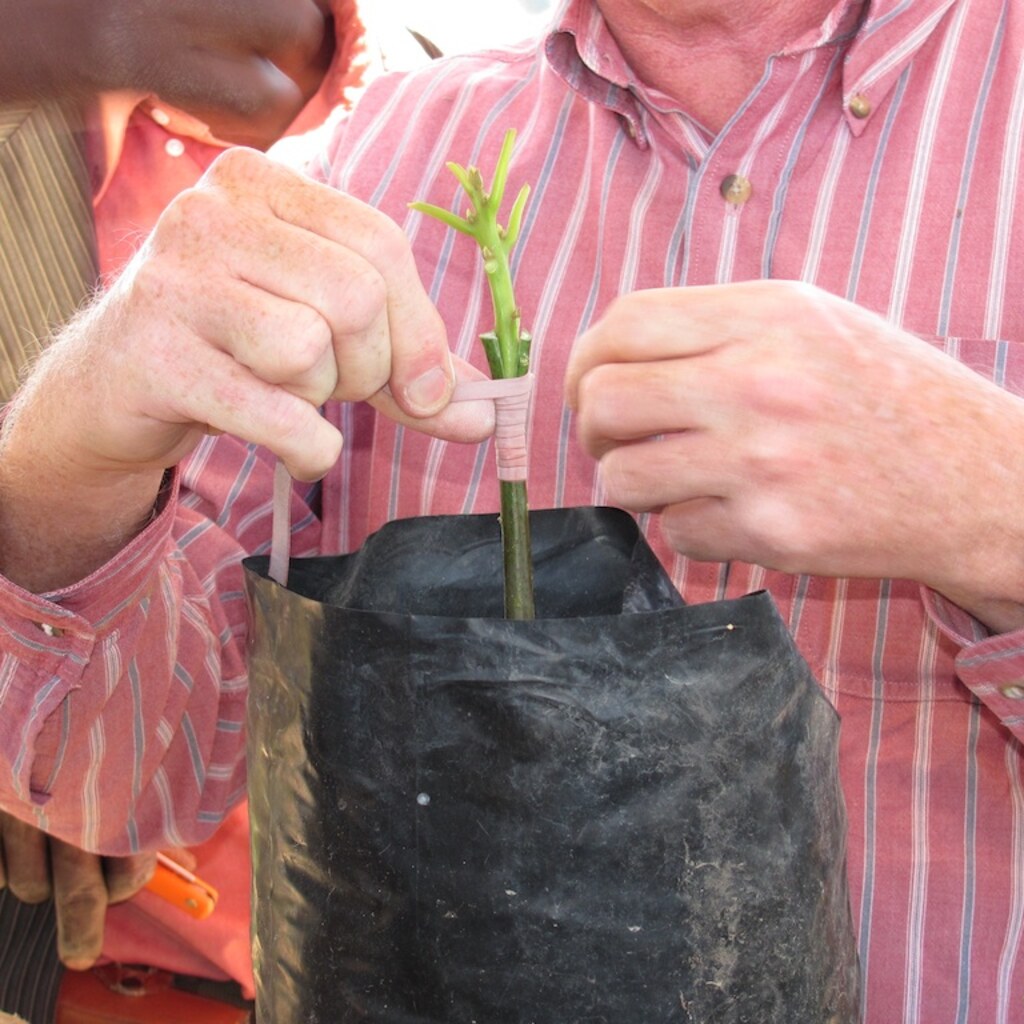
Grafting is a process of making a piece of a plant grow by attaching it to another plant. This process is often used to attach a tree that is a good bearer of fruit to another that has strong roots, combining the best qualities of two plants. It can also be used to have different but related kinds of fruit growing on the same tree.
The graft in the picture has been made by cutting a slit into the stem of the host tree and putting a stem from another tree into the slit.
The graft in the picture has been made by cutting a slit into the stem of the host tree and putting a stem from another tree into the slit.
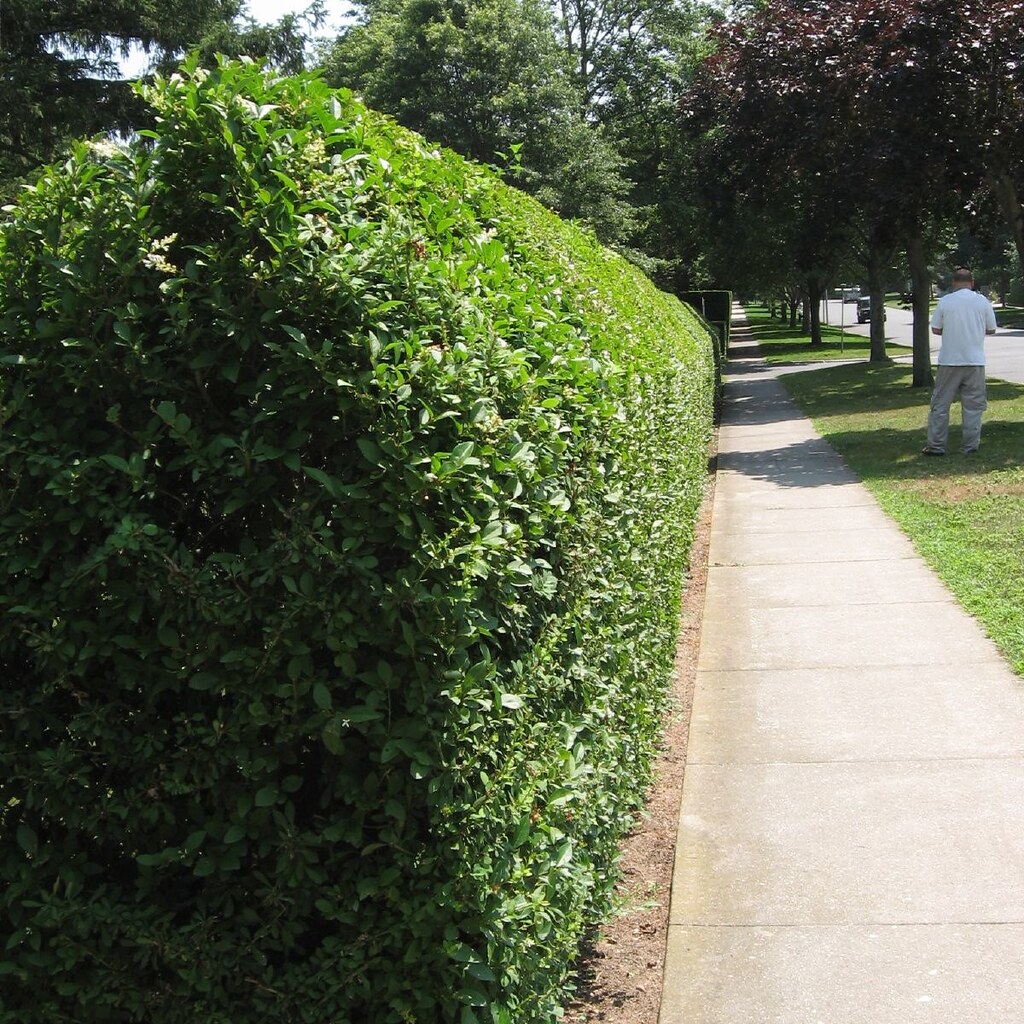
A hedge is a row of plants that have been planted very close together and trimmed into shape. Hedges can be used instead of fences to mark a boundary or to keep animals (or people) from getting over the fence.
Hedges are a very simple form of topiary. If you grow a lot of hedges together in a pattern, you can make a hedge maze.
Hedges are a very simple form of topiary. If you grow a lot of hedges together in a pattern, you can make a hedge maze.
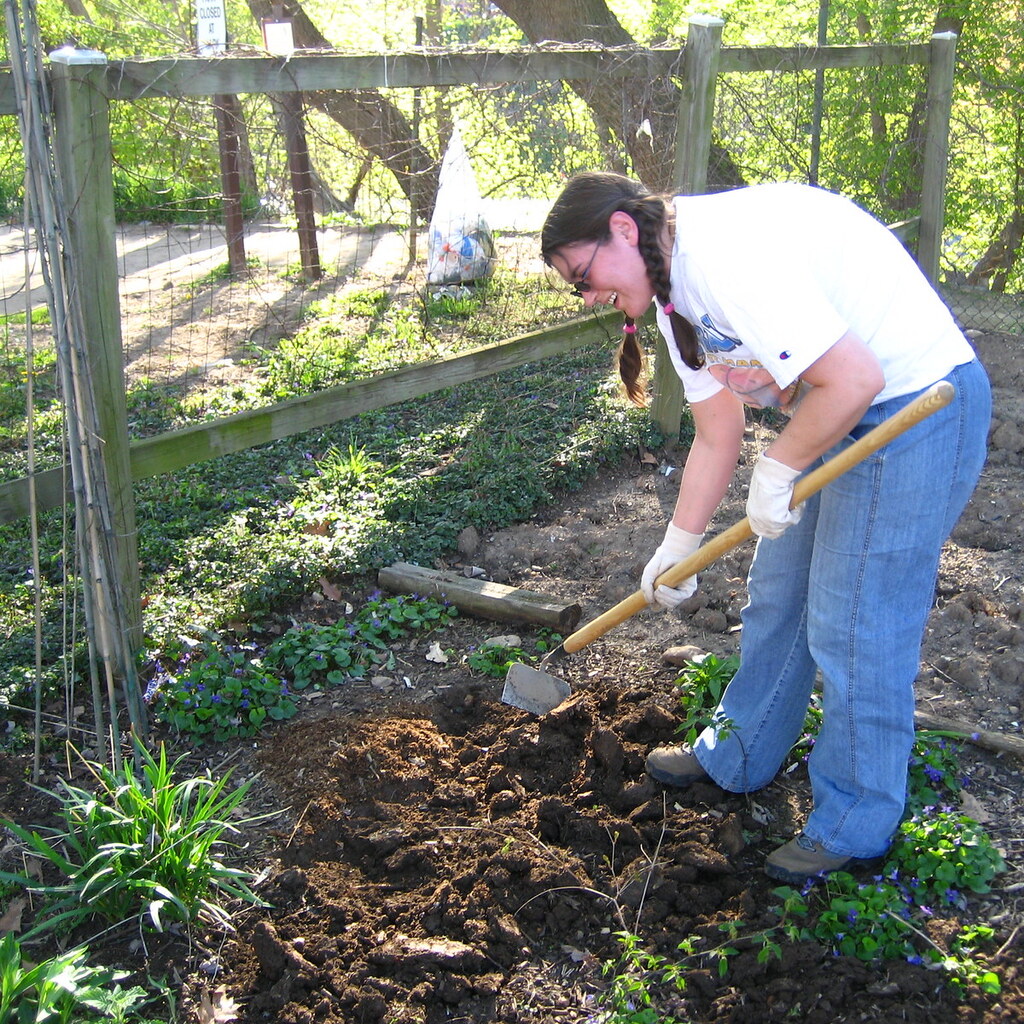
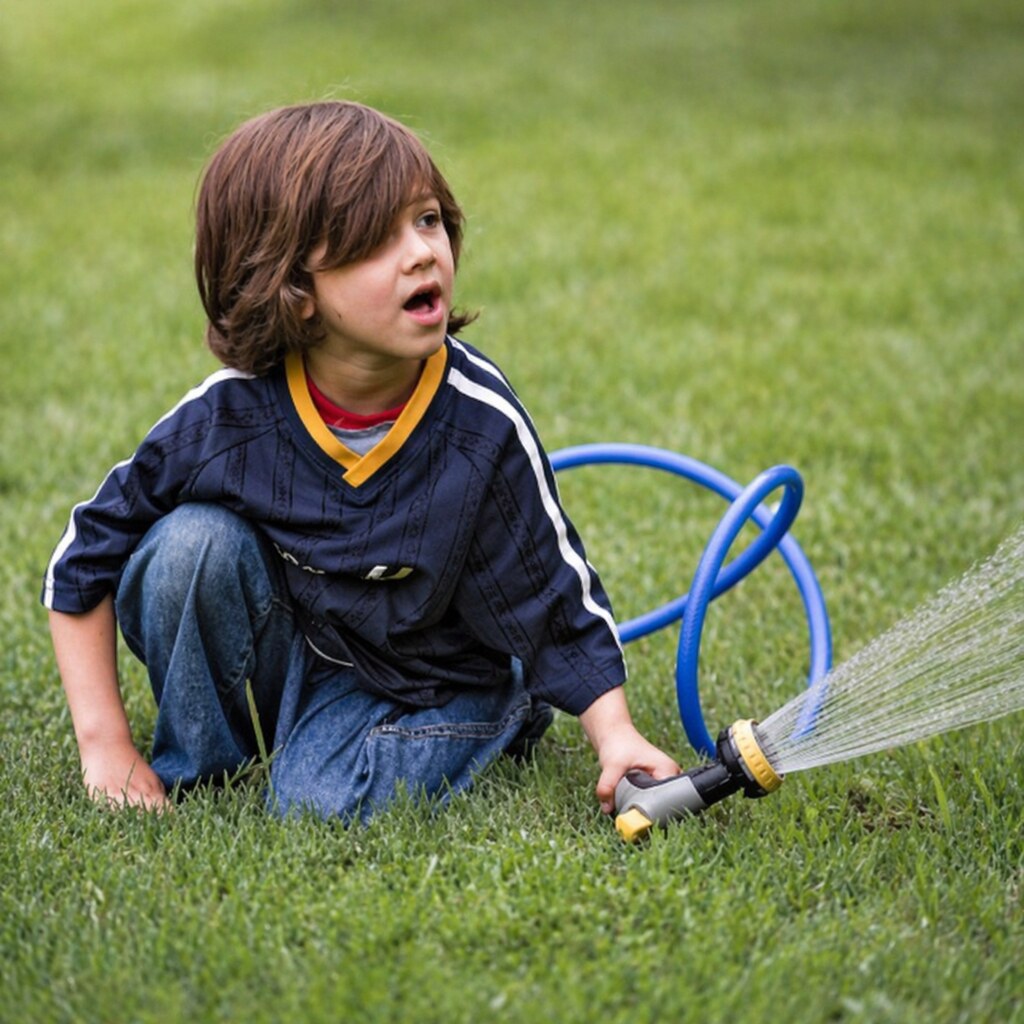
A hose is a long, thin, hollow object that is used for putting water through. Hoses are usually attached to taps. People use hoses to water their gardens, to fill their swimming pools or to wash their cars. The boy in the picture is holding a blue hose.
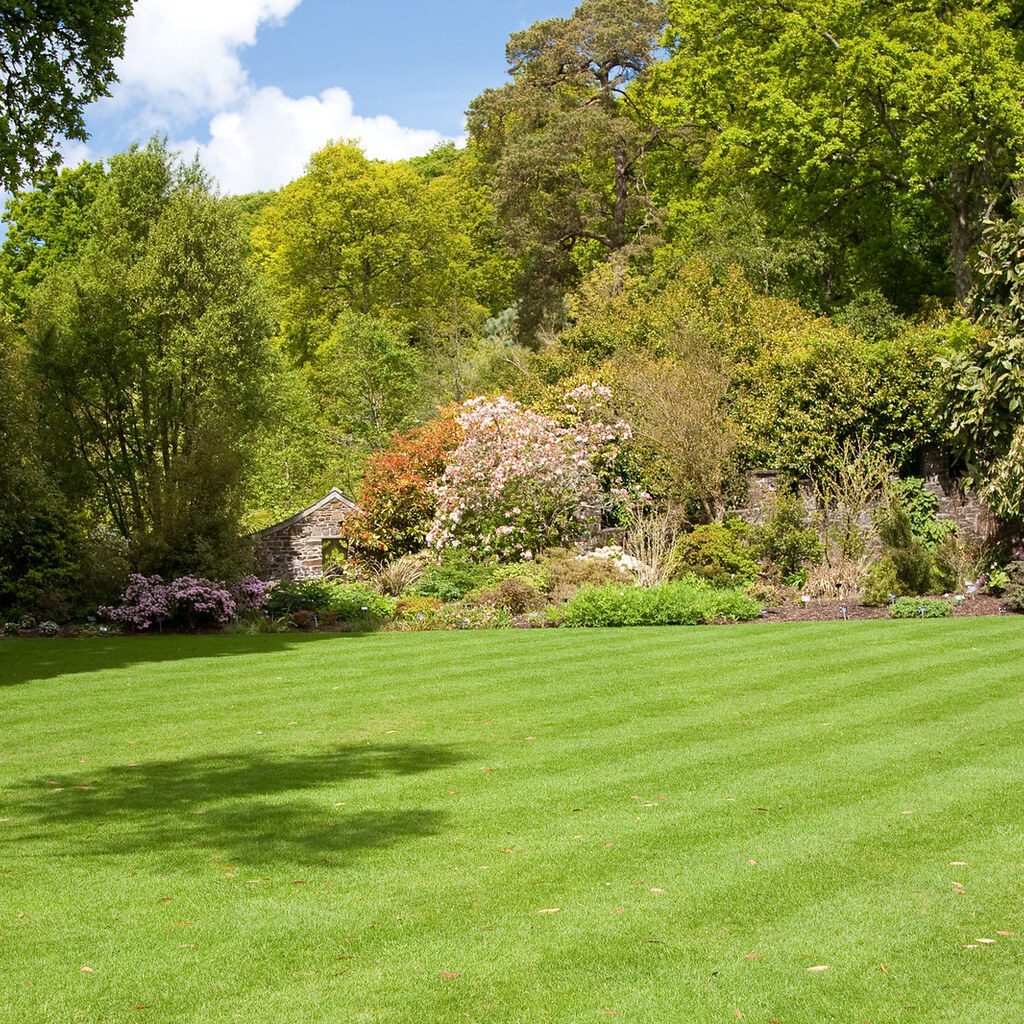
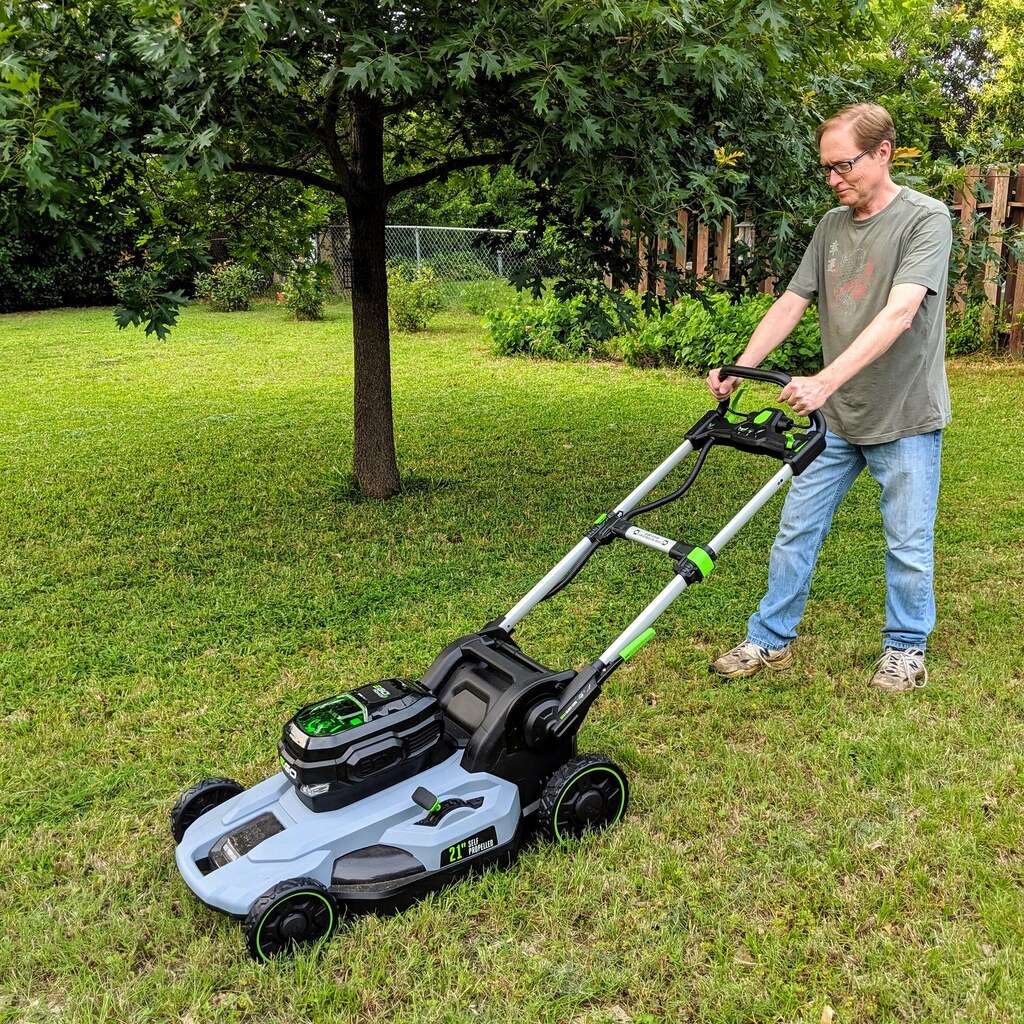
A lawnmower is a tool for cutting the grass in your lawn. Lawnmowers come in several different types.
Lawnmowers can be ride-on like a small car, and you drive them around over your lawn. This kind is good for really, really big lawns.
Then there are push-mowers that don't have an engine and rely on you pushing them to spin a blade that cuts the grass. This kind are hard to use and are not very common anymore.
The most common is the kind in the picture, where you push it to make it go where you want, but the blade is powered by a petrol or electric motor.
Lawnmowers can be ride-on like a small car, and you drive them around over your lawn. This kind is good for really, really big lawns.
Then there are push-mowers that don't have an engine and rely on you pushing them to spin a blade that cuts the grass. This kind are hard to use and are not very common anymore.
The most common is the kind in the picture, where you push it to make it go where you want, but the blade is powered by a petrol or electric motor.
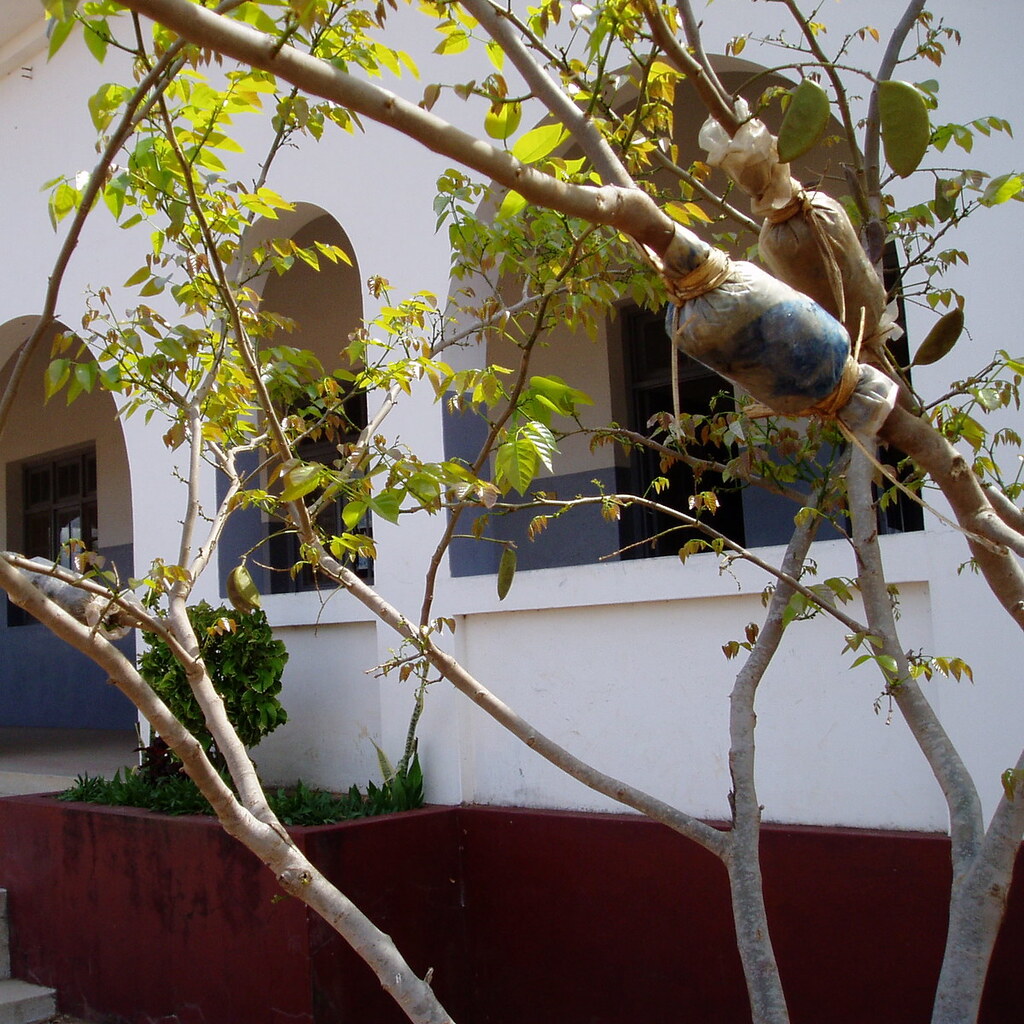
Layering is a technique for propogating plants. It works best for plants that grow roots slowly, and plants that would naturally grow roots where a stem touches the ground.
To layer a plant, you usually take a stem and bend it down towards the ground, or into a pot, and hold it in place. You damage the stem where it touches the ground by cutting it part way through, adding some rooting hormone if you want. After some time, the plant will grow roots and shoots at the cut and it can be removed from the parent plant.
Layering can also be done in the air by cutting a stem part way through, adding the rooting hormone, and bundling up some damp potting soil or peat moss around the cut. The plant will grow roots into the bundle of soil, and then it can be removed from the parent plant. This works best with plants that aren't flexible enough to be bent to the ground.
To layer a plant, you usually take a stem and bend it down towards the ground, or into a pot, and hold it in place. You damage the stem where it touches the ground by cutting it part way through, adding some rooting hormone if you want. After some time, the plant will grow roots and shoots at the cut and it can be removed from the parent plant.
Layering can also be done in the air by cutting a stem part way through, adding the rooting hormone, and bundling up some damp potting soil or peat moss around the cut. The plant will grow roots into the bundle of soil, and then it can be removed from the parent plant. This works best with plants that aren't flexible enough to be bent to the ground.