
Showing 221-240 of 431
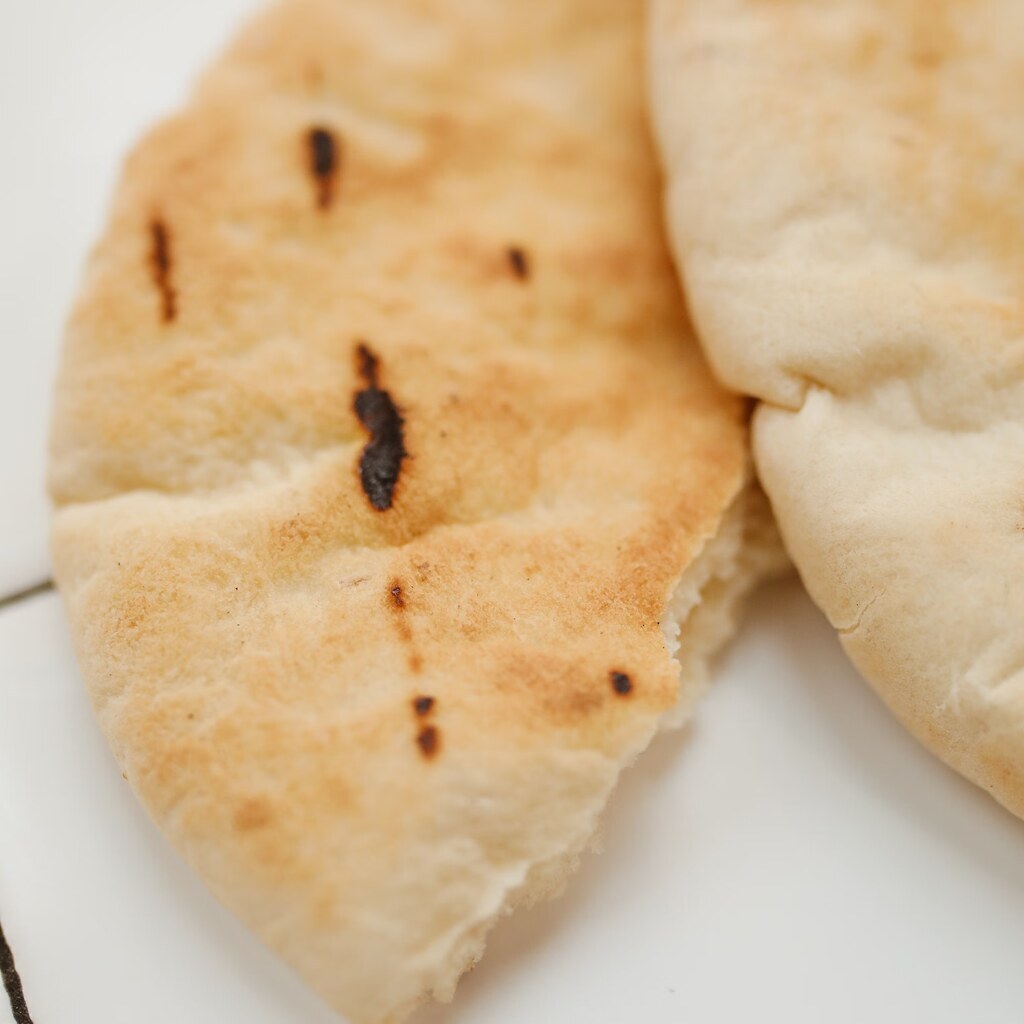
Pita bread is a round, flat bread made from flour, water, yeast, and salt. It is baked at high heat, which can make a hollow pocket inside. Its soft, slightly chewy texture makes it easy to fold or fill.
Pita has roots in the Middle East. It is often used to hold foods such as meat, vegetables, or falafel, and it may also be cut into pieces and served with dips.
Pita has roots in the Middle East. It is often used to hold foods such as meat, vegetables, or falafel, and it may also be cut into pieces and served with dips.
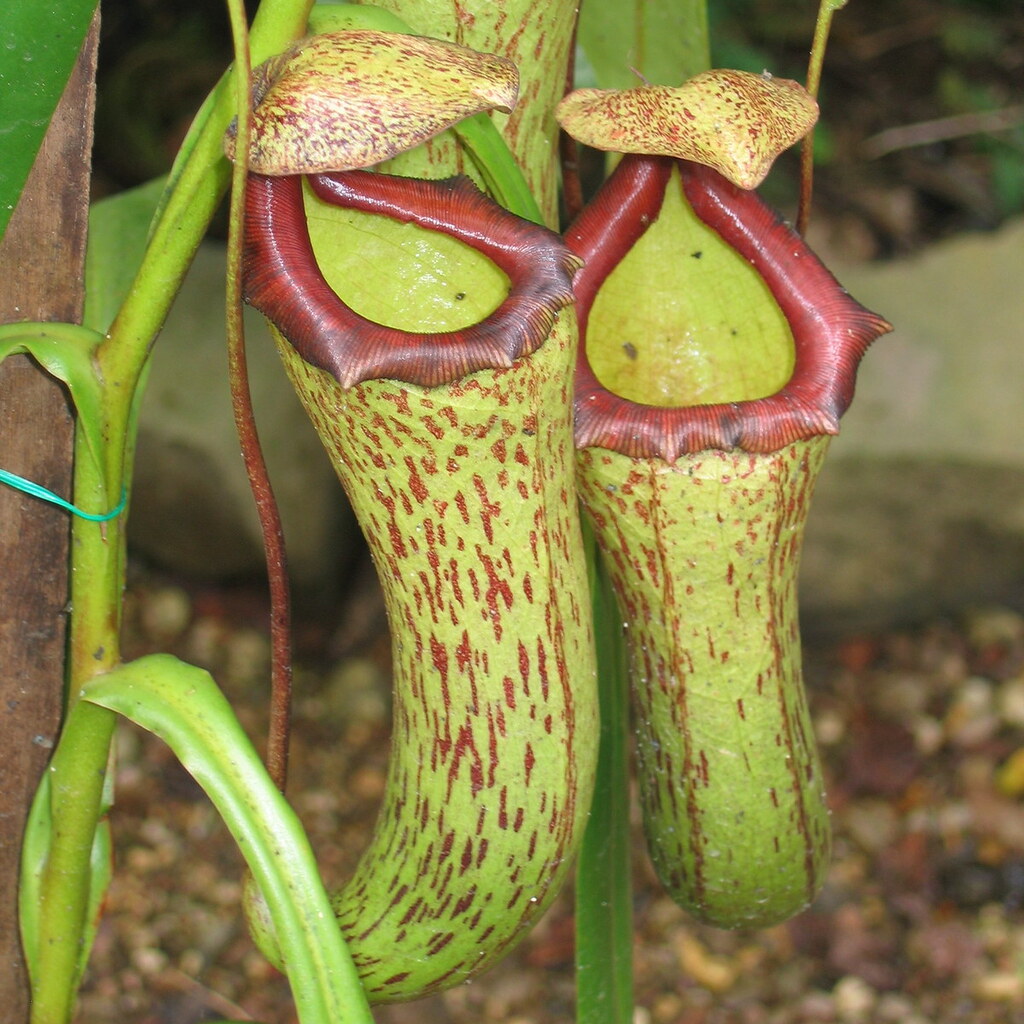
P is for Pitcher plant
Pitcher plants catch insects in deep pitchers that have smooth sides and something sweet at the bottom to attract insects. When an insect is caught inside, the lid of the pitcher closes. Some pitcher plants grow large enough to catch small animals.
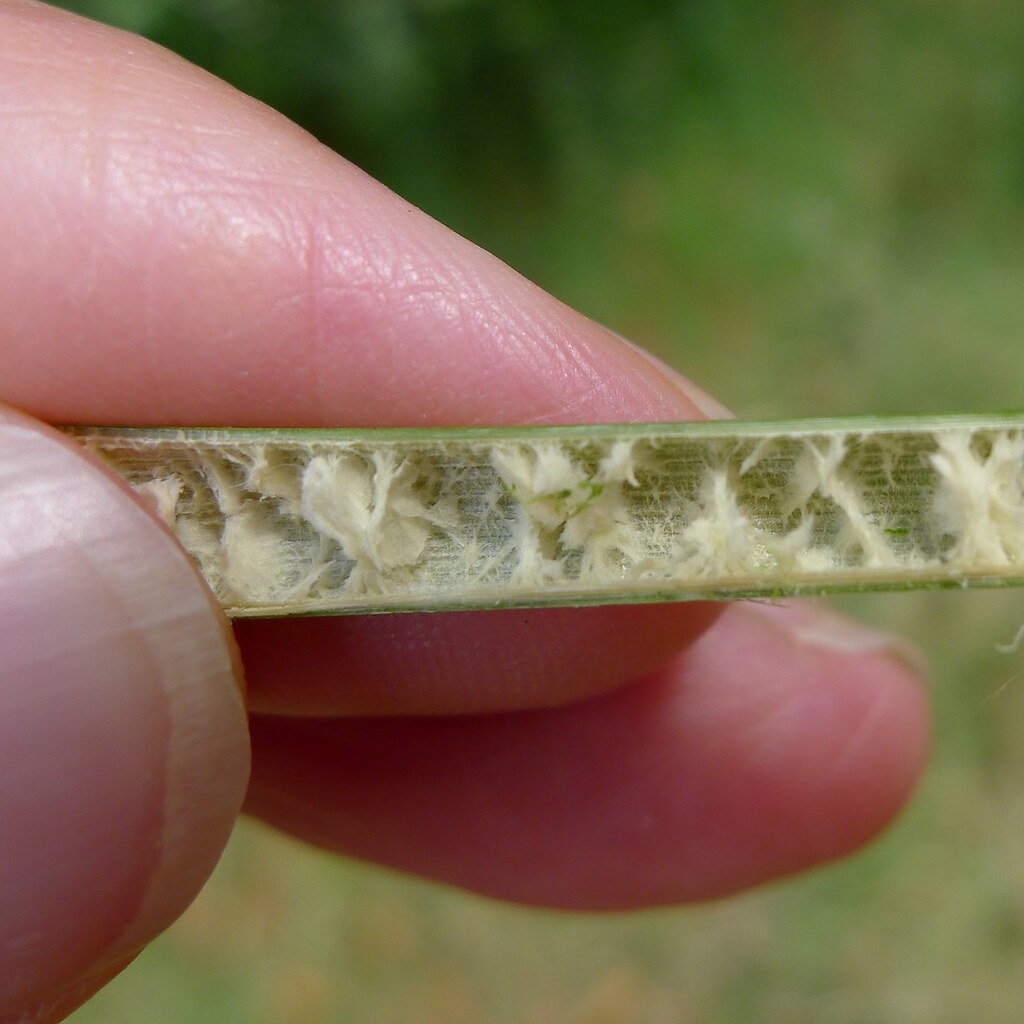

P is for Pith Helmet


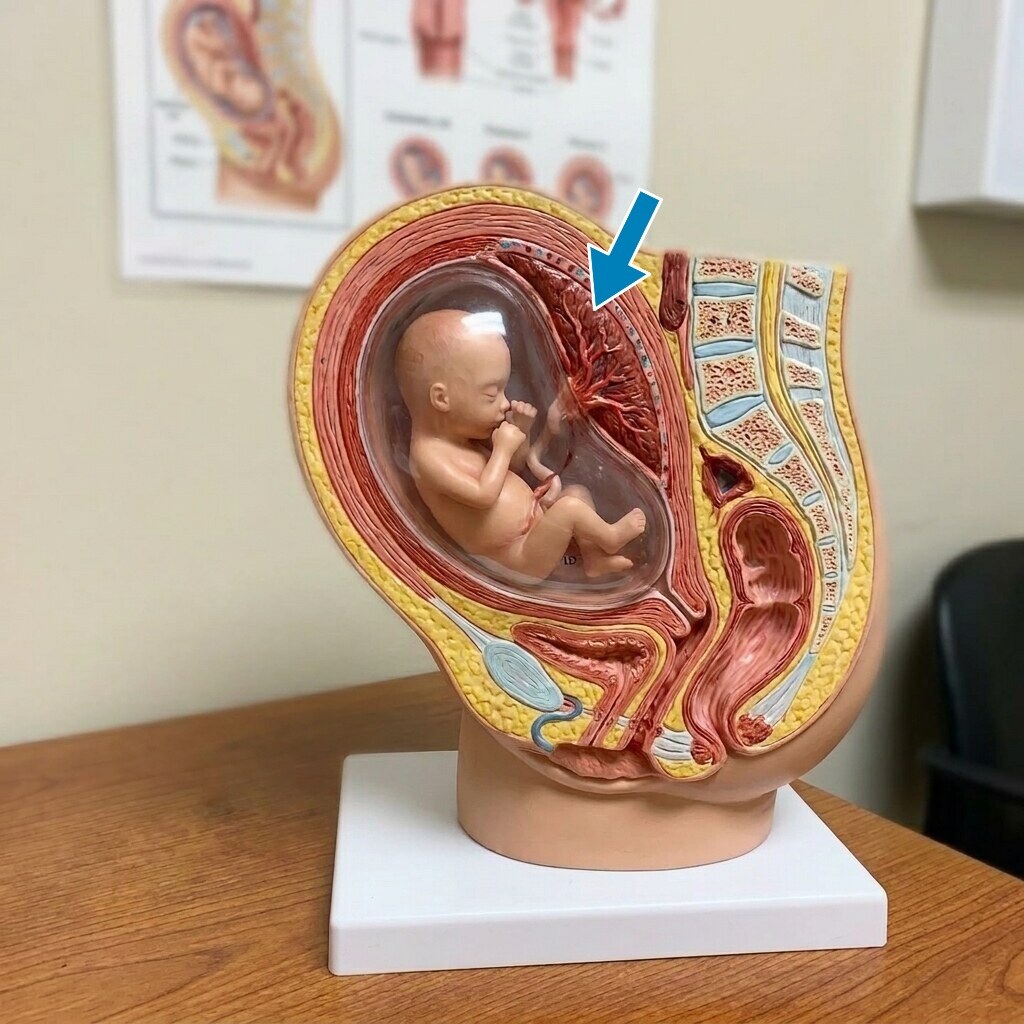
The placenta is an organ that grows inside a pregnant woman's uterus, alongside the baby.
The placenta connects the baby to the blood supply of the parent through the umbilical cord. It brings oxygen and nutrients to the baby and removes waste. The placenta is usually delivered after the birth.
The placenta connects the baby to the blood supply of the parent through the umbilical cord. It brings oxygen and nutrients to the baby and removes waste. The placenta is usually delivered after the birth.
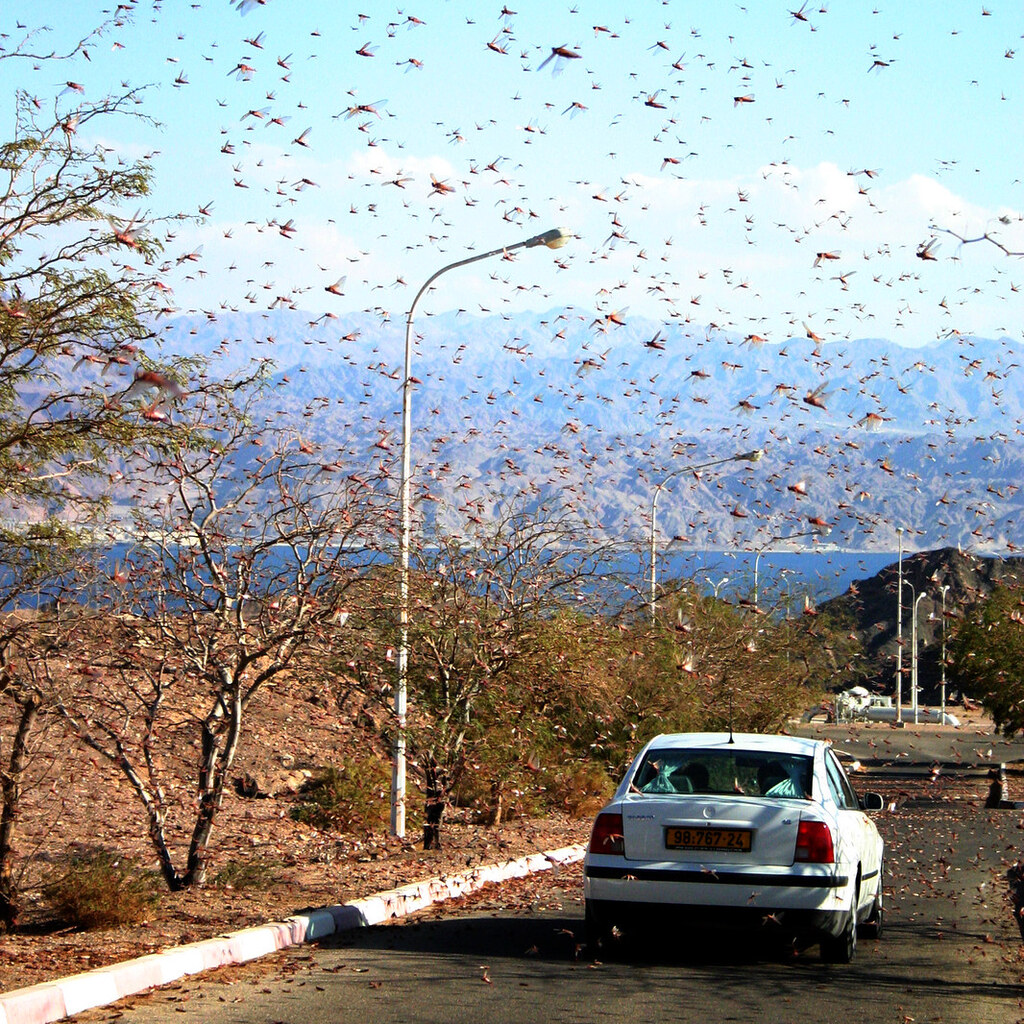

Plaid is a pattern made from horizontal and vertical stripes that cross each other. The stripes can be different widths and colors, creating squares or checks. Plaid is often woven into cloth. Things that are plaid include shirts, blankets, scarves, and other items. The word can describe the pattern or the fabric that carries it.
Tartan is a special kind of plaid.
Tartan is a special kind of plaid.
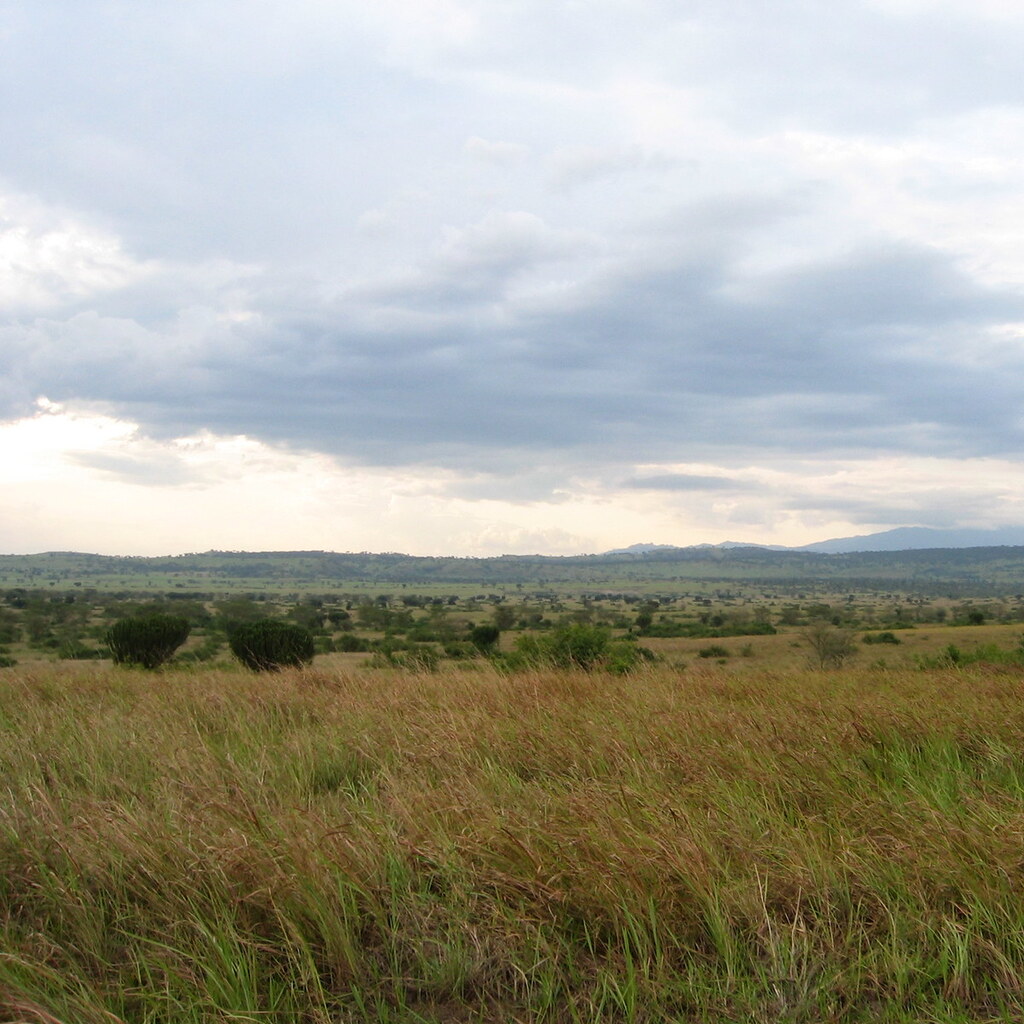
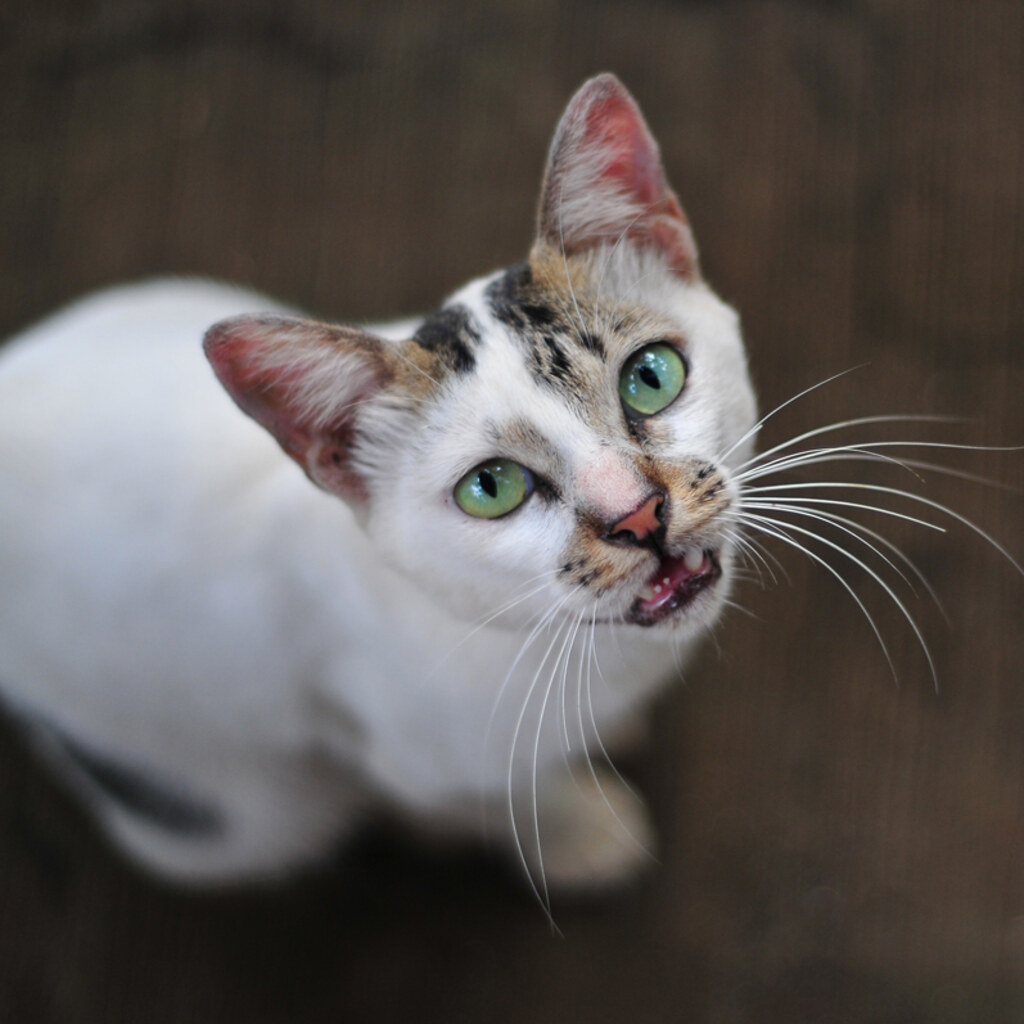


A plan is a set of ideas about what you are going to do. You might plan a day out, a trip, or a project.
The people in the picture are planning a military operation.
The people in the picture are planning a military operation.

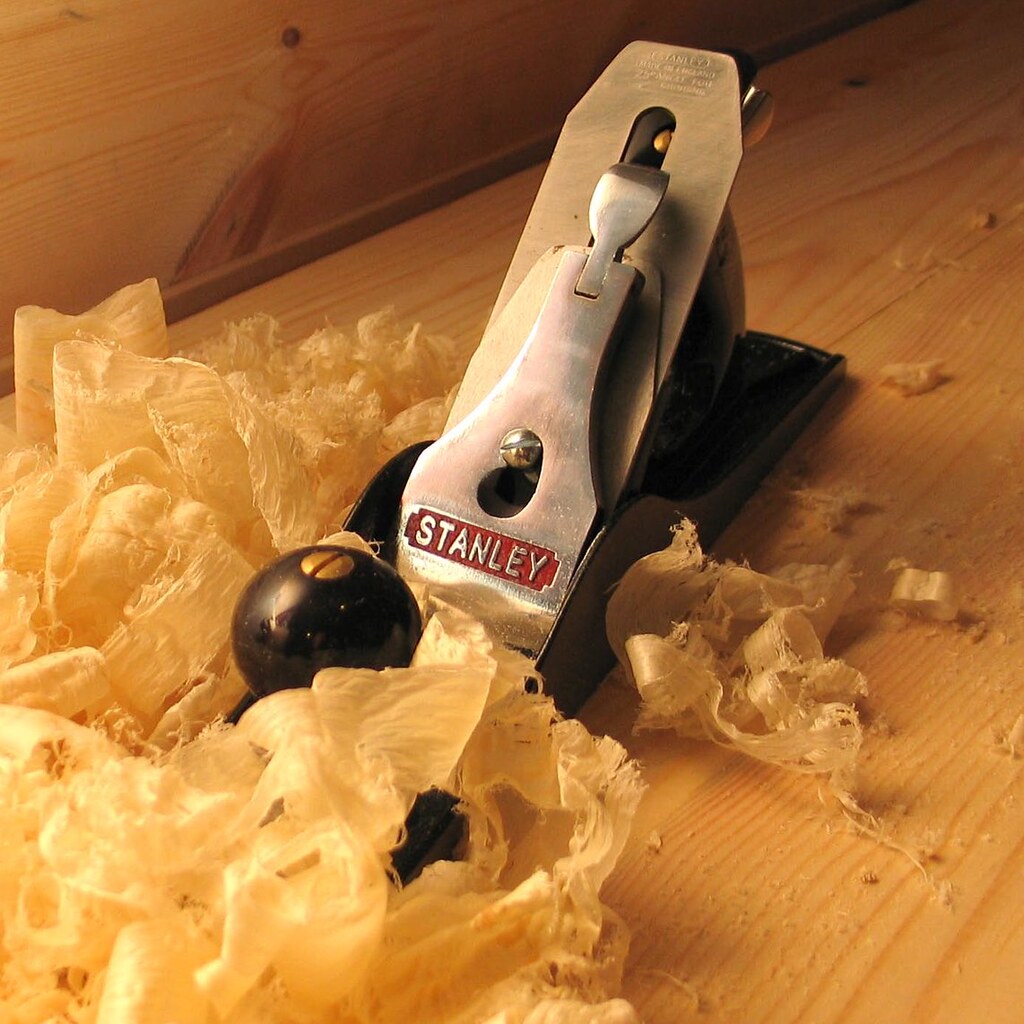
P is for Plane (Tool)
As with many hand tools, you can also buy electric planes that don't require as much force to get them to work.
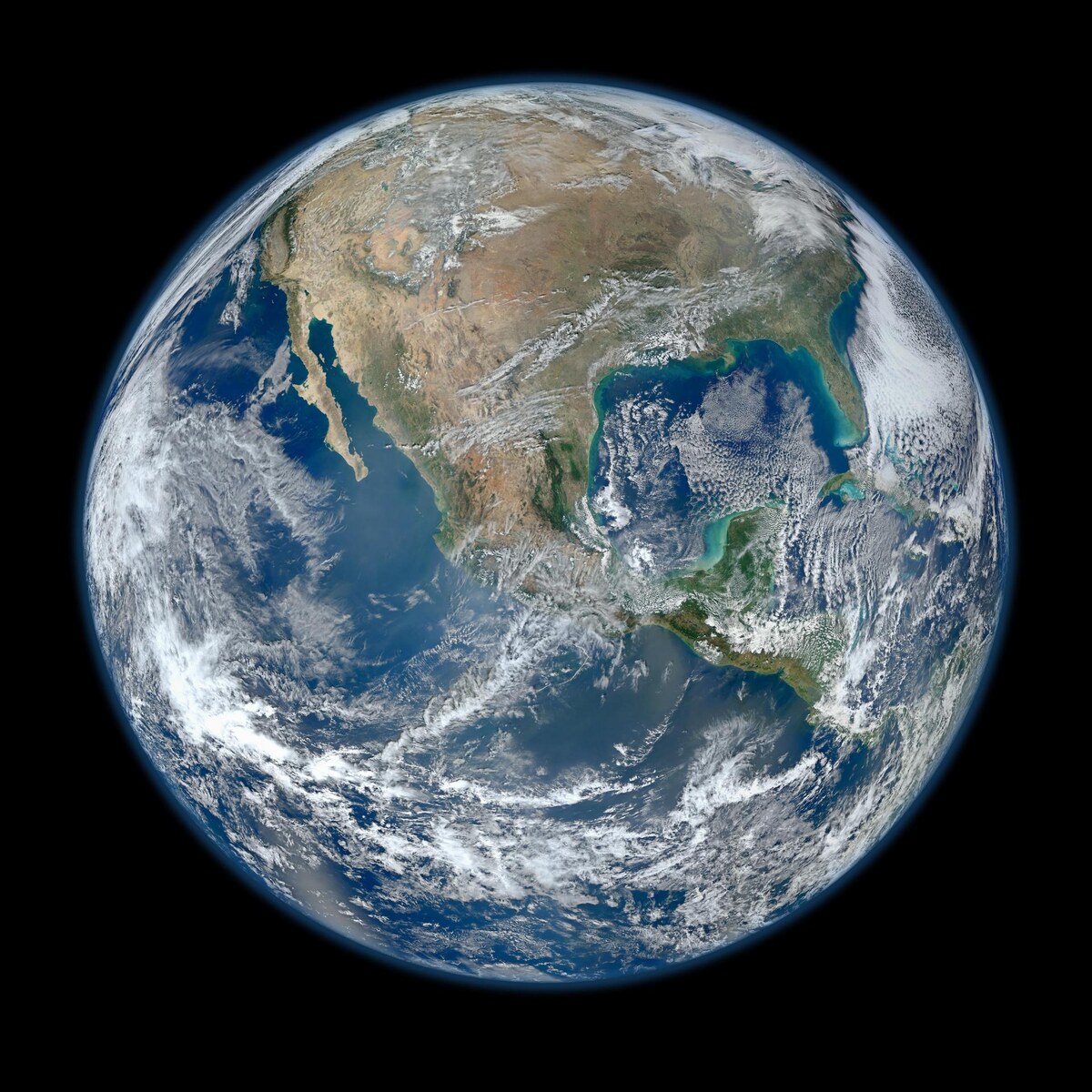
A planet is a large body that orbits a sun. Planets, unlike suns, do not give off light. Our solar system has eight planets, nine including pluto. They are:
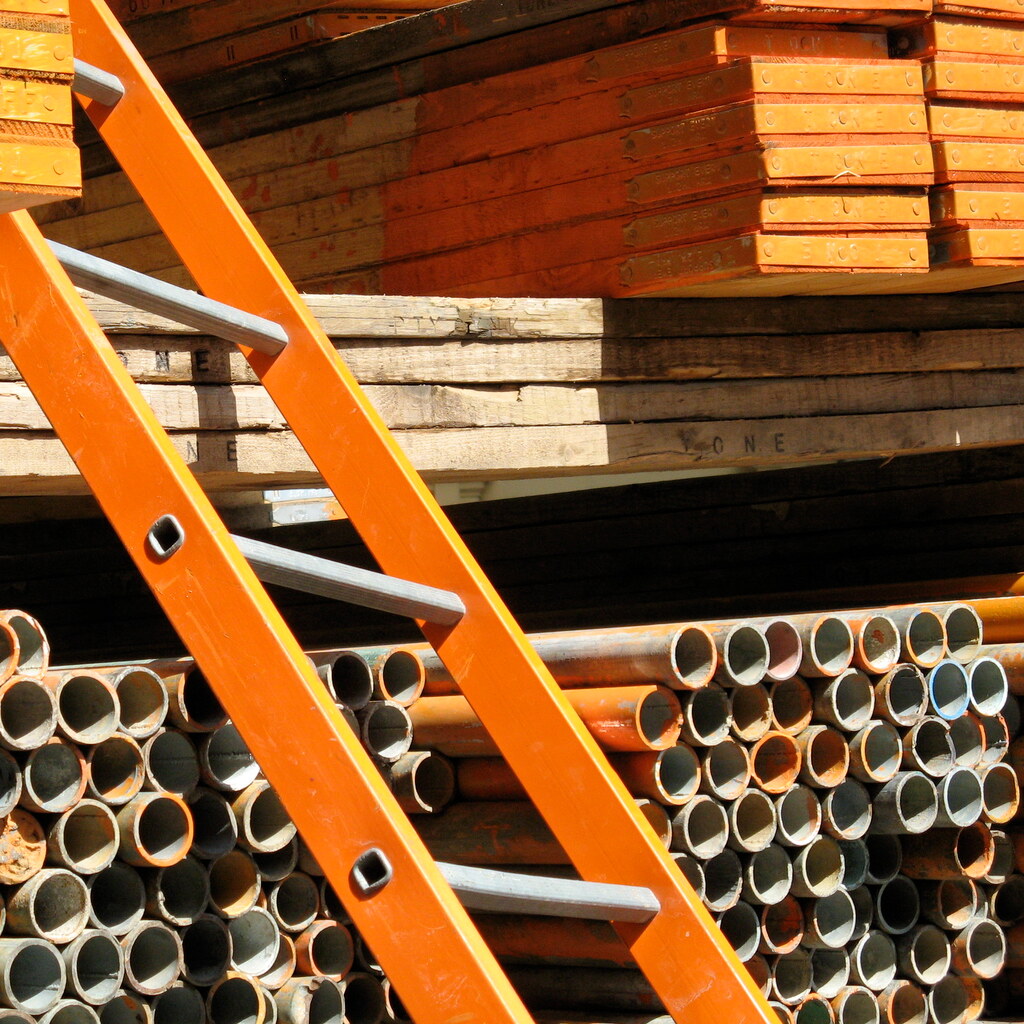
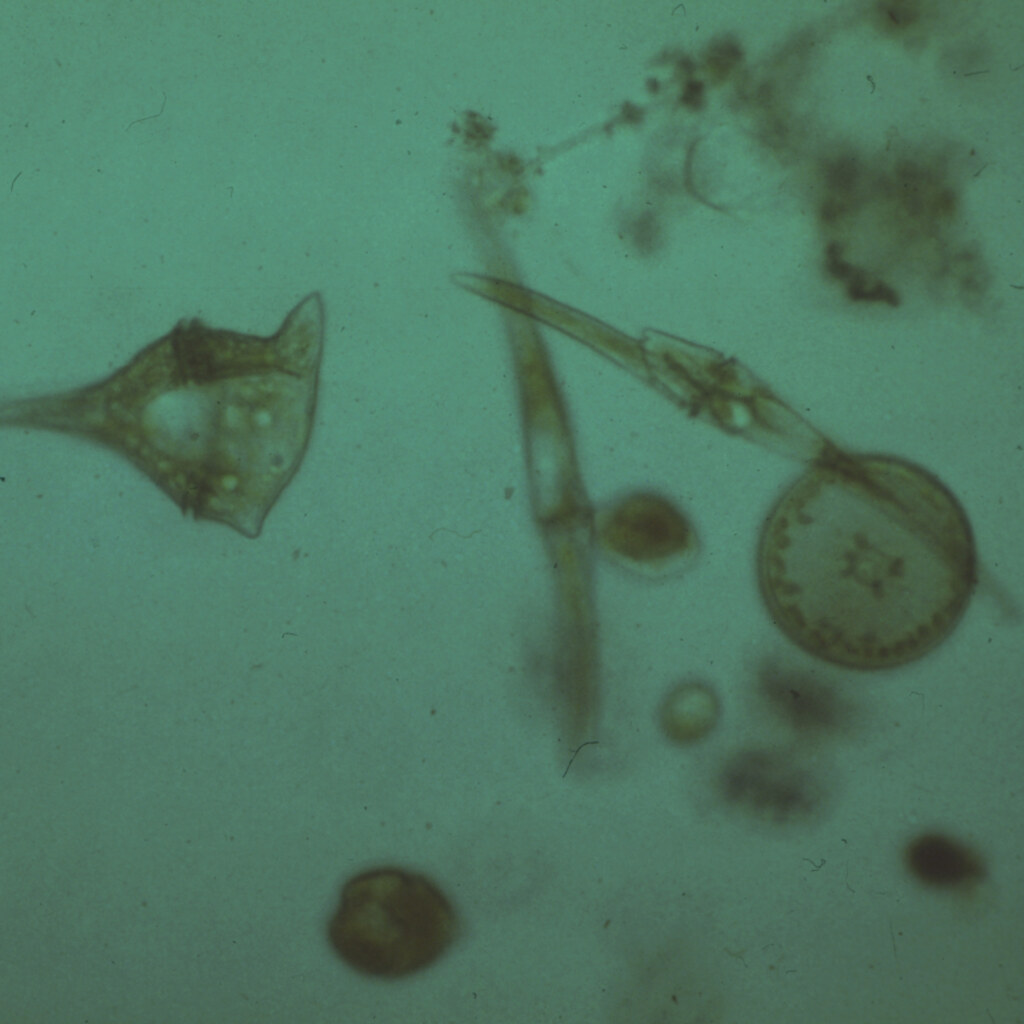
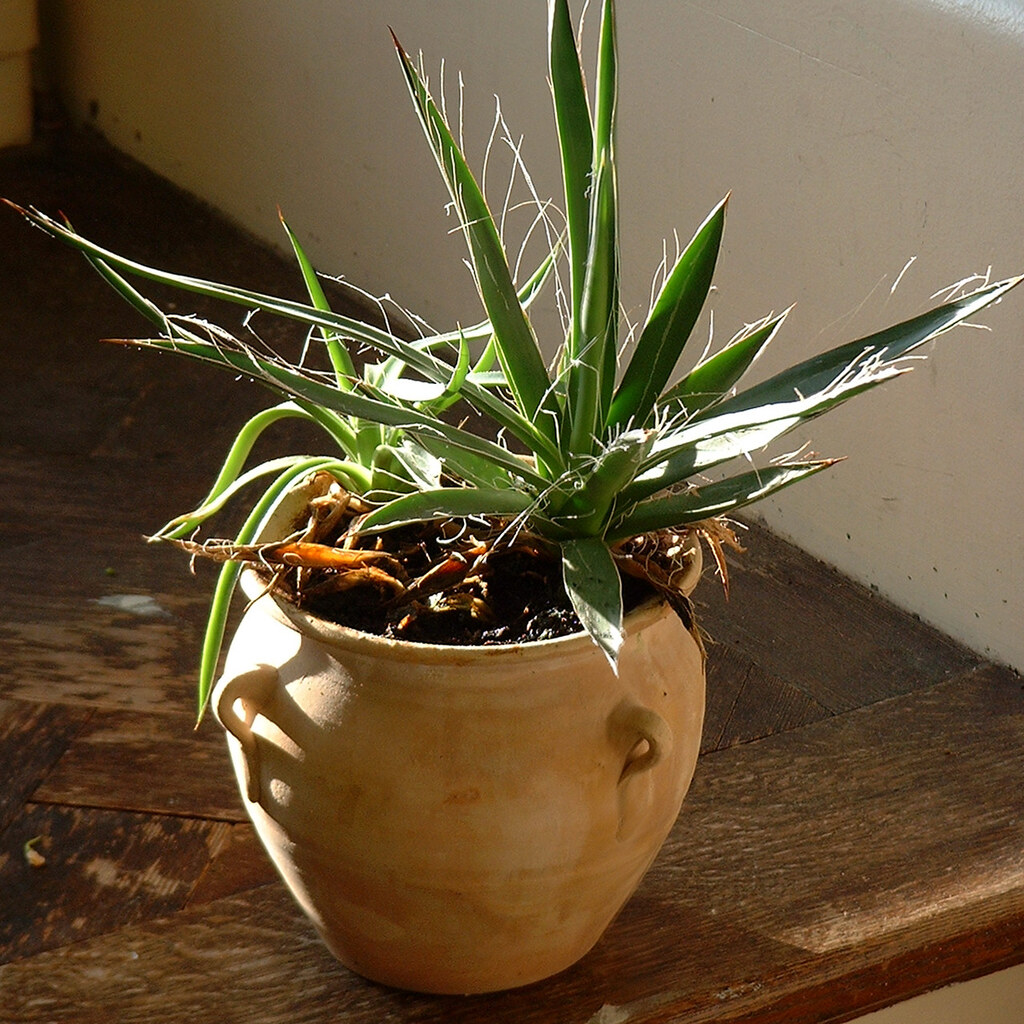
Plant is a word that covers an enormous number of living things in the world. Plants can be divided up into several groups, namely algae (that green slime you find in ponds), bryophytes (non vascular plants, or mosses and lichens - the small, often fuzzy plants that you see growing on rocks or on the ground in damp corners) and tracheophytes.
Tracheophytes, or vascular plants, are the most familiar. They include all the trees, ferns, grass and flowers you see around your neighbourhood. The plant in the picture is a vascular plant, growing in a pot.
Tracheophytes, or vascular plants, are the most familiar. They include all the trees, ferns, grass and flowers you see around your neighbourhood. The plant in the picture is a vascular plant, growing in a pot.
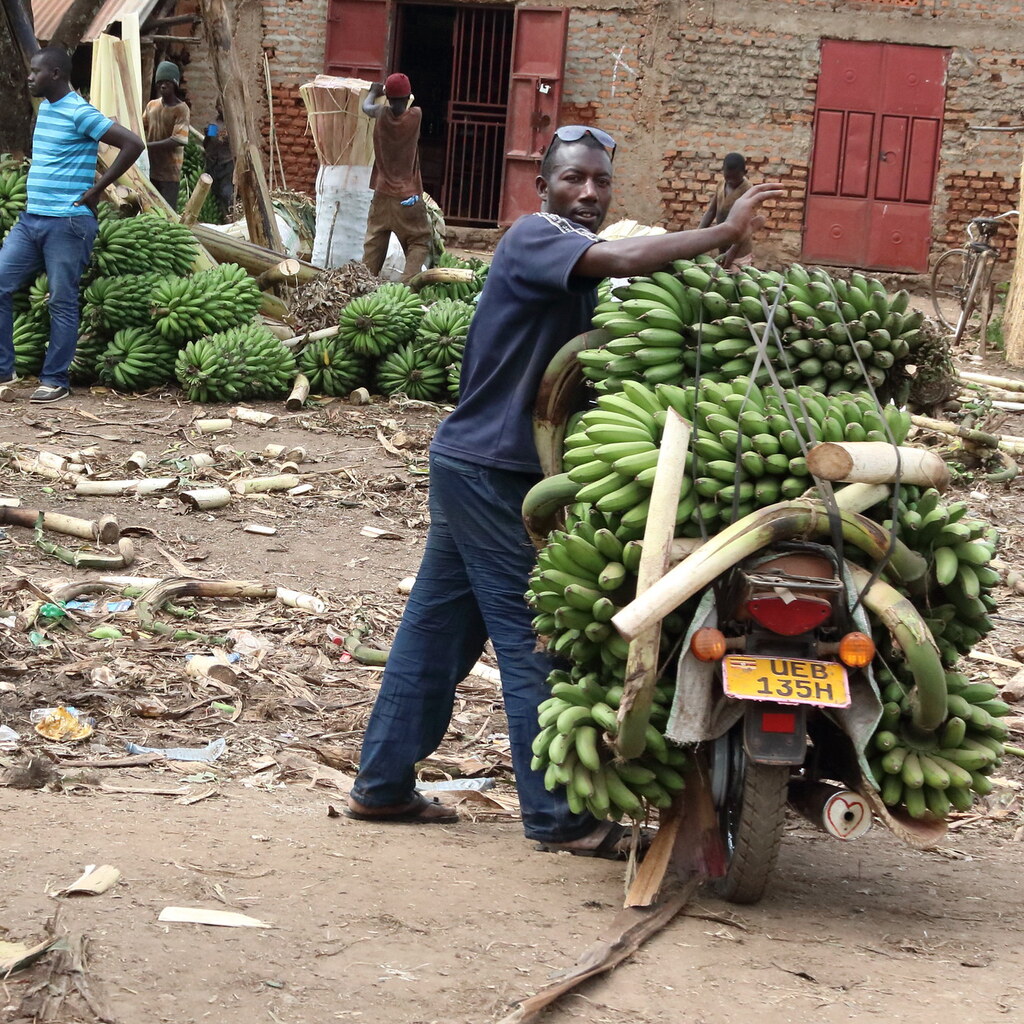
The plantain is a kind of fruit that looks like a banana, but it can be longer and firmer.
Plantains are common in Africa, the Caribbean, and Latin America. They can be fried, boiled, or baked.
Plantains are common in Africa, the Caribbean, and Latin America. They can be fried, boiled, or baked.