Showing 1-20 of 21
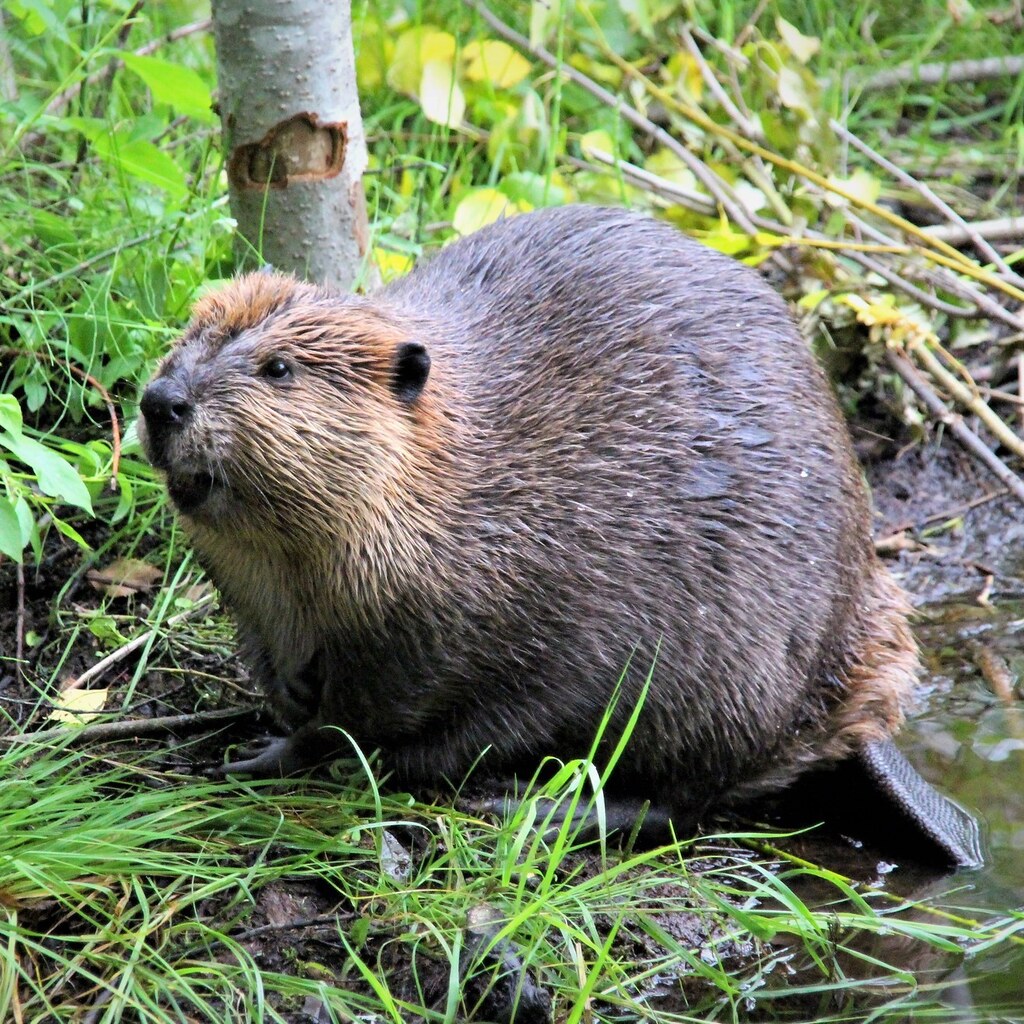
Beavers are a small, brown animal related to the squirrel. They are found in America and Europe. They spend their time in and around water, and are excellent swimmers.
Beavers are best known for their ability to build dams. They cut down trees with their sharp teeth and drag the logs to where they need them, and stack them up to make a dam. They end up with their own ponds that they tend to, which protects their den. Beavers eat waterlilys.
Beavers are best known for their ability to build dams. They cut down trees with their sharp teeth and drag the logs to where they need them, and stack them up to make a dam. They end up with their own ponds that they tend to, which protects their den. Beavers eat waterlilys.
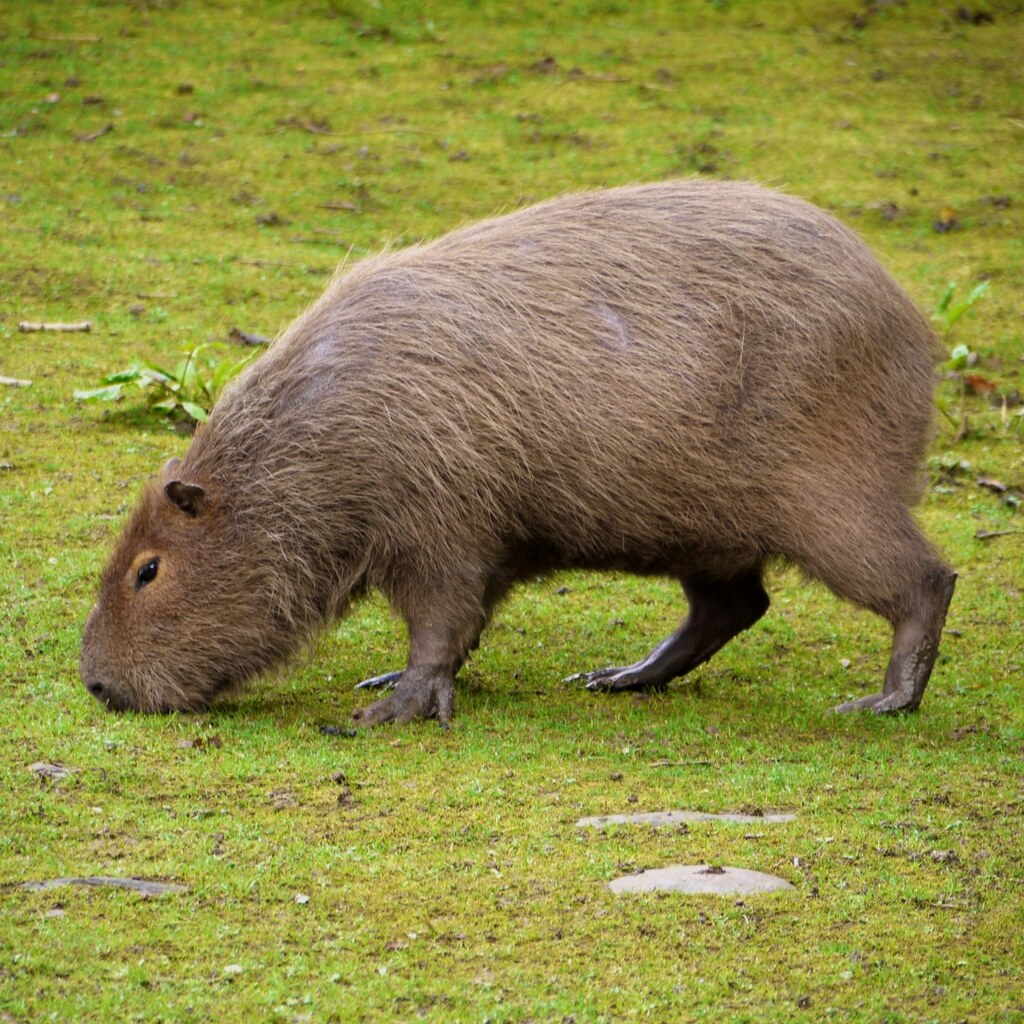
The capybara is the world's largest living rodent, with a stocky body, short brown fur, and webbed feet that help it move through water. It lives in South America, especially near rivers, lakes, and wetlands. Capybaras are good swimmers and often spend time in the water to stay cool and safe. They graze on grasses and plants and usually live in small groups.
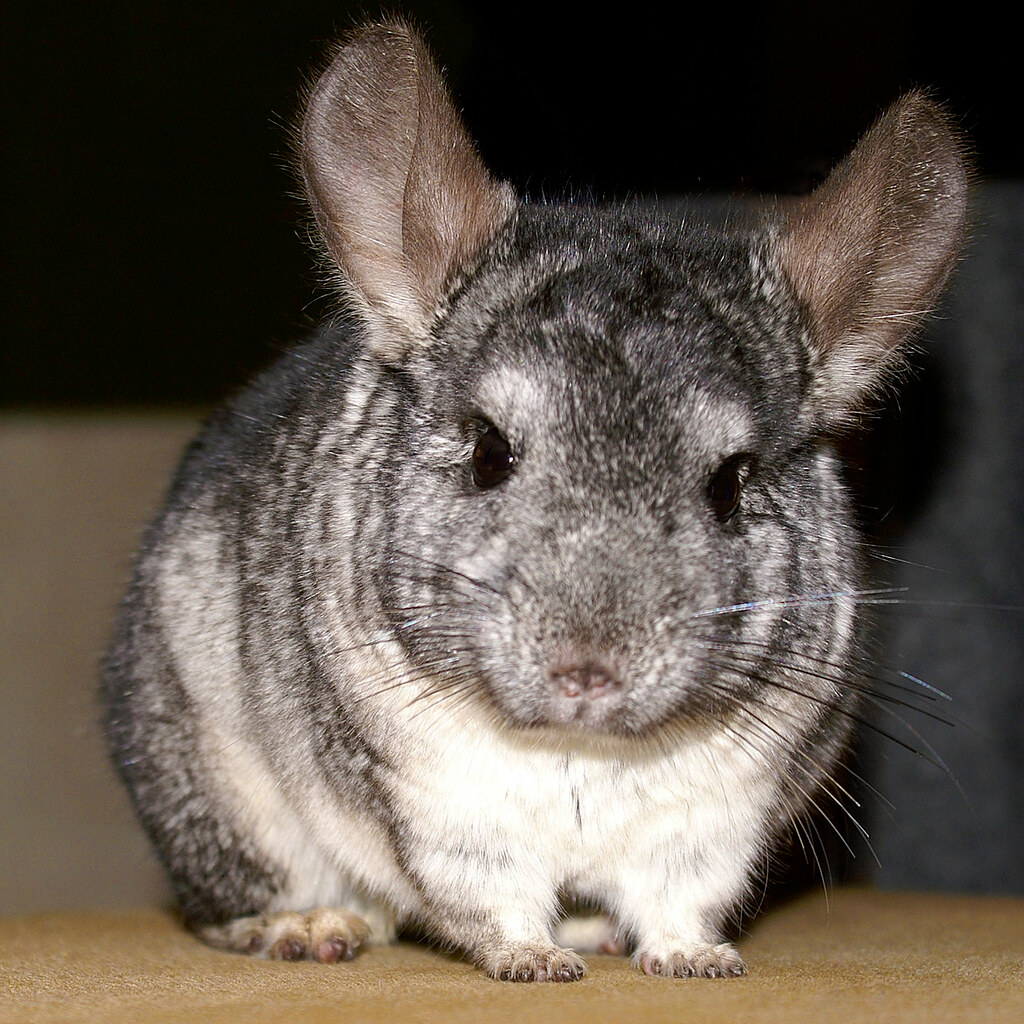
C is for Chinchilla
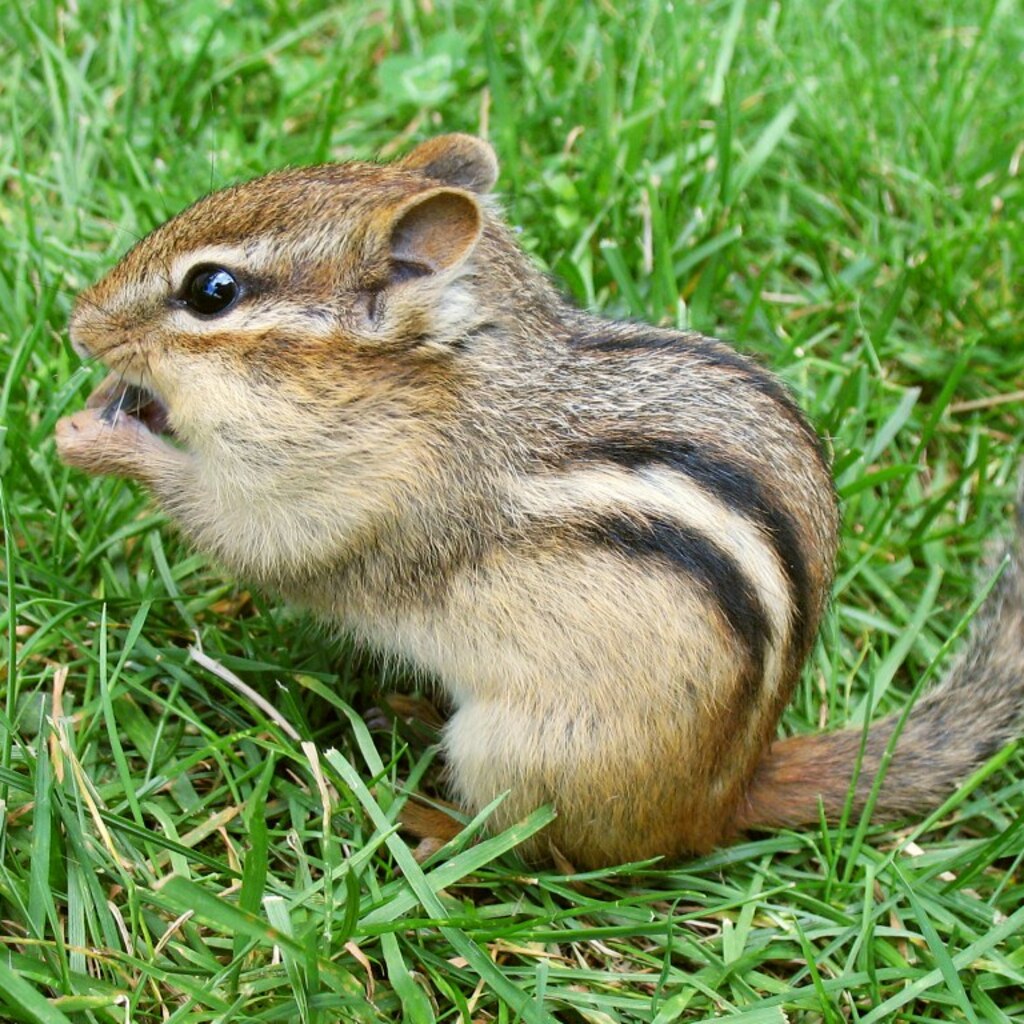
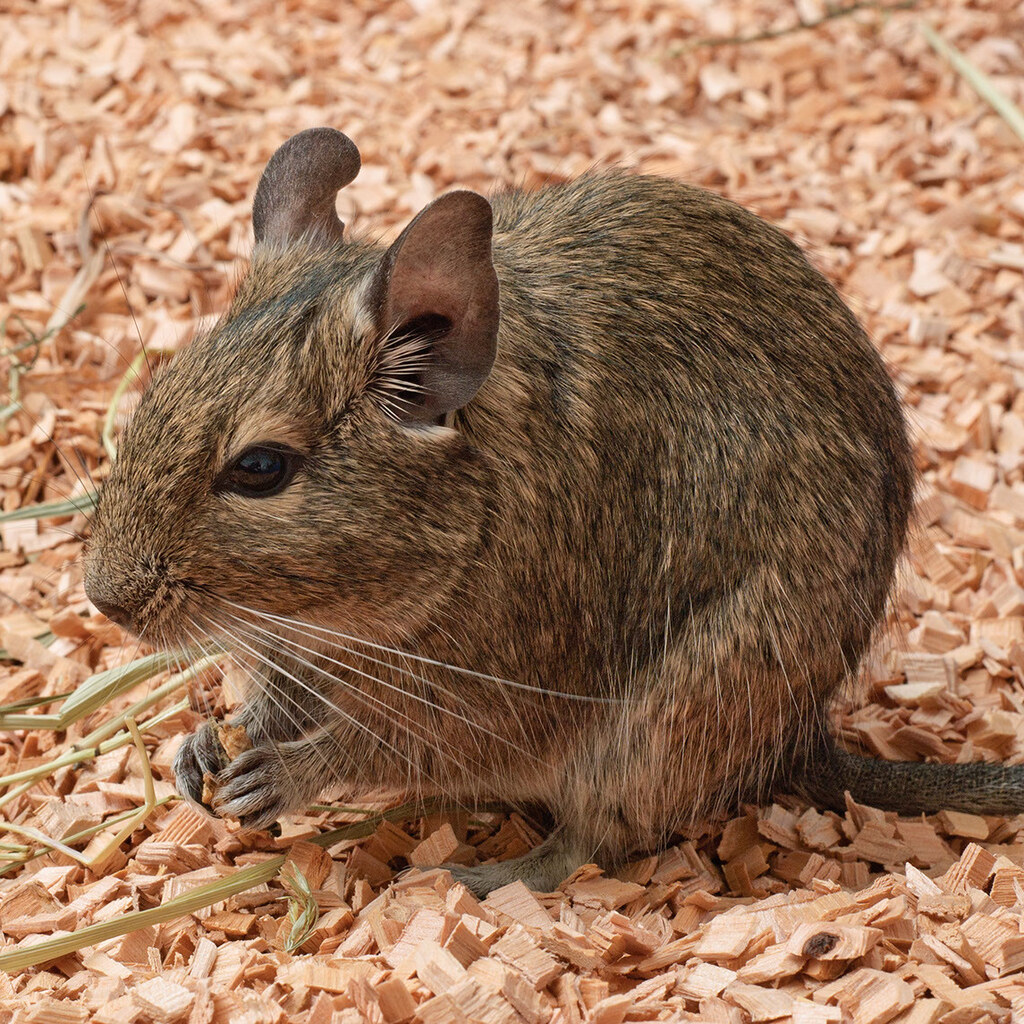
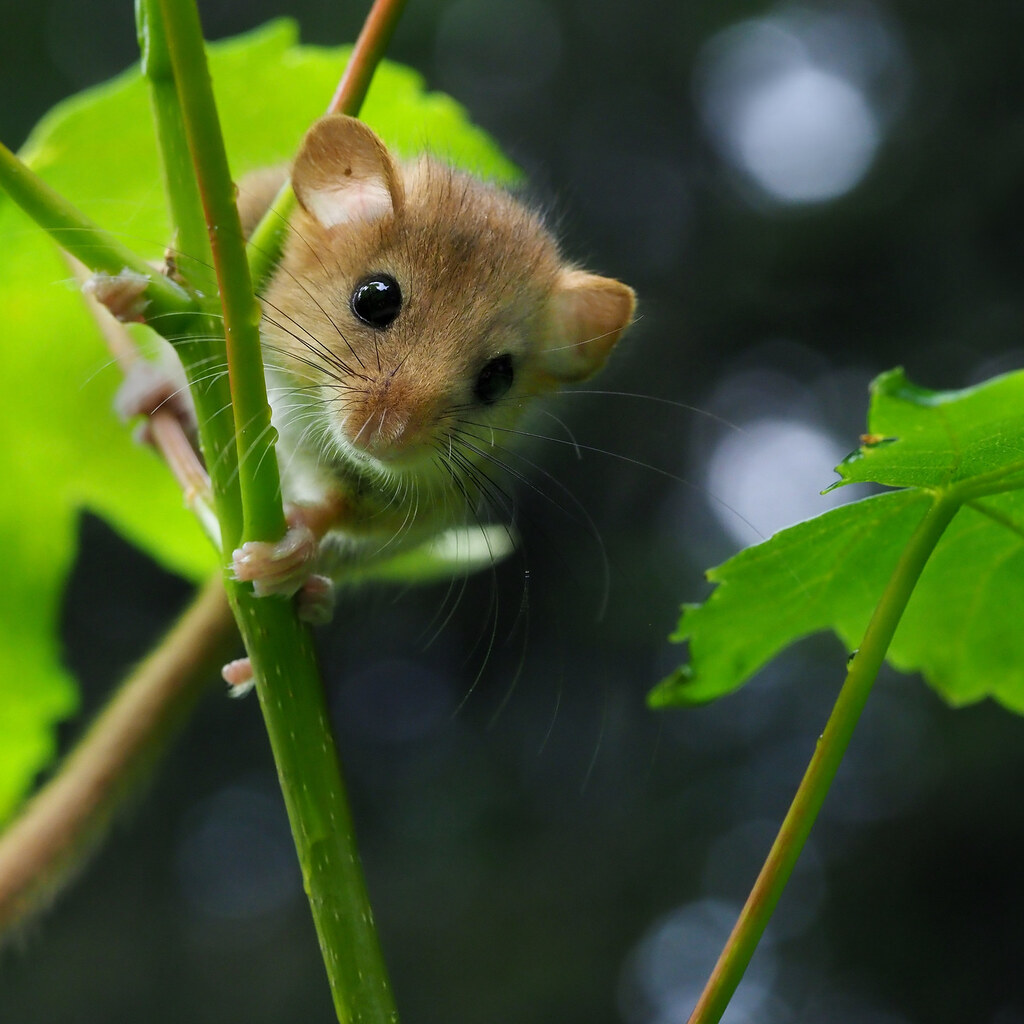
The dormouse is a type of small mouse. It lives in wooded areas and hedgerows, where it makes nests in trees or thick bushes. At night it becomes active, eating mostly nuts and berries and gathering food to store for colder months. Dormice are known for sleeping for long periods when the weather is bad.
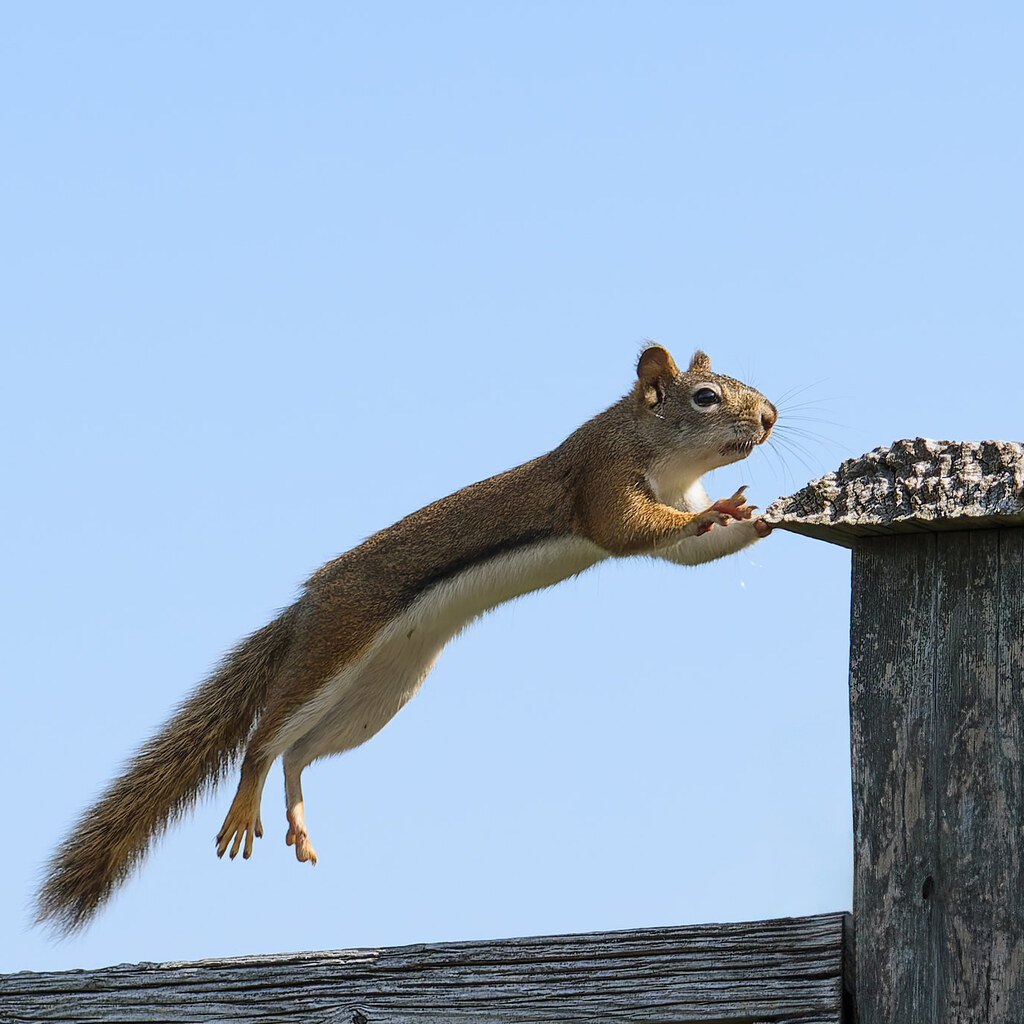
F is for Flying squirrel
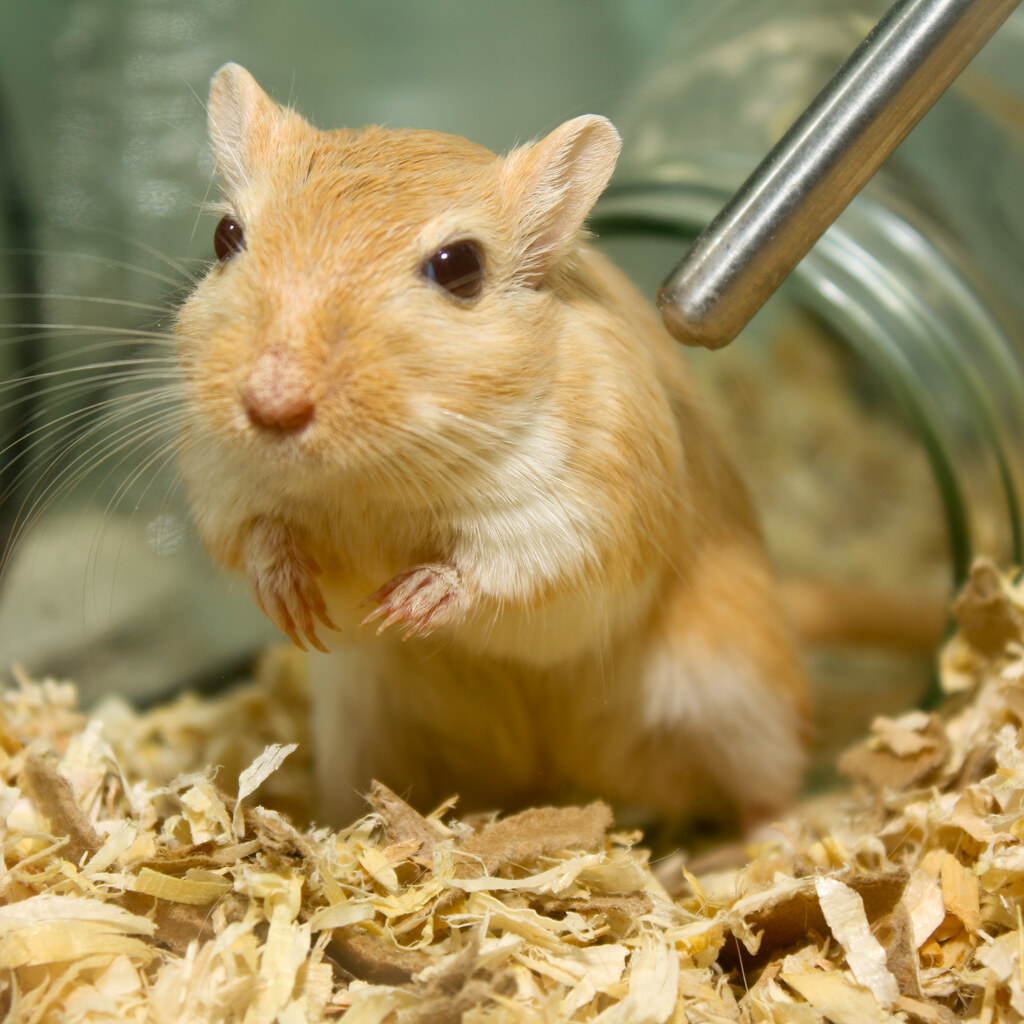
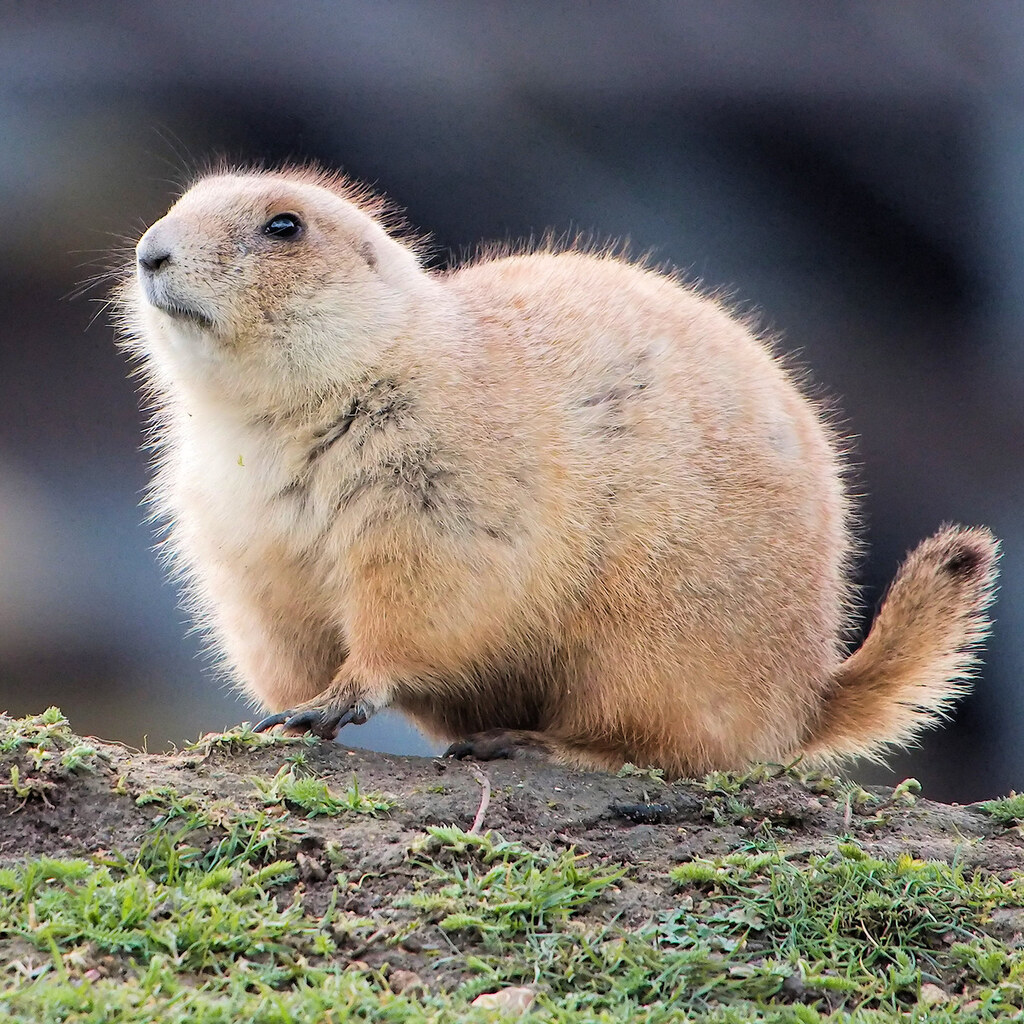
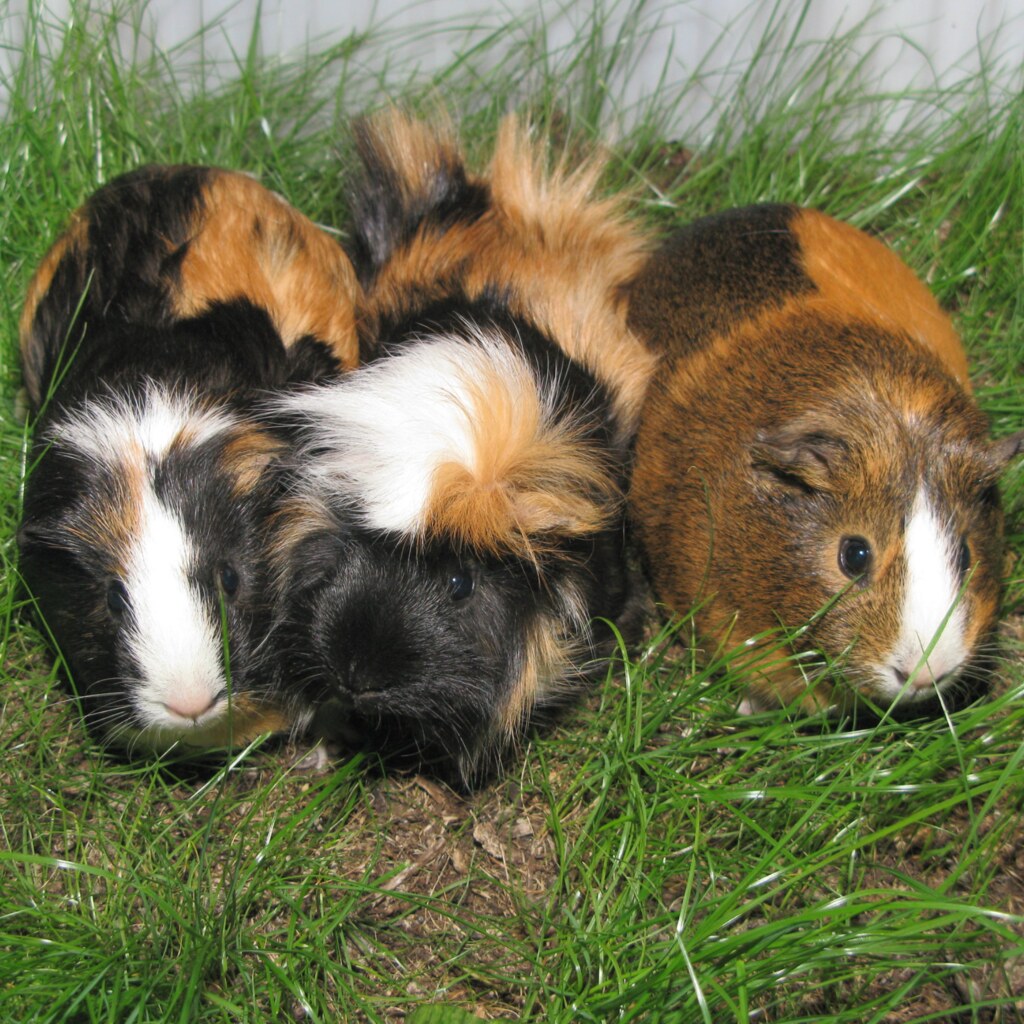
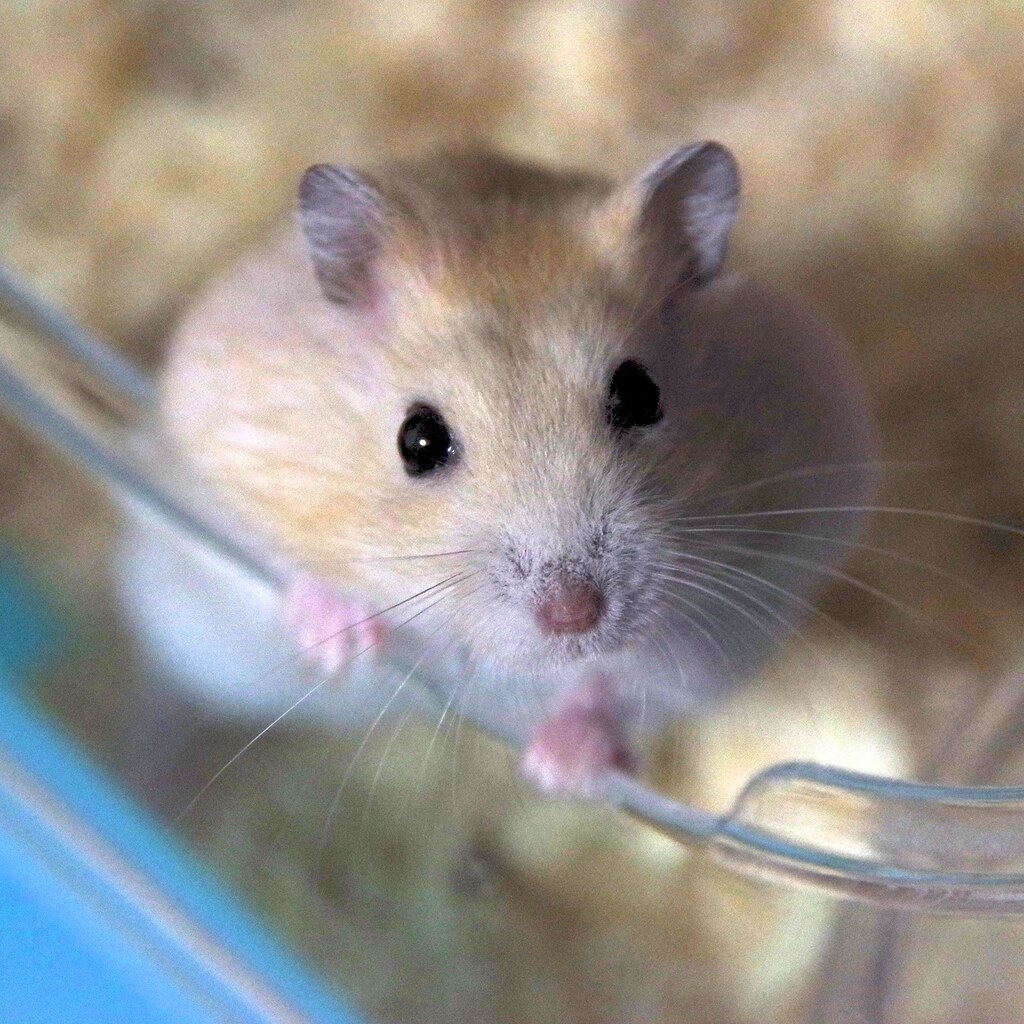
Hamsters are a small rodent that is often kept as a pet. Hamsters are originally from Syria. They have a large fur-lined pouch on either side of their face that goes all the way to their shoulders that they can fill with food. In the wild, they usually eat seeds and nuts.
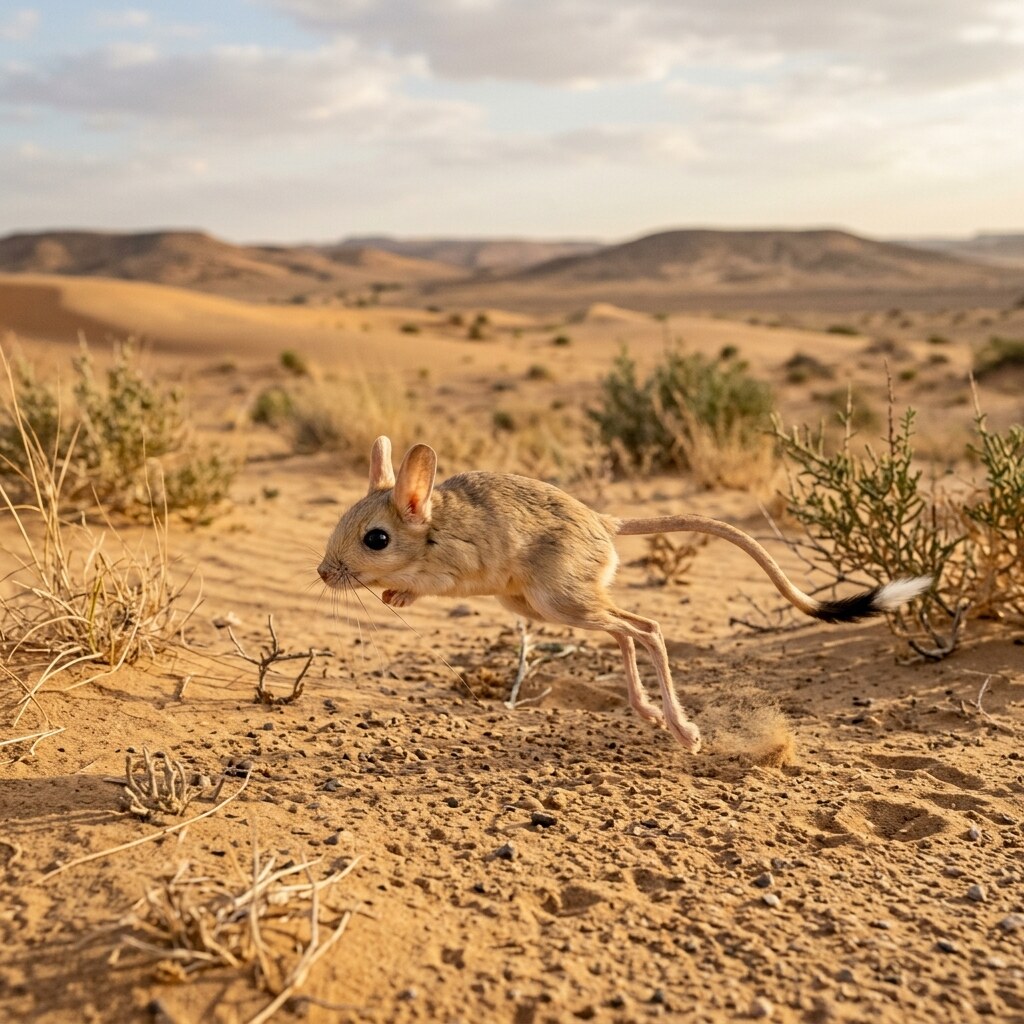
Jerboas are small desert rodents with long back legs, big ears, and a tail that helps them balance. They live in dry areas across parts of North Africa and Asia. They come out at night to find seeds and insects and hide underground during the day.
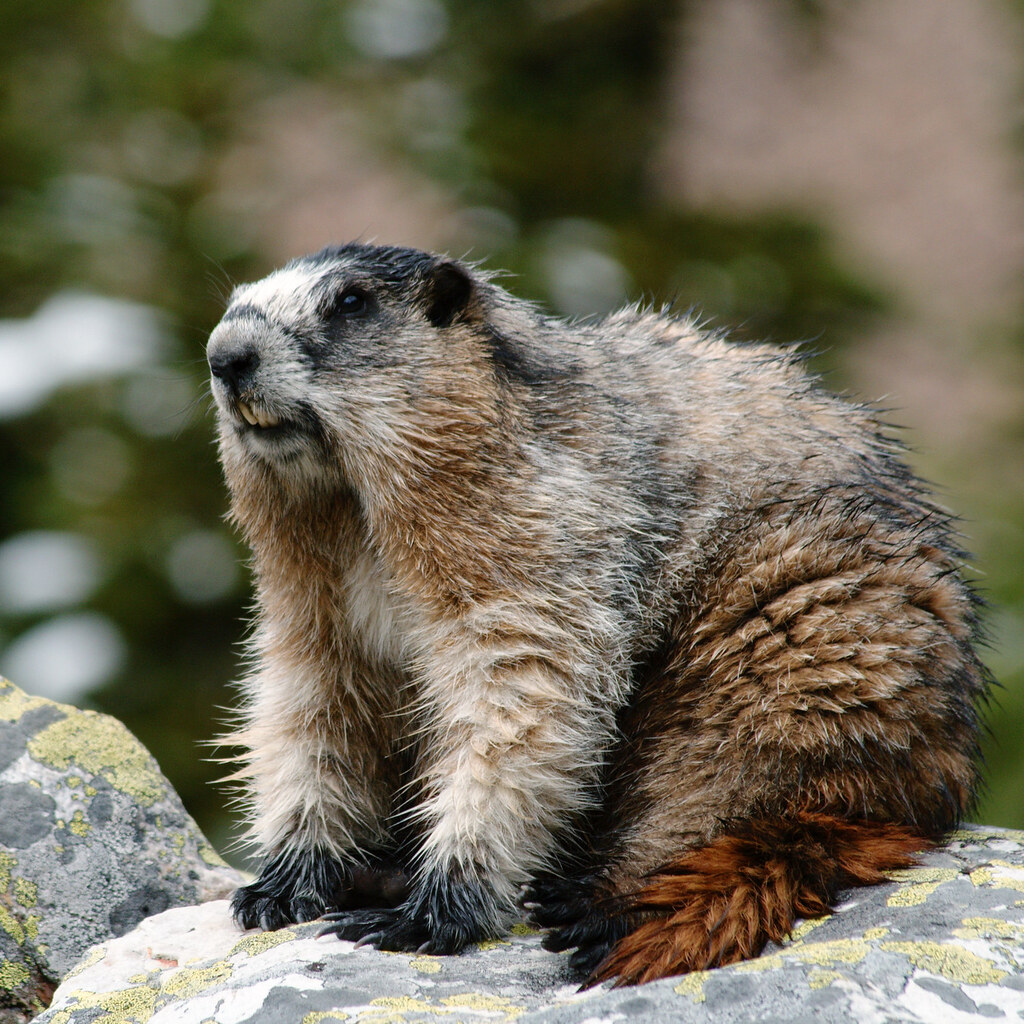
A marmot is a large rodent that lives in rocky mountain areas, alpine meadows, and open grasslands. Marmots will dig burrows into the ground. They spend their days foraging for grasses and other plants, and many hibernate for long stretches during cold winter months. They're known for sitting upright and watching for danger.
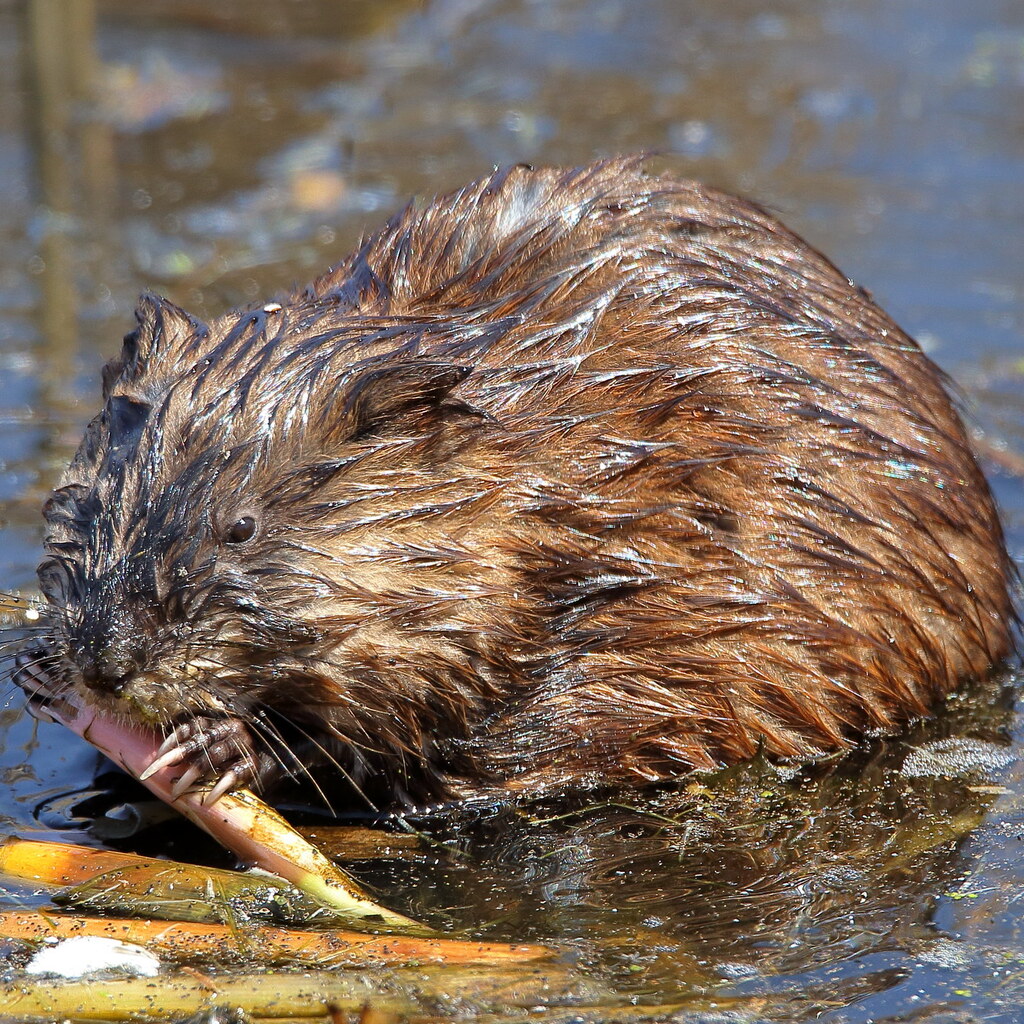
Muskrat is a medium-sized rodent with a thick, brown coat and a flat, rounded tail that helps it swim. It lives in and around fresh water like rivers, ponds, and marshes, building houses from plants near the water. Muskrats are strong swimmers and use their webbed back feet to move through the water, where they feed mainly on plants and also some small animals.
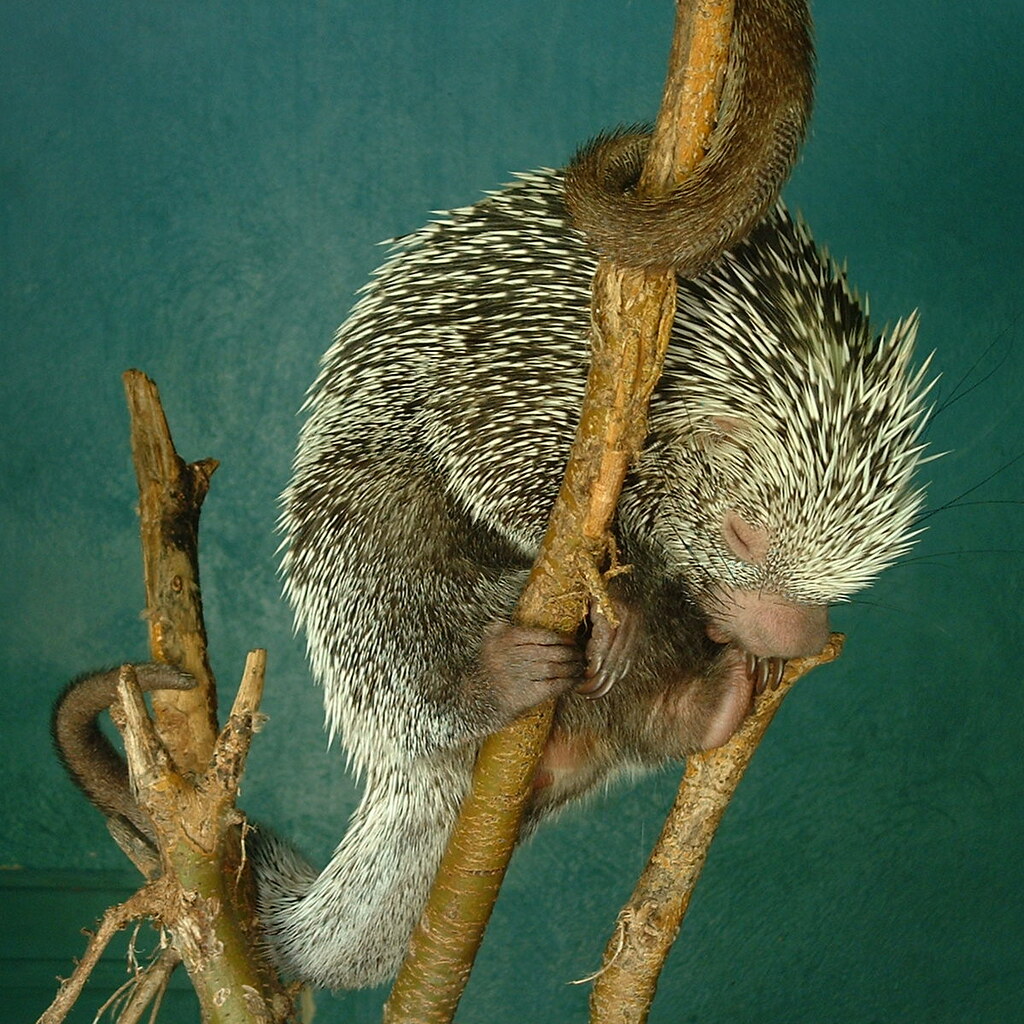
Porcupines are a large rodent related to the beaver. They are spiny like hedgehogs and echidnas but are not related to either of them.
Porcupines come in many shapes and sizes, but all have sharp quills. Porcupines can lose their quills, so if something bites a porcupine they get a mouthful of spikes.
Porcupines come in many shapes and sizes, but all have sharp quills. Porcupines can lose their quills, so if something bites a porcupine they get a mouthful of spikes.
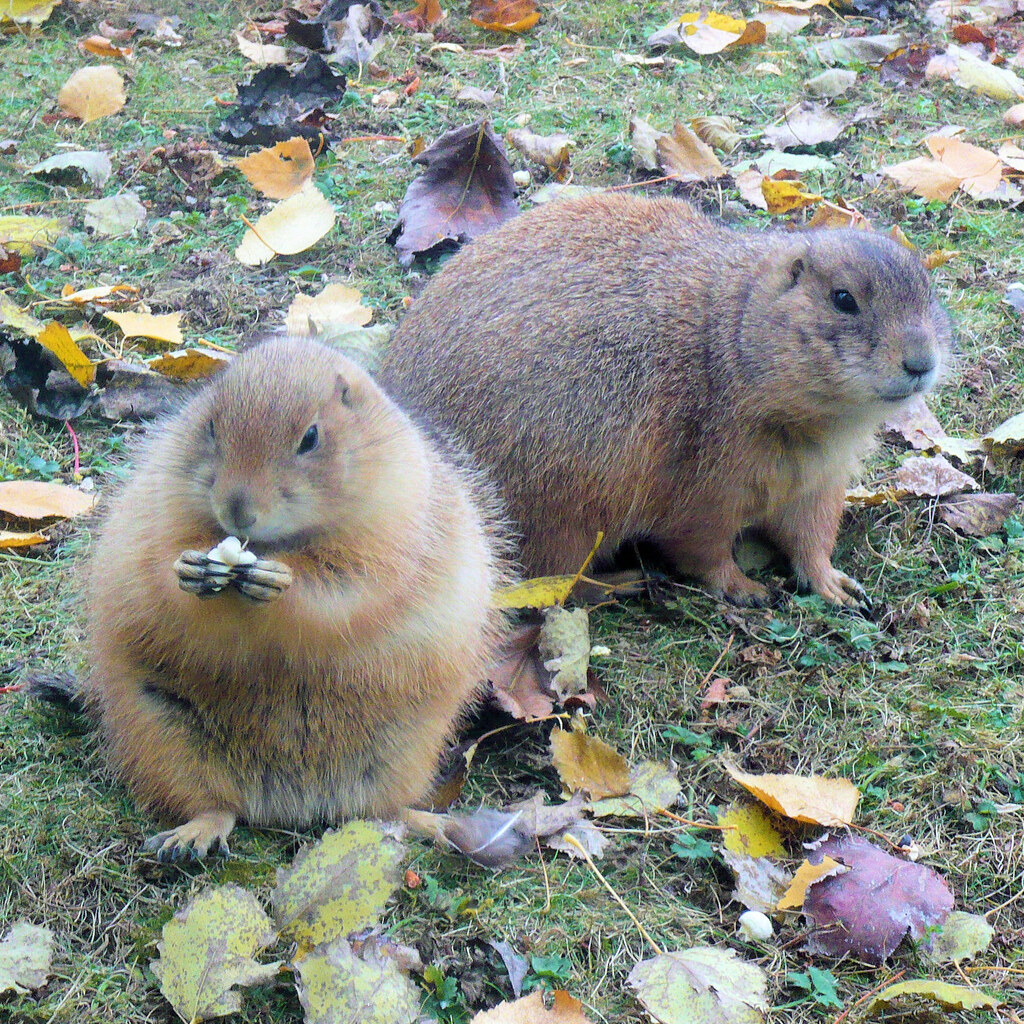
P is for Prairie dog
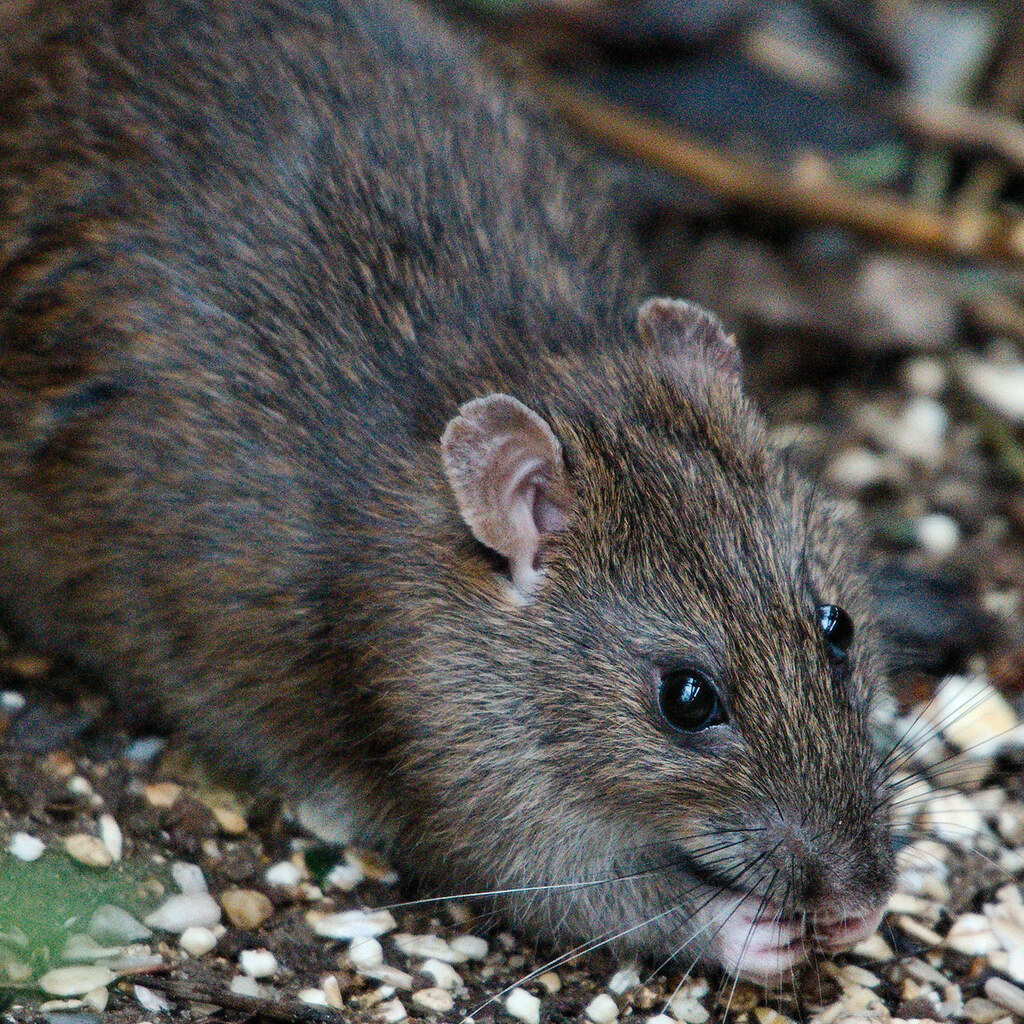
Rats are like large mice. They often live near people, scavenging food scraps in rubbish tips or stored food in houses. Rats are pests and most people try and get rid of rats if they can.
Rats can also kept as pets. Pet rats tend to be white or multicoloured, and wild rats tend to be plain brown or grey.
Rats can also kept as pets. Pet rats tend to be white or multicoloured, and wild rats tend to be plain brown or grey.