
Showing 1-20 of 26

Cleanliness is next to Godliness
The saying that cleanliness is next to Godliness means that keeping yourself and your surroundings clean is seen as a sign of good character. The idiom links physical cleanliness with moral behavior.The idea appeared in English writing several centuries ago and later became a well known proverb. Religious teachers often repeated it when encouraging orderly habits.
My grandmother always said cleanliness is next to Godliness while making us tidy our rooms.
Close to home
The phrase close to home or hits close to home means something affects you personally. You may relate to it so closely that it makes you feel emotional or uncomfortable.Her words hit close to home.

Don't throw the baby out with the bathwater
The idiom don't throw the baby out with the bathwater means don't get rid of something good while trying to remove something bad. It warns against overreacting and losing what matters.The original saying comes from the days a family would all share the same bath water and wash one at a time, starting with the man of the house and ending with the baby. By the end, the water was so dirty you might not notice the baby was still in it, and throw the baby out with the bathwater.
Fix the rules, but don't throw the baby out with the bathwater.
Done and dusted
The idiom done and dusted means finished completely, with nothing left to do. It is often said with relief after a task is completed.The "dusted" part suggests you've finished a job, put everything away, and cleaned up any mess you made in the process.
The exam is done and dusted now.
Down the drain
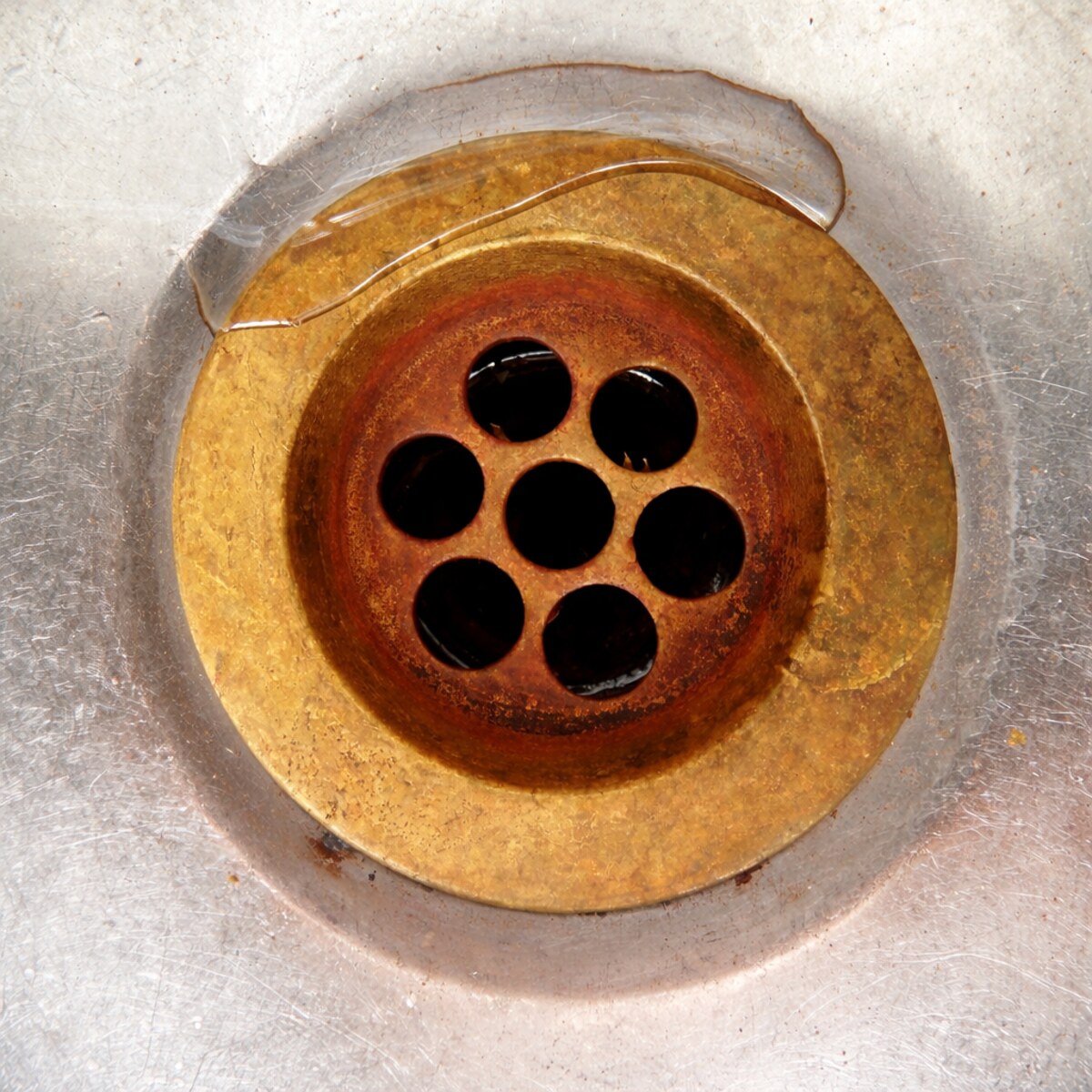
The phrase down the drain means wasted or lost completely. Time, money, or effort disappears and cannot be recovered. This idiom draws a parallel to water going down the drain of a sink and vanishing.All that planning went down the drain when it rained.

Going through it with a fine tooth comb
To go through something with a fine tooth comb means examining it very carefully and looking for small details or mistakes.The phrase comes from grooming combs with very narrow teeth. These combs are used to remove tiny things like dirt or lice from hair. This suggests a slow and thorough search.
The editor went through the report with a fine tooth comb before it was published.

Hit the sack
The idiom hit the sack, or sometimes hit the hay, means to go to bed in order to sleep. People use the phrase when they are tired and ready to end the day.The expression comes from the time that beds that were filled with sacks of hay, straw or other soft material. Lying down on the sack to sleep eventually became a casual way of saying someone was going to bed.
I am exhausted after the long drive, so I am going to hit the sack.

House of cards
A house of cards describes something that is very precarious and likely to collapse if even a small problem occurs.The phrase comes from the activity of stacking playing cards to build a delicate structure. Because the cards are only lightly balanced, the whole structure can easily fall apart.
The company's finances turned out to be a house of cards once the debts were uncovered.

Keep the home fires burning
To keep the home fires burning means to continue taking care of things at home while someone else is away. It often refers to maintaining daily life and support until the person returns.The phrase became popular during World War I from a song encouraging families to remain hopeful and keep life going while soldiers were overseas.
While her partner was working abroad, she stayed behind to keep the home fires burning.

Make yourself at home
To make yourself at home means to behave in a relaxed and comfortable way in someone else's place, as if it were your own.The phrase has been used for a long time as a friendly way for hosts to welcome guests. By telling someone to make themselves at home, the host shows that the visitor is welcome and should feel comfortable there.
The neighbour's cat wandered in through the dog door, jumped onto the couch, and immediately made itself at home.
Mix and match
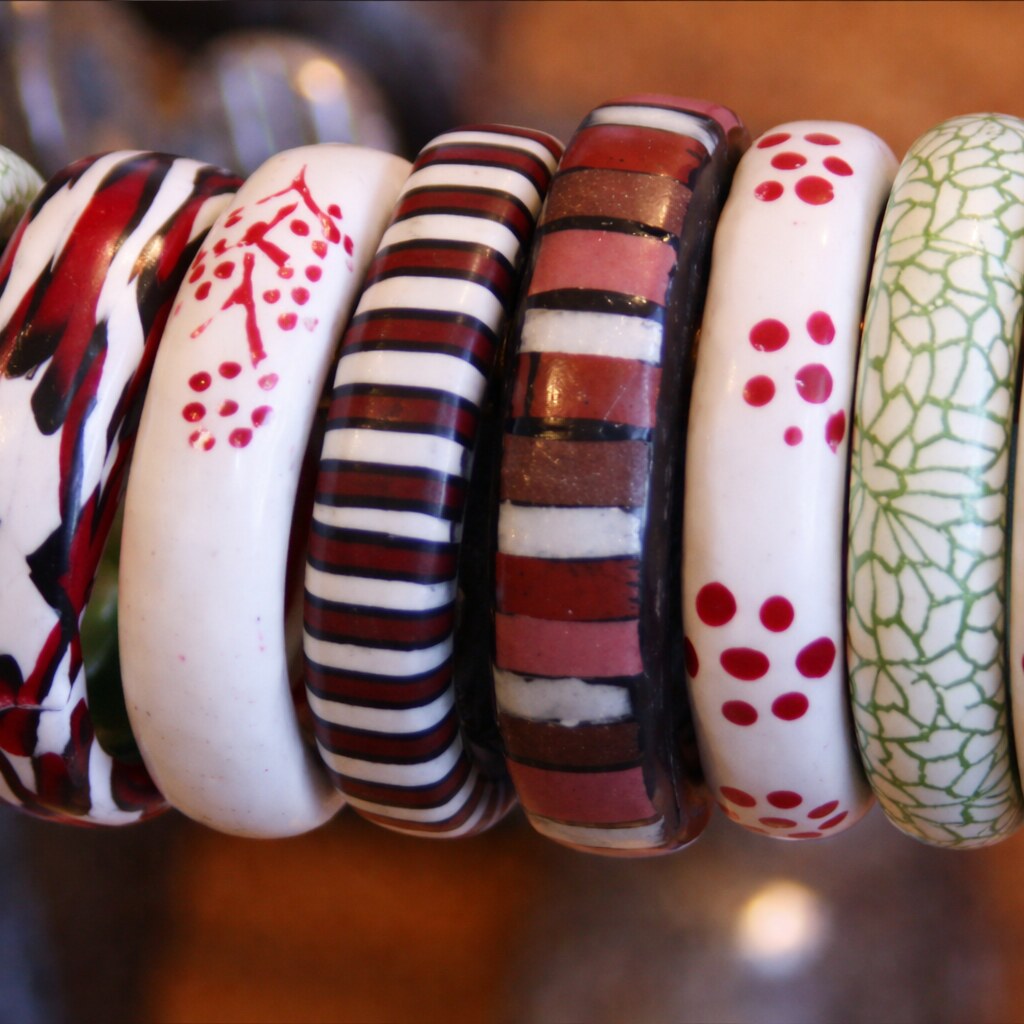
To mix and match means to combine different things in many possible ways. People use the phrase when items can be chosen and put together freely instead of having to use a fixed set.This phrase became common in advertising and everyday language in the 1900s, especially when describing clothing or household items that could be combined in different styles or colors.
You can mix and match these pieces easily.

On the home stretch
To be on the home stretch means being close to finishing something after a long effort.The phrase comes from horse racing. The home stretch is the final straight section of the track leading to the finish line.
After months of work on the renovation, they were finally on the home stretch.

Open door policy
An open door policy means that people are welcome to come and talk freely with someone in charge. It means that a person, usually a leader or manager, is willing to listen to questions or concerns.The expression comes from the idea of leaving an office door open so that others feel comfortable walking in to speak. Over time it became a metaphor for openness and easy communication.
The principal has an open door policy, so students can come in and discuss problems anytime.

Out of sight, out of mind
The idiom out of sight, out of mind means that people tend to forget about things that they no longer see or think about regularly. When something disappears from view, it often disappears from attention as well.The saying has been used in English for several centuries and reflects a common human habit of forgetting things that are not easily visible.
Once the old toys were packed away in the attic, they were out of sight, out of mind.

People in glass houses shouldn't throw stones
The idiom people in glass houses shouldn't throw stones means that someone should not criticize others for faults that they also have.The saying comes from the image of living in a fragile house made of glass. If someone inside throws stones at others, their own house could easily be broken.
He complains about other people being late, but he is often late himself, people in glass houses shouldn't throw stones.

Put your feet up
To put your feet up means to sit down and relax, usually after working or being busy.The phrase comes from the simple act of lifting your feet onto a chair or stool while sitting, which is a way people often sit when they want to relax.
After finishing the yard work, she sat on the couch and put her feet up for a while.

Reap what you sow
To reap what you sow means that your actions bring their own results. Good actions tend to lead to good outcomes, and harmful actions often lead to trouble later.The phrase comes from farming. A farmer harvests the same crop that was planted in the field months earlier. The saying uses that image to explain how choices lead to consequences.
After ignoring the warning signs for months, he finally had to reap what he had sown.

Roll out the red carpet
To roll out the red carpet means to give someone a very warm and special welcome. It is used when people go out of their way to treat a guest with great respect or attention.The expression comes from the practice of laying a red carpet for important visitors such as royalty or heads of state. The bright carpet marked a special path and showed that the guest was being honored.
The town rolled out the red carpet when the championship team came home.

Rug pulled out from under you
To have the rug pulled out from under you means to suddenly lose something you were relying on. When it is unexpectedly taken away, it leaves you surprised or struggling to recover.The phrase comes from the image of someone standing on a rug that is suddenly yanked away, causing them to fall. It began appearing in English in the late 1800s and is used as a metaphor for sudden, destabilizing change.
Just when she thought the promotion was certain, the company restructured and had the rug pulled out from under her.
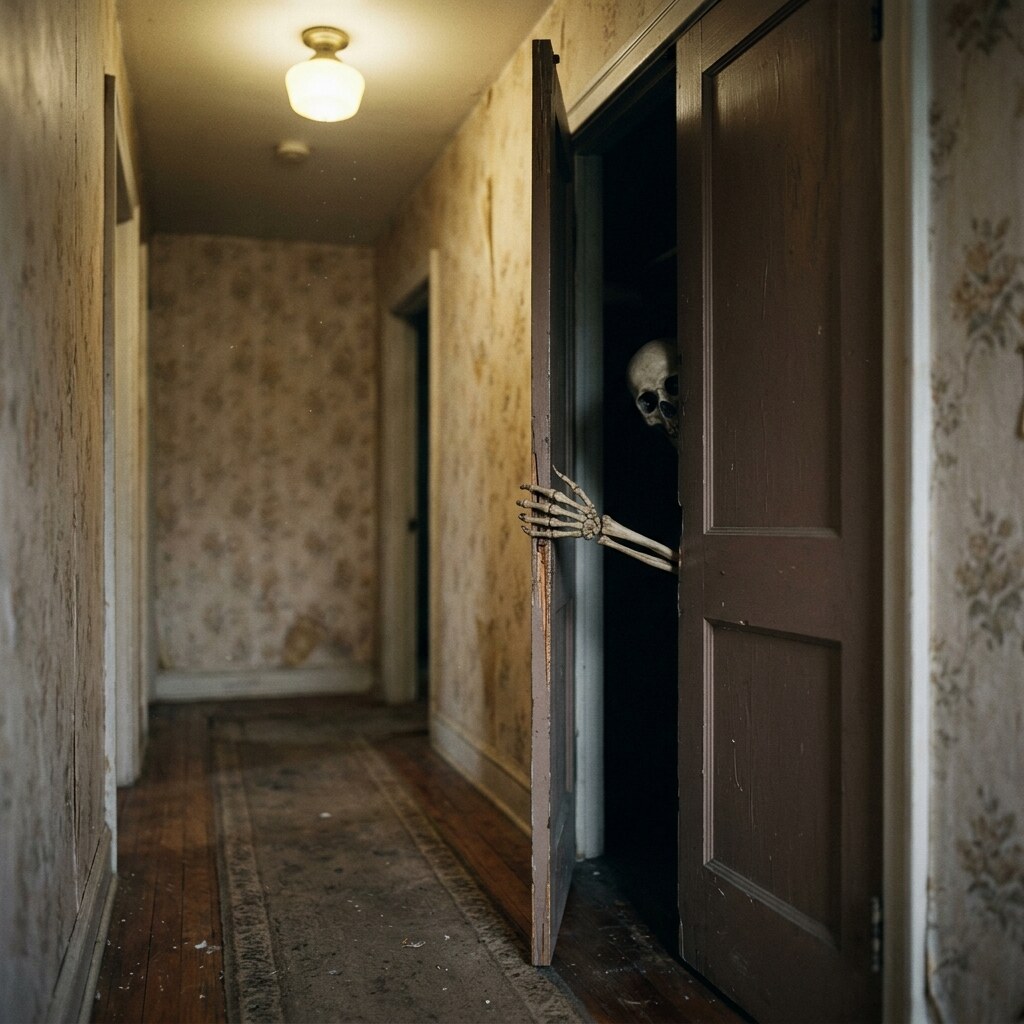
Skeleton in the closet
A skeleton in the closet means a secret from someone's past that they try to hide because it would embarrass them or cause trouble if others found out.This idiom comes from the image of a hidden skeleton locked away in a closet. It suggests a dark or shameful secret that someone does not want anyone else to discover.
Every family seems to have a skeleton in the closet they prefer not to talk about.