
Showing 1-20 of 26

A far cry
The phrase a far cry means very different from something else. It is often used to compare the present with the past, and often to compare something that is currently worse.This idiom originated from Scottish messengers who would shout messages to each other and this was used as a way to communicate long distance, so a far cry was originally used as slang for a long distance.
This small house is a far cry from the mansion they expected.
A fish out of water
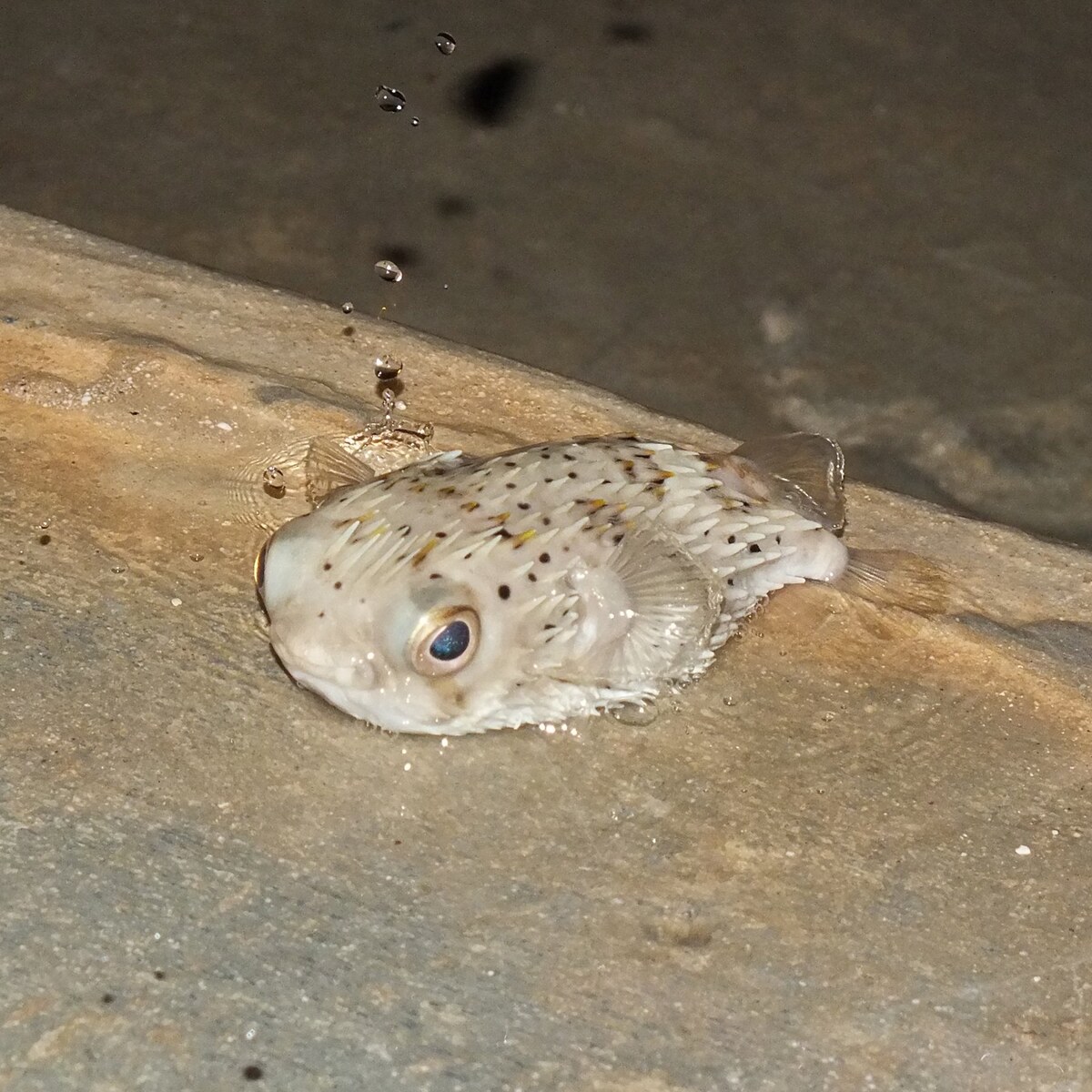
You are a fish out of water if you are in a situation you are very uncomfortable with. This idiom has been in use since the 14th century.When I first moved to the city from my parent's farm, I felt like a fish out of water.

Add fuel to the fire
The idiom add fuel to the fire means to make a bad situation worse. Instead of calming things down, it increases trouble or anger. This idiom is from the literal image of a fire jumping in size when you add extra fuel to it.Arguing about it only added fuel to the fire.
Face the facts
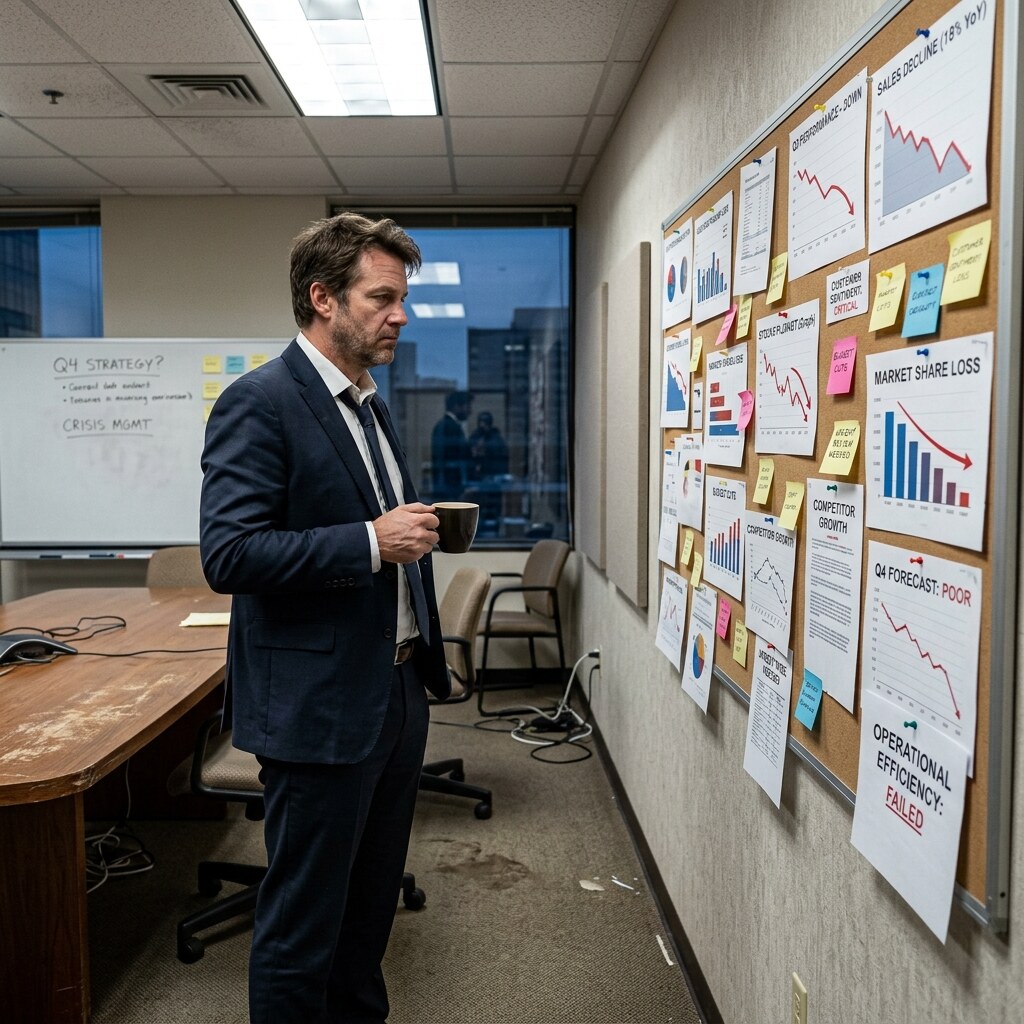
To face the facts means accepting the truth about a situation even when it is unpleasant.The phrase uses the image of turning toward something directly instead of looking away. The act represents confronting reality.
She finally faced the facts and admitted the plan was not working.

Face the music
To face the music means to accept the unpleasant consequences of something you have done. It is used when someone must deal with criticism or something difficult instead of avoiding it.The expression may come from military ceremonies where a disgraced soldier had to stand in front of the band while being punished. Another explanation links it to actors stepping on stage to face the orchestra and the audience.
After skipping work without an excuse, he knew he had to face the music.

Fair and square
Fair and square means something was done honestly, properly, and by the rules.The phrase has been used in English for many years. The word square was often linked with ideas of fairness and honesty.
She won the game fair and square.

Fall flat
The phrase fall flat means something fails to have the intended effect. It is most often used to describe being disappointed by jokes, ideas, or performances.The phrase comes from the image of something collapsing quietly without any dramatic impact.
The joke fell flat and no one laughed.
Fall off the wagon
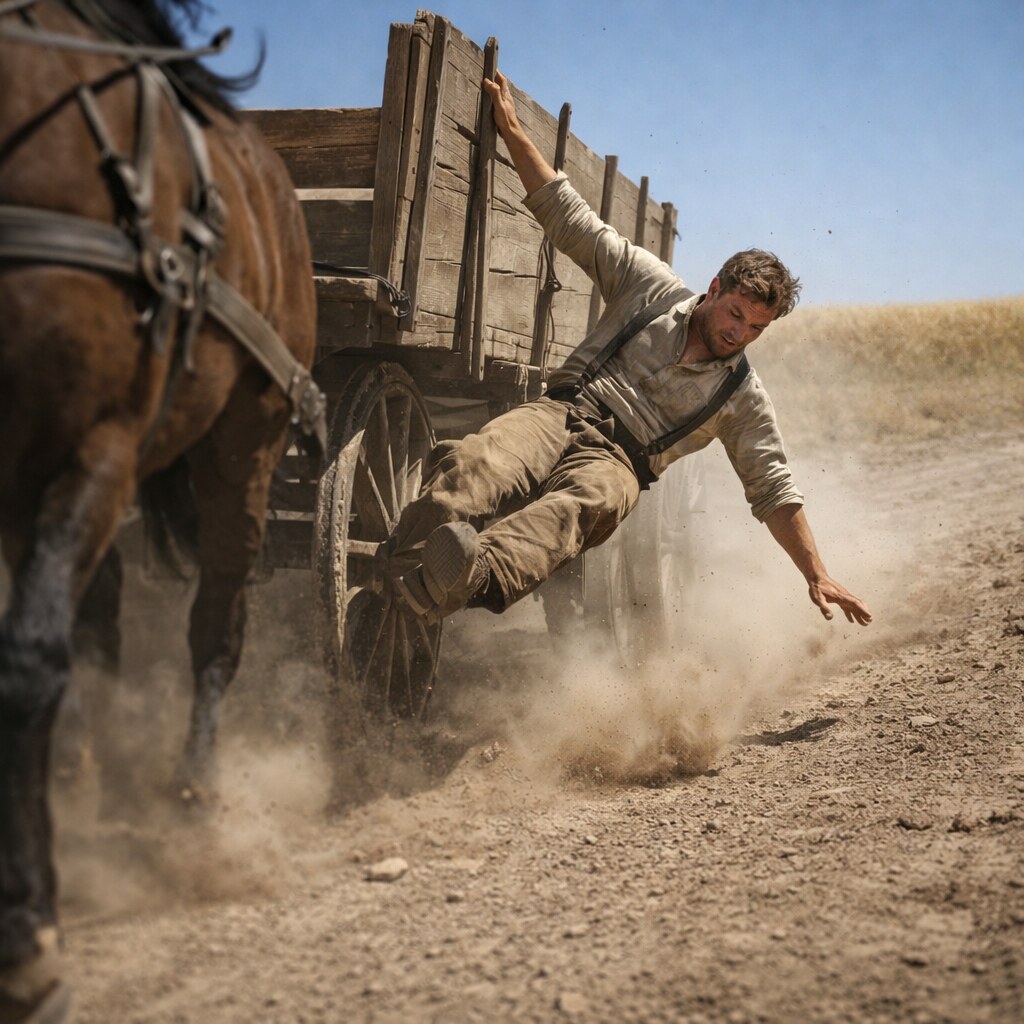
To fall off the wagon means returning to a bad habit after trying to stop, especially drinking alcohol after deciding to quit.The expression comes from the phrase on the water wagon from the late 1800s. People who promised to avoid alcohol said they were riding the water wagon, so falling off it meant they had started drinking again.
After months without alcohol, he fell off the wagon at a party.
Fall through the cracks
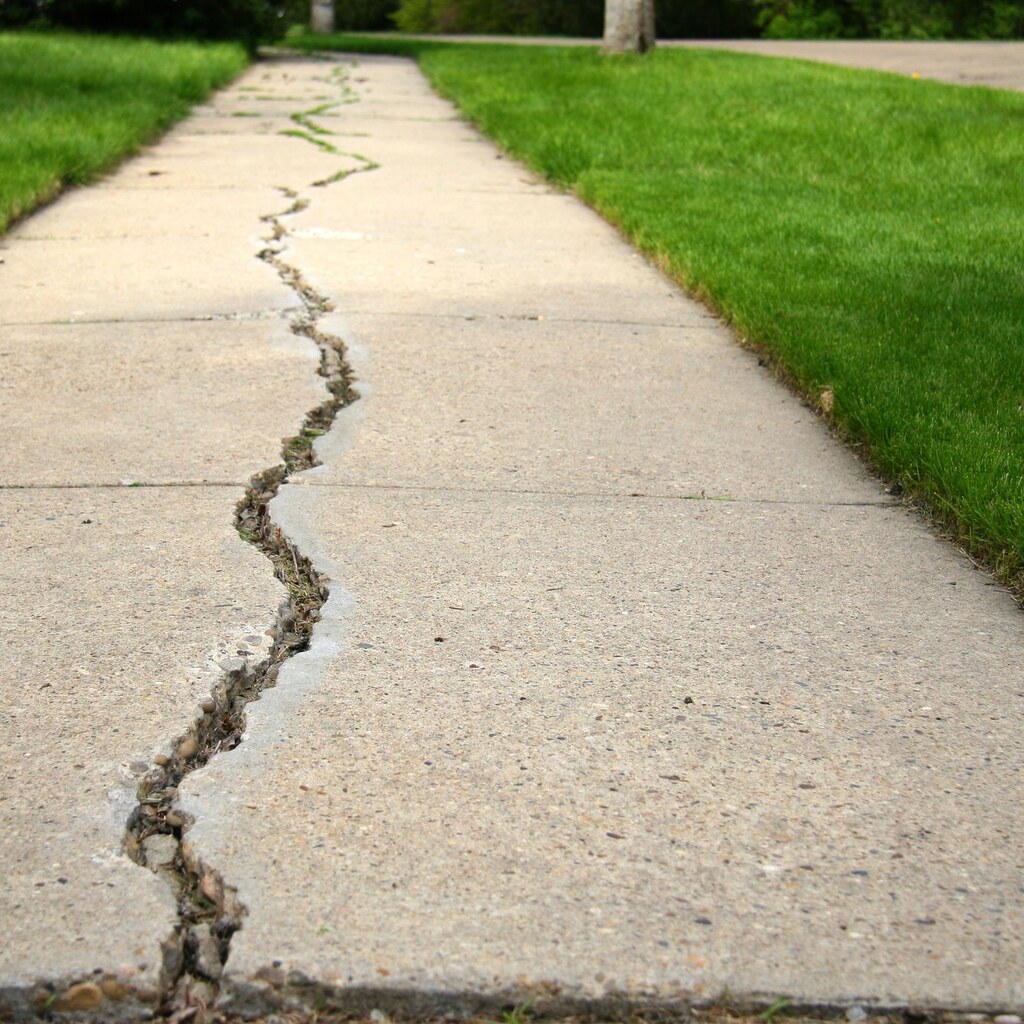
If something slipped through the cracks it means that it was missed or overlooked, usually because of a mistake or a gap in a system. It describes a situation where something should have been handled but was accidentally ignored.The expression comes from the image of something small falling through cracks in a floor or between boards and disappearing from sight.
My application slipped through the cracks and was never reviewed.
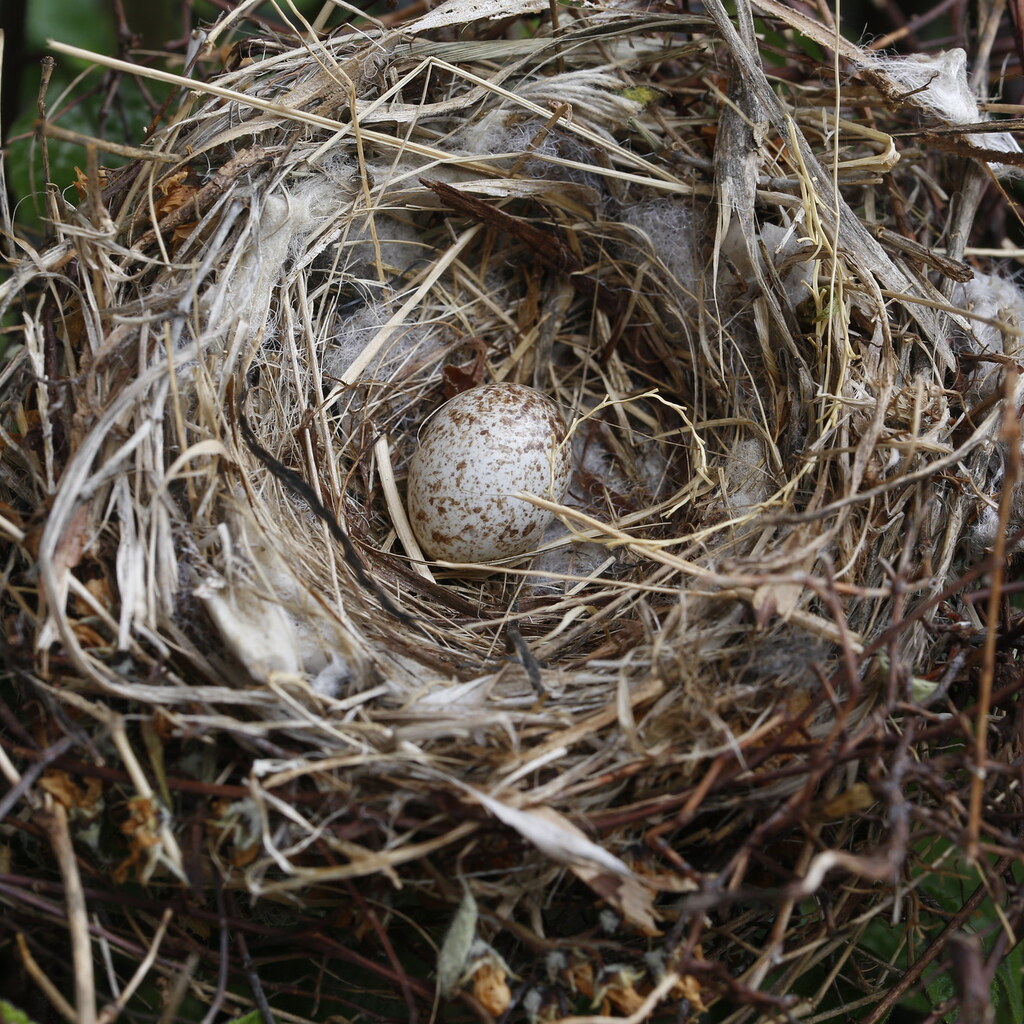
Feather your nest
To feather your nest means to use a position of power or opportunity to gain money or advantages for yourself, often in an unfair or dishonest way.The expression comes from the way birds line their nests with feathers and soft materials to make them comfortable. The phrase compares this to someone quietly making their own situation more comfortable.
The official was accused of feathering his nest with public funds.
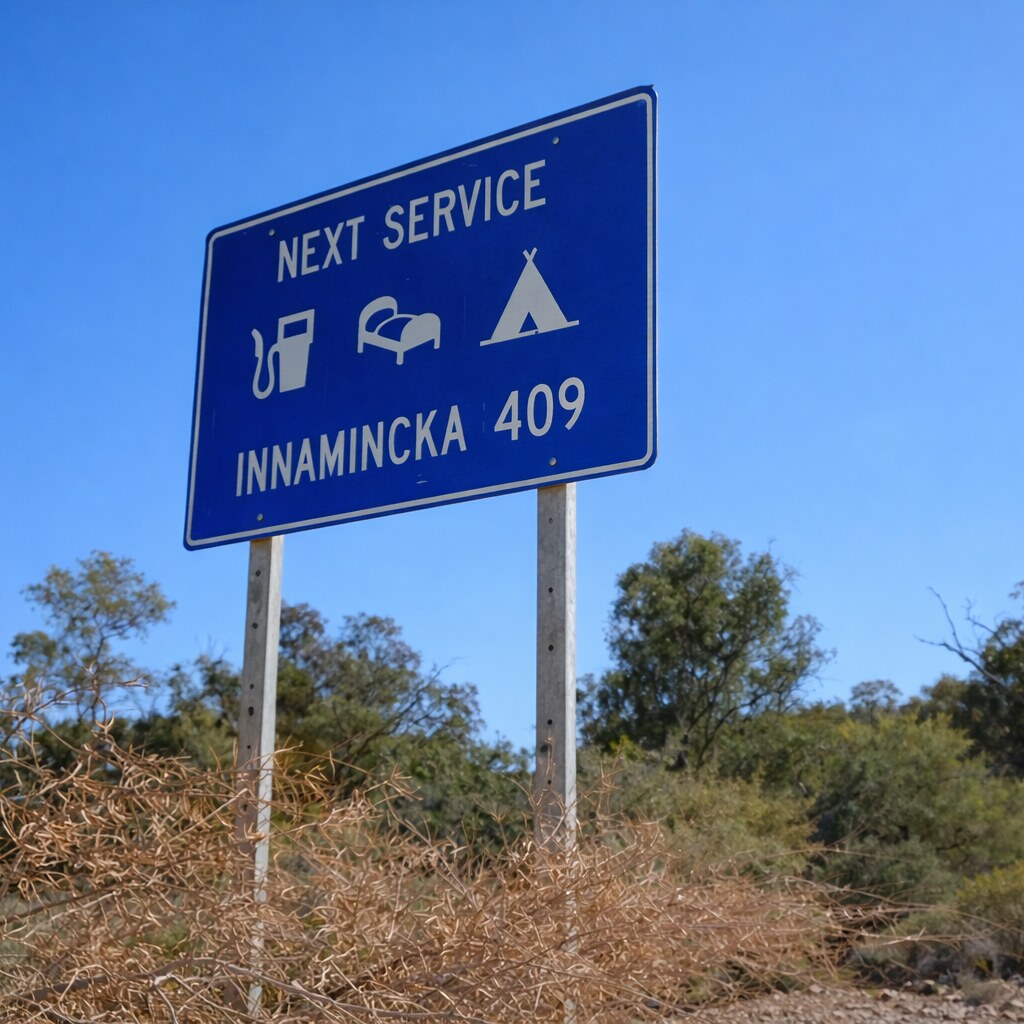
Few and far between
Few and far between means that something is rare and does not happen or appear very often. This idiom describes things that are scattered or uncommon.The phrase has been used in English since the 1600s. It combines two ideas, being few in number and far apart in distance, to emphasize how uncommon something is.
Good parking spots were few and far between on the busy street.

Fighting an uphill battle
Fighting an uphill battle means struggling against difficult conditions that make it hard to progress.The phrase comes from combat on steep ground. Moving uphill slows you down and gives the other side an advantage.
Trying to save the small business felt like fighting an uphill battle.
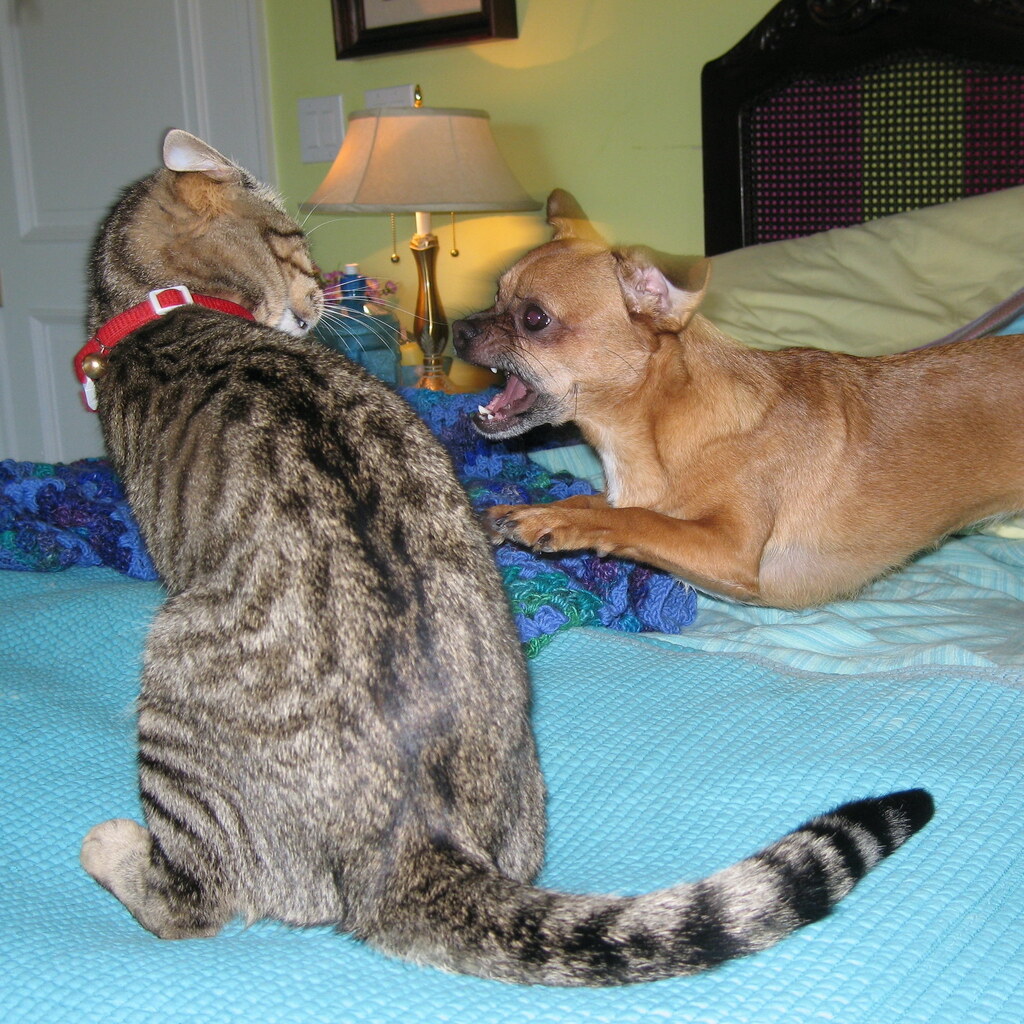
Fighting like cats and dogs
To be fighting like cats and dogs means to be arguing or fighting constantly. It describes a relationship between people who just don't get along.The phrase comes from the long-standing image of cats and dogs as natural rivals. Because their clashes were seen as noisy and chaotic, the expression became a way to describe frequent arguments.
The two brothers were fighting like cats and dogs during the whole car trip.
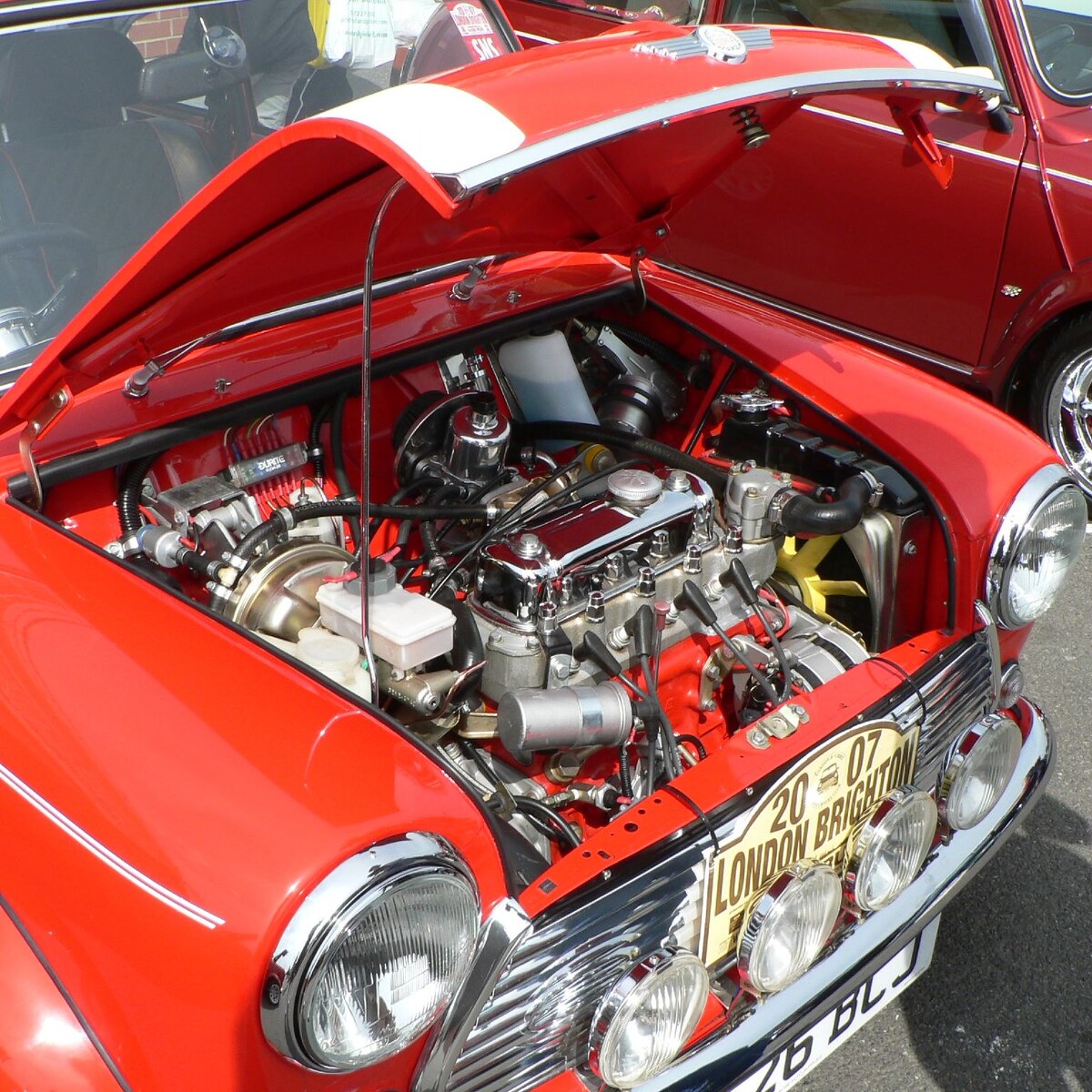
Firing on all cylinders
The idiom firing on all cylinders describes a person, team, or machine that is operating at full capacity.The phrase comes from engines, where several cylinders work together to produce power. When every cylinder is firing properly, the engine runs at its strongest and most efficient.
By the middle of the season, the team was firing on all cylinders and winning almost every game.
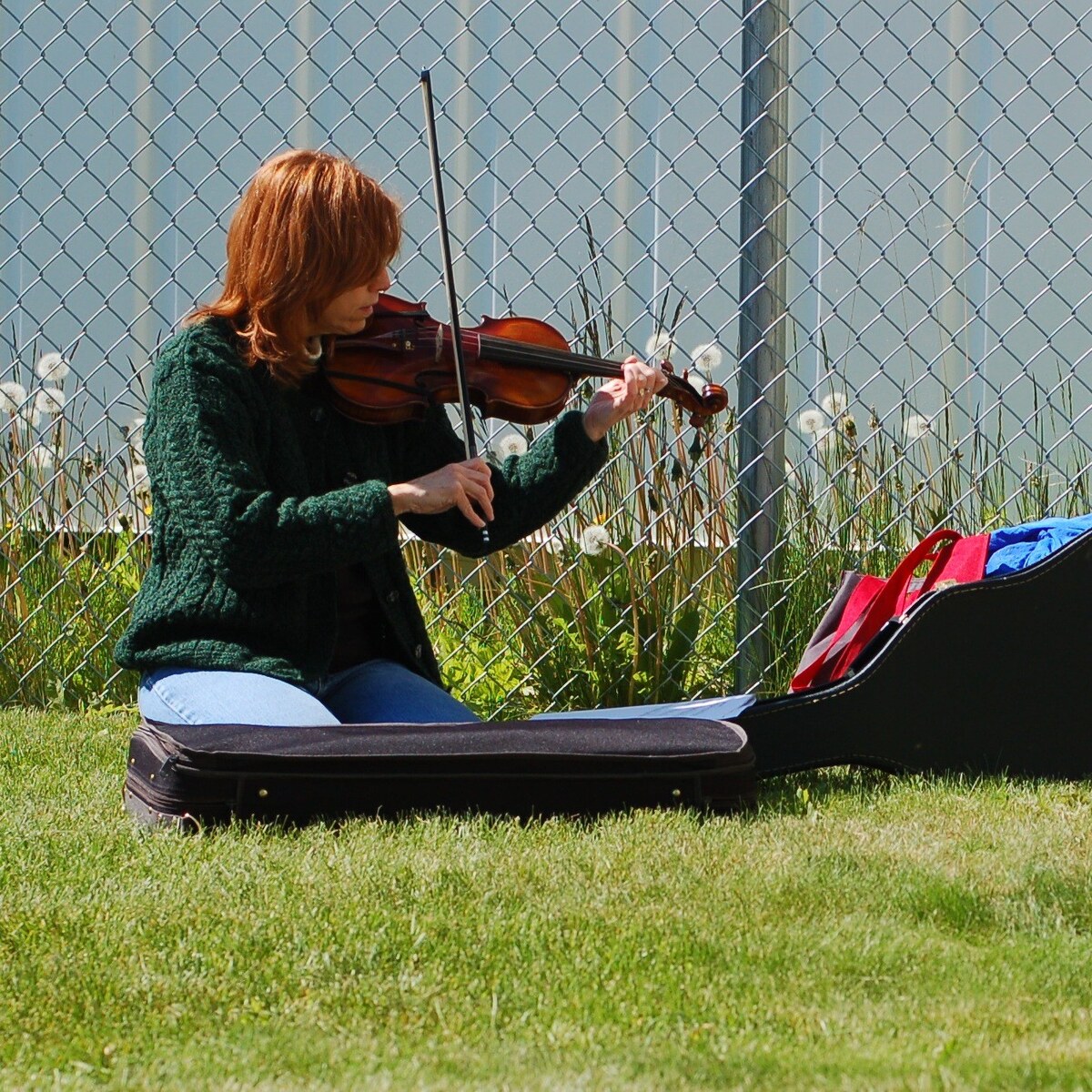
Fit as a fiddle
The phrase fit as a fiddle originally meant something fine and well crafted, like a quality musical instrument. Over the centuries it changed to mean someone who was physically fit.He may be 83, but he's as fit as a fiddle!
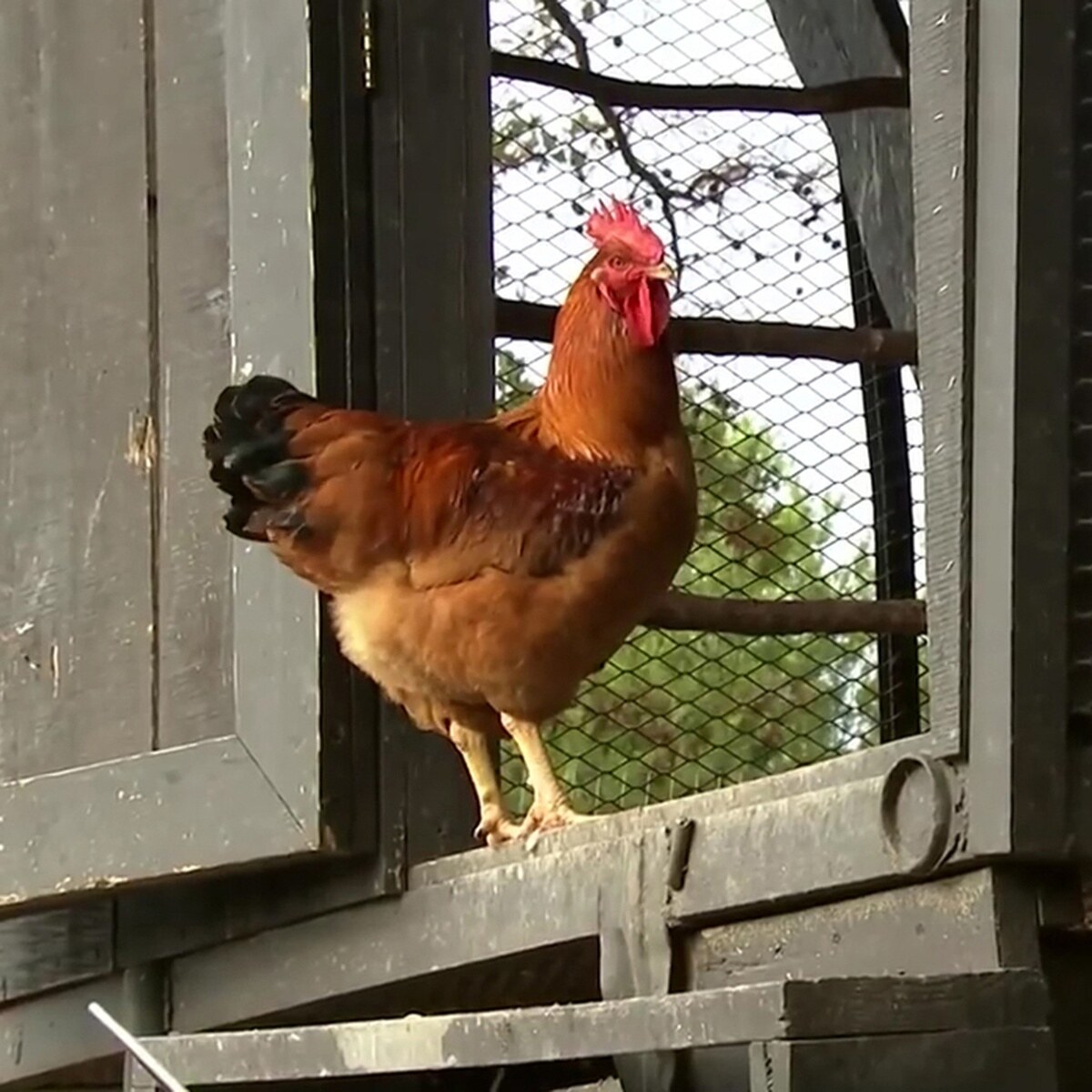

Fly in the face of
The idiom fly in the face of means openly going against something such as rules or advice.The phrase has been used in English for many years. It comes from the image of rushing directly toward someone's face as a sign of bold opposition.It suggests ignoring rules, expectations, or common sense.
His decision flew in the face of expert advice.
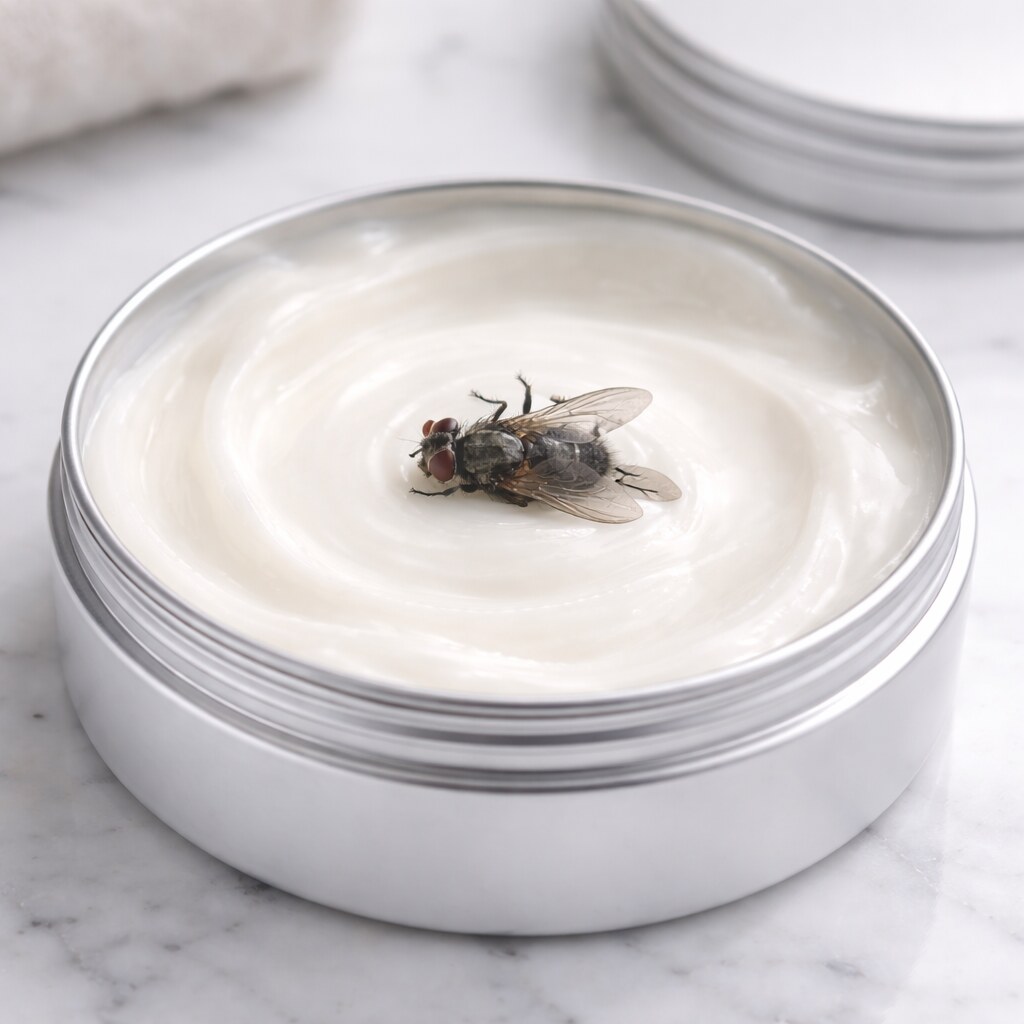
Fly in the ointment
A fly in the ointment is a small problem that spoils something that is otherwise good. It describes a situation where one annoying detail ruins an otherwise positive plan or experience.This idiom is based on the idea of a fly falling into a jar of ointment or cream. Even though the ointment is useful, the fly contaminates it and makes the whole thing unpleasant.
The cake for the party looked perfect, but the misspelled name on top was a real fly in the ointment.
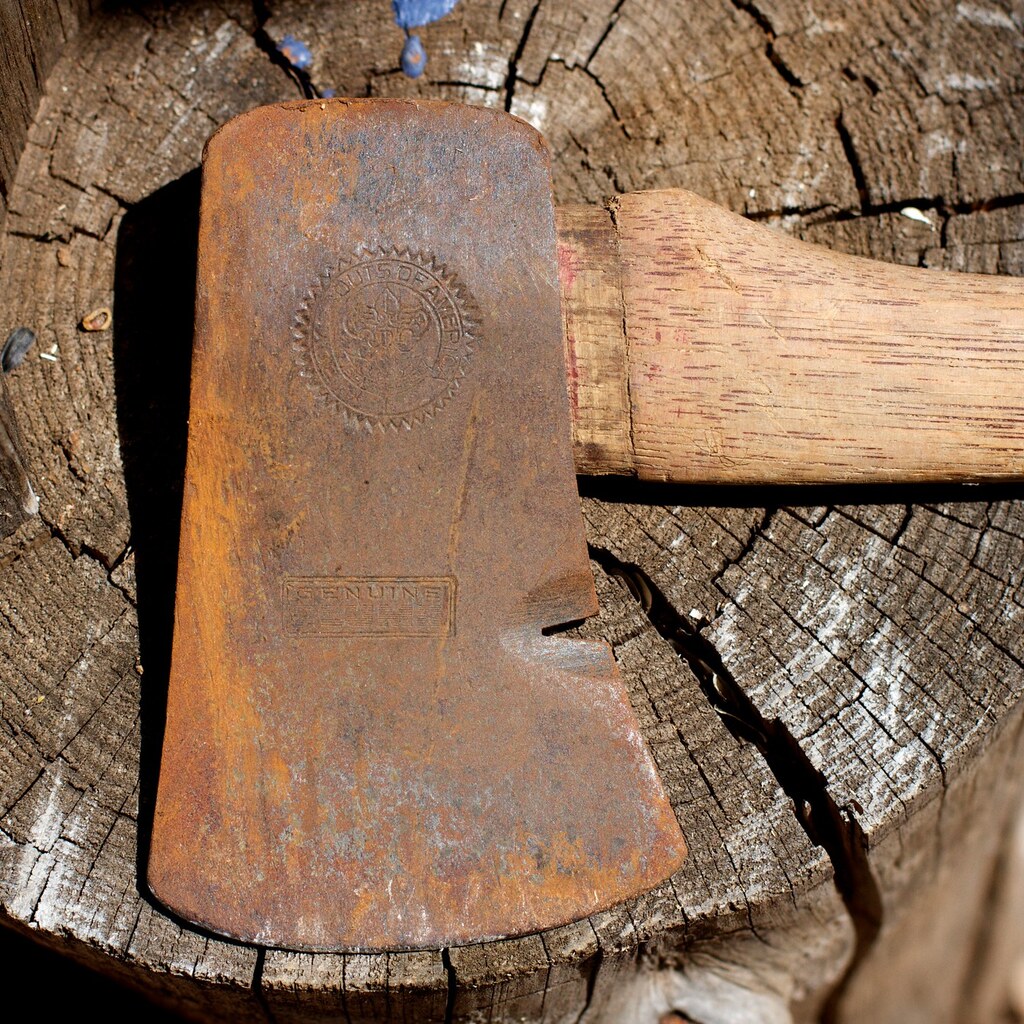
Fly off the handle
To fly off the handle means to suddenly lose your temper and overreact compared with what triggered the reaction.The phrase comes from the image of an axe head flying off its handle while being swung. The sudden loss of control became a metaphor for an emotional outburst.
He tends to fly off the handle when small mistakes happen at work.

Food for the soul
Food for the soul describes something that brings deep enjoyment or emotional comfort.The phrase uses the idea of food as nourishment. The image is applied to the inner self rather than the body.
Listening to music on a quiet evening felt like food for the soul.