
Showing 1-20 of 34

Take a shot at
To take a shot at something means to attempt to do something, even if it hard and you don't know if you will succeed.The phrase comes from shooting at a target with a gun or other weapon. In that situation, each shot is an attempt to hit the target, which led to the figurative meaning of making an attempt.
She decided to take a shot at entering the photography competition.

Take cover
To take cover means to move quickly to a place that protects you from danger. It can describe finding shelter from something harmful, such as bad weather or an attack.The phrase comes from military language, where soldiers are told to take cover behind objects or terrain to protect themselves from enemy fire. It later became a general expression for seeking protection.
When the sudden storm started, everyone ran to take cover under the shelter.

Take it easy
To take it easy means to relax, slow down and avoid working hard.The phrase has been used in English since the late 1800s as a casual way to tell someone not to worry or overexert themselves. It later became a common informal farewell, especially in American English.
After finishing the long hike, they decided to take it easy for the rest of the afternoon.

Take one for the team
To take one for the team means to accept a problem or unpleasant task so that others do not have to. It describes someone making a sacrifice for the benefit of a group.The expression comes from team sports, where a player might endure a hit or make a difficult play in order to help the team succeed.
He volunteered to work the late shift and took one for the team.
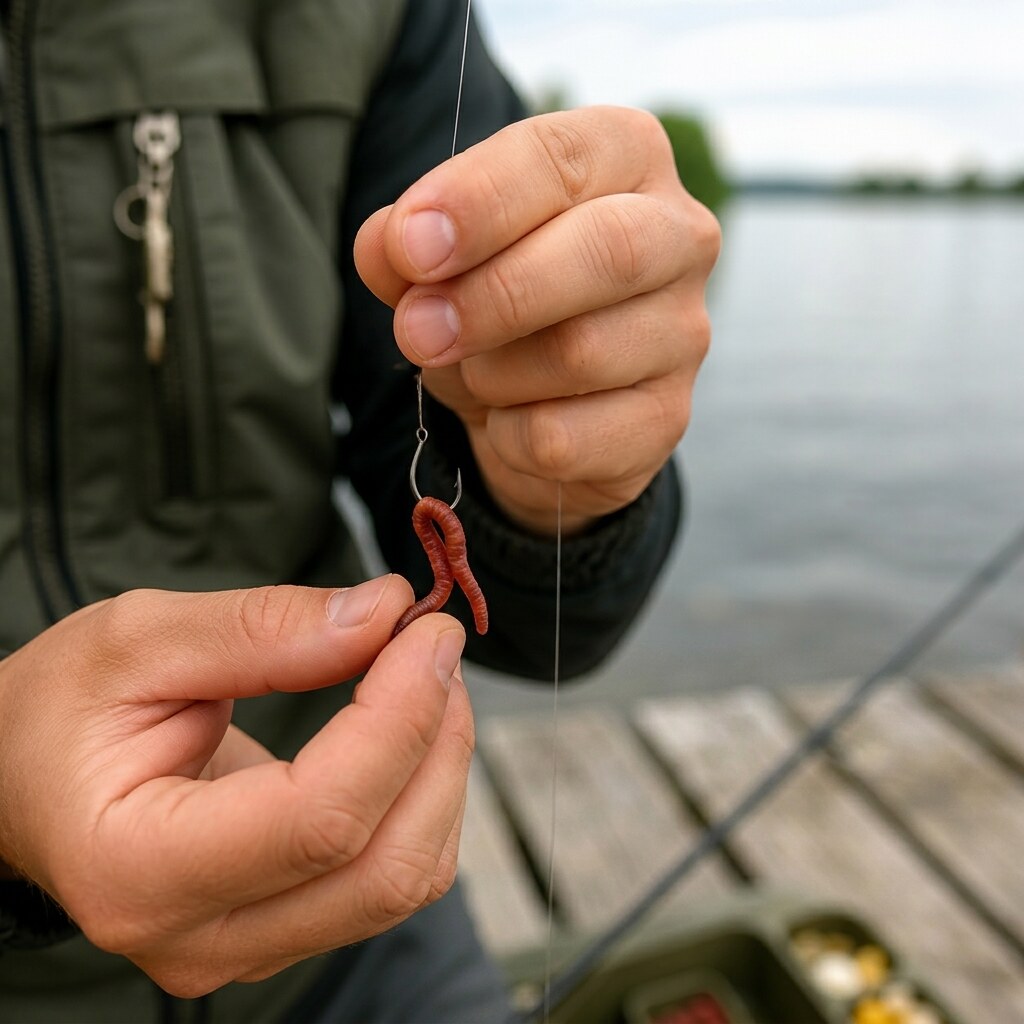
Take the bait
To take the bait means to react when someone tries to provoke, trick, or tempt you. It often means replying to something that was meant to start an argument or pull you into a trap.The phrase comes from fishing. A fish bites bait on a hook because it looks safe, but the hook is hidden by the bait.
He was trying to start a fight online, but I did not take the bait.

Take with a grain of salt
To take something with a grain of salt means to treat information with some doubt and not believe it completely. People use this idiom when talking about something that might be exaggerated, uncertain, or just not very reliable.The idea comes from ancient Roman writings, where a recipe for a remedy included taking it with a small grain of salt. Over time the phrase came to mean accepting something cautiously rather than completely believing it.
He says he can finish the whole project in one day, but I would take it with a grain of salt.

Talk the talk
The idiom talk the talk means to speak confidently about something. It is used when someone says the right things but may not prove it with actions.The expression comes from the longer phrase talk the talk, walk the walk, which contrasts speaking about something with actually doing it.
He can talk the talk about leadership, but people are still waiting to see if he can deliver results.

Tear your hair out
The idiom to pull your hair out or to tear your hair out is an extreme expression of anger, frustration, grief or despair.This new software is making me tear my hair out!

The tip of the iceberg
The idiom the tip of the iceberg means a small, visible part of a much larger problem or situation that is mostly hidden. What people can see or know at first is only a tiny part of the whole.The expression comes from real icebergs at sea. Only a small part of an iceberg is visible above the water, while most of it is hidden below the surface.
The missing money was only the tip of the iceberg once the full investigation began.

Thick as two short planks
If someone is as thick as two short planks, it means they are very slow to understand things or seem quite foolish. The phrase is usually used in a joking or slightly rude way to say that someone is not very clever.The idiom compares a person's thinking to two pieces of wood, suggesting there is not much going on in their head. People often say it in a playful or sarcastic tone when someone misses something obvious.
I had to explain the instructions three times before he admitted he felt thick as two short planks.
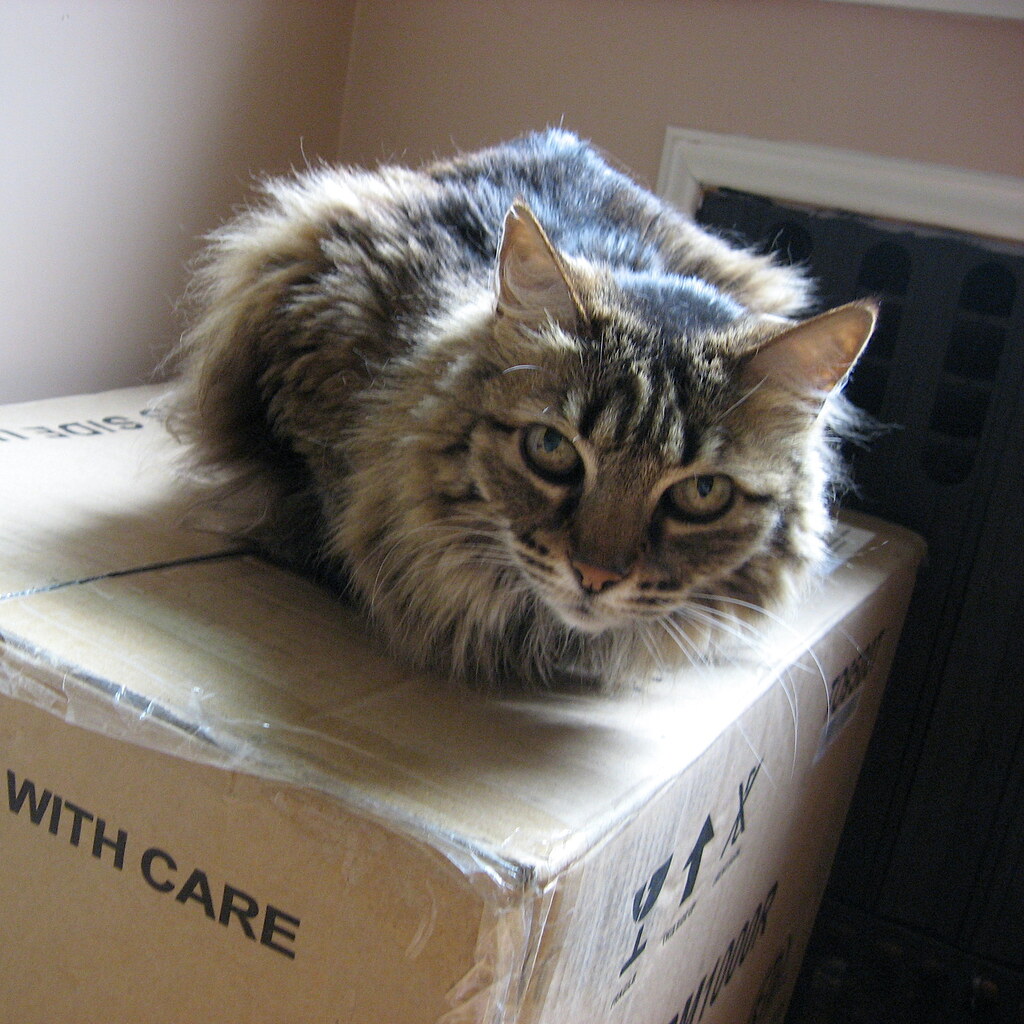
Think outside the box
To think outside the box means to think in a creative or unusual way instead of following the usual rules or ideas.The phrase became popular in the late 1900s and is often linked to a puzzle where people must connect nine dots arranged in a square without lifting a pencil. The solution requires drawing lines that go outside the imagined box around the dots.
The team had to think outside the box to find a solution to the design problem.

Third time lucky
The idiom third time lucky means that after failing twice, someone hopes the third attempt will succeed.The saying has been used in English since the 1800s and reflects a long standing belief that the number three can bring good fortune. Because of this, many people repeat something three times and hope the third attempt succeeds.
After two failed attempts to start the engine, he turned the key again and said third time lucky!

Thorn in your side
To have a thorn in your side means to have a person or problem that causes constant annoyance or trouble and just doesn't seem to go away.The phrase comes from the painful experience of having a thorn stuck in your skin. Because it keeps hurting until it is removed, the image became a way to describe ongoing irritation.
That reporting system has been a thorn in my side for months, it keeps breaking right when I need to use it.

Three strikes and you're out
The idiom three strikes and you're out means that after three mistakes or failures, someone loses their chance or faces a consequence. It means there is a limit to how many times someone can fail before action is taken.The phrase comes from baseball, where a batter is out after three strikes during their turn at bat. Because the rule is clear and final, the expression became a way to describe reaching the last allowed mistake.
After missing the deadline twice already, he knew that if it happened again it would be three strikes and you're out.

Throw a curve ball
To throw a curve ball means something unexpected or difficult happens.The expression comes from baseball. A curveball is a pitch that bends as it travels toward the batter, making it harder to predict and hit.
The sudden rule change threw a curve ball at everyone preparing for the competition.

Throw caution to the wind
To throw caution to the wind means to stop worrying about danger or consequences and act boldly or recklessly. It describes a moment when someone decides not to be careful anymore.The expression comes from the image of literally throwing one's caution away so that the wind carries it off. The phrase has been used in English since at least the 1800s.
On the last day of the trip, they threw caution to the wind and tried the steep hiking trail.
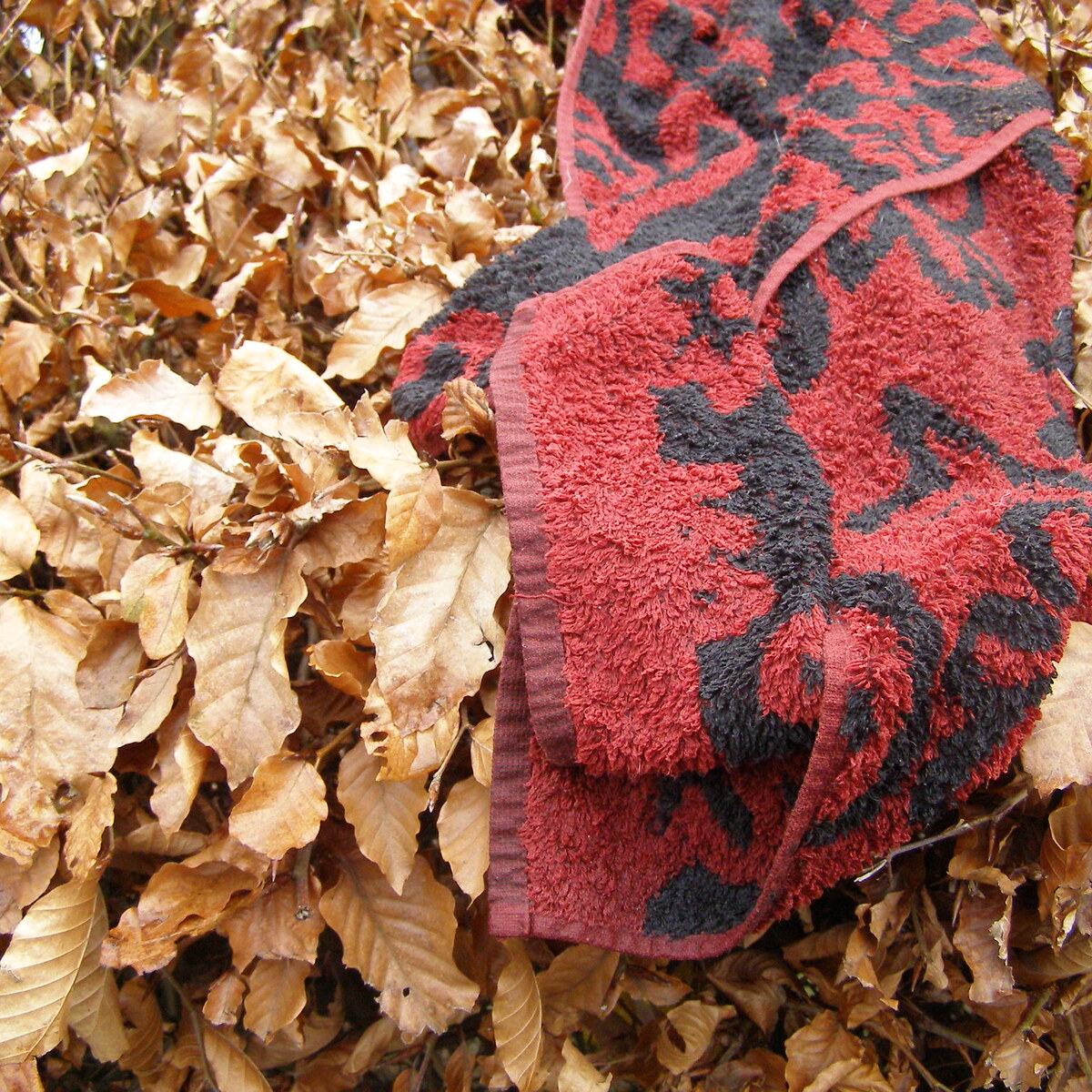
Throw in the towel
The phrase throw in the towel means to give up. It means that you are stopping because something is too difficult.This saying originates from boxing, where a boxer would throw down his towel to say he is surrendering.
He almost threw in the towel, but kept going.
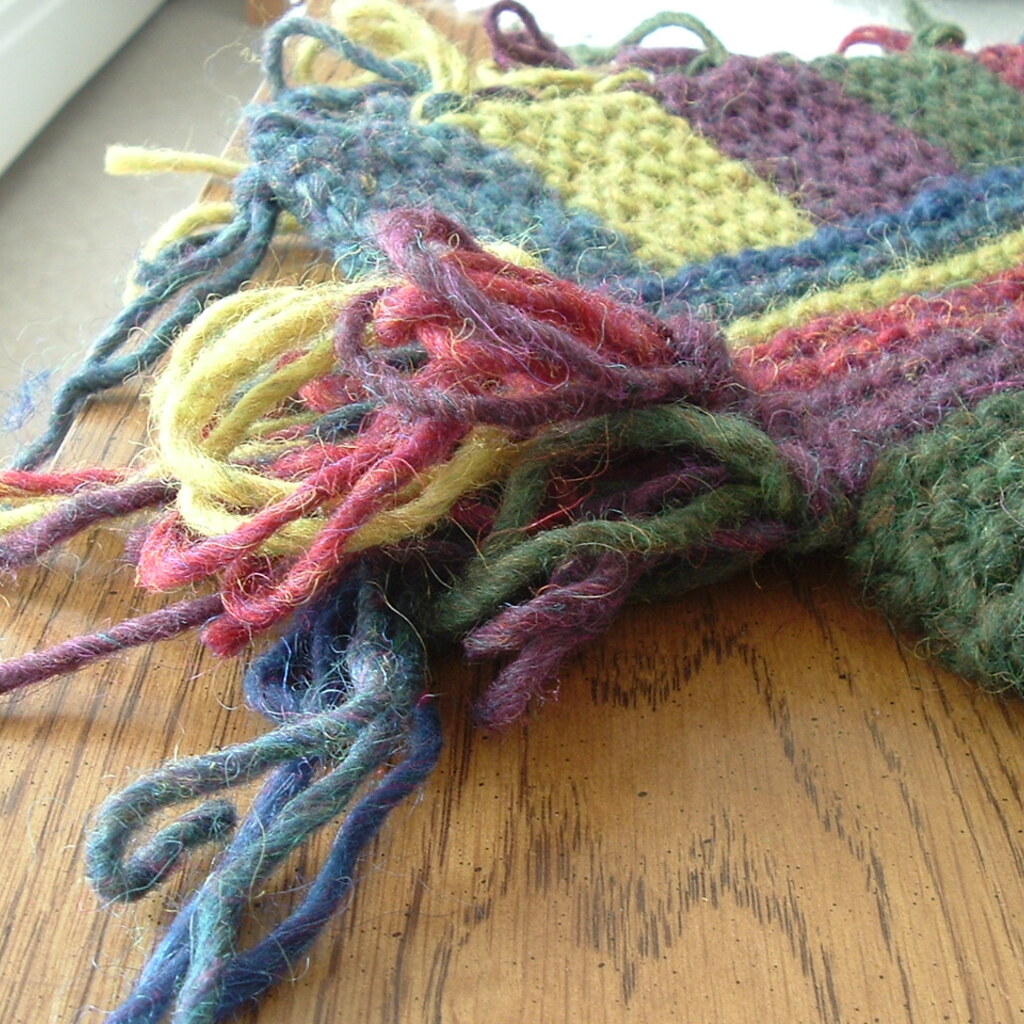
Tie up loose ends
To tie up loose ends means to finish the small remaining tasks in a project so that everything is complete.The phrase likely comes from knitting or similar crafts, where loose threads are tied or trimmed so the work does not unravel. Over time it became a general expression for finishing the last unfinished parts of a task.
Before leaving for vacation, she stayed late at the office to tie up loose ends.

Tighten your belt
To tighten your belt means to spend less money and live more carefully because money is limited.The expression comes from the idea of tightening a belt around the waist when someone has less food to eat and becomes thinner. Over time the phrase came to mean reducing spending and being more careful with resources.
With prices rising, many families have had to tighten their belts.

Time flies
Time flies, or time flies when you're having fun is a way of saying that time passes quickly when you are busy or enjoying yourself. It may also be a way of commenting how quickly the time has passed.Have we really been married for ten years? Time flies!