
Showing 1-17 of 17

A golden opportunity
A golden opportunity means a rare and valuable chance that should not be missed.The phrase uses gold as a symbol of high value, suggesting something especially worthwhile.
The job offer was a golden opportunity to move into a new field.
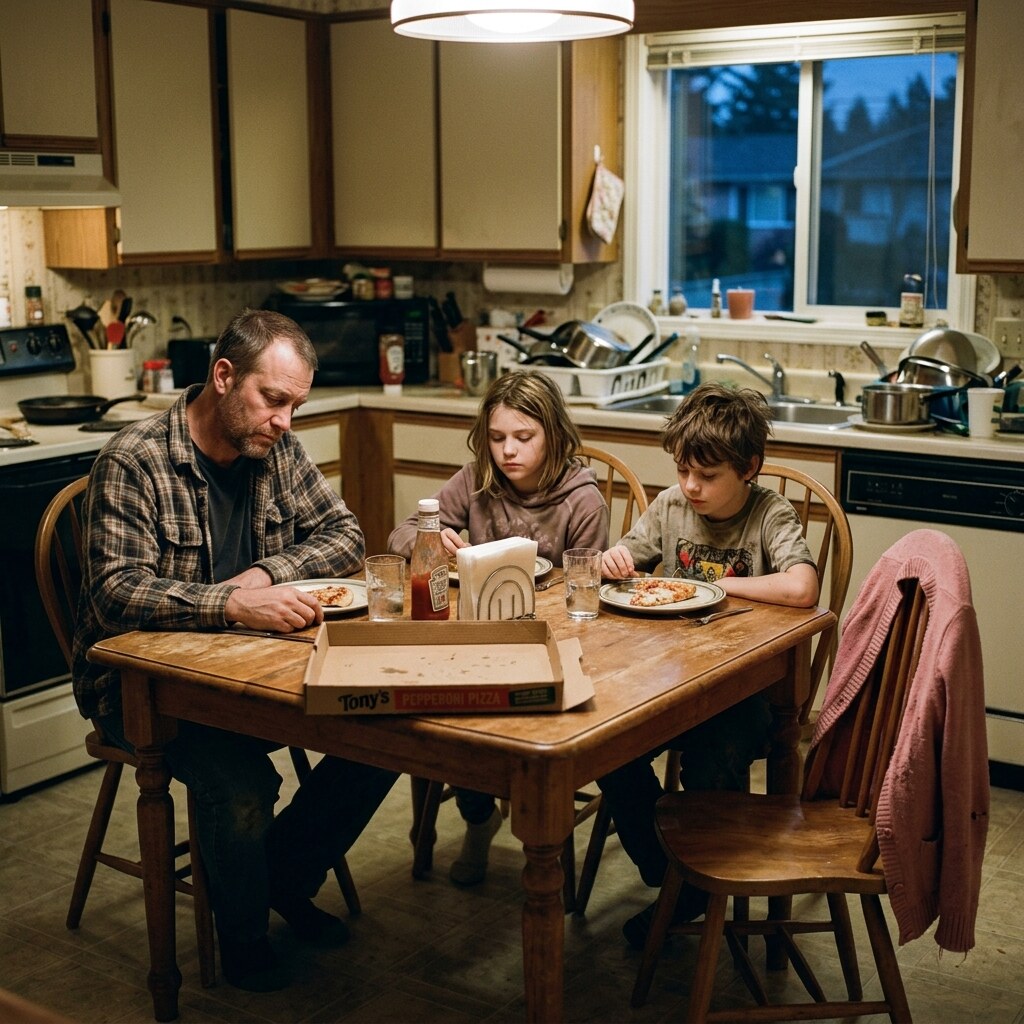
Don't know what you've got 'til it's gone
The saying don't know what you've got 'til it's gone means people often fail to appreciate something while they still have it. The value only becomes clear after it disappears.The idea has appeared in different sayings for many years. It became especially well known through popular song lyrics in the twentieth century.
After the old park closed, many locals realized you don't know what you've got 'til it's gone.
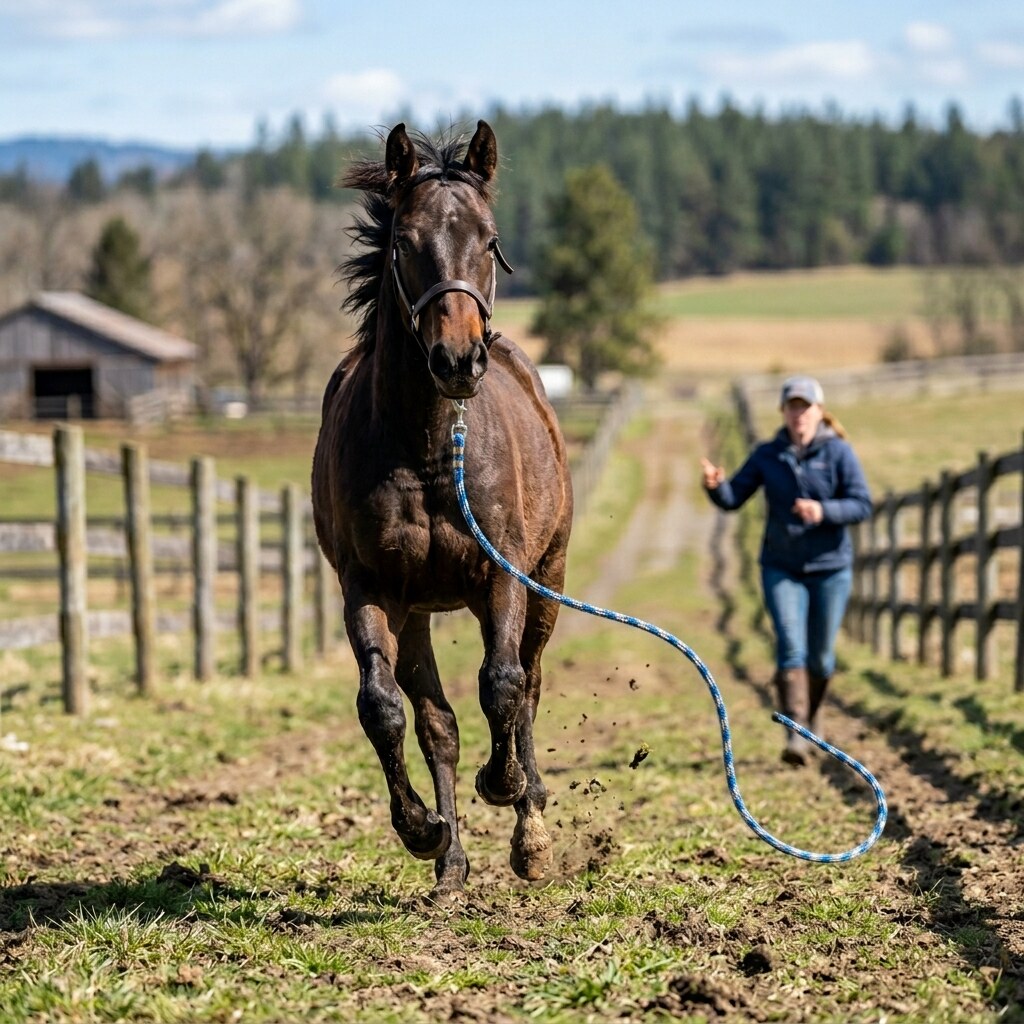
Get out of hand
To get out of hand means a situation grows beyond control and becomes difficult to manage.The phrase comes from the image of something leaving your grasp. Once it is no longer in your hand, control is lost.
The party got out of hand once too many people arrived.

Get the ball rolling
To get the ball rolling means to get something started so that it can continue on its own. It often refers to taking the first step that helps others join in.The phrase comes from the simple idea of pushing a heavy ball so it begins to move. Once the ball is rolling, it is easier for it to keep going.
He opened the meeting with a quick suggestion to get the ball rolling.
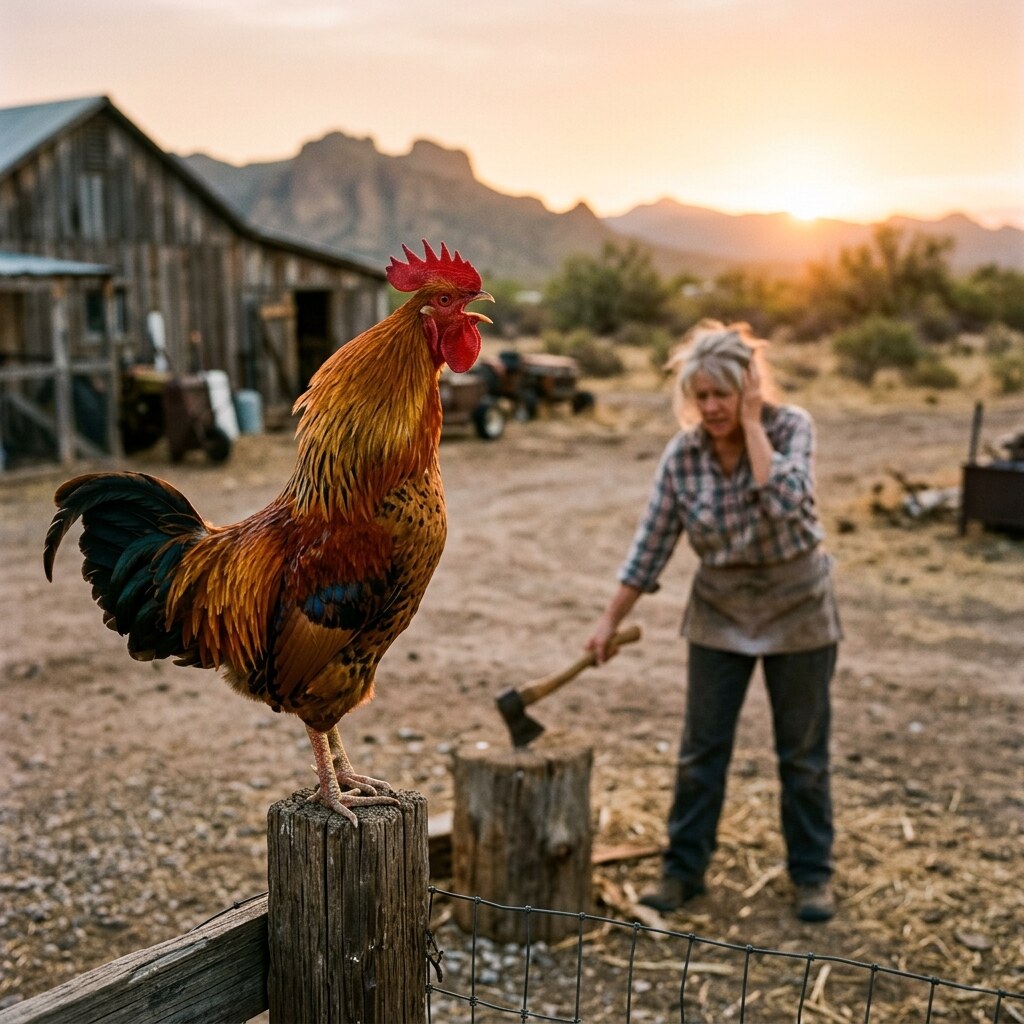
Get the chop
To get the chop means to be abruptly removed from a job, team, or plan. The decision is final, and often unexpected.The phrase comes from the image of something being cut off with a sharp blow. The motion suggests sudden removal.
Three players got the chop after the coach reviewed the season.
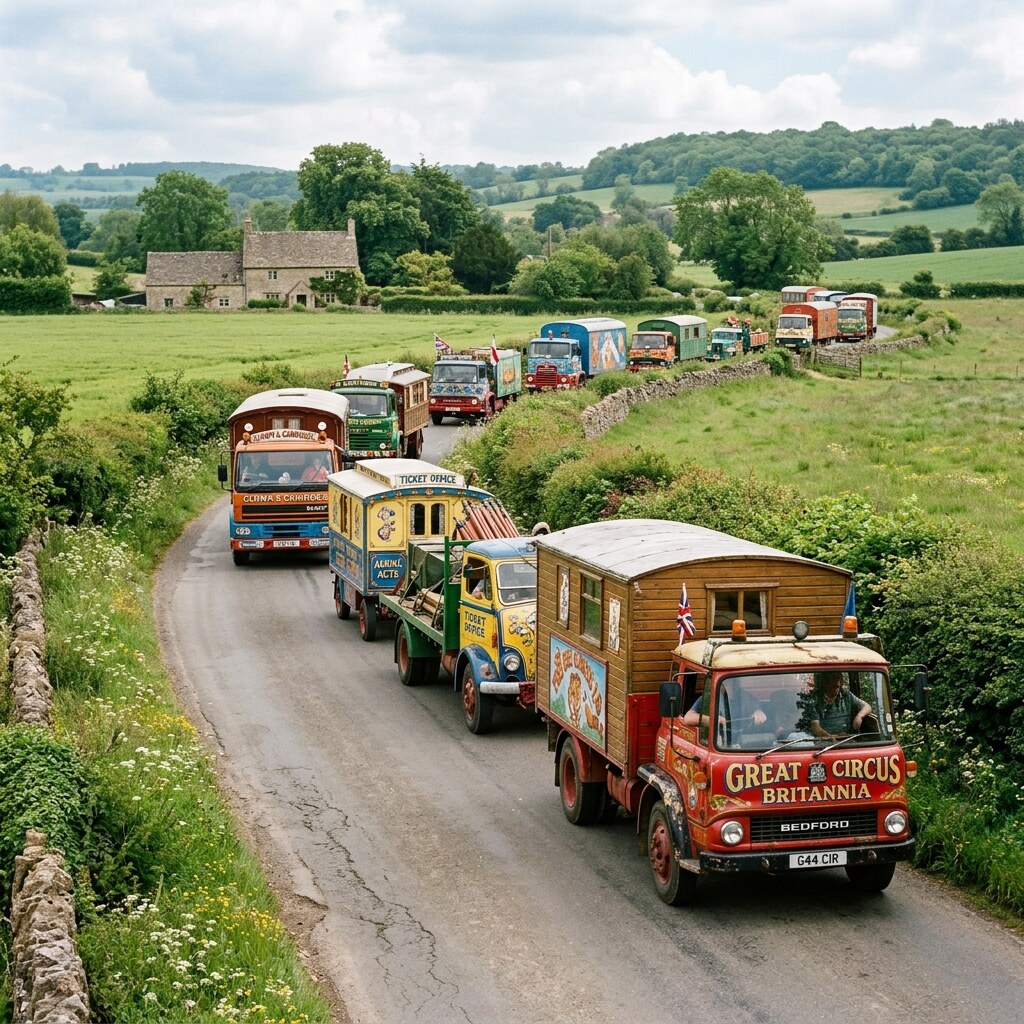
Get the show on the road
To get the show on the road is a way of saying to start doing something.The phrase comes from traveling shows that had to leave one place and head to the next. The start of the journey marked the beginning.
Everyone is ready, so let's get the show on the road.

Getting long in the tooth
To be getting long in the tooth means getting old, especially when talking about a person or an animal. It can also be used to talk about machines or systems that are old and may be past their best years. The expression comes from the way a horse's teeth change as it ages. As the gums slowly recede, more of the teeth become visible, making them look longer and showing that the horse is older.That old farm truck is getting a bit long in the tooth.

Give an inch, take a mile
To give an inch, take a mile means that if you allow someone to take something small, they may try to take much more than you intended. It describes people who take advantage of kindness or flexibility.The saying has been used in English since at least the 1500s. It plays on the idea of someone being given a tiny measurement, an inch, and then trying to claim something far larger.
If you let him borrow your tools once, he will start showing up every weekend because he tends to give an inch, take a mile.

Give you the cold shoulder
To give someone the cold shoulder means deliberately ignoring a person or treating them in an unfriendly way.The phrase appeared in English in the early 1800s. One explanation links it to the idea of offering a cold piece of meat instead of a warm meal to an unwelcome guest. It eventually came to mean quiet rejection.
After the argument, she gave him the cold shoulder all evening.

Go down fighting
To go down fighting means continuing to resist even when you know you will lose. You will not simply surrender.The phrase comes from combat and sport. A fighter who keeps struggling until the end shows determination despite the outcome.
The team knew they were behind, but they were determined to go down fighting.

Go down with the ship
To go down with the ship means to stay loyal to something or someone even when the situation is failing or ending badly.This idiom comes from maritime tradition. In the past, a ship's captain was expected to remain on board during a disaster and share the fate of the vessel rather than escape before the passengers and crew.
Even when the company started collapsing, she said she would go down with the ship.

Go the extra mile
The idiom go the extra mile means to do more than what is expected.The phrase comes from an old rule in which a person could be required to carry a load for a set distance. Going farther than required showed extra willingness.
When he built the cubby house, he really went the extra mile.

Go with the flow
The idiom go with the flow means to accept things as they happen. Instead of fighting change, you stay relaxed. If you are sailing or canoeing on a river, you can just let the flow of the water carry you along without having to do extra work.On holiday, we decided to go with the flow.

Run like clockwork
To run like clockwork means that something happens very regularly.The phrase comes from mechanical clocks, which were designed to keep steady, precise time using gears and springs. Because a well made clock runs in a predictable way, this idiom became a way to describe anything that happens on a predictable timeframe.
Every morning at exactly six o'clock, the rooster started crowing like clockwork.

The gears are turning
The phrase the gears are turning means someone is thinking carefully or trying to solve a problem. People often use it when a person becomes quiet or thoughtful while working something out.The expression comes from machines with gears that move together to make something work. In the idiom, the moving gears are compared to the mind working through ideas.
He stared at the puzzle for a moment, and you could almost see the gears turning.

To get cold feet
The idiom cold feet means sudden fear or doubt before doing something important. It is a way of describing last minute hesitation.This idiom has been in use since the 1600s and its exact origin is unclear.
He got cold feet before the wedding.

To give the green light
To give the green light means you are giving permission for something to happen. It usually means a person in authority is approving something.This idiom draws from traffic lights.
Our manager gave the green light for our new marketing campaign.