
Showing 1-16 of 16
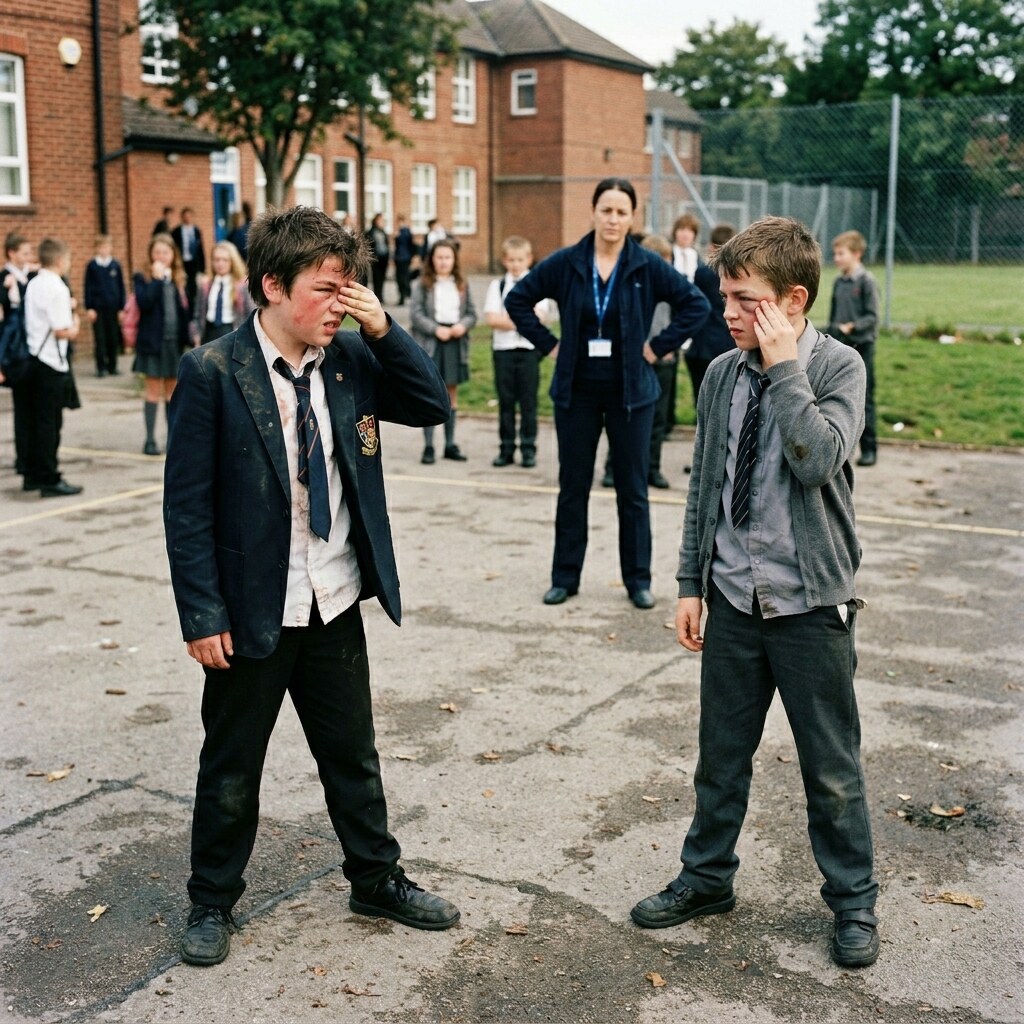
An eye for an eye and a tooth for a tooth
An eye for an eye, a tooth for a tooth means that punishment should be a match to the harm done.The phrase comes from ancient law codes. It set limits on revenge by allowing equal retaliation rather than escalating harm.
He believed in an eye for an eye, a tooth for a tooth after the argument turned physical.

Eager beaver
An eager beaver is a person who is very enthusiastic and ready to work hard, sometimes more than others expect. It is often used for someone who quickly volunteers to help or take on extra tasks.The phrase comes from the beaver, an animal known for working hard to build dams and lodges. Because beavers are seen as busy and industrious, the expression became a way to describe a very eager worker.
She was an eager beaver and finished the project early.
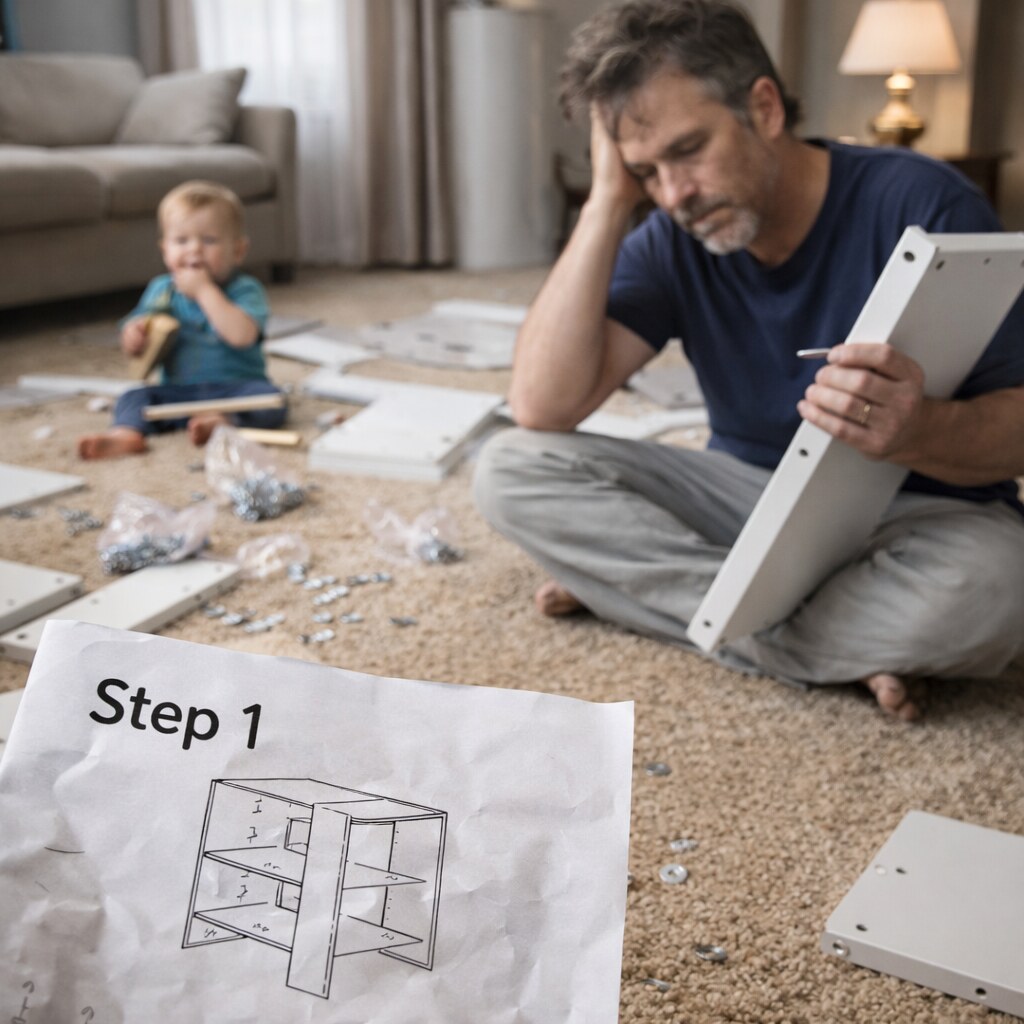
Easier said than done
Easier said than done means that something may sound simple when people talk about it, but it is actually difficult to do in real life.The saying has been used in English for centuries to point out the difference between giving advice and carrying out the action itself.
Saving money every month sounds good, but it is easier said than done.
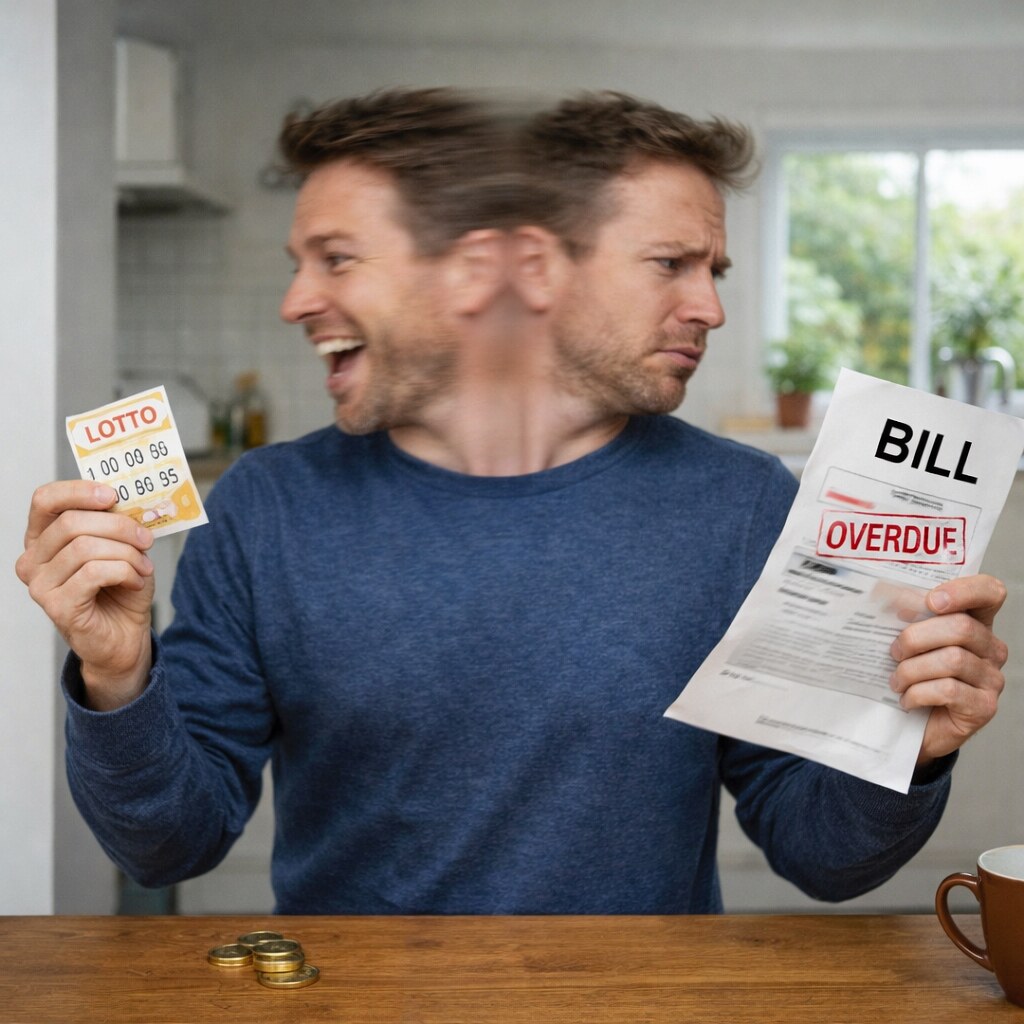
Easy come, easy go
Easy come easy go means that things gained without much effort are often lost just as easily. It is often used when talking about money or possessions that do not stay long.The saying has been used in English since the 1500s. The idea is that things which arrive easily are often not valued or protected carefully.
He spent the lottery winnings quickly, saying easy come easy go.
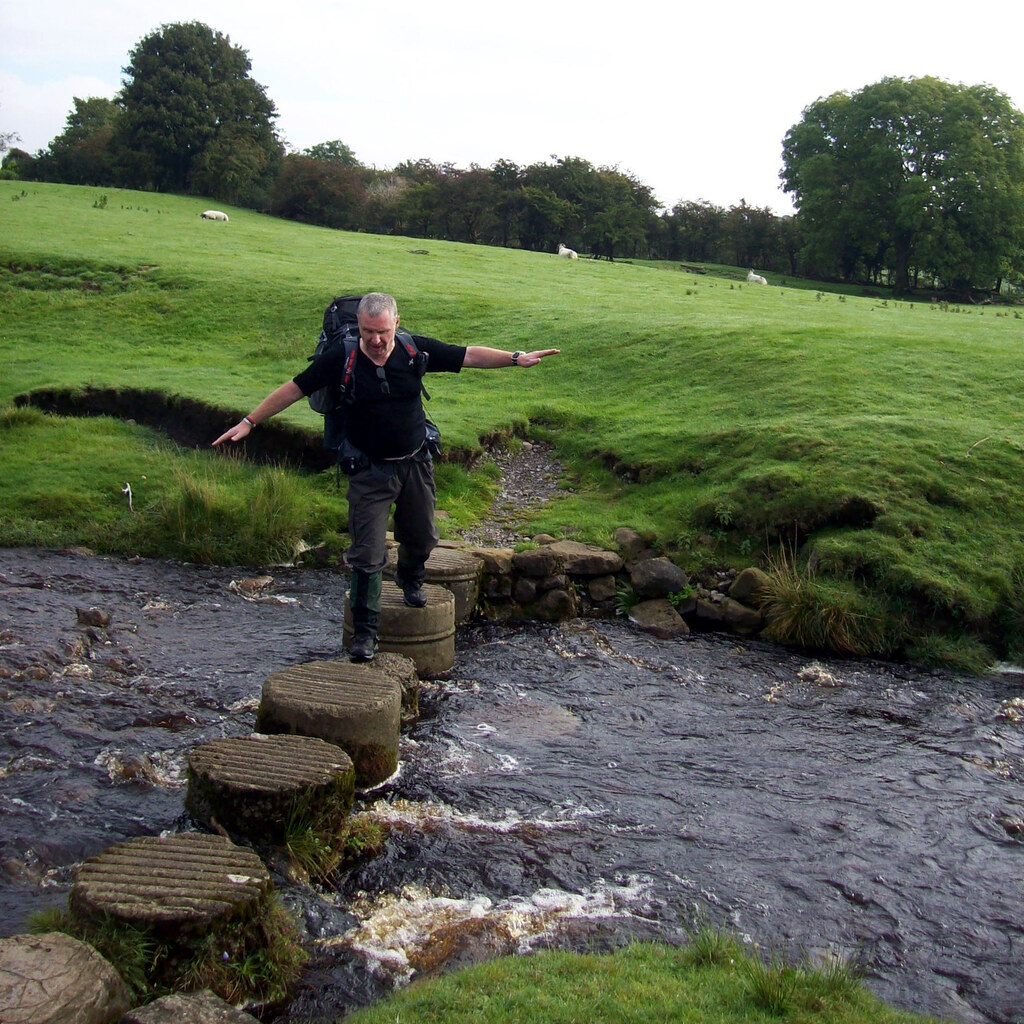
Easy does it
The phrase easy does it is said to remind someone to move carefully and avoid rushing, so they don't make a mistake.The phrase has been used in English for many years. It reflects the idea that careful movement prevents mistakes or damage.
Easy does it - don't fall in!
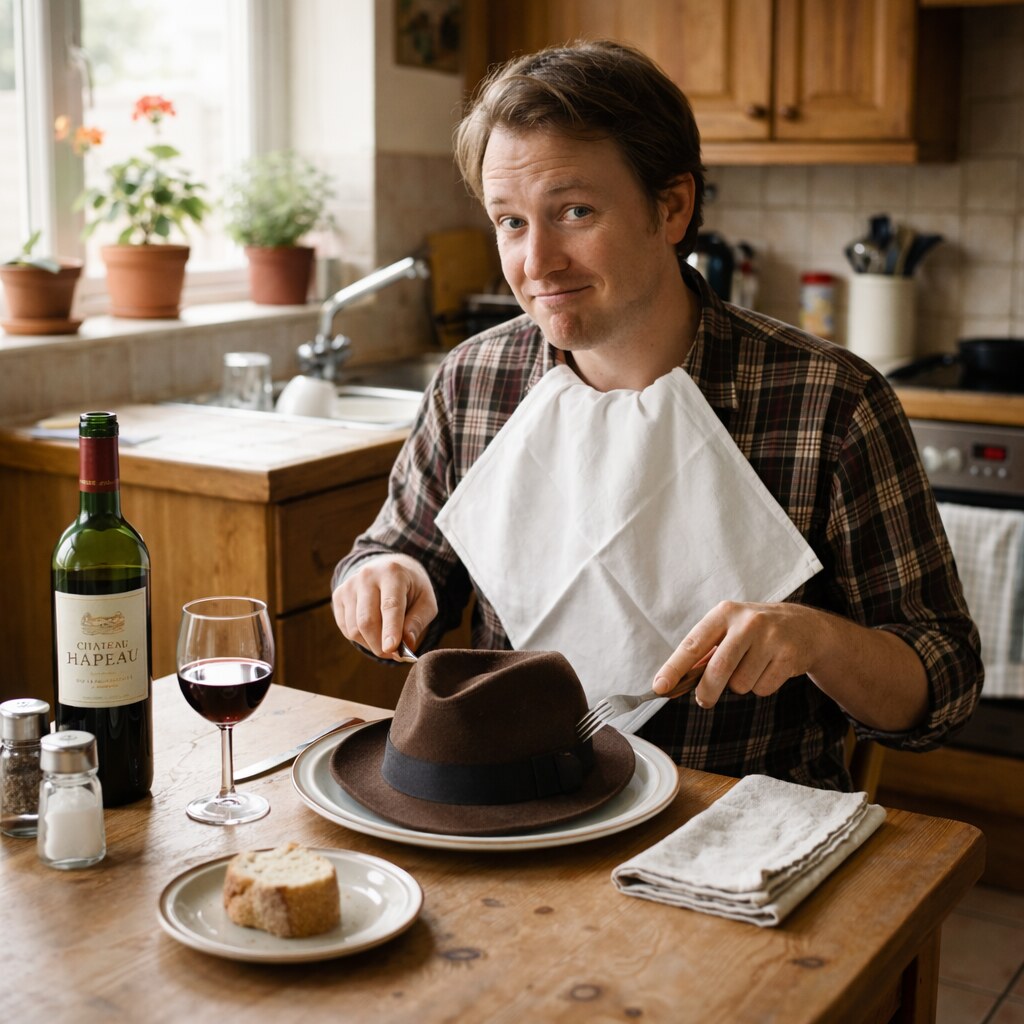
Eat your hat
"I'll eat my hat" is something people say when they are very sure that something will not happen. They mean that if it does happen, they would be so surprised that they would do something silly or impossible, like eating their hat.People use this expression to show strong confidence in their opinion or prediction. It is usually said in a joking or dramatic way, not as a serious promise.
If that old car starts on the first try tomorrow morning, I'll eat my hat.

Eat your words
The idiom eat your words means to admit that what you said before has been proved wrong.The phrase appeared in English in the 1800s. The image suggests swallowing your own statement after it turns out to be mistaken.
He said it would never work, but he had to eat his words.

End of the road
The phrase end of the road means a situation has reached its final point and cannot continue any further. It is a literal idiom, drawn from the image of a road that ends, and you cannot travel further along it.We knew it was the end of the road for the old car.
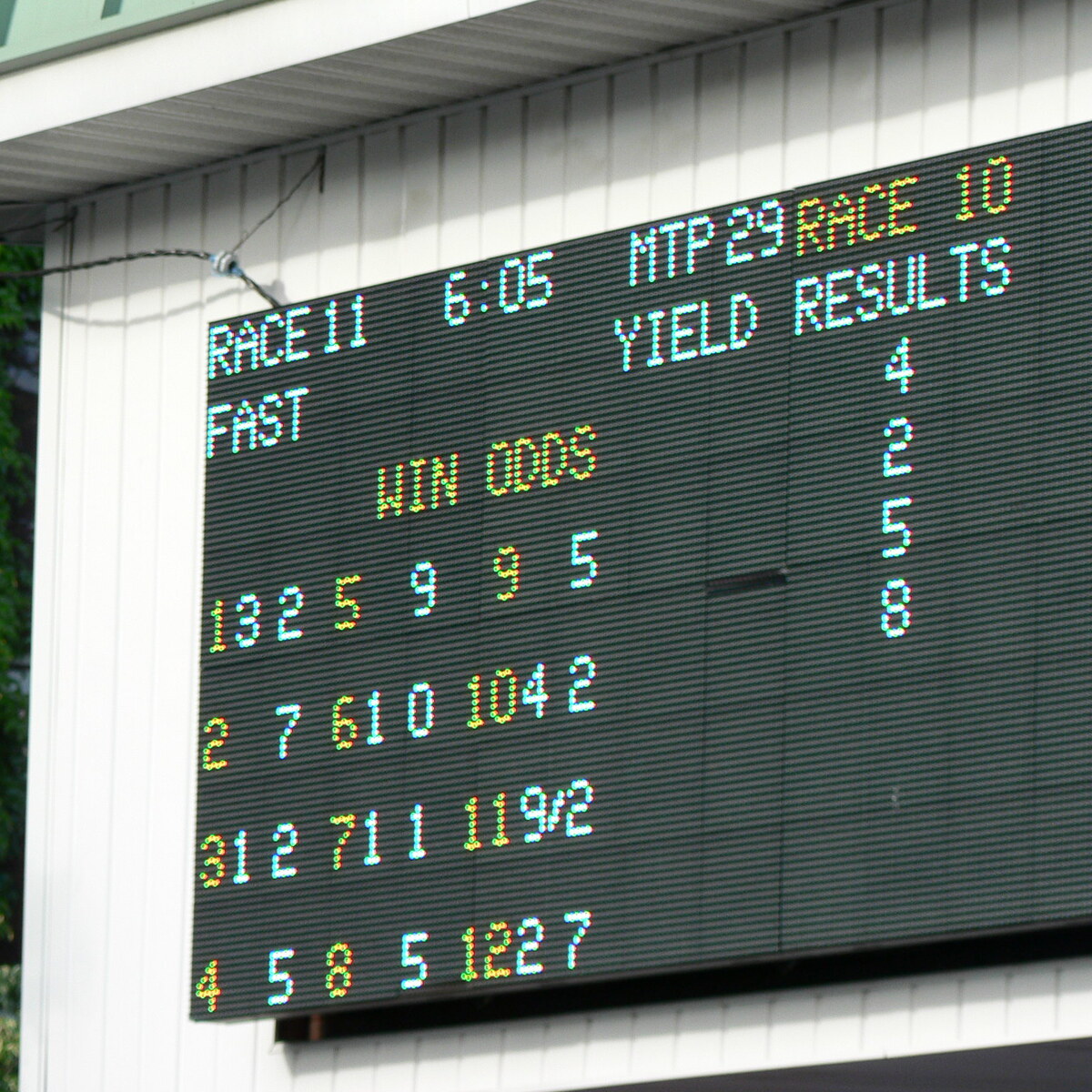
Even the Odds
The idiom even the odds means to make a situation fair again. It is used when one side has an advantage and balance is needed. This idiom comes from gambling and betting language and has made its way into everyday language.The new rule helped even the odds.

Every cloud has a silver lining
Every cloud has a silver lining means that even when something bad happens, there can be a good thing hidden in the situation.The saying comes from the way sunlight can shine around the edge of a dark cloud, making a bright silver outline. Even though the cloud looks gloomy, the light behind it shows that something brighter is still there.
Losing my job was stressful, but every cloud has a silver lining - it pushed me to start the small business I had been dreaming about.
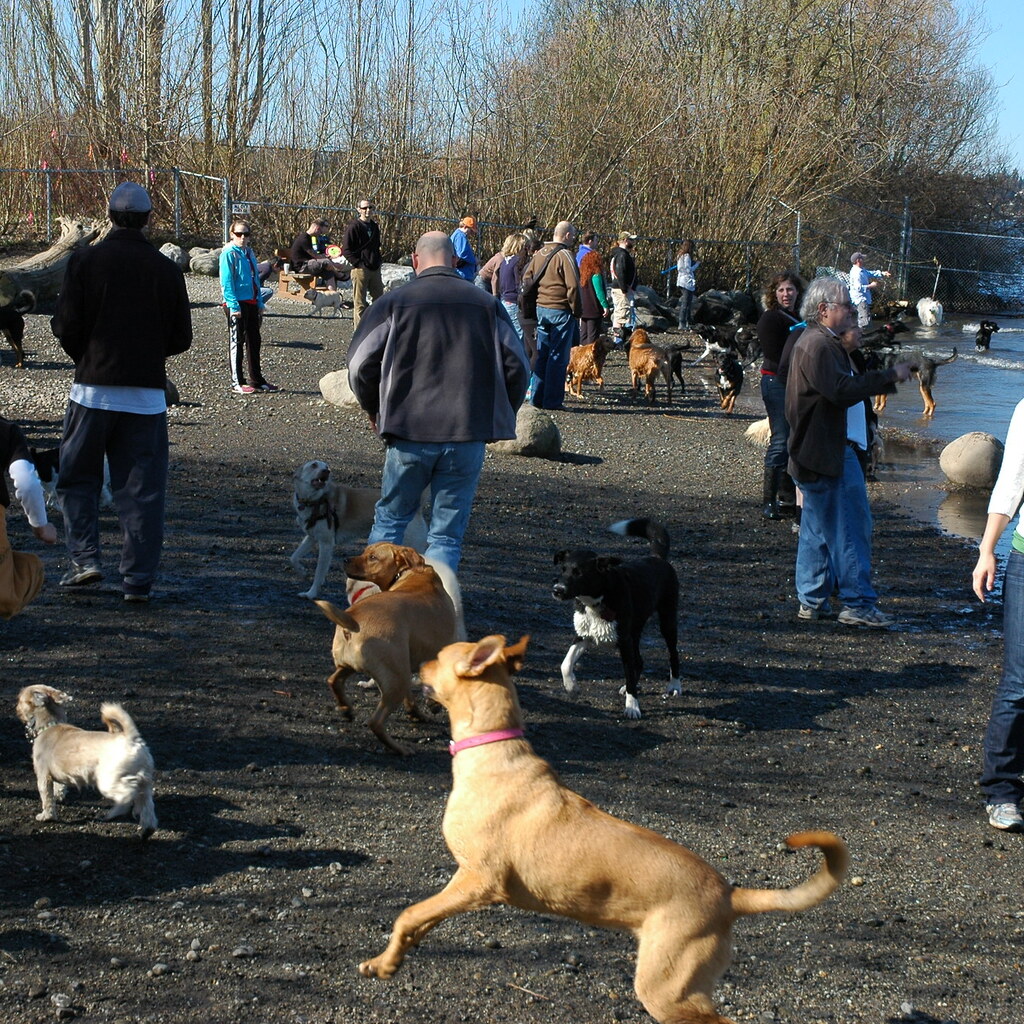
Every man and his dog
Every man and his dog means almost everyone or a very large number of people. The phrase is often used when something becomes extremely common or widely done.The saying appeared in British English in the 1800s. It exaggerates the image of so many people showing up that they even bring their dogs along.
Don't feel so special, every man and his dog has a phone that can do that.
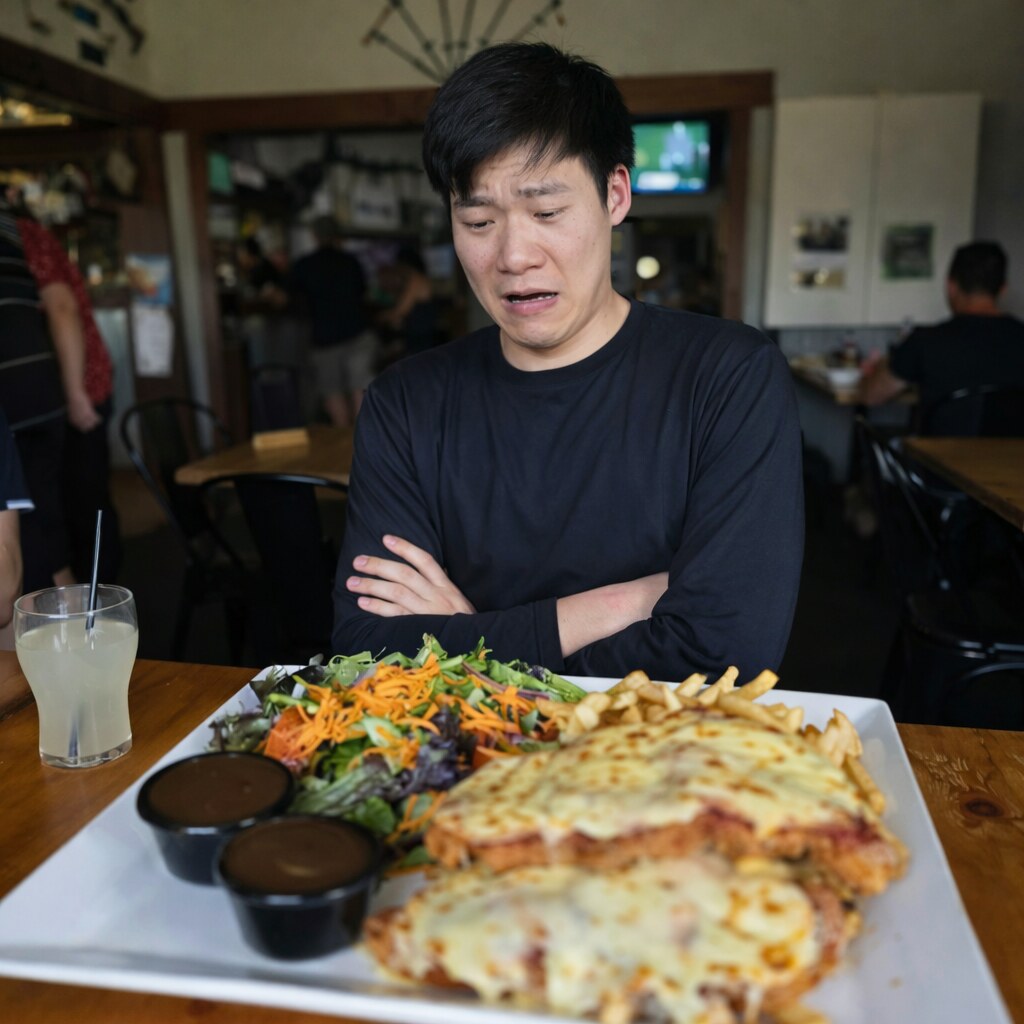
Eyes bigger than your stomach
If your eyes are bigger than your stomach, it means you want more of something than you can actually handle. It usually refers to food, but could mean a project. A similar idiom is "bit off more than he can chew".Why did you borrow so many books at once? Your eyes are bigger than your stomach!

Not the end of the world
The idiom not the end of the world means a problem is not as bad as it seems. Life will continue and things can improve. It is often used to comfort someone - any problem anyone has is surely less than the entire world ending!You missed the bus, but it's not the end of the world.

On the edge of your seat
To be on the edge of your seat means feeling very excited or nervous while watching or waiting for something.The phrase comes from the image of someone leaning forward in their seat during a tense moment.
The final season had everyone on the edge of their seat.
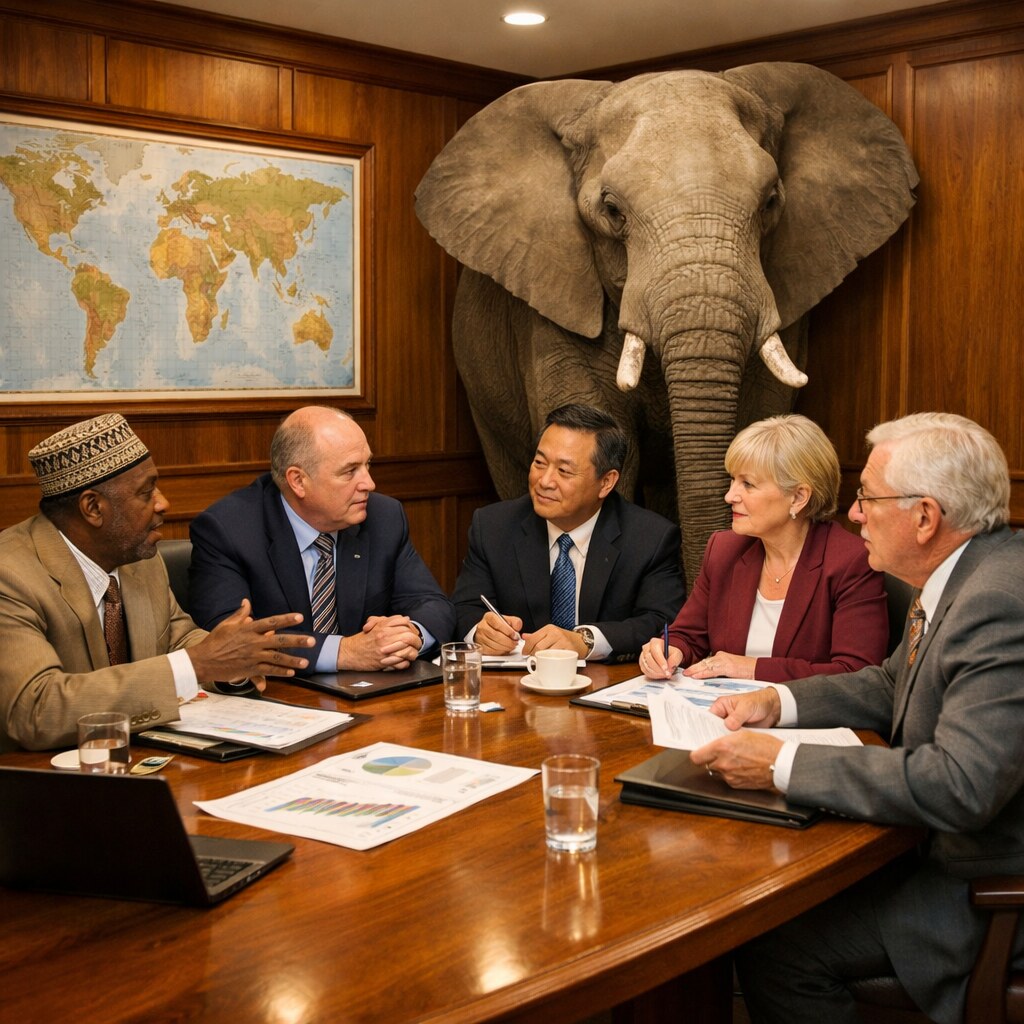
The elephant in the room
The elephant in the room means a big problem or important issue that everyone knows about but no one wants to talk about. People may avoid mentioning it because it is uncomfortable, embarrassing, or difficult.The idiom is from the nonsense image of a huge elephant standing in a room while everyone pretends it is not there. Because an elephant is impossible to miss, the idea shows how strange it is to ignore something so obvious.
We kept discussing the budget, but the elephant in the room was that the company might close next year.

To exchange blows
To exchange blows means that two people are hitting each other during a fight. It can describe a physical fight or a heated argument where both sides attack each other with strong words.The phrase comes from boxing and other forms of fighting, where a blow is a punch or strike. When opponents exchange blows, each person hits the other in turn.
The two boxers stepped into the ring and began to exchange blows as the crowd cheered.