
Showing 1-20 of 56
A dime a dozen
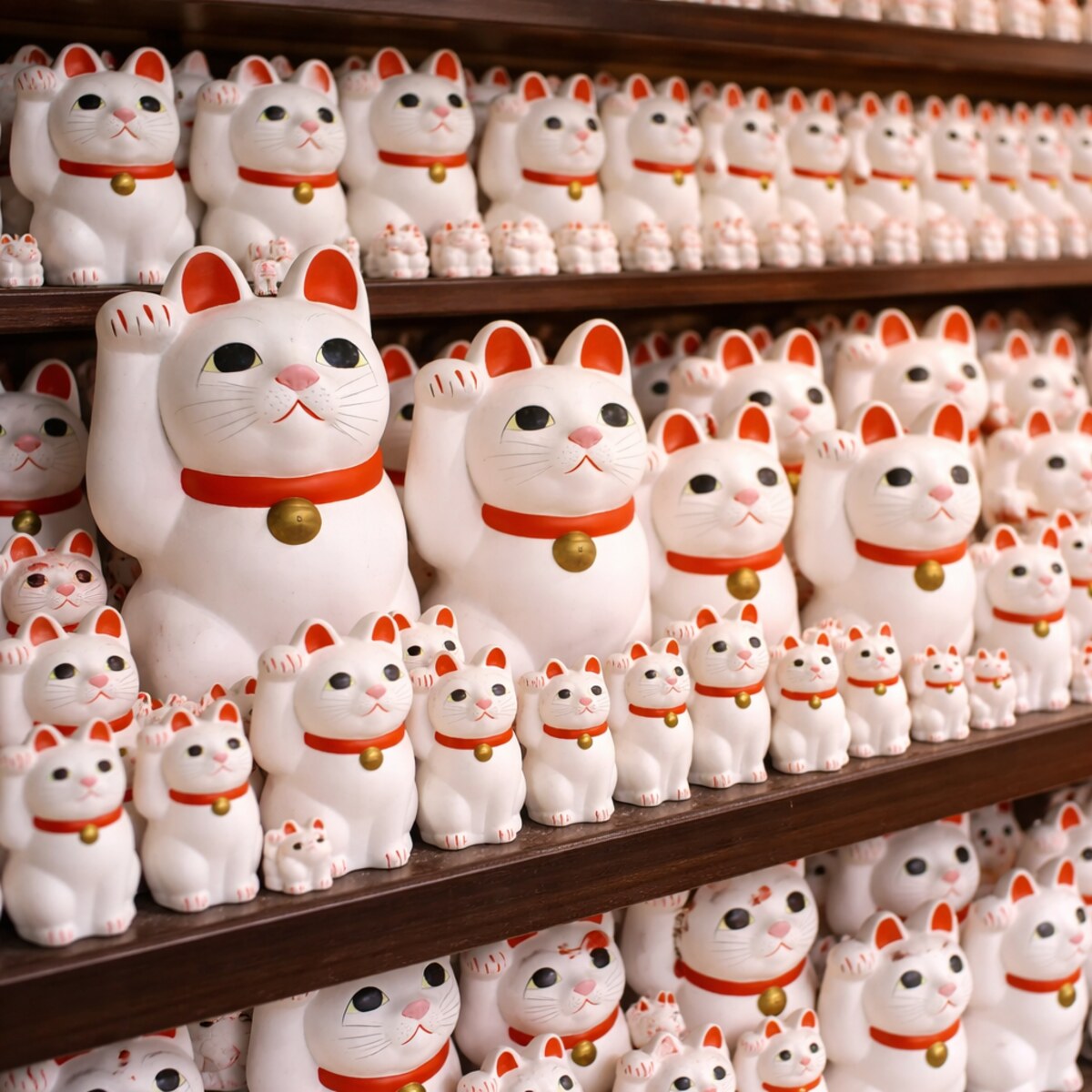
When something is described as a dime a dozen, it means that it is very common and easy to find.The idiom suggests that the item has little special value because there are so many of them. It is often used to explain why something is not considered rare or important.
Cheap souvenirs are a dime a dozen.

A drop in the ocean
The expression a drop in the ocean, or a drop in the bucket means a very small amount compared to what is really needed. It helps explain that even though an effort was made, it was not enough to make a noticeable difference. People often use this phrase when talking about money, time, or help that is too small to solve a big problem.The donation was a drop in the ocean compared to the cost of repairs.

At the drop of a hat
The idiom at the drop of a hat means someone is ready to start immediately, without hesitation. This came from the old American tradition of dropping a hat to signal the start of a race or fight.He would leave town at the drop of a hat.
Damned if you do, damned if you don't
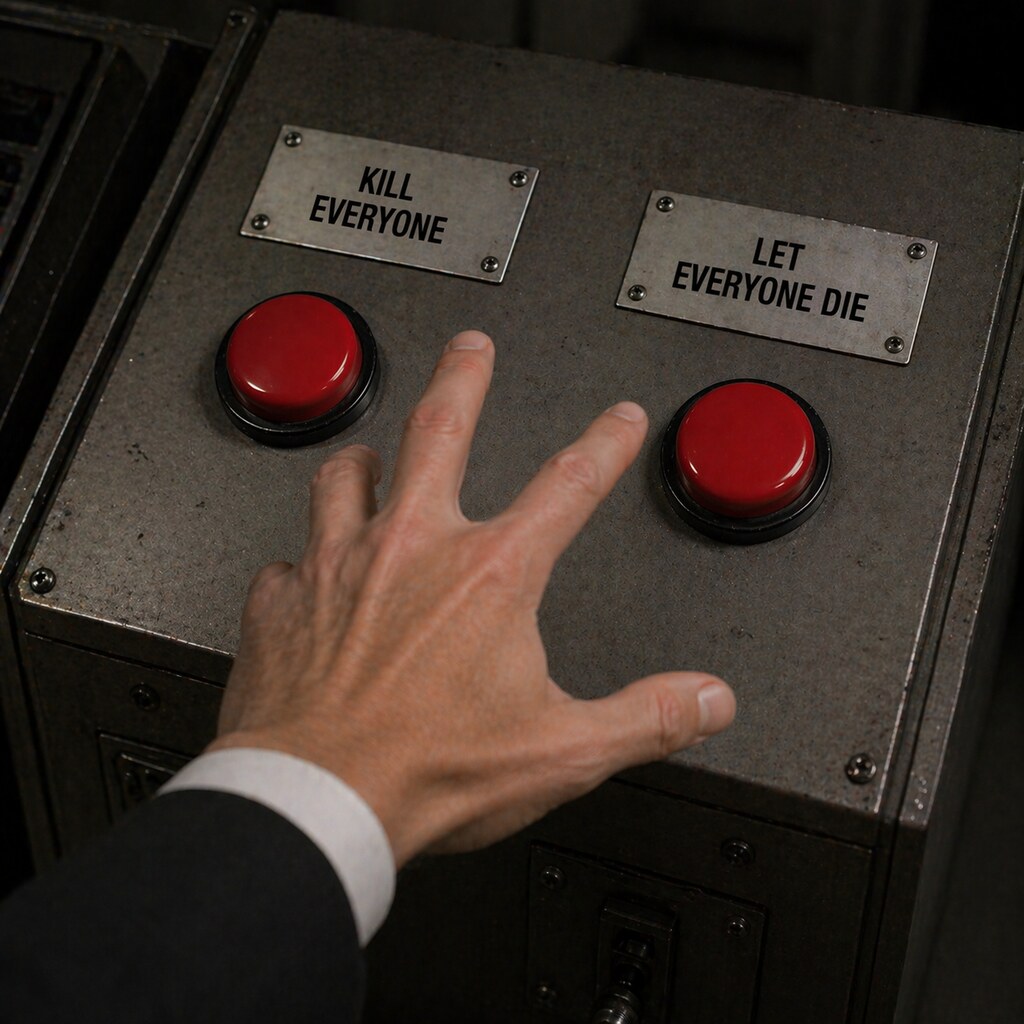
Damned if you do, damned if you don't means that every available choice leads to trouble.The phrase has been used in English for many years. It expresses the idea of being trapped between equally bad outcomes.
He felt he was damned if you do, damned if you don't when deciding whether to report the issue.
Dark horse
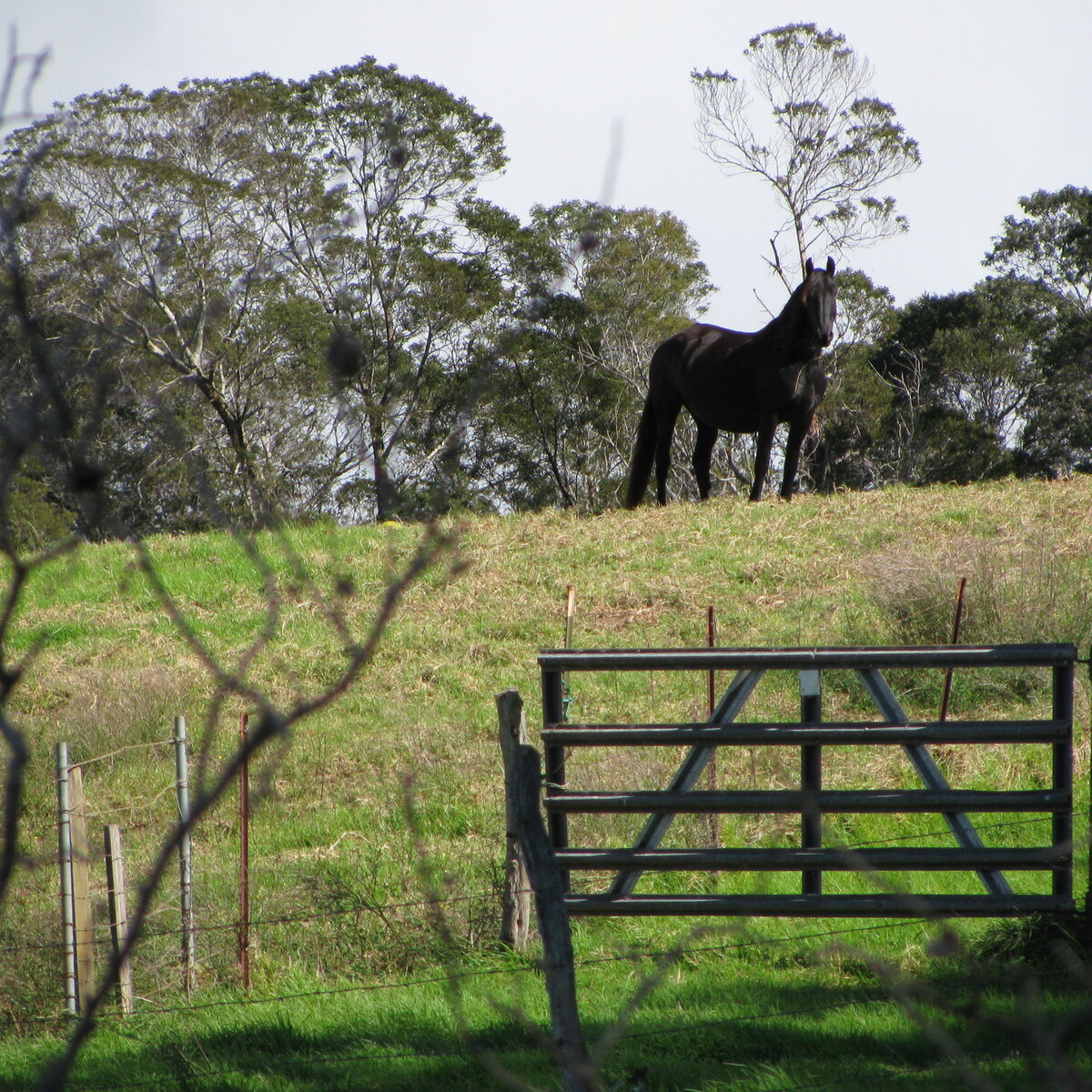
The idiom dark horse means a ordinary seeming person or thing that is not expected to succeed, but surprises everyone by doing very well.The saying comes from horse racing, where an unknown horse could unexpectedly win.
She was a dark horse and ended up winning the contest.
Dead as a doornail
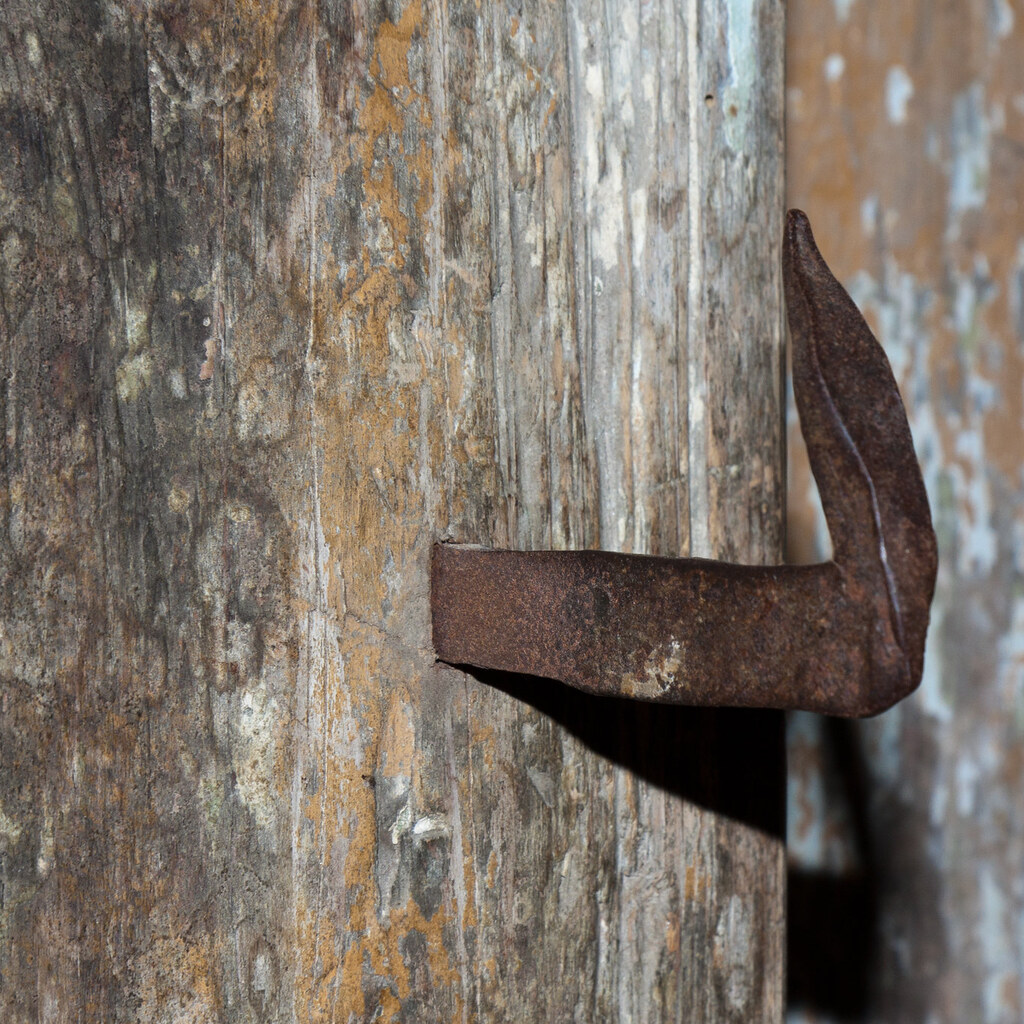
Something is dead as a doornail if it is completely dead or no longer working.The phrase has been used in English for many centuries. A doornail was a metal nail fixed firmly into a door, making it lifeless and immovable.
After the battery failed, the old phone was as dead as a doornail.


Dead in the water
The idiom dead in the water means unable to move forward or make progress. Plans may be stuck and nothing is happening.The image comes from a boat that cannot move on the water. A similar idiom is to take the wind out of your sails.
Without the right parts, the repair was dead in the water.

Death by a thousand cuts
Death by a thousand cuts means failure caused by many small problems rather than one big one. The damage builds over time.The phrase comes from an old method of execution in China in which repeated small cuts were made. This became a metaphor for gradual harm.
Trying to budget these days is like death by a thousand cuts with subscriptions.

Deer in headlights
Acting like a deer in headlights describes someone who looks frozen, shocked, or confused when something sudden happens. The person may stare and not react right away.This expression comes from how a deer sometimes stops and stares when bright car headlights shine on it at night. The animal can become still and unsure of what to do.
When the teacher asked him a question he did not expect, he just stood there like a deer in headlights.
Delusions of grandeur
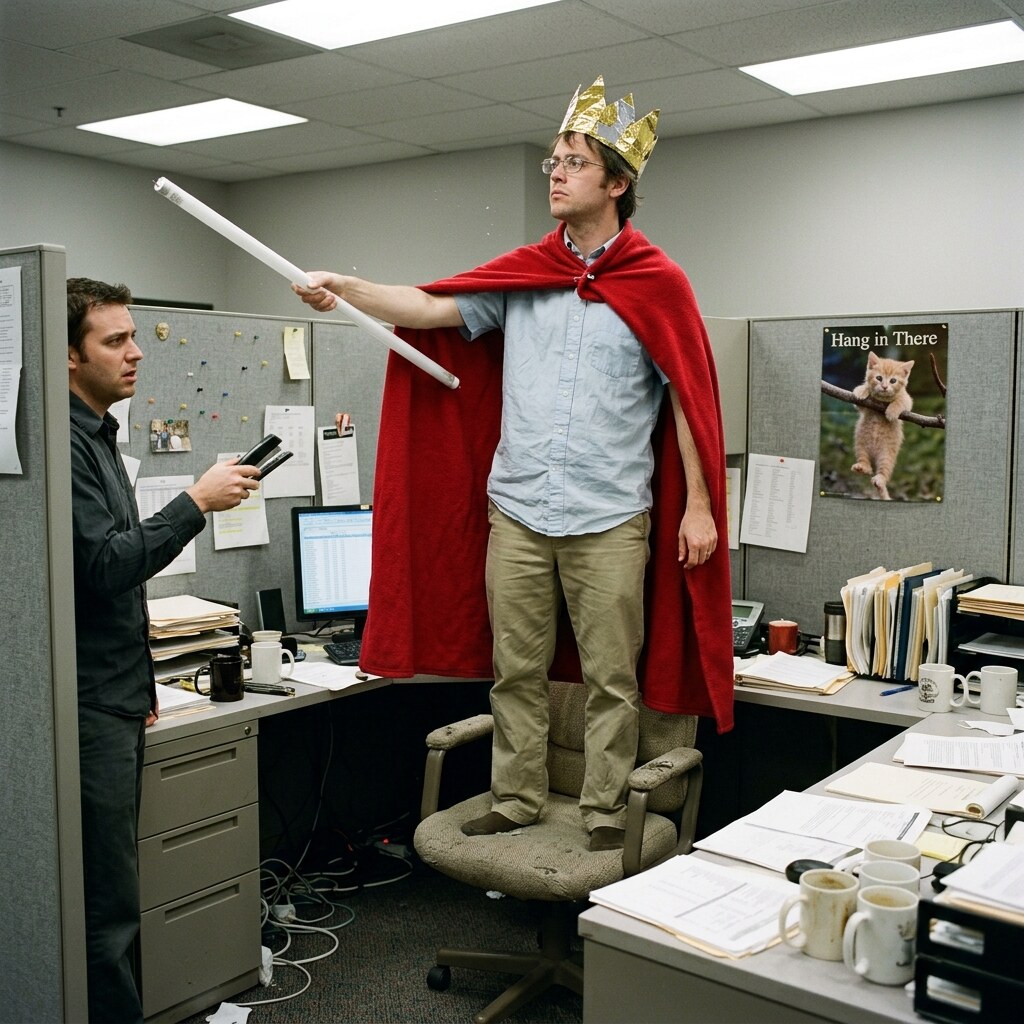
Delusions of grandeur means having unrealistic beliefs about one's own importance, power, or abilities. It describes someone who thinks they are far more impressive or powerful than they really are.The term comes from psychology, where it has long been used to describe a type of false belief in which a person imagines themselves to be extremely important, rich, or powerful.
He started talking about running the whole company, but it sounded like delusions of grandeur.
Devil is in the details
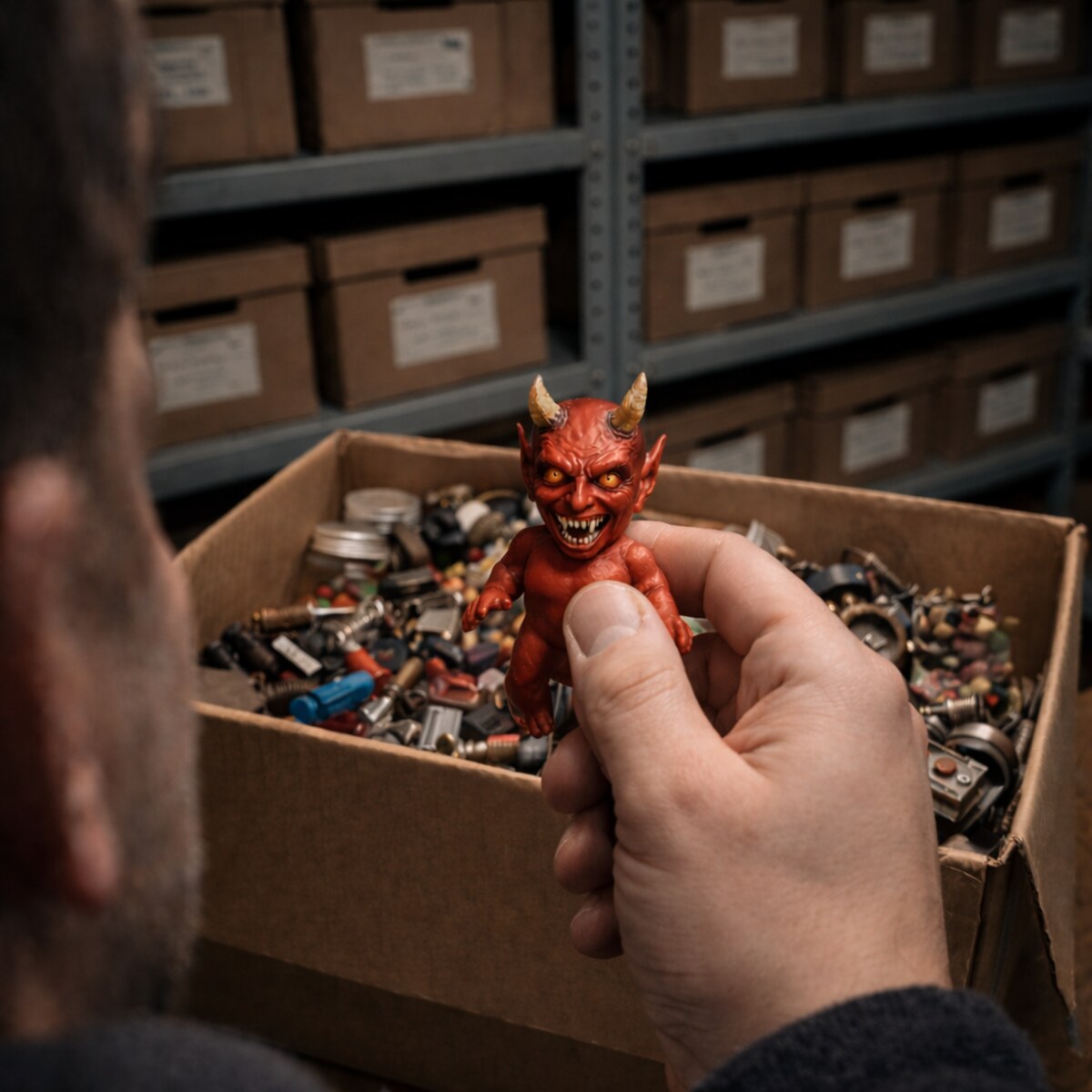
The phrase the devil is in the details means small details can cause big problems if they are ignored. Something may look simple at first, but the tricky parts are often hidden so you should pay attention to the details.This idiom was originally "God is in the details" meaning thoroughness is Godly, but evolved to emphasise the opposite, that not caring about the details invoked the devil.
The idea sounded easy, but the devil was in the details.

Different ball game
The idiom it's a different ball game or it's a whole new ball game means that something is quite different from what was previously expected. It compares to sports, where two ball games may have entirely different rules.Your last job was in a small business, here at this international company it is a whole new ball game.
Dig in your heels
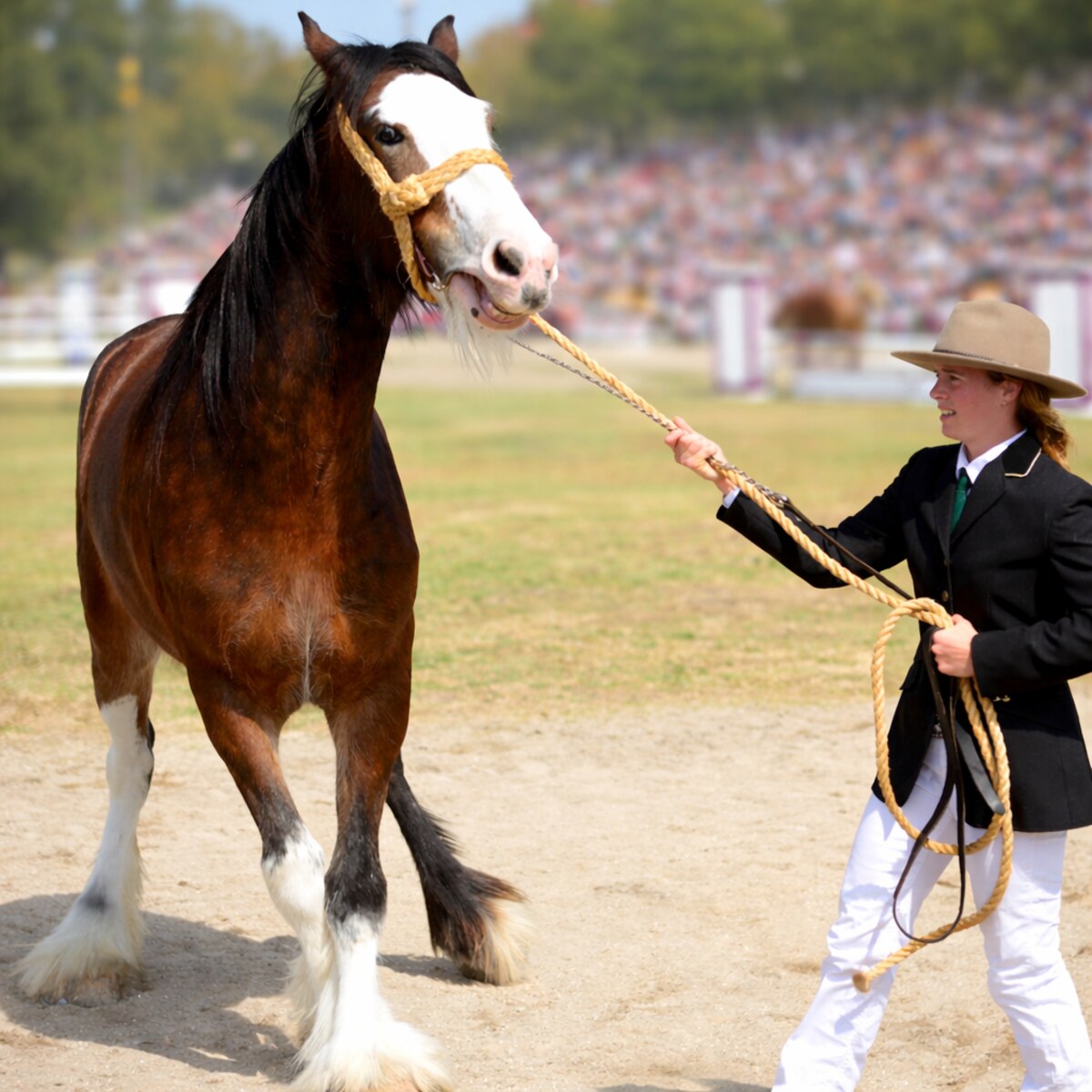
The idiom dig in your heels means to refuse to change your mind or to stubbornly resist. It means to stand your ground even when others push you. The origin is the literal image of planting your heels in the ground so you cannot be moved.When asked to apologize, he dug in his heels and said no.

Dig your own grave
The phrase dig your own grave means to cause your own failure by your own actions. It is used when someone makes choices that lead to trouble later. The origin of this idiom is macabre and a literal image of digging your own grave.By lying again, he dug his own grave.

Dip your toes in
The phrase dip your toes in means to try something in a small, careful way before doing it fully. It often describes starting gently because you are unsure.The idiom comes from the literal action of dipping your toes into a body of water to check the temperature before you get into it to go swimming.
She dipped her toes in coding by making a small game.
Divide and conquer
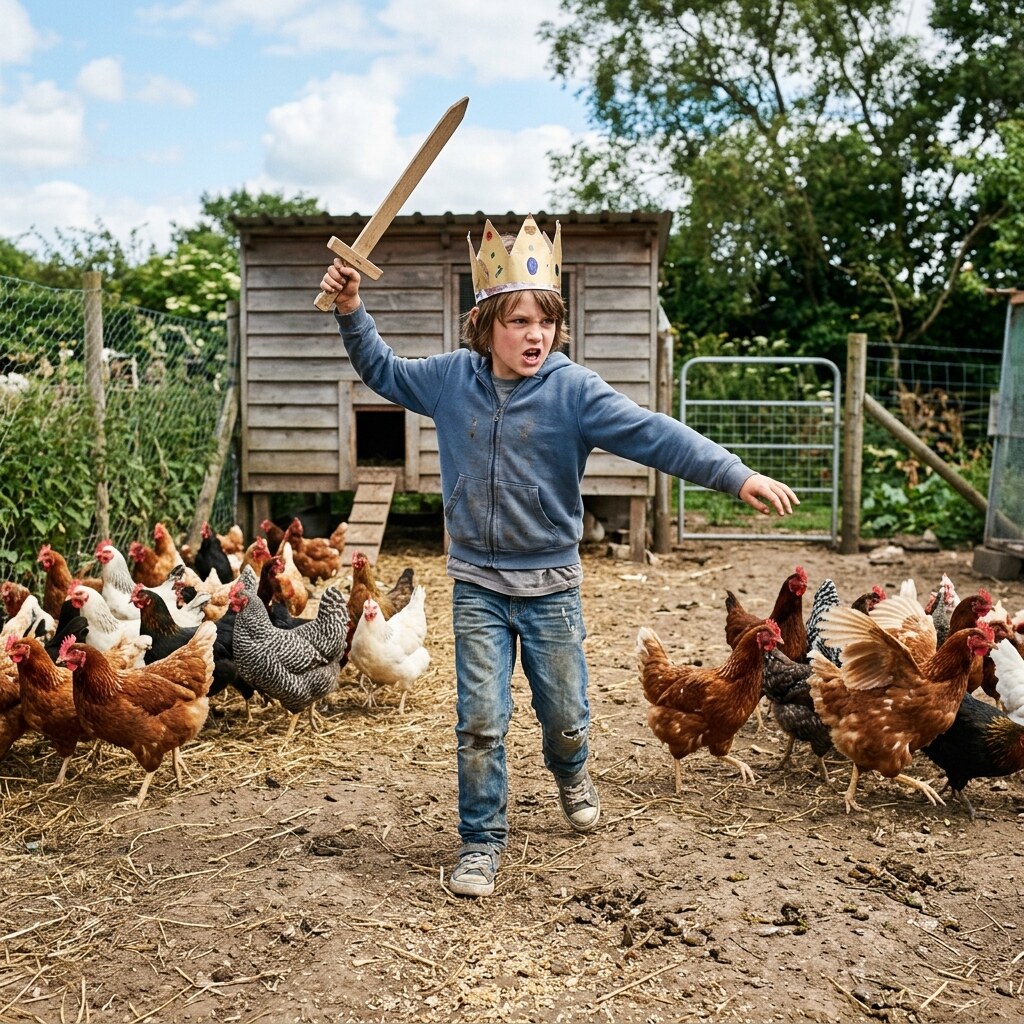
To divide and conquer means to break a large problem or task into smaller parts so each one can be handled more easily. It can also describe a strategy of separating opponents so they cannot work together effectively.The phrase comes from ancient military strategy, where leaders tried to weaken enemies by splitting them into smaller groups. The idea has also been used in politics, management, and problem solving.
We divided and conquered by splitting the chores up between us.

Dodged a bullet
The idiom to dodge a bullet means to narrowly avoid something that could have very bad results. It is often used to describe avoiding bad outcome such as a bad relationship, a bad job or a financial loss.Good thing you didn't buy that stock, it crashed overnight - you dodged a bullet!

Dog and pony show
The idiom dog and pony show means a showy event meant to impress people, sometimes without much real substance.The phrase comes from traveling entertainment shows in the late 1800s that featured trained dogs and ponies doing tricks for crowds.
The meeting felt like a dog and pony show with lots of flashy slides.

Dog eat dog
The phrase dog eat dog describes a situation where people compete fiercely. Everyone looks out for themselves and doesn't care about the people they are competing against. It suggests a tough environment where winning matters the most.The phrase comes from an old Latin saying dog does not eat dog, which meant that people in the same group would not harm each other, but the modern expression has evolved to mean the opposite.
It can be dog eat dog in some industries.