
Showing 1-20 of 31

A penny for your thoughts
The idiom a penny for your thoughts is a way to ask people what they are thinking about. You'd ask this if someone has been sitting looking quiet, or like they are daydreaming.This dates back to the 1500s, when a penny was worth a lot more than it is now.
You've been staring out the window for half an hour now. A penny for your thoughts?

A piece of cake
The idiom a piece of cake means that something is very easy to do. It suggests that the task requires little effort or skill. People often use this phrase after completing a job that turned out to be simpler than expected.The quiz was a piece of cake for her.

A problem shared is a problem halved
A problem shared is a problem halved means that talking about a problem with someone else can make it feel easier to deal with.The saying has been used in English for many years as a piece of everyday advice. It reflects the idea that support, understanding, or practical help from others can reduce the burden of a difficult situation.
She finally told her friend what was worrying her, remembering that a problem shared is a problem halved.

Paint the town red
To paint the town red means to go out and celebrate in a lively or wild way, often by visiting bars, parties, or clubs.One explanation traces the phrase to a famous night in 1837 when the Marquis of Waterford and his friends reportedly caused chaos in the English town of Melton Mowbray and even painted buildings red.
After finishing their exams, the students decided to paint the town red.

Paint yourself into a corner
The idiom paint yourself into a corner means to put yourself in a difficult situation with no easy way out. It often happens because of poor planning or limited choices.The origin of this phrase simply comes from the idea of painting a floor and trapping yourself in a corner.
By promising too much, he painted himself into a corner.

Pass with flying colors
To pass with flying colors means to perform very well in a test, challenge, or task.The phrase comes from naval traditions, where a ship returning from a successful mission would sail with its flags - or colors - flying.
She studied hard for the exam and passed with flying colors.

Pay the piper
To pay the piper means to face the consequences of something you have done. This idiom is used when a person must finally deal with the results of their actions, especially after avoiding them for a while.The expression may come from the old story of the Pied Piper of Hamelin, a story where a town refused to pay a musician for his work taking the rats away. Because they did not pay him, the piper took revenge by leading the town's children away.
After ignoring his debts for months, he finally had to pay the piper.

People in glass houses shouldn't throw stones
The idiom people in glass houses shouldn't throw stones means that someone should not criticize others for faults that they also have.The saying comes from the image of living in a fragile house made of glass. If someone inside throws stones at others, their own house could easily be broken.
He complains about other people being late, but he is often late himself, people in glass houses shouldn't throw stones.

Piece of the puzzle
The idiom piece of the puzzle means one part of a larger situation. You might use this idiom if you have just solved an important part of a larger problem. The origin is from jigsaw puzzles.This clue was an important piece of the puzzle.

Pigs might fly
The idiom pigs might fly is a way of describing something that is absurd or so unlikely it is almost impossible.Getting my husband to help with the housework? Yeah, when pigs fly

Play It by ear
The phrase play it by ear means to decide what to do as things happen; there is no fixed plan ahead of time. This idiom comes from some people's ability to play a song on a musical instrument from what they have heard, without the sheet music or practising.Let's play it by ear and see how the day goes.

Play with fire
To play with fire means to do something that is risky. It often describes behavior that seems exciting or tempting but could easily lead to something bad happening.The phrase comes from the obvious danger of handling real fire without care. Since fire can quickly spread and cause harm, the image became a way to describe risky actions.
Ignoring the safety rules at the construction site is like playing with fire.

Playing second fiddle
Playing second fiddle means having a less important role than someone else. It describes a situation where another person is the leader or gets most of the attention, and you must accept being in a supporting position.In an orchestra, the first violin leads the section while the second violin supports it. The second player is still important but does not lead.
At work he feels like he is always playing second fiddle to his more confident colleague.

Plenty more where that came from
The idiom plenty more where that came from is something you say when you have given out some of something, and there's a large supply of more of it.The phrase has been used in everyday English for many years to emphasize abundance. It suggests that what has just been given or shown is only a small part of what is available.
She handed out a plate of cookies and said there were plenty more where that came from in the kitchen.

Pot calling the kettle black
The idiom the pot calling the kettle black means that someone is criticizing someone for something that both of them do, without realising it. It is a way of pointing out hypocrisy.A pot and a kettle on the stove are both blackened equally from use.
You can't complain that I'm late when you are always late yourself. That's like the pot calling the kettle black.

Pot of gold at the end of the rainbow
The phrase pot of gold at the end of the rainbow comes from Irish folklore, where leprechauns hid their treasure where a rainbow touches the ground. It is used to mean a desire that is elusive and is always out of reach.Rainbows do not have a real end, if you try and get the end of a rainbow it keeps moving away from you.
A work from home job where I can sit on a beach all day, that's the pot of gold at the end of my rainbow!
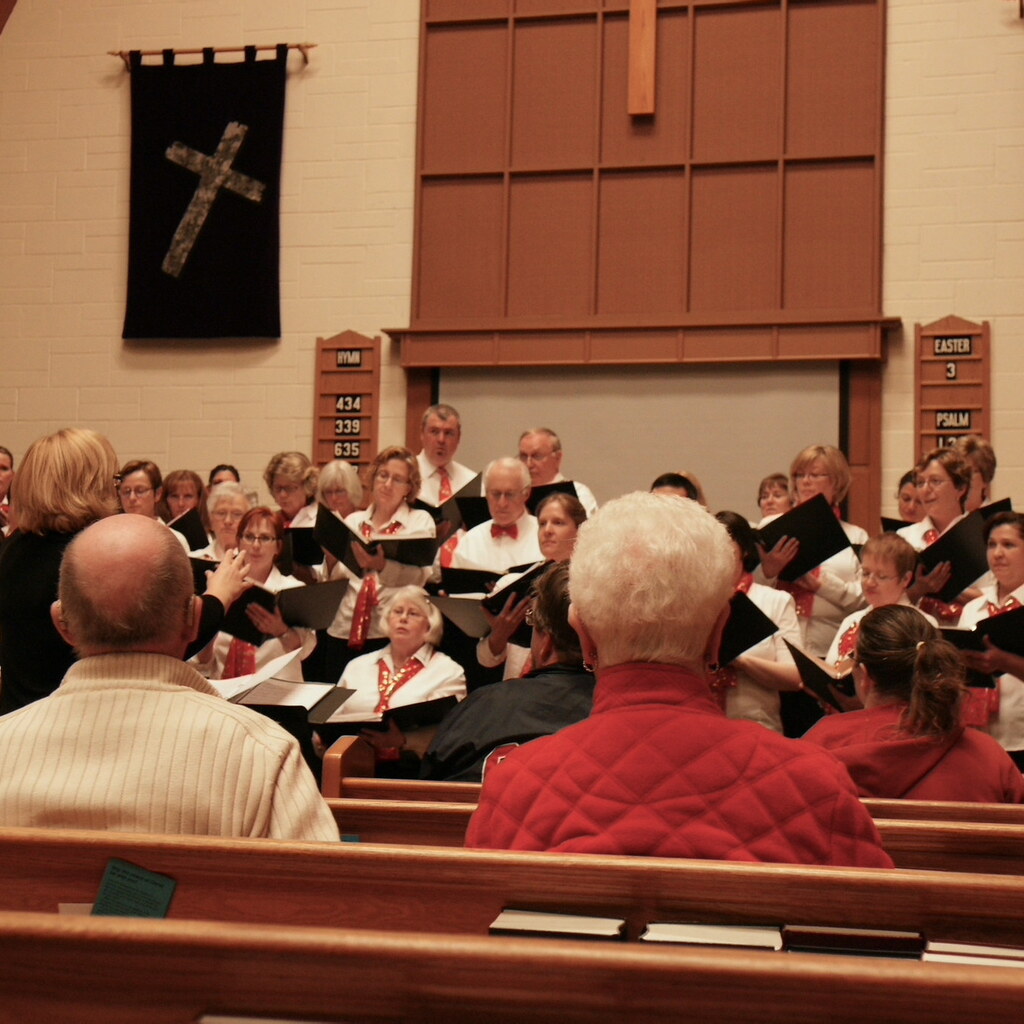
Preaching to the choir
Preaching to the choir or the older form preaching to the converted means explaining something to people who already agree with you.The phrase comes from church services. The choir stands with the minister and already shares the same beliefs.
You are preaching to the choir when you talk to this group about protecting the environment.

Pull out all the stops
To pull out all the stops means making the greatest possible effort and using every available resource.The idiom comes from how pipe organs work. Stops control which sets of pipes are used. When all the stops are pulled out, the instrument produces its fullest and loudest sound.
The team pulled out all the stops to finish the project before the deadline.

Pull your leg
To pull your leg means to joke with someone by telling them something that is not true, usually in a playful or teasing way.The expression has been used in English since the 1800s. One explanation suggests it came from thieves tripping someone by pulling their leg, although today the phrase simply refers to harmless teasing.
Relax, I was only pulling your leg about the surprise test.

Pull your weight
To pull your weight means doing your fair share of work in a group.The phrase comes from rowing. Each rower must pull on the oar with equal effort for the boat to move properly.
Everyone needs to pull their weight on this project.