
Showing 1-20 of 29

A rolling stone gathers no moss
A rolling stone gathers no moss means that someone who is always moving from place to place does not settle down or collect responsibilities or possessions.The saying has been known in English since the 1500s and appeared in a collection of proverbs by John Heywood in 1546. The image compares a stone that keeps rolling with one that stays still long enough for moss to grow on it.
He has lived in five different cities in ten years, a rolling stone gathers no moss.
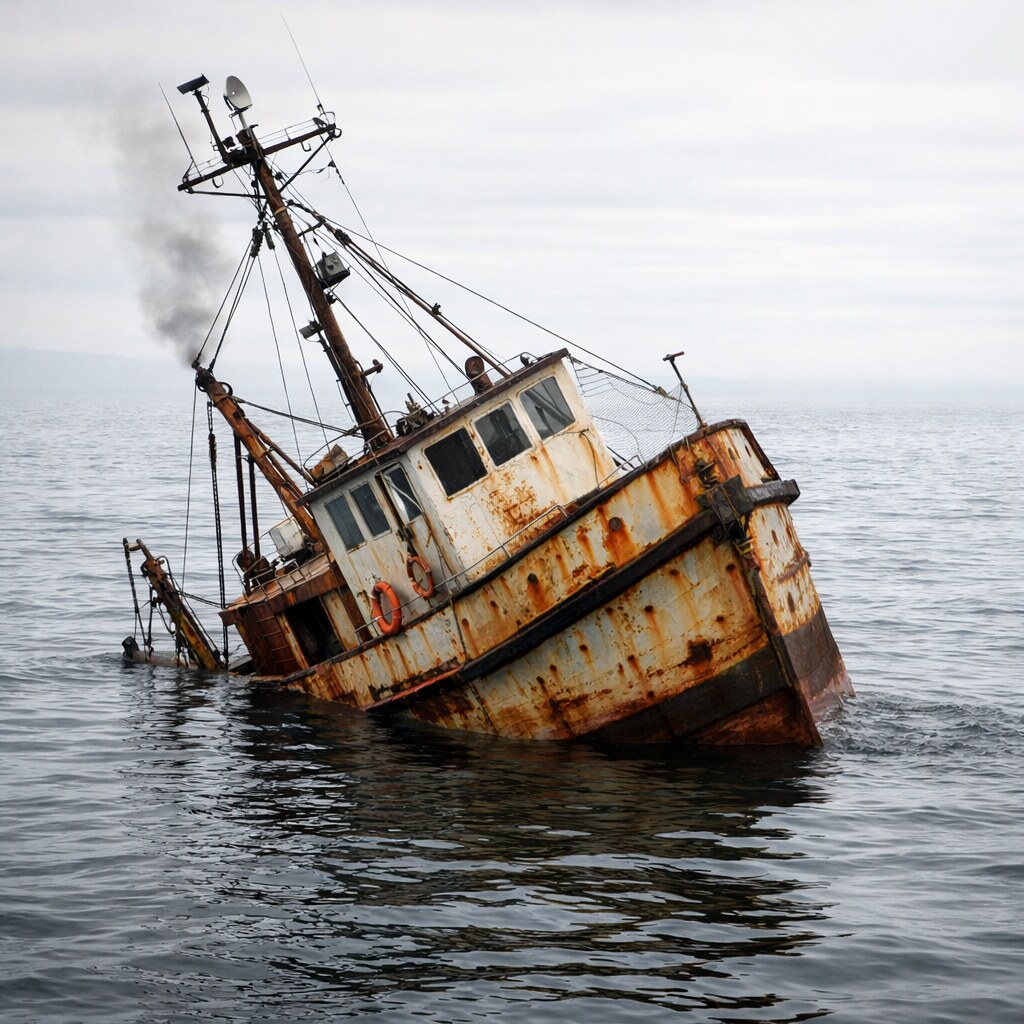
Like rats fleeing a sinking ship
The idiom like rats fleeing a sinking ship means a lot of people all leaving a failing situation around the same time. It is often used when people abandon a group, plan, or organization as soon as trouble appears.The expression comes from the old belief that rats on ships would sense danger and escape before a vessel sank. Because rats were often seen leaving damaged ships in ports, the image became a metaphor for people rushing to abandon a doomed situation.
When the company started losing money, investors left like rats fleeing a sinking ship.

Rabbit warren
A place is like a rabbit warren if it has many small rooms, passages, or paths that are confusing to move through. This idiom is used when a building or area is easy to get lost in.The expression comes from the underground burrows where rabbits live. A real rabbit warren is made of many twisting tunnels and chambers, which makes it easy to get lost inside.
The older part of the hospital is a rabbit warren of narrow corridors and small rooms.
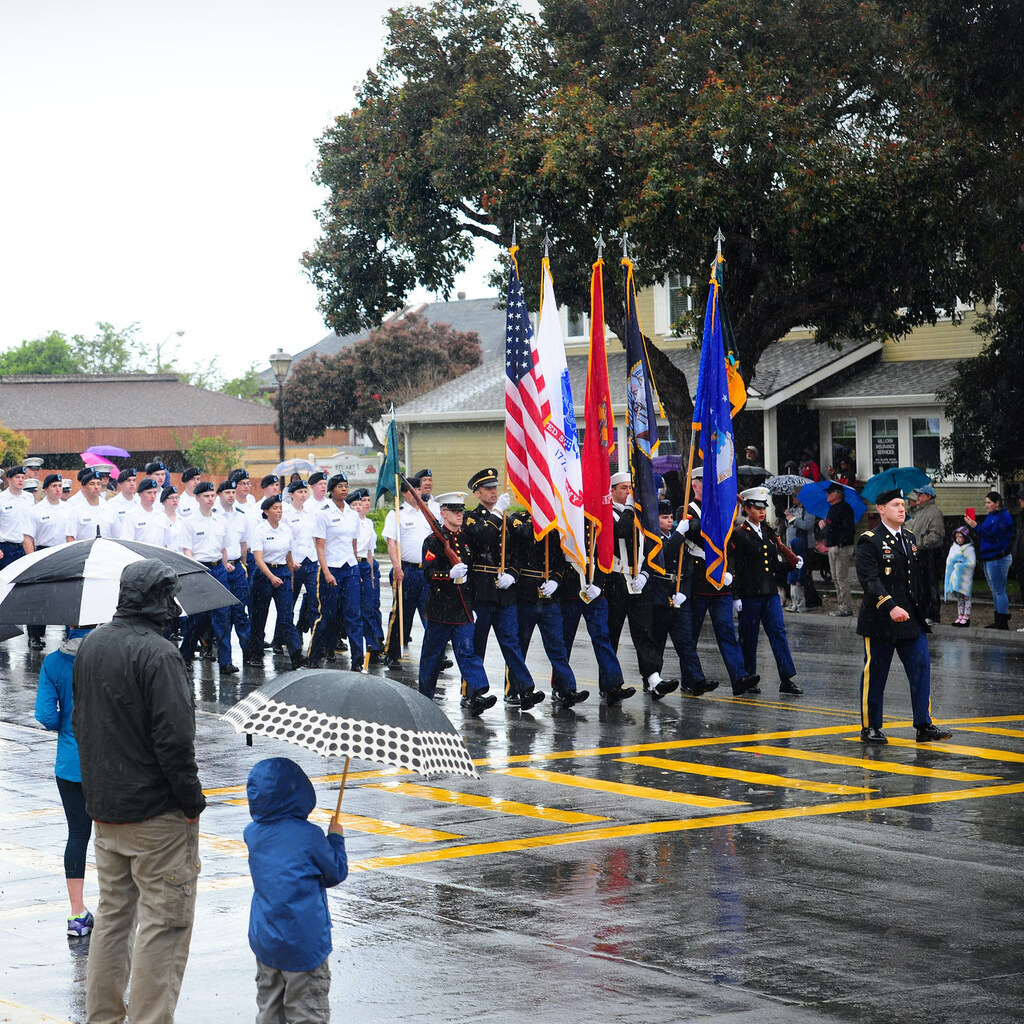
Rain on your parade
To rain on your parade means to spoil someone's plans or happiness by saying or doing something negative. It is used when someone interrupts a good moment with bad news or criticism.The phrase comes from the image of a parade being ruined by bad weather. If rain falls during a parade, it makes the event less enjoyable for everyone.
I don't want to rain on your parade, but the concert you wanted to see has already sold out.

Raining cats and dogs
Raining cats and dogs means that the rain is falling very heavily.The phrase appeared in English several centuries ago. Its exact origin is uncertain, though many theories link it to older expressions used to describe violent storms.
We stayed inside all afternoon because it was raining cats and dogs.
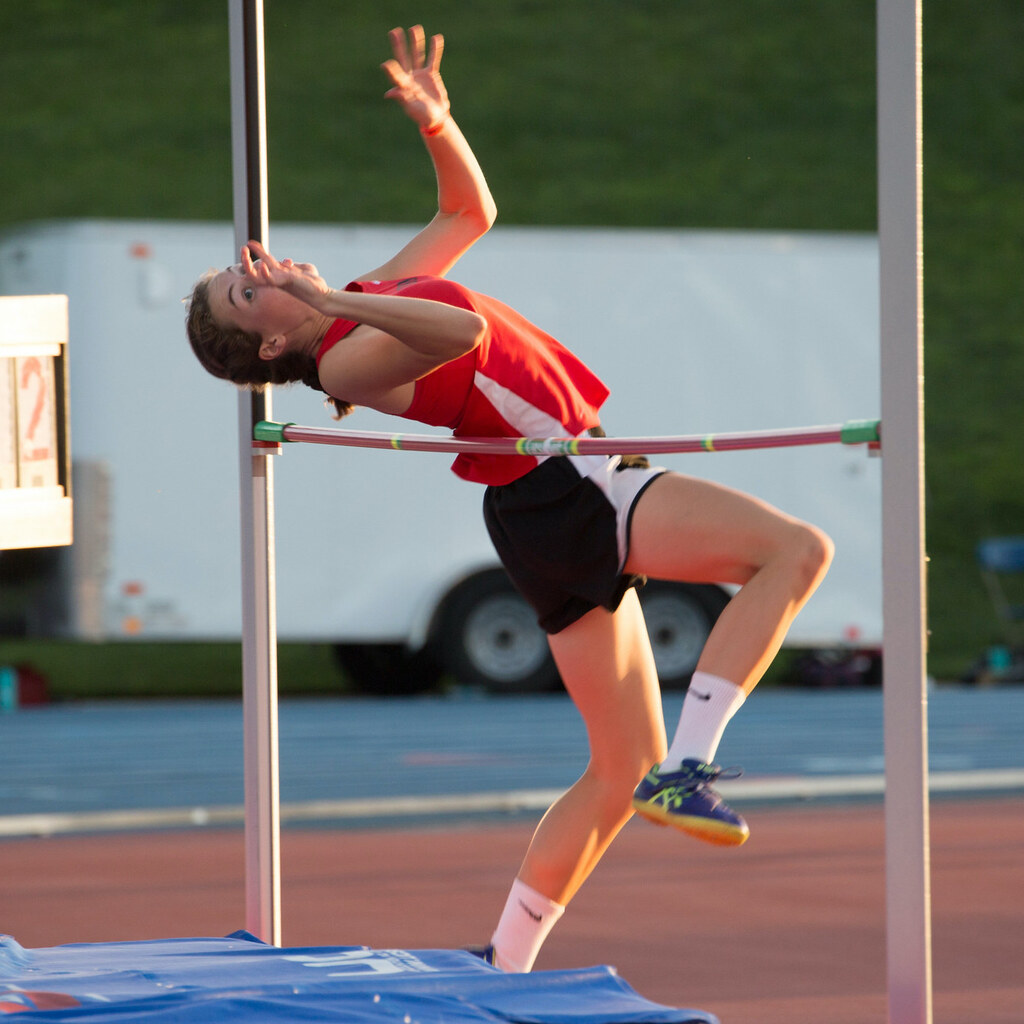
Raise the bar
To raise the bar means to increase the level of difficulty or the standard that must be reached. When someone raises the bar, they make expectations higher so that people have to work harder or perform better to succeed.The phrase comes from the sport of high jump, where athletes must jump over a horizontal bar. As the competition continues, the bar is raised higher, making each attempt more challenging.
After the team produced such a great design, the manager said they had really raised the bar for future projects.
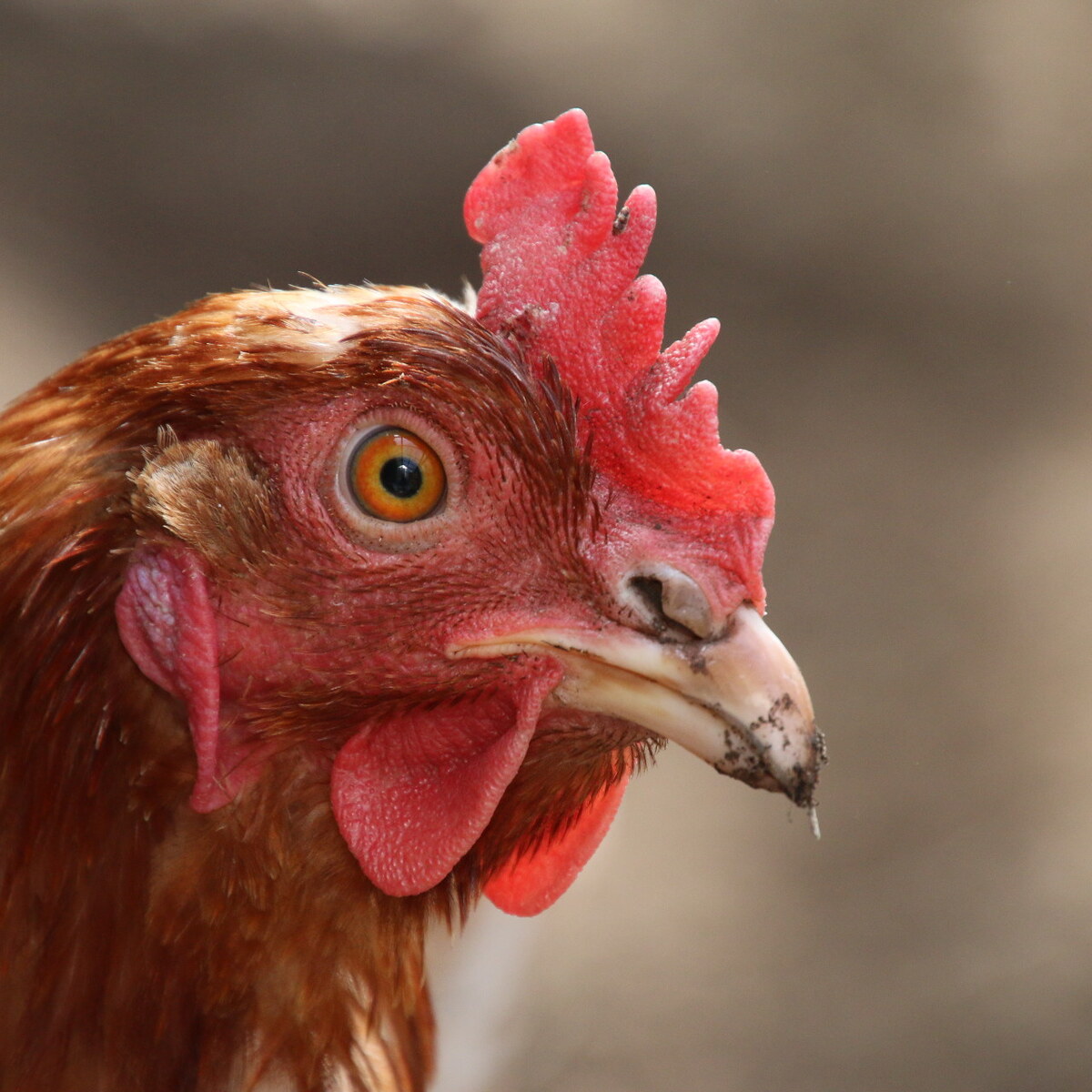
Rare as hen's teeth
Something is as rare as hen's teeth if it is so uncommon that you need an idiom to exaggerate how uncommon it is! Hens have no teeth, so hen's teeth are so rare they do not exist at all.You found one of those at the thrift store? Well done, they are as rare as hen's teeth!

Read between the lines
To read between the lines means to understand a hidden meaning that is not directly stated, usually from hints or clues.The expression comes from the idea of looking past the written words to notice what the writer or speaker truly intends. The phrase has been used in English for many centuries.
She did not say she was unhappy with the plan, but if you read between the lines, you could tell she had doubts.
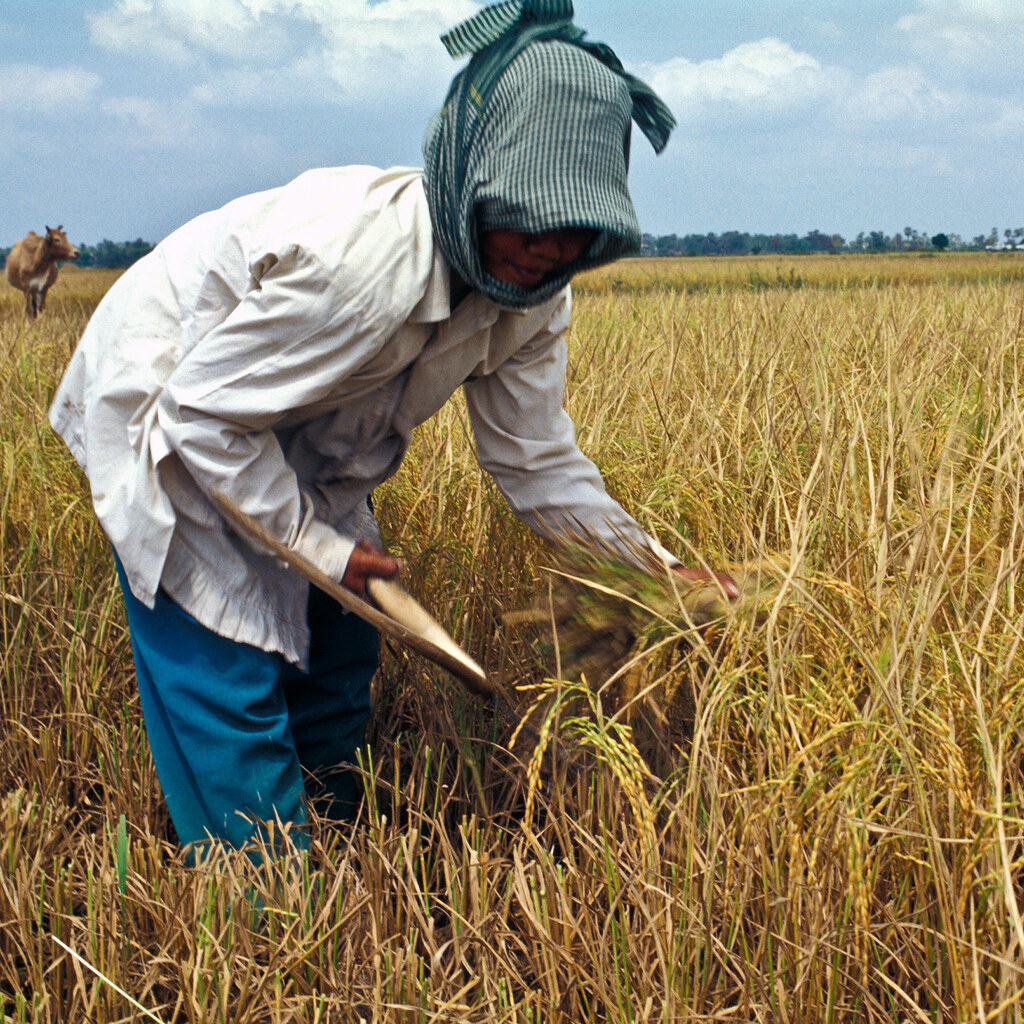
Reap what you sow
To reap what you sow means that your actions bring their own results. Good actions tend to lead to good outcomes, and harmful actions often lead to trouble later.The phrase comes from farming. A farmer harvests the same crop that was planted in the field months earlier. The saying uses that image to explain how choices lead to consequences.
After ignoring the warning signs for months, he finally had to reap what he had sown.

Reinvent the wheel
You reinvent the wheel when you invest a lot of time, money or effort into doing something that has already been done. This idiom is often used when a solution to something already exists and you could just use that instead.Let's not reinvent the wheel, and just use an existing service.

Revenge is a dish best served cold
The idiom revenge is a dish best served cold means that revenge is more satisfying when it is planned carefully and carried out after time has passed, rather than done in anger right away.The expression compares revenge to food that tastes better after it has gone cold. The idea has been written about in many forms for centuries, and a similar line appeared in a French novel in the 1800s.
He waited years to expose the fraud, saying revenge is a dish best served cold.

Right as rain
To be right as rain means feeling healthy, well, or completely fine again after being sick or having a problem. It is often used when someone quickly returns to normal.The expression comes from the idea that rain is natural and dependable. In British English especially, it came to mean that something is exactly as it should be.
After a good night's sleep, she felt right as rain.
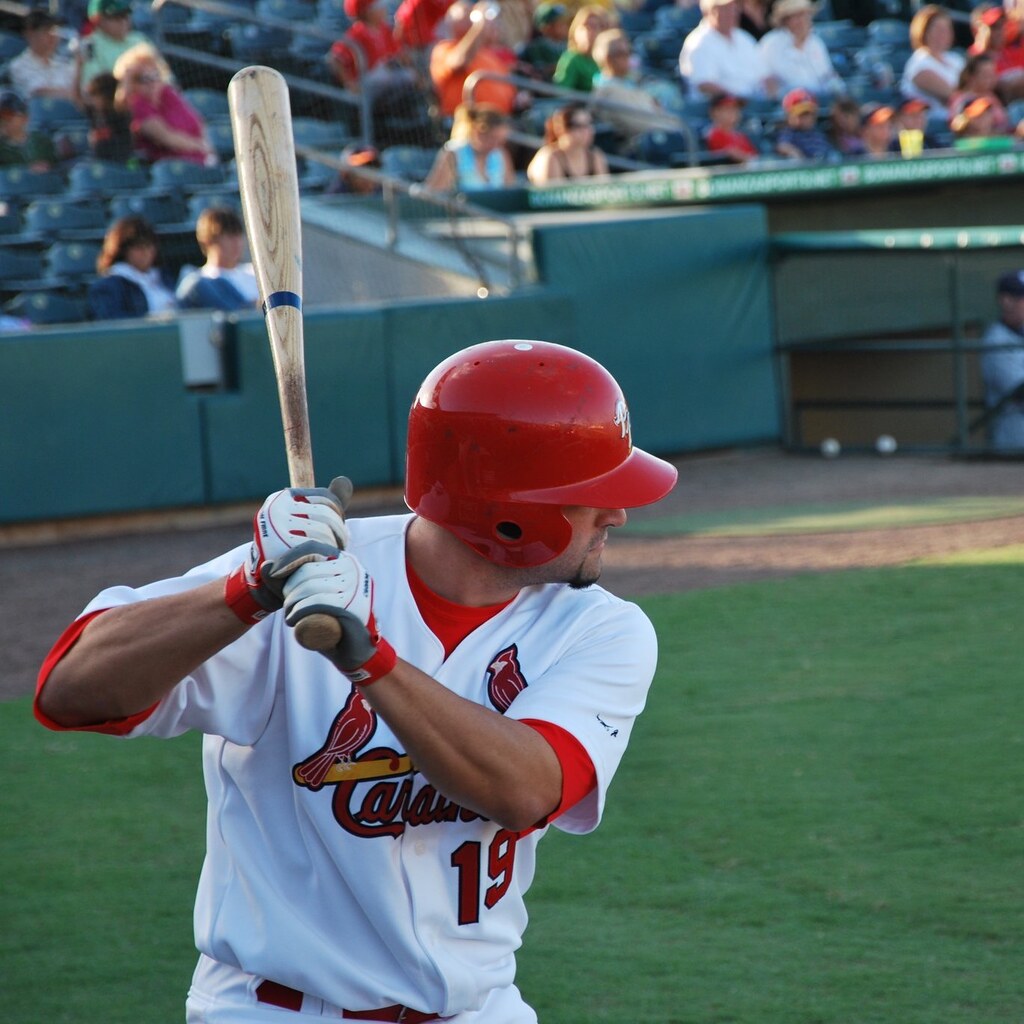
Right off the bat
The idiom right off the bat means immediately, without delay, or at the very beginning of something. It is used when something happens as soon as an activity starts.The expression comes from baseball. When a ball is hit directly by the bat and flies off right away, it happens instantly, which led to the phrase being used for anything that happens immediately.
Right off the bat, the new teacher impressed everyone in the class.
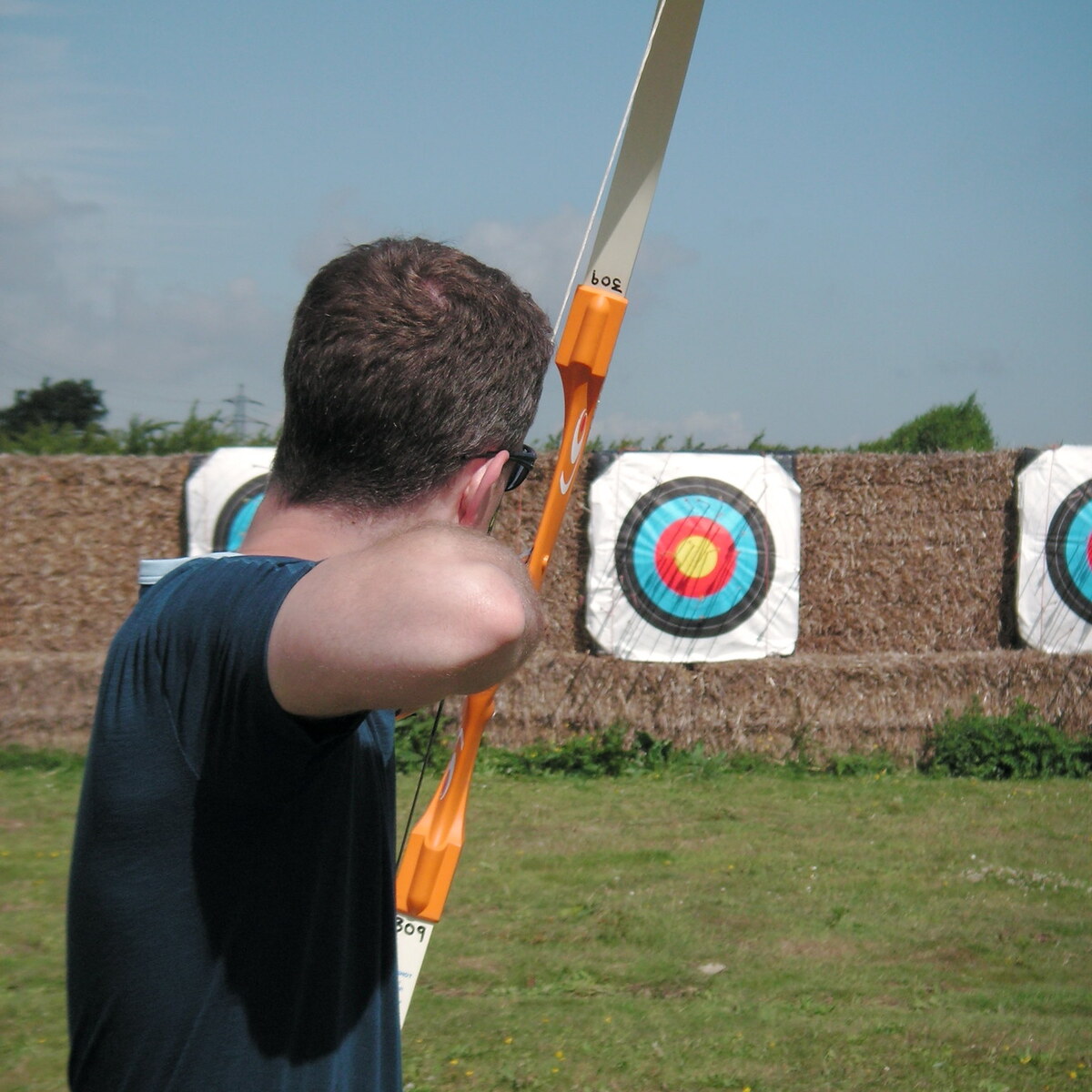
Right on target
Right on target means that something is exactly correct or very accurate. It is used when a guess, idea, or answer is perfectly right.The expression comes from shooting or archery, where hitting the center of a target means you aimed perfectly. The idiom uses this image to describe something that is very precise.
Her prediction about the final profit was right on target.
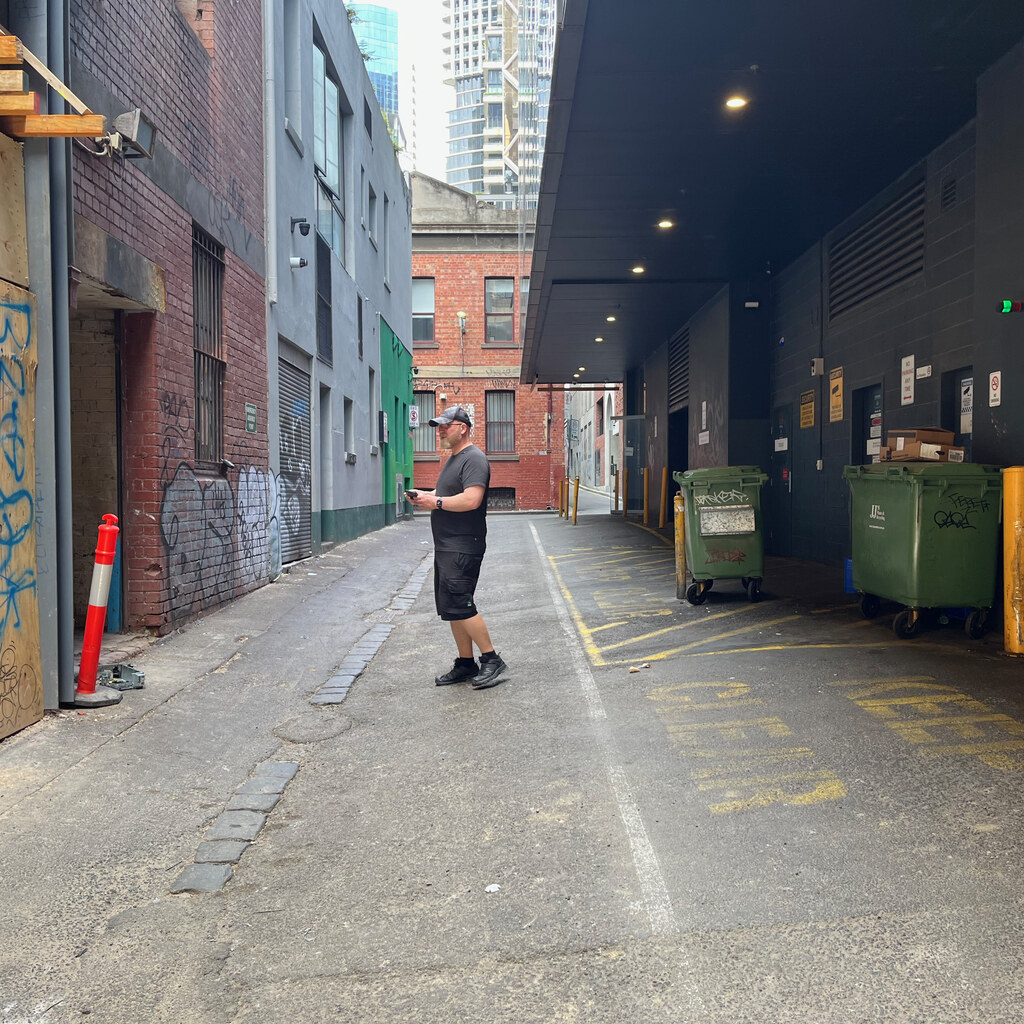
Right up your alley
Right up your alley means something that is perfectly suited to a person's interests, skills, or tastes.The expression comes from bowling. In bowling, the ball rolls down a long narrow lane called an alley, so something that goes right up your alley fits exactly where it should.
If you like puzzles and mysteries, this book will be right up your alley.
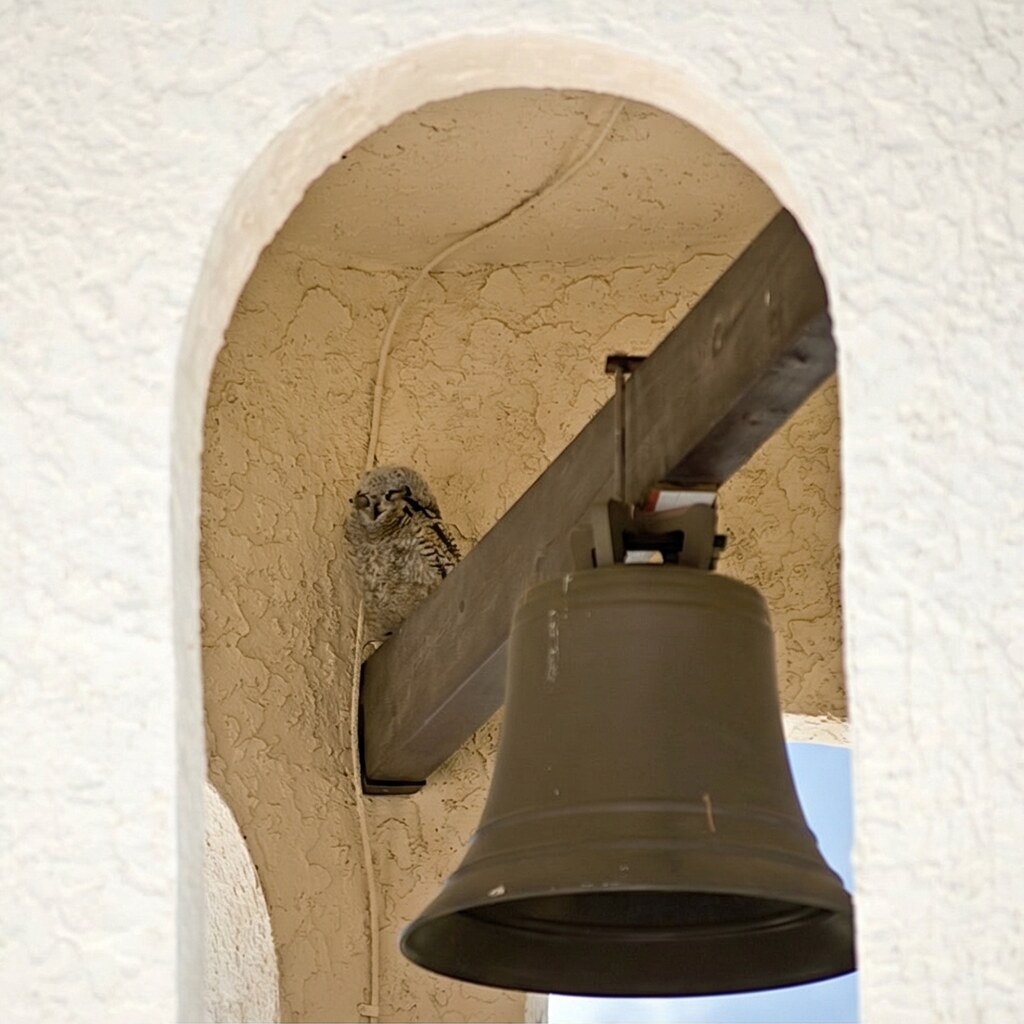
Ring a bell
If something rings a bell it means it reminds someone of something they have heard before, but they cannot fully remember it.The expression comes from the sound of a bell that attracts attention and triggers recognition. Hearing the bell is like the moment when a memory starts to return.
That name rings a bell, but I cannot remember where I heard it before.
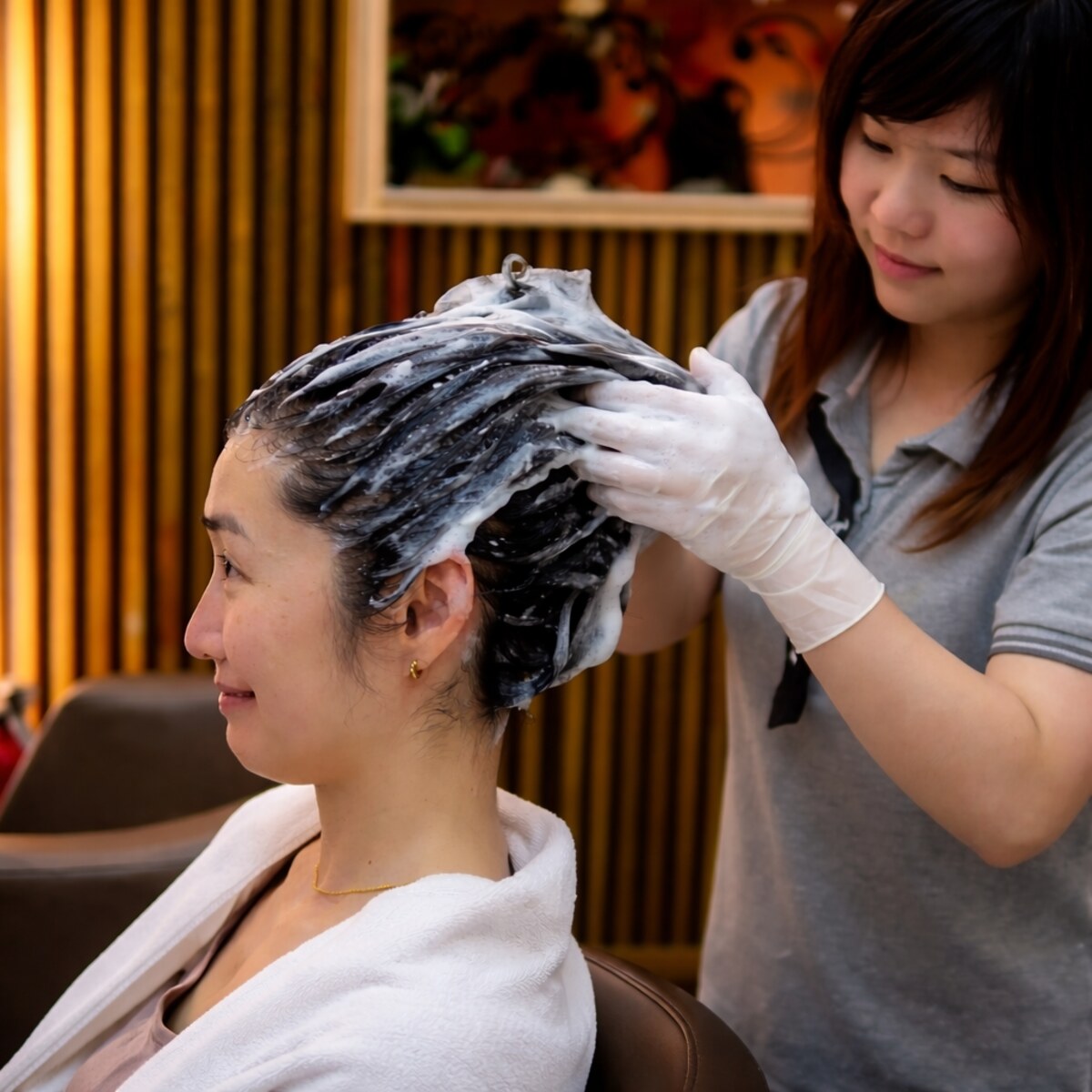
Rinse and repeat
The phrase to rinse and repeat means to do something repetitive, predictable way. It comes from the instructions on a shampoo bottle.You look up the code, put it in the right place, and then rinse and repeat for the rest of the papers.

Roll out the red carpet
To roll out the red carpet means to give someone a very warm and special welcome. It is used when people go out of their way to treat a guest with great respect or attention.The expression comes from the practice of laying a red carpet for important visitors such as royalty or heads of state. The bright carpet marked a special path and showed that the guest was being honored.
The town rolled out the red carpet when the championship team came home.
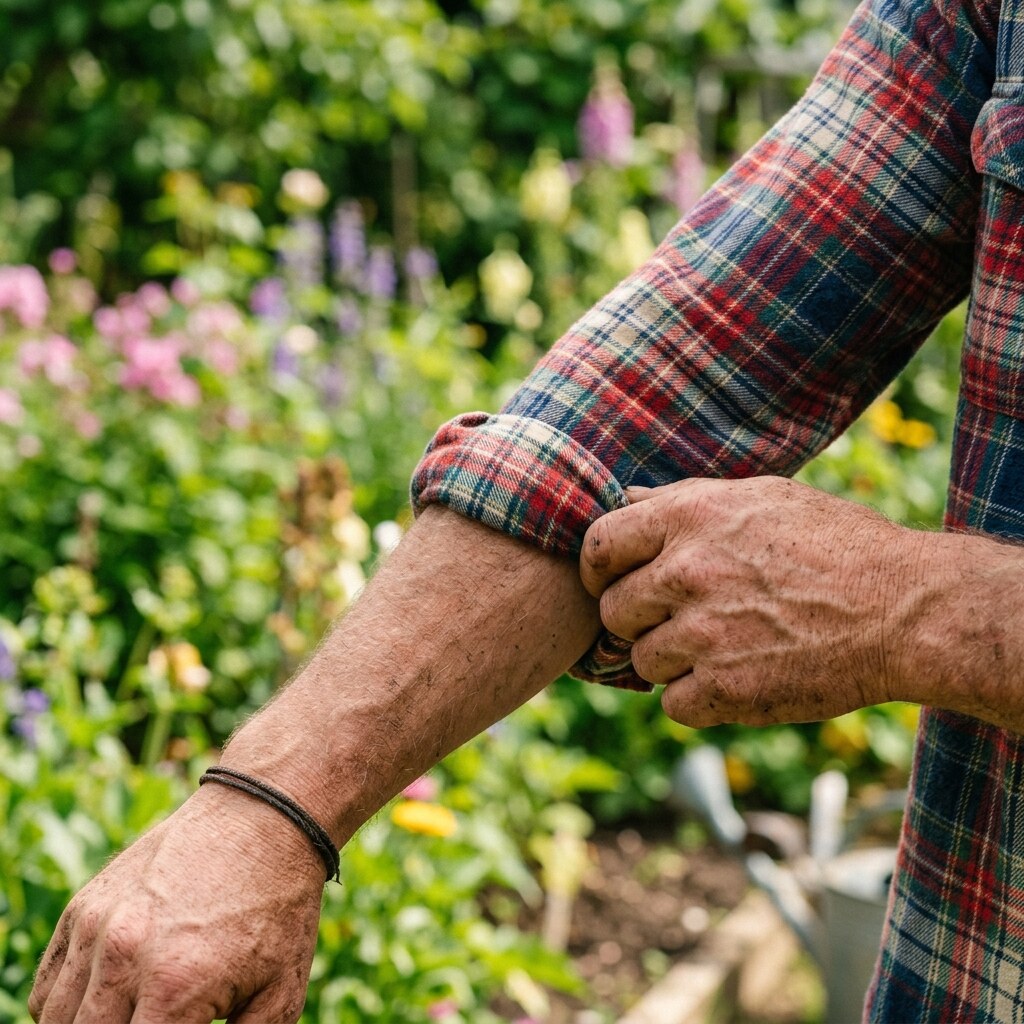
Roll up your sleeves
To roll your sleeves up means getting ready to start working hard on a task.The phrase comes from the habit of rolling up shirt sleeves before doing physical work so the fabric does not get in the way. The image became a symbol of preparing to work.
The team rolled their sleeves up and began fixing the broken fence.
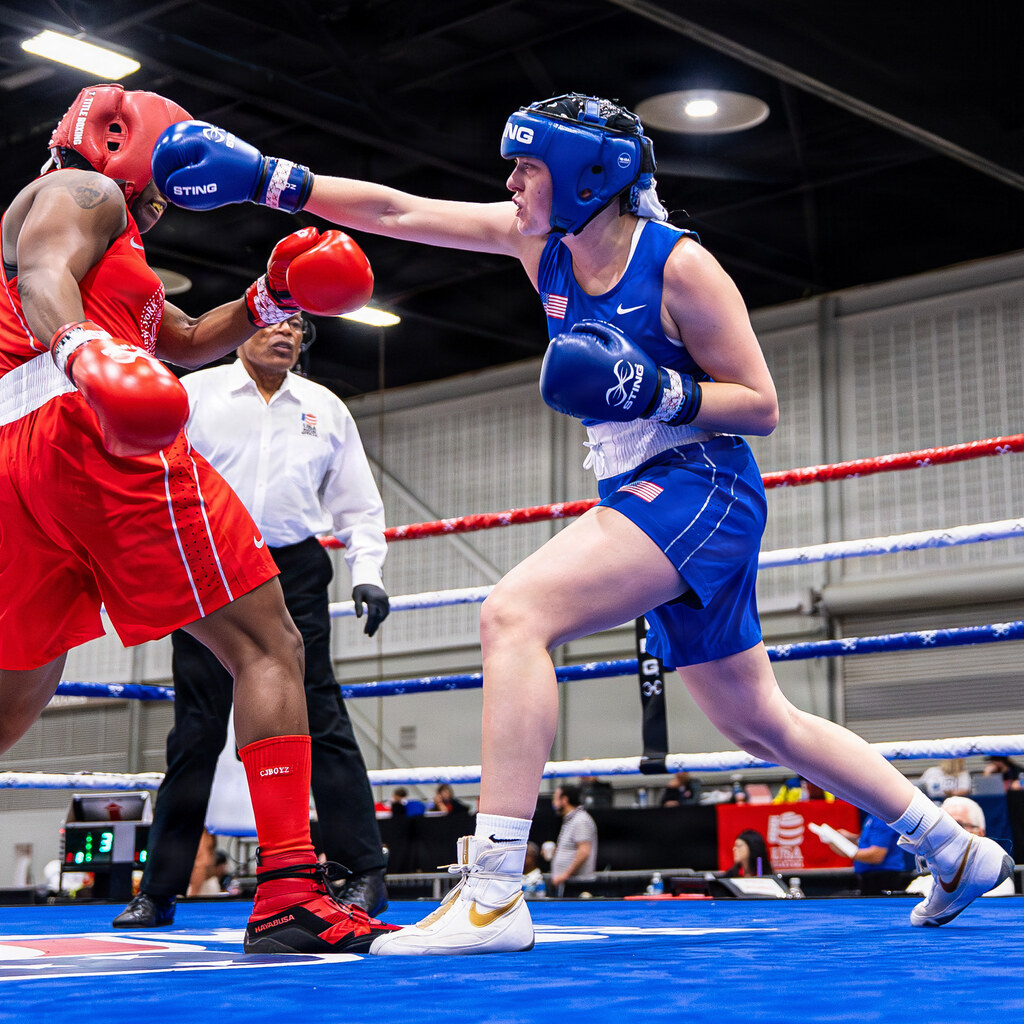
Roll with the punches
To roll with the punches means to handle difficulties calmly and adapt instead of fighting them. A person who rolls with the punches accepts that problems happen and keeps going without getting upset or stuck.The phrase comes from boxing. A boxer can lessen the impact of a punch by moving with it rather than taking the full force directly.
The travel plans kept changing, but she decided to roll with the punches and enjoy the trip anyway.