
Showing 1-20 of 31

A watched pot never boils
If you say a watched pot never boils, you mean that something seems to take much longer when you are waiting for it to happen. If you walk away from the pot and make yourself busy with something else, the water feels like it boils much faster.I've been sitting by the window all day waiting for this delivery. A watched pot never boils!

A wolf in sheep's clothing
The idiom a wolf in sheep's clothing describes someone who seems kind or harmless but is actually dangerous or dishonest. It warns people not to trust appearances.This idiom comes from an old story where a wolf dresses up as a sheep to sneak into the flock and eat the sheep.
We thought he was here to help, but he was really a wolf in sheep's clothing.

Like watching paint dry
If something is like watching paint dry it means i is extrtemely boring or slow.The expression comes from the idea of literally watching paint dry on a wall. Since paint dries slowly and nothing much happens while it does, the comparison suggests a very tedious experience.
The lecture was so dull it felt like watching paint dry.

Take the wind out of your sails
The idiom to take the wind out of your sails means to suddenly make someone feel less confident, excited, or proud. It often happens when someone says or does something that weakens your argument or stops your momentum.The phrase originates from sailing. A sailing ship moves forward when wind fills its sails, but if the wind suddenly stops, the sails go slack and the ship slows down.
Him pointing out my error during the meeting really took the wind out of my sails.
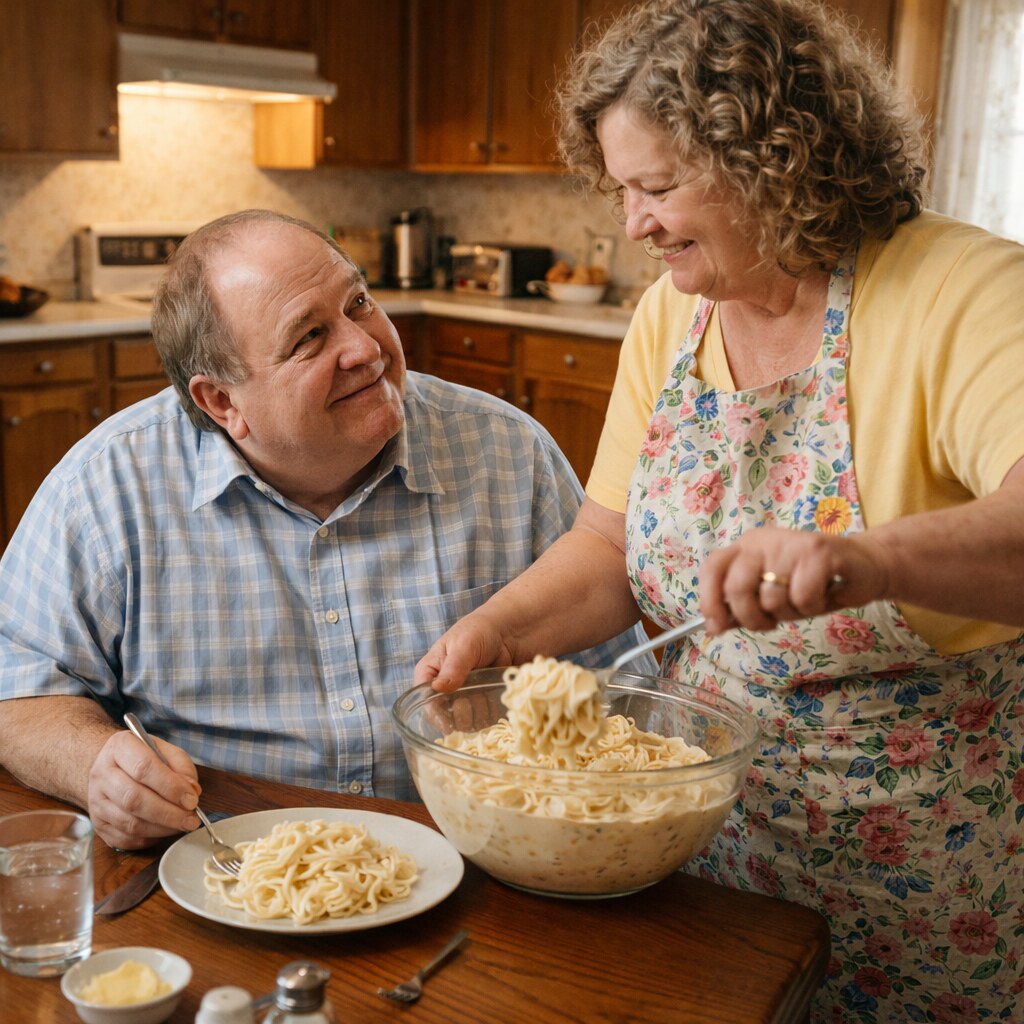
The way to a man's heart is through his stomach
The way to a man's heart is through his stomach means that preparing good food for someone can help win their affection, especially a man's.The proverb has been used in English since at least the 1800s. It reflects the long tradition of linking cooking and hospitality with affection and relationships.
After he tasted her homemade pasta, she joked that the way to a man's heart is through his stomach.
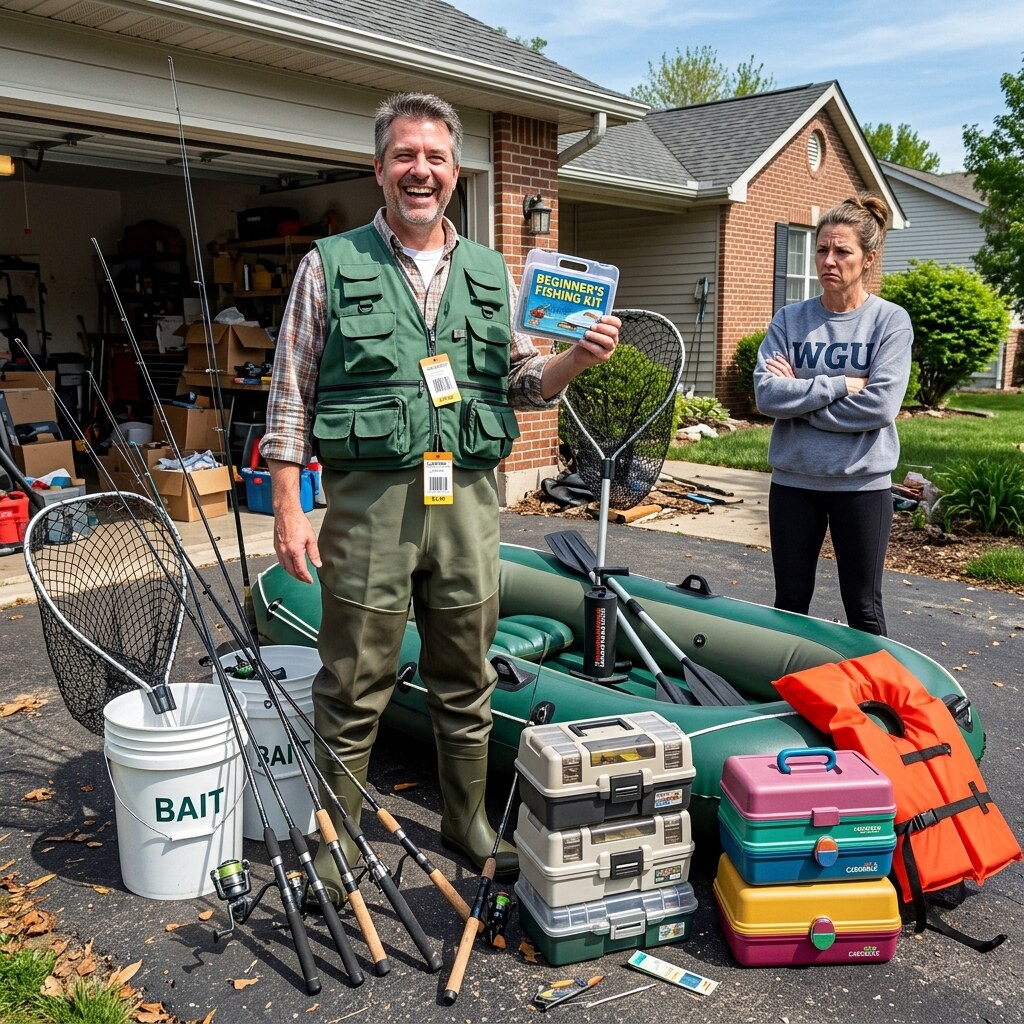
The whole kit and caboodle
The whole kit and caboodle means everything or the entire group of things. It is used when talking about all parts of something together, with nothing left out.The phrase likely comes from the word kit, meaning a collection of tools or belongings, and caboodle, a slang word that developed in the 1800s meaning the whole lot or collection of things.
They packed the whole kit and caboodle into the truck and moved to the new house.
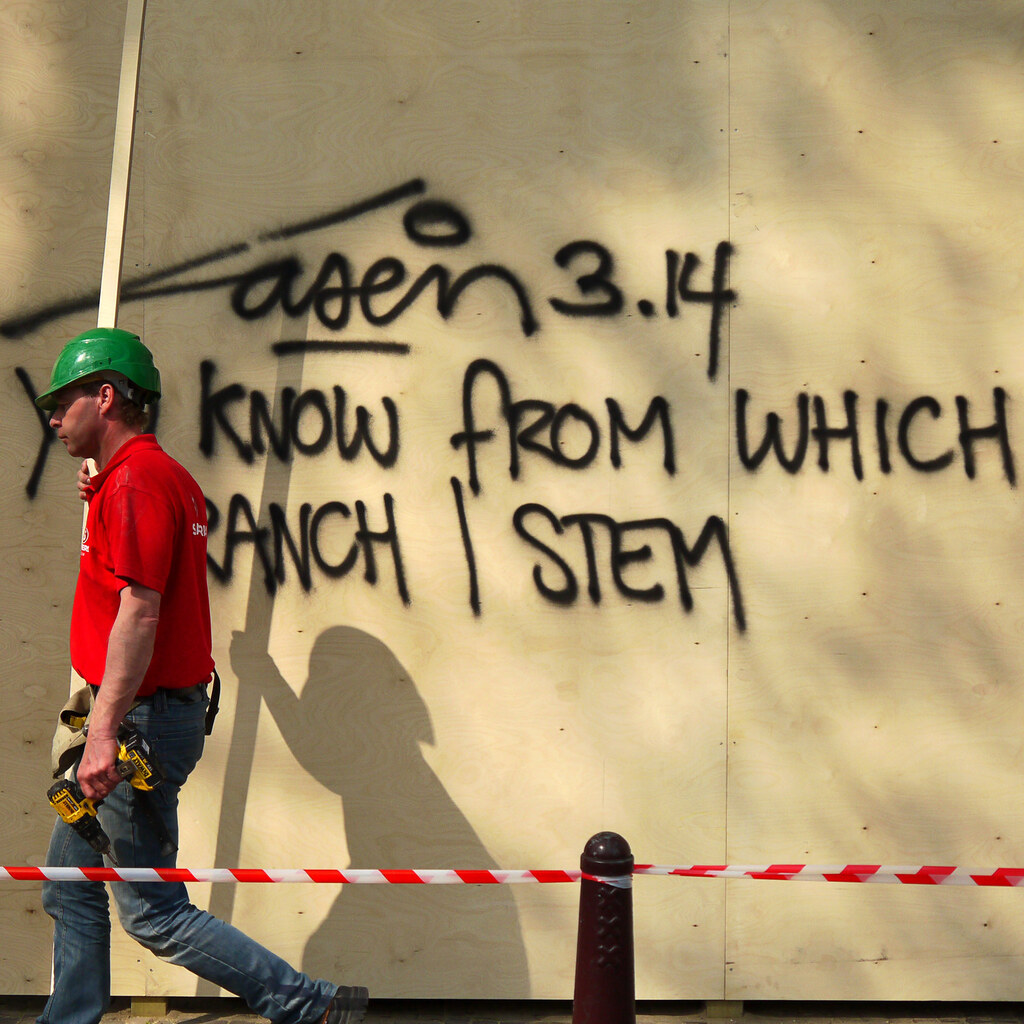
The writing is on the wall
The writing is on the wall means the signs clearly show that something bad is going to happen.The phrase comes from a story in the Bible where mysterious writing appeared on a wall to warn of a coming downfall.
After the company started losing money, the writing was on the wall for the business.
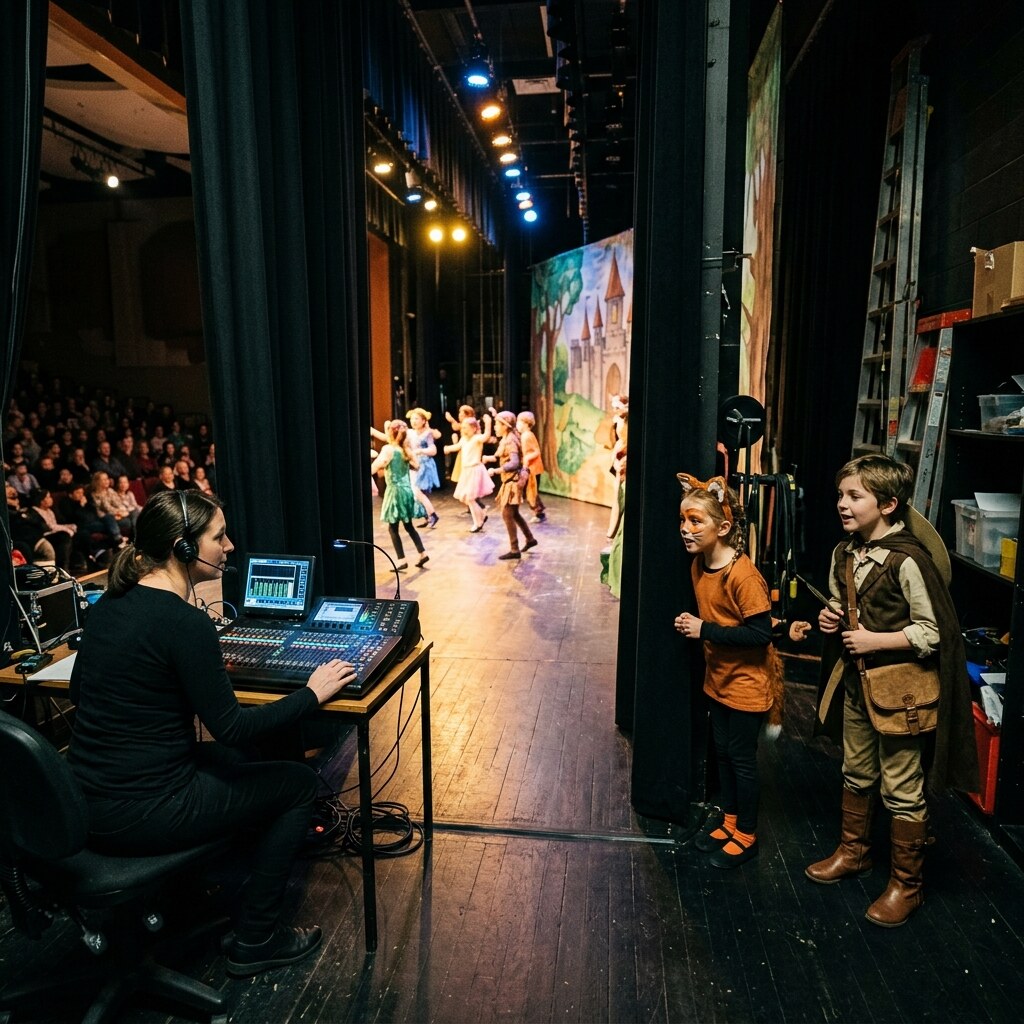
Waiting in the wings
Waiting in the wings means being ready to step in when the right moment arrives. A person may stay nearby while someone else is still in the main role.The phrase comes from theater. The wings are the side areas of a stage where actors stand out of view before making their entrance.
A new candidate was already waiting in the wings if the manager decided to leave.
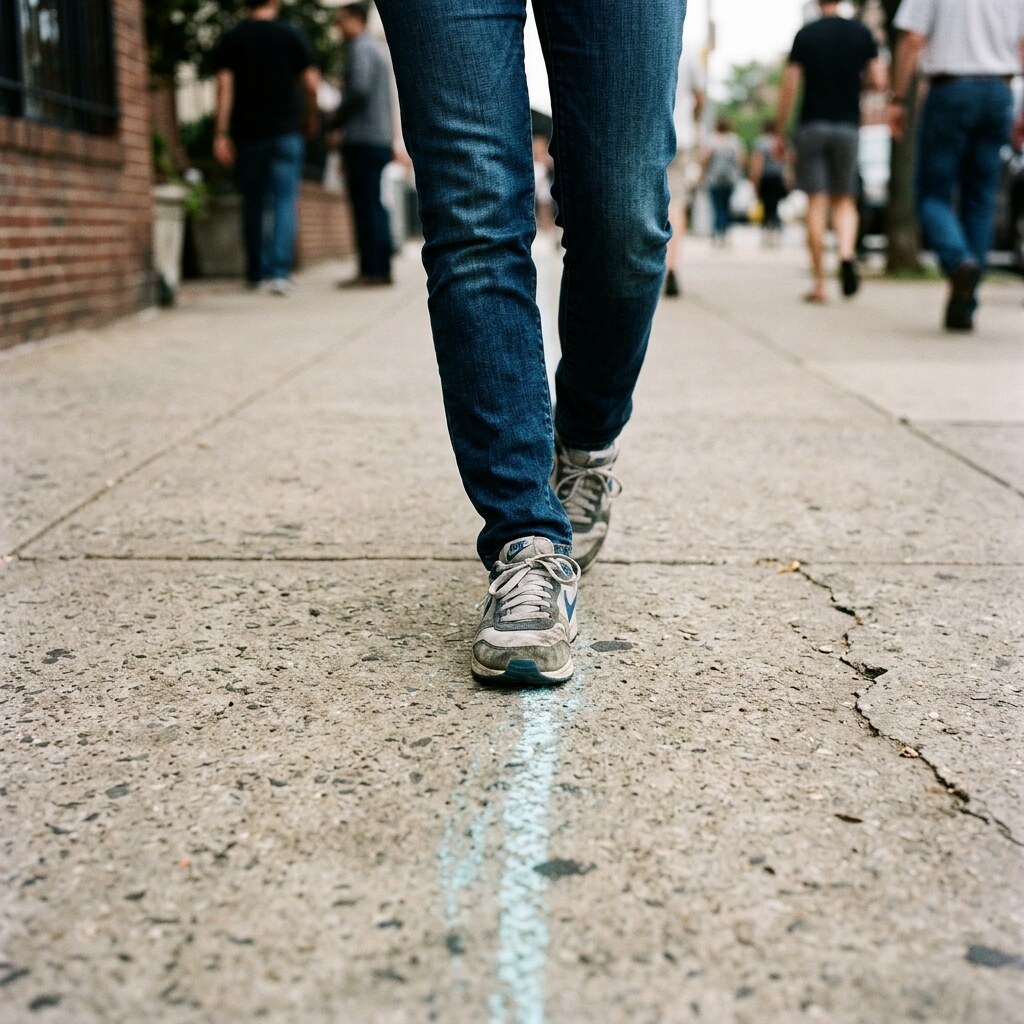
Walk a fine line
To walk a fine line, or sometimes to walk a tightrope, means to act very carefully in a situation where a small mistake could cause problems. This idiom can be used to describe trying to balance between two opposing pressures.The phrase comes from the image of walking along a very narrow line, where losing balance even slightly could lead to a fall. Over time it became a metaphor for handling a delicate or risky situation.
As a manager, she has to walk a fine line between being friendly with the team and enforcing the rules.
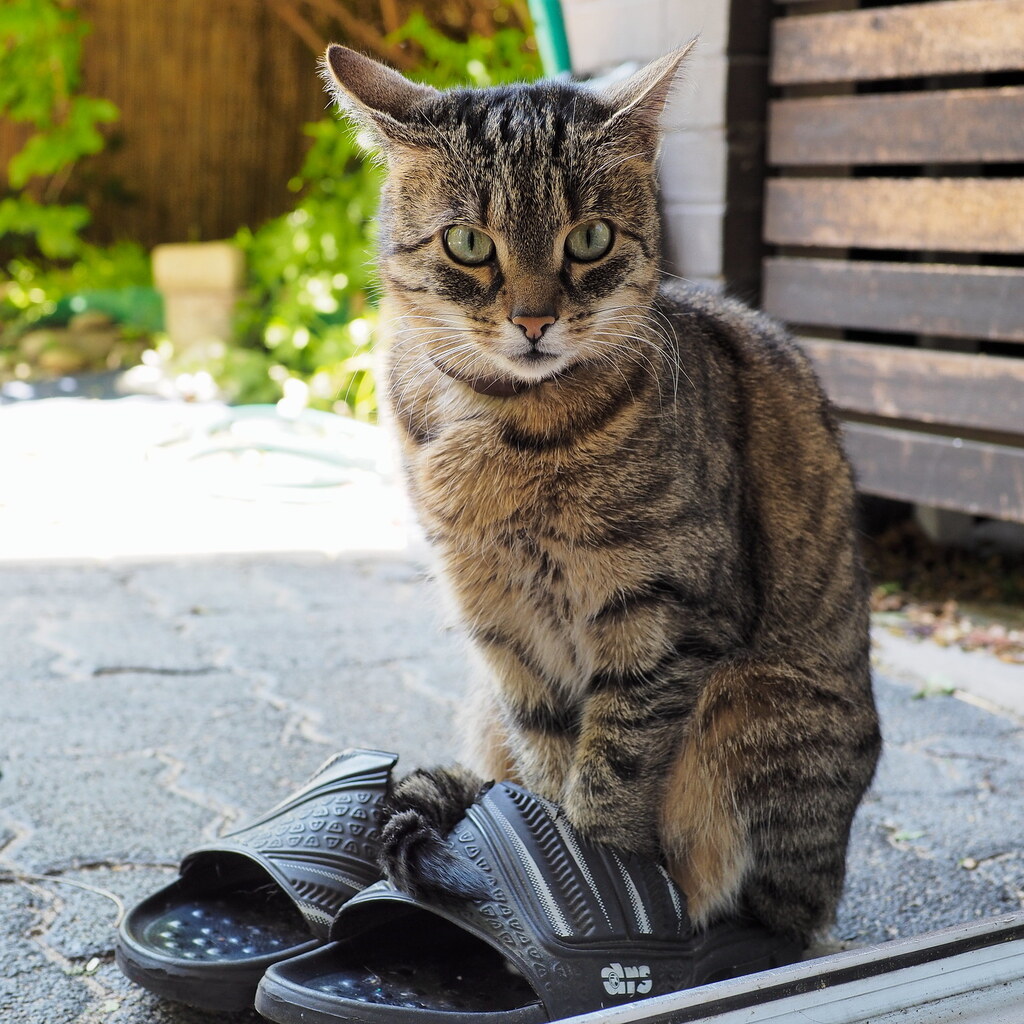
Walk a mile in their shoes
To walk a mile in someone's shoes means really trying to understand another person's situation before judging them.The saying appeared in English in the 1800s. It uses the image of wearing another person's shoes and traveling their path to represent understanding their life.
Before criticizing her decision, try to walk a mile in someone's shoes.

Walk on air
To walk on air means to feel extremely happy or excited. It is used when someone feels so joyful that they seem almost weightless.The expression comes from the image of a person being so light with happiness that it feels as if they could float or walk above the ground. It has been used in English since the early 1800s.
After hearing he got the job, he was walking on air.

Walk the plank
To walk the plank means to be forced to face punishment. Today it is most often used jokingly to suggest someone must accept the consequences of their actions.The phrase comes from pirate stories in which a captive was forced to walk along a wooden plank extending from a ship and fall into the sea. Although popular in fiction, historians believe this practice was mostly a legend rather than a common real event.
After breaking the office printer again, he joked that he might have to walk the plank.
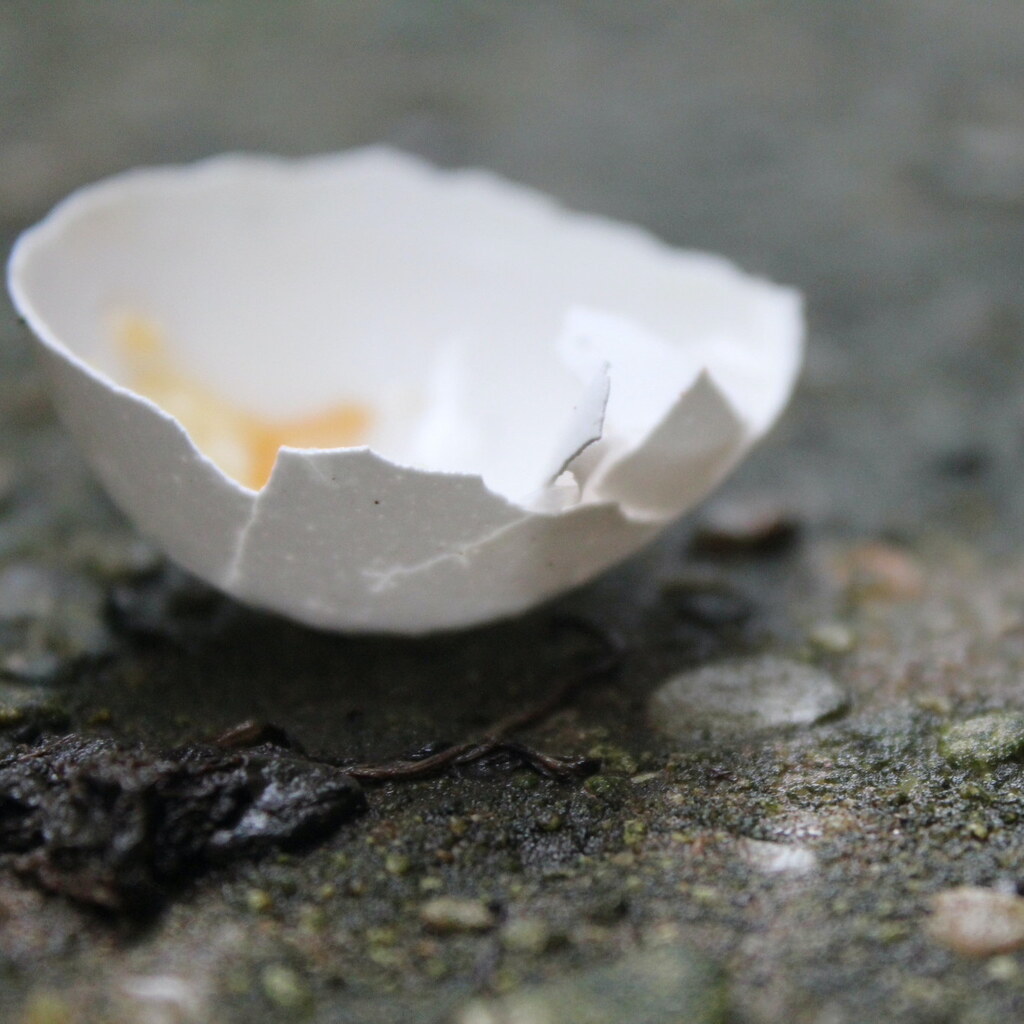
Walking on eggshells
To walk on eggshells means to behave very carefully to avoid upsetting someone.The phrase uses the image of stepping on fragile eggshells. One careless move would break them.
Everyone felt like they were walking on eggshells around the boss after the meeting went badly.

Wasn't born yesterday
If a person says I was not born yesterday it means they understand what is really going on and will not be tricked.The phrase became common in American English in the early 1900s. It plays on the idea that someone born yesterday would have no experience of the world and would believe anything they were told.
Do you really expect me to believe that story? I wasn't born yesterday.
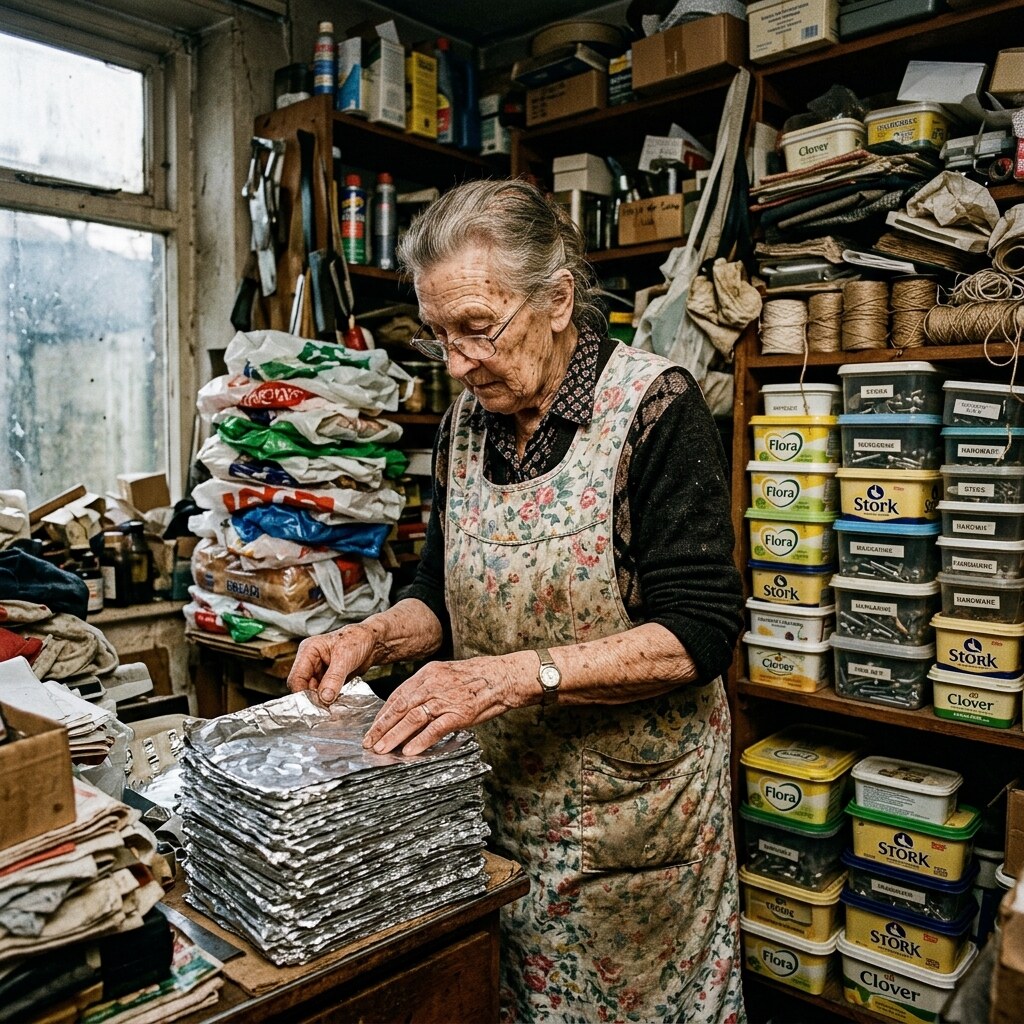
Waste not, want not
Waste not want not means that if you do not waste things, you will not find yourself without them later. It encourages people to use resources carefully and avoid unnecessary waste.The saying has been used in English since the 1700s and reflects the practical idea that saving and reusing things helps prevent future shortages.
She saved the leftover vegetables for soup the next day, saying waste not want not.
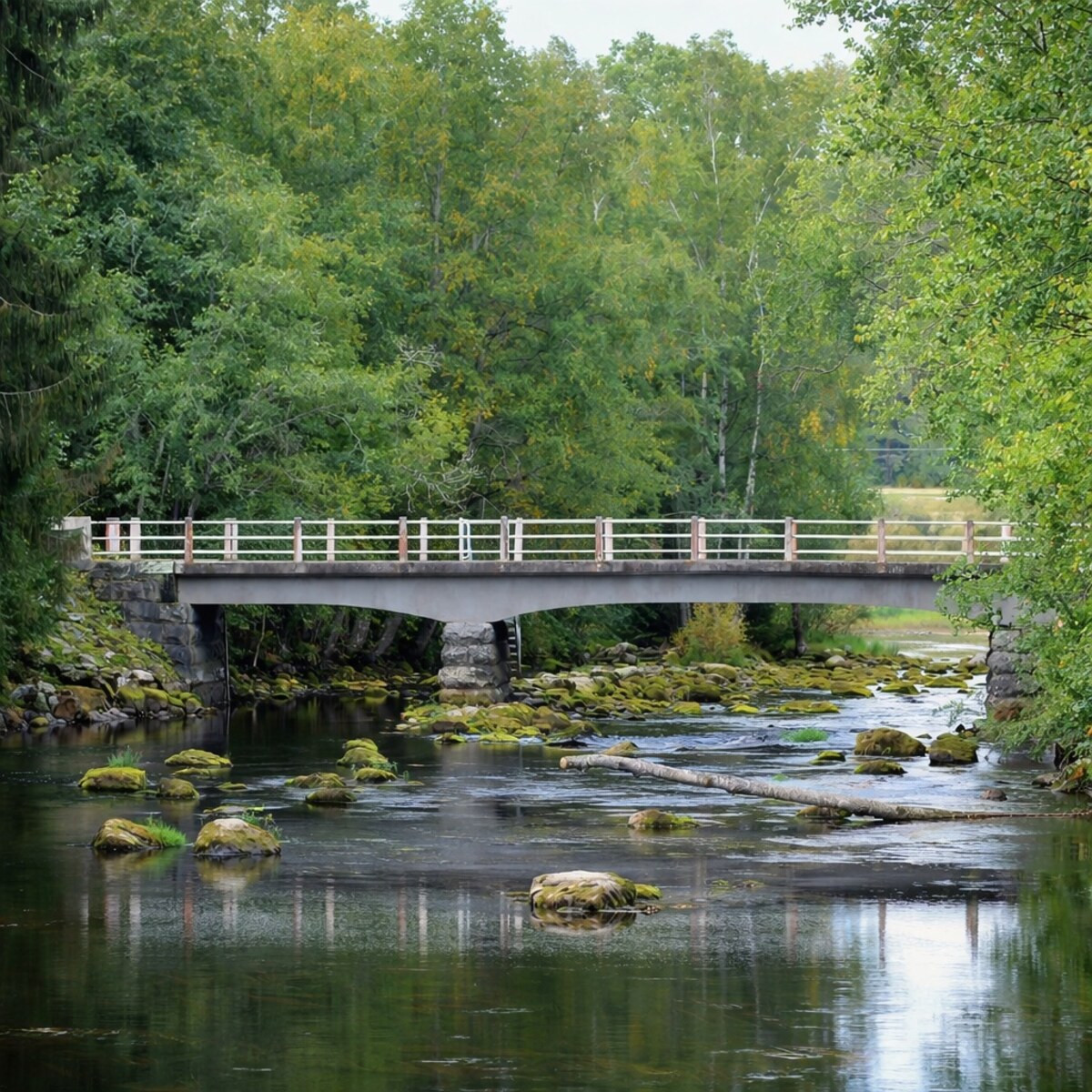
Water under the bridge
The idiom water under the bridge draws from the concept of water flowing under a bridge, and once it has gone past it will never go past again. When you use this phrase, you are talking about events or feelings that are now in the past and cannot be changed, so you shouldn't dwell on them anymore.The two neigbours decided to let their past disagreements be water under the bridge.
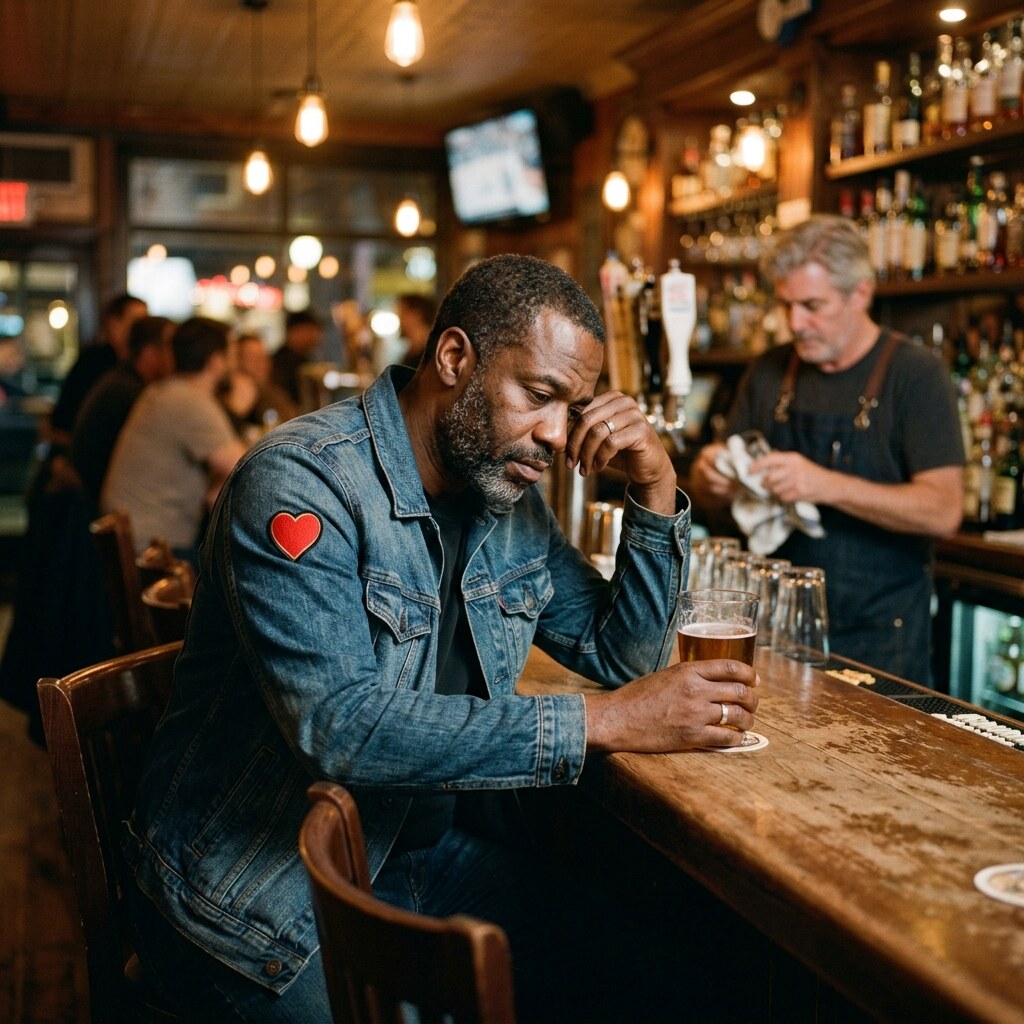
Wear your heart on your sleeve
To wear your heart on your sleeve means to show your feelings openly so that other people can easily see how you feel.The expression may come from old traditions where people wore a token or symbol on their sleeve to show loyalty or affection. Over time it came to describe openly displaying one's emotions.
He tends to wear his heart on his sleeve, so everyone knows when he is upset.

Wears the pants
To wear the pants means to be the person who has the most authority or control in a relationship or group. It usually describes the person who makes the main decisions.The expression comes from older social customs when trousers were traditionally worn by men and were associated with authority in the household. Over time the phrase became a general way to talk about who is in charge.
Everyone jokes that she wears the pants in their family because she is the one who makes all the big decisions.
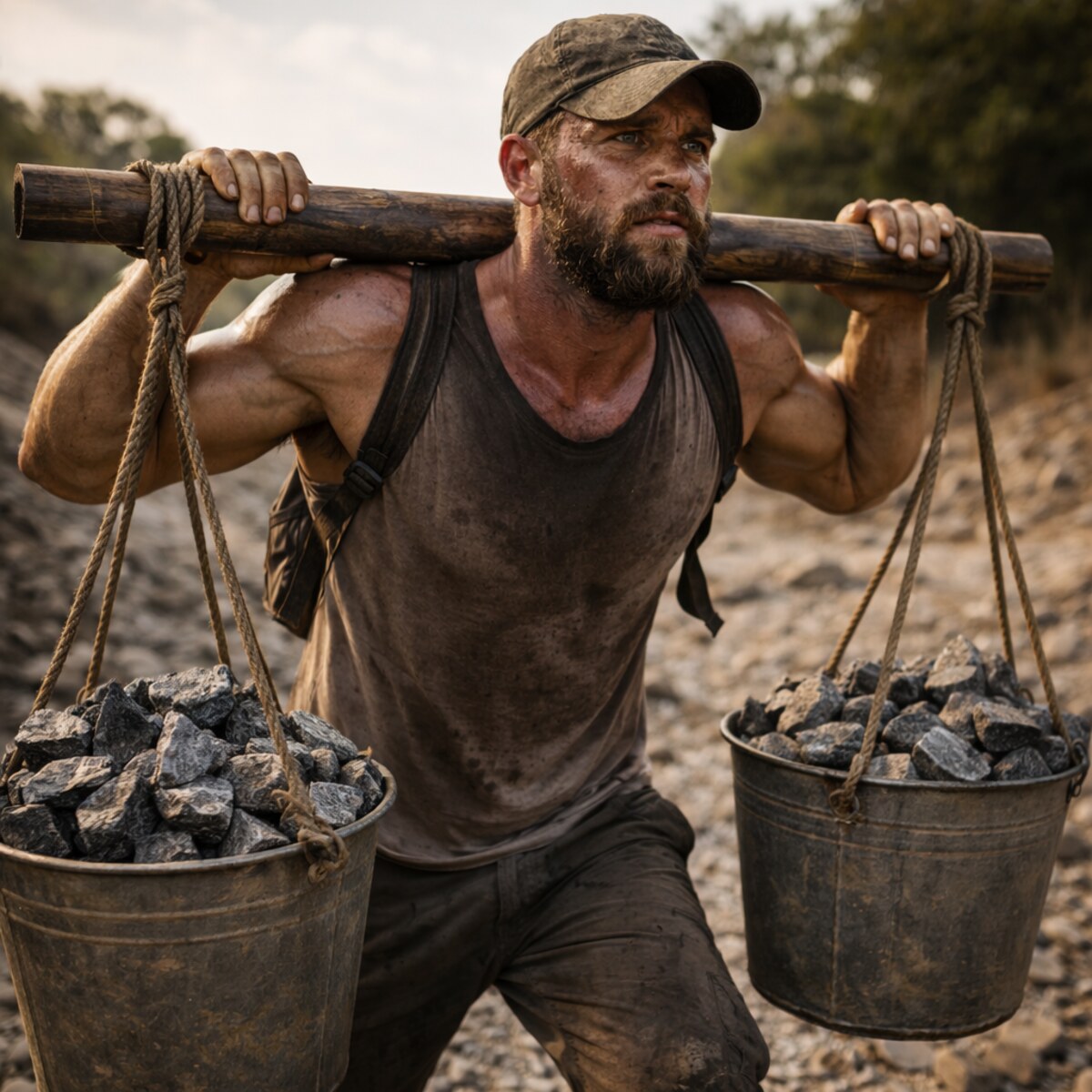
Weight lifted from your shoulders
When you have a weight lifted off your shoulders you have a great sense of relief that a stressful situation has ended or a burden has lifted.This idiom is drawn from the literal feeling of relief when you put down a heavy load that you are carrying.
My friend gave me a small loan, and a weight was lifted from my shoulders.
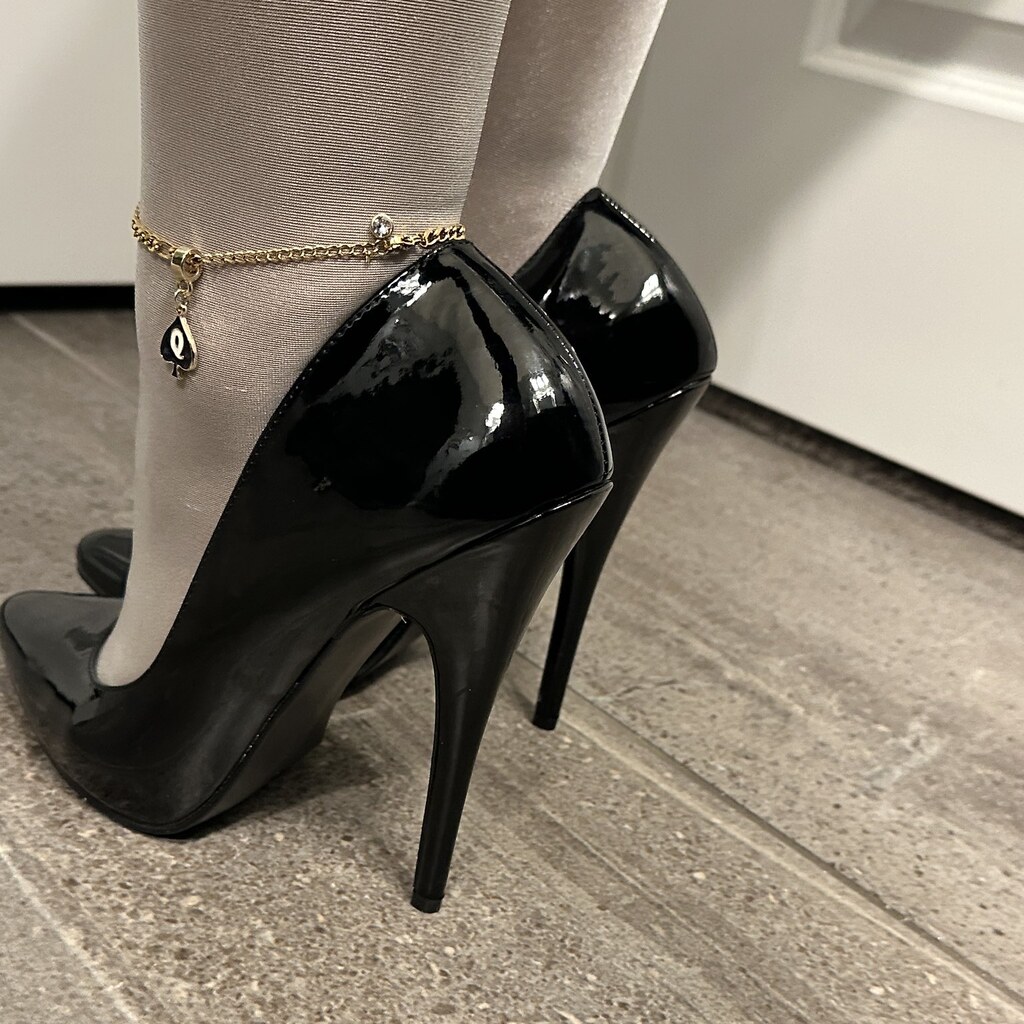
Well heeled
To be well heeled means to be wealthy or having a lot of money. It is often used to describe people who are financially comfortable or able to spend freely.The phrase appeared in English in the early 1900s in American slang. One explanation is that it referred to having money hidden in the heel of a shoe, which was once used as a small secret pocket.
The restaurant was popular with well heeled tourists visiting the city.