
Showing 1-17 of 17
Across the board
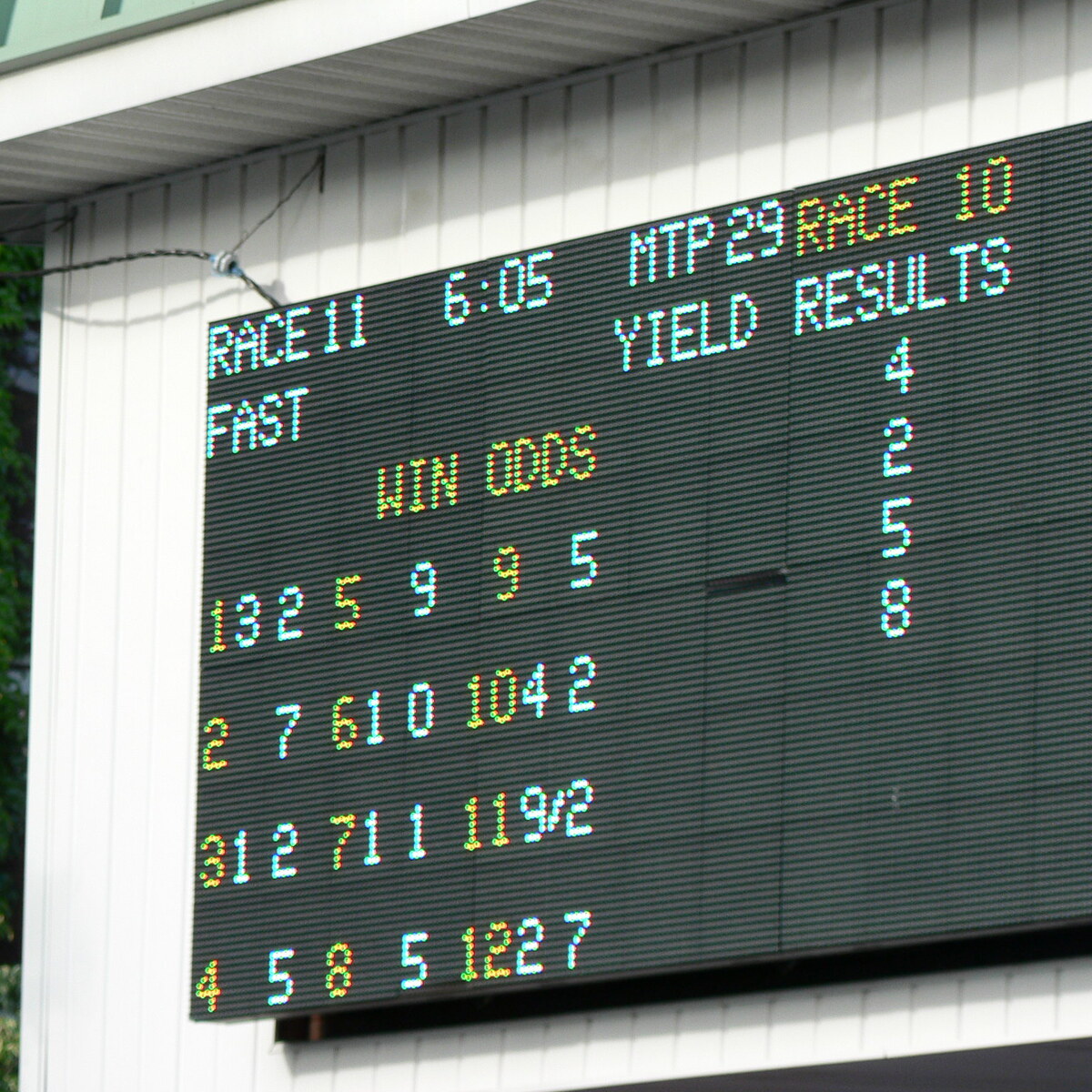
The phrase across the board means applying to everyone or everything equally no matter the situation. No one is treated differently. It is often used for rules, prices, or changes.The term originates from American horse racing, where betting "across the board" meant placing bets on the same horse to finish first (win), second (place), or third (show) on the betting board.
Prices were reduced across the board.
Against all odds
The phrase against all odds means succeeding despite very low chances, a term originating from chances in betting. It highlights determination, luck, or both. People use it to describe surprising success.Against all odds, the injured runner finished the race.
Against the clock
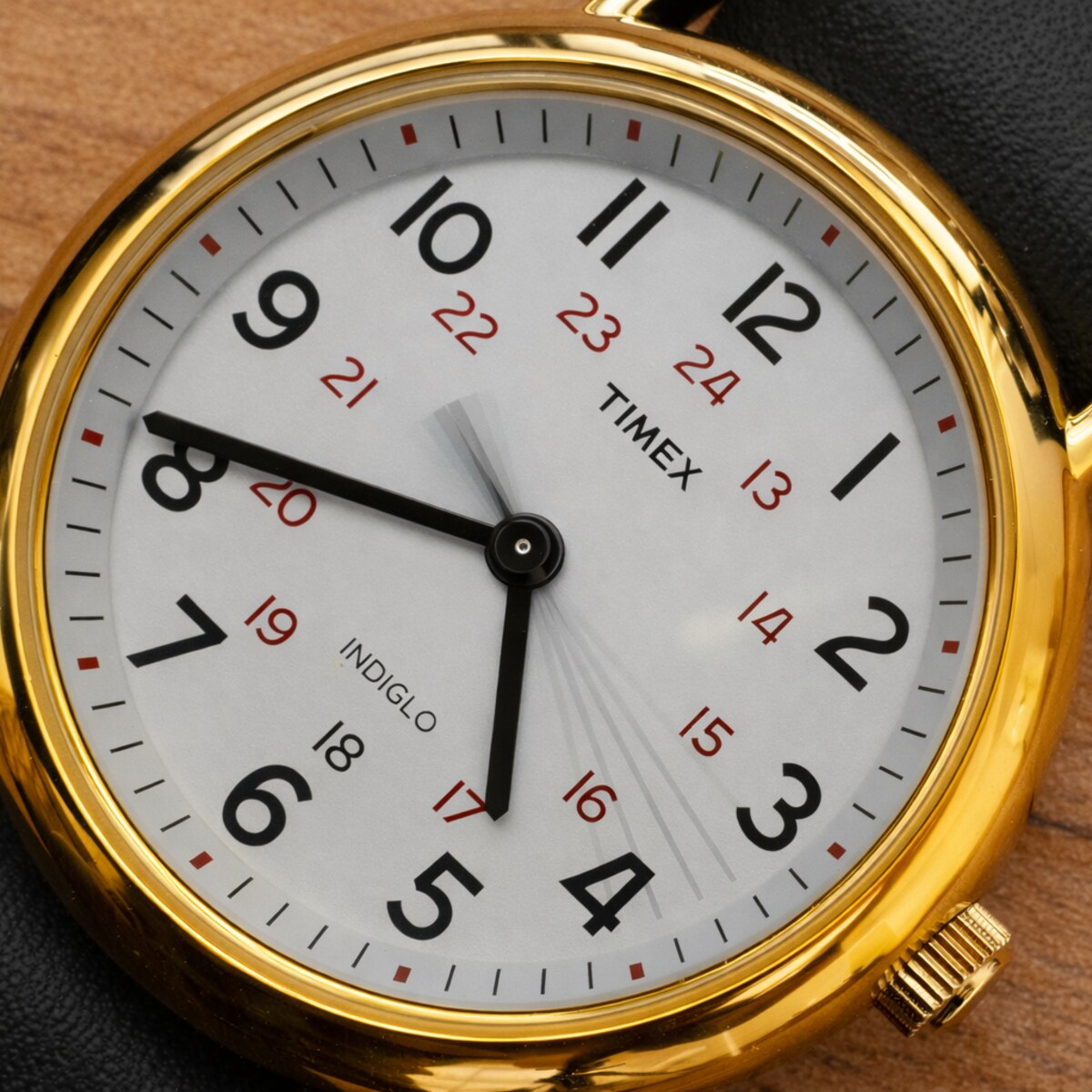
You are working against the clock or against time when you are working fast to finish something by a specific time.This idiom is drawn from timed competitions where there is a fixed time for a contest.
He was racing against the clock to finish his assignment on time.
Ahead of the game
The idiom ahead of the game means being well prepared or more advanced than others. It suggests planning and smart thinking. This idiom likely stems from sports gambling, where you gained an advantage if you were already ahead.By studying early, she stayed ahead of the game.

All dolled up
All dolled up means to make yourself look pretty using makeup and fancy clothes. It is commonly used to describe getting ready for a party or event.She got all dolled up for the end of year function.


All in the same boat
The idiom all in the same boat means everyone is in the same situation, or sharing the same circumstances. Good or bad, it affects everyone equally. The orgin of this idiom is the literal image of a group of people all in the same boat.We all failed the test, so we're in the same boat.
All of a sudden
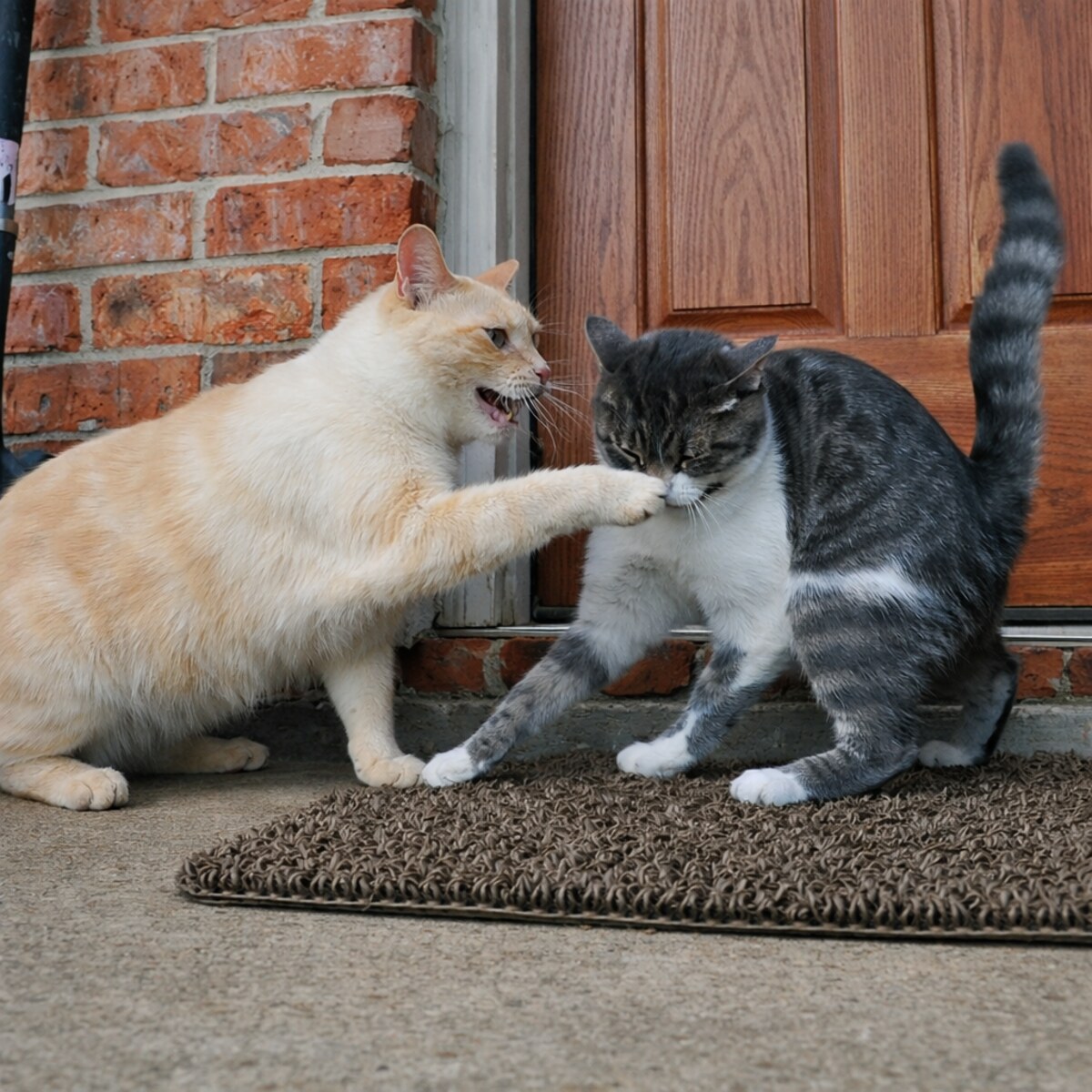
The phrase all of a sudden means happening quickly and without warning. It is often used for surprising events.It is simply a common way of saying something happened suddenly.
All of a sudden, the dog started barking.
All work and no play
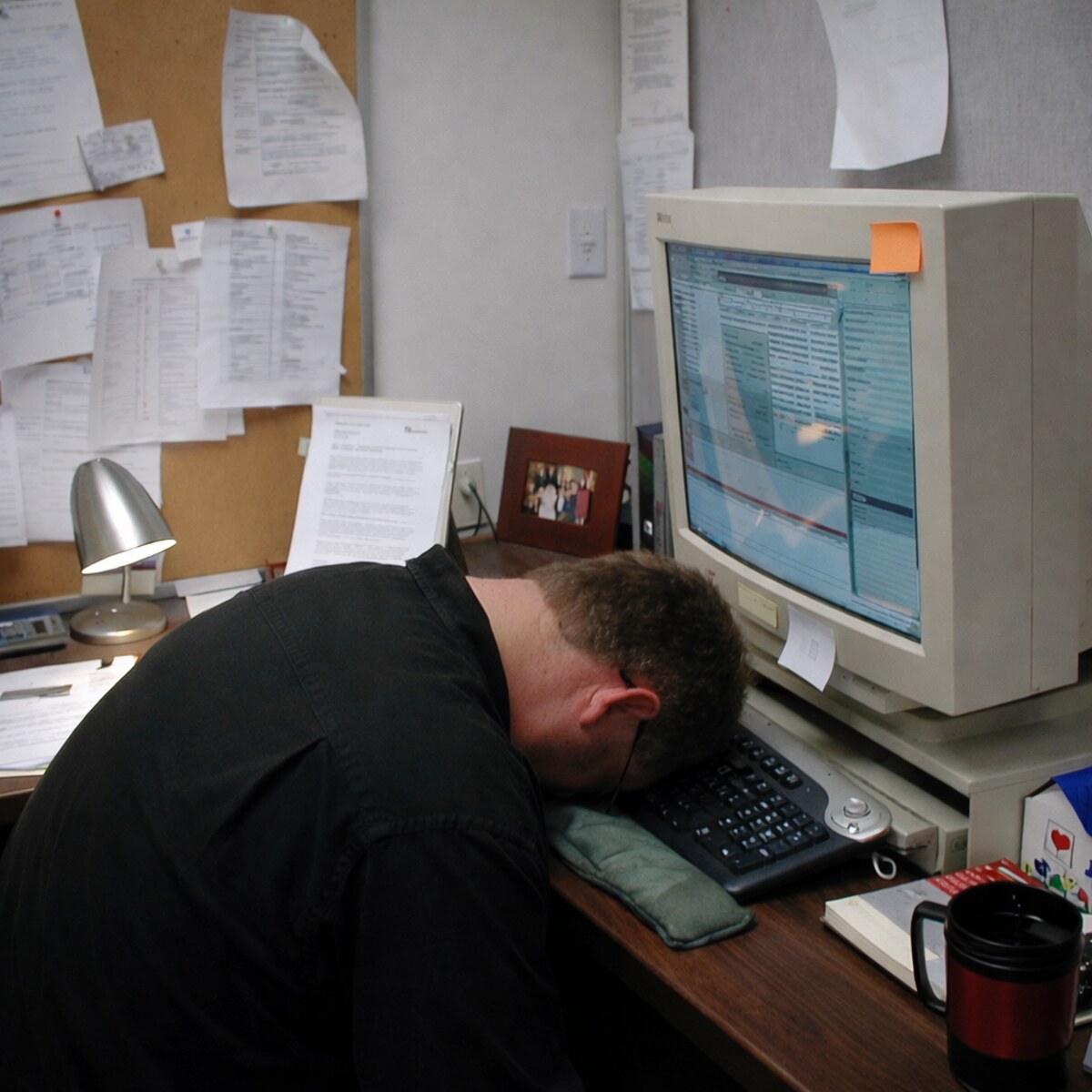
The idiom all work and no play makes Jack a dull boy means that only focussing on work with no time for leisure makes a person boring and unhappy.
Apple of my eye
The idiom the apple of my eye means someone who is loved very much. It is often used for children or close family members.The origin is from 9th century Old English, when the pupil of the eye was called the "apple". If you called someone the apple of your eye it meant they were as precious to you as your ability to see.
My daughter is the apple of my eye.

Around the corner
The phrase around the corner is used to mean something will happen soon. It can be used to talk about something close by "he lives just around the corner" or an event that will happen soon.Summer holidays are just around the corner.
At face value
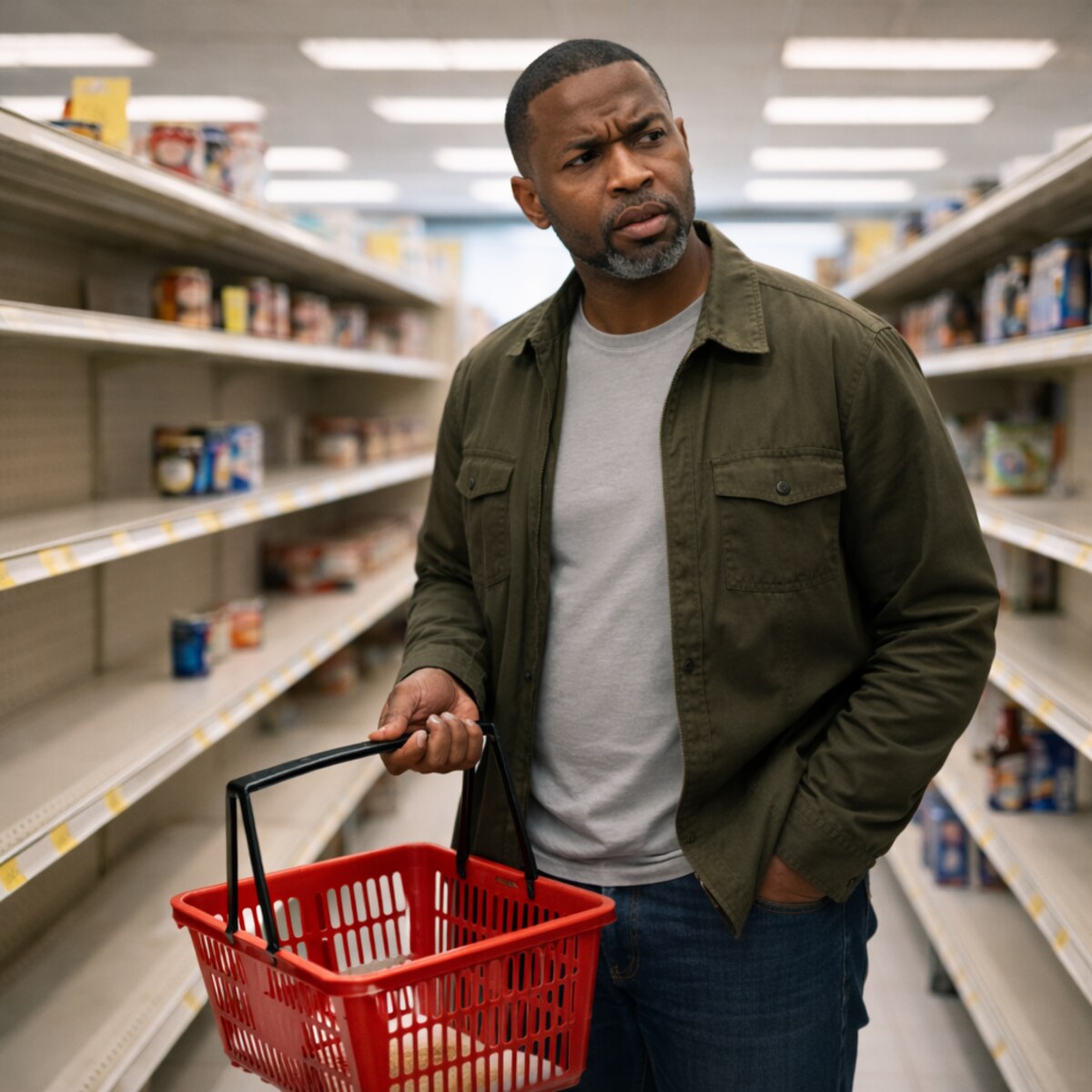
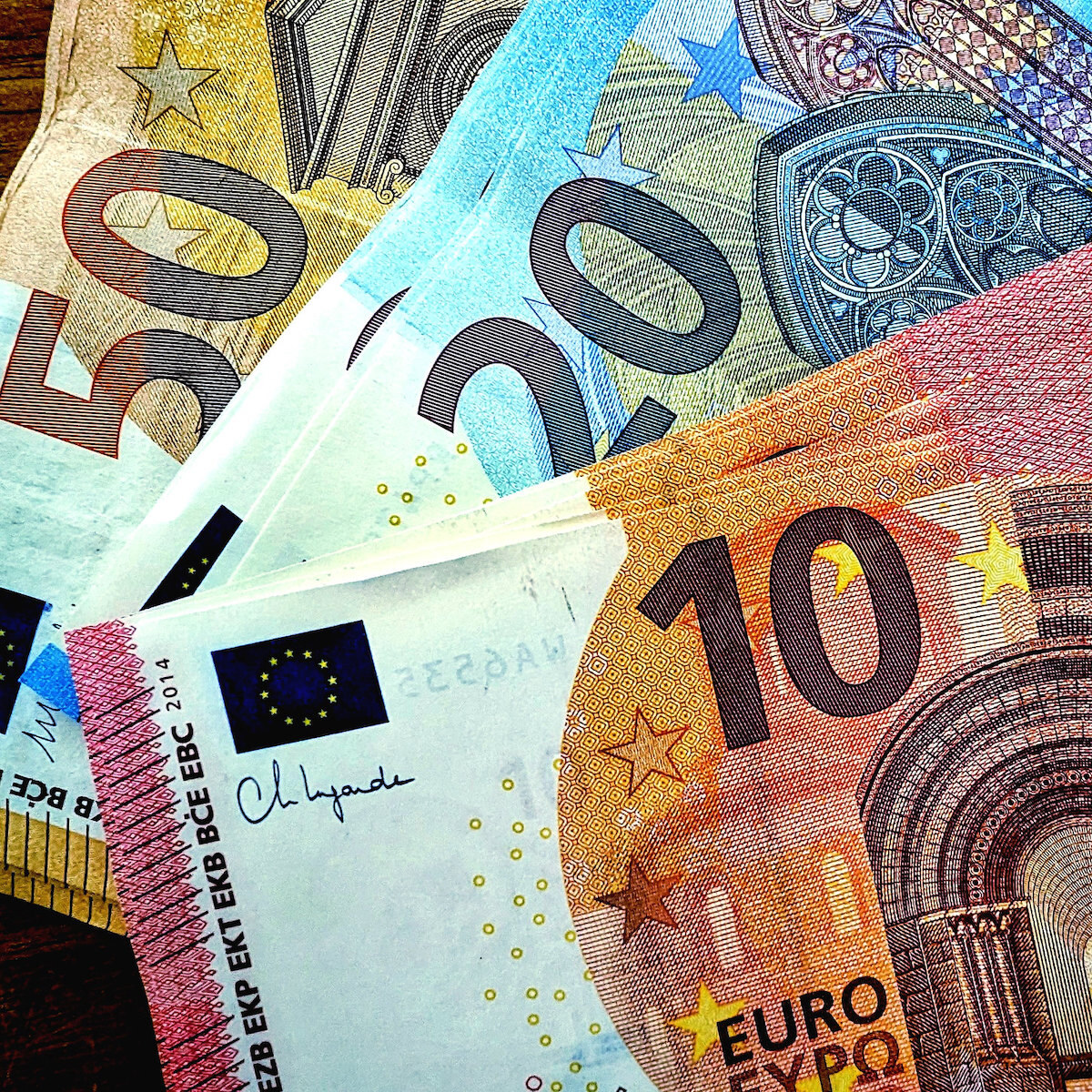
The idiom at face value means accepting something as it appears, without looking deeper. It can be a warning to think more carefully. This phrase originated from the financial markets, where the face value of something monetary is the value printed on that item. For example, a one hundred dollar bill has a face value of one hundred dollars.Don't take his promise at face value.

At your wits' end
The phrase at your wits' end means feeling completely frustrated, and you do not know what to do next.It originated in the 1300s to describe scholars who were at the edge of their understanding.
I'm at my wits' end trying to get this computer program to do what I want!
Avoid like the plague
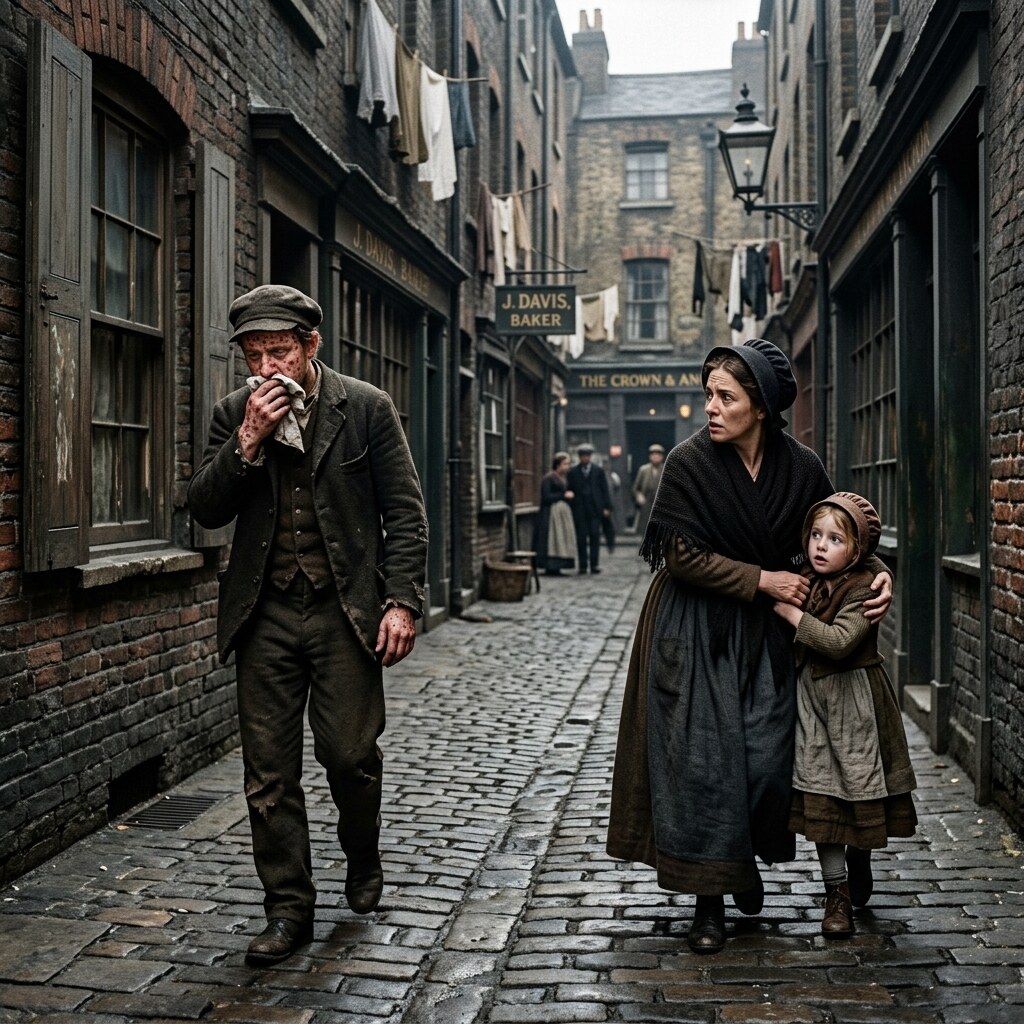
To avoid like the plague means to put effort into staying as far away as possible from something you don't want to deal with.The phrase comes from the historical fear of the plague, a deadly disease that spread rapidly and caused widespread death. Because people tried desperately to avoid it, the expression became a way to describe extreme avoidance.
He avoids spicy food like the plague.
How long is a piece of string
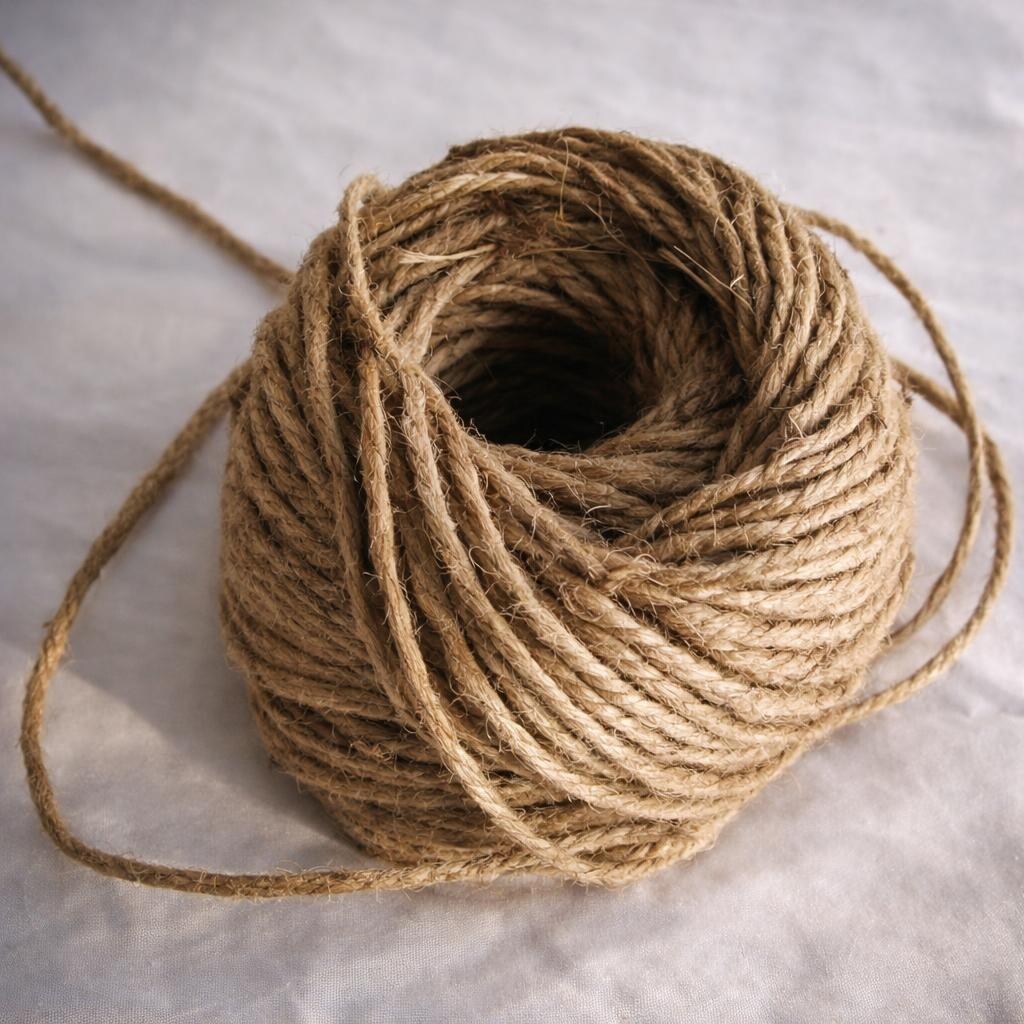
This phrase is used when someone asks a question that is impossible to answer. It usually happens because they did not give you enough details. For example, if someone asks how much a holiday costs, you cannot give a single price. The cost depends completely on where they go.The saying comes from old time shops. People used to buy household items like string or ribbon cut to order from a large roll. If a customer simply asked for "a piece of string," the shopkeeper could not cut it without knowing the exact length needed.
I asked how much it would cost to make my kitchen nicer and people kept telling me how long is a piece of string?
It's all fun and games
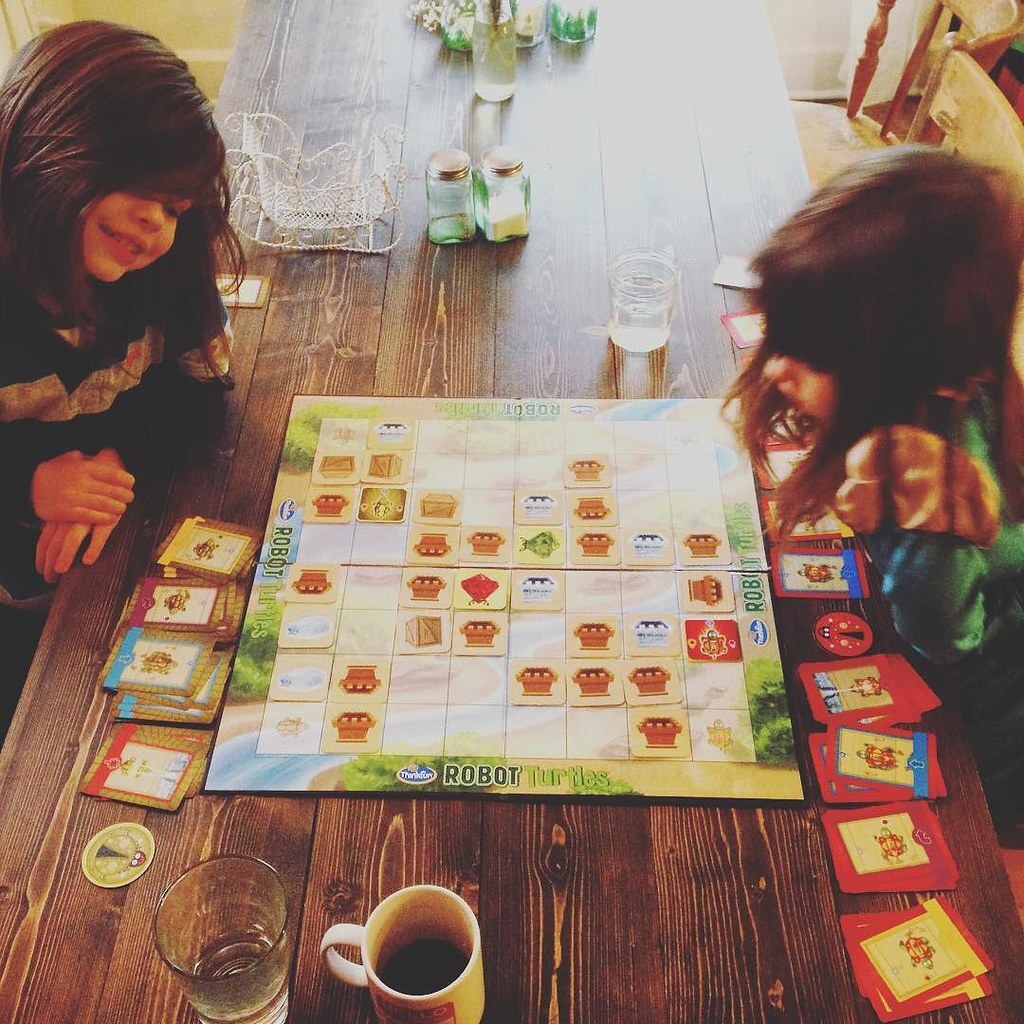
It's all fun and games means that something seems entertaining or harmless at first, but it can become serious or cause problems. The phrase is often used as a warning that playful behavior can go too far.The expression is a shortened form of the older saying "it's all fun and games until someone gets hurt". Variations of the phrase have been used in English for many years to remind people that actions can have consequences.
It was all fun and games while they were racing their bikes down the hill, until someone crashed.