
Showing 1-20 of 25

Go off the deep end
To go off the deep end describes a sudden emotional reaction, like panicking or overreacting.The phrase comes from swimming pools. The deep end is the part where the water is too deep to stand in.
He went off the deep end when the plans changed at the last minute.
Odd one out
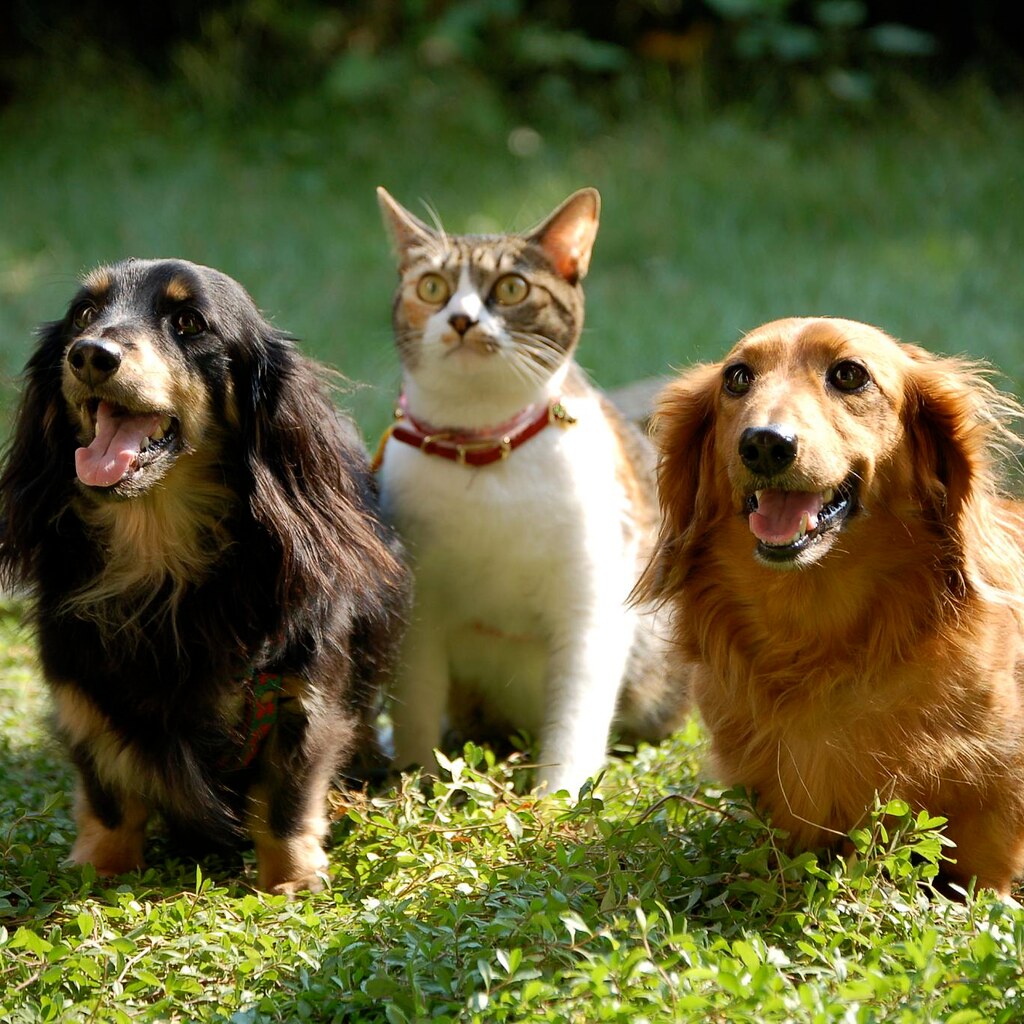
The odd one out means a person or thing that doesn't fit with the others in a group, and stands out.The phrase comes from simple sorting games. Players pick the item that does not belong.
With everyone else wearing uniforms, he felt like the odd one out in his bright jacket.

Off the beaten path
Off the beaten path means a place that is quiet, unusual, or not visited by many people. It often describes locations that are away from busy roads, popular attractions, or crowded tourist areas.The phrase comes from the idea of a path that becomes worn or "beaten" by many people walking on it. A place off that path is somewhere fewer people have traveled.
We found a small café off the beaten path that served the best food on our trip.

Off the hook
To be off the hook means that someone is no longer responsible for something or no longer in trouble. It is often used when a person escapes blame.The phrase comes from early telephones. The receiver rested on a small hook when the phone was not in use, and lifting it started the call. If the receiver was left off the hook, the phone line stayed busy, which led to the expression being used in a figurative way.
When the meeting was canceled, she was finally off the hook for giving the presentation.

Off the rails
To go off the rails means that something has gone badly wrong or out of control. This idiom is used when a plan, situation, or a person's behavior stops following the expected path.The expression comes from railway accidents. If a train's wheels leave the metal rails that guide it, the train can no longer move safely along the track and the journey quickly becomes dangerous to anyone on or near the train.
The meeting went off the rails once everyone started arguing.

Off the top of my head
Off the top of my head means giving an answer without stopping to think deeply or check the details.The phrase appeared in English in the early 1900s. It suggests a thought coming straight from the head without careful preparation.
Just off the top of my head, I think those cost about ten dollars.

Off with the fairies
To be away with the fairies means you are distracted, daydreaming or not paying attention.She's meant to be studying, but I think she's away with the fairies.

On a short leash
On a short leash means being closely controlled or carefully watched by someone in authority. A person on a short leash is not given much freedom to act on their own.The idiom is derived from the notion of walking a dog with a very short leash. When the leash is short, the dog must stay close to its owner and cannot run off.
After missing several deadlines, he was kept on a short leash by his manager.

On cloud nine
The phrase on cloud nine means feeling extremely happy and joyful.The phrase comes from an old system of naming clouds. Cloud nine was imagined as very high, which became linked with a feeling of great happiness.
She was on cloud nine after hearing the news.

On the fence
If you are on the fence you cannot decide what side of an argument or decision you are going to take. It comes from a literal description of someone on a fence between two properties. This idiom is used to represent indecision.She was on the fence about changing jobs.

On the same page
To be on the same page means means that people understand a situation in the same way and agree about what should happen.The expression comes from reading or studying together. If everyone is literally on the same page of a book or document, they are looking at the same information at the same time.
Before starting the project, the team met to make sure everyone was on the same page.

On the tip of my tongue
The idiom on the tip of my tongue means that someone almost remembers something, such as a word or name, but cannot quite say it yet.The expression comes from the image of a word being so close to being spoken that it seems to be sitting on the tip of their tongue, ready to come out.
Her name is on the tip of my tongue, but I just cannot remember it.

Once bitten twice shy
Once bitten, twice shy means that after someone has a bad experience, they become more careful about similar situations in the future. It describes how people learn to avoid repeating the same mistake.The idea appears in very old proverbs. A similar saying was written in the 1600s, comparing a person who has been bitten by a dog to someone who becomes cautious even around friendly dogs afterward.
After losing money in a risky investment, she was once bitten, twice shy about trying another one.

Once in a blue moon
The idiom once in a blue moon means something happens very rarely.The phrase refers to a blue moon, a name for an extra full moon that appears in a calendar cycle. Because it does not occur often, the image became a way to describe rare events.
We only see each other once in a blue moon.

One born every minute
The idiom there's one born every minute or there's a sucker born every minute is a way of saying there is a never-ending supply of fools or victims, constantly being born.It is something you say when you see someone being tricked or scammed.
You really fell for that? There's one born every minute!
One foot in the grave
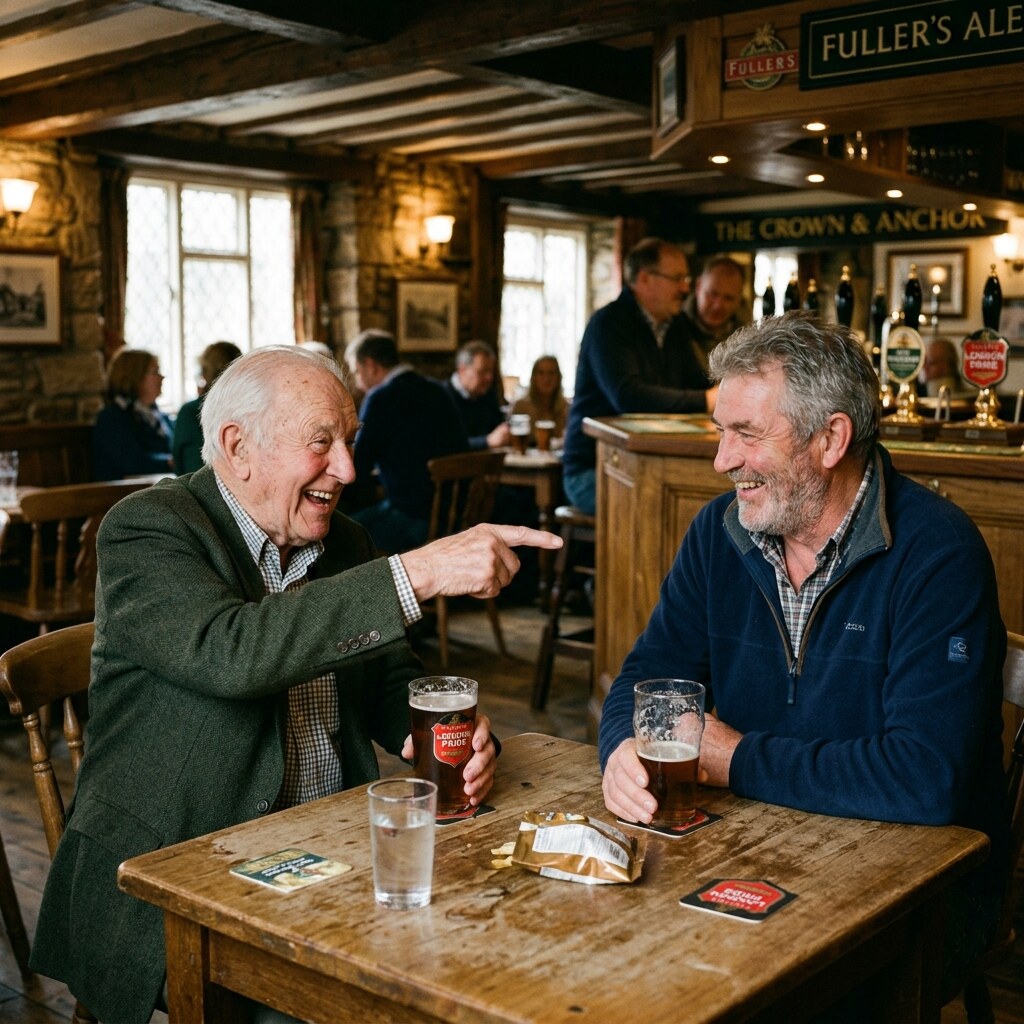
One foot in the grave describes someone who is very old, but is most often used in a joking way.The expression appeared in English several centuries ago. It uses the image of a person already partly in the grave to represent the idea of being near death.
He joked that after climbing the steep hill he felt like he had one foot in the grave.

Open door policy
An open door policy means that people are welcome to come and talk freely with someone in charge. It means that a person, usually a leader or manager, is willing to listen to questions or concerns.The expression comes from the idea of leaving an office door open so that others feel comfortable walking in to speak. Over time it became a metaphor for openness and easy communication.
The principal has an open door policy, so students can come in and discuss problems anytime.
Out of left field
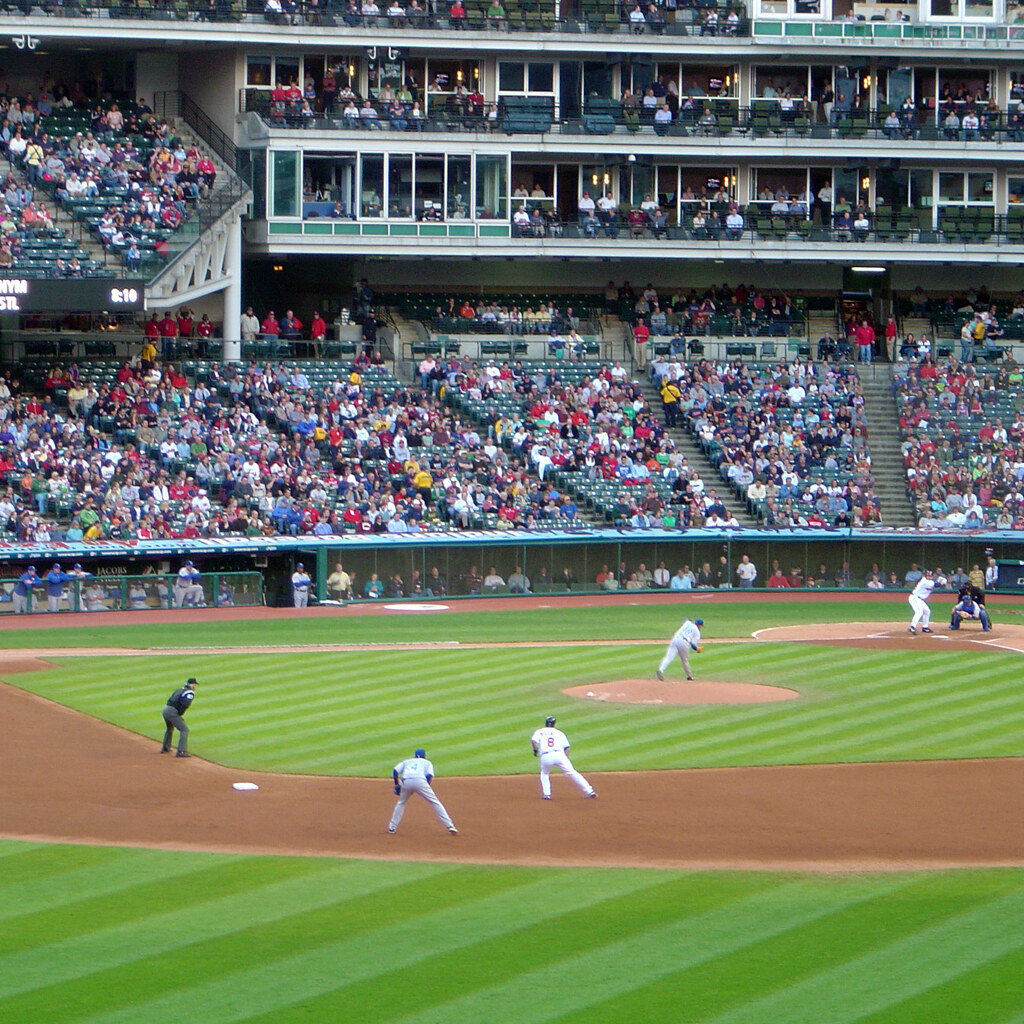
The idiom out of left field means something that is completely unexpected and catches people off guard.The phrase comes from baseball, where left field is one of the outfield positions. A ball or throw coming from that area could arrive suddenly and unexpectedly, which led to the expression being used for surprising situations.
His question about moving to another country came completely out of left field.

Out of sight, out of mind
The idiom out of sight, out of mind means that people tend to forget about things that they no longer see or think about regularly. When something disappears from view, it often disappears from attention as well.The saying has been used in English for several centuries and reflects a common human habit of forgetting things that are not easily visible.
Once the old toys were packed away in the attic, they were out of sight, out of mind.

Out of the blue
Out of the blue means that something happens suddenly with no clear sign that it was about to happen.The phrase comes from the image of a sudden bolt of lightning appearing from a clear blue sky. Because lightning usually comes with storm clouds, a strike from a blue sky would be very surprising.
Out of the blue, an old friend called him after many years without contact.