
Showing 1-20 of 21
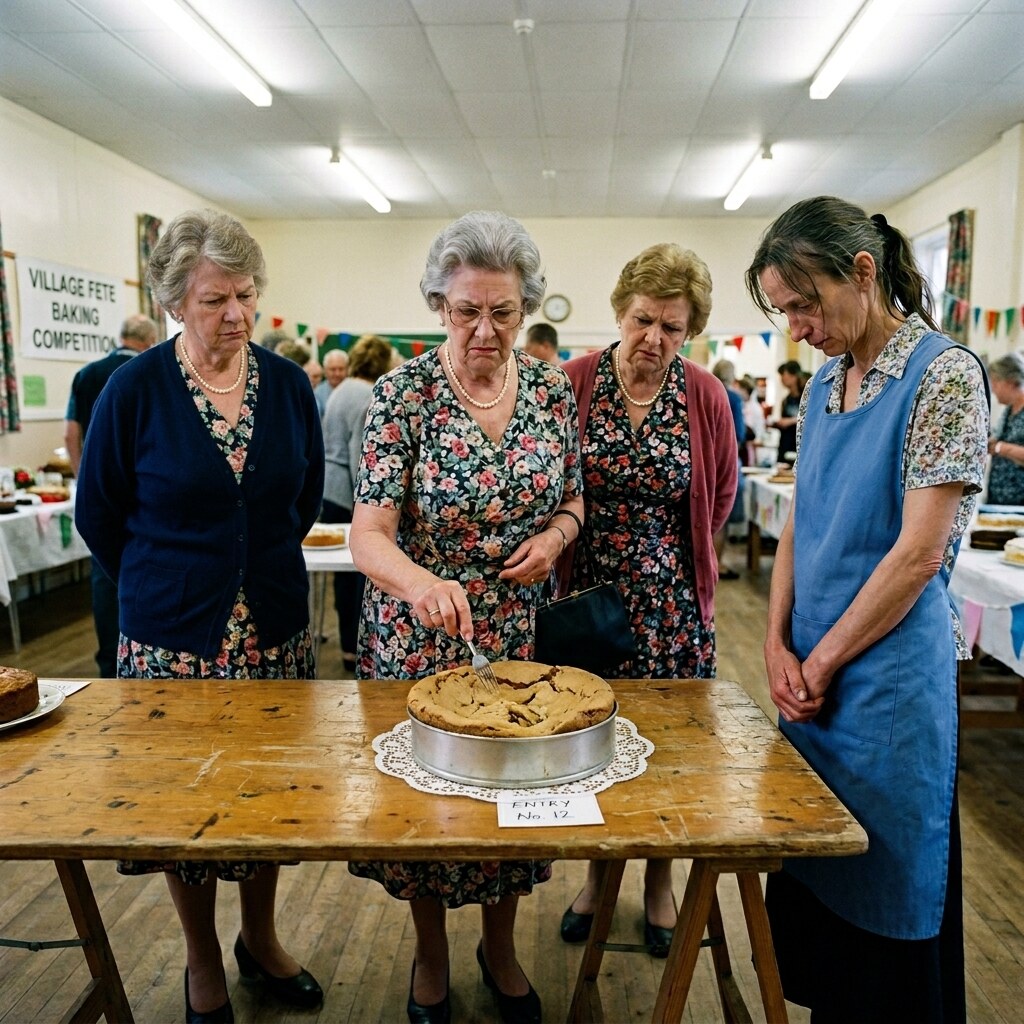
Judged and found wanting
To be judged and found wanting means that something or someone has been examined or tested and has been seen as not good enough.The phrase comes from older English writing and was influenced by a line in the Bible from the Book of Daniel about being "weighed" and found lacking. Over time it became a general expression for failing to meet a required standard.
After examining the cake, the fete committee judged it and found it wanting.

Make a deal with the devil
To make a deal with the devil means to accept help or an offer from someone bad or dangerous in order to get something you want. It suggests that the benefit comes with a serious cost or moral problem.The phrase comes from old stories where a person trades their soul to the devil for power, wealth, or success. People use it when someone chooses a risky or unethical option because it seems useful at the time.
Signing that contract felt like I was about to make a deal with the devil.

Make a long story short
You might say to make a long story short when you are giving a brief summary of a longer explanation. The speaker skips many details and goes straight to the main point.The phrase became common in English conversation as a way to signal that the full story is being shortened, so the listener is prepared for a quick conclusion.
To make a long story short, Fred messed up and we missed the concert.

Make ends meet
The idiom make ends meet means to have just enough money to live on.The phrase comes from the idea of bringing two ends together so they connect. It suggests carefully balancing income and expenses.
They work two jobs to make ends meet.

Make hay while the sun shines
The idiom make hay while the sun shines draws from farming practices, where you should get as much done as possible at harvest time while the sun is shining, or your hay will spoil from getting wet.It means that you should take advantage of the good times to get work done.
We have a lot of customers at the moment, let's make hay while the sun shines!

Make the most of it
To make the most of it means using a situation as well as possible, even if it is not ideal. The focus shifts to what can still be gained.The phrase has been used in English for many years. It reflects a practical attitude toward dealing with circumstances that cannot be changed.
The weather was poor, but they decided to make the most of it and go hiking anyway.

Make waves
To make waves means to cause trouble or disagreement, often by speaking up and challenging how things are normally done.The phrase comes from the image of calm water being disturbed so that waves form on the surface. It began to be used in the early 1900s to describe actions that create noticeable disruption.
She did not want to make waves on her first day at the new job, so she kept her concerns to herself.

Make yourself at home
To make yourself at home means to behave in a relaxed and comfortable way in someone else's place, as if it were your own.The phrase has been used for a long time as a friendly way for hosts to welcome guests. By telling someone to make themselves at home, the host shows that the visitor is welcome and should feel comfortable there.
The neighbour's cat wandered in through the dog door, jumped onto the couch, and immediately made itself at home.

Many hands make light work
Many hands make light work is a phrase that means a task is much easier to complete when you have lots of people helping you.She needed to clean up after the big party before her parents came home, and made it just in time when everyone pitched in, and many hands made light work.

Mean business
To mean business means to be serious and determined about what you are saying or doing. When someone means business, they are not joking and expect others to take them seriously.The phrase has been used in English since the 1800s. It comes from the idea that when someone is dealing with business matters, they are focused and intent on getting results.
When the coach blew the whistle and started the tough training drills, everyone knew she meant business.

Measure twice, cut once
Measure twice, cut once is a phrase from carpentry and tailoring that reminds you that you should check your measurements and then check them again before you cut, so you do not make a mistake and waste your materials.
Memory of a goldfish
If you have the memory of a goldfish, it means you have a very short memory or you forget things a lot.The phrase comes from the common belief that goldfish can only remember things for a few seconds. Although this idea is popular in jokes and everyday speech, real goldfish can actually remember things for much longer.
I forgot where I left my keys again, I must have the memory of a goldfish.

Mind your own business
Mind your own business means to focus on your own concerns and not interfere in other people's matters. This idiom is used when someone is being too curious or involved in something that does not concern them.The phrase has been used in English for centuries as a straightforward way of telling someone to stop asking questions or giving opinions about someone else's affairs.
When he started asking about their private plans, she told him to mind your own business.

Misery loves company
Misery loves company means that people who feel unhappy often want others to share their feelings. Being around someone else in the same situation can make them feel better.The saying has been used in English for centuries. Writers used it to describe the human habit of seeking others who understand the same troubles.
After the exam went badly, the students gathered together because misery loves company.

Missed the boat
If you missed the boat it means you missed a good chance or opportunity. If you wait too long, it may be gone. The origin of this phrase is literal, if you miss a boat it leaves without you.A similar idiom is that ship has sailed.
He took so long to get his application together he missed the boat.

Mix and match
To mix and match means to combine different things in many possible ways. People use the phrase when items can be chosen and put together freely instead of having to use a fixed set.This phrase became common in advertising and everyday language in the 1900s, especially when describing clothing or household items that could be combined in different styles or colors.
You can mix and match these pieces easily.

Money is the root of all evil
The idiom money is the root of all evil means that the strong desire for money can cause people to behave in harmful or dishonest ways.The phrase comes from a line in the Bible, in the First Letter to Timothy, which says that the love of money is a root of all kinds of evil. Over time the wording was shortened and became a common proverb in everyday English.
After watching the partners argue bitterly over profits, he muttered that money is the root of all evil.

More than meets the eye
The idiom more than meets the eye means that something is more important or interesting than it first appears. At first glance it may seem simple, but there are hidden details or deeper reasons behind it.The phrase has been used in English for many years to describe situations where the true nature of something is not immediately obvious. It reminds people not to judge something too quickly based only on what they first see.
The quiet little shop looked ordinary, but there was more than meets the eye once you stepped inside.

Move the goalposts
To move the goalposts means to change the rules after something has already started, making it harder for someone to succeed. It often feels unfair because the target keeps shifting just when people think they are close to reaching it.The phrase comes from sports such as soccer or rugby, where goalposts mark the place where points are scored. If the posts were moved during the game, it would be harder to score points.
Every time he finished the task, his boss added another requirement and seemed to move the goalposts.

Moving target
A moving target is something that keeps changing, making it difficult to finish. When a situation keeps shifting, it becomes harder to plan or make progress.This phrase comes from shooting or military training, where hitting a target that is moving is much harder than hitting one that stays still. The phrase later came to describe problems or goals that keep changing.
The deadline kept changing, so finishing the project felt like chasing a moving target.