
Showing 21-34 of 34

Time will tell
The idiom time will tell means that the truth or result of something will become clear in the future. It is used when people cannot know the outcome yet and must wait to see what happens.The phrase has been used in English for many centuries. It reflects the idea that time eventually reveals what will really happen.
We are not sure if the new plan will work, but time will tell.

To each their own
To each their own means that everyone has different tastes or preferences, and people should be free to like what they like. This idiom is often used when someone chooses something that others might not like.The phrase has been used in English for many years as a way to accept differences in opinion or lifestyle.
I don't like coffee, but to each their own.

Toe the line
To toe the line means to follow rules or instructions carefully, especially when someone in authority expects strict obedience.The expression comes from early military drills, where soldiers stood with their toes touching a marked line so the ranks stayed straight and orderly.
The coach warned the team to toe the line if they wanted to stay on the squad.

Too close for comfort
The idiom too close for comfort means a situation feels uncomfortably near or risky. It is used when something almost goes wrong or when danger or trouble comes closer than someone would like.The expression has been used since the early 1900s. It likely developed from the simple idea that being too near to something unpleasant can make people feel uneasy.
That car swerved past us on the narrow road and it was too close for comfort.
Too good to be true
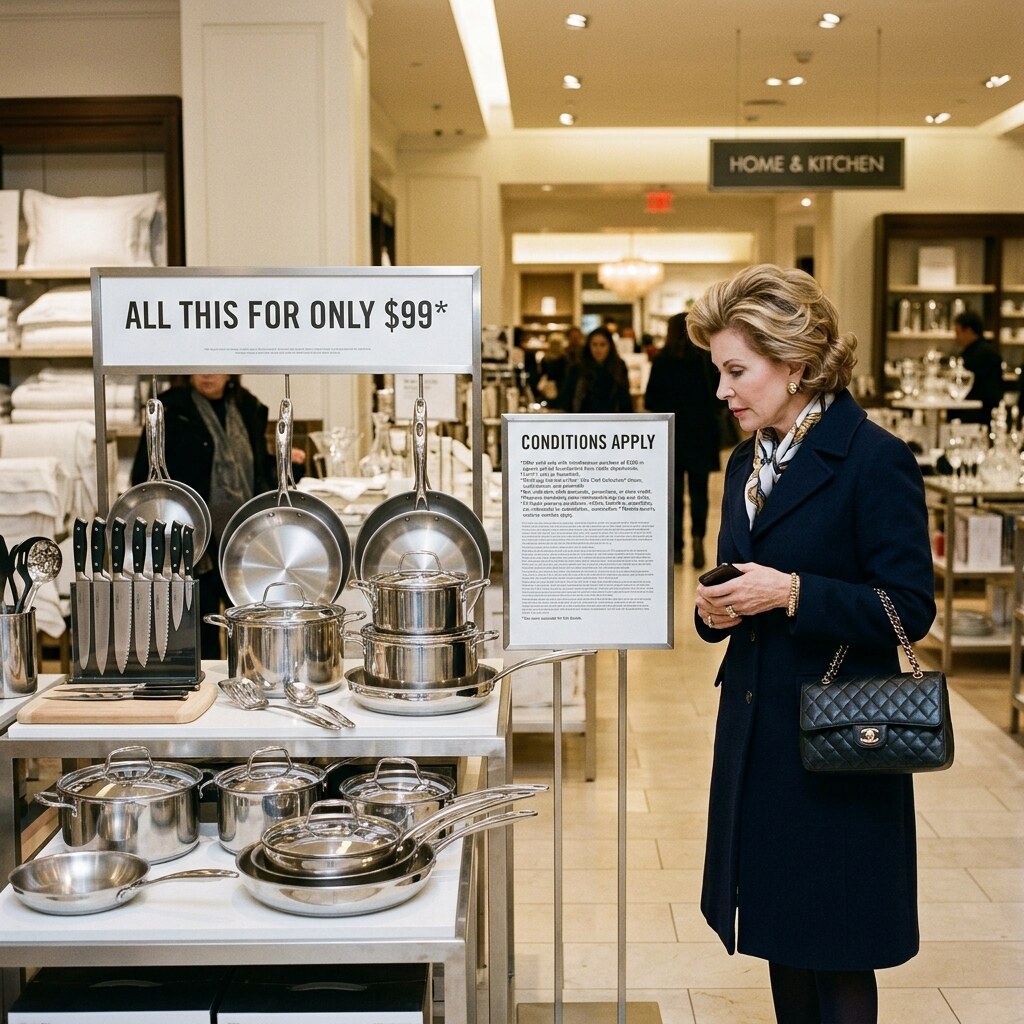
The idiom too good to be true means something seems so good that it is likely not as it appears, and there is probably some kind of hidden catch.The phrase has been used in English for many years. It reflects the idea that unusually good offers often hide a problem.
The deal looked too good to be true, so she checked the details carefully.

Too hard basket
The too hard basket is part of a metaphorical filing system where you put tasks that are too hard and you'll do later. People often say this when they give up on something.He put organising the garage into his too hard basket.
Too many cooks spoil the broth
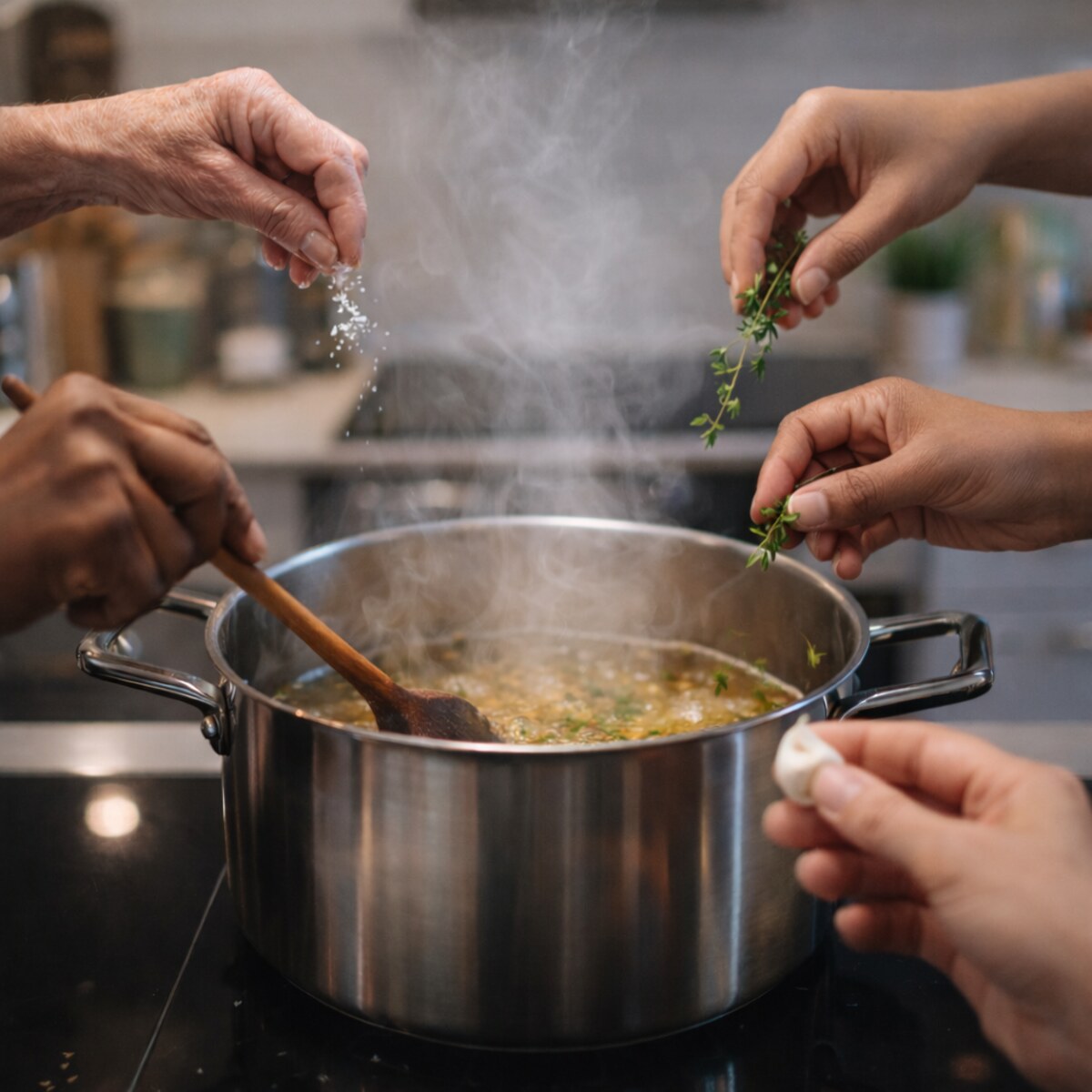
Too many cooks spoil the broth or in modern times, shortened to too many cooks means that if too many people are involved in something, it actually hinders the process.This proverb came from a story where soup was being cooked, and everyone in the house remembered separately that it needed to have salt added. Once every one of them had added some salt, the broth was too salty and was inedible.
Every time I try and do something on this project, someone else gives me a different answer and I can't get anything done. Too many cooks spoil the broth!

Touch and go
Touch and go means a situation that is uncertain and could easily end badly, or they could end well, but it is so close you can't tell what will happen.The expression comes from aviation. In a touch and go landing, a plane briefly touches the runway and immediately takes off again, making it a risky manoeuvre that requires careful control.
It was touch and go for a while, but the doctors managed to stabilize the patient.
Touch base
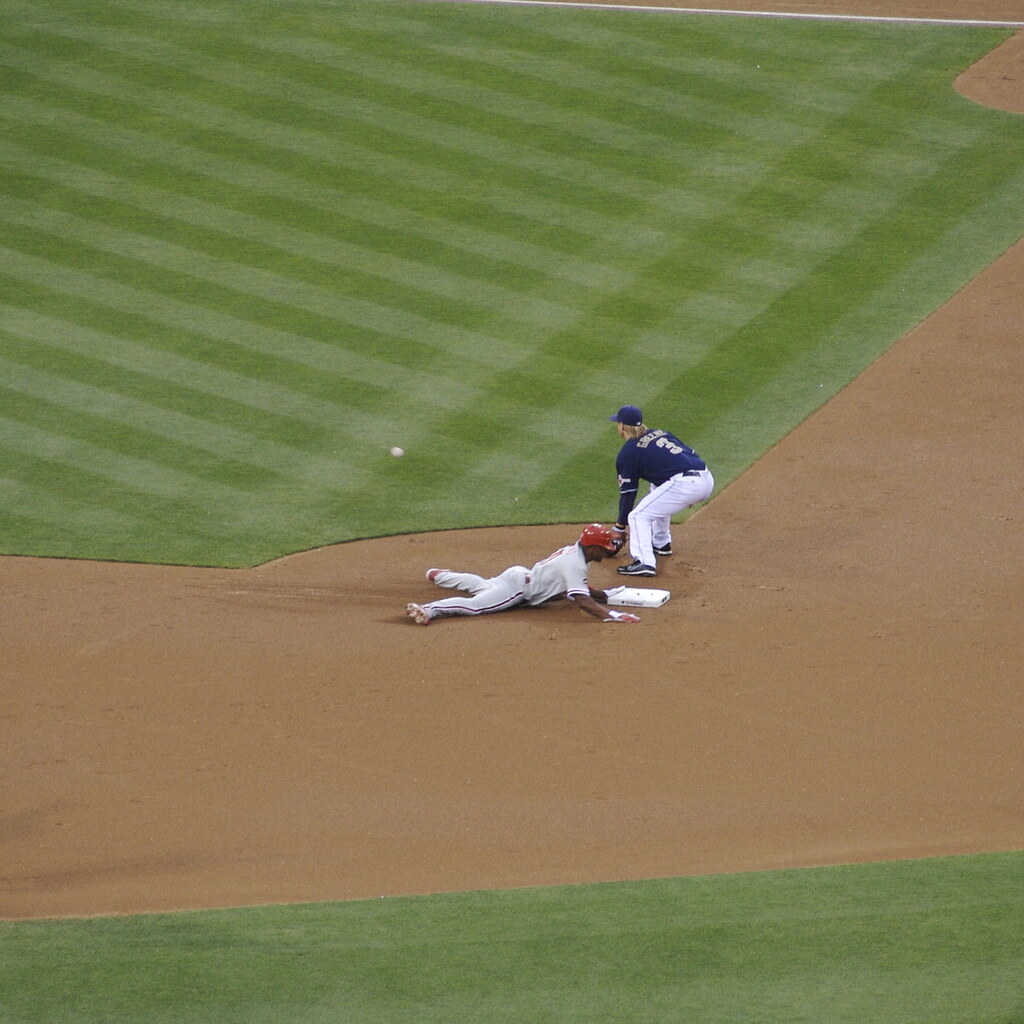
To touch base means making brief contact with someone to share information or check on progress.The phrase comes from baseball. A runner must touch each base while moving around the field. Missing a base can mean being called out.
Let's touch base tomorrow morning about the project.

Turn a blind eye
The idiom turn a blind eye means choosing to ignore something that you know is wrong. You might see something wrong, but act as if you don't.The phrase is often linked to a story about a naval officer who ignored a signal by putting a telescope to his blind eye. The image became a way to describe deliberate ignoring.
The manager turned a blind eye to the rule violations during the busy season.

Twist the knife
To twist the knife means to make a bad situation feel worse by adding another hurtful remark or action. This extra moment deepens the damage.The phrase comes from the image of turning a knife in a wound. The motion increases the pain.
After winning the debate, he twisted the knife with a sarcastic comment.

Twist your arm
To twist your arm means persuading someone to do something they do not want to do.The phrase comes from the image of physically twisting an arm to force action. The image became a metaphor for persuasion.
I did not want to go out, but she twisted my arm and I agreed.

Two sides of the same coin
Two sides of the same coin means that two things may seem different, but they are closely connected and part of the same situation. Often one cannot exist without the other.The phrase comes from the two faces of a coin. Although each side shows a different image, both belong to the same object and are inseparable.
The two sisters argued all the time, but they were two sides of the same coin.

Two's company, three's a crowd
Two's company, three's a crowd means that two people often enjoy privacy together, while a third person can interrupt that closeness. The phrase is often used when a pair would rather be alone.The saying appeared in English in the 1600s. It reflects the long-standing idea that couples prefer time without others around.
When their friend tried to join them at the quiet table, he laughed and said two's company, three's a crowd.