
Showing 21-31 of 31
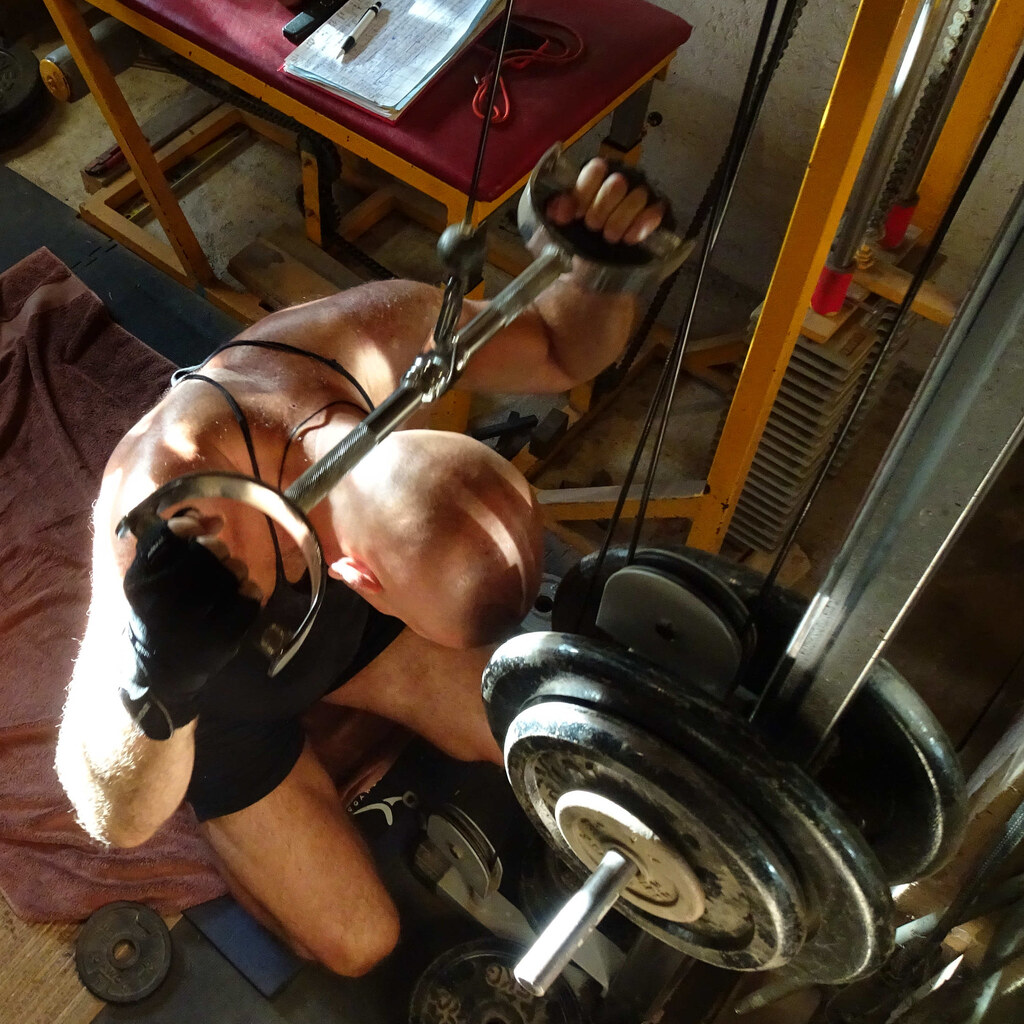
What doesn't kill you makes you stronger
The phrase what doesn't kill you makes you stronger means that difficult experiences can make a person tougher or more resilient - hard times can build strength.The saying has been used in English for many years. It reflects the idea that surviving challenges can lead to personal growth.
After recovering from the injury, he said what doesn't kill you makes you stronger.
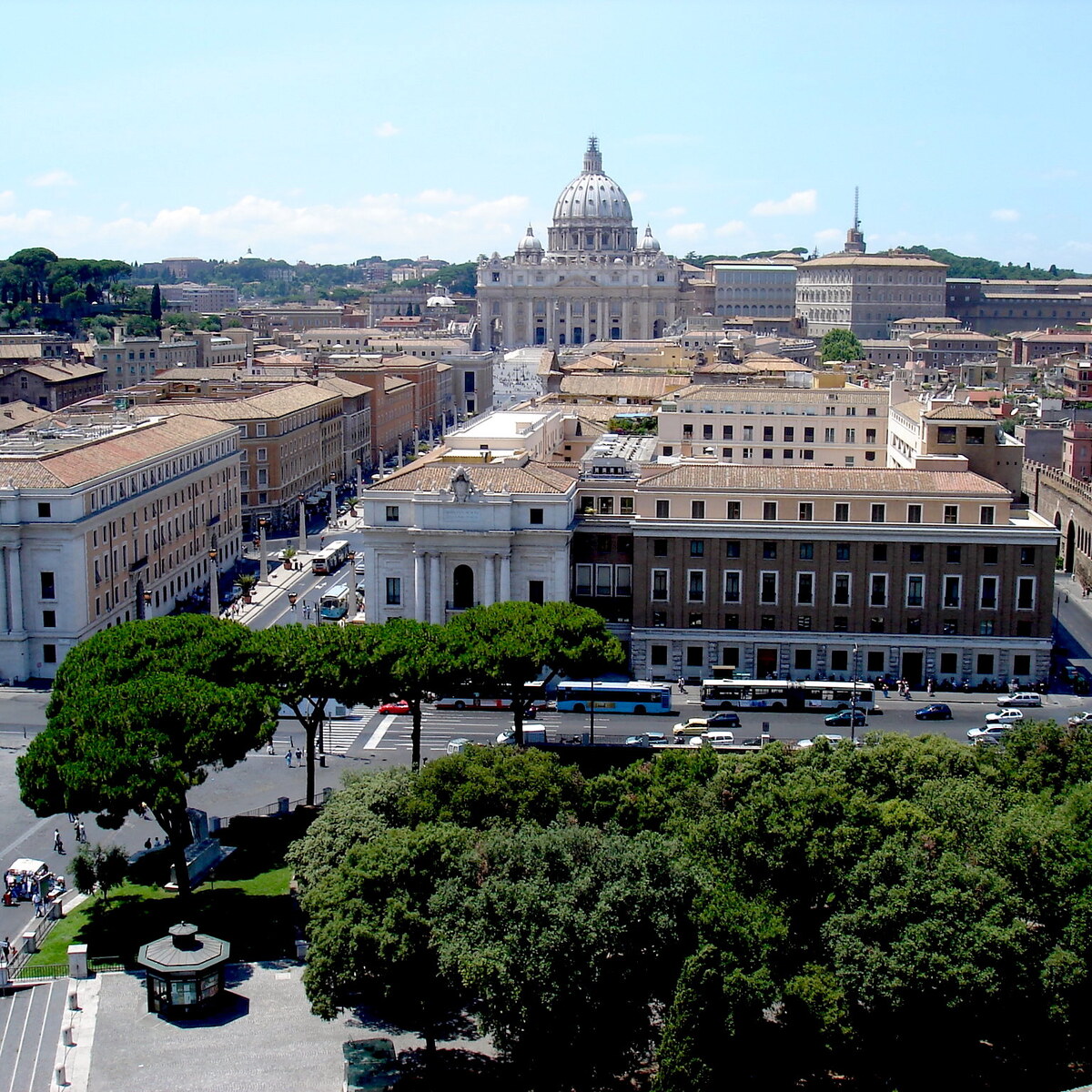
When in Rome
The idiom when in Rome, do as the Romans do means that when you are a visitor, either to another country or just someone else's house or working in their business, you should adapt to how everyone behaves and try and fit in as a mark of respect.Everyone else was taking their shoes off, so when in Rome, do as the Romans do.
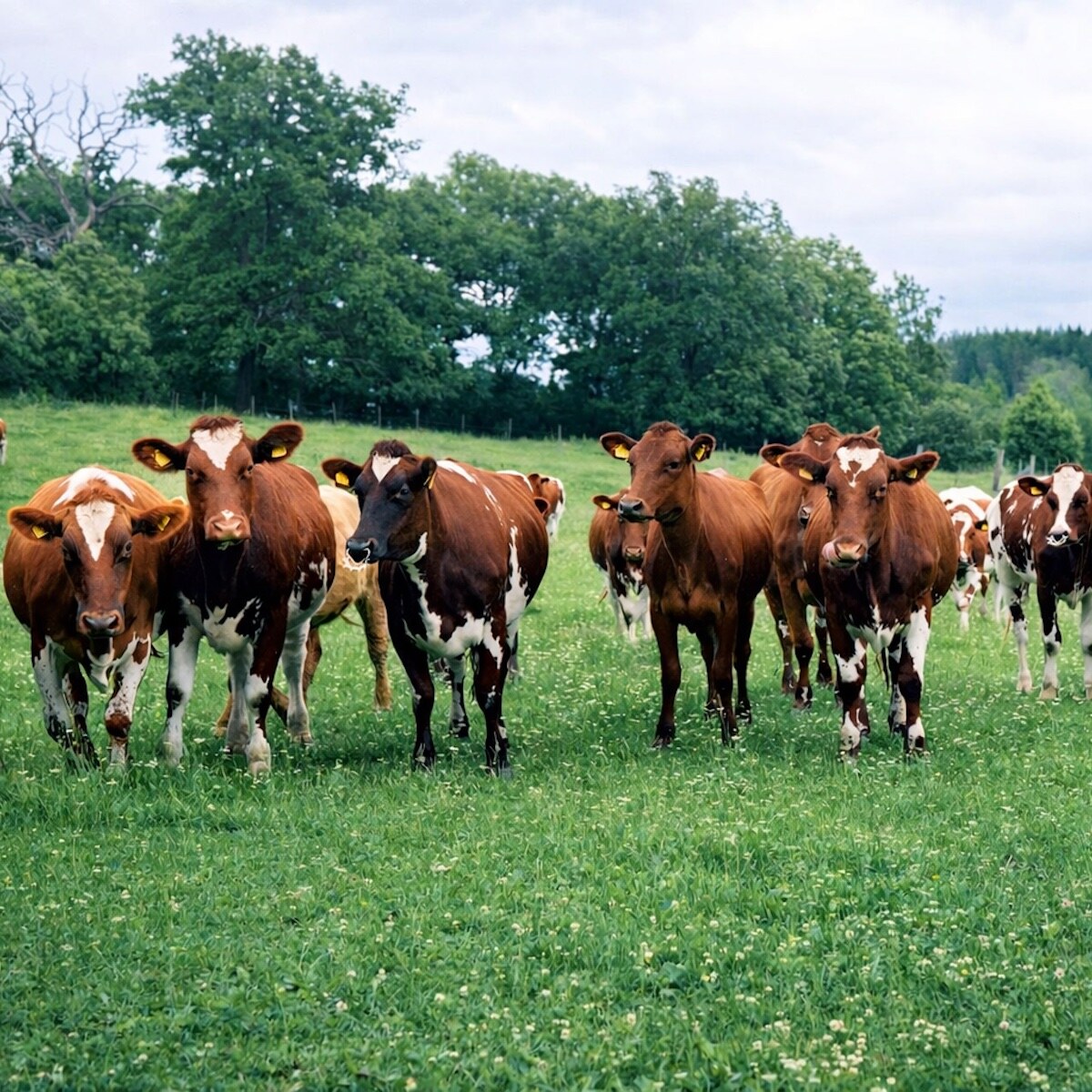
When the cows come home
The idiom when the cows come home means for a very long time, often longer than expected.The phrase comes from farm life, where cows really like being out in the fields, so they come home as late as they can.
They can argue until the cows come home, but it won't change anything.

When the dust settles
The phrase when the dust settles means to wait until after confusion or trouble has passed. Things become calmer, and it is easier to think clearly.The idiom draws from the literal image of dust being kicked up while you are working, which then falls to the ground later.
We'll decide what to do next when the dust settles.
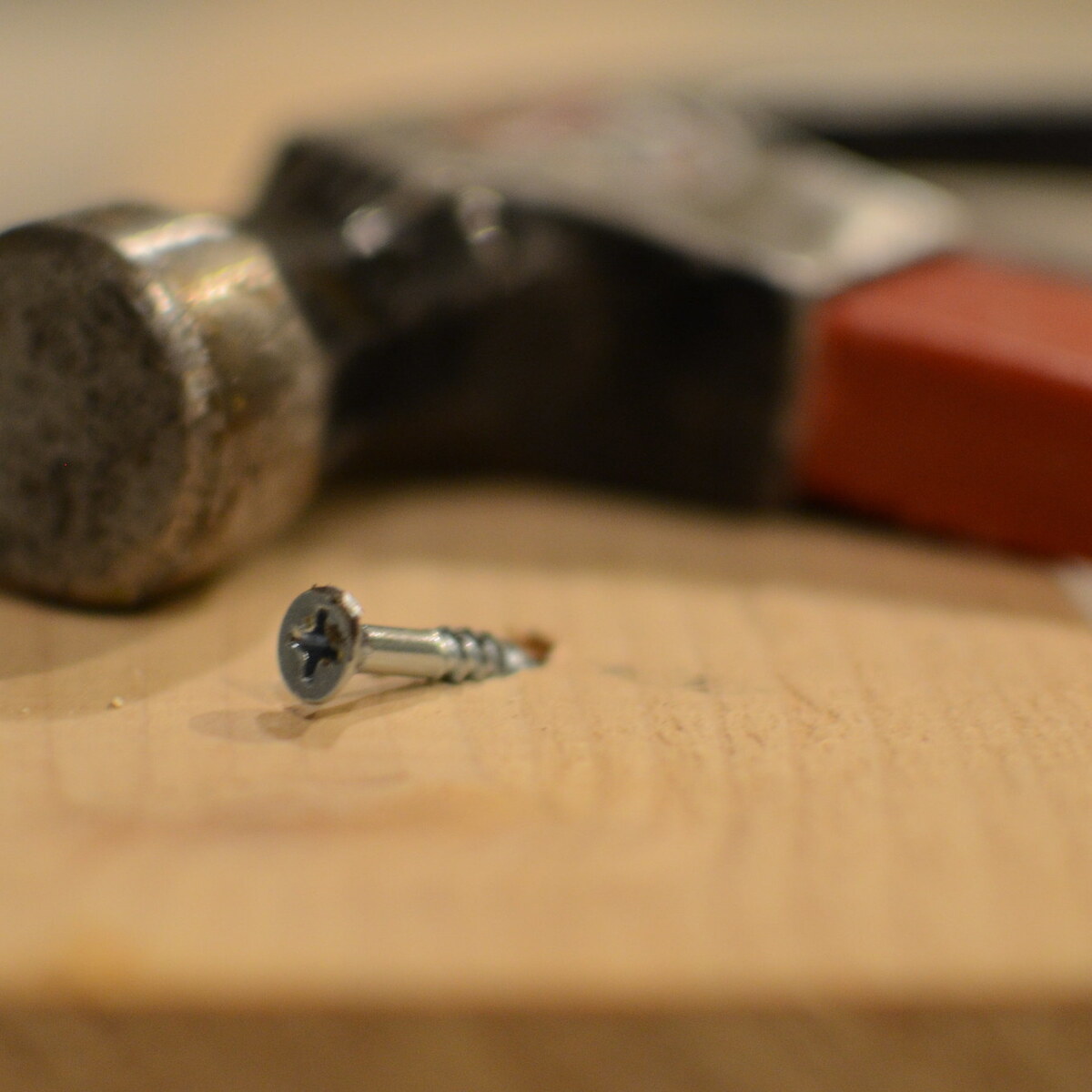
When your only tool is a hammer
The idiom when your only tool is a hammer, everything looks like a nail means that people tend to fall back to familiar solutions or past perspectives, even if they don't suit the current problem.It means that you should broaden your thinking and look at different tools.
Are we really still using the procedure from the 1990s? Oh well, I guess if your only tool is a hammer ...
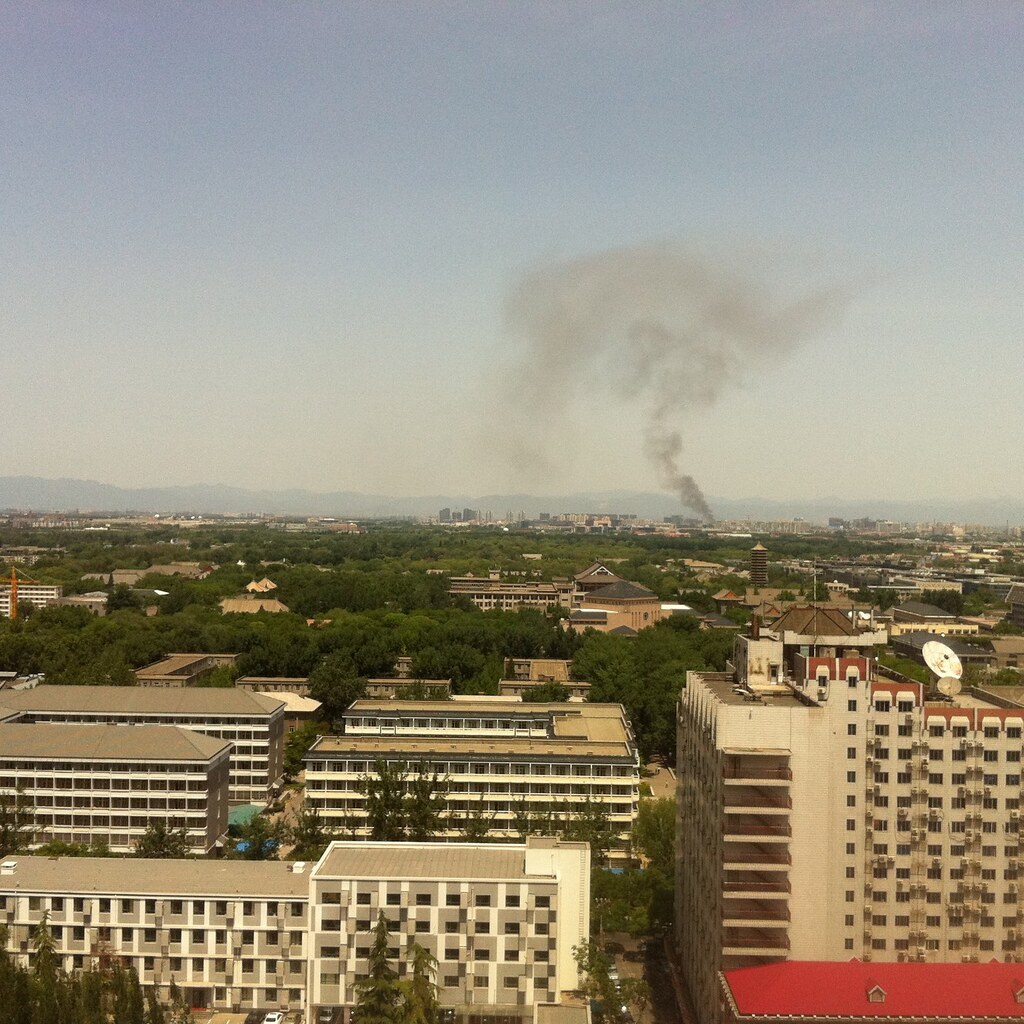
Where there's smoke, there's fire
Where there's smoke there's fire means that a rumor or warning is often based on some truth. If people keep hearing signs that something is wrong, there is probably a real problem behind it.The expression comes from the simple observation that smoke usually comes from a real fire. Because smoke is visible from far away, people learned to treat it as a sign that something important was happening.
When several employees started leaving suddenly, people began saying where there's smoke there's fire.

While the day is young
While the day is young means early in the day, when there is still plenty of time left to do things. People use it when they want to start something before the day becomes busy.The expression comes from the idea of comparing the day to a living thing that begins young in the morning and grows older as time passes. The phrase has been used in English for many centuries.
Let's go for a walk while the day is young.
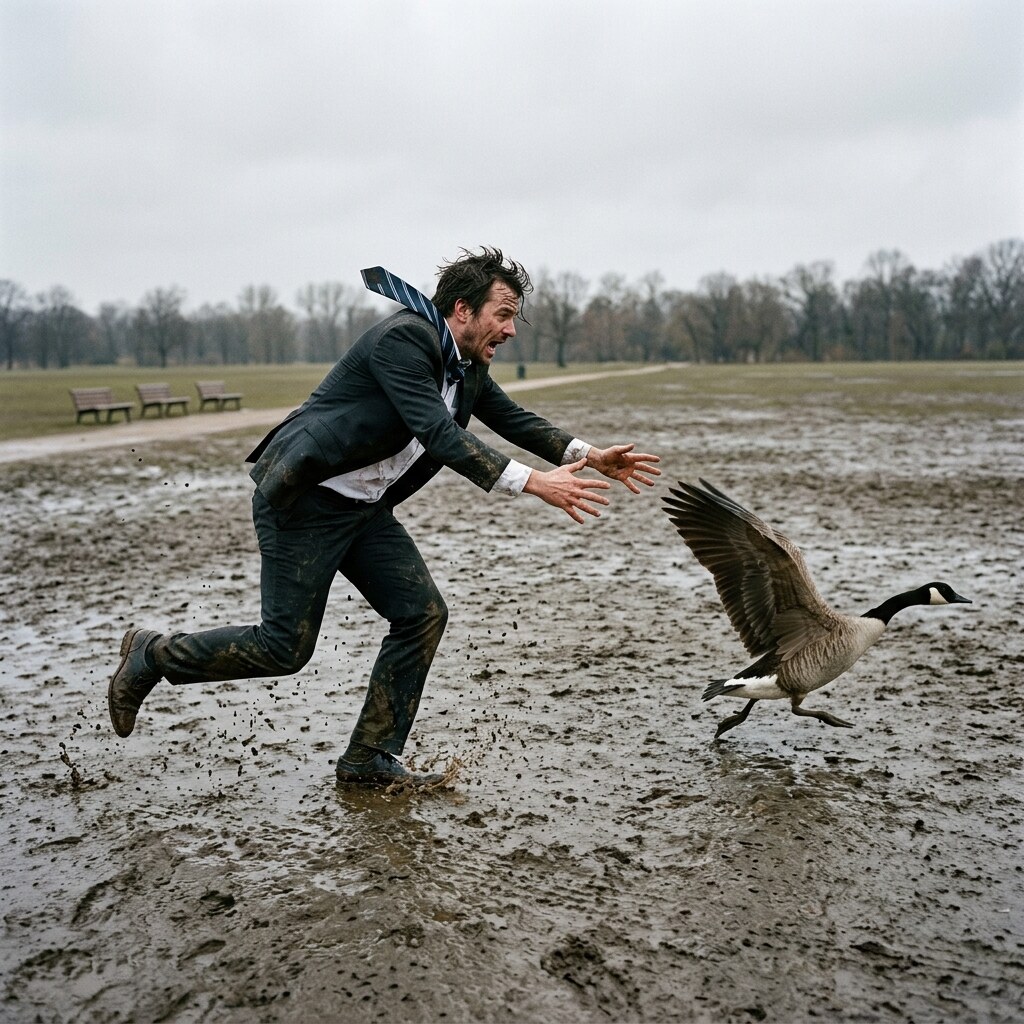
Wild goose chase
A wild goose chase means a search that is pointless or unlikely to succeed.The expression may come from an old style of horse racing where riders followed each other in unpredictable paths, similar to the wandering flight of wild geese. Over time it came to mean a futile pursuit.
Looking for the missing file turned into a wild goose chase.

Word of mouth
Word of mouth means information that spreads when people tell each other directly rather than through advertising or official announcements.The expression comes from the simple idea of spoken communication passing from one person's mouth to another person's ears.
The café grew popular through word of mouth.
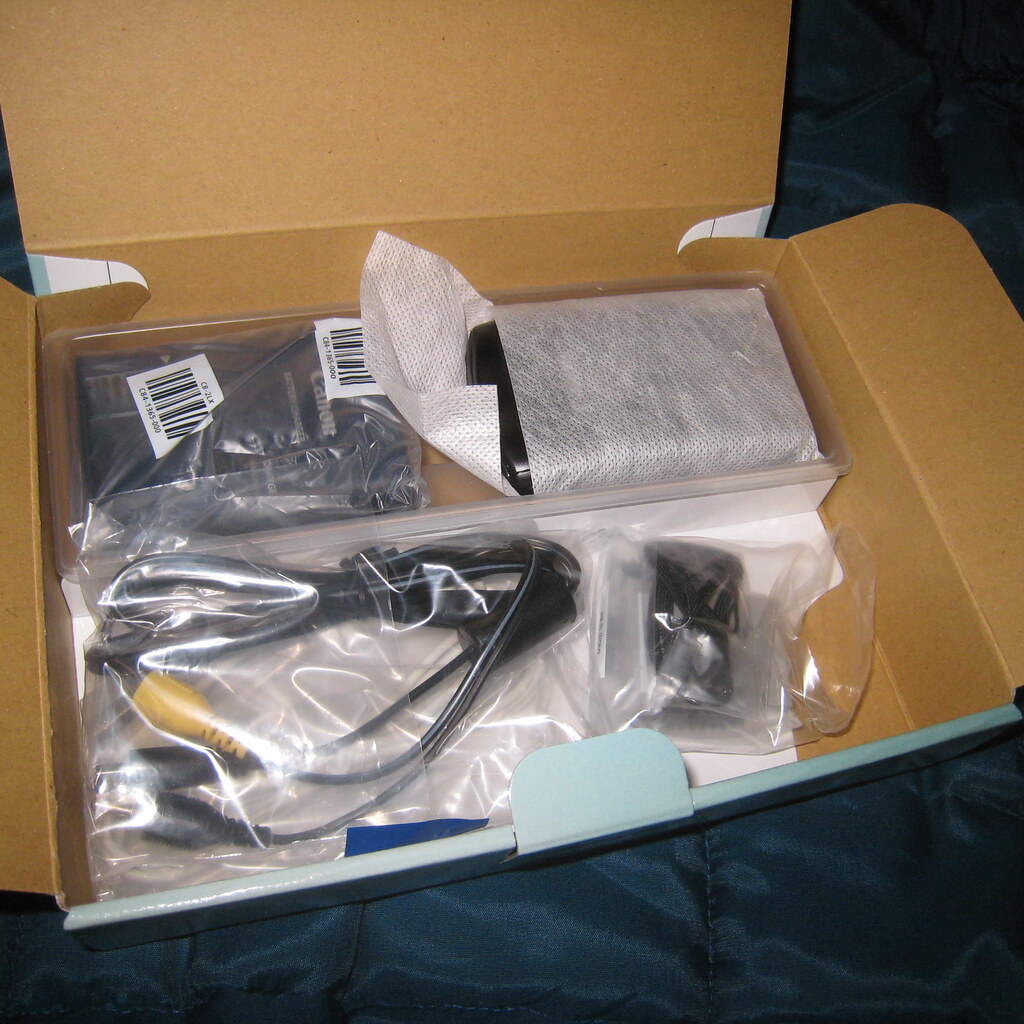
Works out of the box
If something works out of the box it means that it works without needing extra setup. It describes something that works properly as soon as you take it out of its packaging.The phrase comes from the experience of opening a new product and using it straight from the box. Over time it became a common way to describe things that are ready to use right away.
The printer worked out of the box, so she did not need to install any extra software.
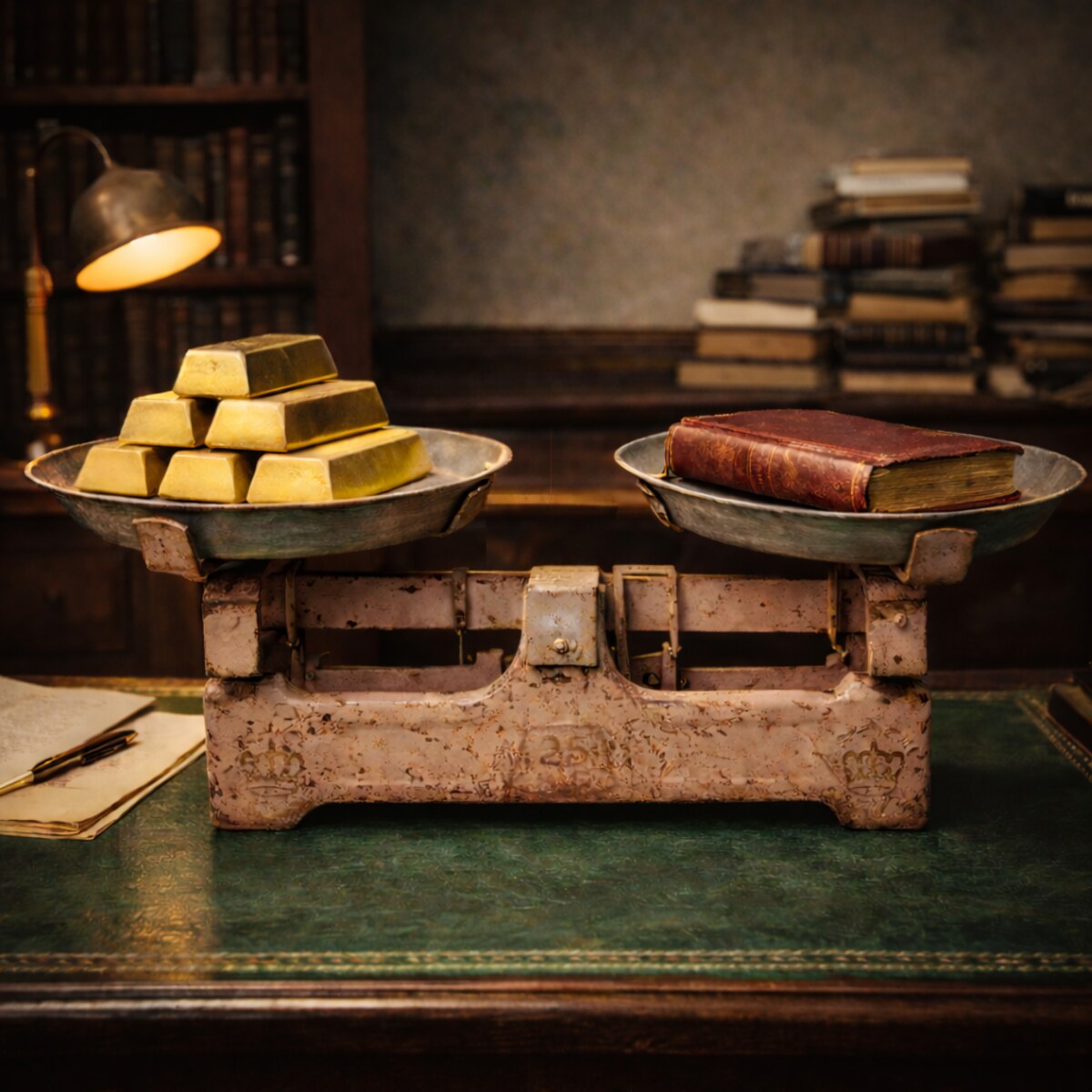
Worth its weight in gold
The idiom worth its weight in gold means extremely valuable or useful. It dates back to ancient times when some commodities like spices were so valuable were traded for their own weight in gold.That advice was worth its weight in gold.