
Showing 1-9 of 9
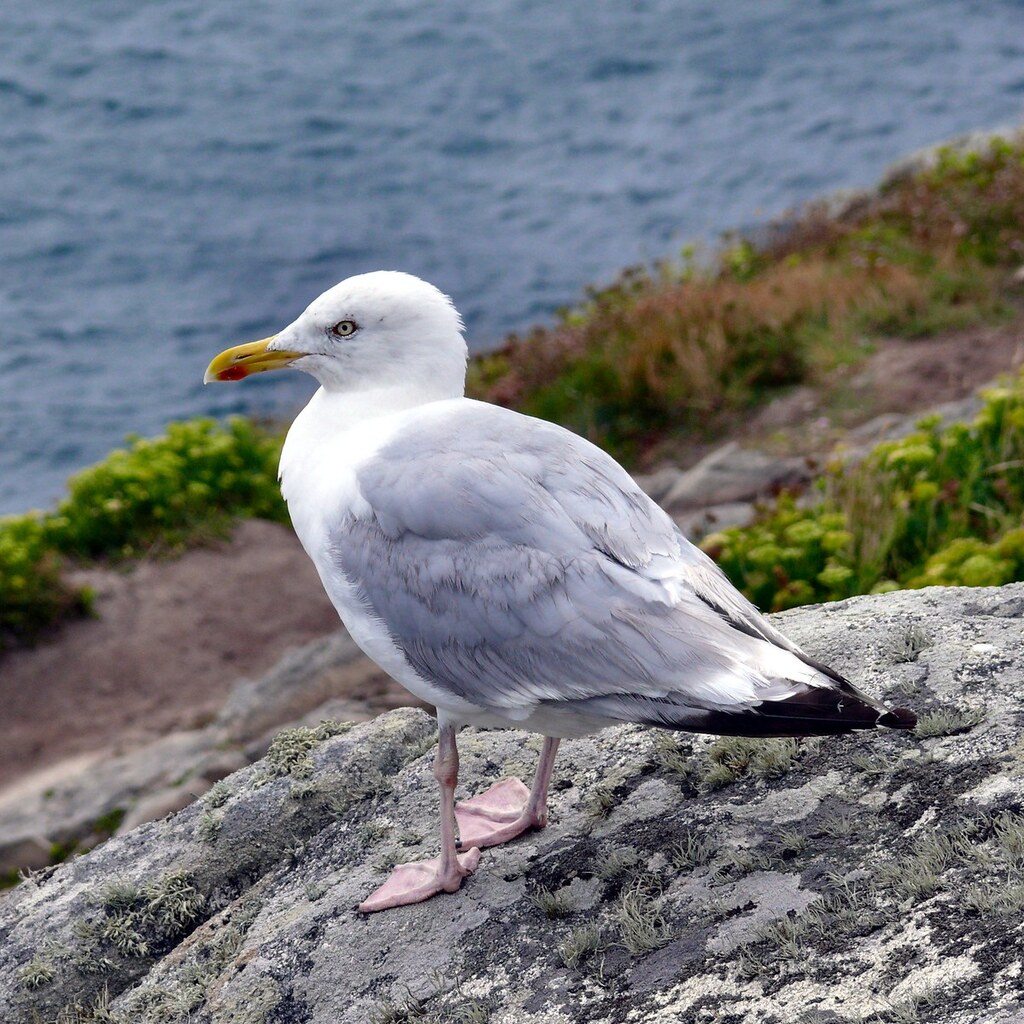
Seagulls are very common birds that live near the sea. They have webbed feet so they can paddle in water. Gulls catch and eat fish and will also scavenge for dead fish and trash people have thrown away.
Seagulls are very common on rubbish dumps and garbage tips.
Seagulls are very common on rubbish dumps and garbage tips.
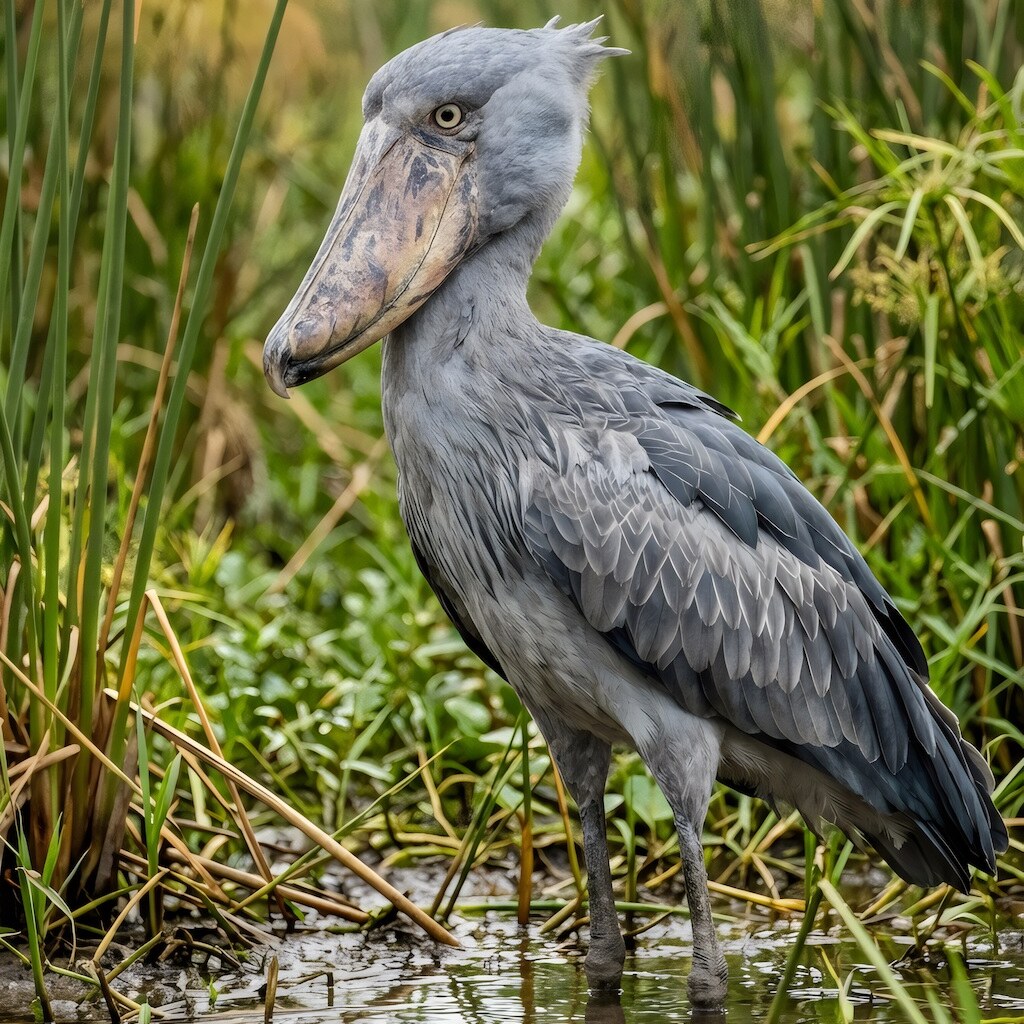
The shoebill is a large wading bird with a very big, flat bill shaped like a shoe, and gray-blue feathers. It lives in swampy wetlands in parts of Africa.
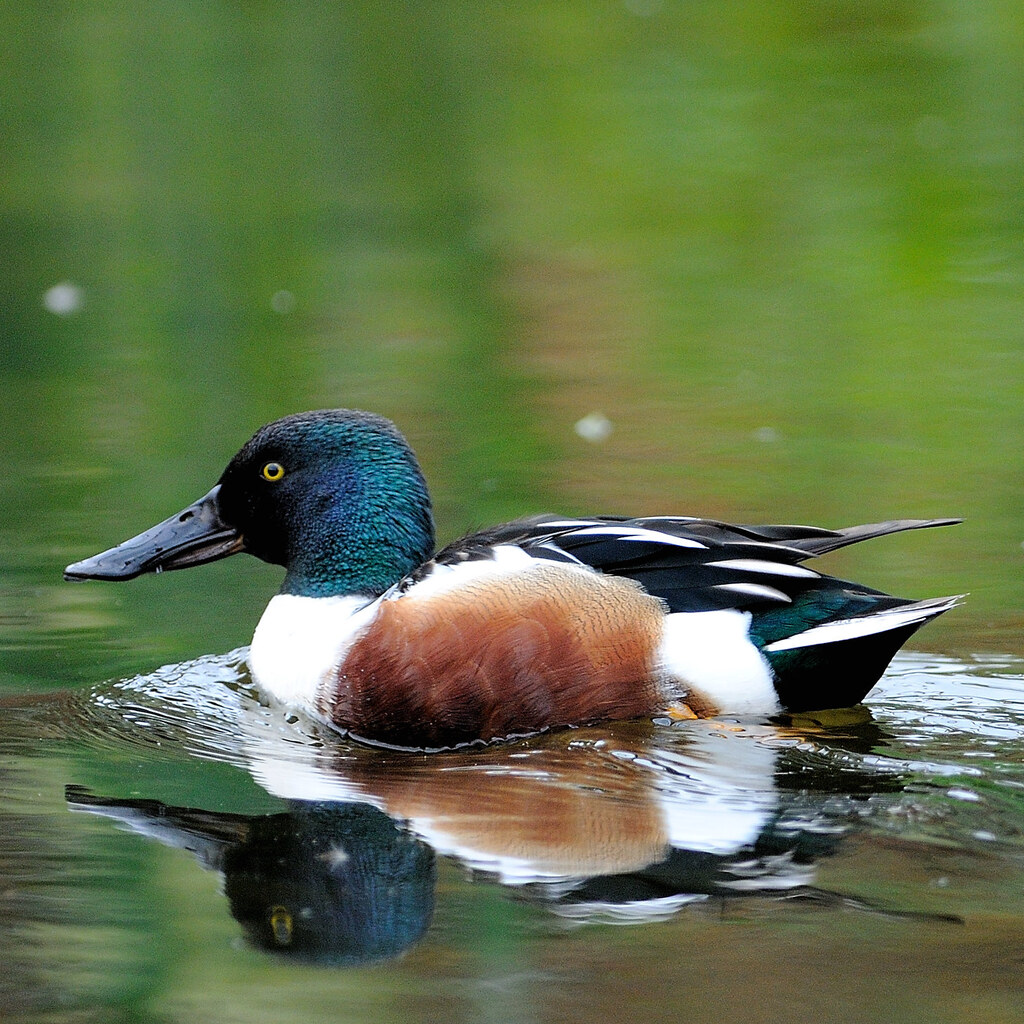
Shoveler ducks are a common variety of dabbling duck.
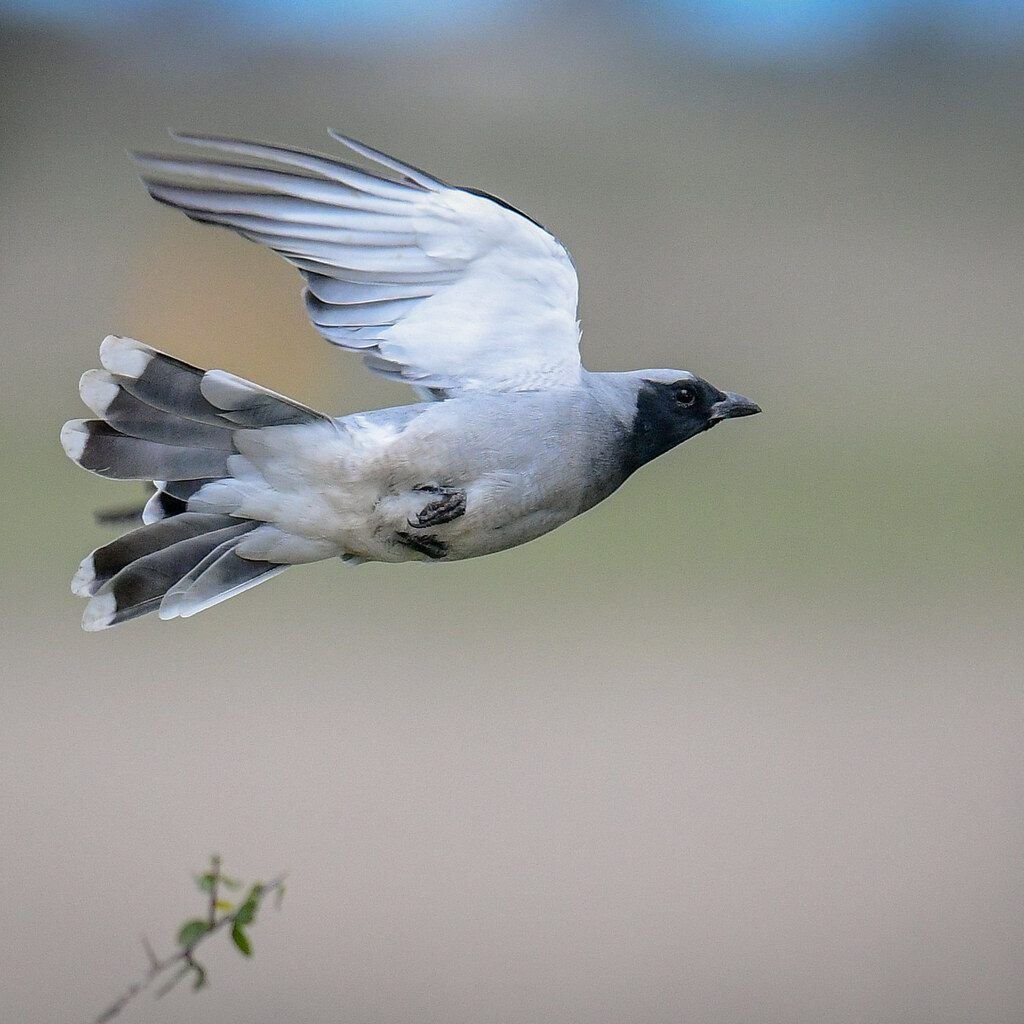
Shrikes are a family of small birds. They hunt for insects and some small animals. Shrikes live in parts of North America, Europe, and Asia, usually in fields, hedgerows, and woodland edges. They have a habit of storing prey on thorns or barbed wire.
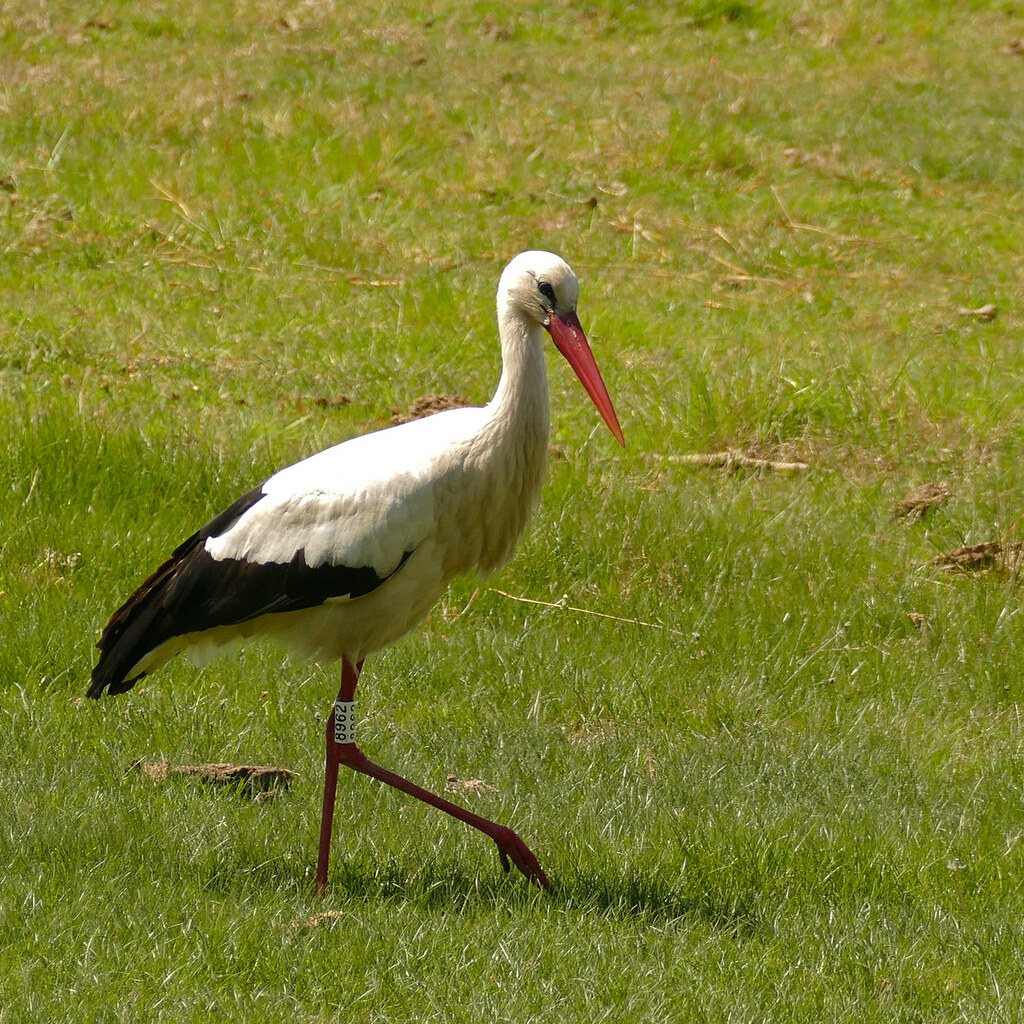
A stork is a large black and white wading bird. They live near wetlands, and they eat insects, frogs, and small fish. Many species migrate to warmer places in the colder months.
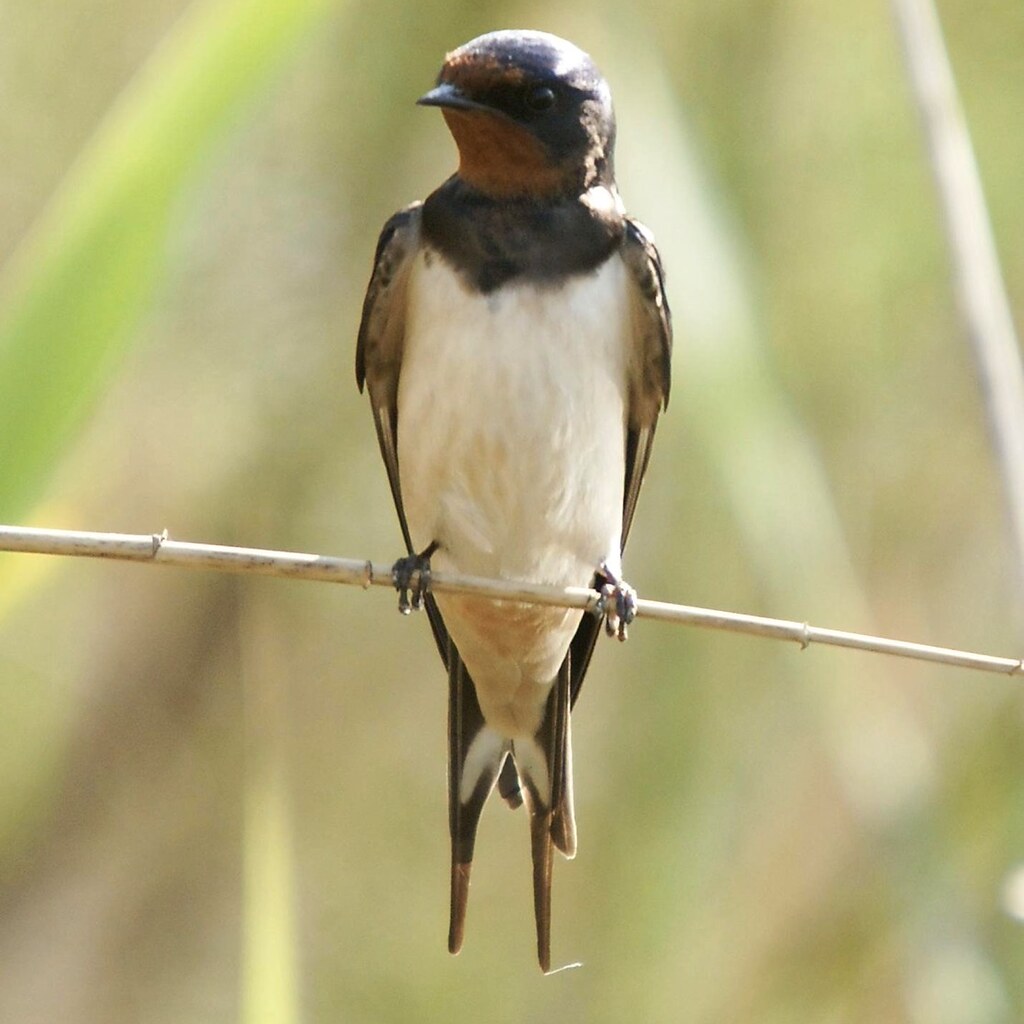
S is for Swallow (Bird)
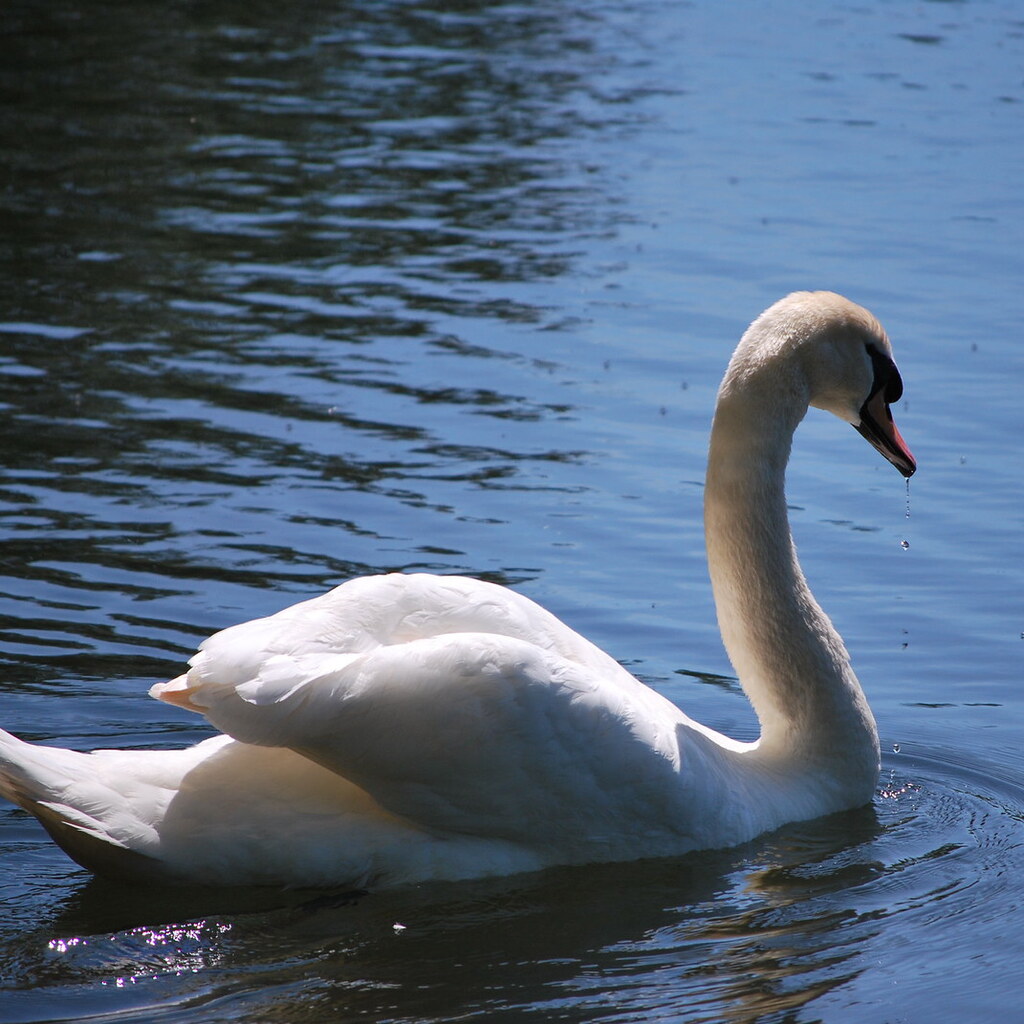
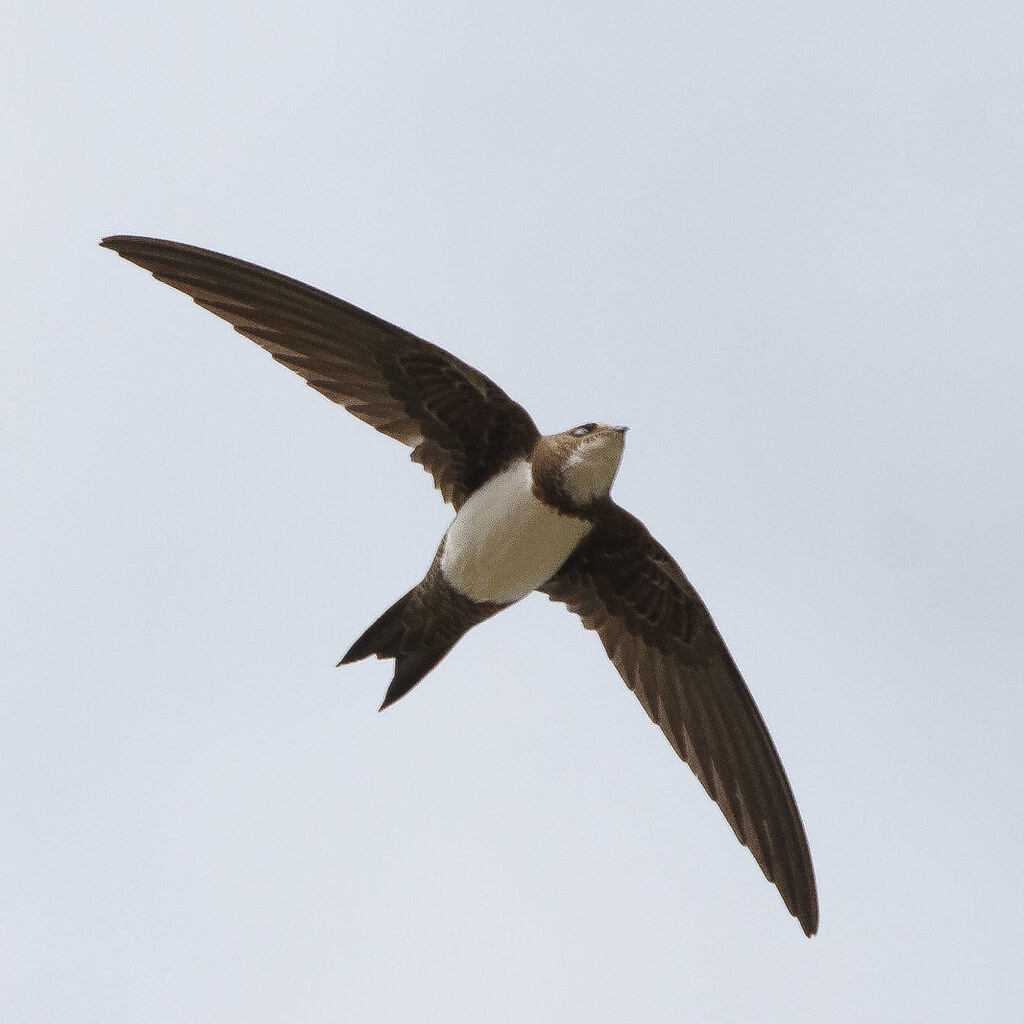
A swift is a small, fast-flying bird with long, pointed wings. It lives in many parts of the world, often around cliffs or buildings where it can nest in sheltered spots. Swifts spend most of their time in the air, catching tiny insects while they fly.