
Bones

Major bones in your body.

Showing 1-14 of 14

C is for Clavicle

Your clavicle is another word for the collarbone. It is a long, slightly curved bone that runs across the top of your chest, from the centre to your shoulders.

C is for Cranium

The cranium is the top part of your skull that covers and protects the brain inside your head.

There are openings through your cranium for your ears, eyes, nose and vein and arteries.

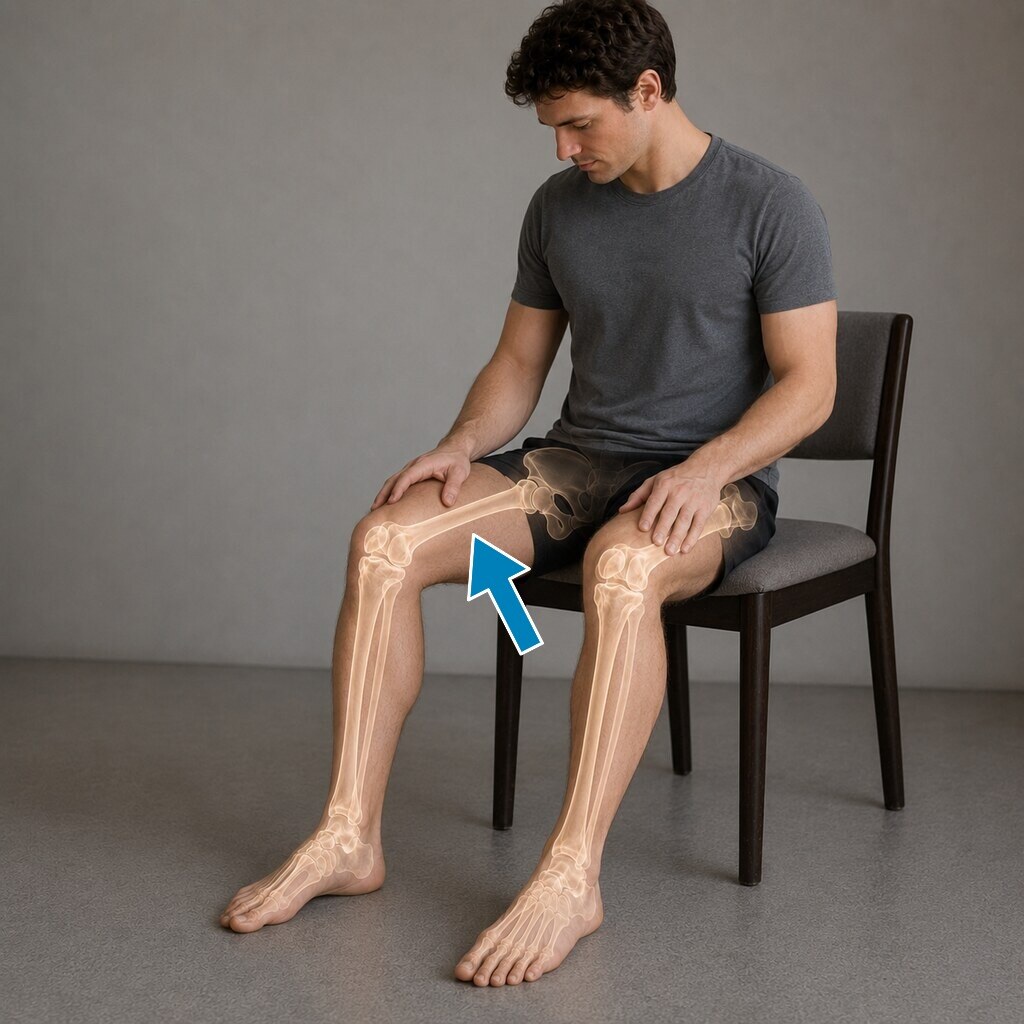
F is for Femur

The femur is the long bone in your thigh.

The femur connects the hip to the knee. It is one of the strongest bones and helps you stand, walk, and run.

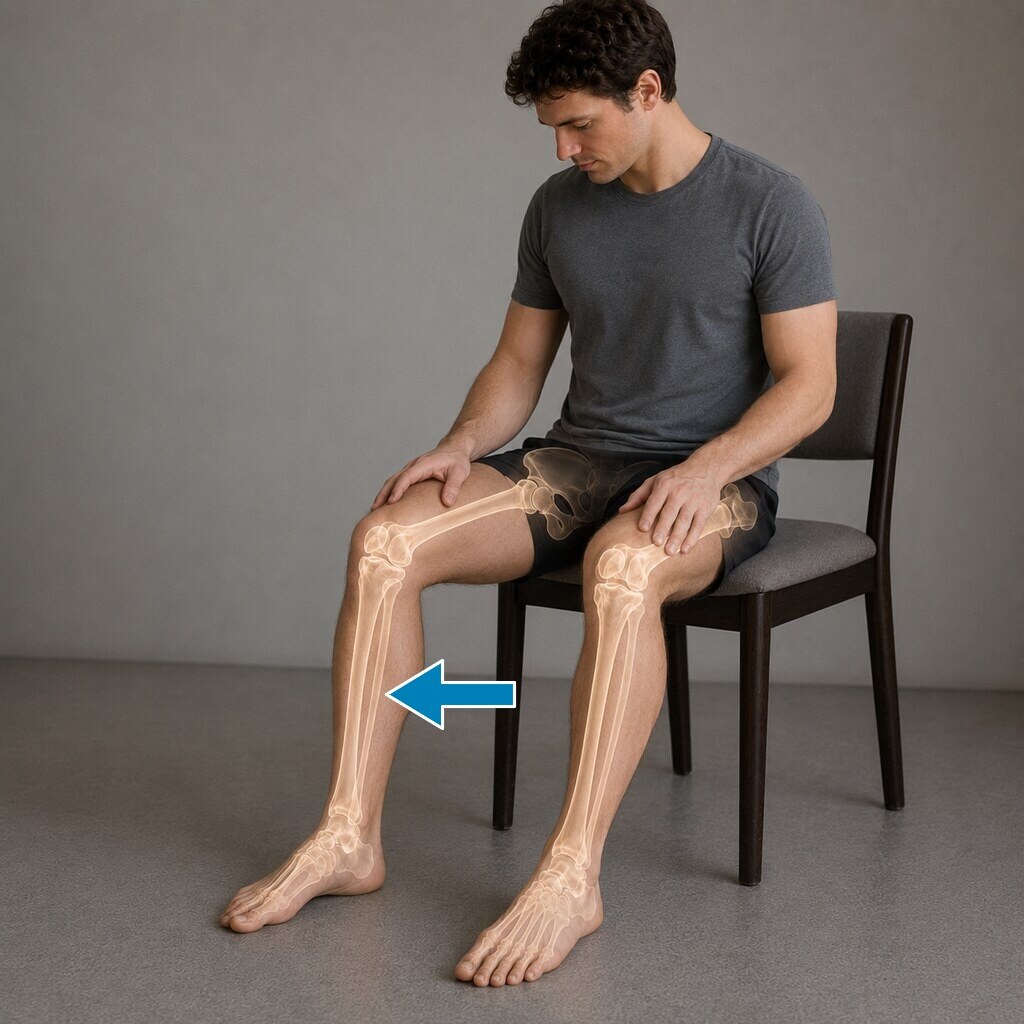
F is for Fibula

The fibula is the smaller of the two bones in your shin. The larger bone is called the tibia.

H is for Humerus

The humerus is the large bone in your upper arm. It goes from your elbow to your shoulder. Muscles such as your biceps and triceps connect to your humerus.

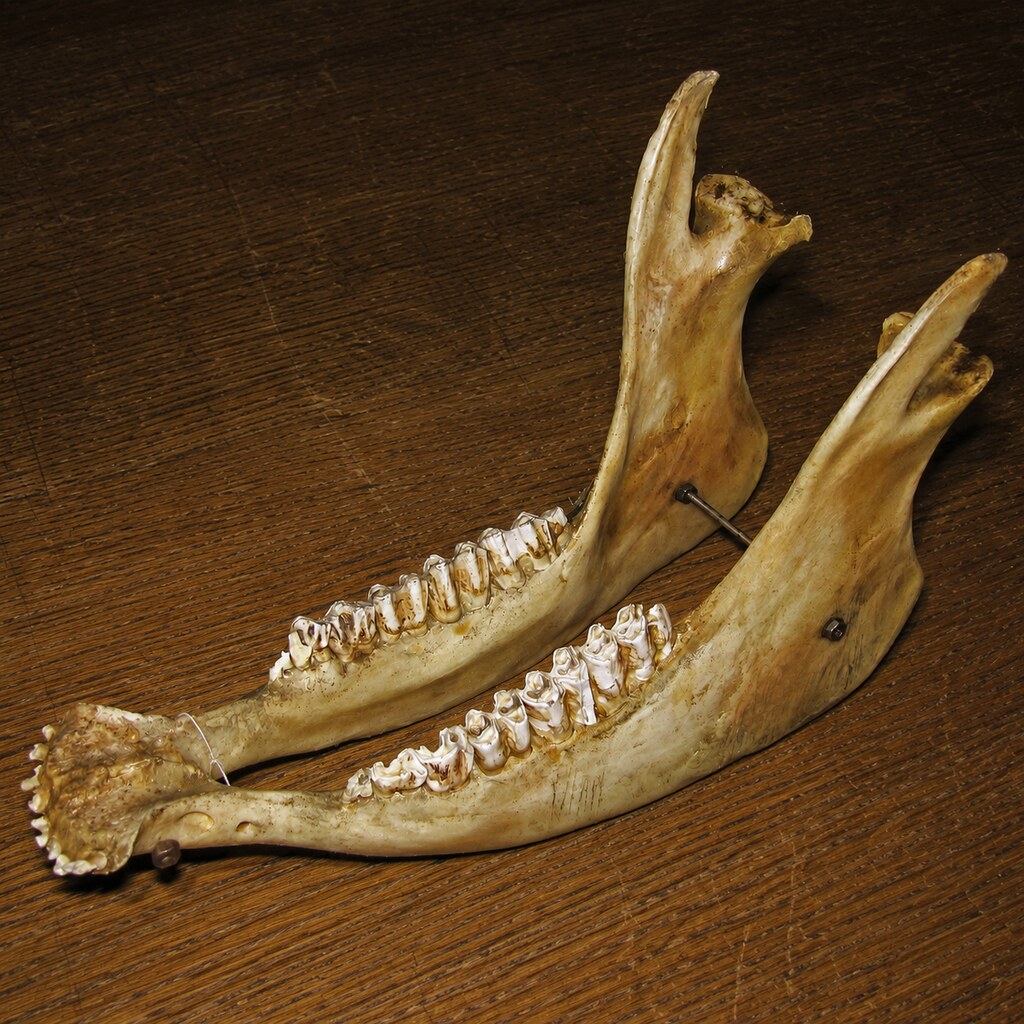
M is for Mandible

The mandible is the name for the lower law bone. It is the part of the jaw that moves up and down so you can eat and talk.
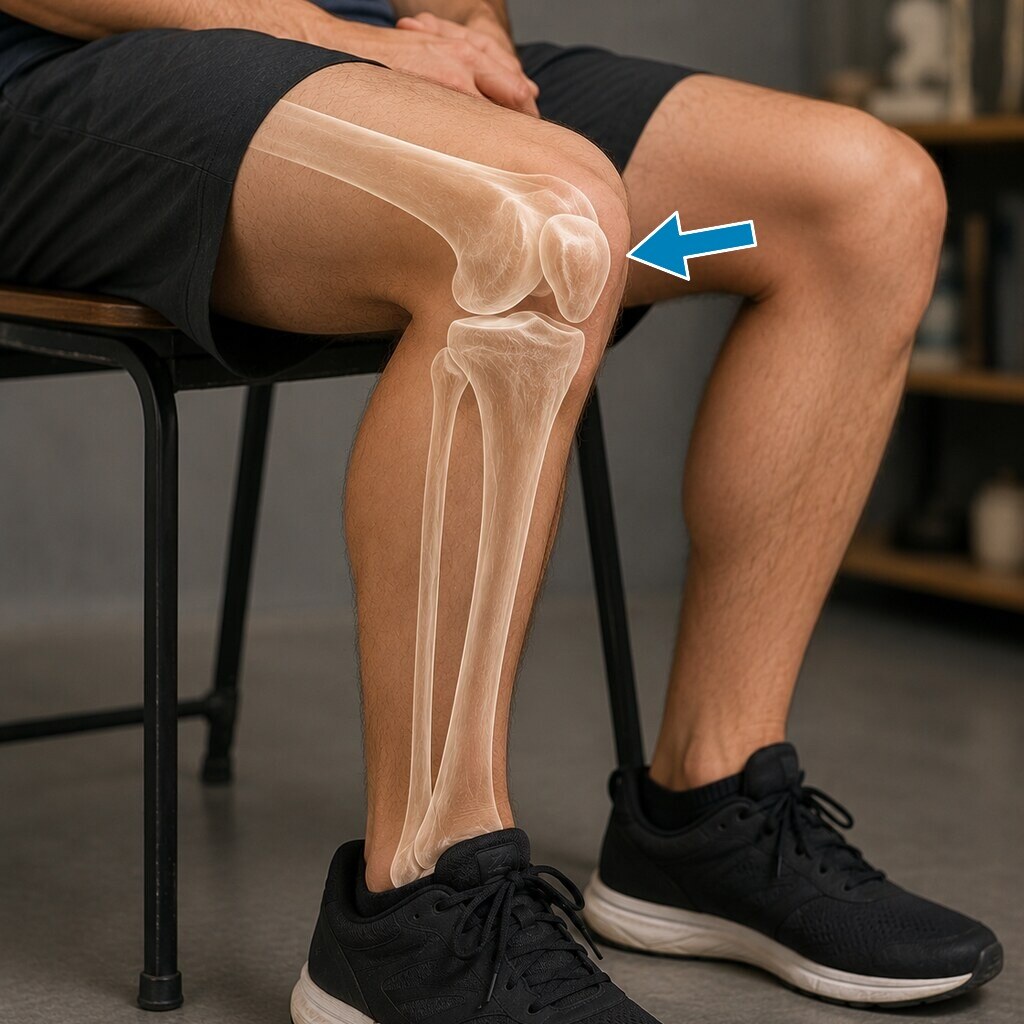
P is for Patella

Patella is the formal name for the kneecap, a small round bone in the front of your knee. It helps protect the knee joint.
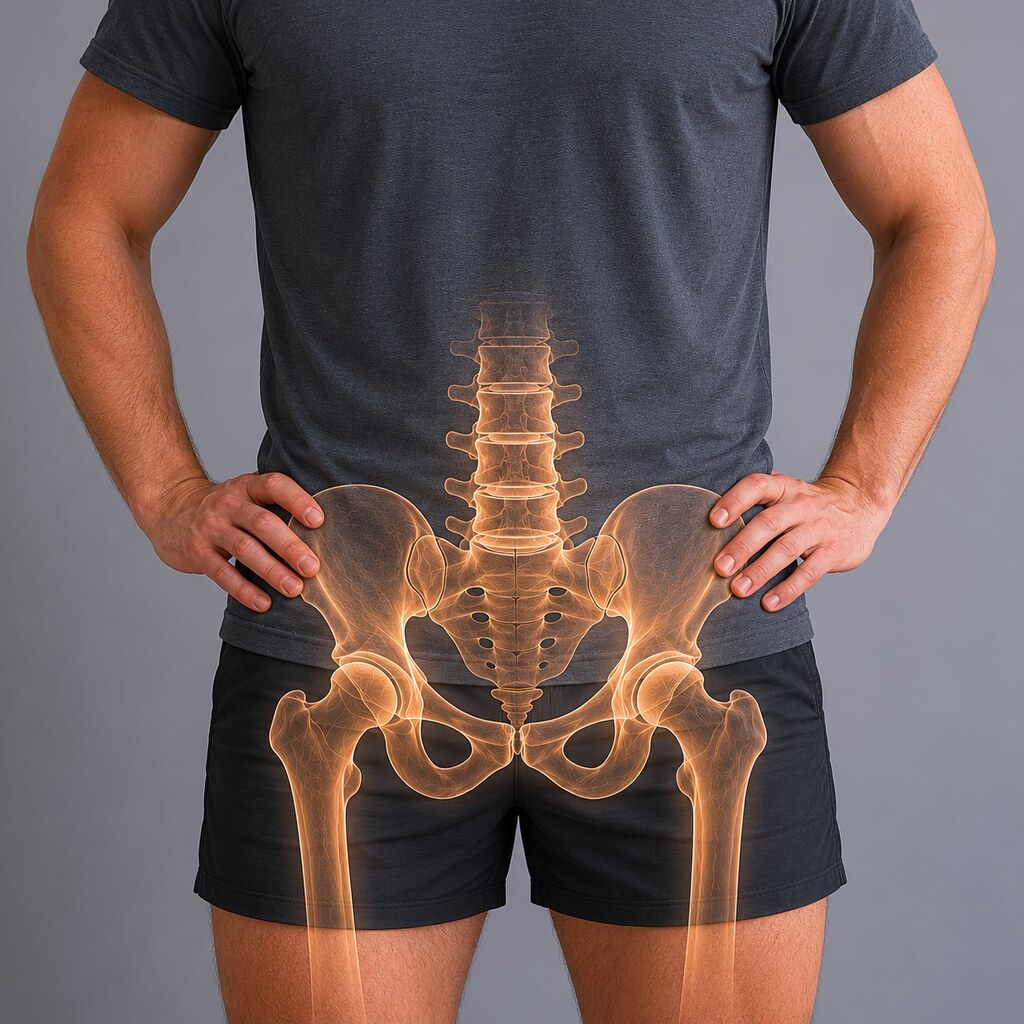
P is for Pelvis

Your pelvis is the bony cradle that is between your legs and your spine.

The pelvis is the base support for your spine and upper body. It also protects organs like the bladder and helps you stand, walk, and move. You can feel it by pressing your hands on your hips.
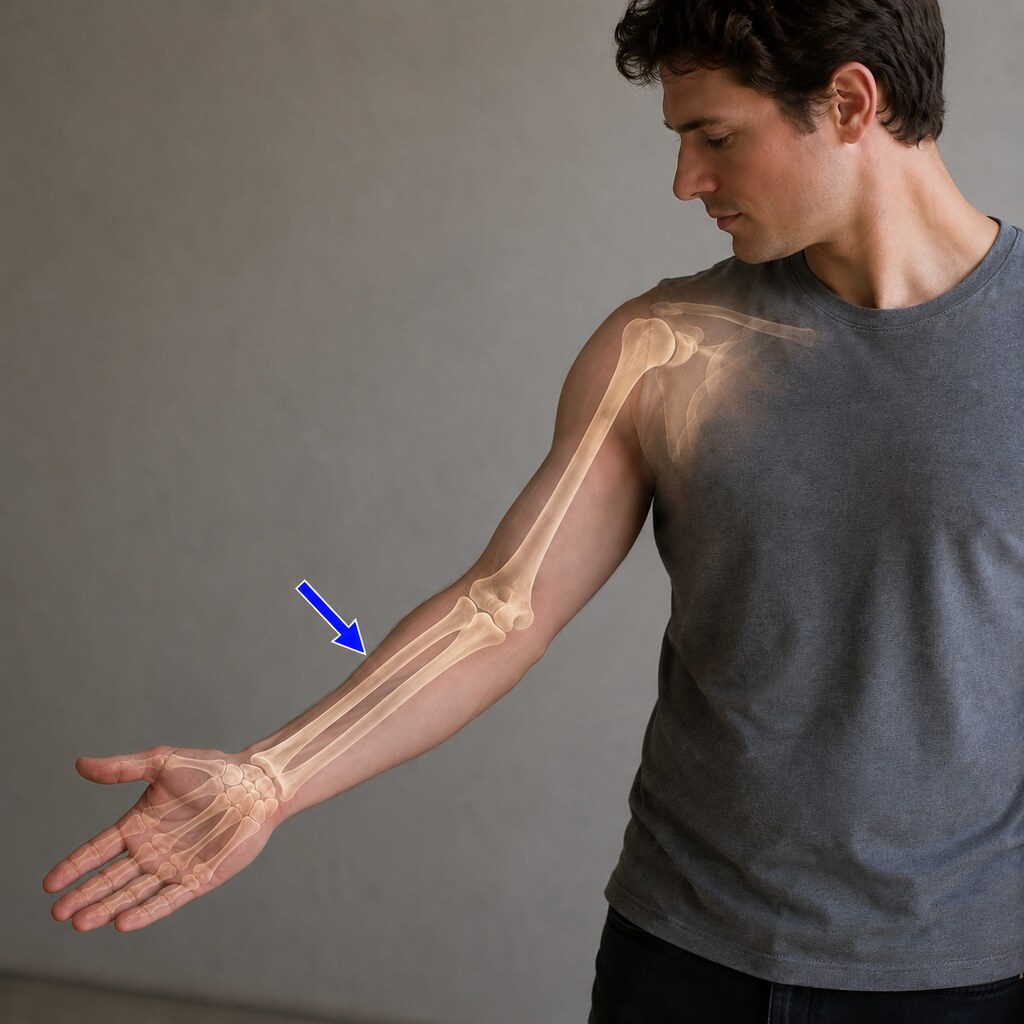
The radius is one of the bones in your arm. It is found in the lower arm, between the elbow and the wrist.

The radius helps you move and rotate your hand. When you turn your palm up or down, the radius and the ulna work together.

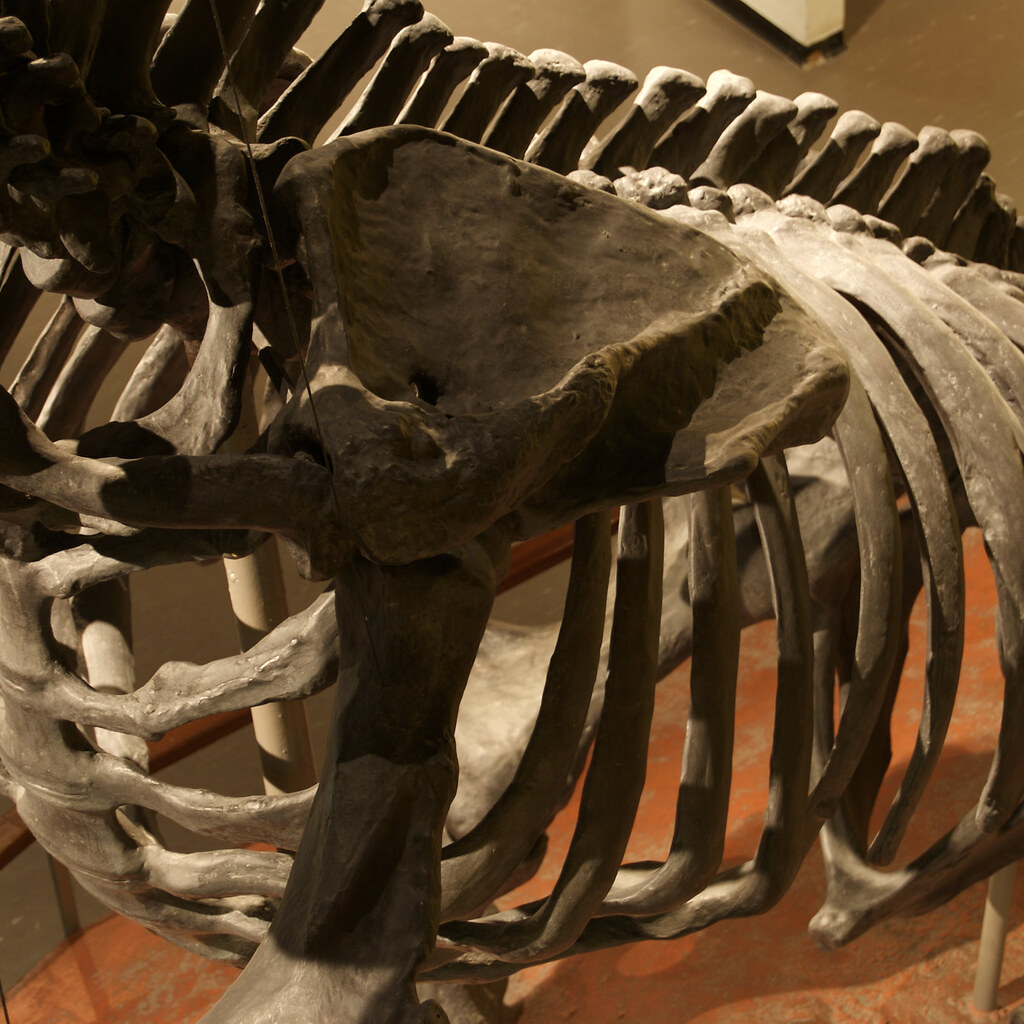
R is for Ribs

Your ribs are the bones that make the shape of your chest and torso. You can see the ribs clearly on a person or animal that is underweight.

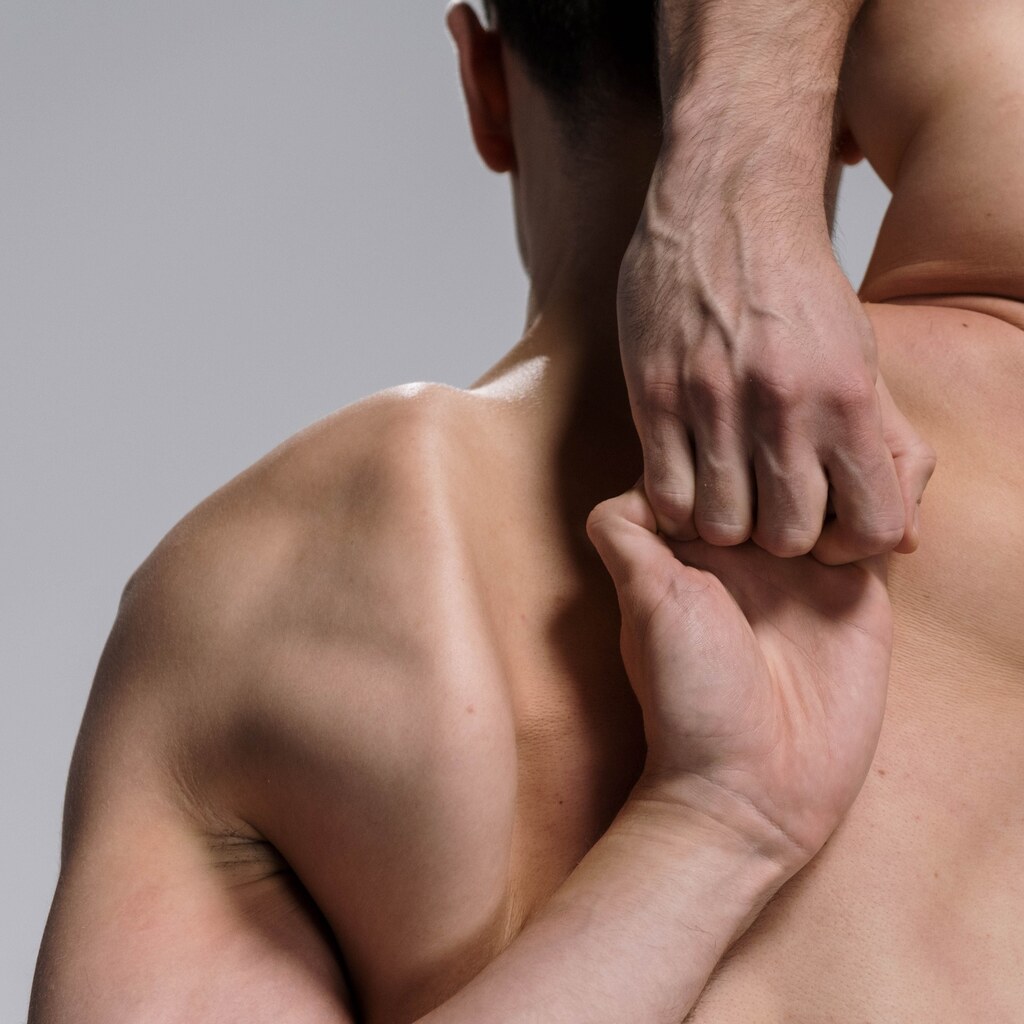
S is for Scapula

Your scapula, also called your shoulder blade, is a flat, triangular bone. You have one on each side of your upper back. They connect to your shoulder and your collarbone.
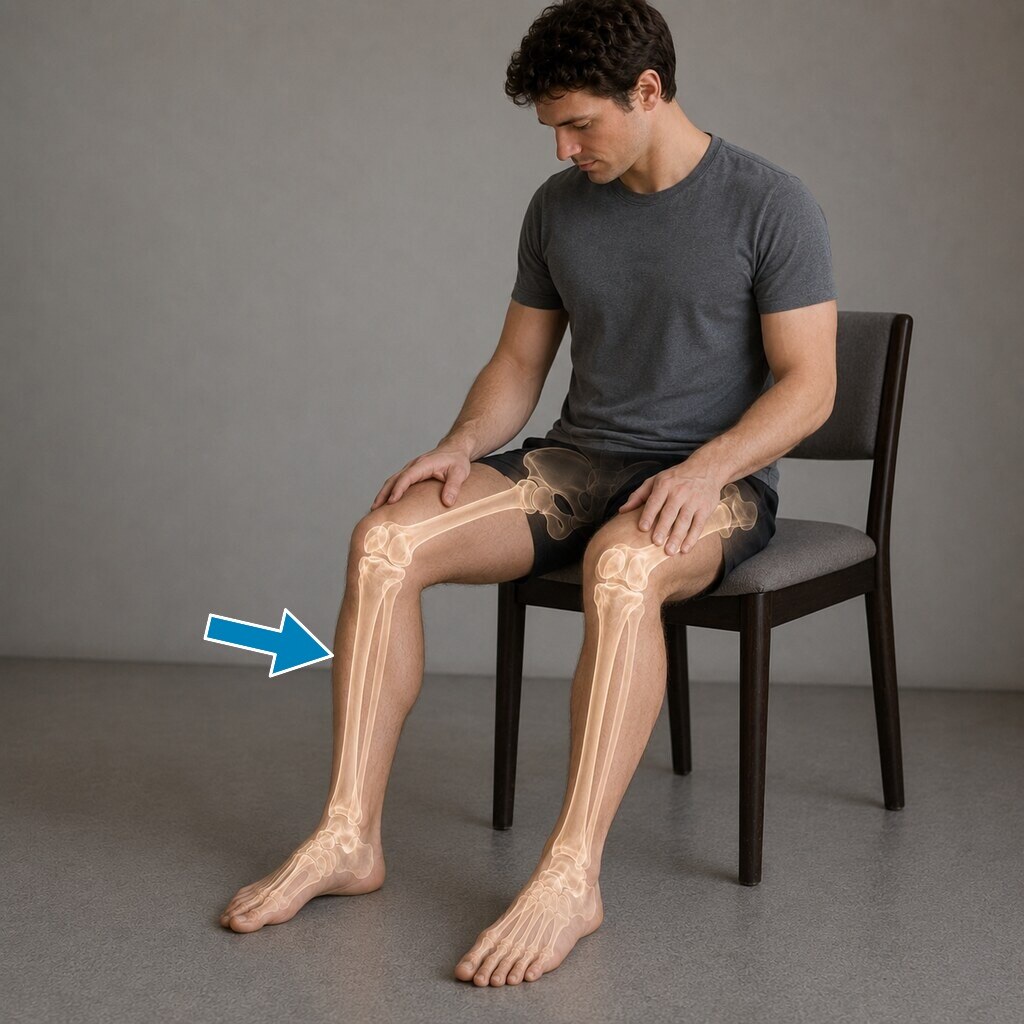
T is for Tibia

The tibia is a long, strong bone in the lower part of the leg. It runs from the knee to the ankle and is often called the shinbone, and can be easily felt through your skin. The tibia is the larger of the two bones in the lower leg; the thinner fibula lies beside it. It helps support the body's weight and forms part of both the knee and ankle joints.

Its name comes from the Latin word for a flute, because some tibias have a shape like this musical instrument.
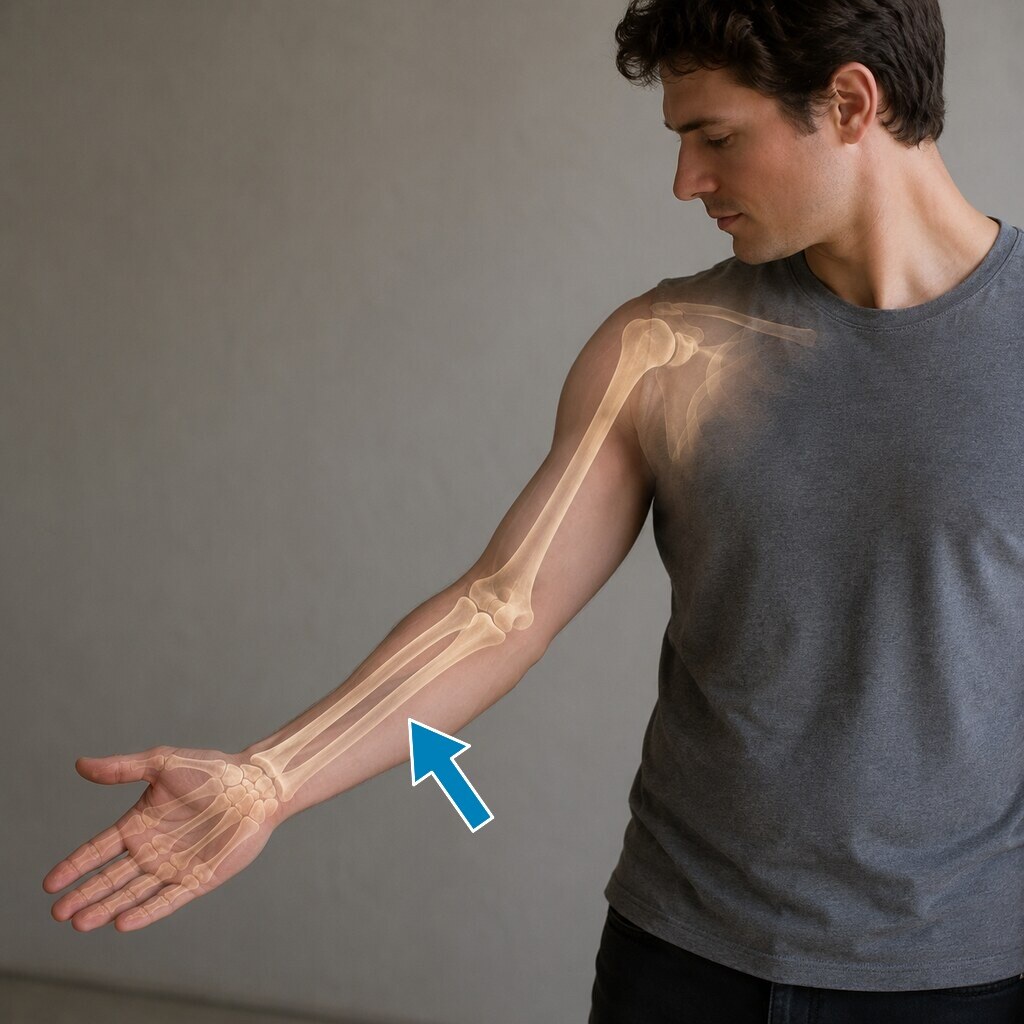
U is for Ulna

Ulna is one of the two long bones in the lower arm. It is found between the elbow and the wrist. The other bone in the lower arm is the radius.
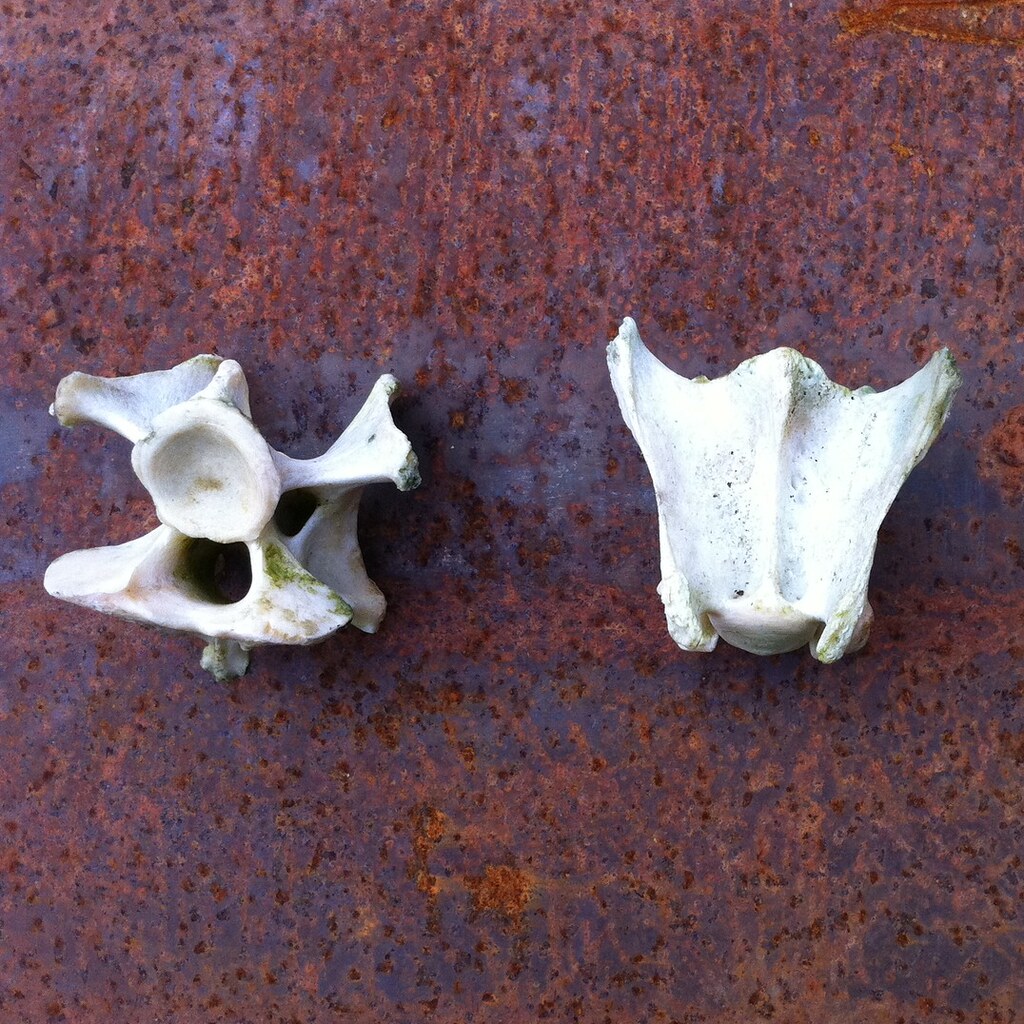
V is for Vertebra

Vertebrae are small bones that make up your spine, which runs down the center of your back. Different animals have different numbers of vertebra. snakes have the most.