






up to Time

Days

The seven days of the week.

Showing 1-11 of 11

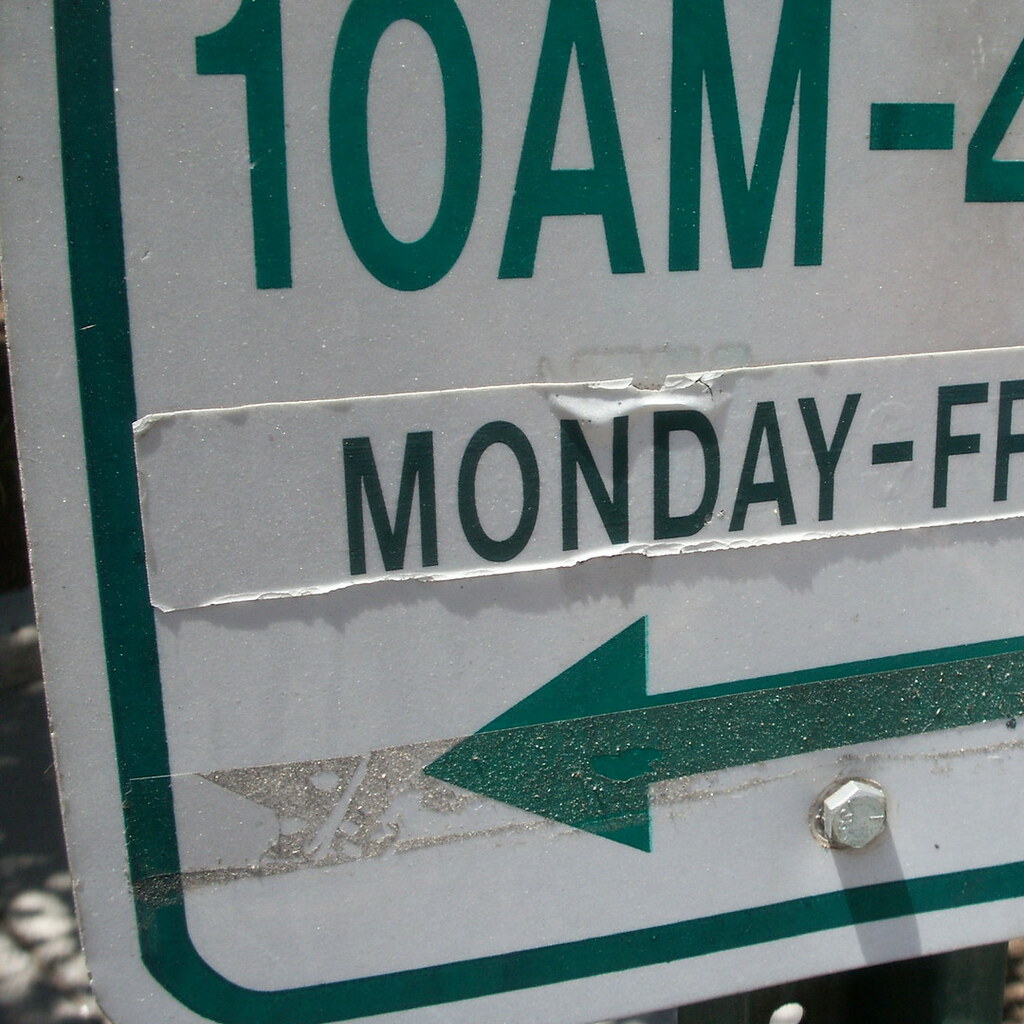
M is for Monday

Monday is the first day of the week, and is usually the first day of the working week too. The next day of the week is Tuesday.

T is for Tuesday

Tuesday is the second day of the week. The day before Tuesday is Monday and the day after Tuesday is Wednesday.

W is for Wednesday

Wednesday is the third day of the week. The day before Wednesday is Tuesday and the day after Wednesday is Thursday.

T is for Thursday

Thursday is the fourth day of the week. The day before Thursday is Wednesday and the day after Thursday is Friday.

F is for Friday

Friday is the fifth day of the week. For most people, it is the last day of the working week. The day before Friday is Thursday and the day after Friday is Saturday.

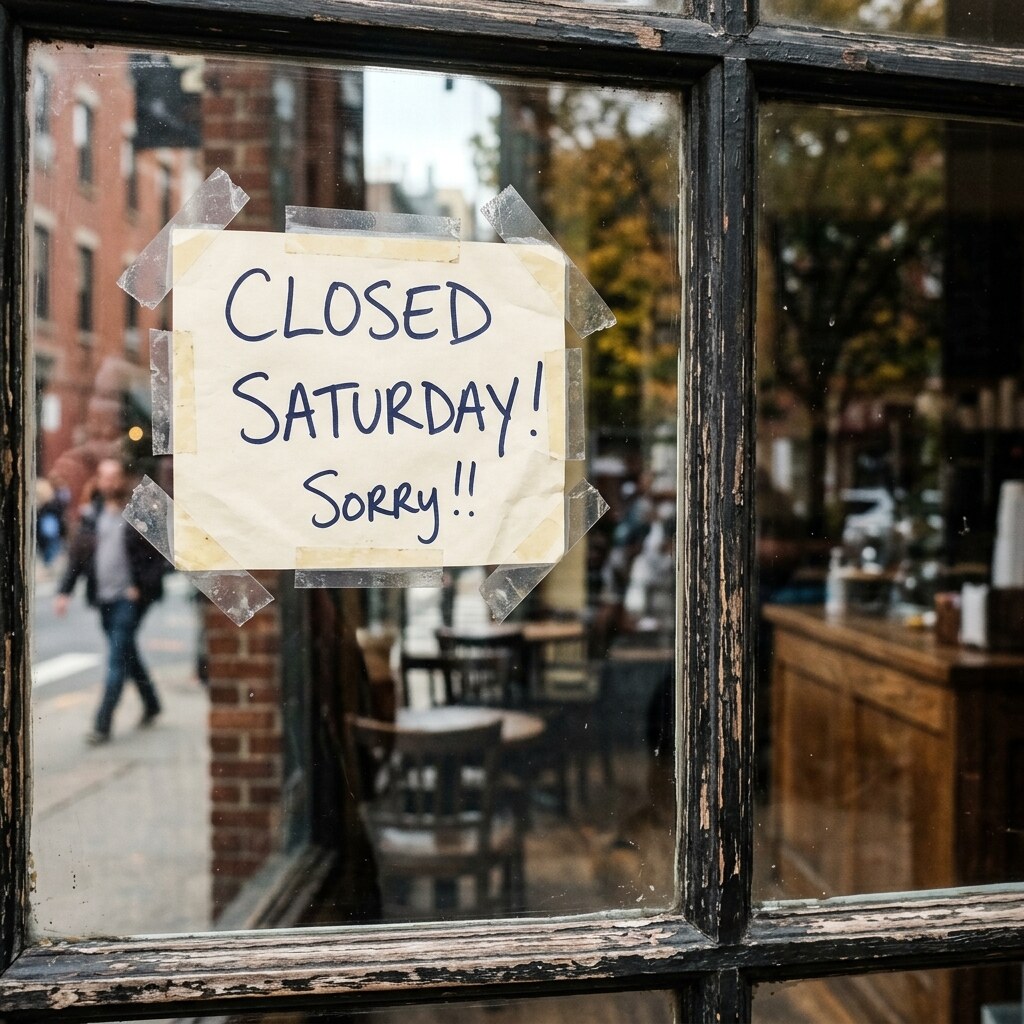
S is for Saturday

Saturday is the sixth day of the week and the first day of the weekend. The day before Saturday is Friday and the day after Saturday is Sunday.

S is for Sunday

Sunday is the last day of both the week and the weekend. In some countries, Sunday is considered the first day of the week. Most people like to take Sunday off. The day before Sunday is Saturday.

Y is for Yesterday

Yesterday is the day before today. People sometimes use yesterday to describe something in the recent past, as in "yesterday food was a lot cheaper".
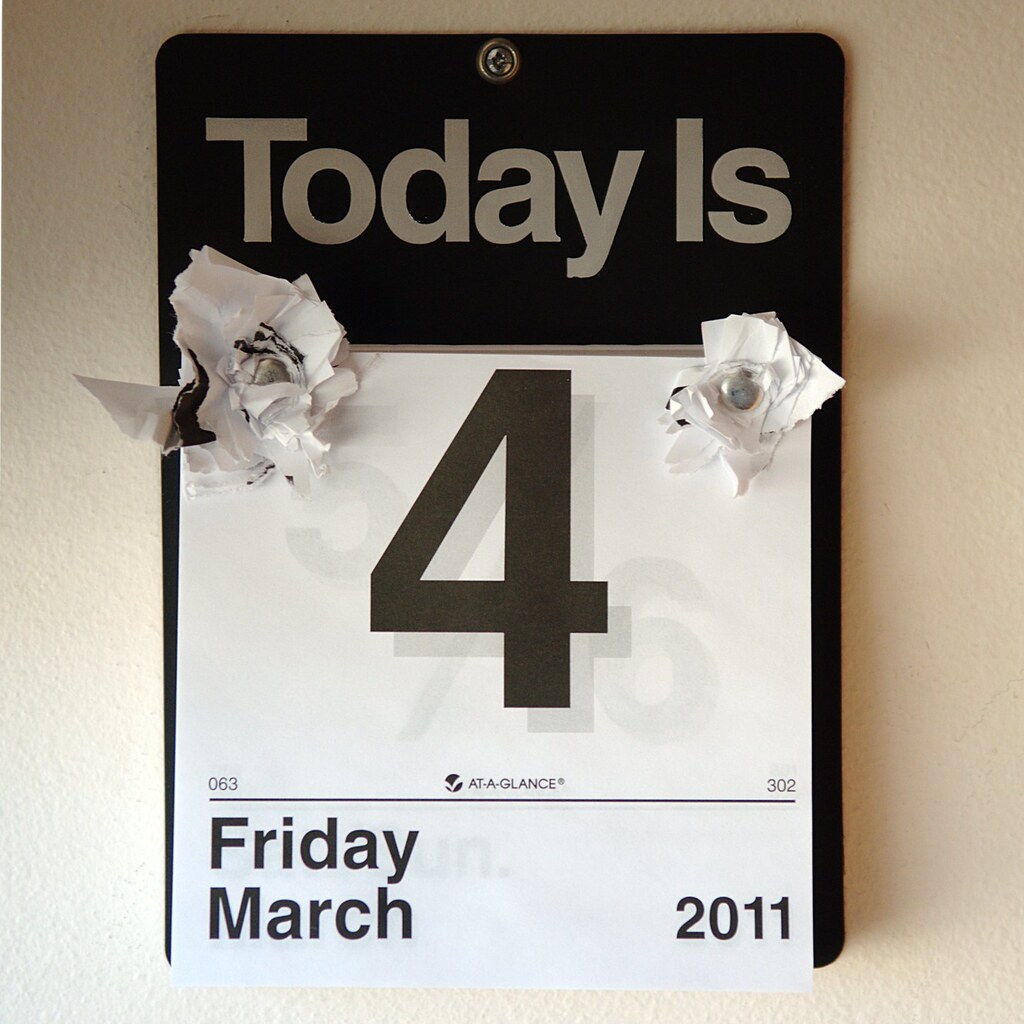

T is for Today

Today is the current day, right now. Or you could be talking about the present era, like "today we find our information on the Internet".

T is for Tomorrow

Tomorrow is the day after today. The day before today is yesterday.

W is for Weekend

The weekend is the two days at the end of the week: Saturday and Sunday. Many people do not work on the weekend, and schools are closed on the weekends.