
Showing 61-70 of 70
Rub your nose in it
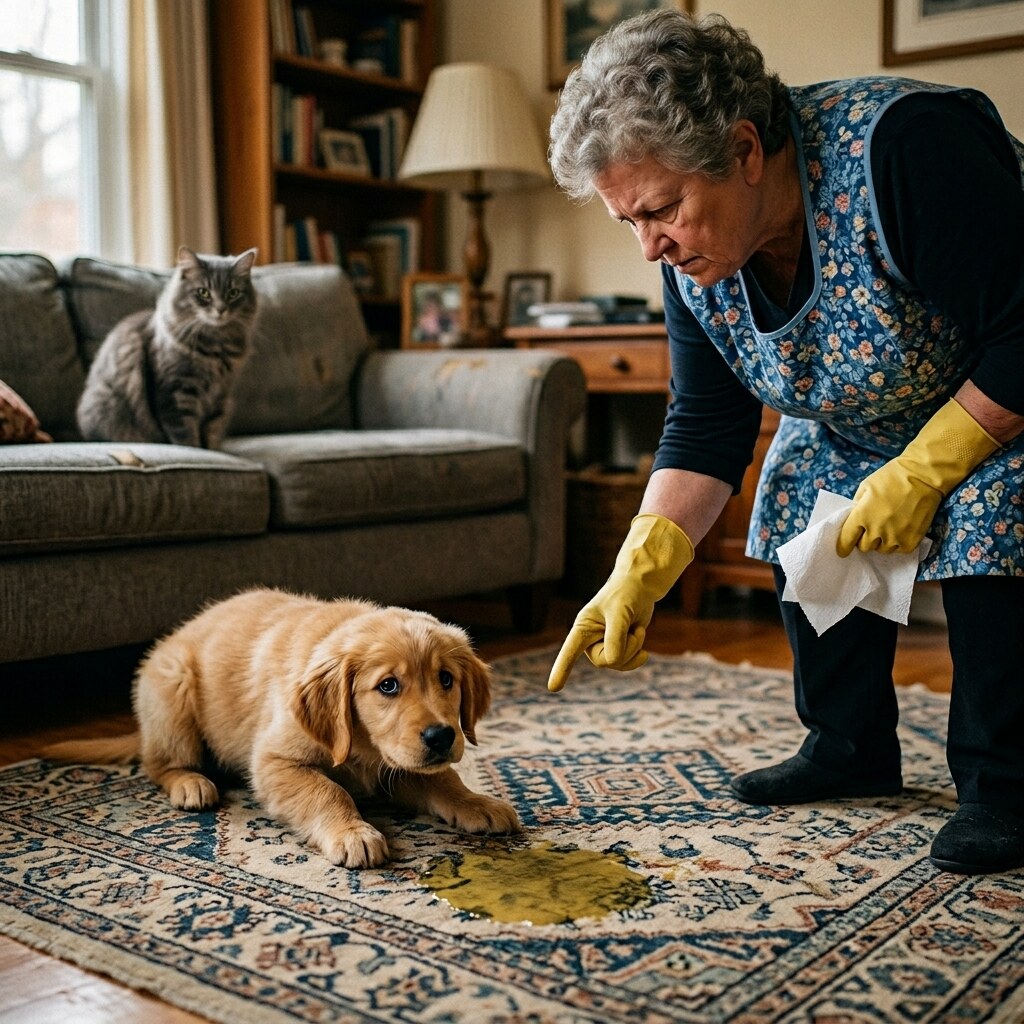
To rub someone's nose in it means to keep reminding someone about a mistake or embarrassing situation in a way that makes them feel worse. Instead of letting the matter go, the person keeps pointing it out again and again.The phrase comes from an old method sometimes used when training animals, where their nose was pushed toward something they had done wrong. Over time it became a metaphor for deliberately making someone dwell on their mistake.
I know I lost the game, but you do not have to rub my nose in it every time we talk about it.
Straight from the horse's mouth
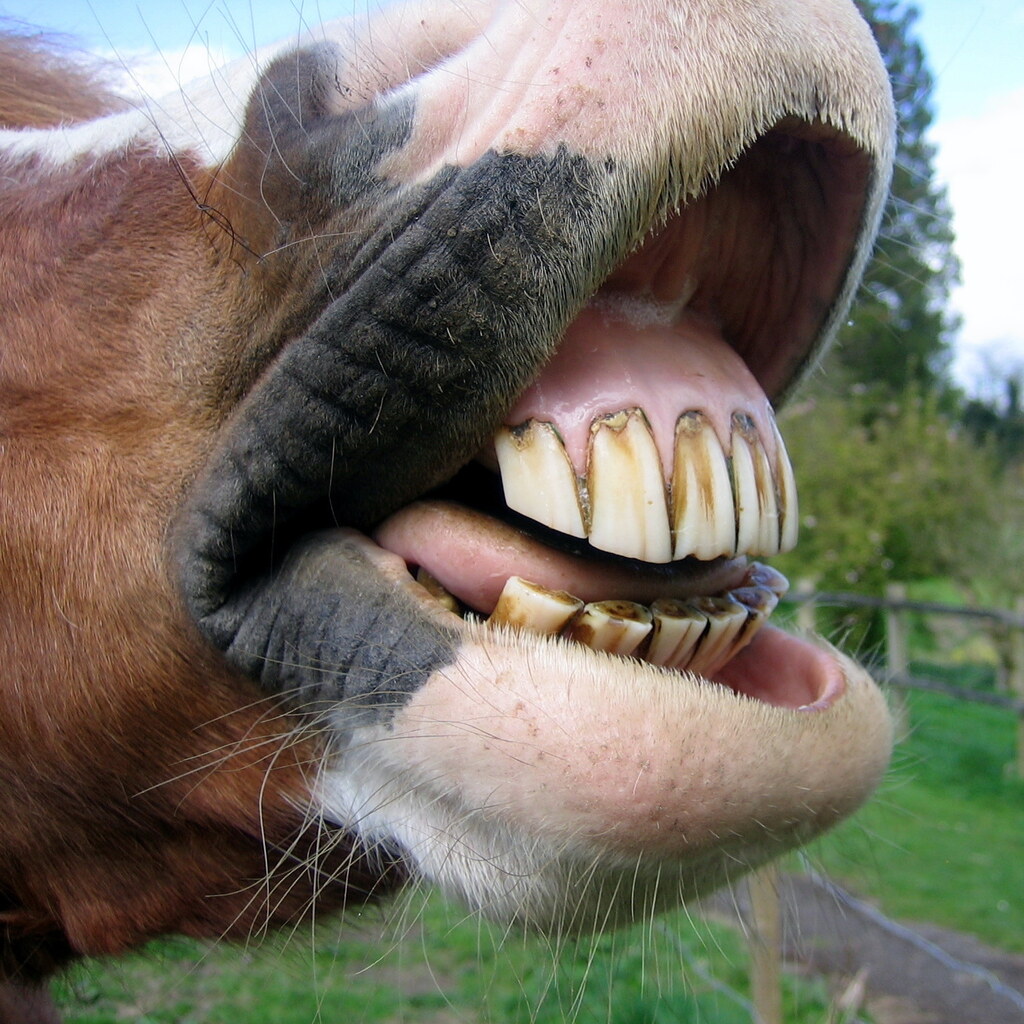
Straight from the horse's mouth means information that comes directly from the person who knows it best or from the original source. Because it comes from the source itself, people believe it is accurate and trustworthy. The expression is thought to come from horse racing. Experienced buyers could tell a horse's real age by looking at its teeth, so learning the truth directly from the horse was the most reliable way to know.I heard straight from the horse's mouth that the shop will reopen next week.
Straw that broke the camel's back
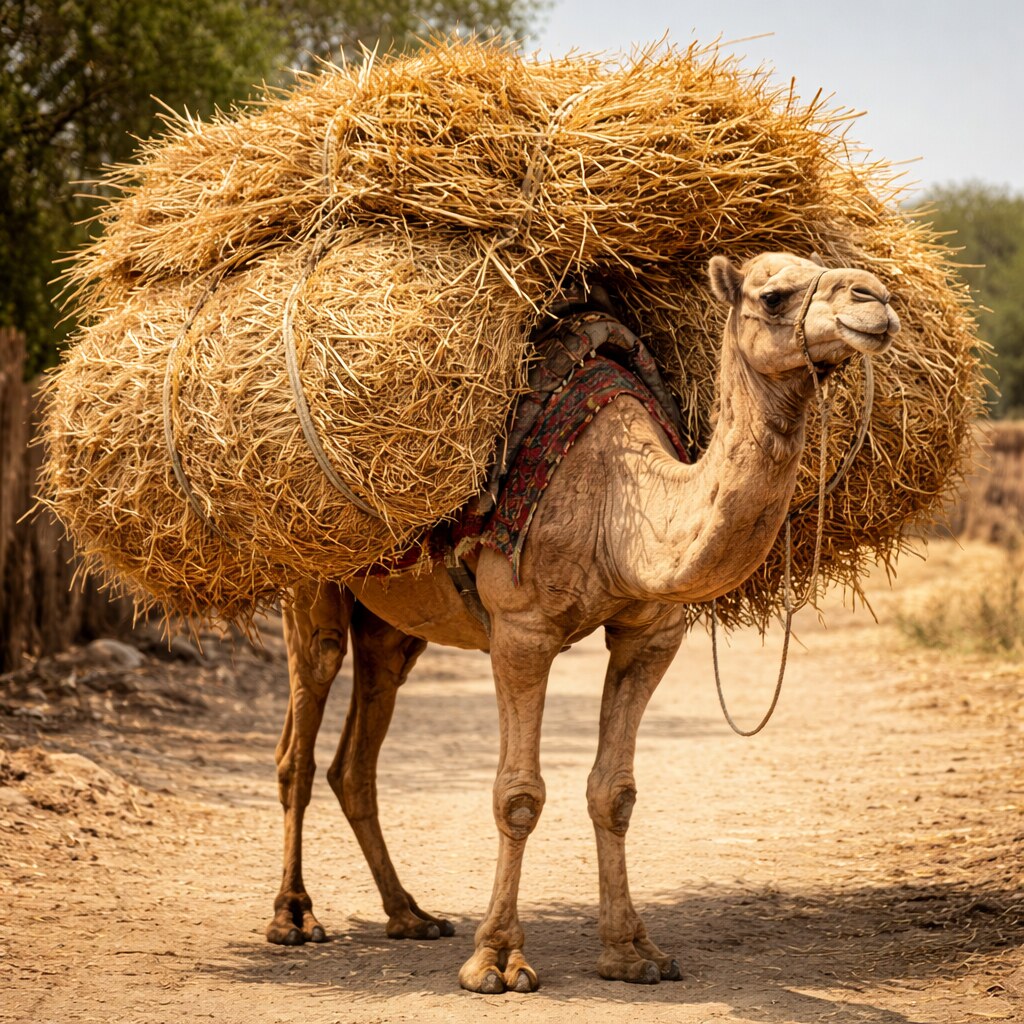
The straw that broke the camel's back refers to a small problem that causes a situation to collapse after many earlier problems or frustrations. On its own the "straw" is trivial, but it arrives after a long buildup of stress, inconvenience, or annoyance.The expression comes from the idea of loading a camel with cargo: eventually the animal reaches its limit, and one last single straw is enough to make it fail.
I didn't mind the messy room or the dirty dishes, but when he left the door open again, that was the straw that broke the camel's back.
Stubborn as a mule
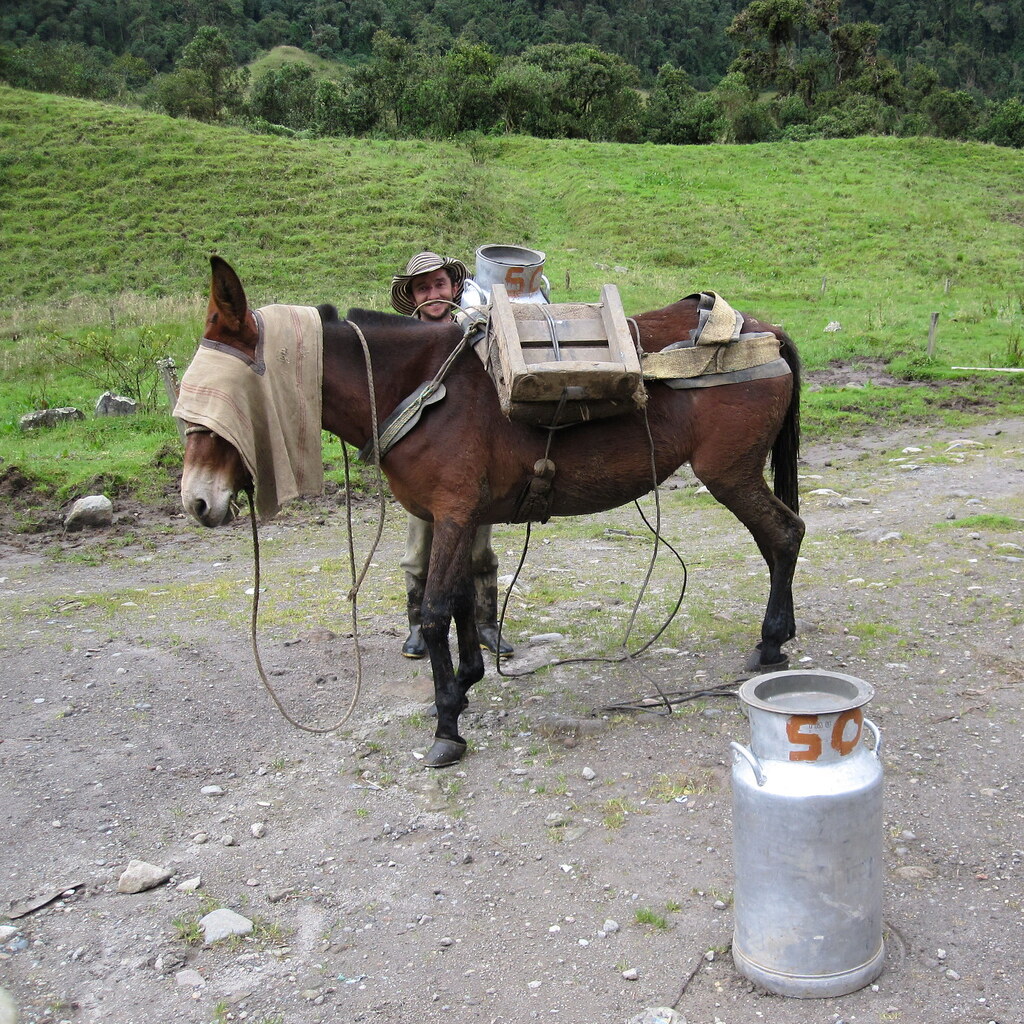
Stubborn as a mule means refusing to change your mind or behavior even when there are good reasons to do so.The phrase comes from the reputation of mules. They are known for not following commands when they decide they don't want to.
He was as stubborn as a mule when it came to fixing the old car his way.
The cat's pajamas
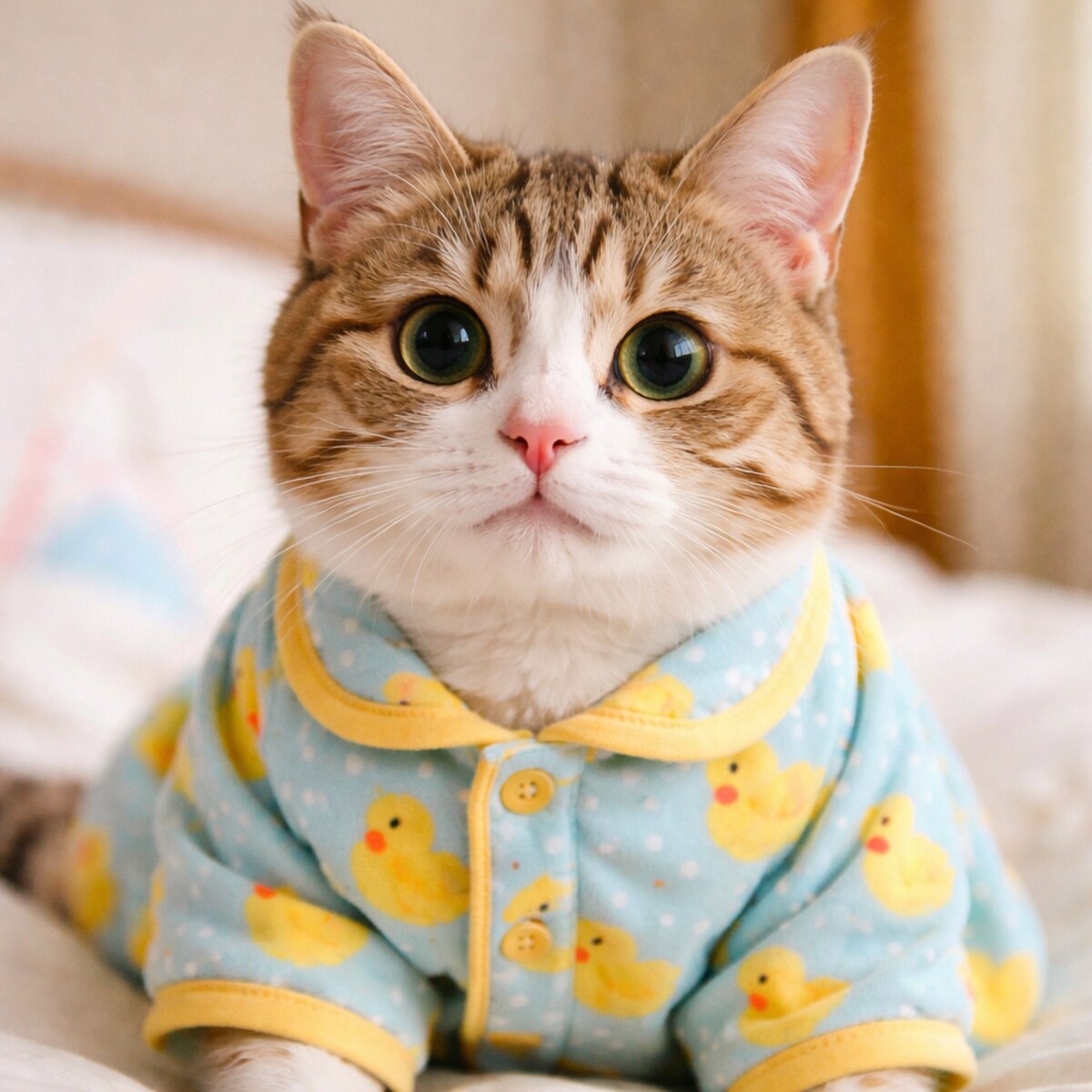
The cat's pajamas is a slang way of saying something is excellent.My new shoes are just the cat's pajamas!

The elephant in the room
The elephant in the room means a big problem or important issue that everyone knows about but no one wants to talk about. People may avoid mentioning it because it is uncomfortable, embarrassing, or difficult.The idiom is from the nonsense image of a huge elephant standing in a room while everyone pretends it is not there. Because an elephant is impossible to miss, the idea shows how strange it is to ignore something so obvious.
We kept discussing the budget, but the elephant in the room was that the company might close next year.
The lion's share
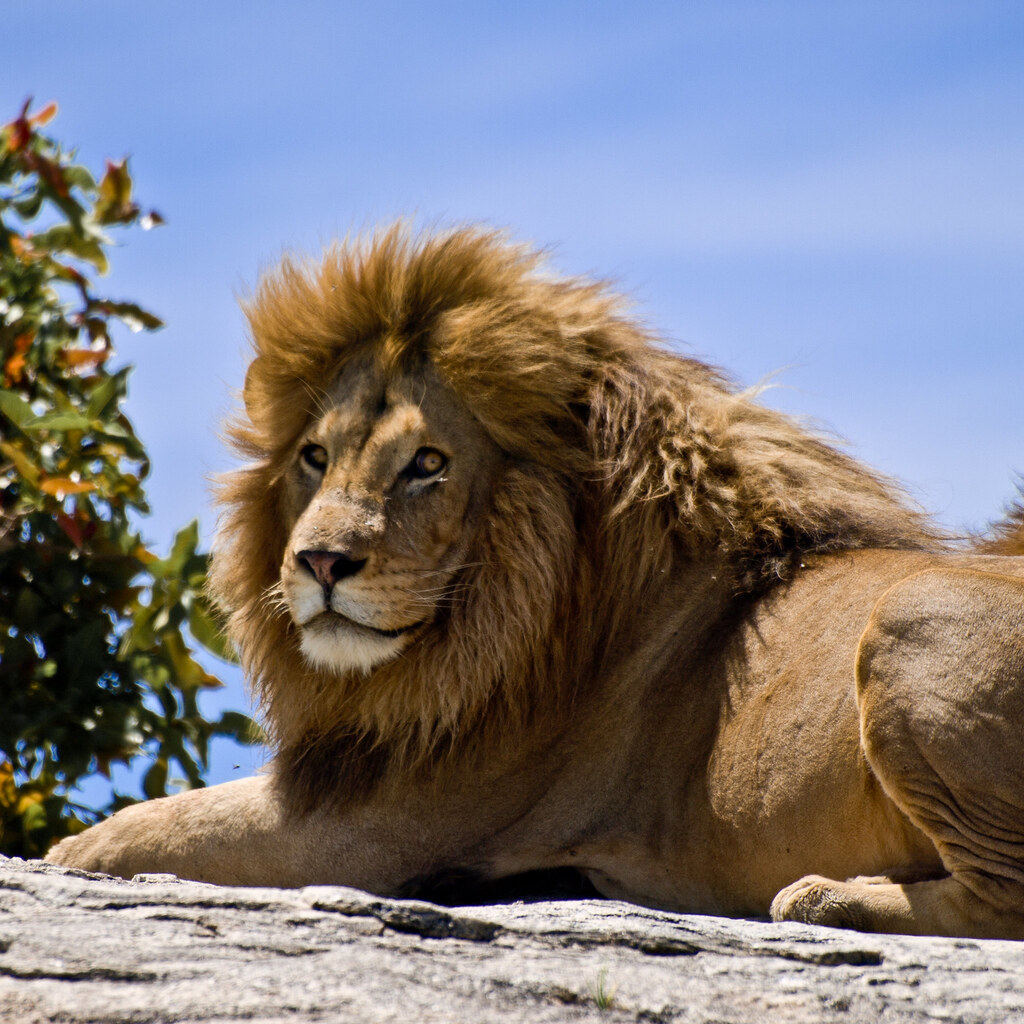
The lion's share means the largest or most valuable part of something. People use this idiom in a situation when one person takes much more than everyone else.The expression comes from an ancient fable by Aesop in which a lion joins other animals on a hunt. When it is time to divide the food, the lion claims all of it for himself, leaving nothing for the others.
She did most of the work on the project, but someone else took the lion's share of the credit.
The quick brown fox jumped over the lazy dog
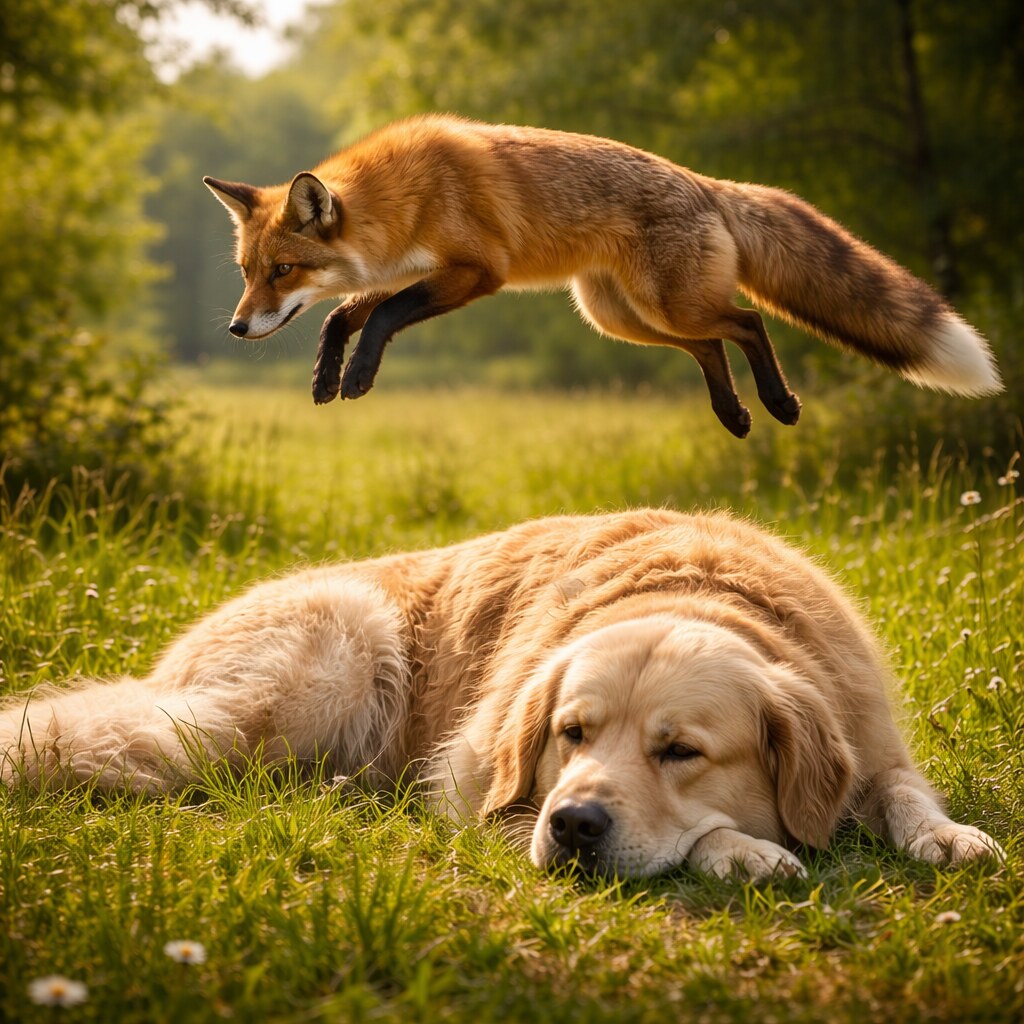
This is not an idiom as such, it is a phrase that contains every letter of the English alphabet. It is simply included here because it is interesting.The quick brown fox jumped over the lazy dog
When the cows come home
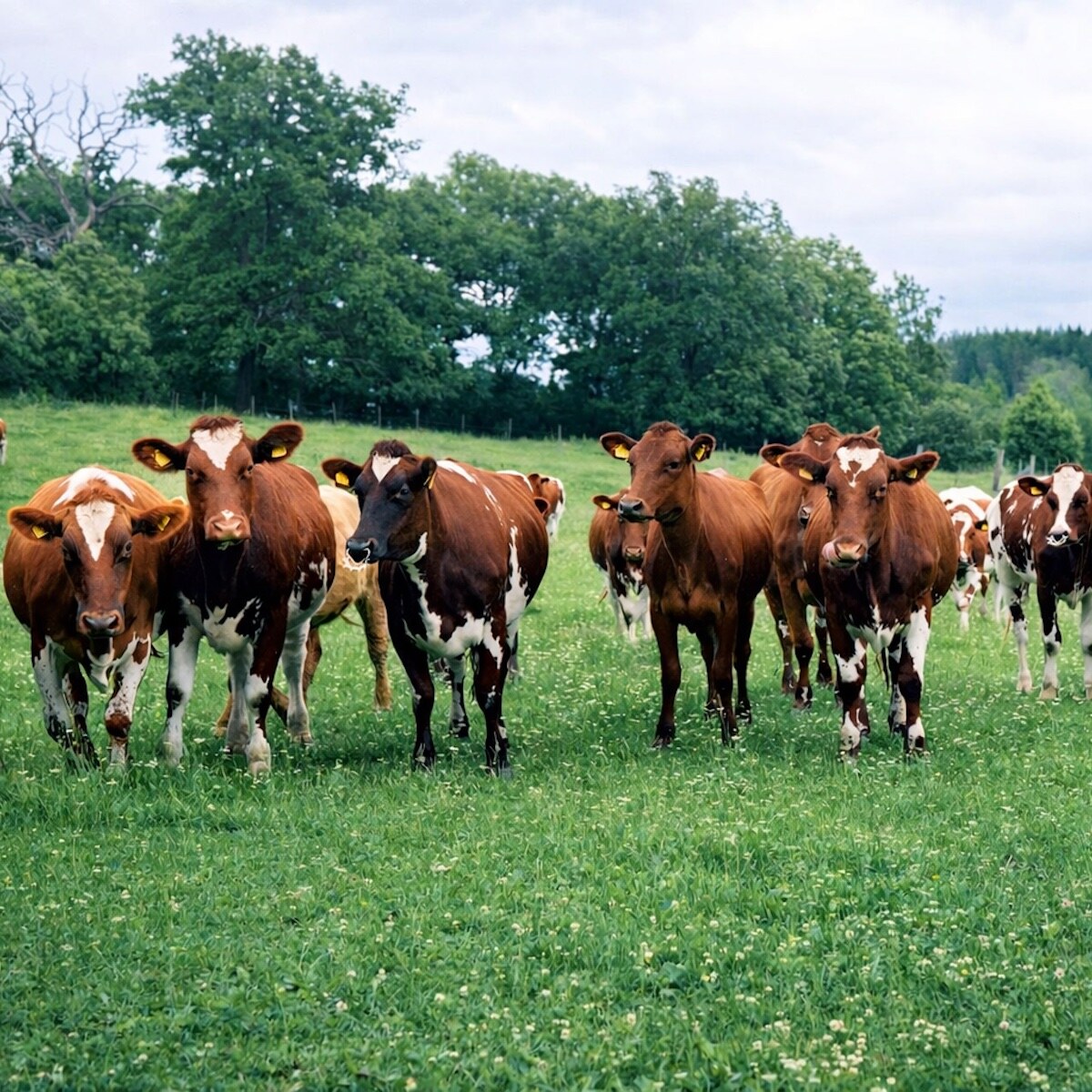
The idiom when the cows come home means for a very long time, often longer than expected.The phrase comes from farm life, where cows really like being out in the fields, so they come home as late as they can.
They can argue until the cows come home, but it won't change anything.
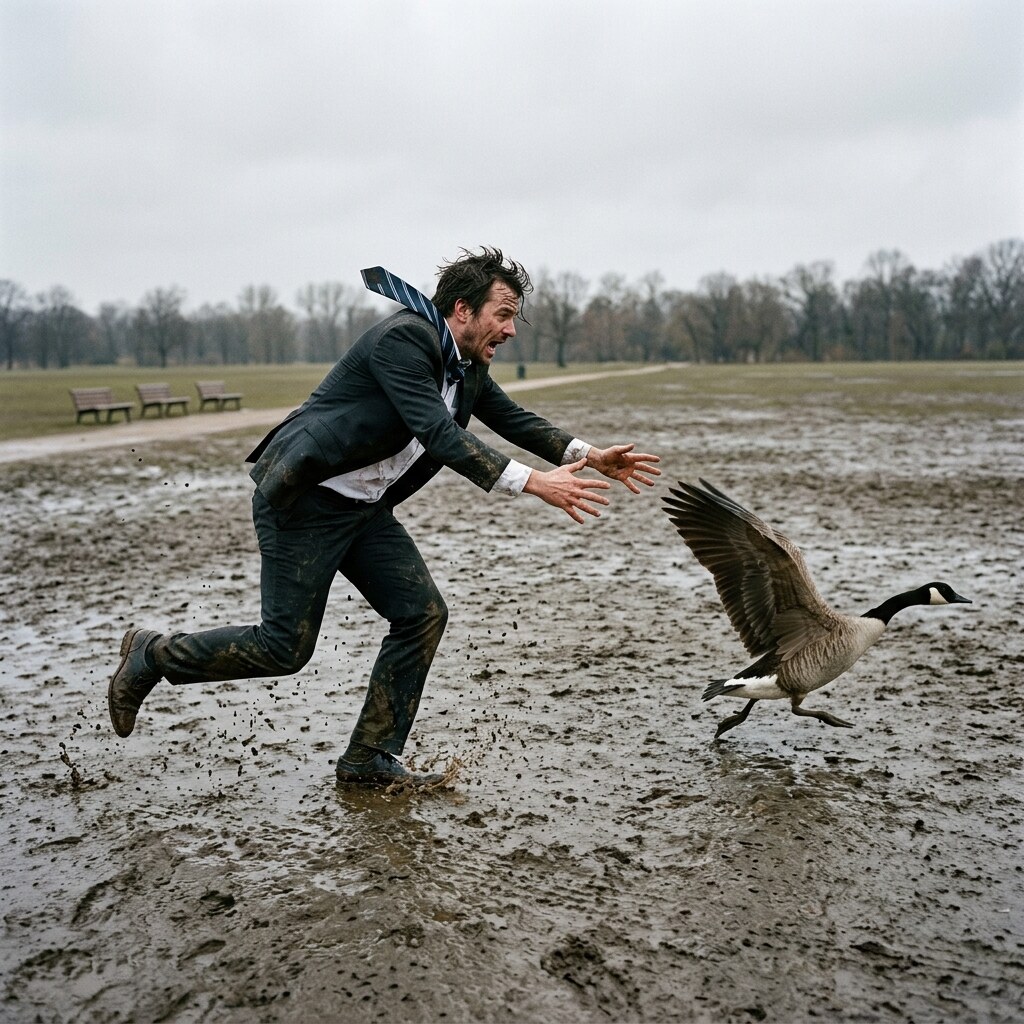
Wild goose chase
A wild goose chase means a search that is pointless or unlikely to succeed.The expression may come from an old style of horse racing where riders followed each other in unpredictable paths, similar to the wandering flight of wild geese. Over time it came to mean a futile pursuit.
Looking for the missing file turned into a wild goose chase.