
Showing 41-60 of 70
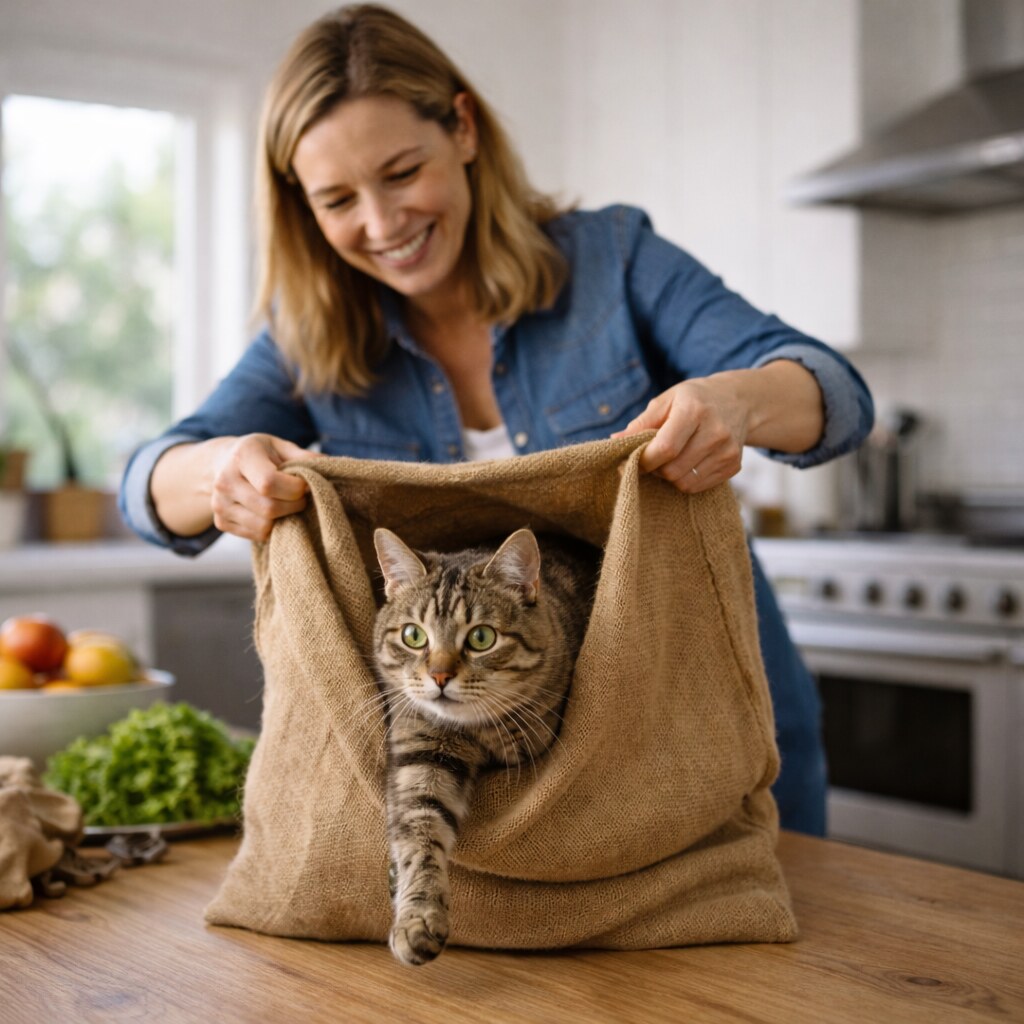
Let the cat out of the bag
To let the cat out of the bag means to reveal a secret, often by accident.One possible origin comes from old market scams in which a seller might secretly replace a valuable piglet in a bag with a worthless cat. If the bag was opened and the cat escaped, the trick was exposed.
She let the cat out of the bag about the surprise party before we could stop her.
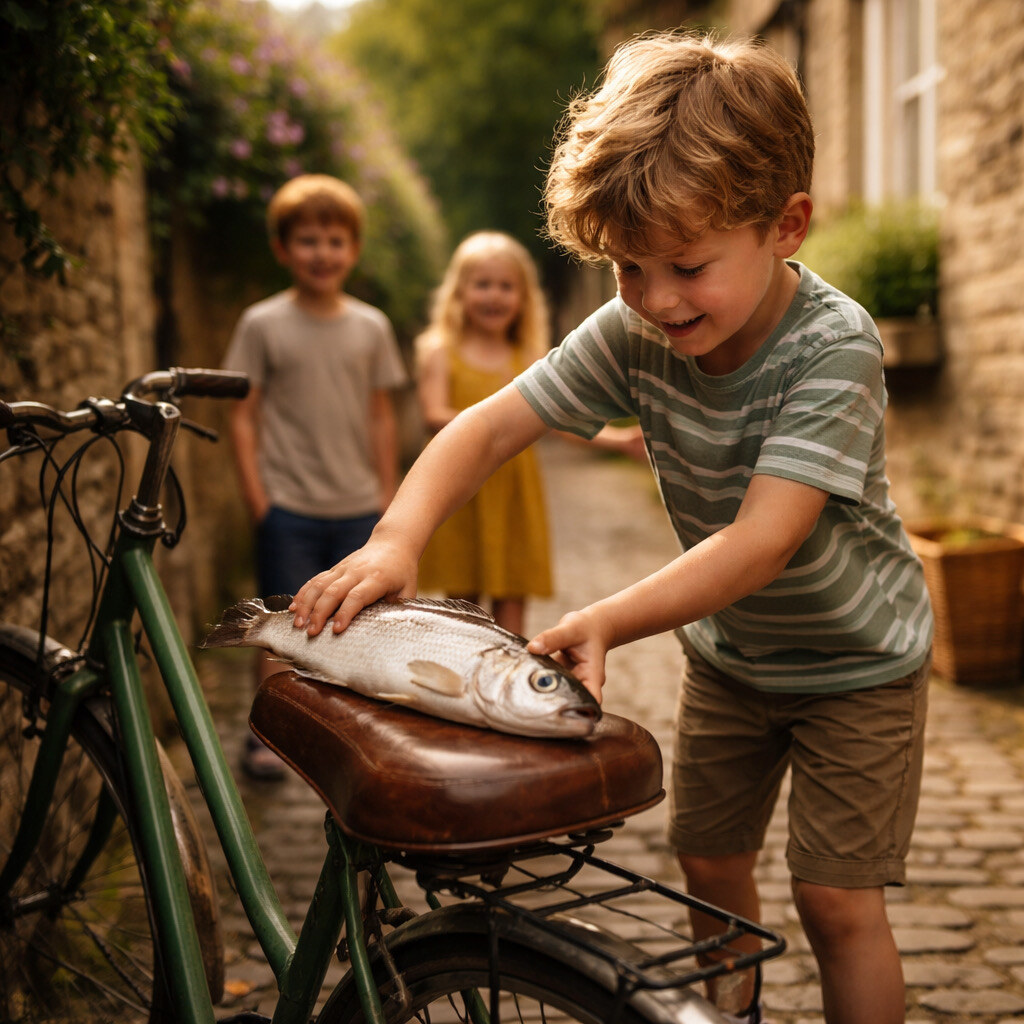
Like a fish needs a bicycle
To need something like a fish needs a bicycle means that something is completely unnecessary or useless. It is used to say that you really don't need something at all.The phrase became popular in the 1970s as a humorous saying linked to the feminist slogan "A woman needs a man like a fish needs a bicycle". It was meant to express the idea that women do not depend on men in order to live full lives.
When we got married, we got so many blenders we'd open presents and say "we need another blender like a fish needs a bicycle"
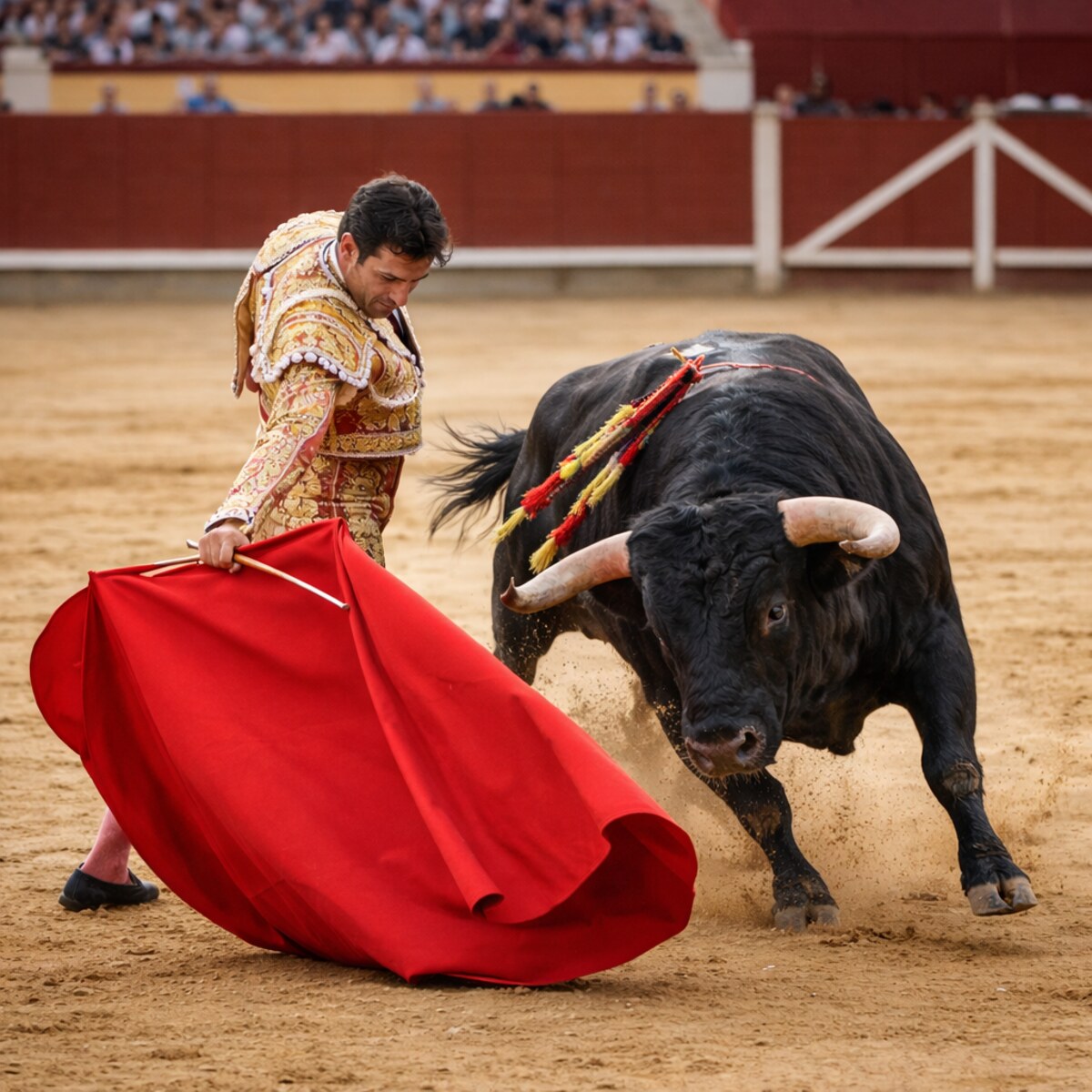
Like a red flag to a bull
The idiom like a red flag to a bull means something that makes a person react with sudden anger or excitement. It describes a situation where a small action or comment quickly sets someone off.The expression comes from bullfighting, where a matador waves a red cape to attract the bull's attention and provoke it to charge.
Teasing my brother about his team losing that game is like a red flag to a bull.
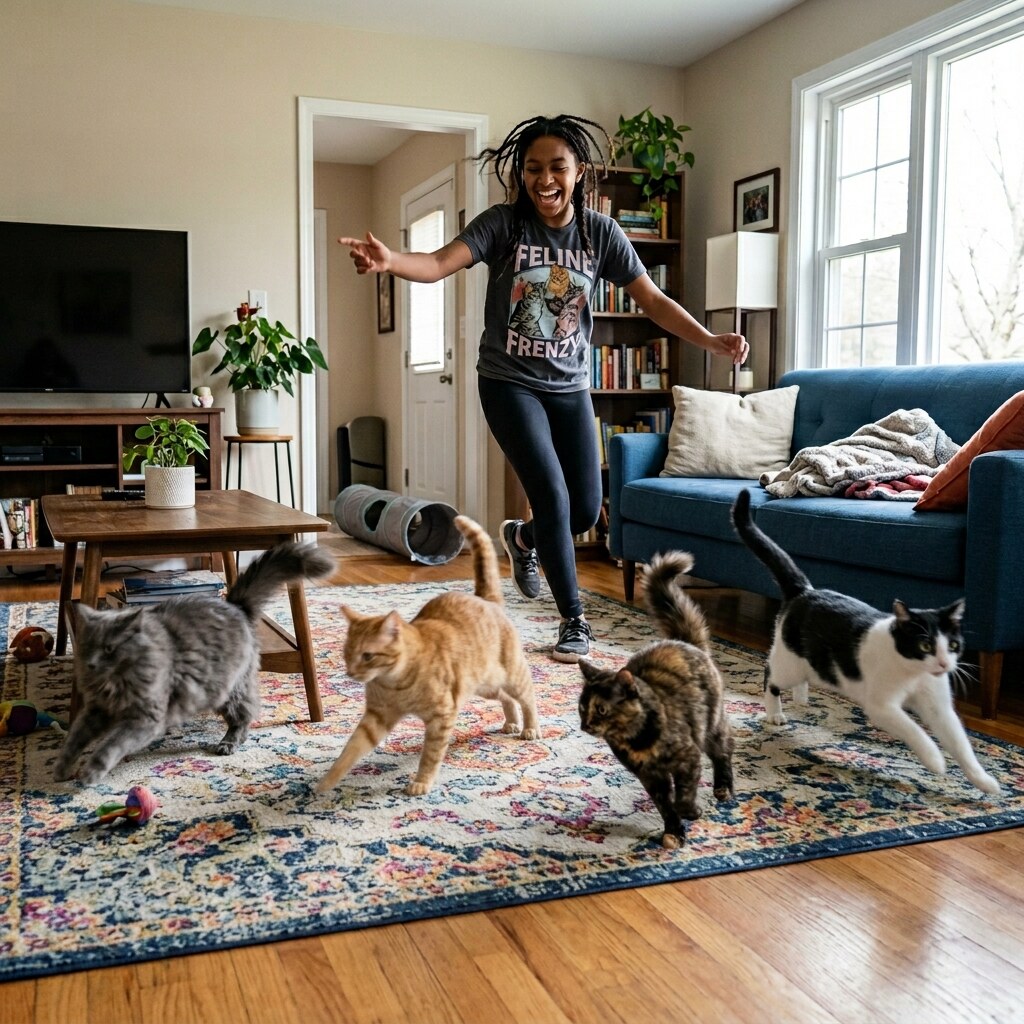
Like herding cats
If something is like herding cats it means you are trying to organize or control a group that refuses to cooperate. The task feels chaotic and almost impossible.The phrase uses the picture of trying to move cats all together. Unlike herd animals, cats tend to wander wherever they want.
Running the meeting felt like herding cats because everyone kept talking about different ideas.
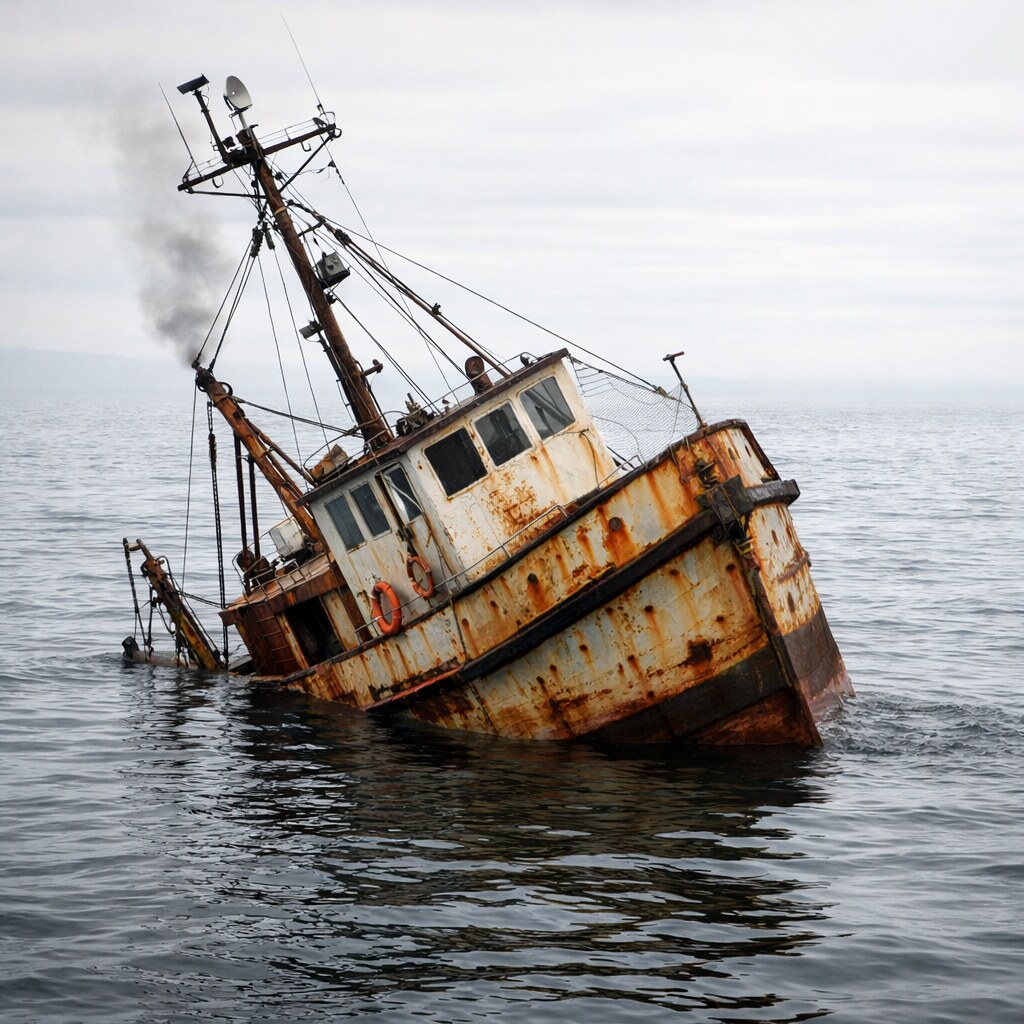
Like rats fleeing a sinking ship
The idiom like rats fleeing a sinking ship means a lot of people all leaving a failing situation around the same time. It is often used when people abandon a group, plan, or organization as soon as trouble appears.The expression comes from the old belief that rats on ships would sense danger and escape before a vessel sank. Because rats were often seen leaving damaged ships in ports, the image became a metaphor for people rushing to abandon a doomed situation.
When the company started losing money, investors left like rats fleeing a sinking ship.
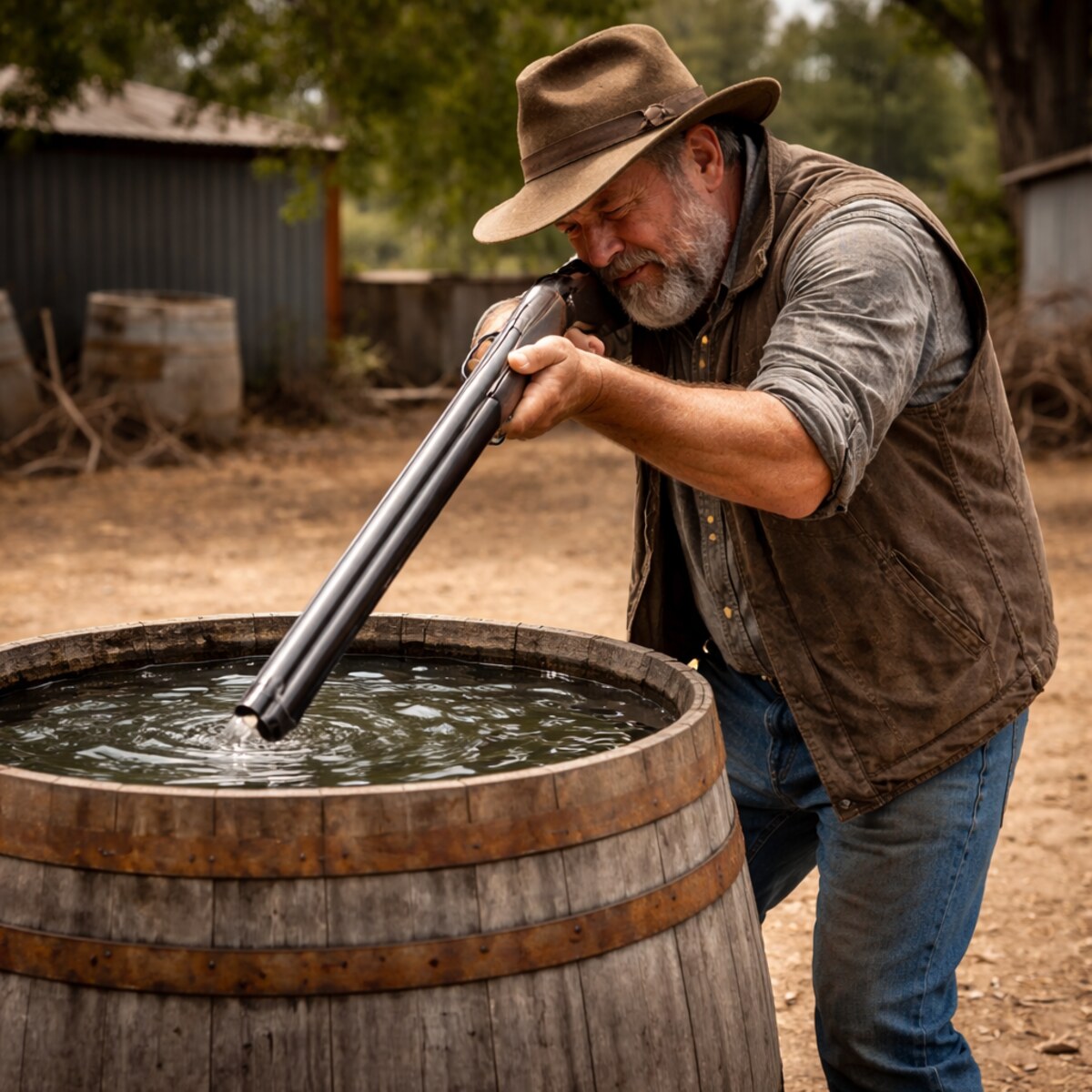
Like shooting fish in a barrel
The idiom like shooting fish in a barrel means something is very easy. The implication is that a barrel is such a small body of water that the fish can't get away from you.That exam was so easy it was like shooting fish in a barrel.
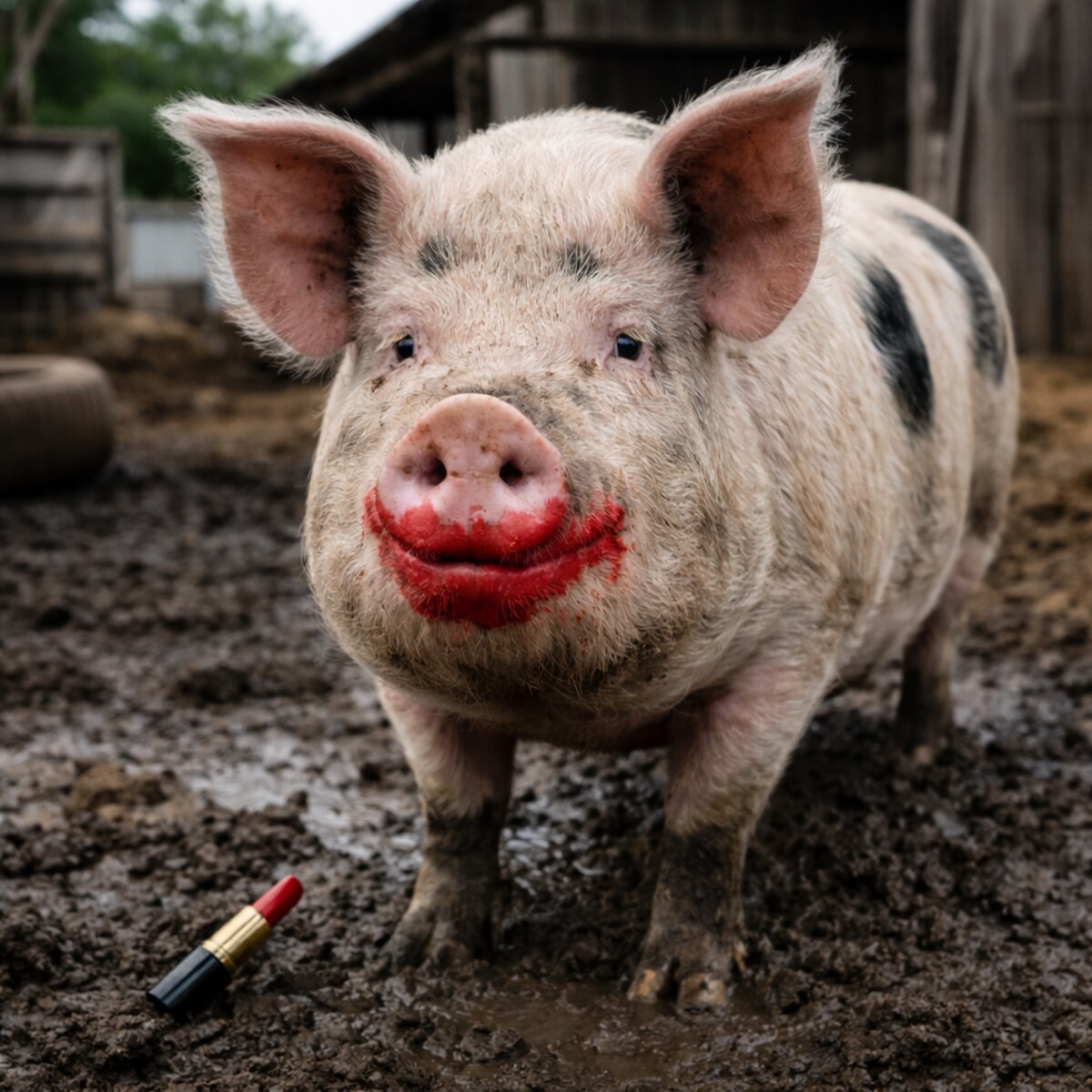
Lipstick on a pig
To put lipstick on a pig means you are making superficial or cosmetic changes to something that is fundamentally broken or unattractive, to make it more appealing. It likens it to putting lipstick, something that would normally make people more attractive, onto a pig which is generally seen as messy and unattractive.Why are you building such a fancy porch on your old house? That's like putting lipstick on a pig!
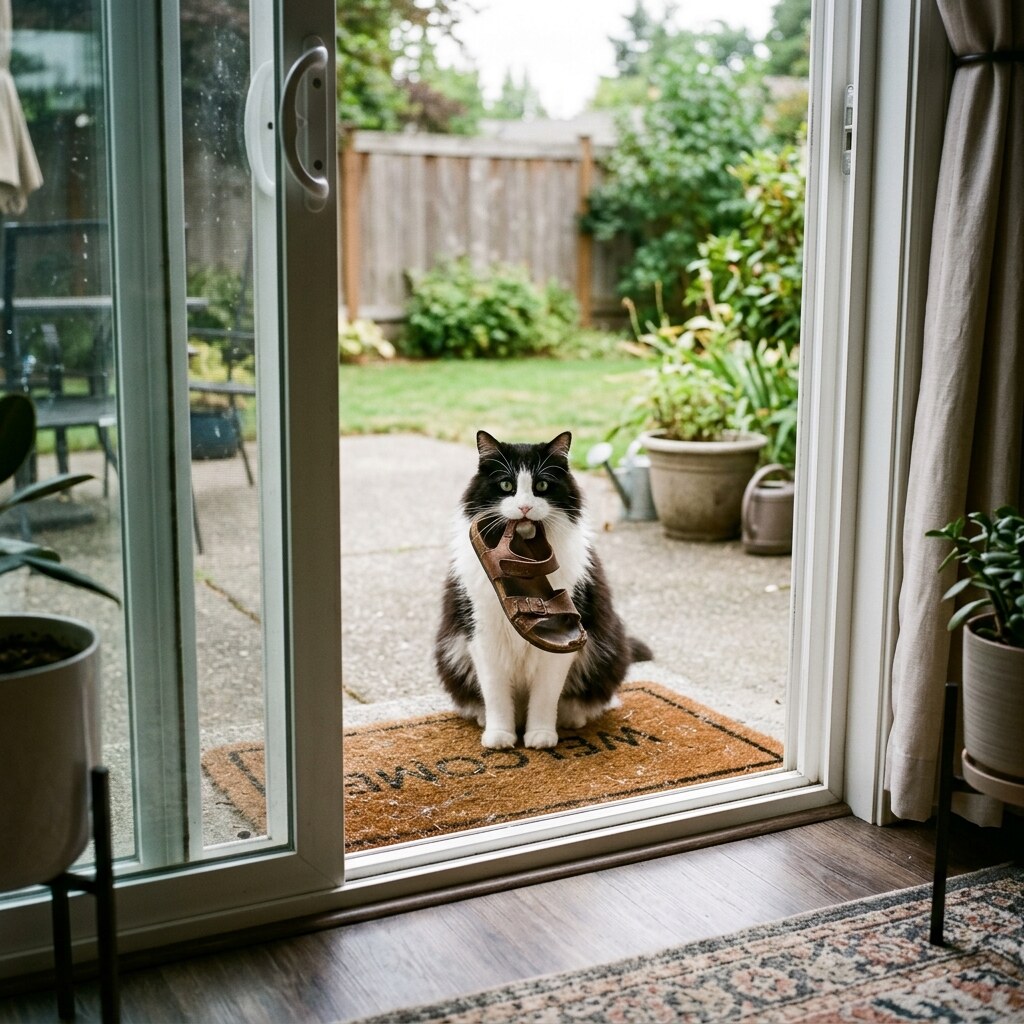
Look what the cat dragged in
Look what the cat dragged in is a joking remark made when someone arrives unexpectedly, often looking messy or late. The phrase is often mild teasing rather than real criticism.The image comes from a cat bringing home something it has caught. The object often looks a bit ... chewed up.
When he finally showed up after missing the morning meeting, someone laughed and said look what the cat dragged in.
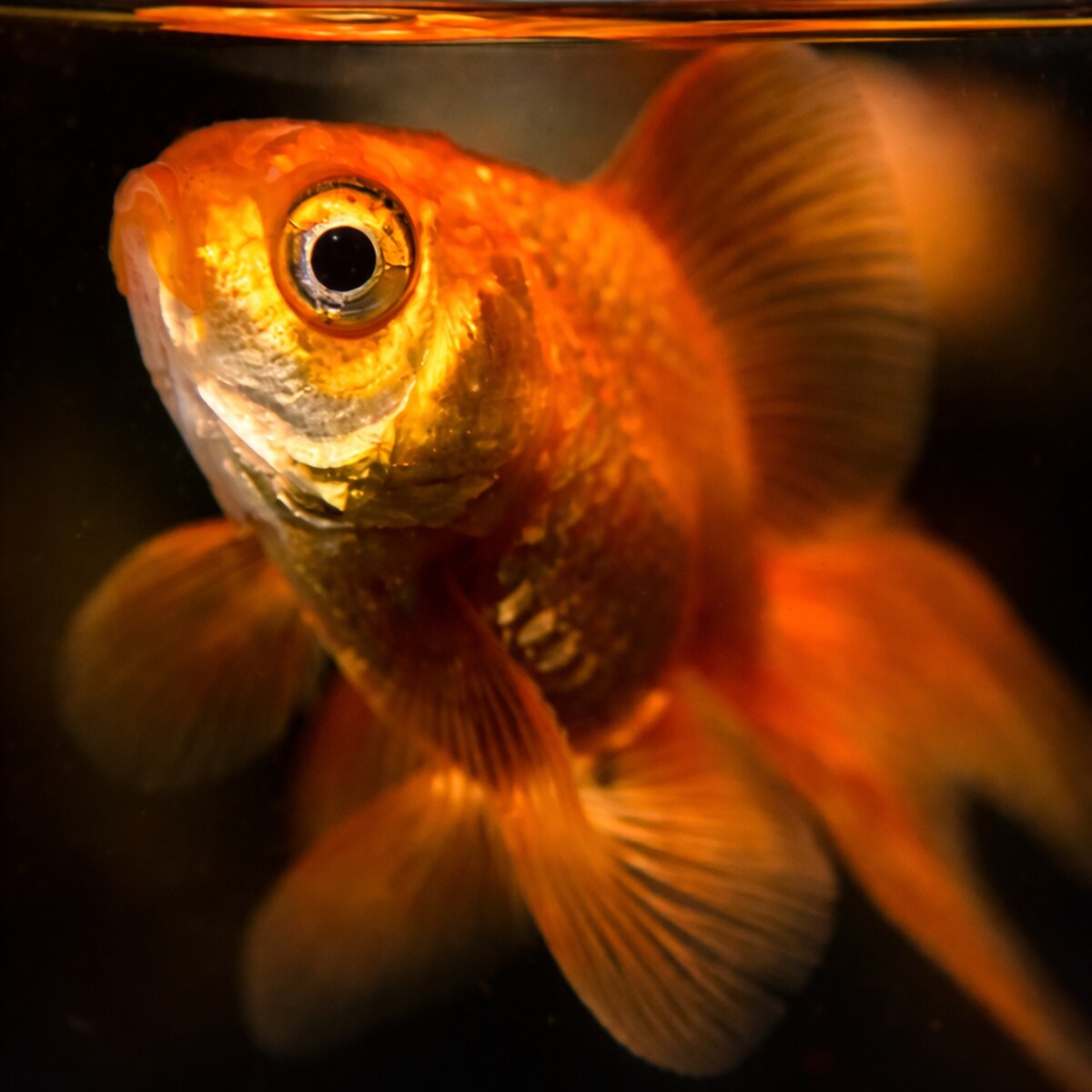
Memory of a goldfish
If you have the memory of a goldfish, it means you have a very short memory or you forget things a lot.The phrase comes from the common belief that goldfish can only remember things for a few seconds. Although this idea is popular in jokes and everyday speech, real goldfish can actually remember things for much longer.
I forgot where I left my keys again, I must have the memory of a goldfish.
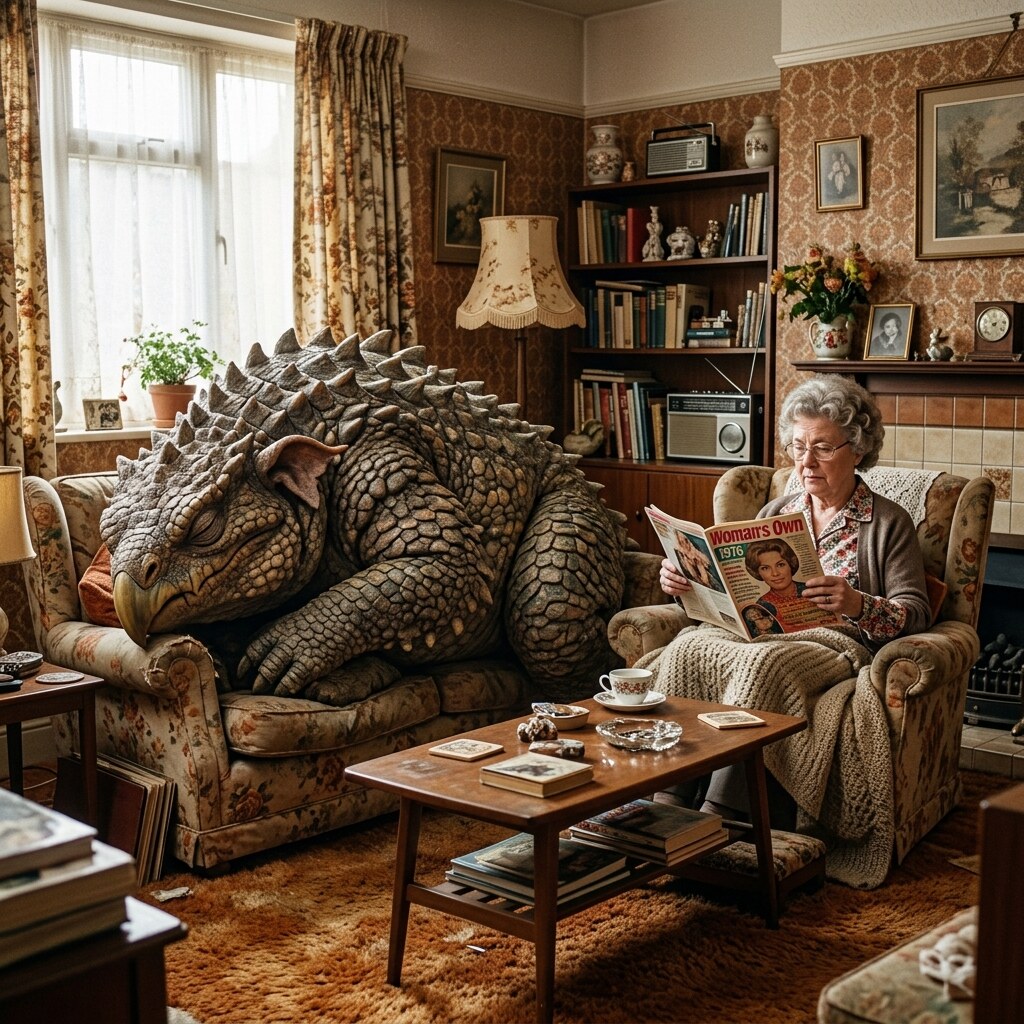
Nature of the beast
The nature of the beast means the basic qualities of something that cannot easily be changed. This idiom is used when a problem or difficulty is simply part of how a situation or system works.The phrase has been used in English for many years. The word beast is used figuratively to describe something powerful or difficult to control, emphasizing that certain behaviors are built into its character.
The work can be stressful at times, but long hours are just the nature of the beast in this industry.
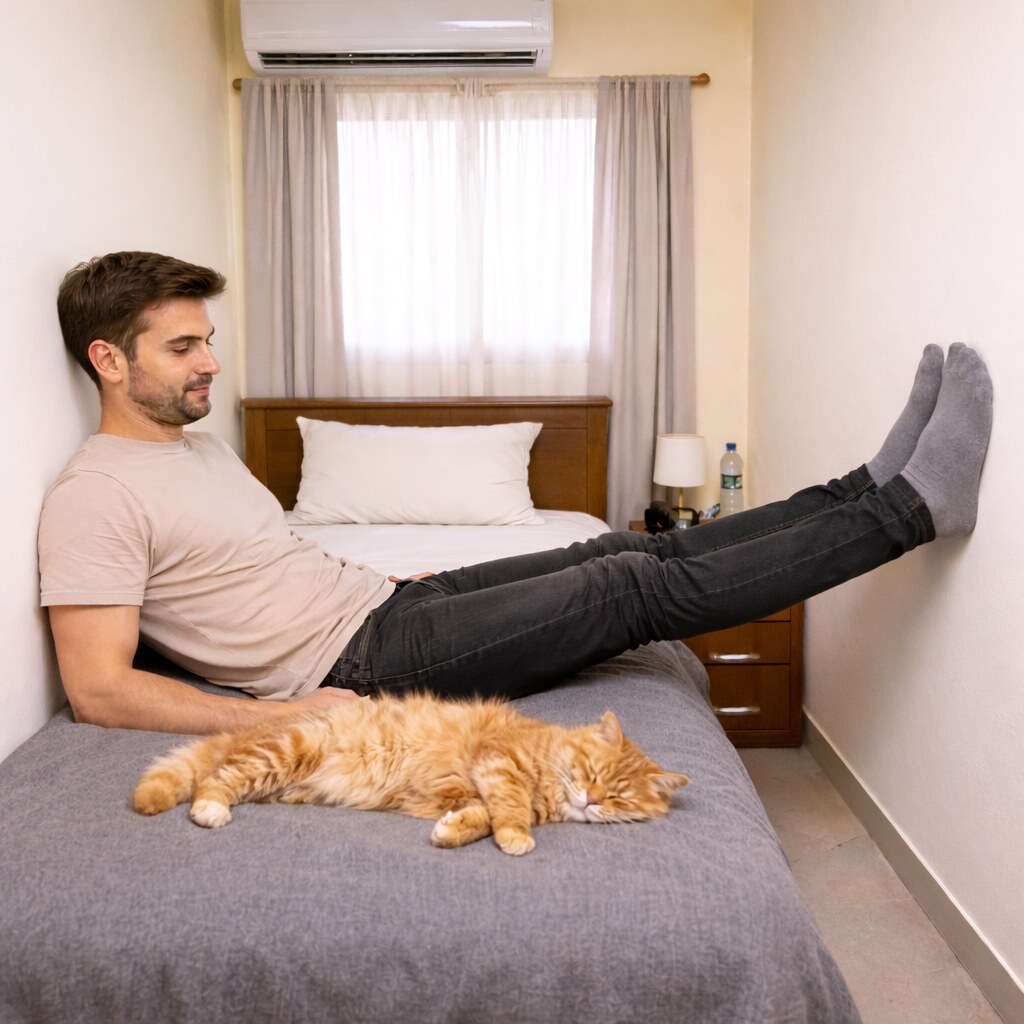
No room to swing a cat
The idiom no room to swing a cat means a place is very small or crowded, with hardly any space to move around. People use this expression when a room or area feels too tight.The saying comes from the idea that swinging something around needs a lot of space, and it jokingly uses a cat as the thing to swing around because cats are small enough to swing.
When I saw my new dorm room, I joked there was no room to swing a cat.
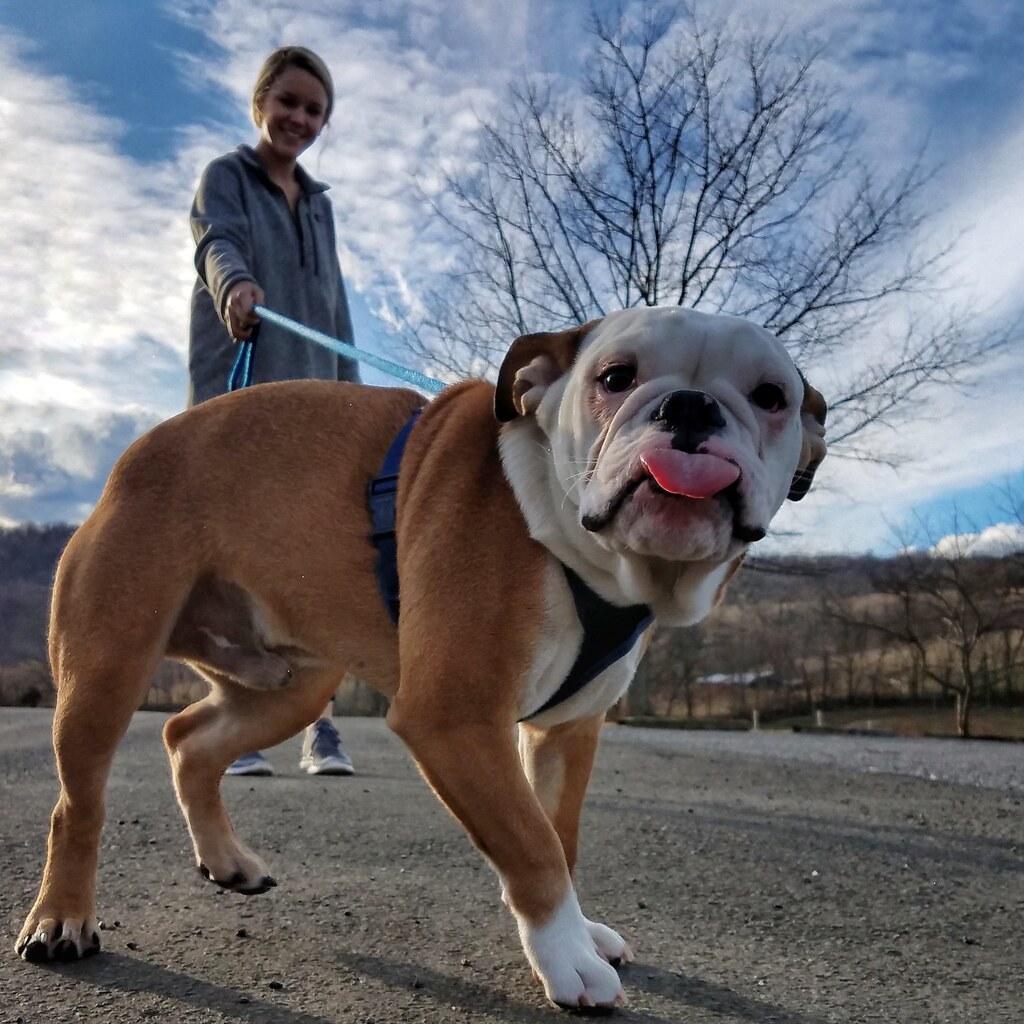
On a short leash
On a short leash means being closely controlled or carefully watched by someone in authority. A person on a short leash is not given much freedom to act on their own.The idiom is derived from the notion of walking a dog with a very short leash. When the leash is short, the dog must stay close to its owner and cannot run off.
After missing several deadlines, he was kept on a short leash by his manager.
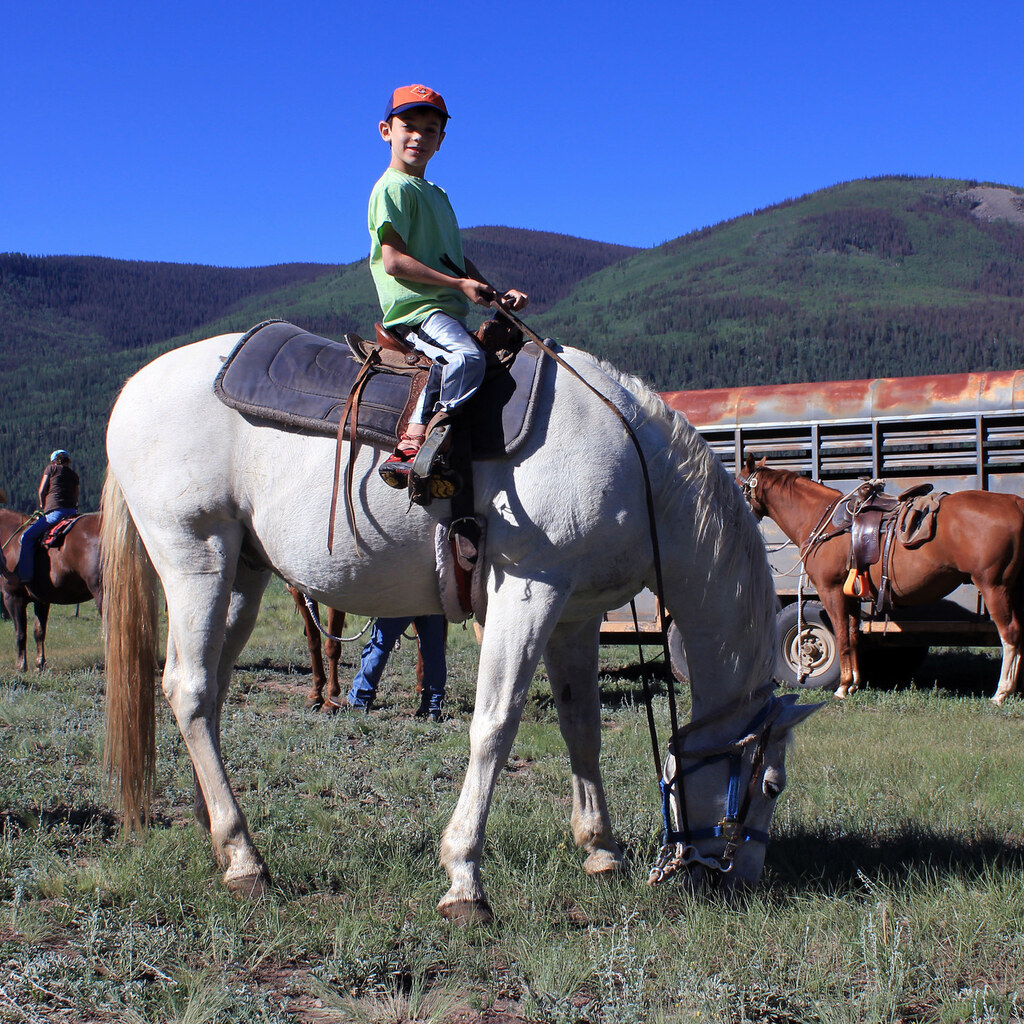
On your high horse
To be on your high horse describes someone acting proud and superior while judging others.The phrase comes from earlier times when important people rode tall horses while ordinary people walked. The higher position became a symbol of social status.
He got on his high horse about proper grammar during the meeting.
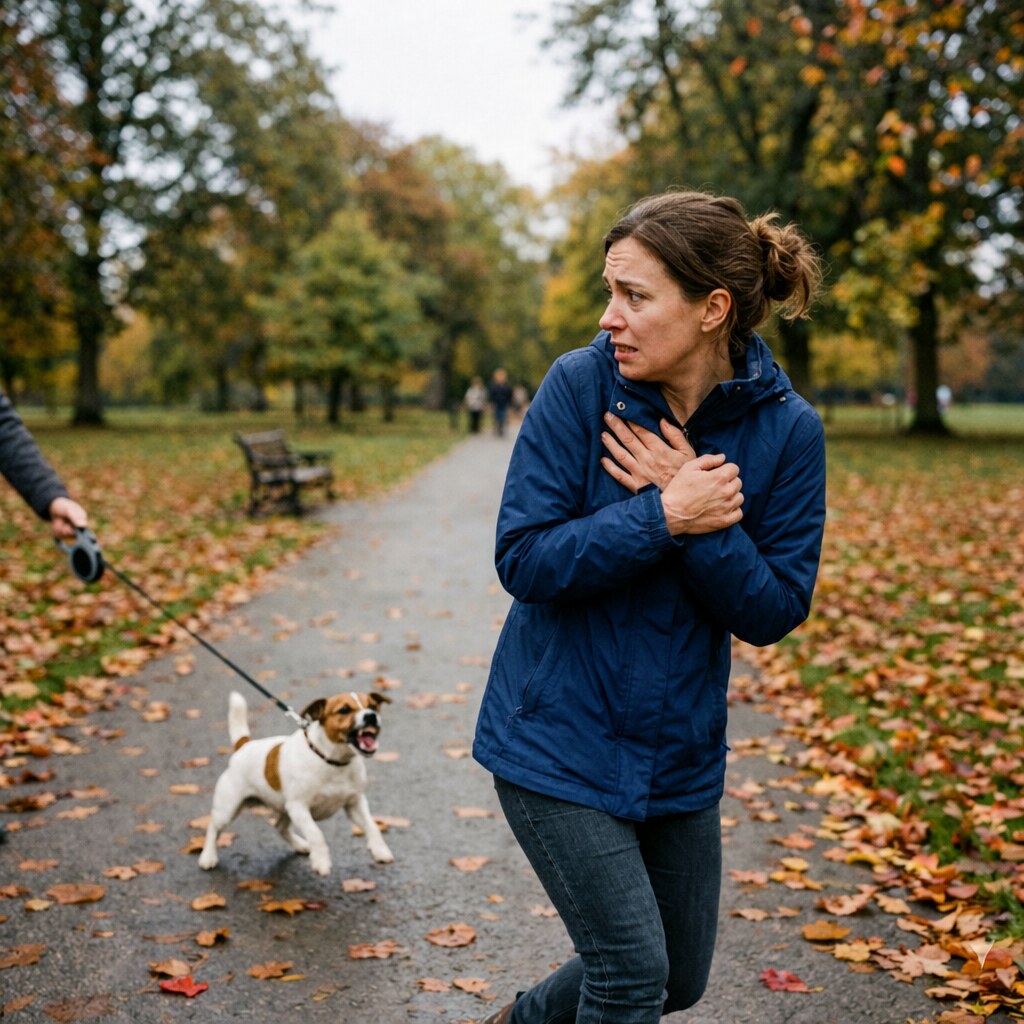
Once bitten twice shy
Once bitten, twice shy means that after someone has a bad experience, they become more careful about similar situations in the future. It describes how people learn to avoid repeating the same mistake.The idea appears in very old proverbs. A similar saying was written in the 1600s, comparing a person who has been bitten by a dog to someone who becomes cautious even around friendly dogs afterward.
After losing money in a risky investment, she was once bitten, twice shy about trying another one.
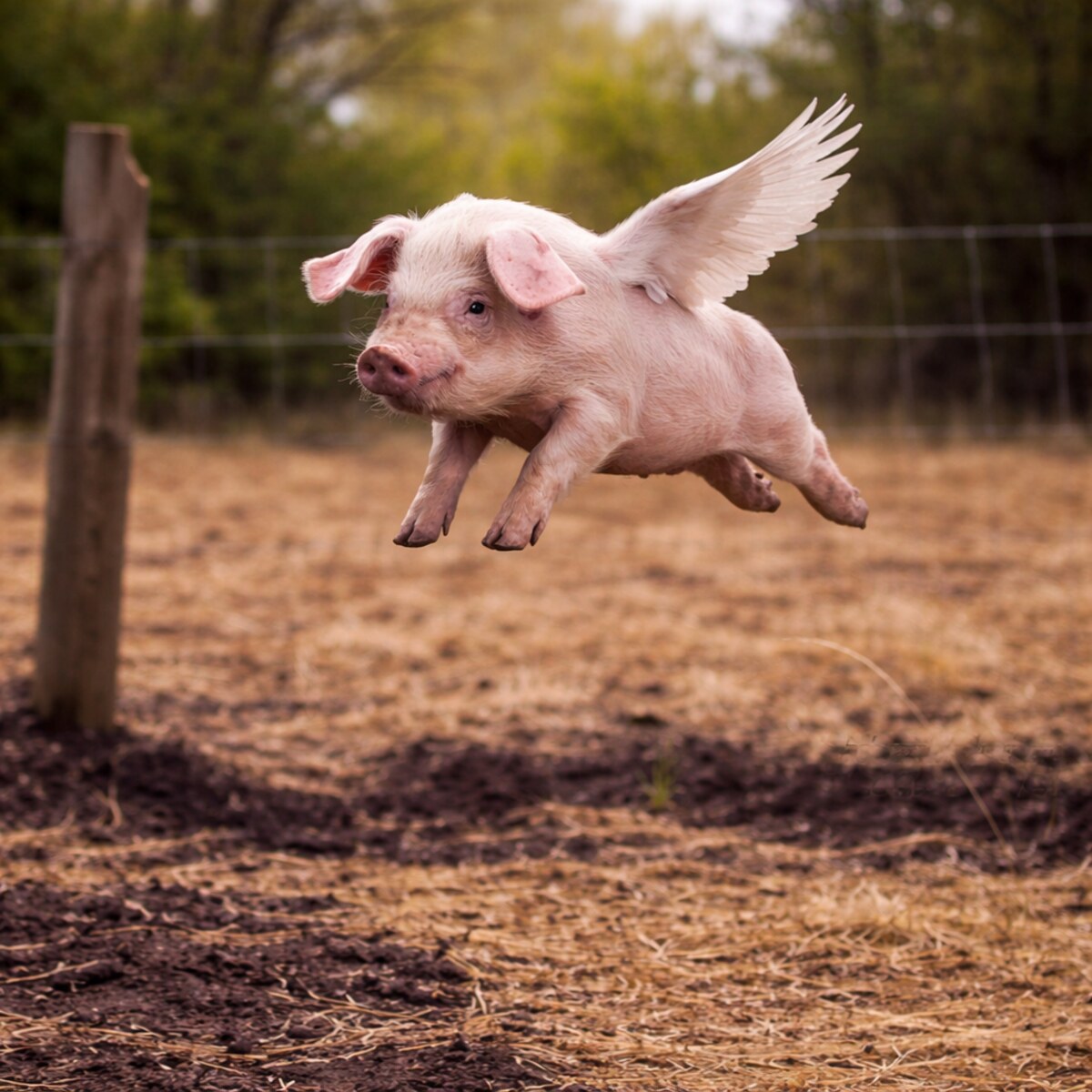
Pigs might fly
The idiom pigs might fly is a way of describing something that is absurd or so unlikely it is almost impossible.Getting my husband to help with the housework? Yeah, when pigs fly
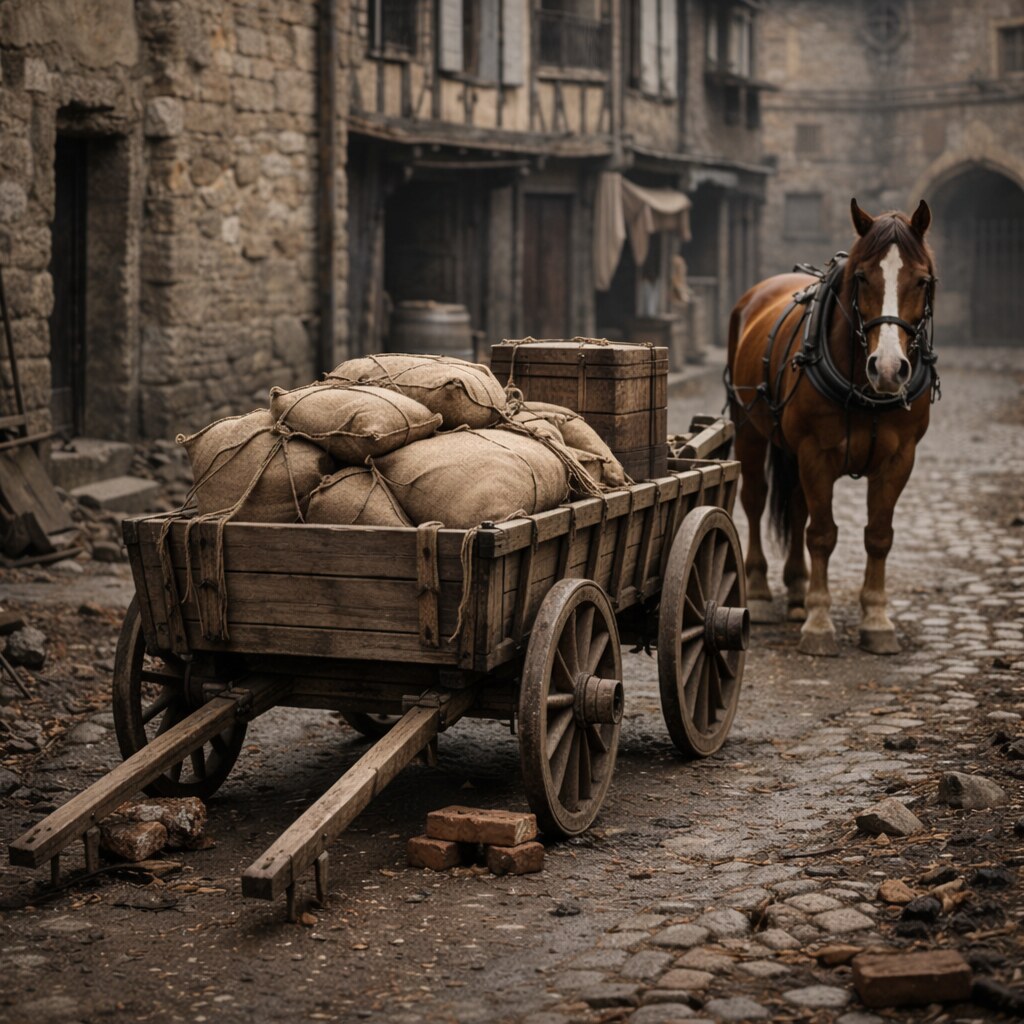
Putting the cart before the horse
Putting the cart before the horse means doing things in the wrong order. It describes a situation where someone tries to do a later step before the earlier step that should come first.The idiom comes from the simple image of a horse pulling a cart. If the cart is placed in front of the horse, it cannot be pulled, so nothing works properly. The phrase has been used since at least the 1500s.
Trying to decorate the house before the walls are painted is putting the cart before the horse.
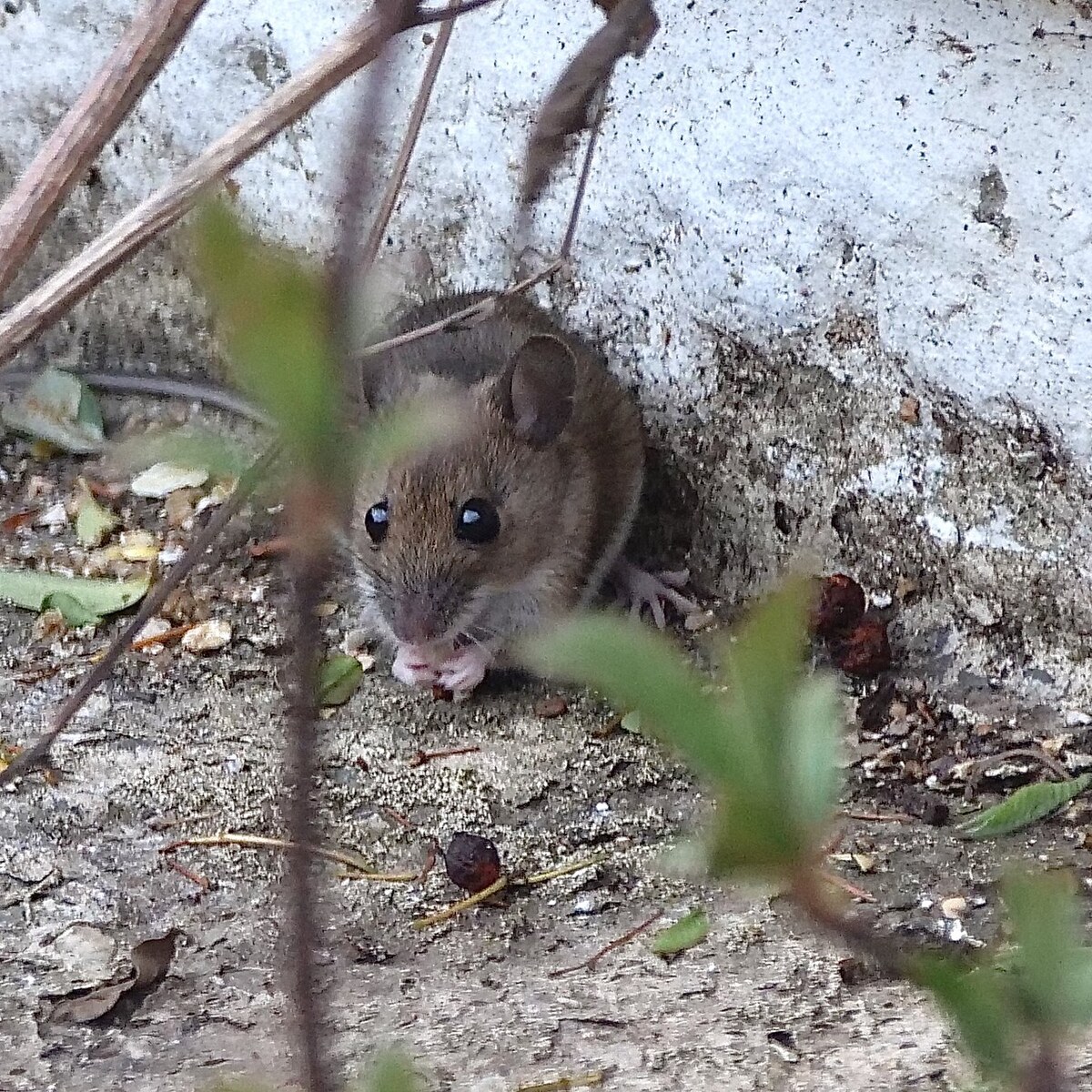
Quiet as a mouse
The phrase quiet as a mouse means very quiet. Mice are naturally small, quiet and good at hiding from predators, so a person who is unusually quiet might get described as quiet as a mouse.She was quiet as a mouse

Raining cats and dogs
Raining cats and dogs means that the rain is falling very heavily.The phrase appeared in English several centuries ago. Its exact origin is uncertain, though many theories link it to older expressions used to describe violent storms.
We stayed inside all afternoon because it was raining cats and dogs.
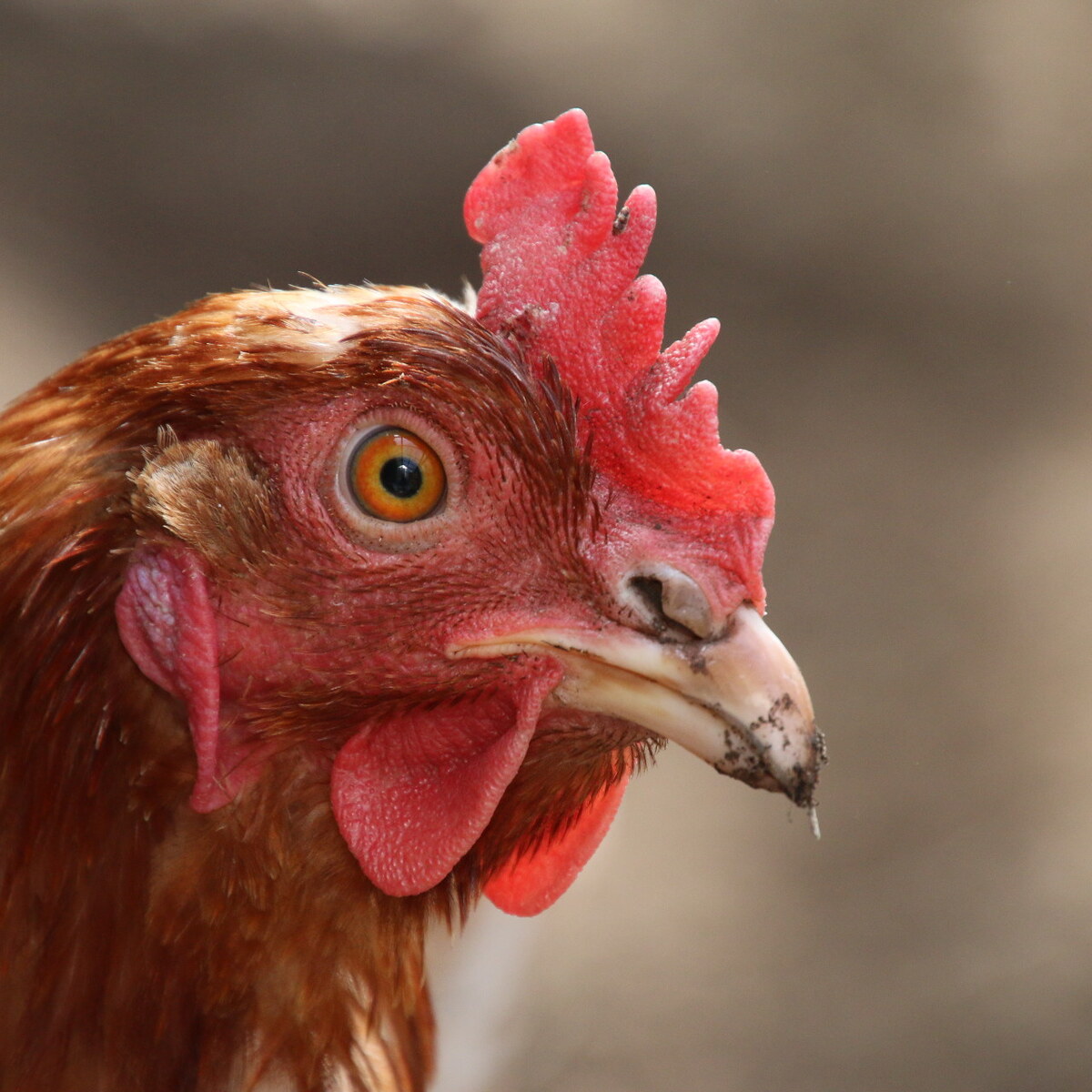
Rare as hen's teeth
Something is as rare as hen's teeth if it is so uncommon that you need an idiom to exaggerate how uncommon it is! Hens have no teeth, so hen's teeth are so rare they do not exist at all.You found one of those at the thrift store? Well done, they are as rare as hen's teeth!
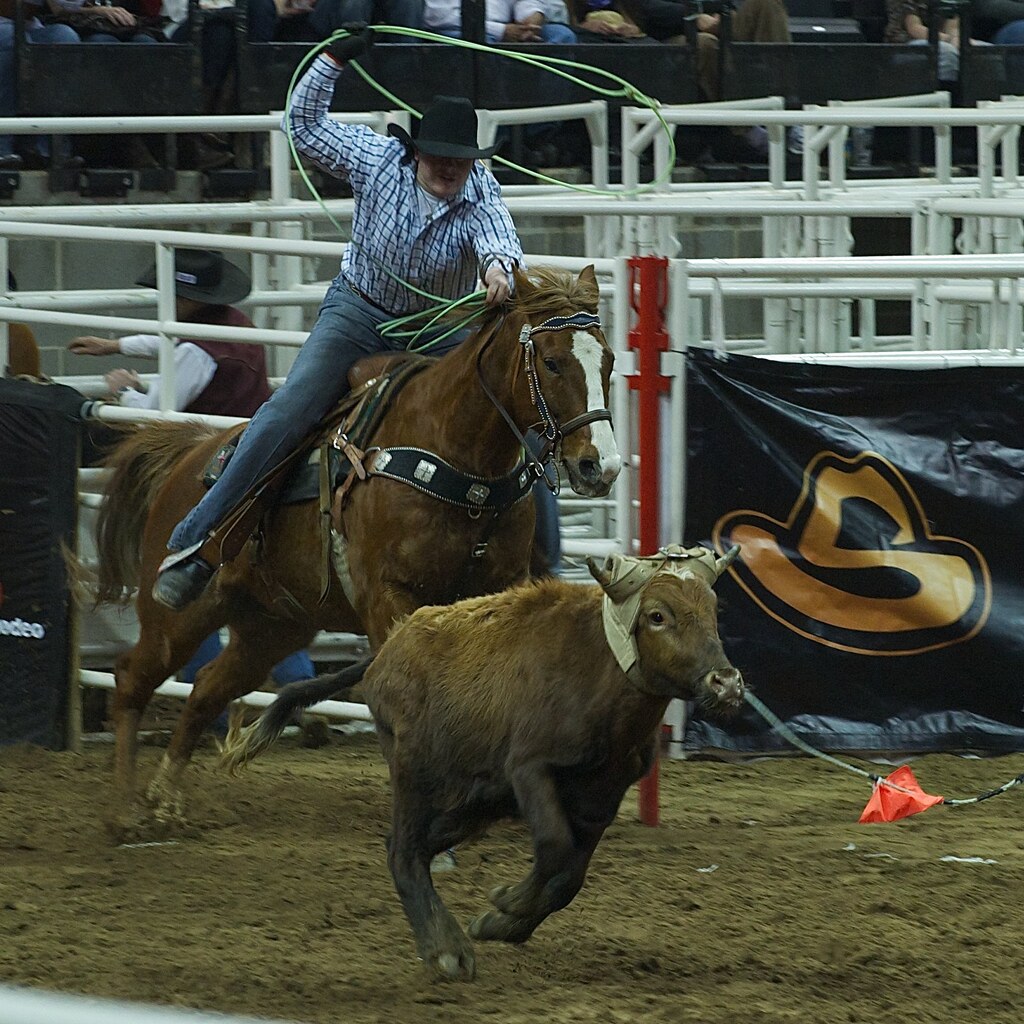
Roped in
To be roped in means being persuaded into doing something, often when you did not plan to be involved.The phrase comes from the image of using a rope to capture something.
He got roped in to help organize the event even though he had other plans.