
Showing 41-60 of 61

Put your foot in your mouth
To put your foot in your mouth means to say something embarrassing, rude, or awkward without meaning to. It is used when someone accidentally says the wrong thing and regrets it afterward.The expression comes from the image of someone speaking so carelessly that they metaphorically shove their own foot into their mouth. The phrase became common in English in the 1900s.
I really put my foot in my mouth when I asked about her job before realizing she had just been laid off.
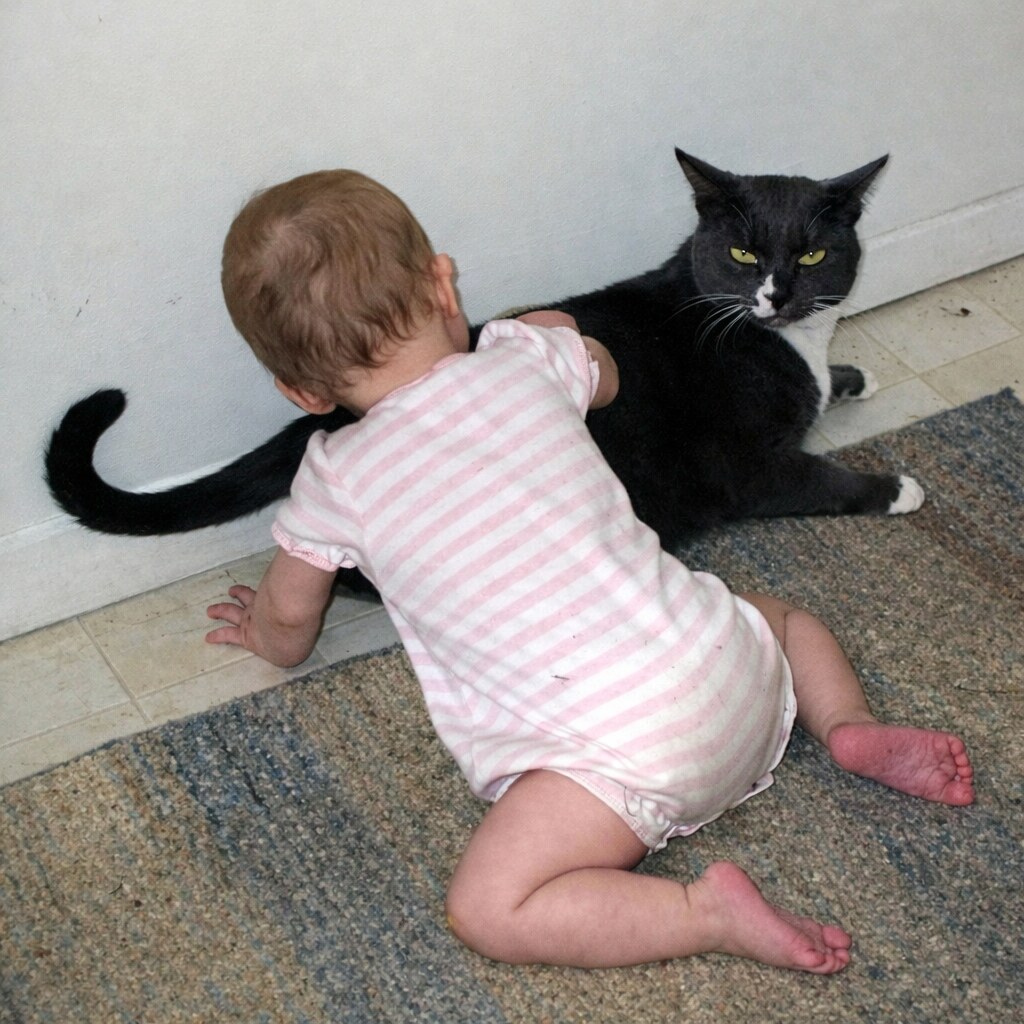
Rub you up the wrong way
To be rubbed up the wrong way means that someone's behavior annoys you slightly, particularly small habits or remarks.The phrase comes from brushing the fur of an animal against its natural direction. The motion creates resistance and irritation. The image later became a metaphor for social friction.
His sarcastic comments always rub you up the wrong way.

Rub your nose in it
To rub someone's nose in it means to keep reminding someone about a mistake or embarrassing situation in a way that makes them feel worse. Instead of letting the matter go, the person keeps pointing it out again and again.The phrase comes from an old method sometimes used when training animals, where their nose was pushed toward something they had done wrong. Over time it became a metaphor for deliberately making someone dwell on their mistake.
I know I lost the game, but you do not have to rub my nose in it every time we talk about it.

Rule of thumb
The phrase a rule of thumb means a simple guideline based on experience. It originates from when tradesmen used to roughly estimate measurements using the size of their thumb rather than any more accurate means.As a rule of thumb, save some money each month.

Save your breath
The idiom save your breath means that speaking will not change anything.The phrase comes from the simple idea that talking uses breath. If no one will listen, the breath is better saved.
You can save your breath - he's already decided.
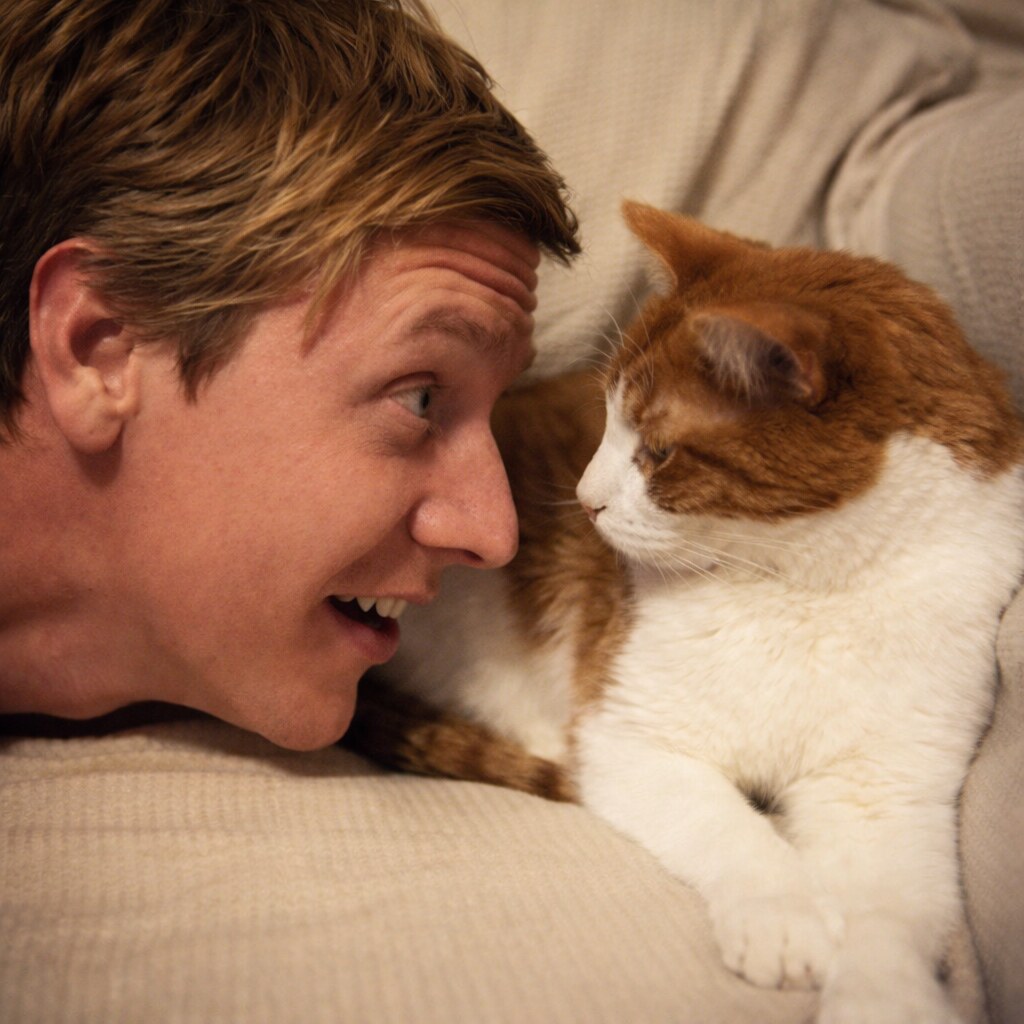
See eye to eye
To see eye to eye means to completely agree with someone about something. If people do not see eye to eye, they disagree or have different opinions.The expression comes from the idea of two people looking directly at each other with their eyes level, suggesting they share the same view or understanding. The phrase has been used in English for several centuries.
My brother and I do not always see eye to eye about how to run the business.

Sit on your hands
To sit on your hands means to do nothing when you should be taking action. It is used when someone waits, avoids helping, or chooses not to get involved.The expression comes from the image of a person literally sitting on their hands so they cannot use them. It suggests stopping yourself from acting, even when something needs to be done.
We cannot just sit on our hands while the roof keeps leaking.

Skeleton in the closet
A skeleton in the closet means a secret from someone's past that they try to hide because it would embarrass them or cause trouble if others found out.This idiom comes from the image of a hidden skeleton locked away in a closet. It suggests a dark or shameful secret that someone does not want anyone else to discover.
Every family seems to have a skeleton in the closet they prefer not to talk about.

Stab you in the back
To stab someone in the back means betraying a person who trusted you. It describes harming someone through secret actions or disloyal behavior.The phrase comes from the image of an attack delivered from behind, where the victim cannot see it coming. The image became a metaphor for hidden betrayal.
She felt stabbed in the back when her colleague shared her idea with the boss and took the credit.

Step on someone's toes
To step on someone's toes means to upset someone by interfering with their work or responsibilities. It usually happens when a person does something that another person feels is their job or area of control.The phrase comes from dancing or crowded spaces where people can accidentally step on each other's toes. Just like the physical action can hurt or annoy someone, the idiom describes causing irritation by crossing boundaries.
I don't want to step on your toes, but I had a few ideas about how the project could be improved.
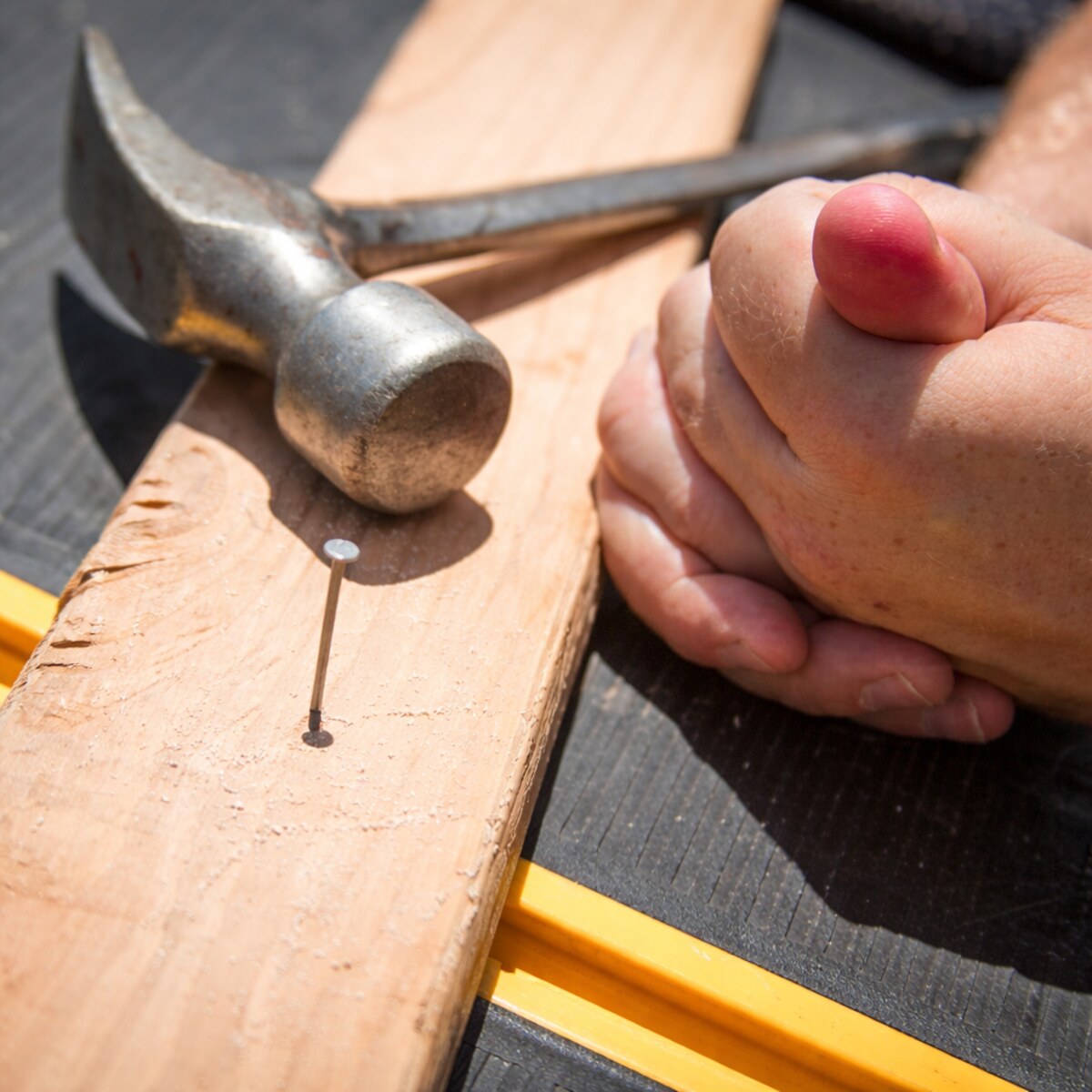
Stick out like a sore thumb
Something sticks out like a sore thumb if it is very obviously different from the things around it. This idiom came from how you would hold out an injured thumb so you don't hurt it even more.She wore a bright shirt to work, and stuck out like a sore thumb in the office.

Sweep you off your feet
The idiom he swept me off my feet describes a romance where you it all happens very fast, and you are overwhelmed emotionally, but in a good way.When my husband and I first met, he swept me off my feet!

Tear your hair out
The idiom to pull your hair out or to tear your hair out is an extreme expression of anger, frustration, grief or despair.This new software is making me tear my hair out!
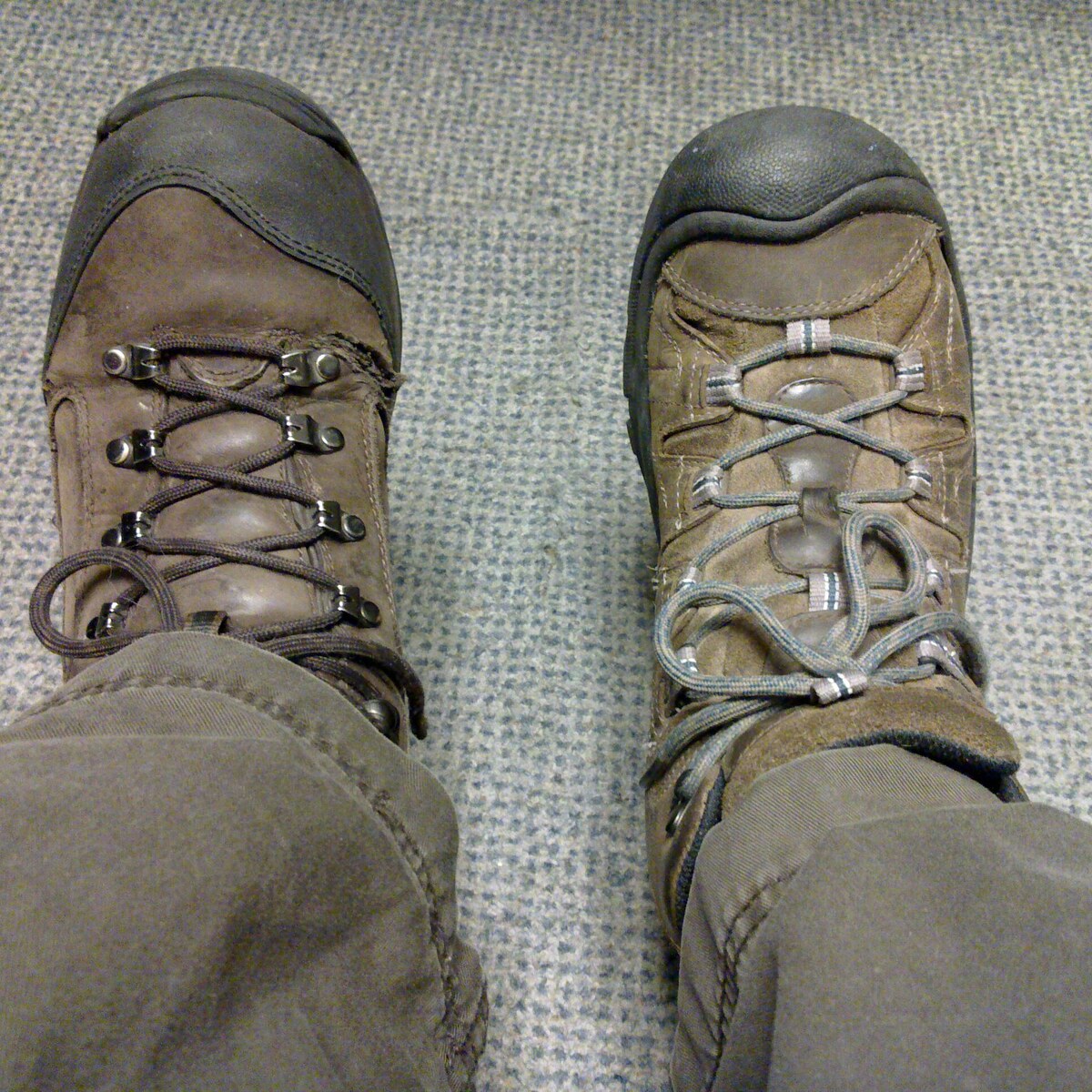
The shoe is on the other foot
The idiom the shoe is on the other foot originated in the mid-19th century as the boot is on the other leg. It means that two people have reversed roles or circumstances, usually someone gaining or losing a position of power.Boots and shoes did not originally have left or right sides, so this idiom dates back to when manufacturers made different shoes for left and right sides, so having a shoe on the wrong foot would be uncomfortable.
He changed jobs and found he was now the manager of his old boss, so the shoe is on the other foot.

Thorn in your side
To have a thorn in your side means to have a person or problem that causes constant annoyance or trouble and just doesn't seem to go away.The phrase comes from the painful experience of having a thorn stuck in your skin. Because it keeps hurting until it is removed, the image became a way to describe ongoing irritation.
That reporting system has been a thorn in my side for months, it keeps breaking right when I need to use it.

Turn a blind eye
The idiom turn a blind eye means choosing to ignore something that you know is wrong. You might see something wrong, but act as if you don't.The phrase is often linked to a story about a naval officer who ignored a signal by putting a telescope to his blind eye. The image became a way to describe deliberate ignoring.
The manager turned a blind eye to the rule violations during the busy season.

Twist your arm
To twist your arm means persuading someone to do something they do not want to do.The phrase comes from the image of physically twisting an arm to force action. The image became a metaphor for persuasion.
I did not want to go out, but she twisted my arm and I agreed.
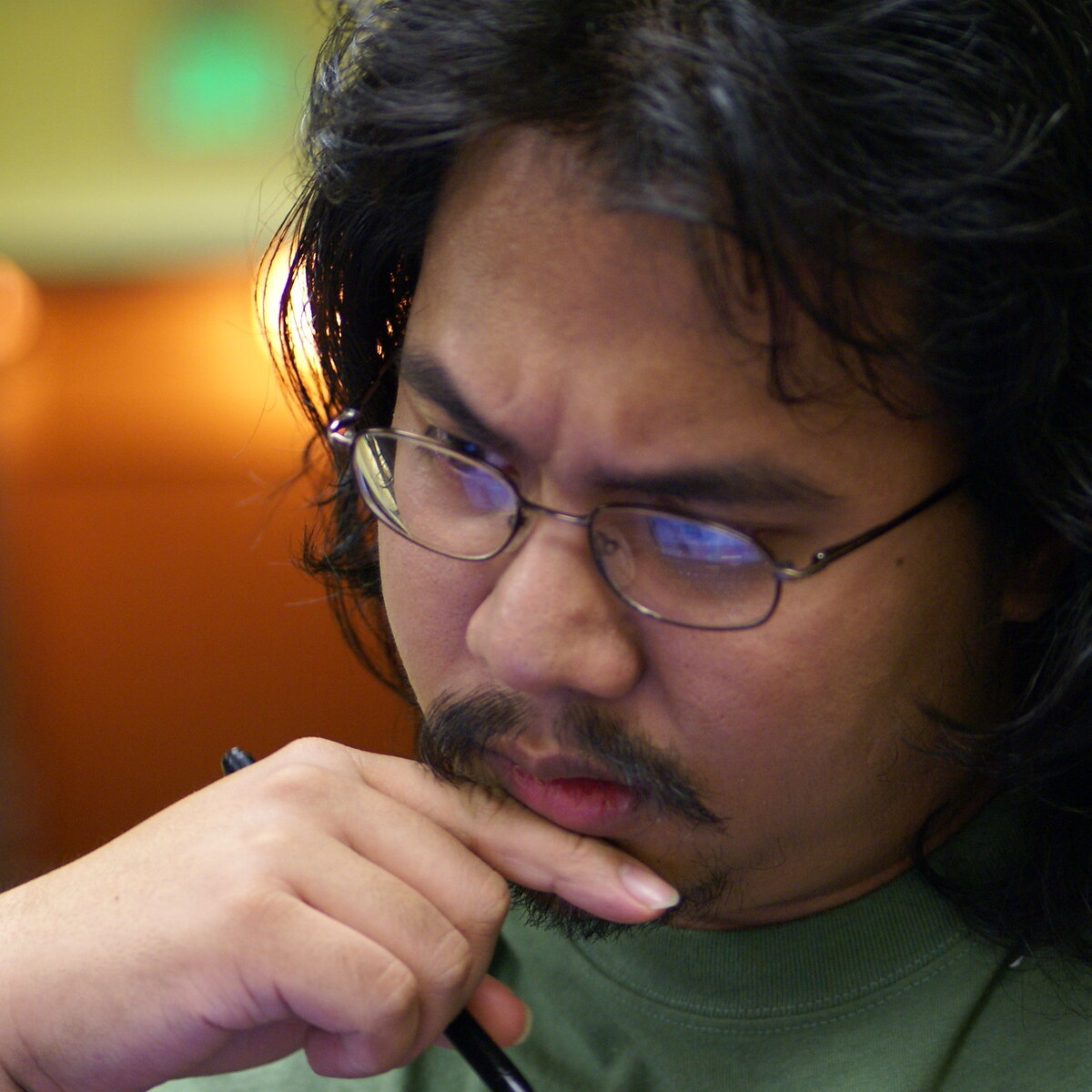
Use your head
If you tell someone to use your head or use your noggin it means they should think clearly and rationally about something instead of making impulsive or emotional decisions.Use your head before making that choice.

Wait with bated breath
To wait with bated breath means waiting for something with great excitement or anxiety. The feeling is tense.The phrase uses the word bated, meaning held back or reduced. It suggests holding your breath while you wait.
They waited with bated breath as the final results were announced.

Wear your heart on your sleeve
To wear your heart on your sleeve means to show your feelings openly so that other people can easily see how you feel.The expression may come from old traditions where people wore a token or symbol on their sleeve to show loyalty or affection. Over time it came to describe openly displaying one's emotions.
He tends to wear his heart on his sleeve, so everyone knows when he is upset.