
Showing 21-40 of 61

Heart of gold
Someone with a heart of gold is very kind, generous, and caring toward others. It is used to describe people who consistently show compassion and goodwill.The phrase comes from the long tradition of using gold as a symbol of great value and purity. By comparing a person's heart to gold, the expression suggests that their character is especially good and sincere.
She always helps her neighbors without being asked, and everyone says she has a heart of gold.

Hold your tongue
The phrase hold your tongue means choosing not to speak even though you want to say something.The phrase appeared in English many centuries ago. The image suggests physically keeping the tongue still so words do not come out.
He wanted to argue but decided to hold his tongue.
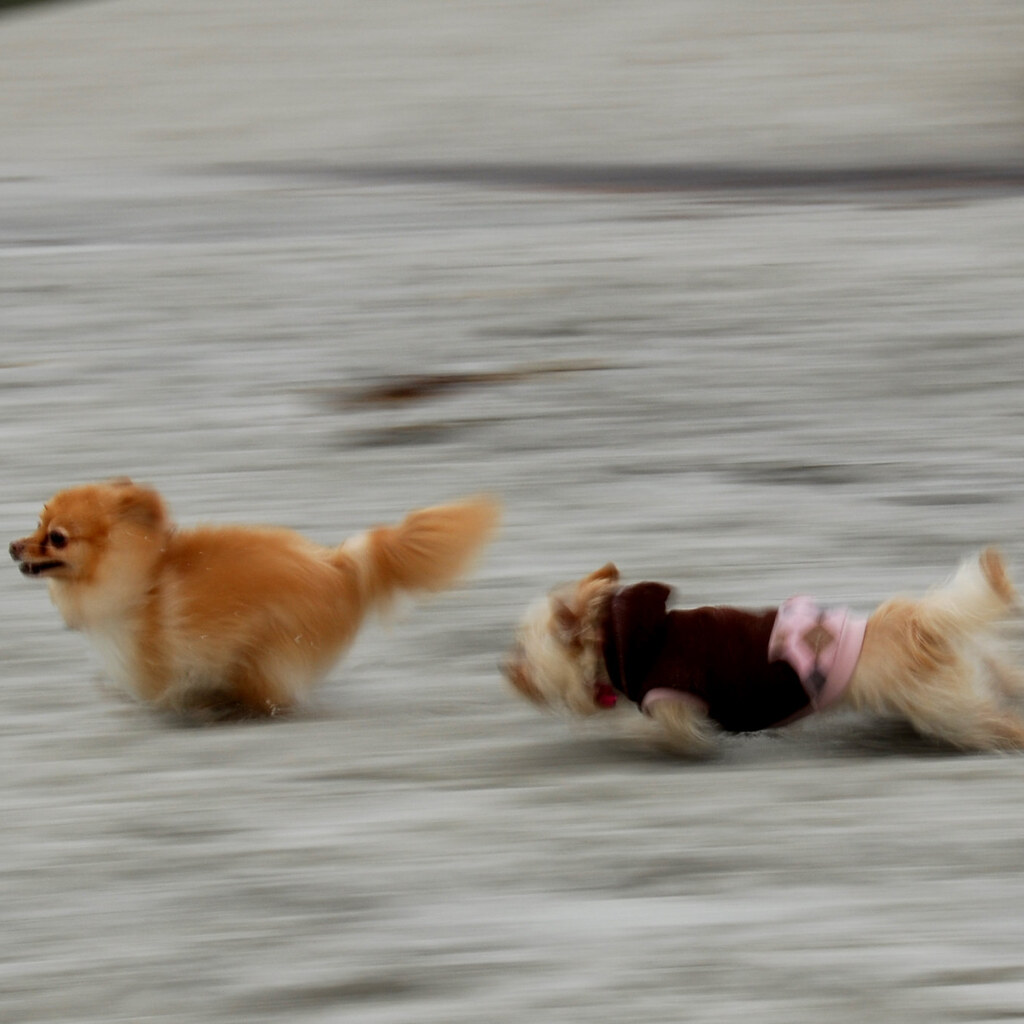
Hot on the heels
To be hot on the heels of someone means you are following very closely behind them.The phrase comes from the image of a runner close enough to almost step on the heels of the person ahead.
The second runner was hot on the heels of the leader as they approached the finish line.
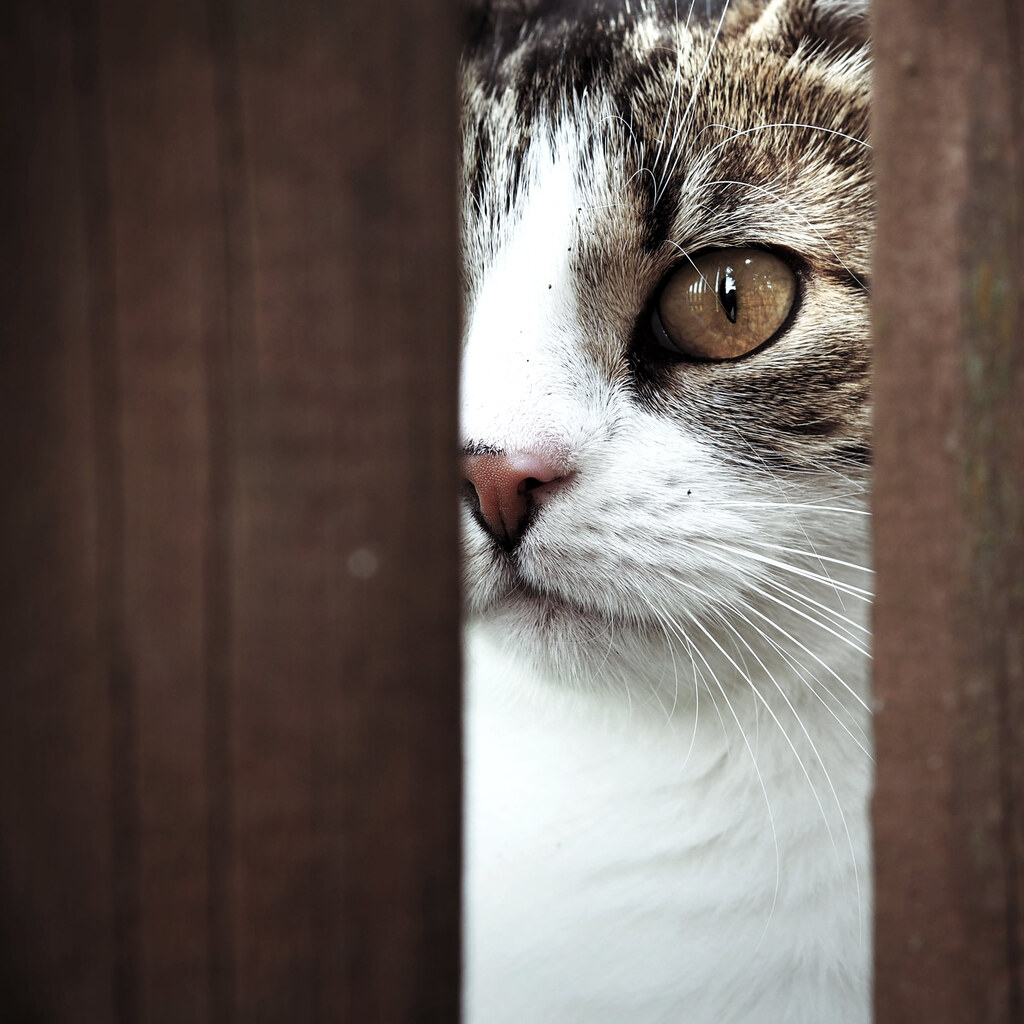
Keep an eye on
To keep an eye on something means to watch it carefully or check on it to make sure nothing goes wrong. It often involves looking after something or someone for a short time.The phrase comes from the simple idea of using your eyes to observe something closely. Over time it became a common way to describe monitoring or supervising.
Could you keep an eye on the dog while I run to the store?

Keep your chin up
The idiom keep your chin up means staying positive and not losing hope during a difficult time.The phrase comes from posture. Lifting the chin gives a look of confidence instead of defeat.
Keep your chin up. Things will get better soon.

Keep your eyes peeled
To keep your eyes peeled means to watch carefully and stay alert for something. People use this idiom when they are telling someone to look closely so they do not miss anything important.The expression comes from the idea of keeping your eyes wide open, as if the eyelids were peeled back so you can see everything clearly.
Keep your eyes peeled for the trail marker so we do not miss the turn.
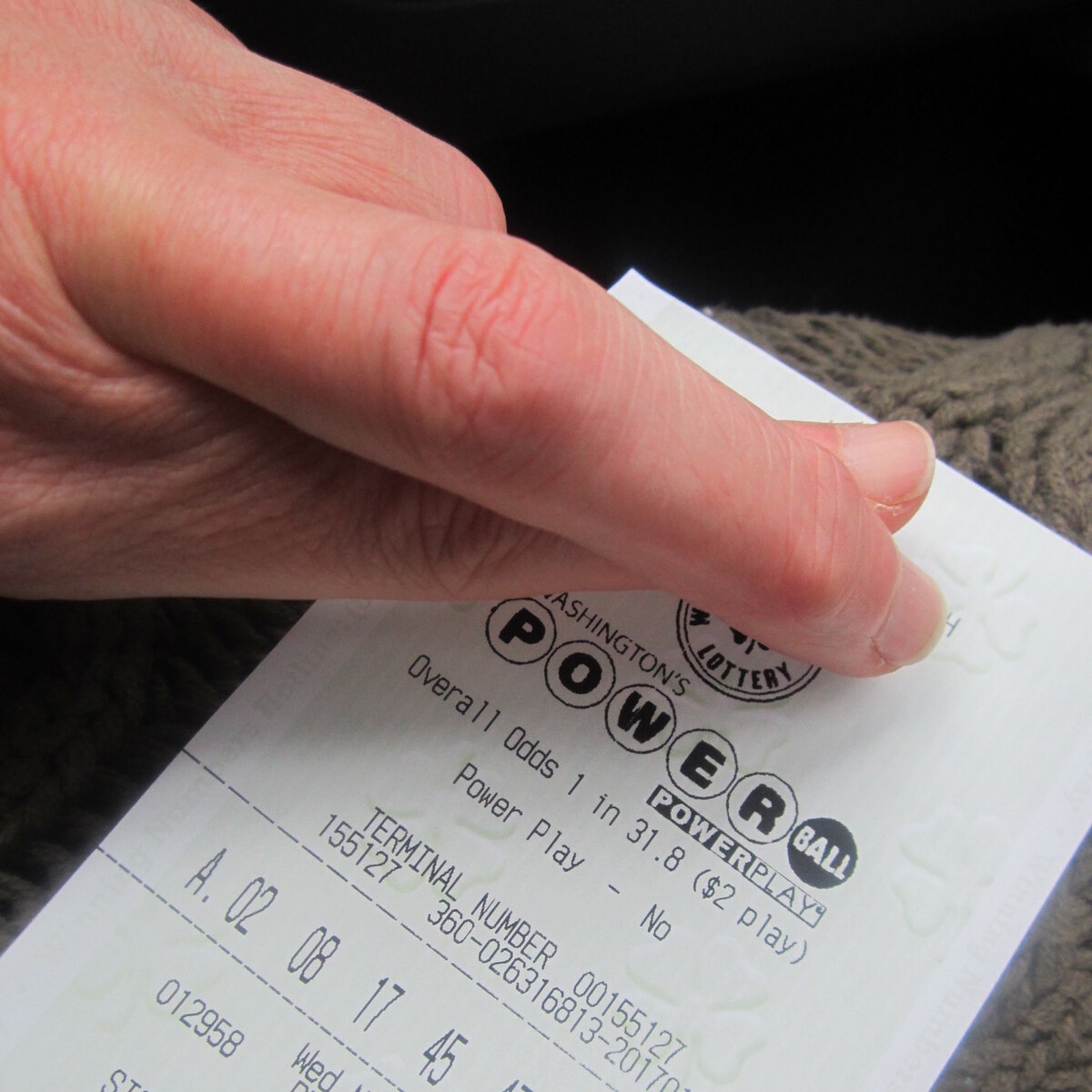
Keep your fingers crossed
You say keep your fingers crossed when you are hoping for good luck. This physical gesture has been in use for a very long time, but it is different in some countries.In Germany and Scandinavia, crossing your fingers is seen as a sign of lying, and in Vietnam it is considered offensive.
Crossing your fingers behind your back while you are lying is a superstition that forming a cross with your fingers where nobody can see it secretly negates the lie.
I'm crossing my fingers that I get that job!
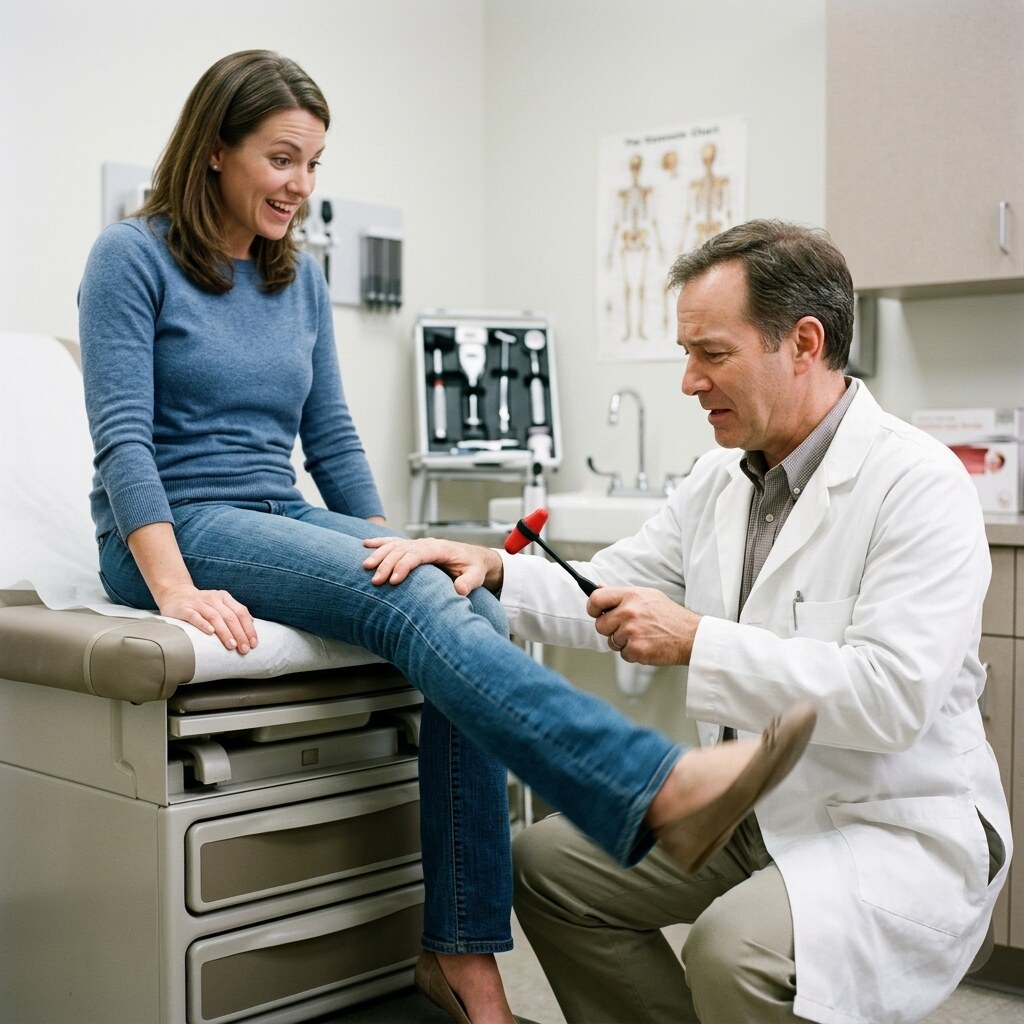
Knee jerk reaction
A knee jerk reaction is a quick response made without thinking carefully. This idiom is used to describe when someone reacts straight away without thinking.The expression comes from a simple medical reflex. When a doctor taps the knee just below the kneecap, the leg automatically kicks forward without you meaning to.
His first response was a knee jerk reaction, but later he realized he needed to think about the problem more carefully.

Lend a hand
To lend a hand means to help someone with a task. The help is usually practical.The phrase comes from the simple idea of using your hands to assist another person. The image became a common way to describe offering help.
Can you lend a hand moving these boxes?
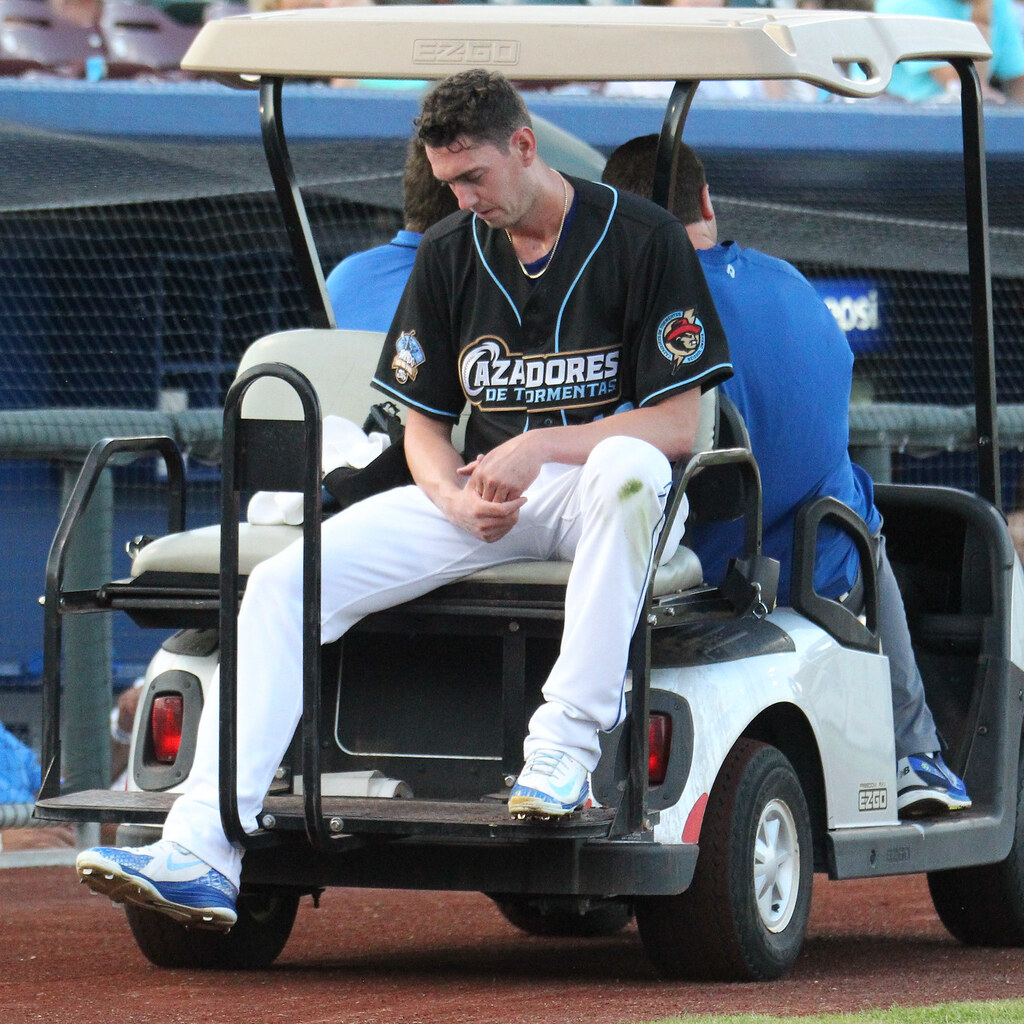
Lick your wounds
Too lick your wounds means taking time to recover and heal after a failure or disappointment.The phrase comes from the way animals clean and soothe their injuries by licking them. The image became a metaphor for recovery.
After the loss, the team went home to lick their wounds and regroup.
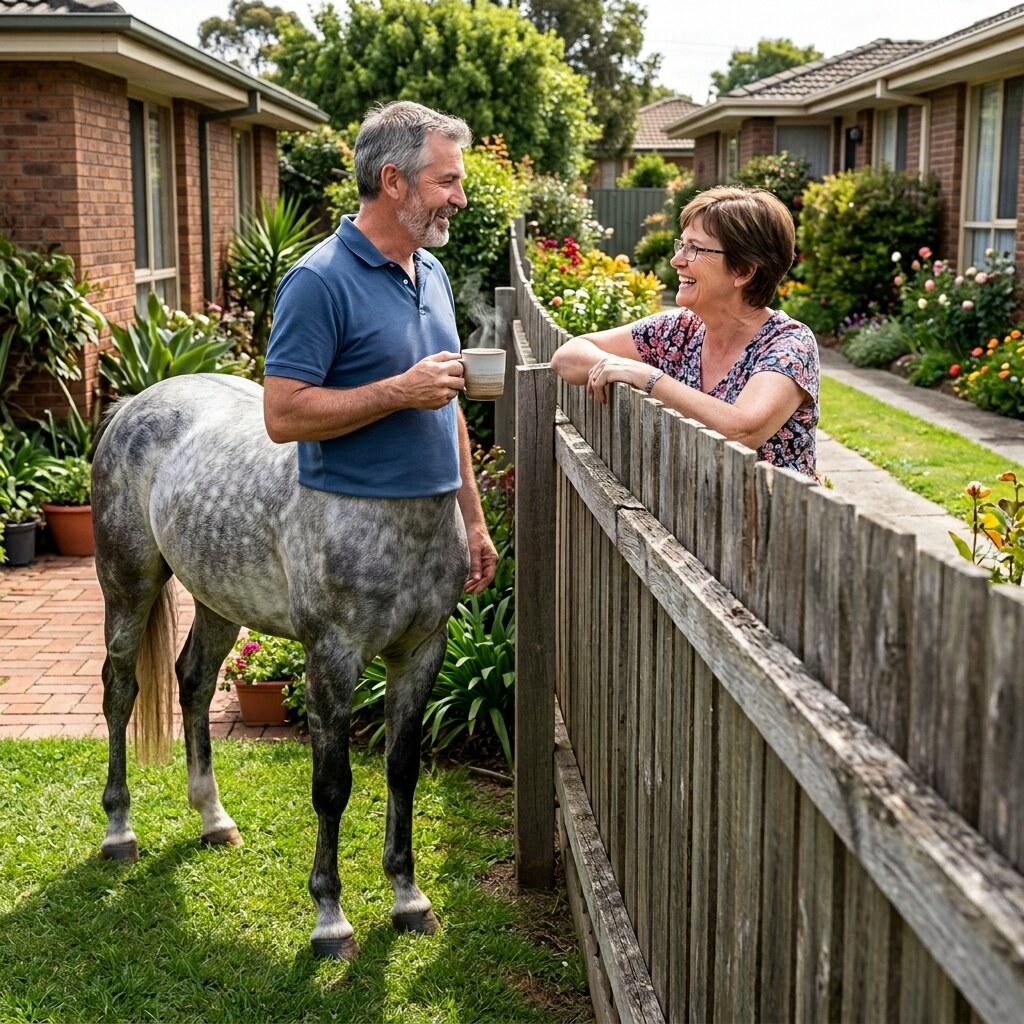
More than meets the eye
The idiom more than meets the eye means that something is more important or interesting than it first appears. At first glance it may seem simple, but there are hidden details or deeper reasons behind it.The phrase has been used in English for many years to describe situations where the true nature of something is not immediately obvious. It reminds people not to judge something too quickly based only on what they first see.
The quiet little shop looked ordinary, but there was more than meets the eye once you stepped inside.
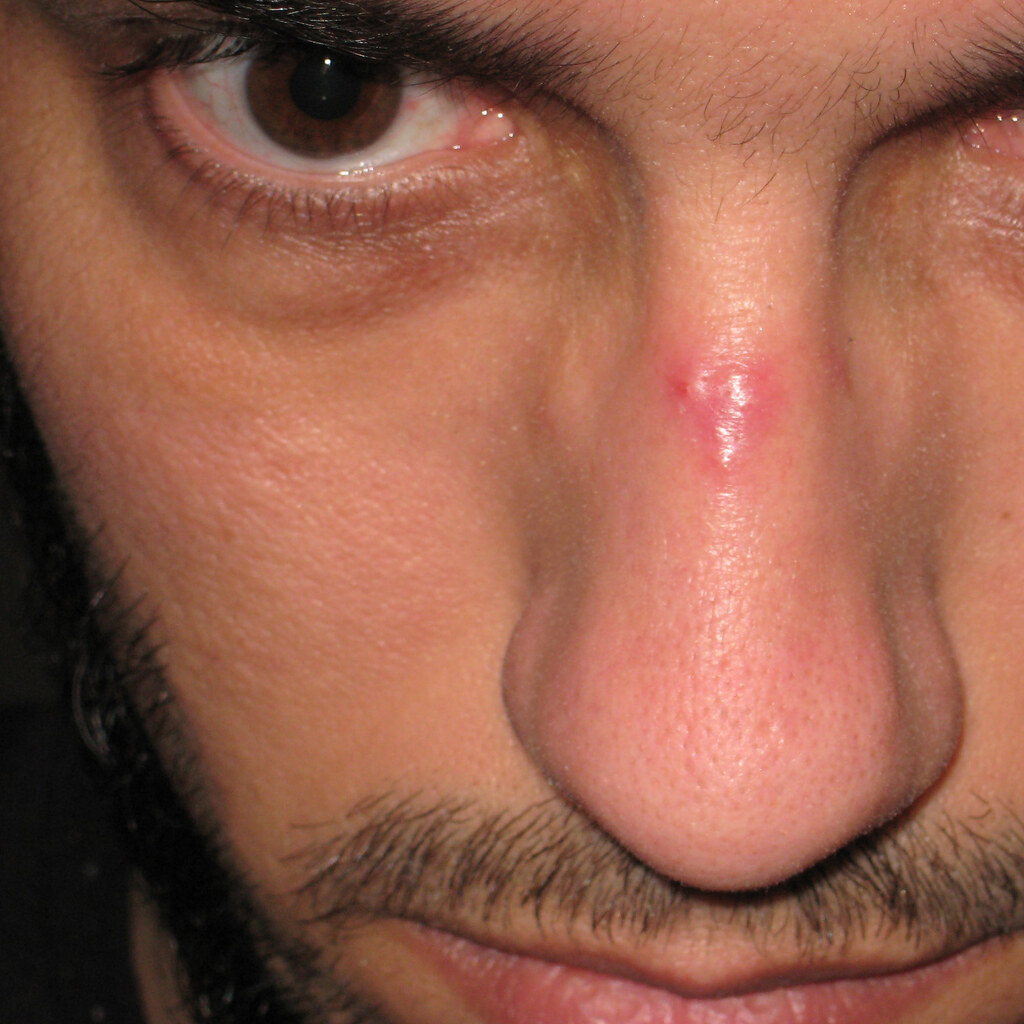
No skin off my nose
The idiom no skin off my nose means that something does not affect or harm someone. People use this phrase when they do not mind what happens because it makes no difference to them.The expression comes from the idea of losing skin from the nose in a fight or injury, which would be painful and noticeable. Saying it is no skin off my nose means there is no personal loss or damage.
If you want to leave early, it is no skin off my nose.
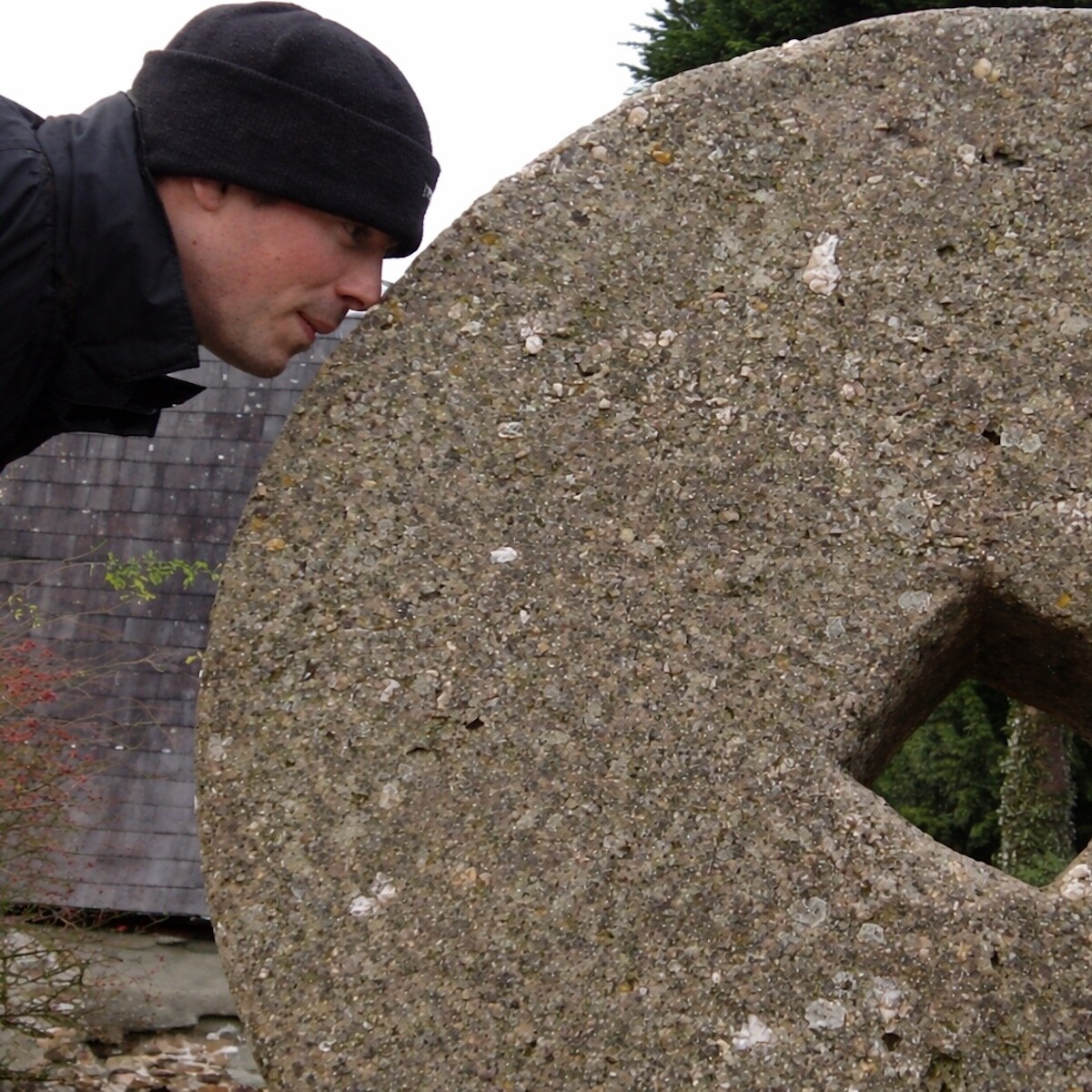
Nose to the grindstone
The phrase nose to the grindstone means to work hard.It originates from the literal hard work of sharpening tools on a grinding wheel, where workers who were sharpening knives had to bend close to the stone to work.
Similar idioms are back to the grindstone or the daily grind and are all variations on this idiom.
Well, lunch is over, better go back and put my nose to the grindstone.
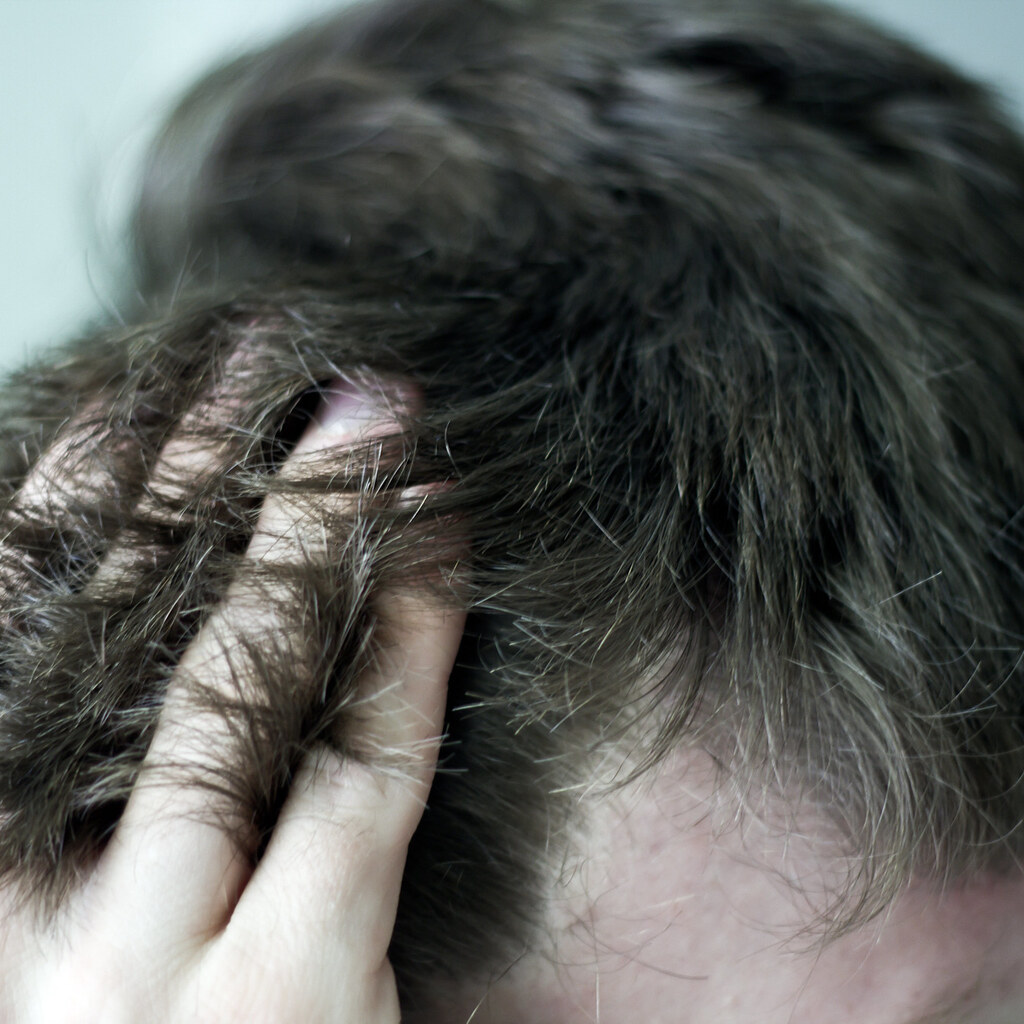
Off the top of my head
Off the top of my head means giving an answer without stopping to think deeply or check the details.The phrase appeared in English in the early 1900s. It suggests a thought coming straight from the head without careful preparation.
Just off the top of my head, I think those cost about ten dollars.
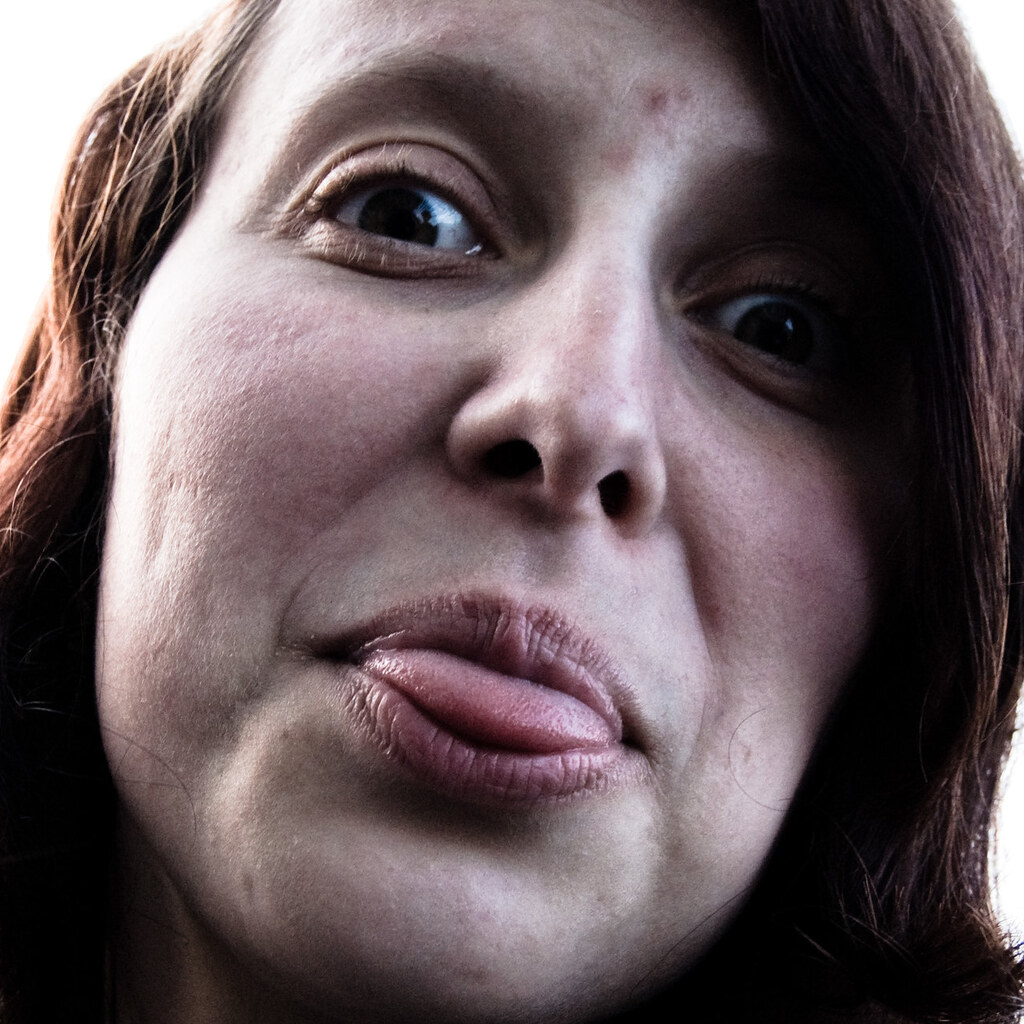
On the tip of my tongue
The idiom on the tip of my tongue means that someone almost remembers something, such as a word or name, but cannot quite say it yet.The expression comes from the image of a word being so close to being spoken that it seems to be sitting on the tip of their tongue, ready to come out.
Her name is on the tip of my tongue, but I just cannot remember it.
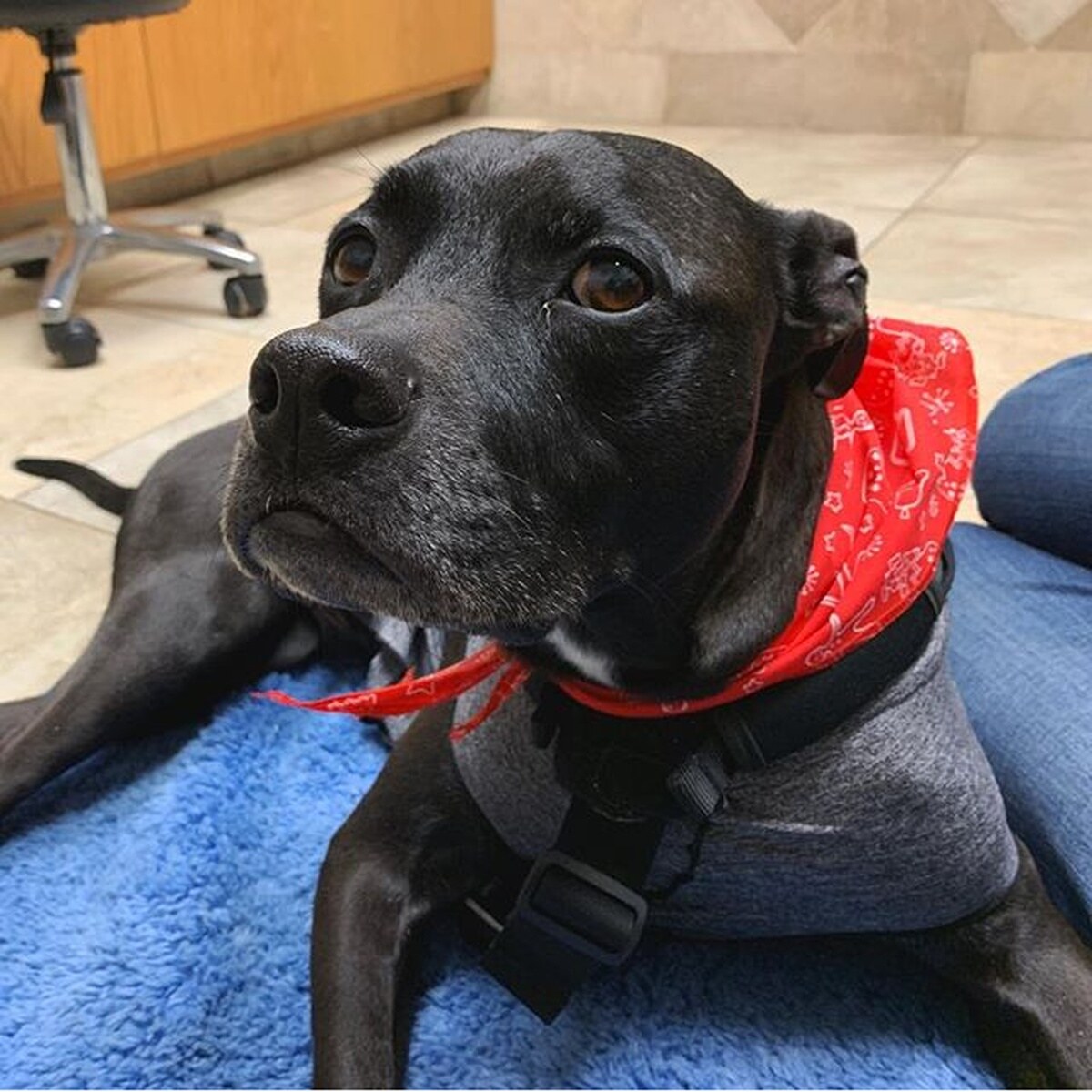
Out of the corner of my eye
This idiom is a way of saying you see someone in your peripheral vision. It means you did not get a good look at something because you were not looking directly at it, but you still saw it.I saw the kids taking cookies, out of the corner of my eye.
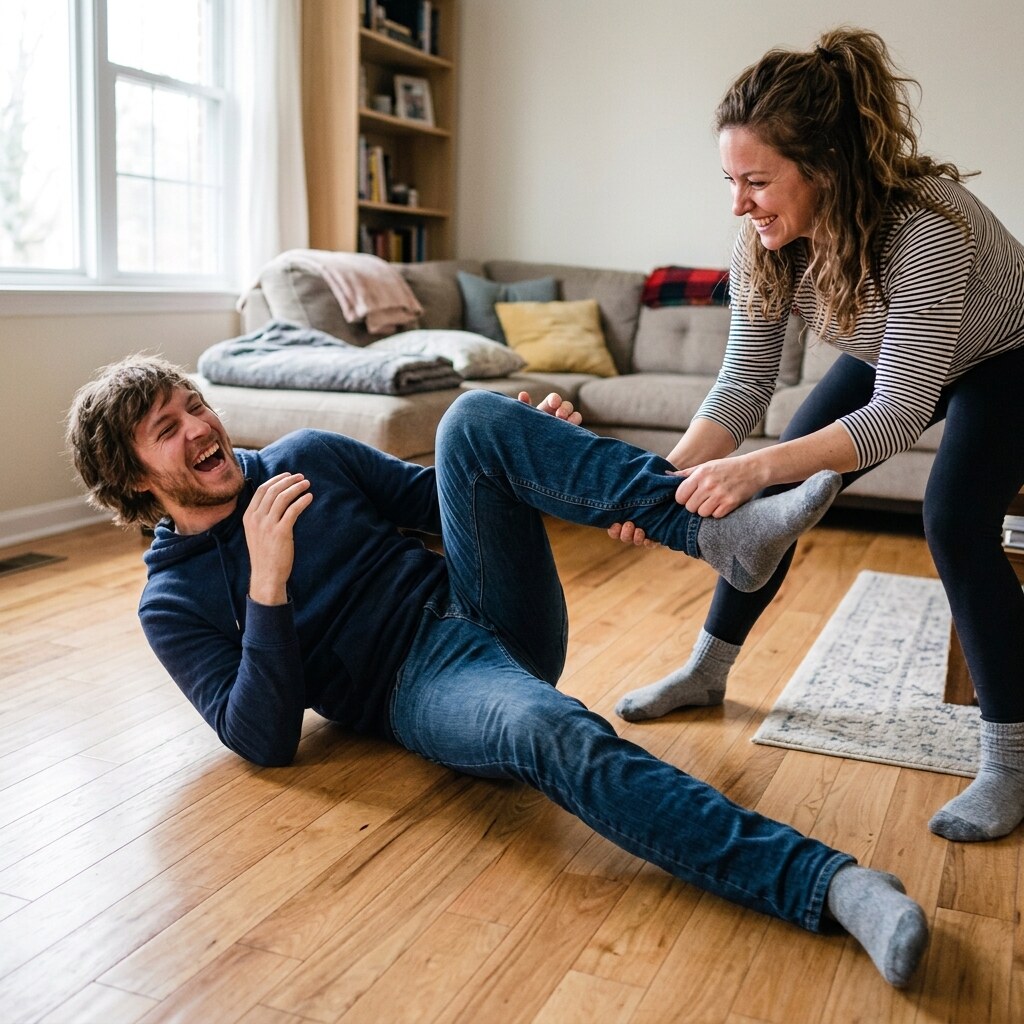
Pull your leg
To pull your leg means to joke with someone by telling them something that is not true, usually in a playful or teasing way.The expression has been used in English since the 1800s. One explanation suggests it came from thieves tripping someone by pulling their leg, although today the phrase simply refers to harmless teasing.
Relax, I was only pulling your leg about the surprise test.
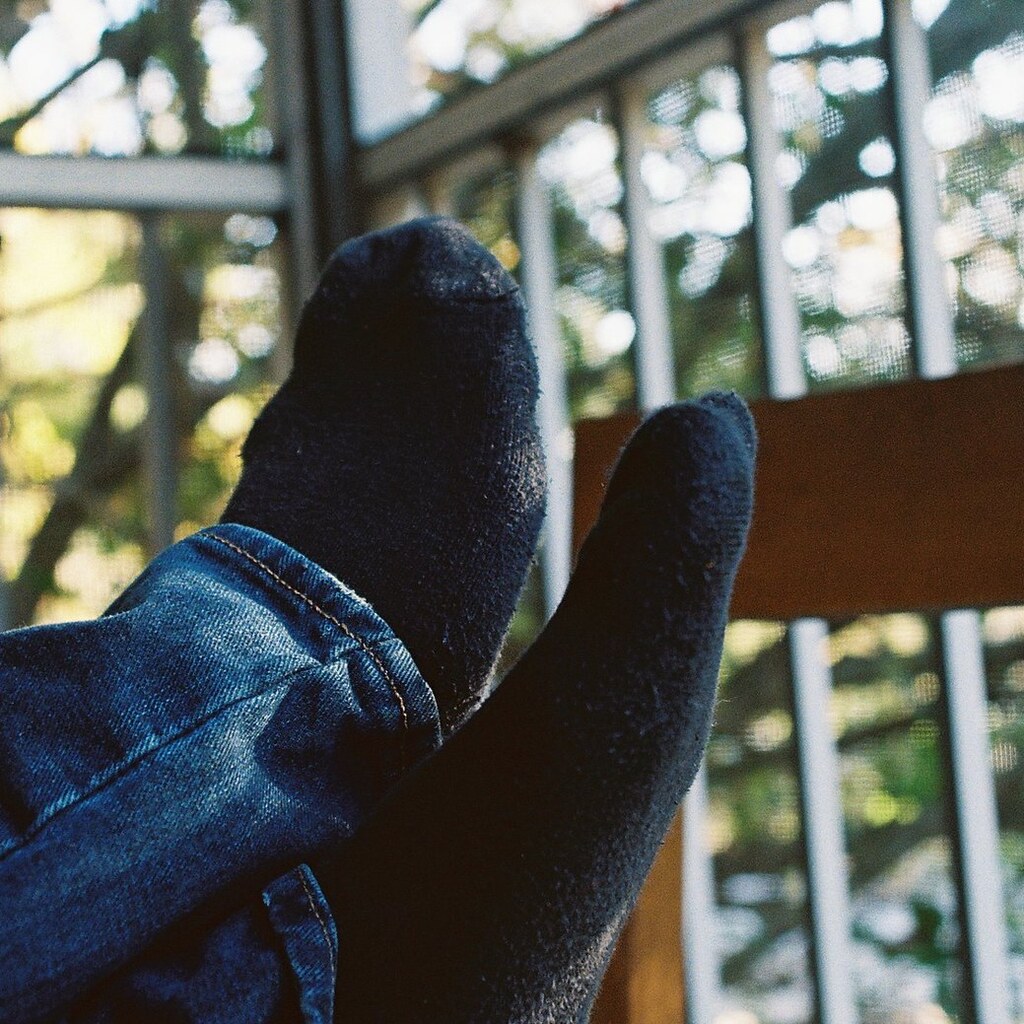
Put your feet up
To put your feet up means to sit down and relax, usually after working or being busy.The phrase comes from the simple act of lifting your feet onto a chair or stool while sitting, which is a way people often sit when they want to relax.
After finishing the yard work, she sat on the couch and put her feet up for a while.
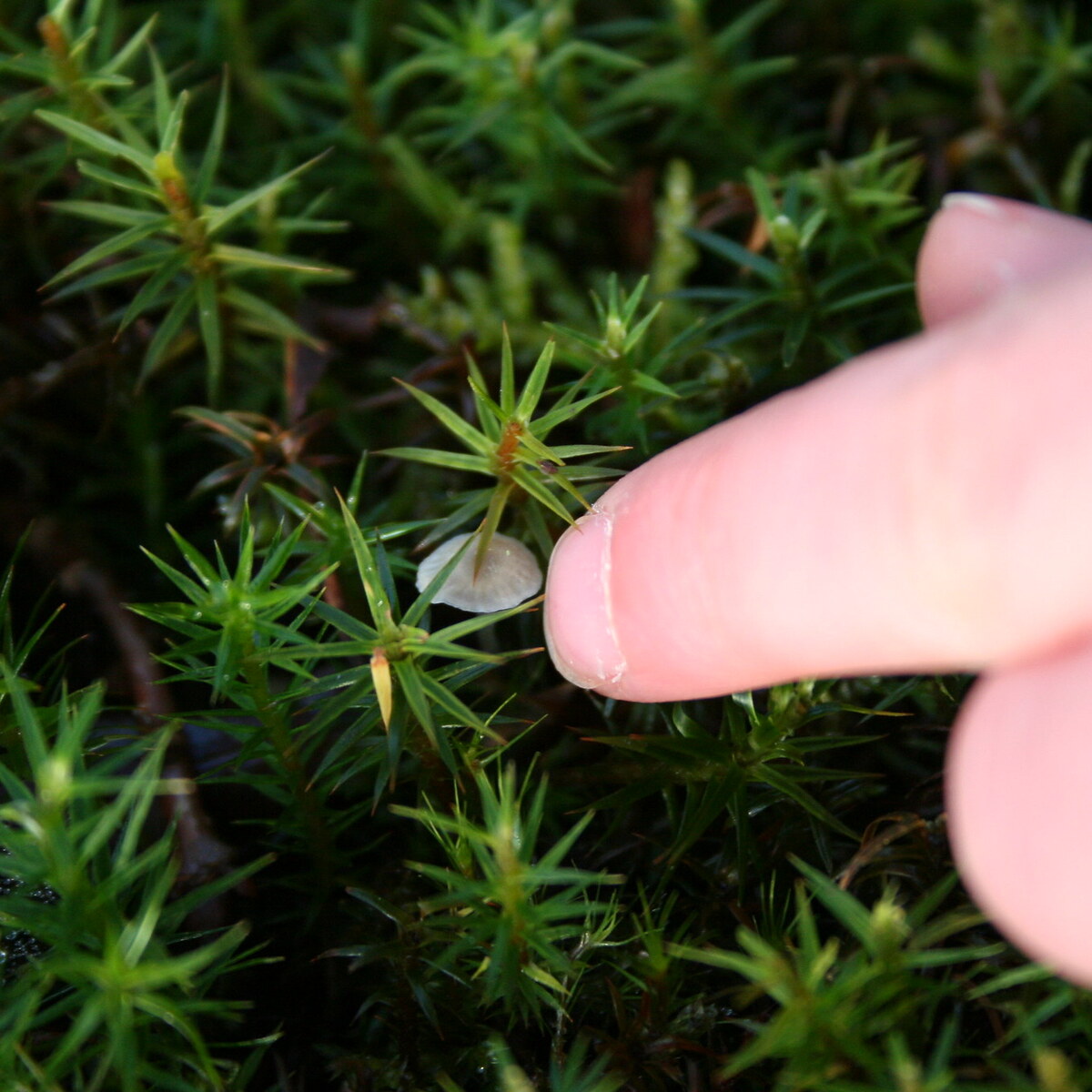
Put your finger on it
To put your finger on it means to know the exact cause or meaning of something. This idiom is more used in the negative, I can't put my finger on it which means that you know that something is wrong but you can't work out what it is, the same way you might not be able to put your finger right onto something.Something just doesn't work with the decor of this room, but I can't put my finger on it.

Put your foot down
To put your foot down means to take a firm stand and refuse to accept something.The phrase comes from the image of stamping a foot to show authority.
She put her foot down and said the meeting had to end on time.