
Showing 1-20 of 31
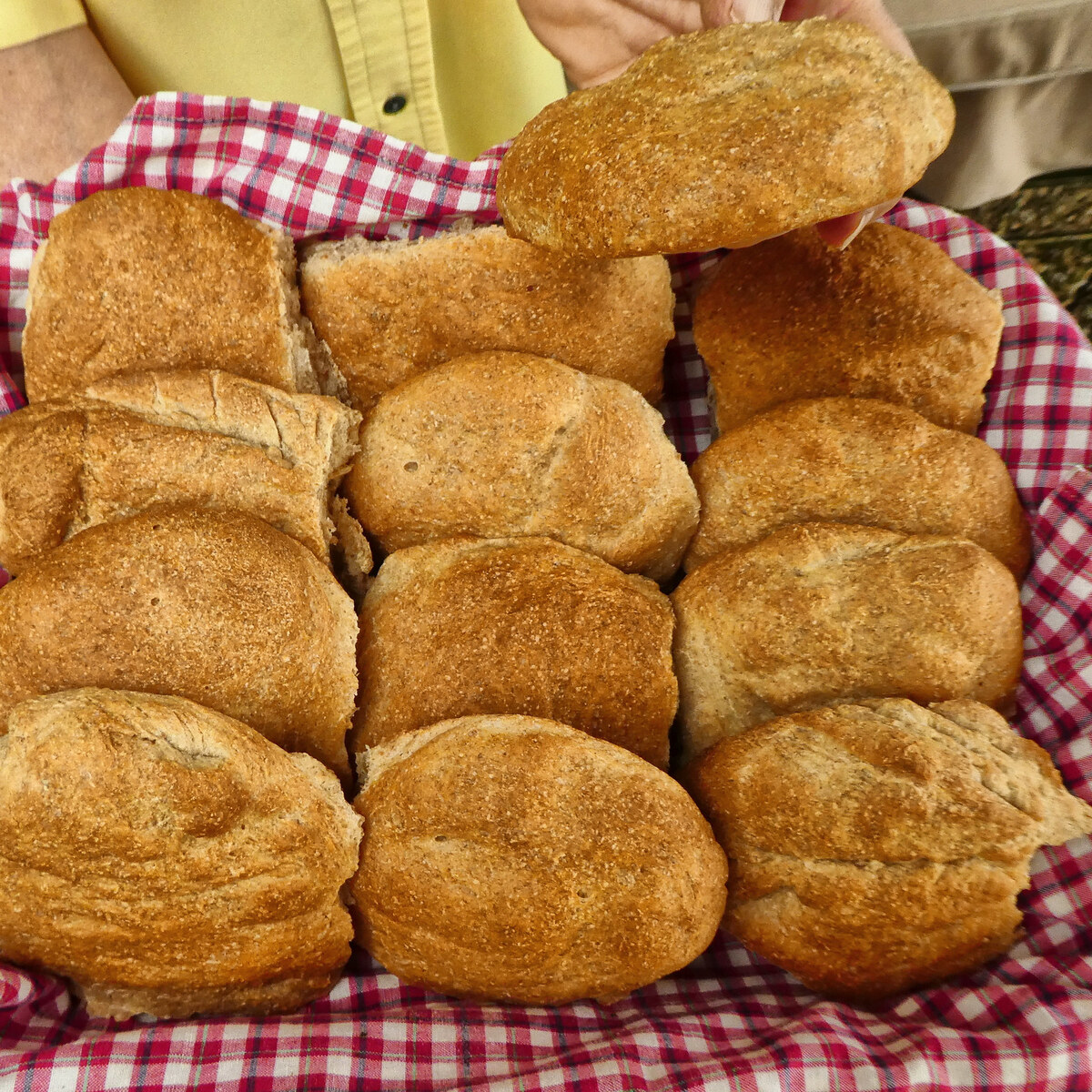
A baker's dozen
The phrase a baker's dozen means a group of thirteen items instead of the usual twelve.The saying comes from a historical practice where bakers added an extra item to an order to make sure they were not accused of giving too little. This extra item helped protect bakers from fines or punishment and became a well-known expression meaning "one more than expected."
The shop gave us a baker's dozen of rolls, so we received thirteen instead of twelve.
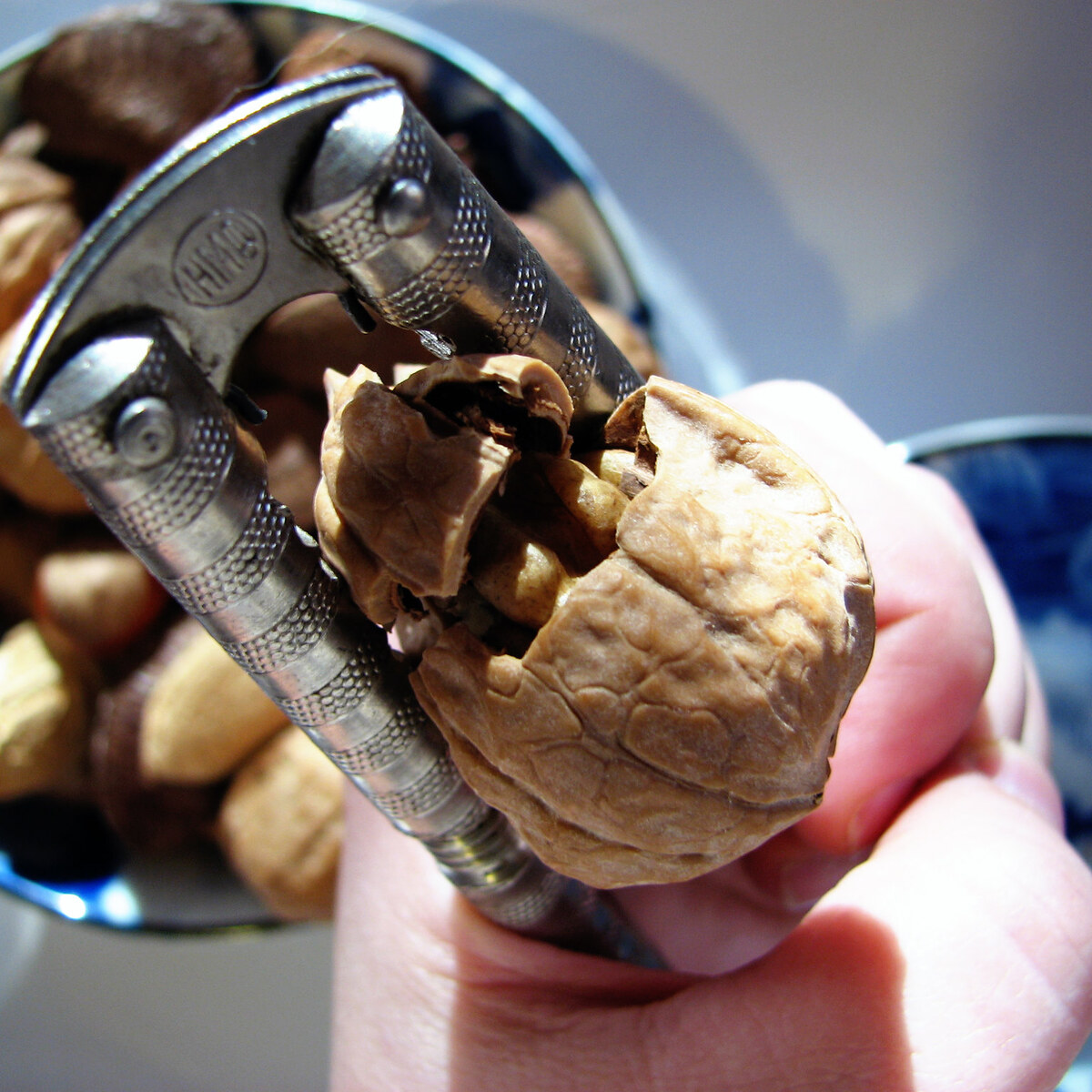
A hard nut to crack
The phrase a hard nut to crack or a tough nut to crack means a problem or person that is hard to deal with. Simple solutions do not work. The shells of some nuts can be much more difficult to open than others!This puzzle is a tough nut to crack.

A lot on your plate
To have a lot on your plate means having many tasks, responsibilities, or problems to deal with at the same time, so many it may be overwhelming.The idiom compares responsibilities to food piled on a plate. If a plate is already full, it is hard to add anything more without making a mess.
She has a lot on her plate this week with exams, work, and family visits.
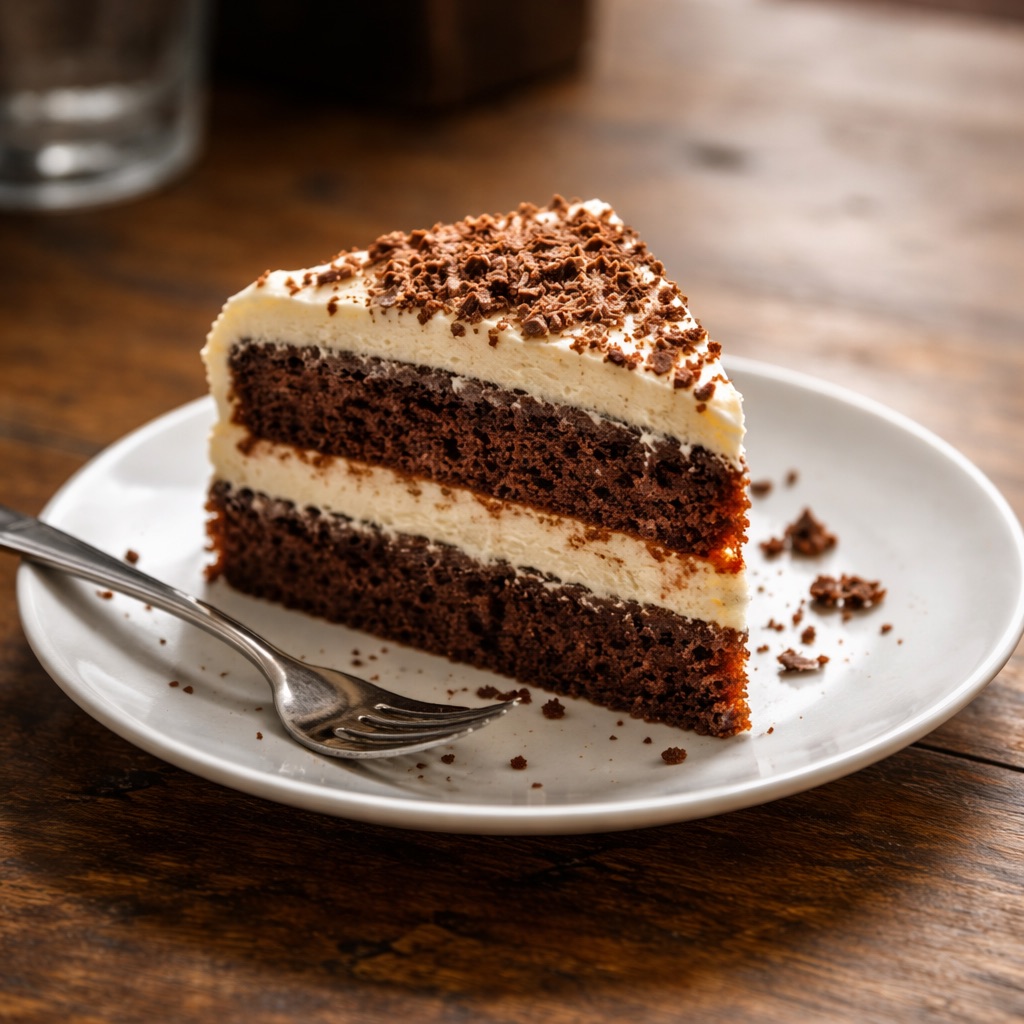
A piece of cake
The idiom a piece of cake means that something is very easy to do. It suggests that the task requires little effort or skill. People often use this phrase after completing a job that turned out to be simpler than expected.The quiz was a piece of cake for her.

A watched pot never boils
If you say a watched pot never boils, you mean that something seems to take much longer when you are waiting for it to happen. If you walk away from the pot and make yourself busy with something else, the water feels like it boils much faster.I've been sitting by the window all day waiting for this delivery. A watched pot never boils!

Apple of my eye
The idiom the apple of my eye means someone who is loved very much. It is often used for children or close family members.The origin is from 9th century Old English, when the pupil of the eye was called the "apple". If you called someone the apple of your eye it meant they were as precious to you as your ability to see.
My daughter is the apple of my eye.

Bite off more than you can chew
To bite off more than you can chew means to take on a task that is too difficult or too large to handle. It suggests trying to do more than one is able. This idiom is often used as a warning to be realistic about limits.She bit off more than she could chew by accepting three jobs at once.
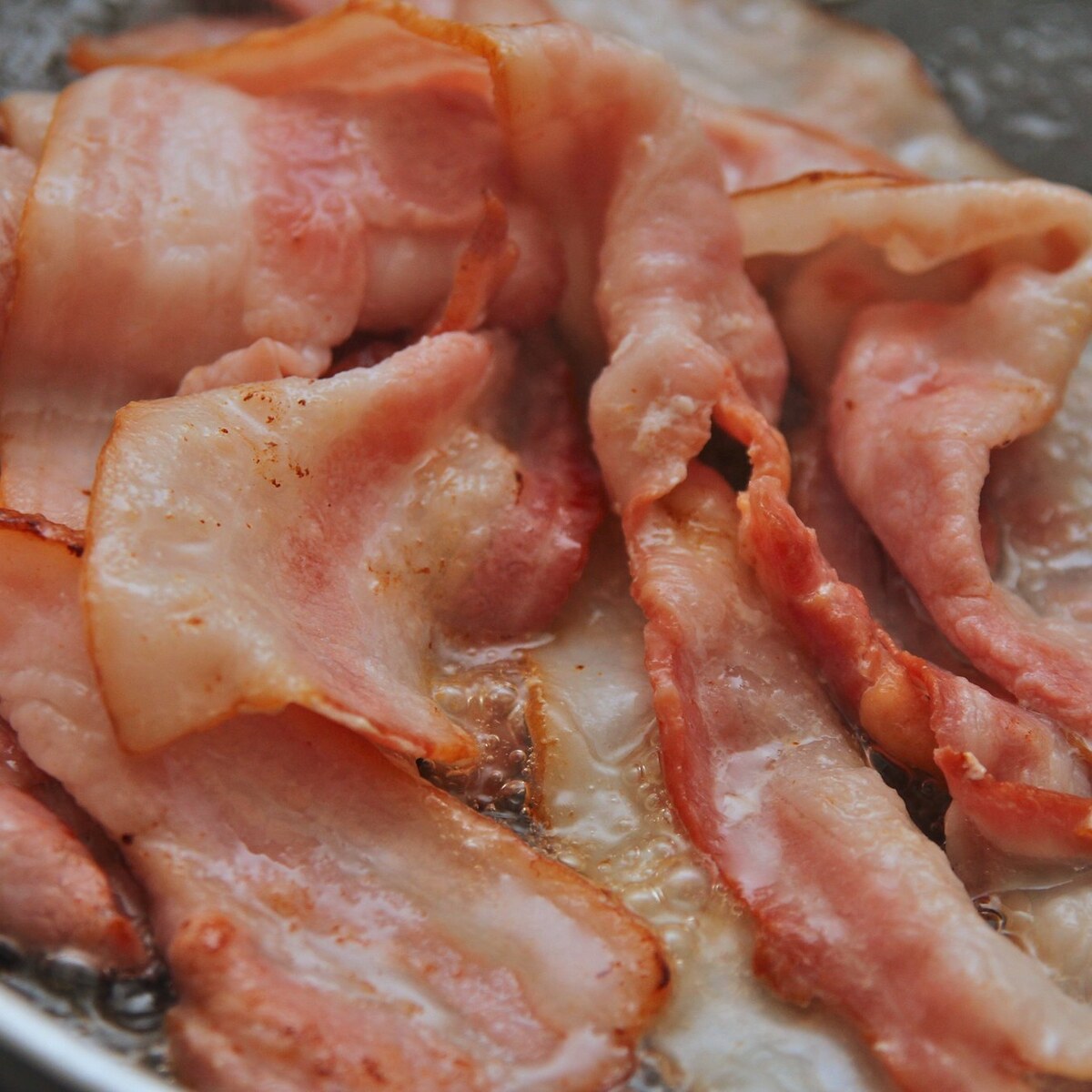
Bring home the bacon
The phrase bring home the bacon means to earn money for your family. It can also mean achieving success.This idiom dates back to when bacon and other goods were used as payment for work.
She works hard to bring home the bacon.

Butter you up
To butter someone up means to give someone a lot of compliments or kind words so they will be flattered and agree to something you want. The person may be trying to persuade or influence you by being extra friendly.The phrase comes from an old custom in parts of India where people offered balls of butter to statues of gods as a way to ask for help or favor. Over time, the idea became a way of describing flattery used to get something.
He kept telling his boss how brilliant her ideas were, clearly trying to butter her up before asking for a raise.

Cherry on top
The idiom a cherry on top means a small extra thing that makes something good even better. It is not the main part, but it adds a final touch that makes the whole situation feel more complete or enjoyable.Desserts like sundaes or cakes often have a bright red cherry placed on the top. The dessert is already finished, but the cherry is added as a final decoration.
The holiday was already perfect, and the surprise fireworks on the last night were the cherry on top.

Different kettle of fish
A different kettle of fish means a completely different situation or subject from the one being discussed before. People use this idiom when something changes the topic or introduces a new and separate issue.The expression comes from older British cooking terms where a kettle meant a pot used for boiling fish. Talking about a different kettle of fish meant dealing with an entirely different dish.
Fixing a small leak is one thing, but rebuilding the whole roof is a different kettle of fish.

Don't bite the hand that feeds you
The saying don't bite the hand that feeds you means you should not hurt or insult someone who helps you. If you do, you might lose their support.The idiom comes from the literal image of an animal biting the hand of the person who is giving it food.
Be polite to your coach - don't bite the hand that feeds you.

Don't cry over spilled milk
The saying don't cry over spilled milk means don't get upset about something that has already happened and cannot be changed. It reminds people that worrying about the past does not help. The phrase encourages acceptance and moving forward.There is no use crying over spilled milk.
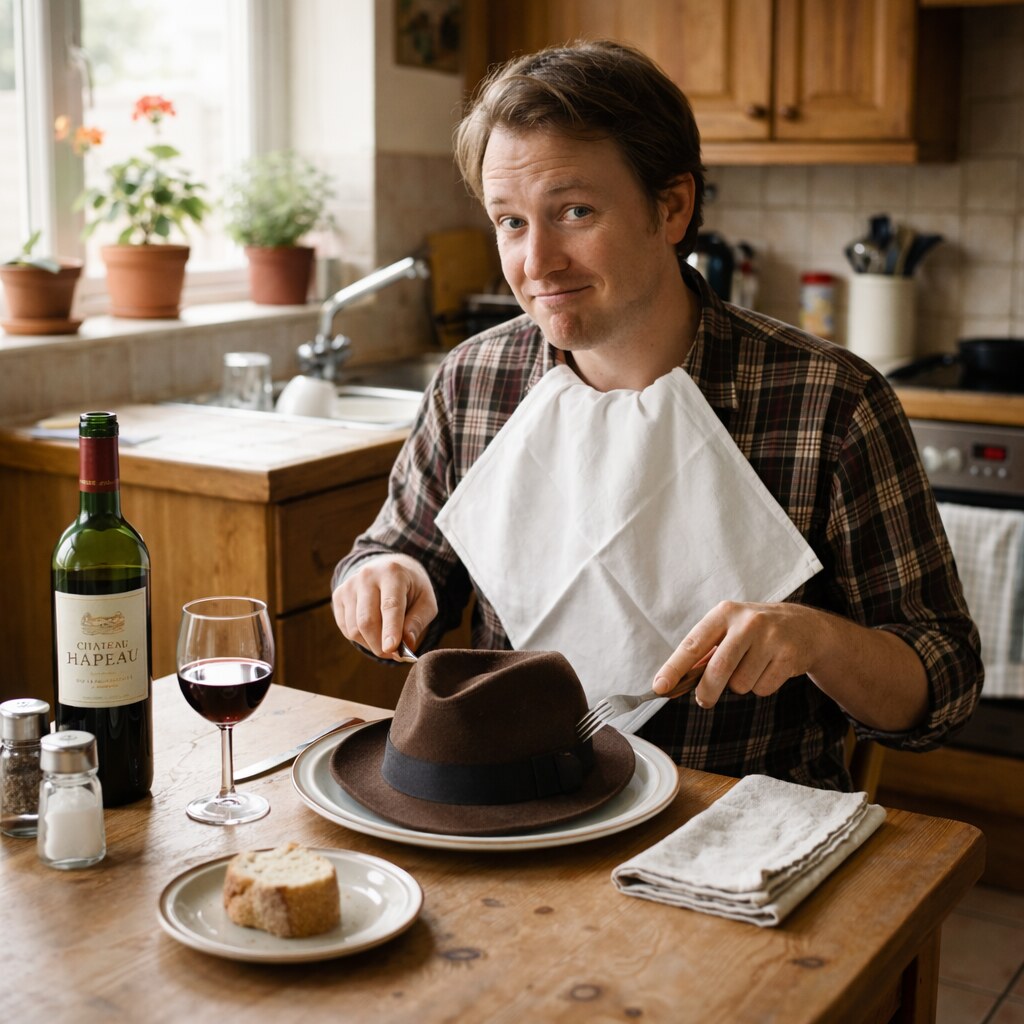
Eat your hat
"I'll eat my hat" is something people say when they are very sure that something will not happen. They mean that if it does happen, they would be so surprised that they would do something silly or impossible, like eating their hat.People use this expression to show strong confidence in their opinion or prediction. It is usually said in a joking or dramatic way, not as a serious promise.
If that old car starts on the first try tomorrow morning, I'll eat my hat.

Eat your words
The idiom eat your words means to admit that what you said before has been proved wrong.The phrase appeared in English in the 1800s. The image suggests swallowing your own statement after it turns out to be mistaken.
He said it would never work, but he had to eat his words.
Eyes bigger than your stomach
If your eyes are bigger than your stomach, it means you want more of something than you can actually handle. It usually refers to food, but could mean a project. A similar idiom is "bit off more than he can chew".Why did you borrow so many books at once? Your eyes are bigger than your stomach!

Food for the soul
Food for the soul describes something that brings deep enjoyment or emotional comfort.The phrase uses the idea of food as nourishment. The image is applied to the inner self rather than the body.
Listening to music on a quiet evening felt like food for the soul.

Hard to swallow
The idiom hard to swallow (or sometimes a hard pill to swallow, or a bitter pill to swallow) means something that is difficult or uncomfortable to accept.The phrase comes from medicine. Swallowing a bitter pill can be unpleasant, so the image is used for something hard to accept.
Losing the contract was a hard pill to swallow for the team.
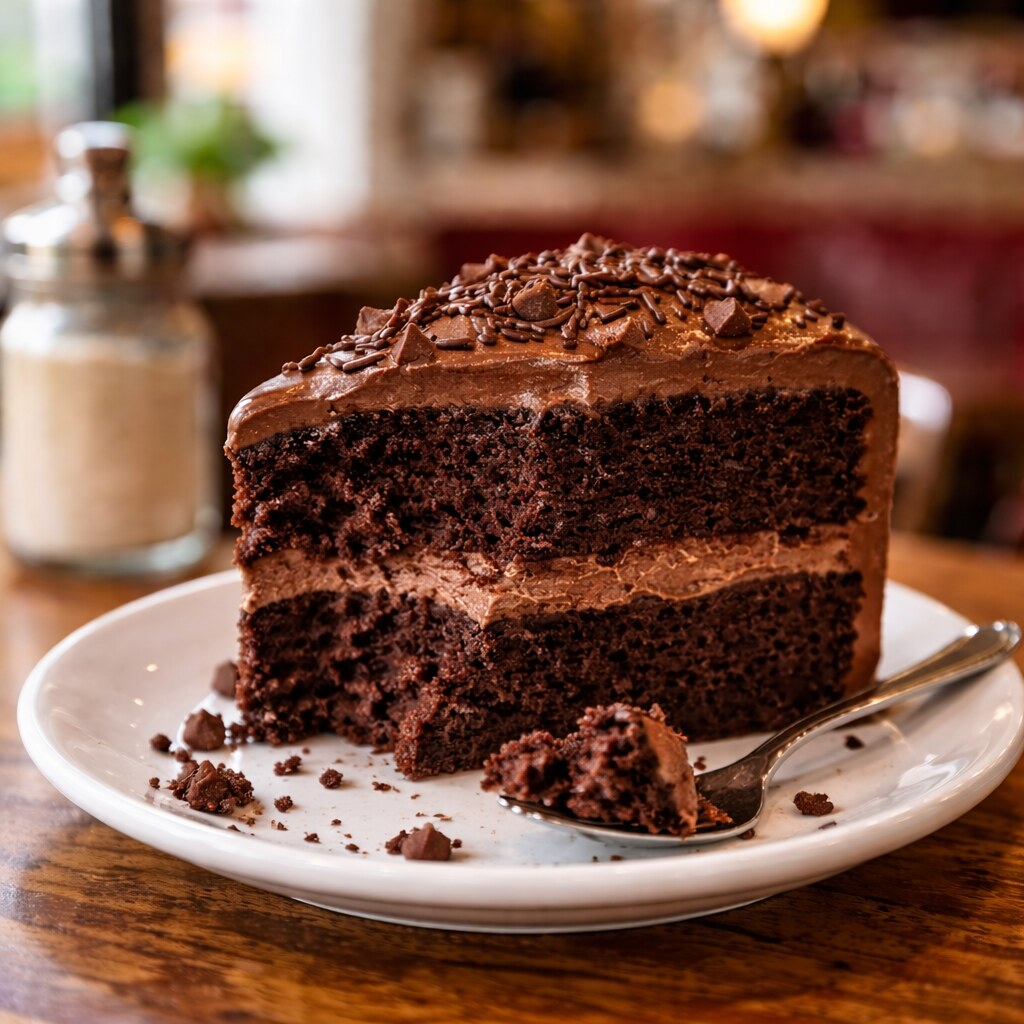
Have your cake and eat it too
To have your cake and eat it too means to want two things that cannot both happen at the same time. It describes a situation where someone wants to keep something but also use it up or enjoy it, which is not possible.The idea comes from a simple example: if you eat a cake, it is gone, so you cannot still have it afterward. The saying is used to remind people that sometimes they must choose between two options.
You can't have your cake and eat it too, if you spend all your money now you won't have any savings for later.
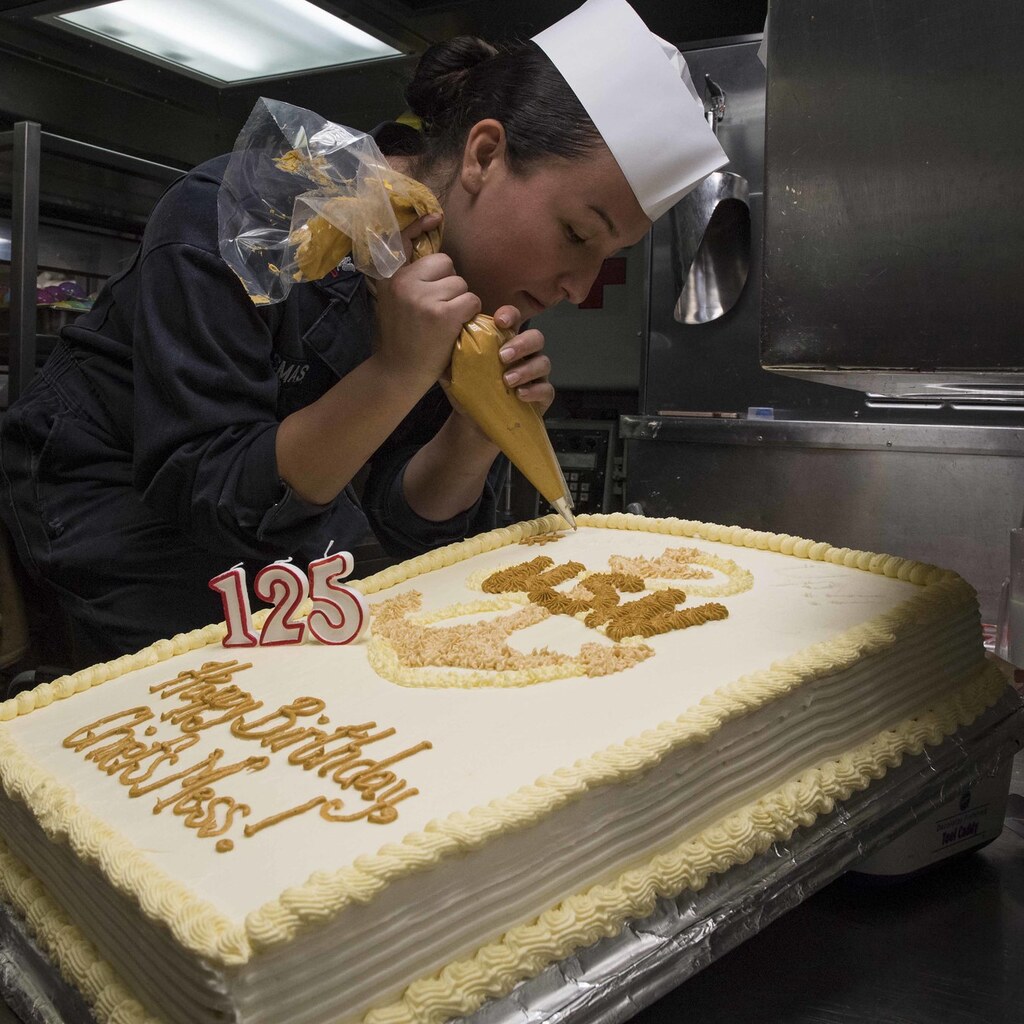
Icing on the cake
The icing on the cake means an extra benefit that makes a good situation even better. It describes something pleasant that is added after the main success or reward.The expression comes from baking, where icing is spread on top of a finished cake as a final decorative and delicious extra touch. A very similar idea appears in the phrase cherry on the top, which also describes a small final addition that makes something even better.
Winning the prize money was great, but the free trip to the beach was the icing on the cake.