
Idioms about: Money

Phrases about wealth, value, and the bottom line.

Showing 11-20 of 20

Generated image of the devil and a pile of money

Money is the root of all evil

The idiom money is the root of all evil means that the strong desire for money can cause people to behave in harmful or dishonest ways.

The phrase comes from a line in the Bible, in the First Letter to Timothy, which says that the love of money is a root of all kinds of evil. Over time the wording was shortened and became a common proverb in everyday English.

After watching the partners argue bitterly over profits, he muttered that money is the root of all evil.

Generated image of the Pied Piper of Hamelin

Pay the piper

To pay the piper means to face the consequences of something you have done. This idiom is used when a person must finally deal with the results of their actions, especially after avoiding them for a while.

The expression may come from the old story of the Pied Piper of Hamelin, a story where a town refused to pay a musician for his work taking the rats away. Because they did not pay him, the piper took revenge by leading the town's children away.

After ignoring his debts for months, he finally had to pay the piper.

Generated image of a pot of gold at the end of a rainbow

Pot of gold at the end of the rainbow

The phrase pot of gold at the end of the rainbow comes from Irish folklore, where leprechauns hid their treasure where a rainbow touches the ground. It is used to mean a desire that is elusive and is always out of reach.

Rainbows do not have a real end, if you try and get the end of a rainbow it keeps moving away from you.

A work from home job where I can sit on a beach all day, that's the pot of gold at the end of my rainbow!

Photo of rain through a window

Save for a rainy day

Saving for a rainy day means to keep money or resources for a time when you might need them. People use this idea to talk about being careful and preparing for future problems or emergencies.

This phrase comes from the idea of bad weather stopping normal plans. When rain keeps people indoors or makes work harder, it helps to have something saved to rely on.

She always saves a little from each paycheck for a rainy day.

Photo of someone bookkeeping

Set the record straight

To set the record straight means to correct a mistake or false story by explaining what really happened.

The expression comes from record keeping and accounting. If information in a record book was wrong, it had to be corrected so the record showed the true facts.

She called the meeting to set the record straight about what had happened.

Generated photo of a hand dropping a penny

The penny dropped

The penny dropped is an idiom that means someone finally understood something, after some confusion or delay. A similar idiom is a light bulb moment or to put two and two together.
It originates in older slot machines, where there was a delay between inserting a coin, and the mechanism starting to work.

She stared at the instructions for a full 10 minutes before the penny dropped.

Generated image of a man tightening his belt

Tighten your belt

To tighten your belt means to spend less money and live more carefully because money is limited.

The expression comes from the idea of tightening a belt around the waist when someone has less food to eat and becomes thinner. Over time the phrase came to mean reducing spending and being more careful with resources.

With prices rising, many families have had to tighten their belts.

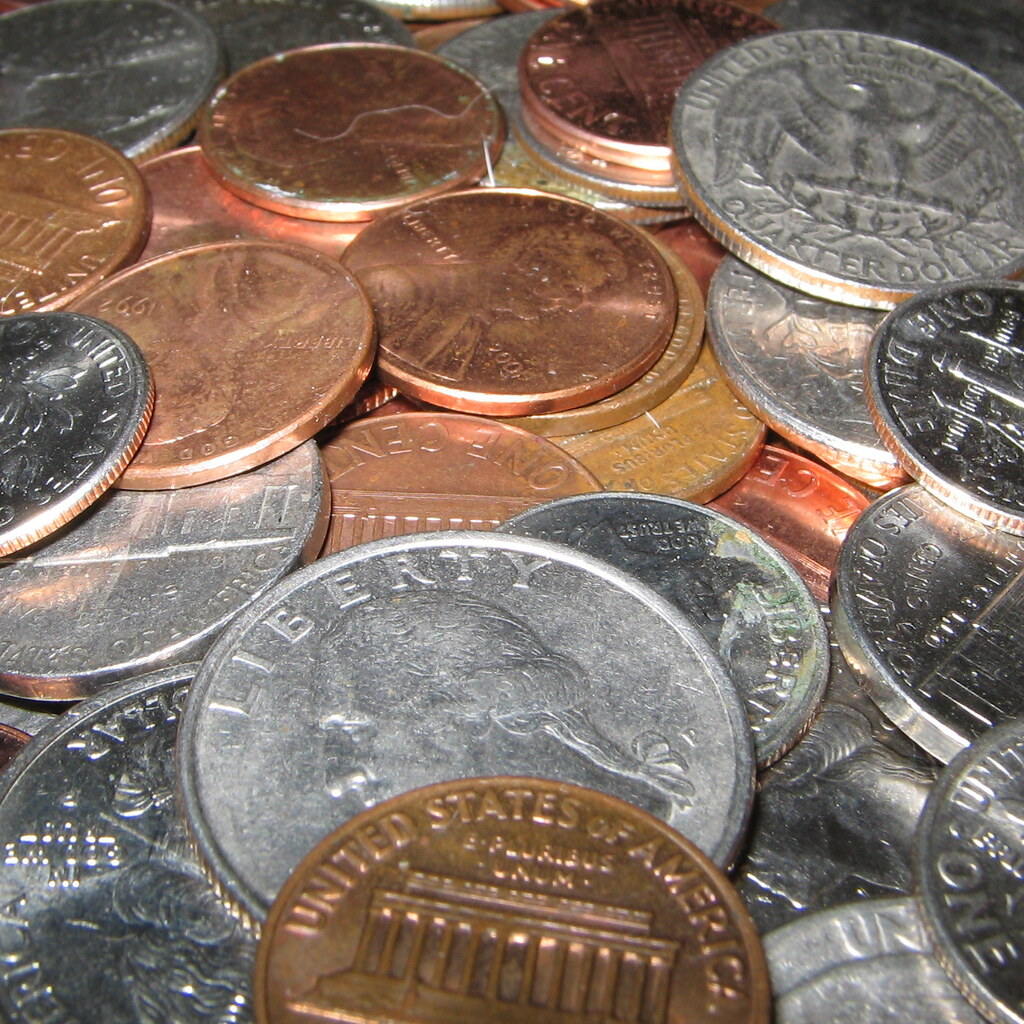
Photo of coins

Two sides of the same coin

Two sides of the same coin means that two things may seem different, but they are closely connected and part of the same situation. Often one cannot exist without the other.

The phrase comes from the two faces of a coin. Although each side shows a different image, both belong to the same object and are inseparable.

The two sisters argued all the time, but they were two sides of the same coin.
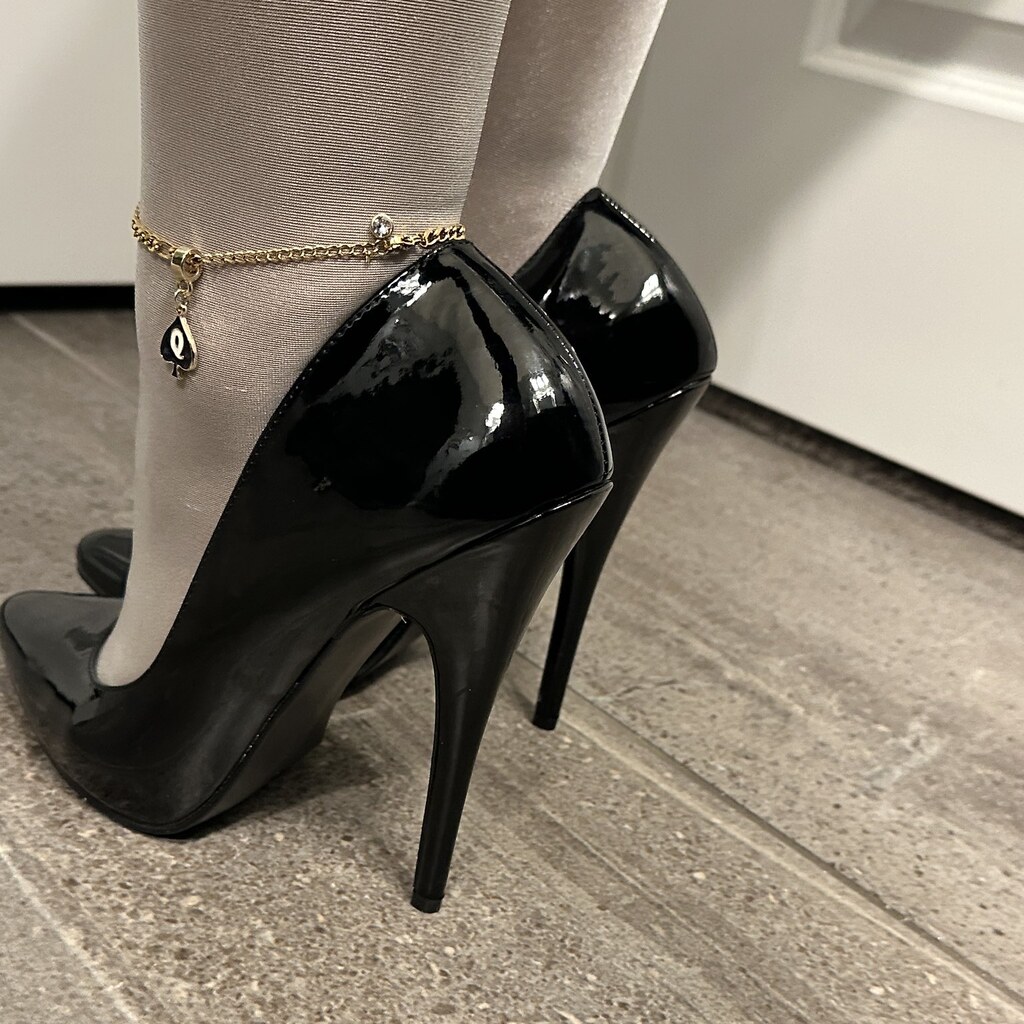
Photo of a woman's feet in very high heels

Well heeled

To be well heeled means to be wealthy or having a lot of money. It is often used to describe people who are financially comfortable or able to spend freely.

The phrase appeared in English in the early 1900s in American slang. One explanation is that it referred to having money hidden in the heel of a shoe, which was once used as a small secret pocket.

The restaurant was popular with well heeled tourists visiting the city.
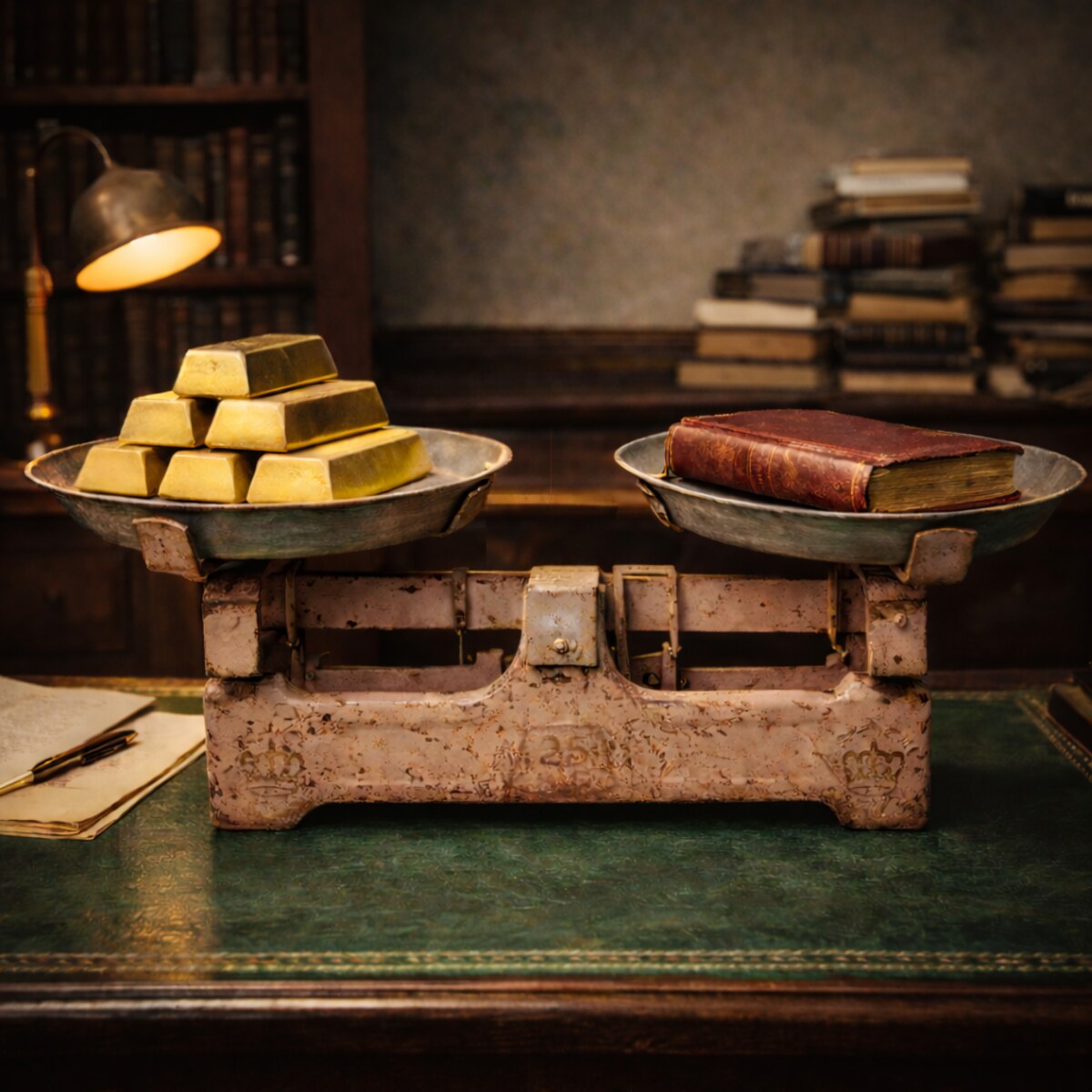
Generated image of a kitten on scales

Worth its weight in gold

The idiom worth its weight in gold means extremely valuable or useful. It dates back to ancient times when some commodities like spices were so valuable were traded for their own weight in gold.

That advice was worth its weight in gold.