
Showing 1-20 of 23
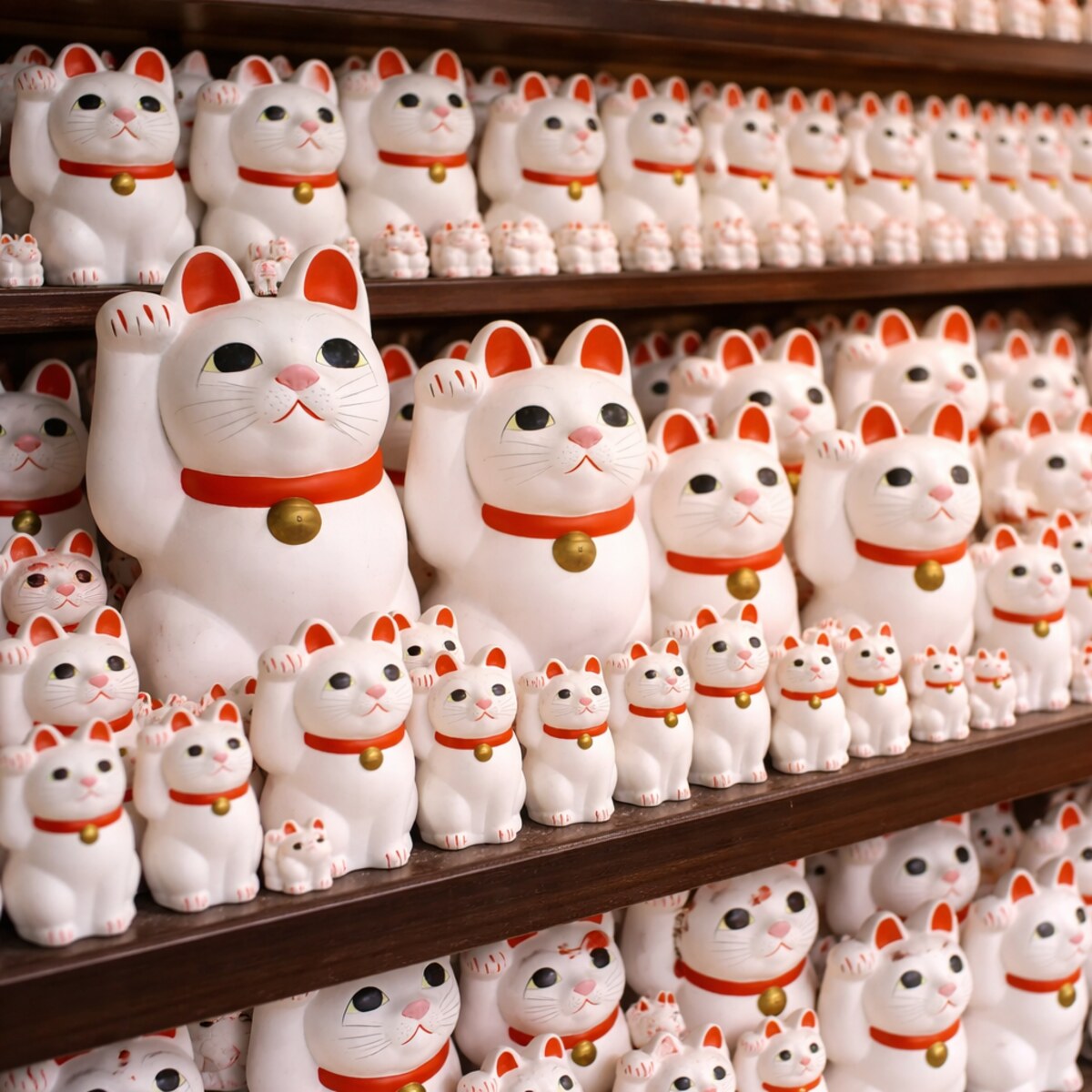
A dime a dozen
When something is described as a dime a dozen, it means that it is very common and easy to find.The idiom suggests that the item has little special value because there are so many of them. It is often used to explain why something is not considered rare or important.
Cheap souvenirs are a dime a dozen.
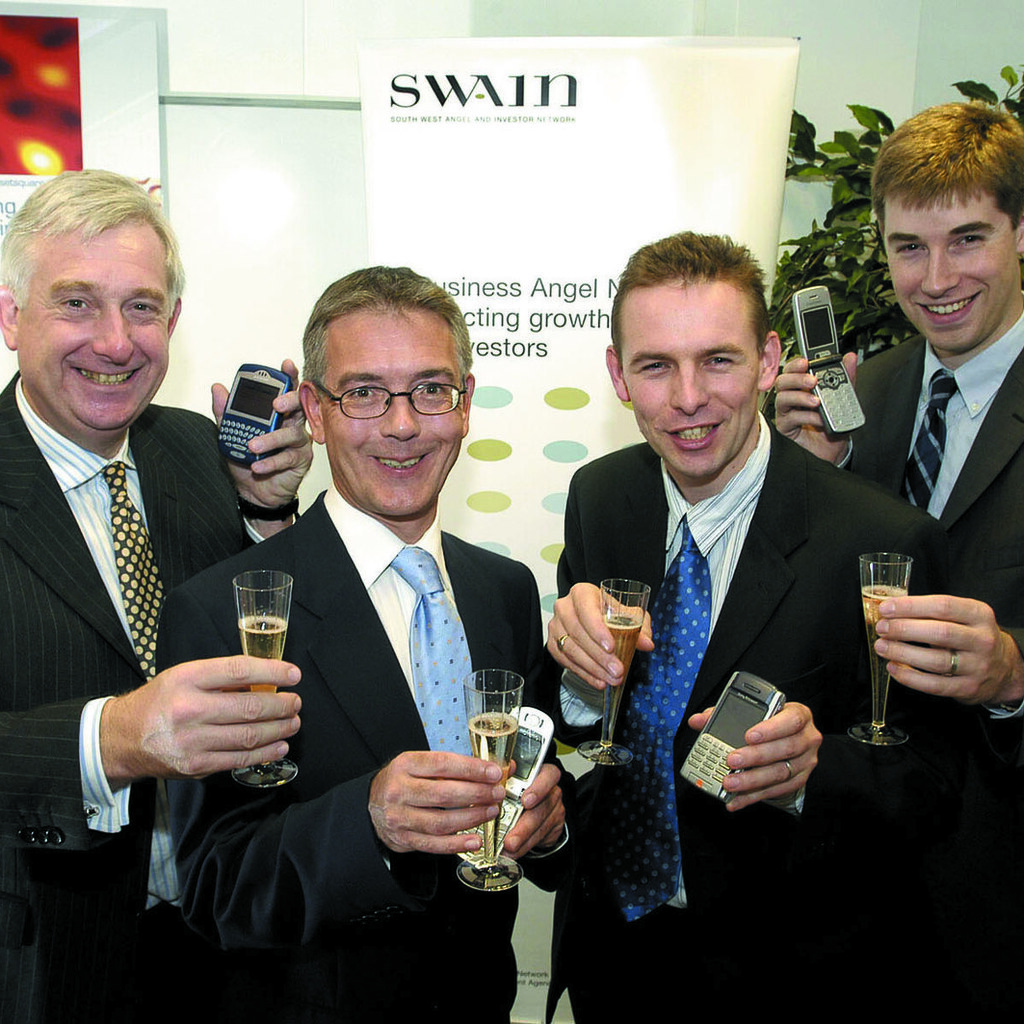
A golden opportunity
A golden opportunity means a rare and valuable chance that should not be missed.The phrase uses gold as a symbol of high value, suggesting something especially worthwhile.
The job offer was a golden opportunity to move into a new field.

A penny for your thoughts
The idiom a penny for your thoughts is a way to ask people what they are thinking about. You'd ask this if someone has been sitting looking quiet, or like they are daydreaming.This dates back to the 1500s, when a penny was worth a lot more than it is now.
You've been staring out the window for half an hour now. A penny for your thoughts?

At face value
The idiom at face value means accepting something as it appears, without looking deeper. It can be a warning to think more carefully. This phrase originated from the financial markets, where the face value of something monetary is the value printed on that item. For example, a one hundred dollar bill has a face value of one hundred dollars.Don't take his promise at face value.
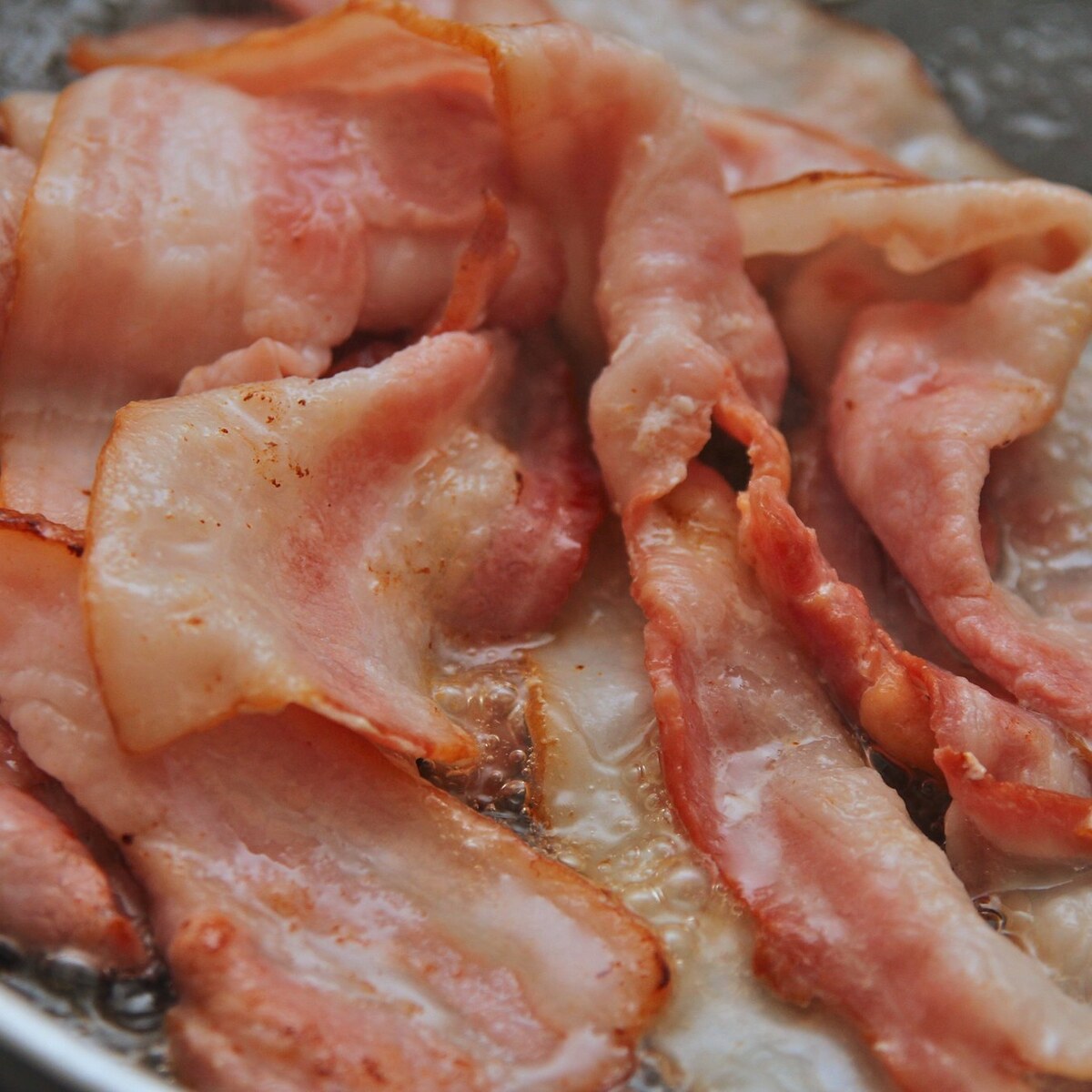
Bring home the bacon
The phrase bring home the bacon means to earn money for your family. It can also mean achieving success.This idiom dates back to when bacon and other goods were used as payment for work.
She works hard to bring home the bacon.

Cost an arm and a leg
The idiom cost an arm and a leg means something is very expensive. Your arms and legs are very valuable - you need them to do things! The phrase also means to exaggerate the price of something.The concert tickets cost an arm and a leg.

Don't throw good money after bad
Don't throw good money after bad is an idiom that is used to tell you not to waste more resources like time or money in a project or investment that is failing, just because you have already invested a lot.You would use this idiom to give advice to someone to stop what they are doing.
Nobody is going to buy that product, you need to stop development on it. Don't keep throwing good money after bad.
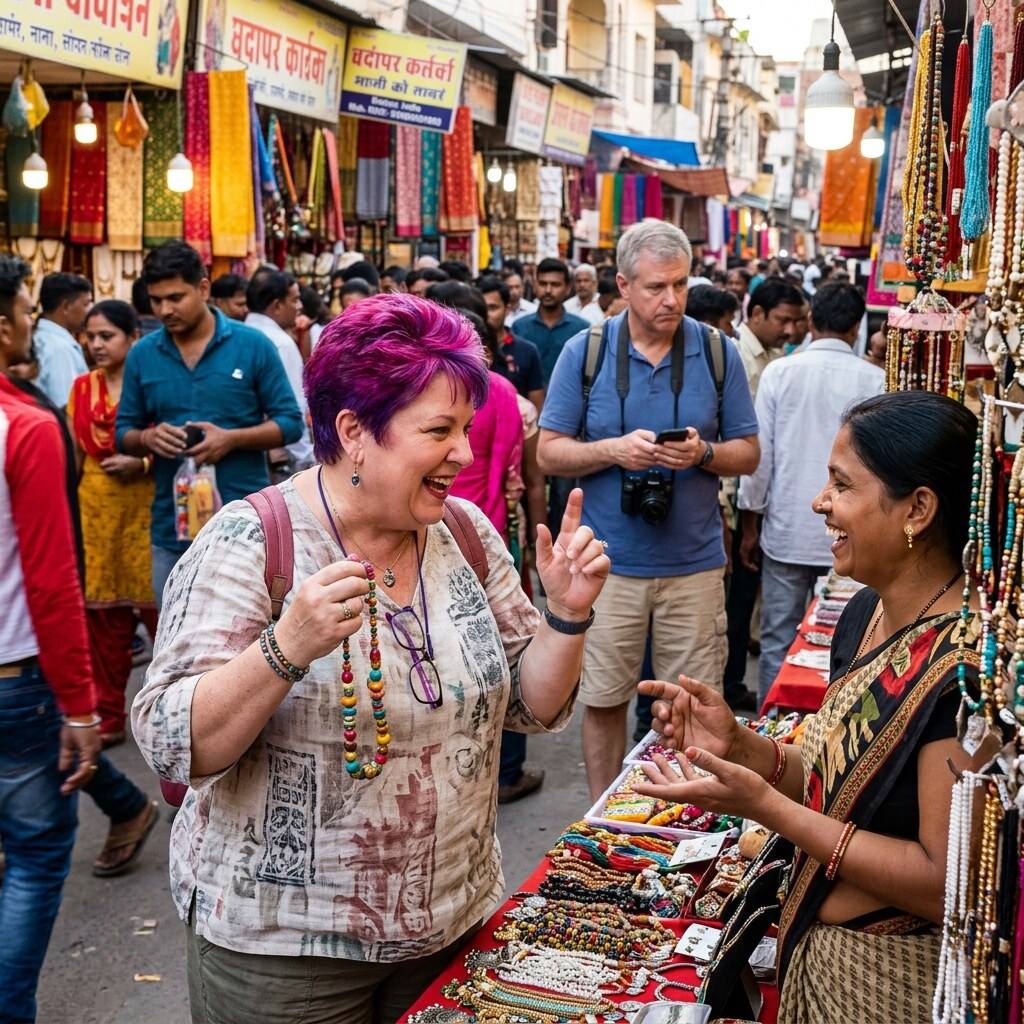
Drive a hard bargain
To drive a hard bargain means to negotiate firmly and refuse to accept less than the best possible terms.The phrase appeared in English trade and market language. Bargaining described the back and forth process of agreeing on a price.
The shop owner drives a hard bargain when buying antiques.
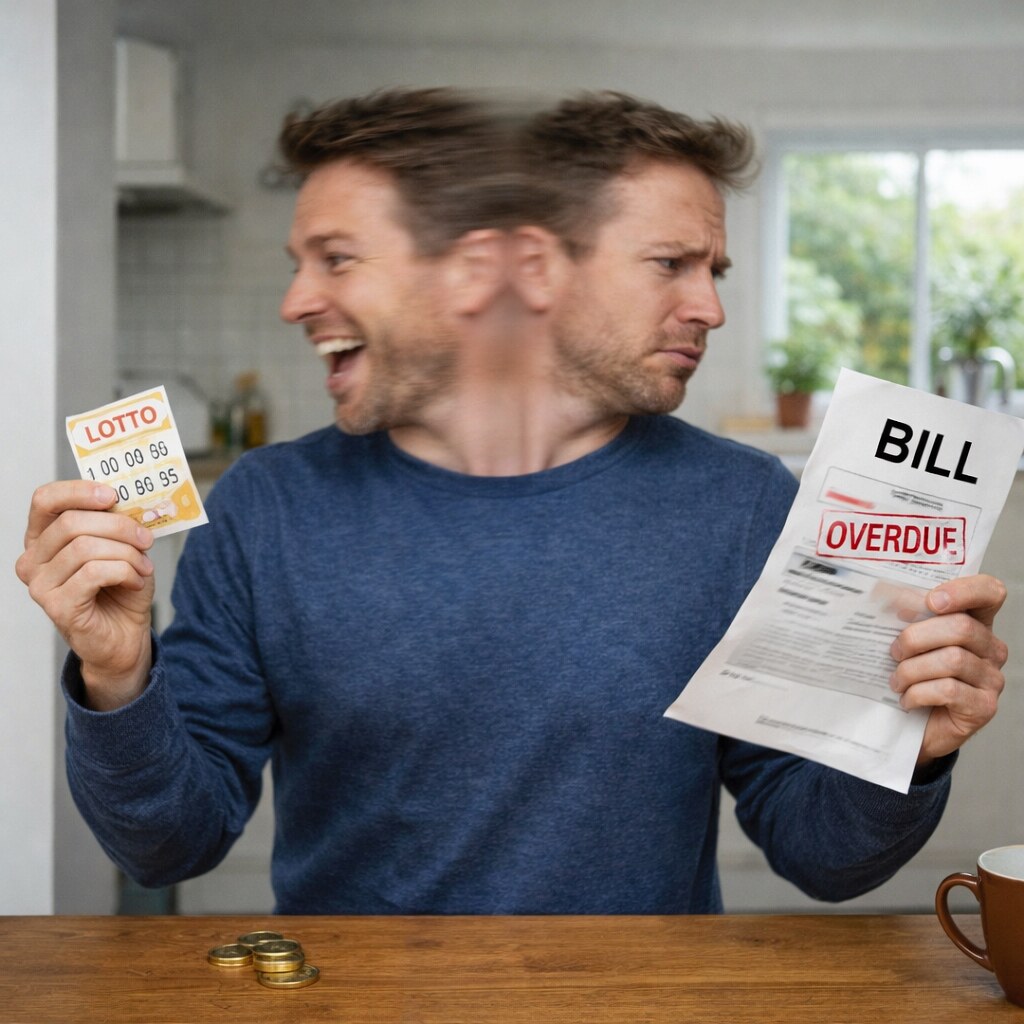
Easy come, easy go
Easy come easy go means that things gained without much effort are often lost just as easily. It is often used when talking about money or possessions that do not stay long.The saying has been used in English since the 1500s. The idea is that things which arrive easily are often not valued or protected carefully.
He spent the lottery winnings quickly, saying easy come easy go.
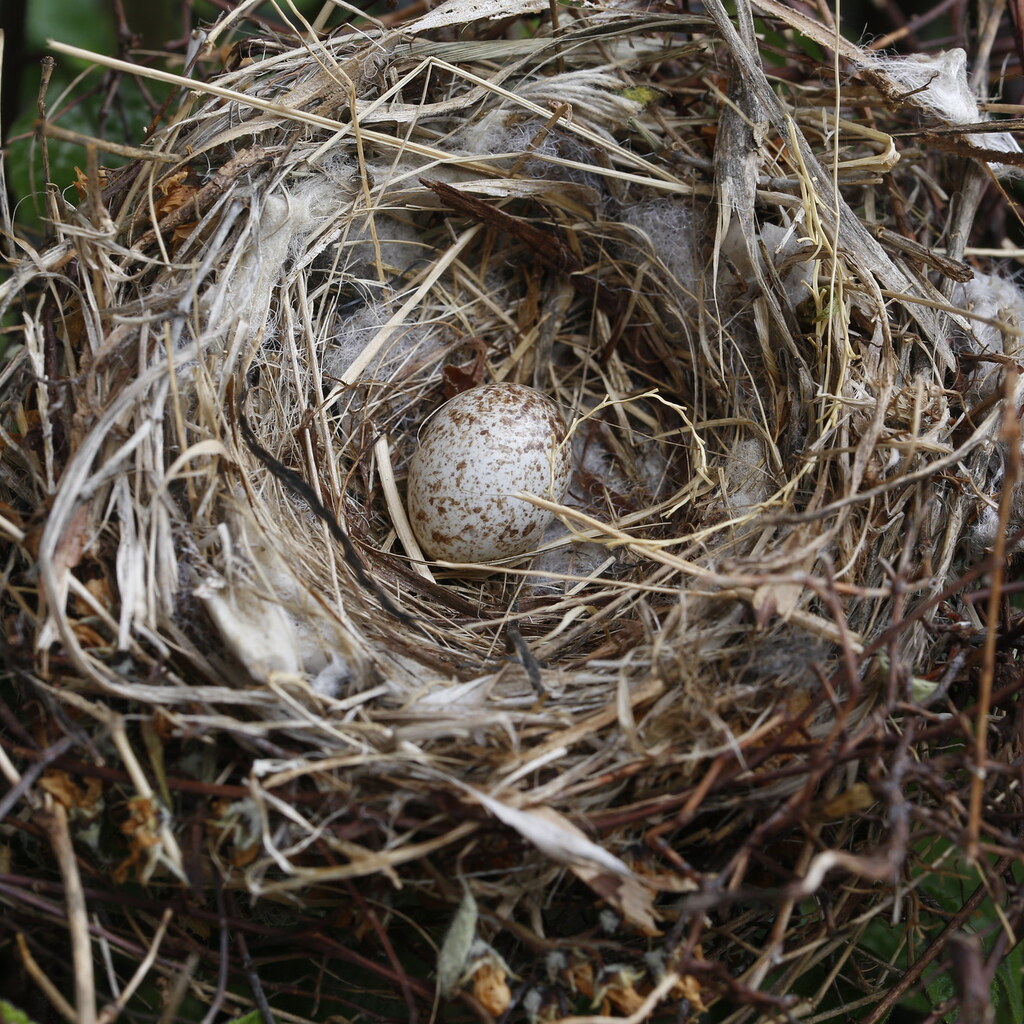
Feather your nest
To feather your nest means to use a position of power or opportunity to gain money or advantages for yourself, often in an unfair or dishonest way.The expression comes from the way birds line their nests with feathers and soft materials to make them comfortable. The phrase compares this to someone quietly making their own situation more comfortable.
The official was accused of feathering his nest with public funds.
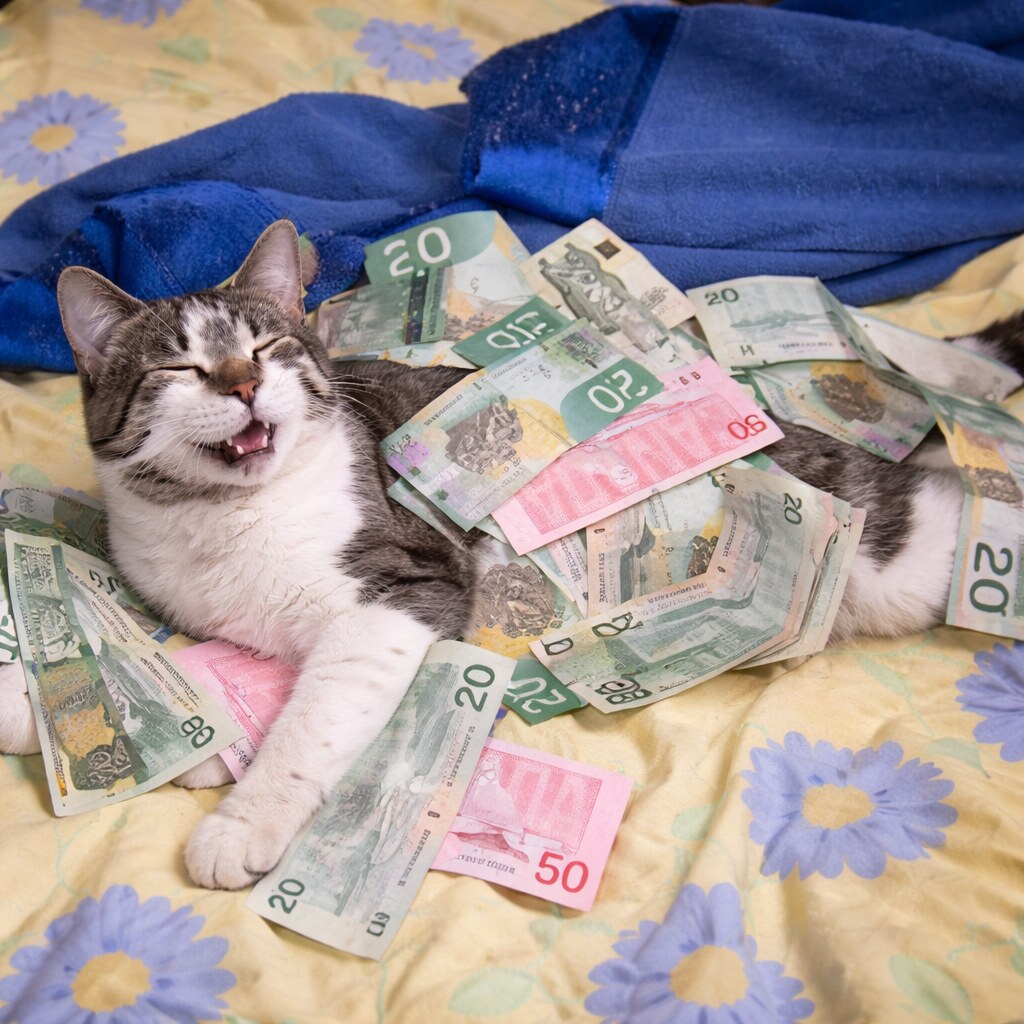
Line your own pockets
To line your own pockets means taking money or benefits for yourself in a dishonest or unfair way.The phrase comes from the idea of filling the inside of your pockets. The idiom suggests secretly keeping what should not be yours.
The official was accused of lining his own pockets with public funds.
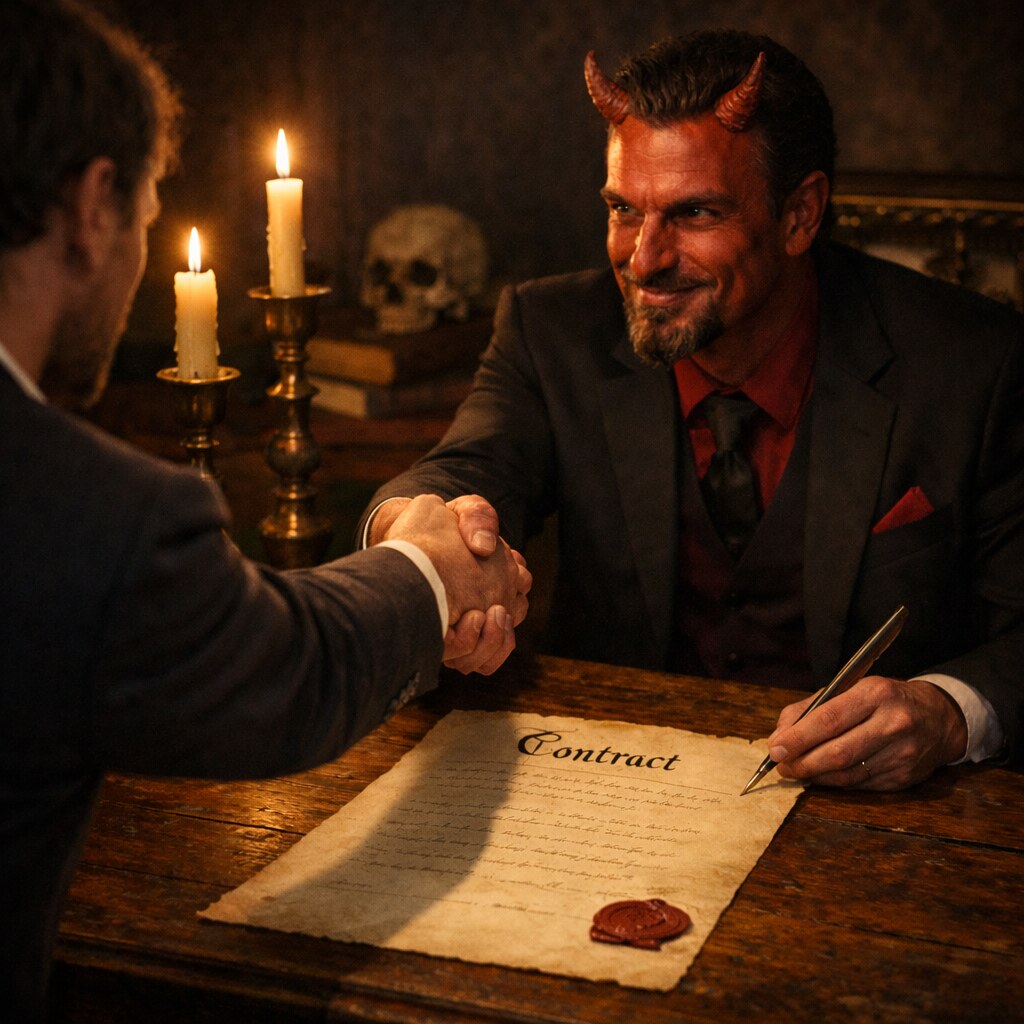
Make a deal with the devil
To make a deal with the devil means to accept help or an offer from someone bad or dangerous in order to get something you want. It suggests that the benefit comes with a serious cost or moral problem.The phrase comes from old stories where a person trades their soul to the devil for power, wealth, or success. People use it when someone chooses a risky or unethical option because it seems useful at the time.
Signing that contract felt like I was about to make a deal with the devil.
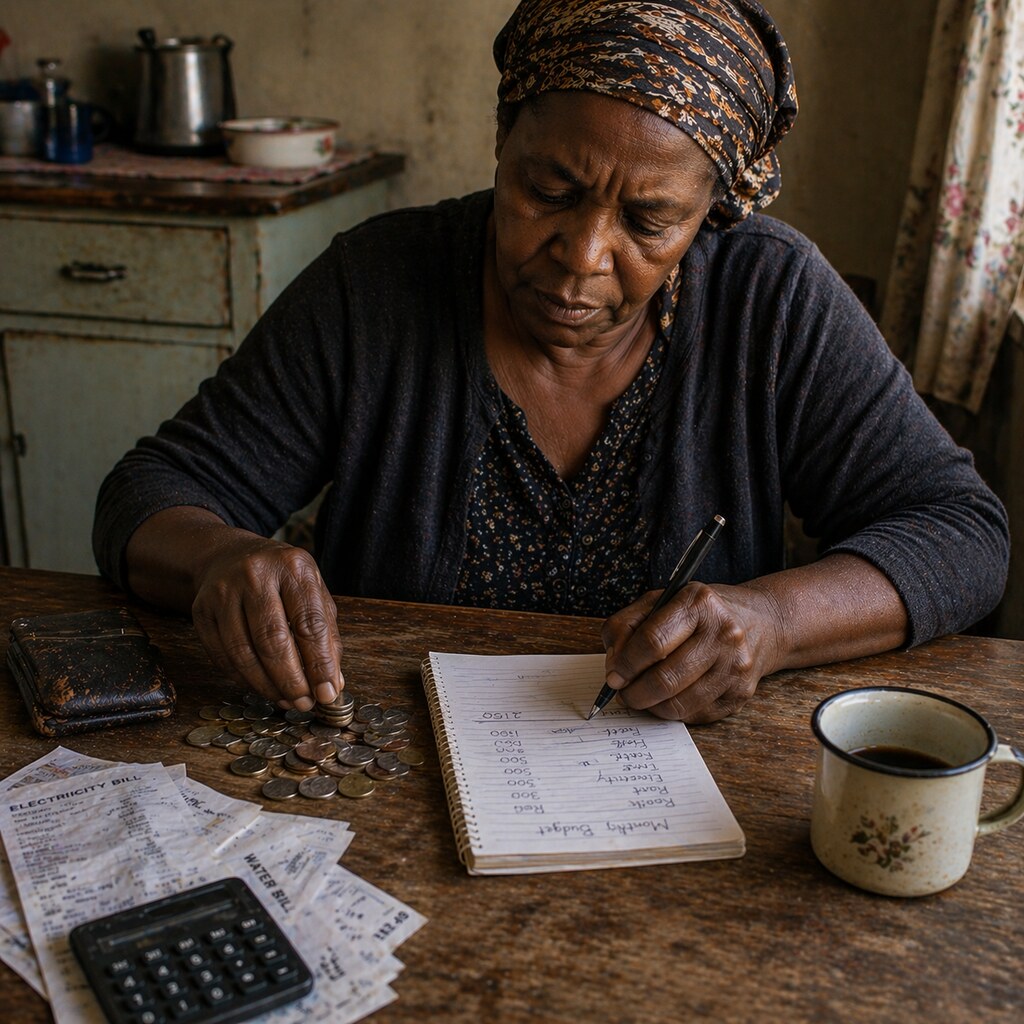
Make ends meet
The idiom make ends meet means to have just enough money to live on.The phrase comes from the idea of bringing two ends together so they connect. It suggests carefully balancing income and expenses.
They work two jobs to make ends meet.

Money is the root of all evil
The idiom money is the root of all evil means that the strong desire for money can cause people to behave in harmful or dishonest ways.The phrase comes from a line in the Bible, in the First Letter to Timothy, which says that the love of money is a root of all kinds of evil. Over time the wording was shortened and became a common proverb in everyday English.
After watching the partners argue bitterly over profits, he muttered that money is the root of all evil.

Pay the piper
To pay the piper means to face the consequences of something you have done. This idiom is used when a person must finally deal with the results of their actions, especially after avoiding them for a while.The expression may come from the old story of the Pied Piper of Hamelin, a story where a town refused to pay a musician for his work taking the rats away. Because they did not pay him, the piper took revenge by leading the town's children away.
After ignoring his debts for months, he finally had to pay the piper.

Pot of gold at the end of the rainbow
The phrase pot of gold at the end of the rainbow comes from Irish folklore, where leprechauns hid their treasure where a rainbow touches the ground. It is used to mean a desire that is elusive and is always out of reach.Rainbows do not have a real end, if you try and get the end of a rainbow it keeps moving away from you.
A work from home job where I can sit on a beach all day, that's the pot of gold at the end of my rainbow!

Save for a rainy day
Saving for a rainy day means to keep money or resources for a time when you might need them. People use this idea to talk about being careful and preparing for future problems or emergencies.This phrase comes from the idea of bad weather stopping normal plans. When rain keeps people indoors or makes work harder, it helps to have something saved to rely on.
She always saves a little from each paycheck for a rainy day.
Set the record straight
To set the record straight means to correct a mistake or false story by explaining what really happened.The expression comes from record keeping and accounting. If information in a record book was wrong, it had to be corrected so the record showed the true facts.
She called the meeting to set the record straight about what had happened.

The penny dropped
The penny dropped is an idiom that means someone finally understood something, after some confusion or delay. A similar idiom is a light bulb moment or to put two and two together.It originates in older slot machines, where there was a delay between inserting a coin, and the mechanism starting to work.
She stared at the instructions for a full 10 minutes before the penny dropped.

Tighten your belt
To tighten your belt means to spend less money and live more carefully because money is limited.The expression comes from the idea of tightening a belt around the waist when someone has less food to eat and becomes thinner. Over time the phrase came to mean reducing spending and being more careful with resources.
With prices rising, many families have had to tighten their belts.